23.10.26 – Science – Planting
23-10-2026
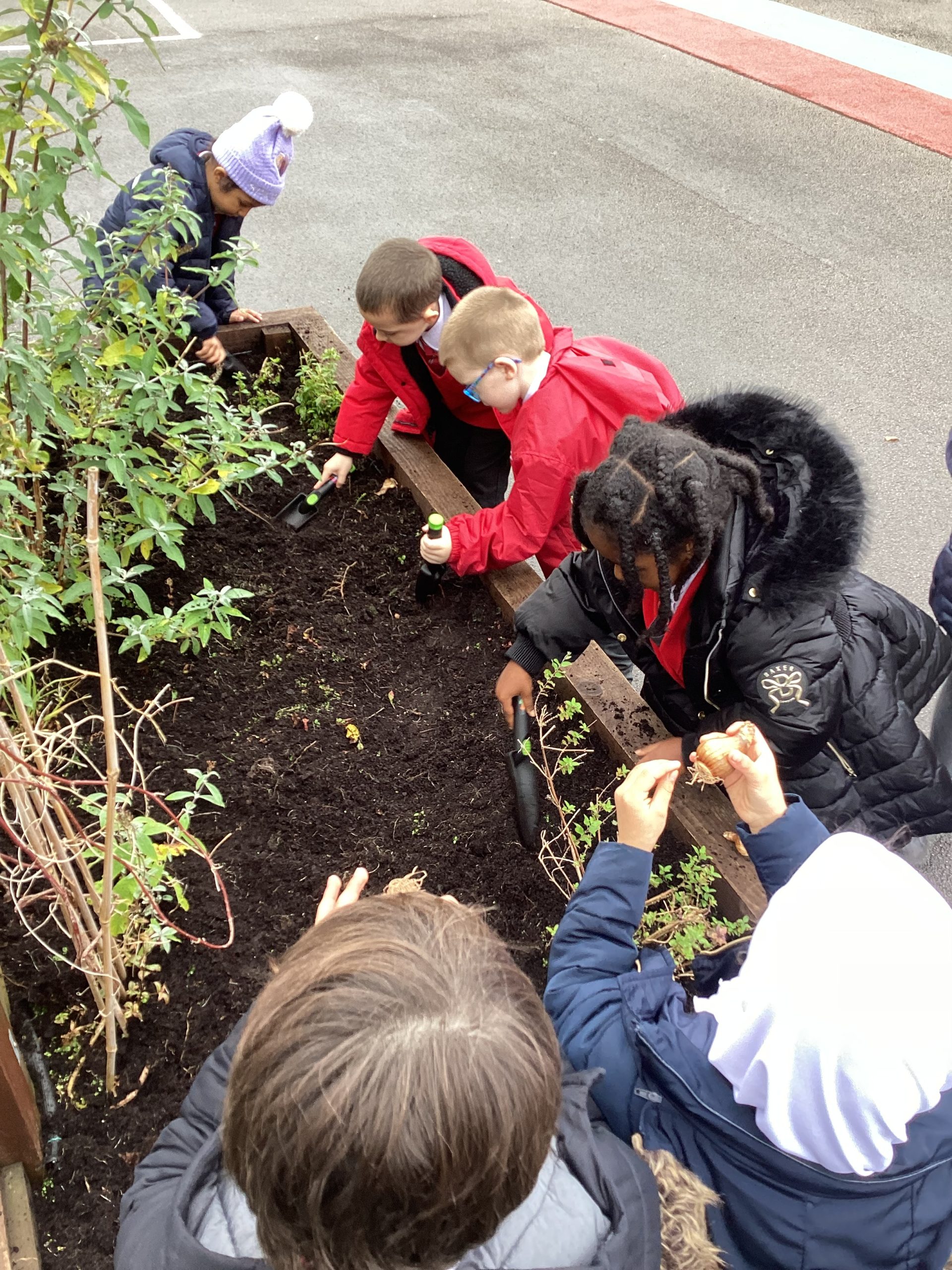
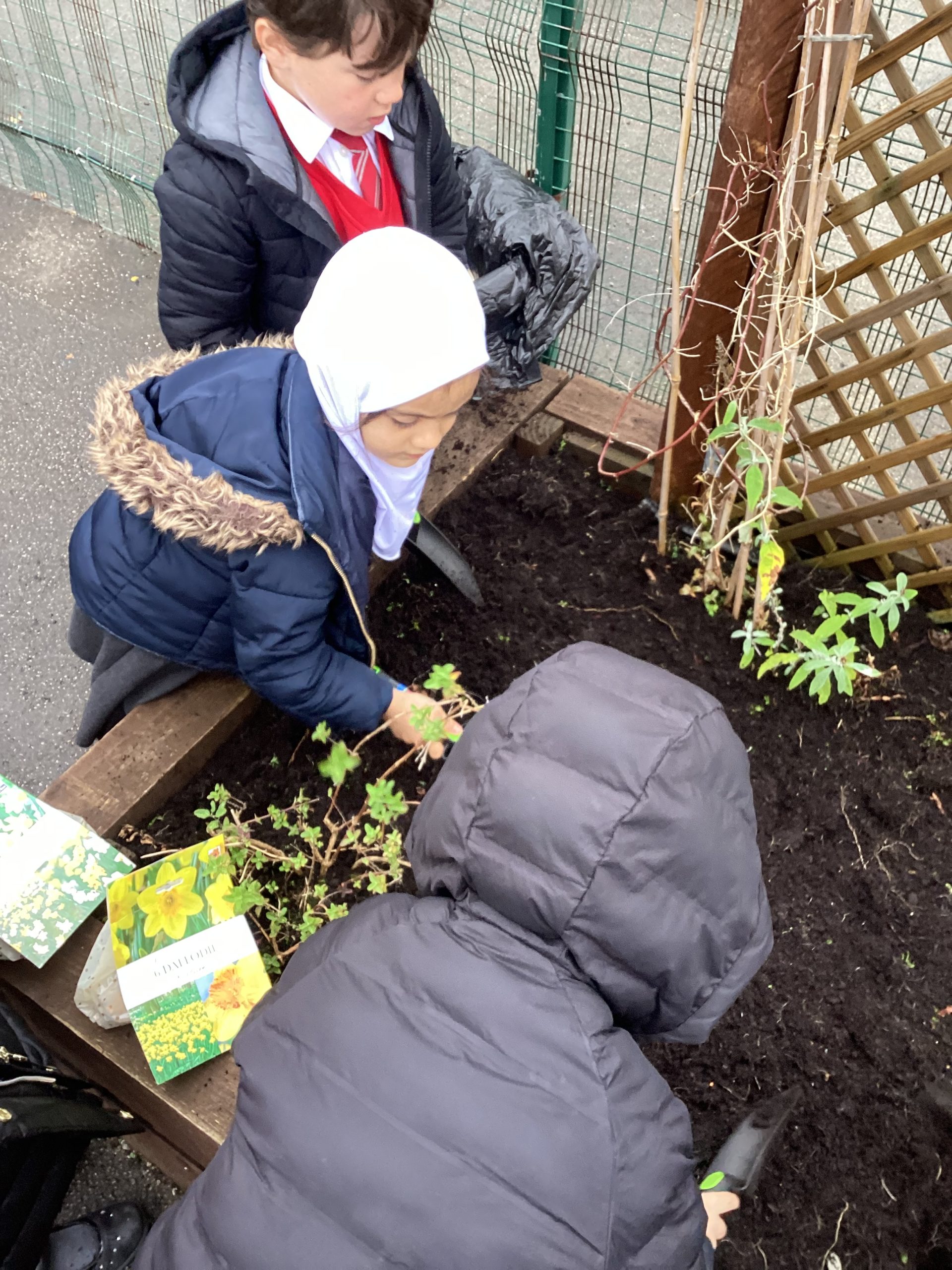
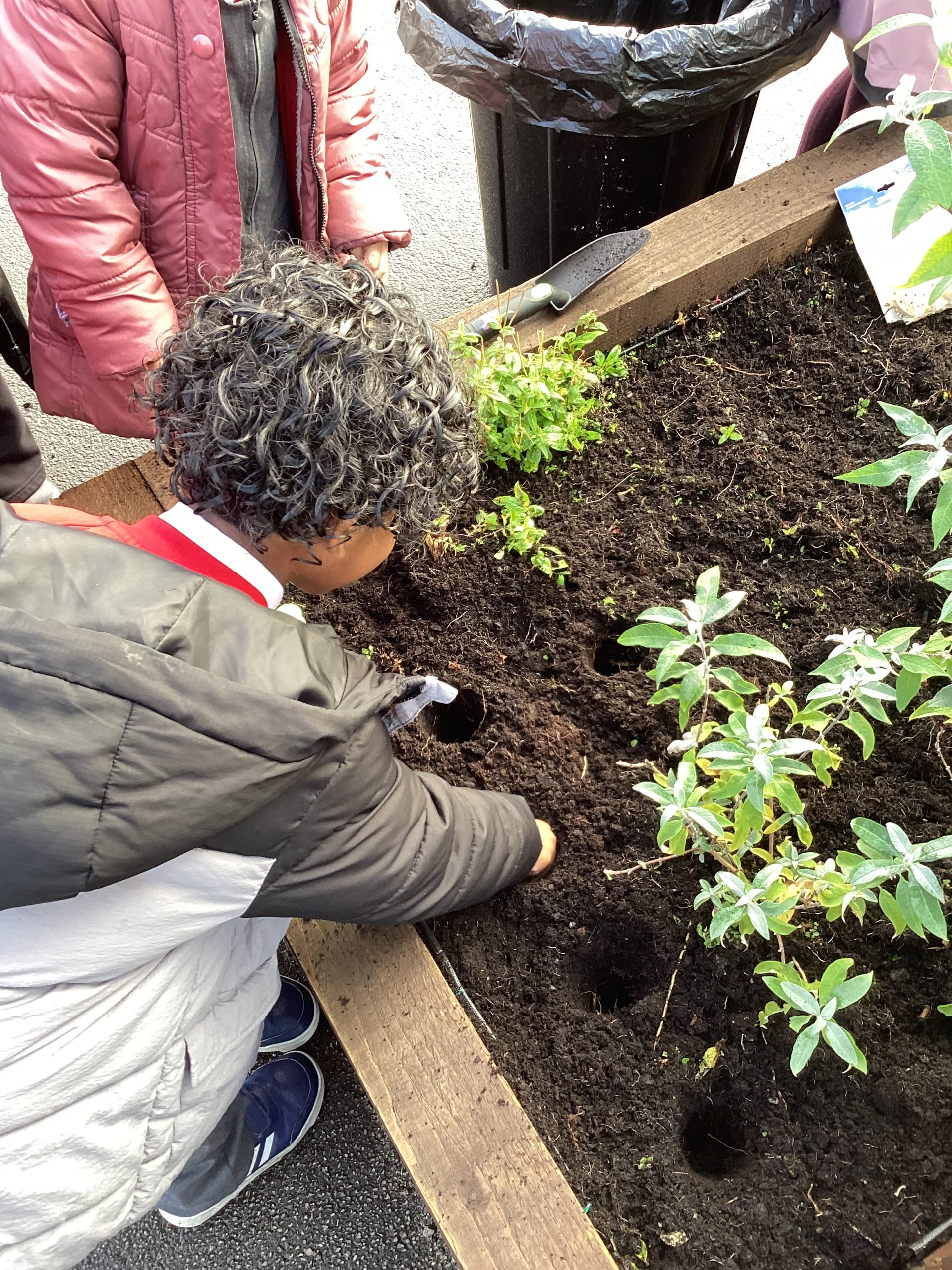
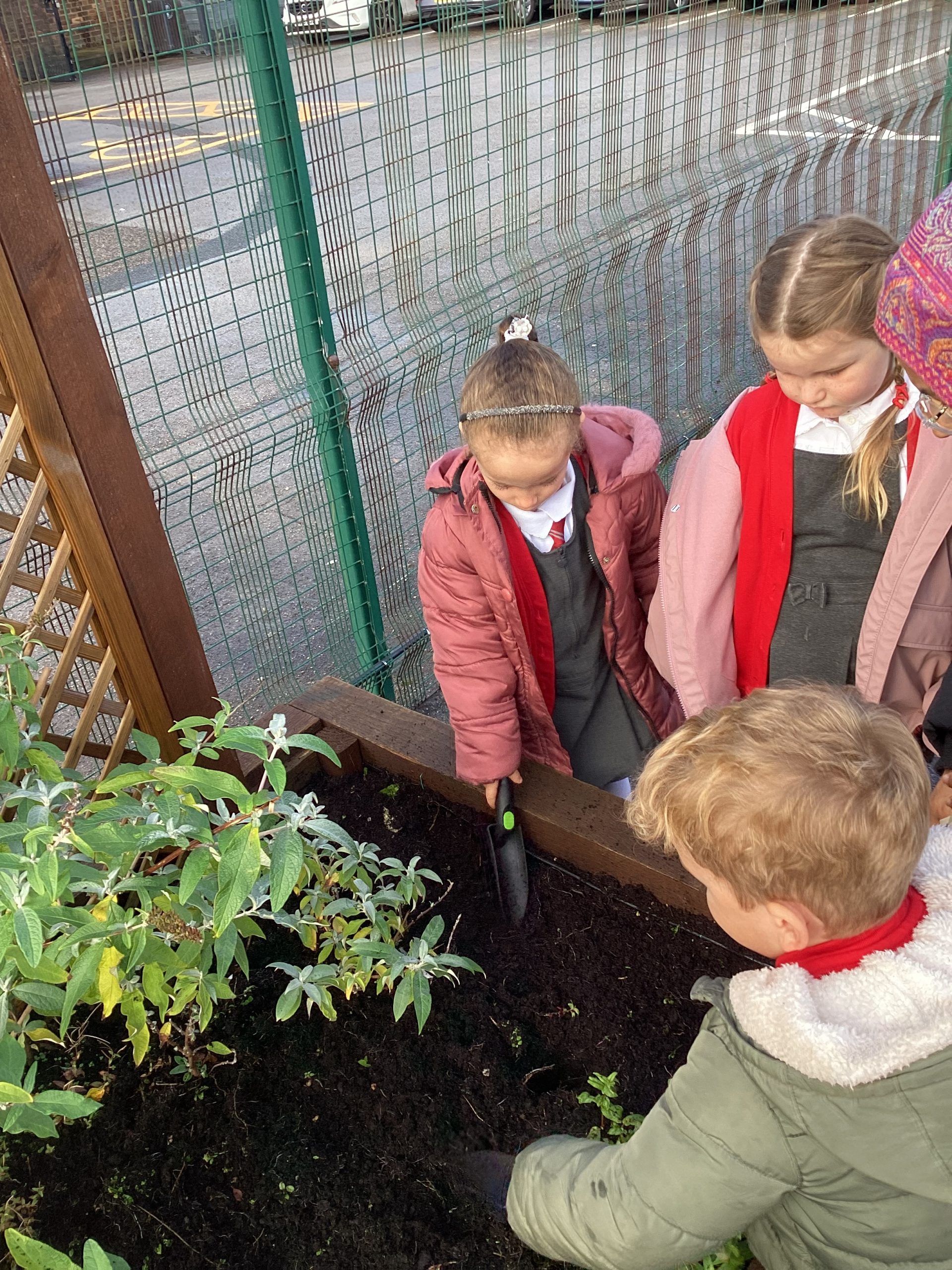
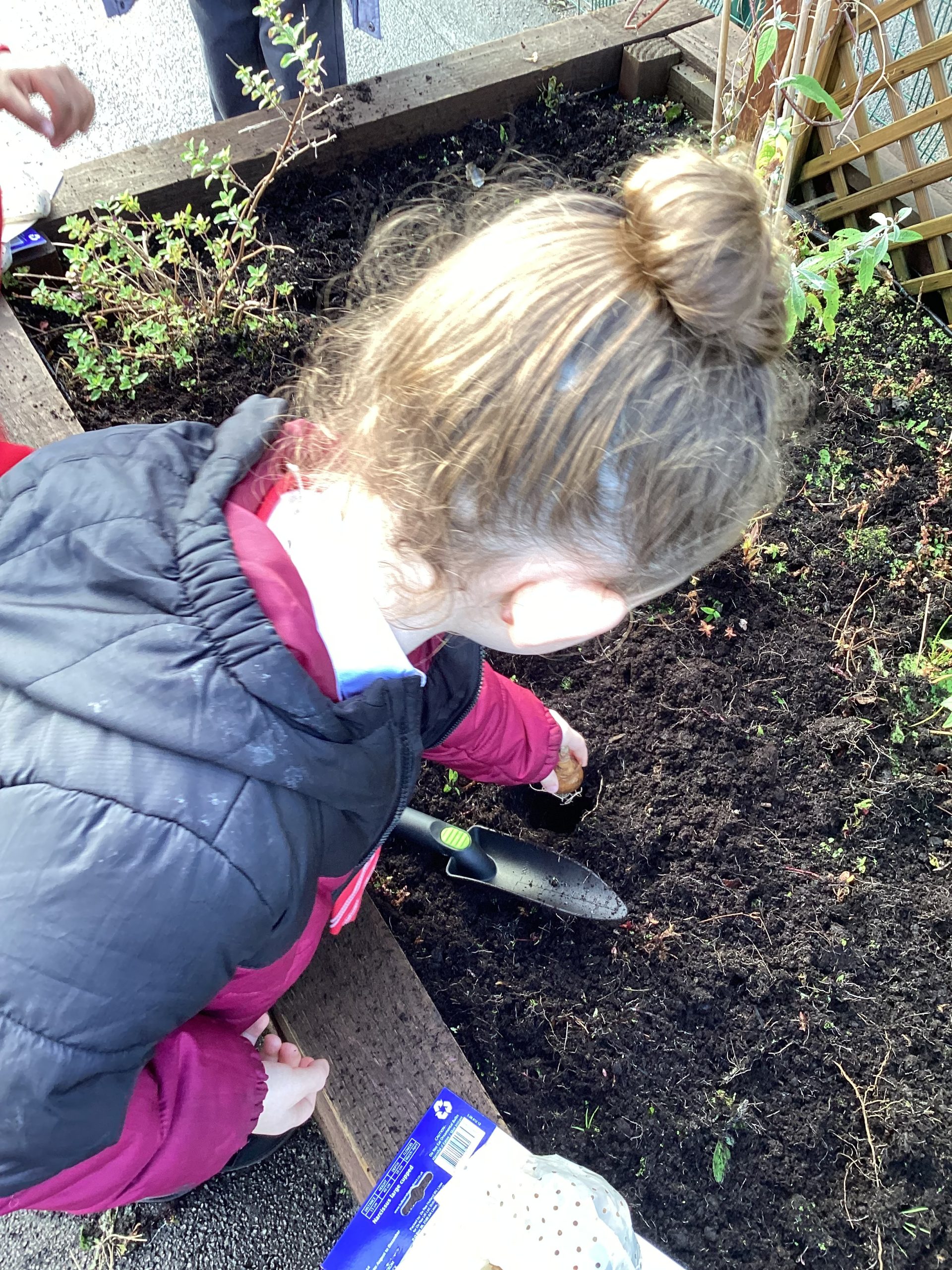
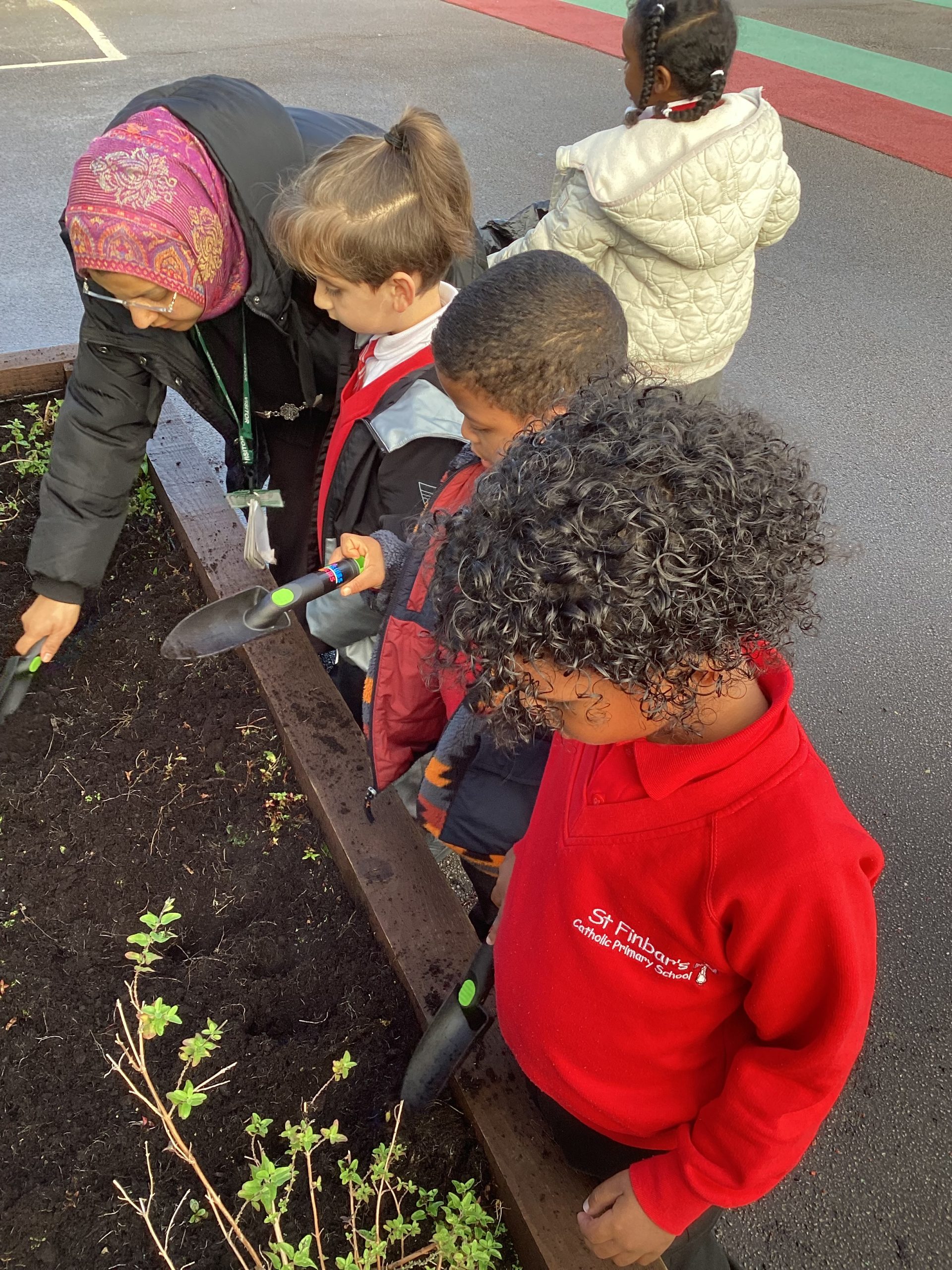
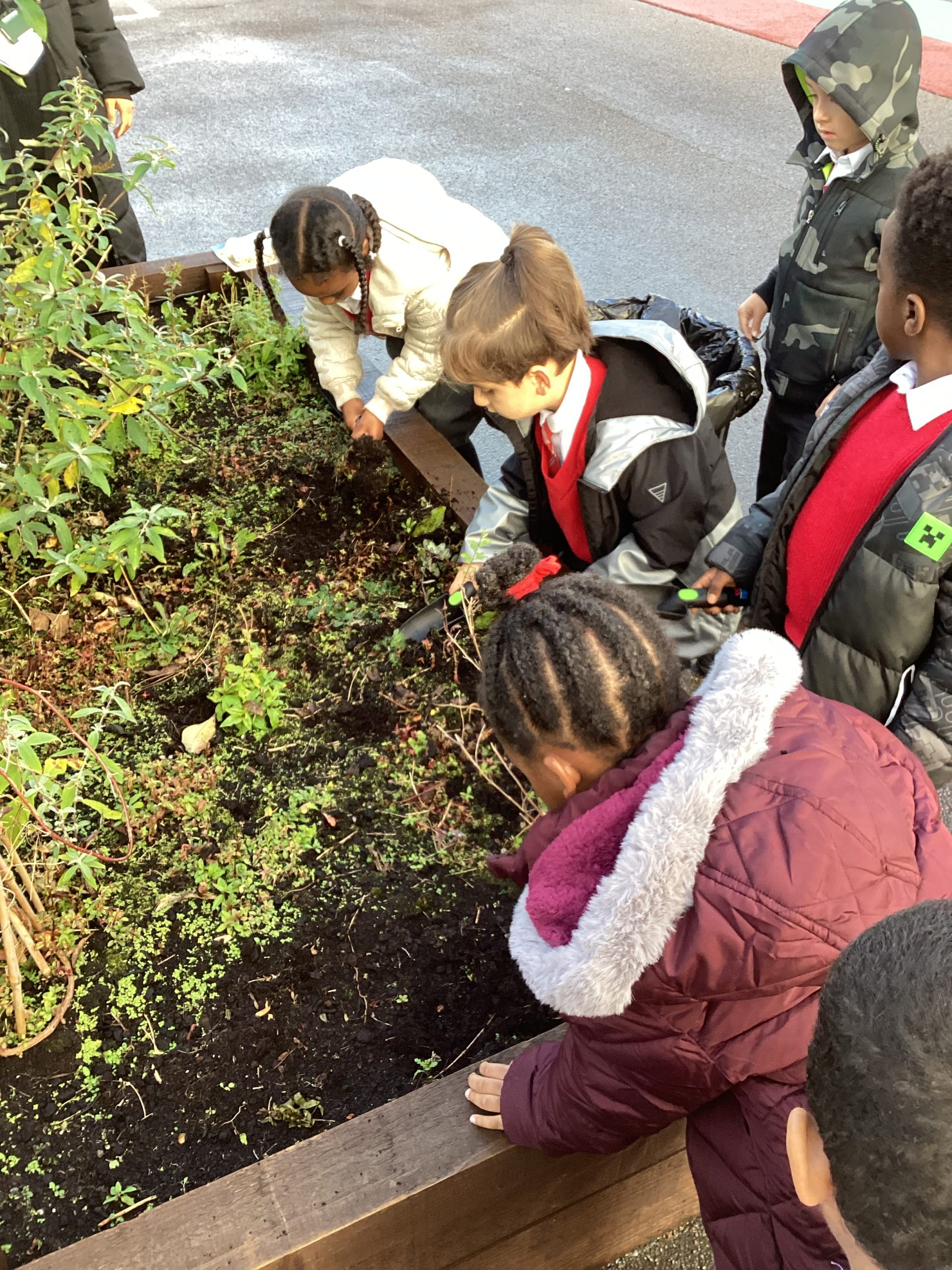
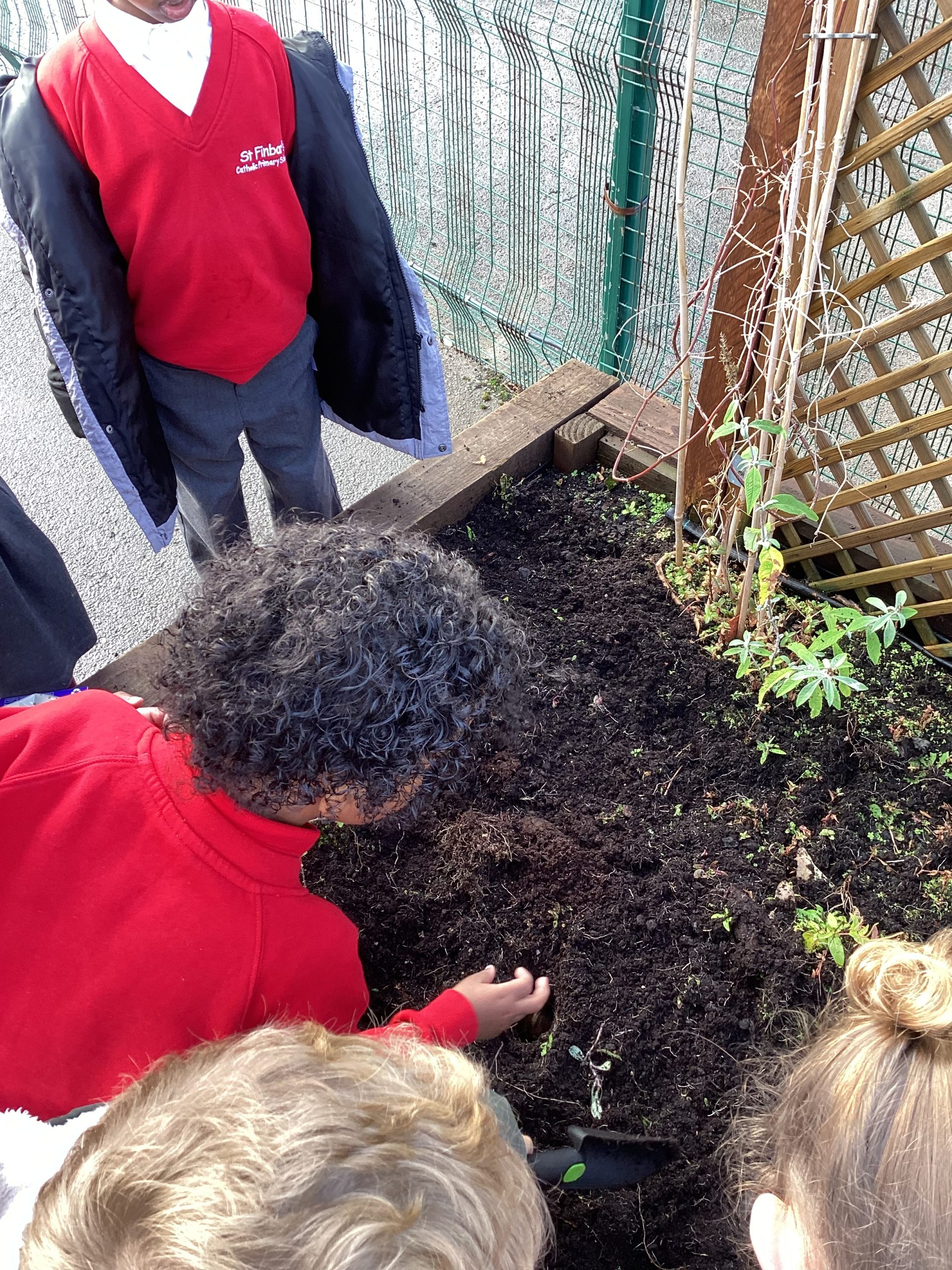
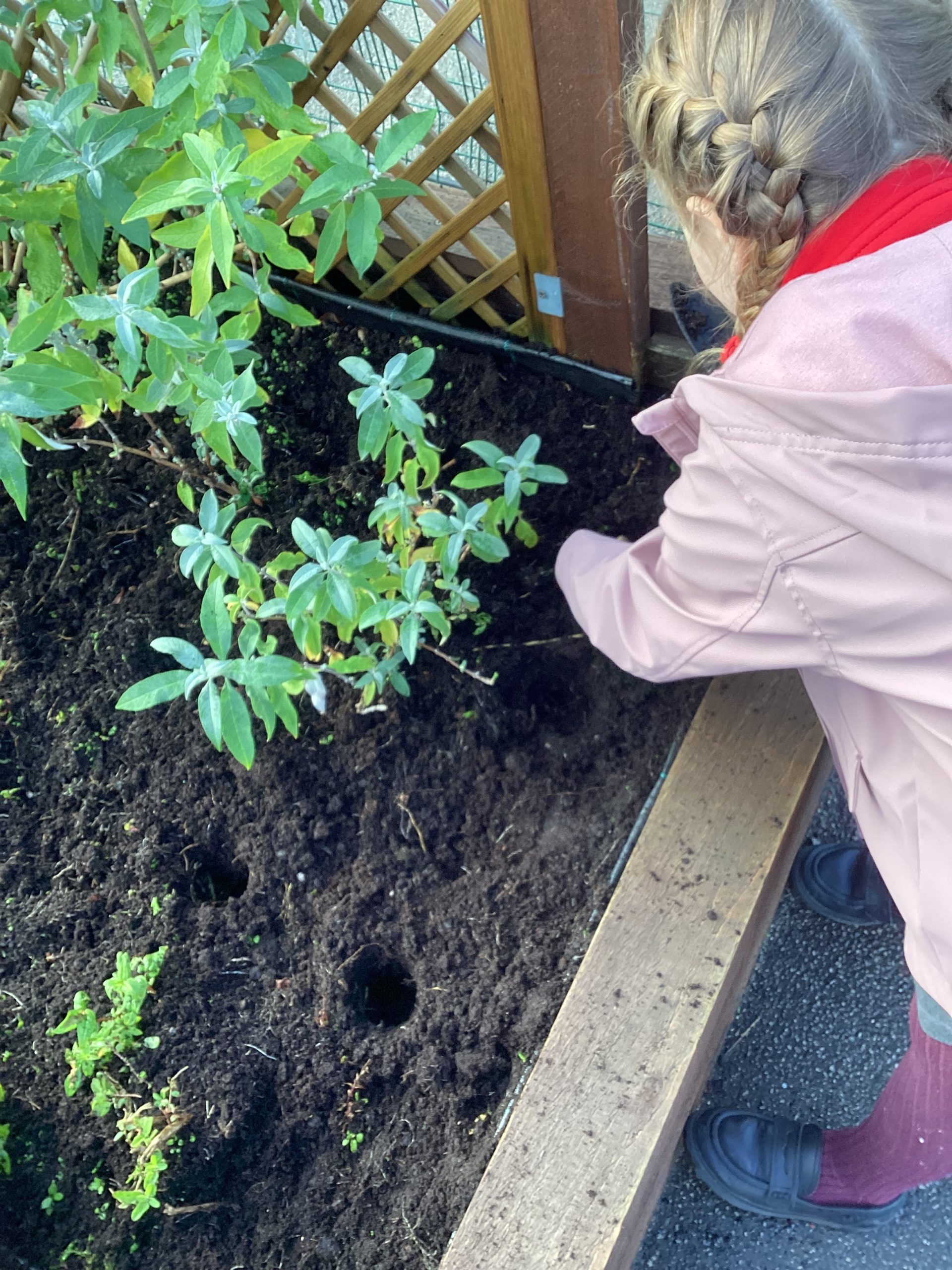
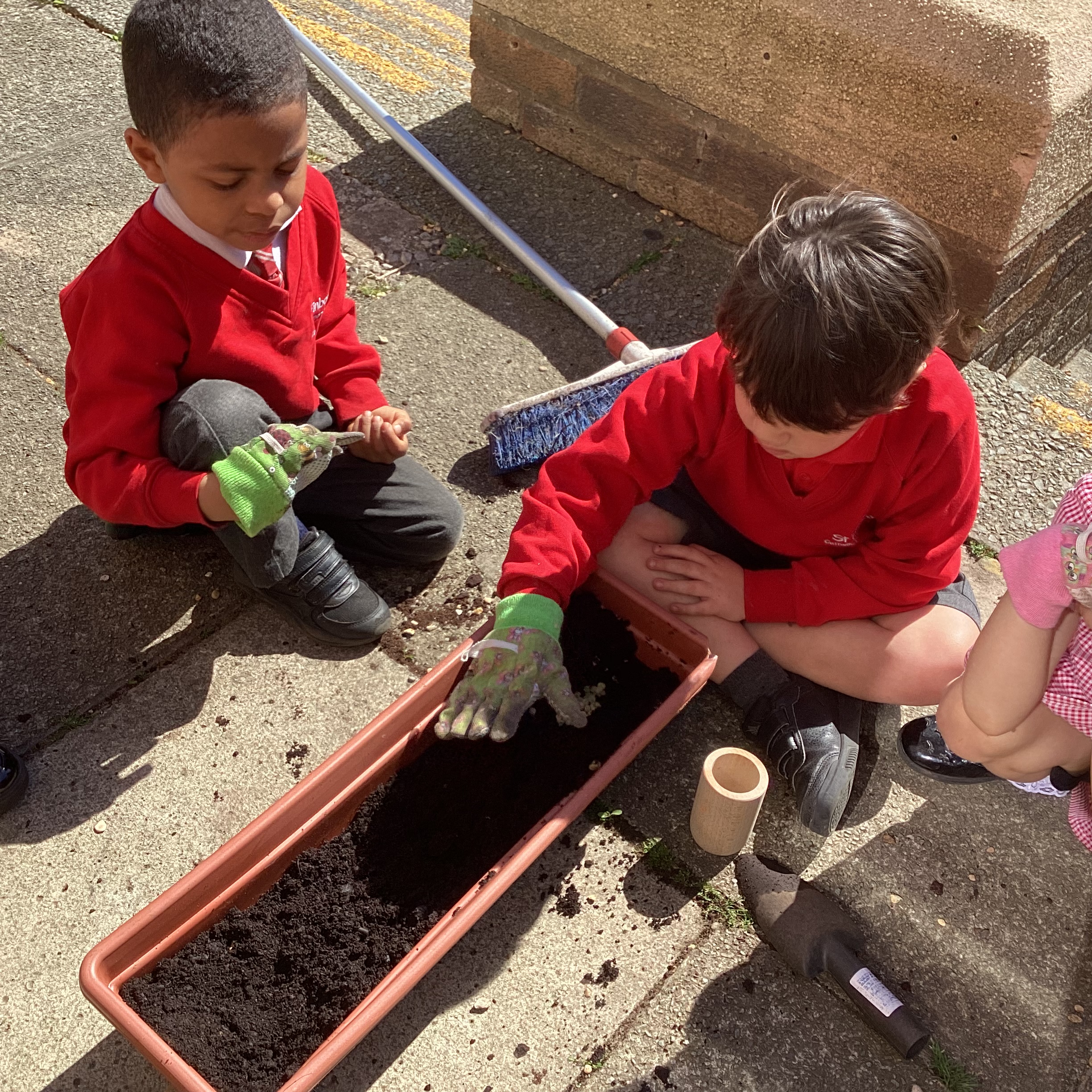
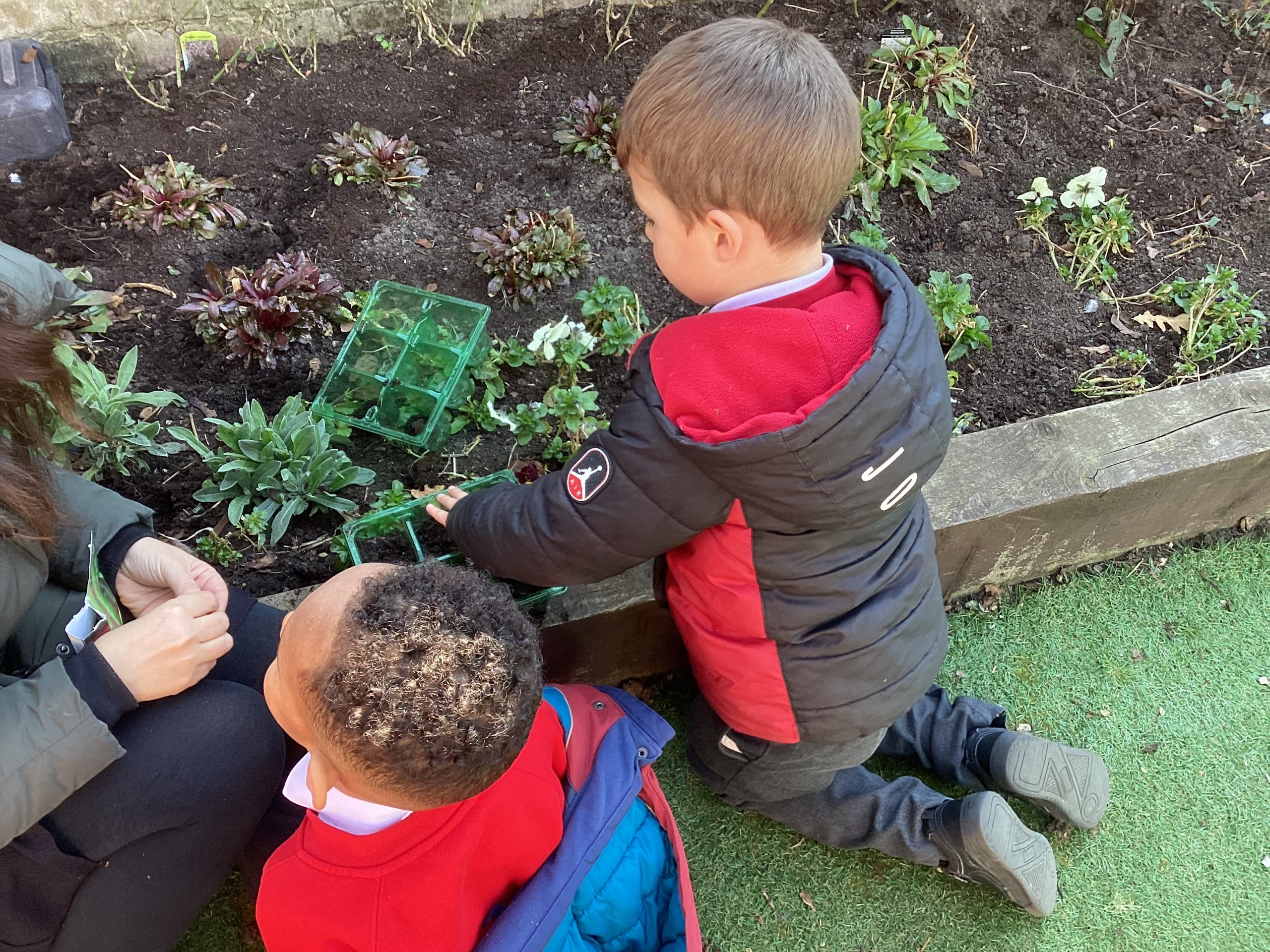
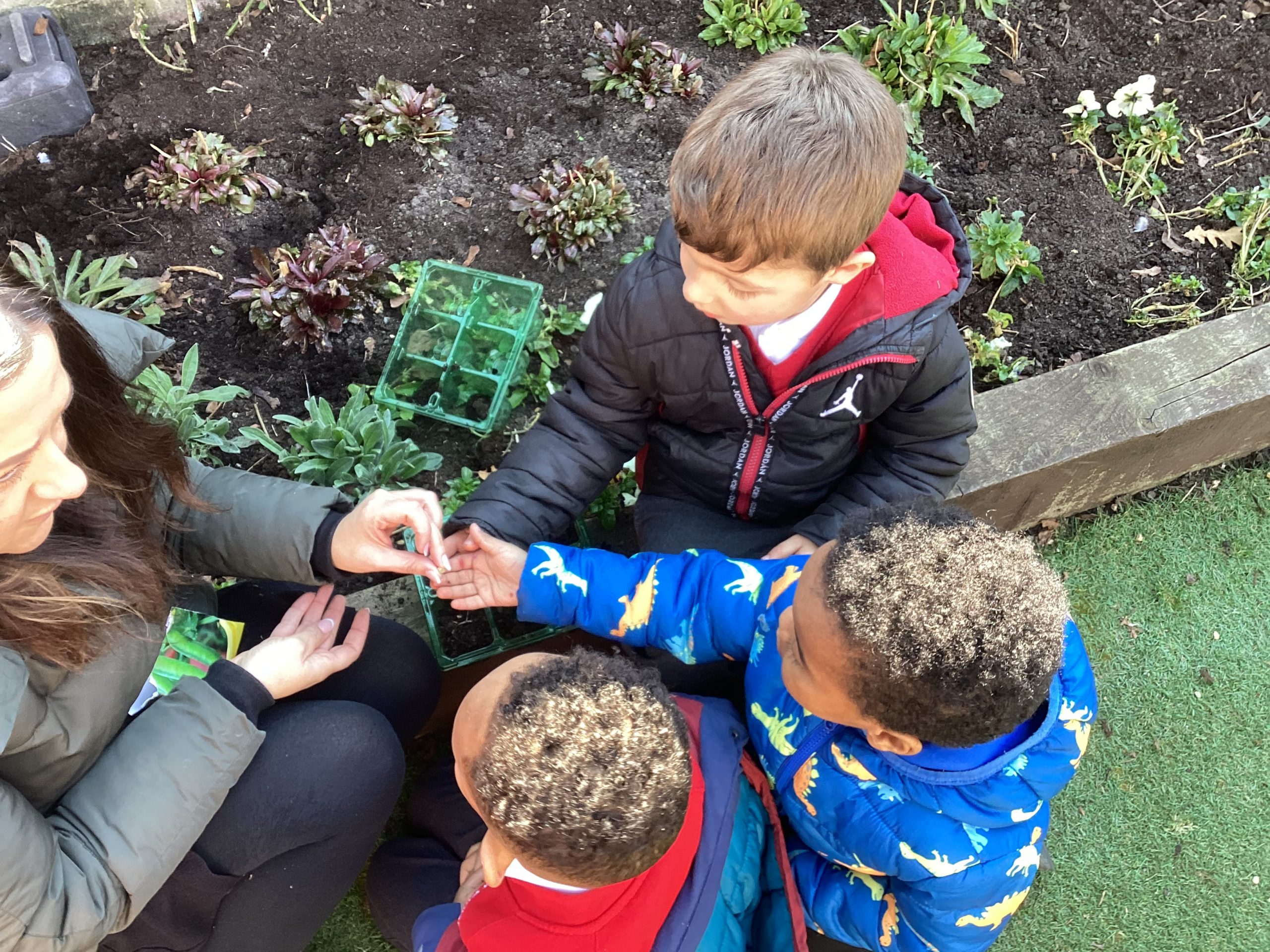
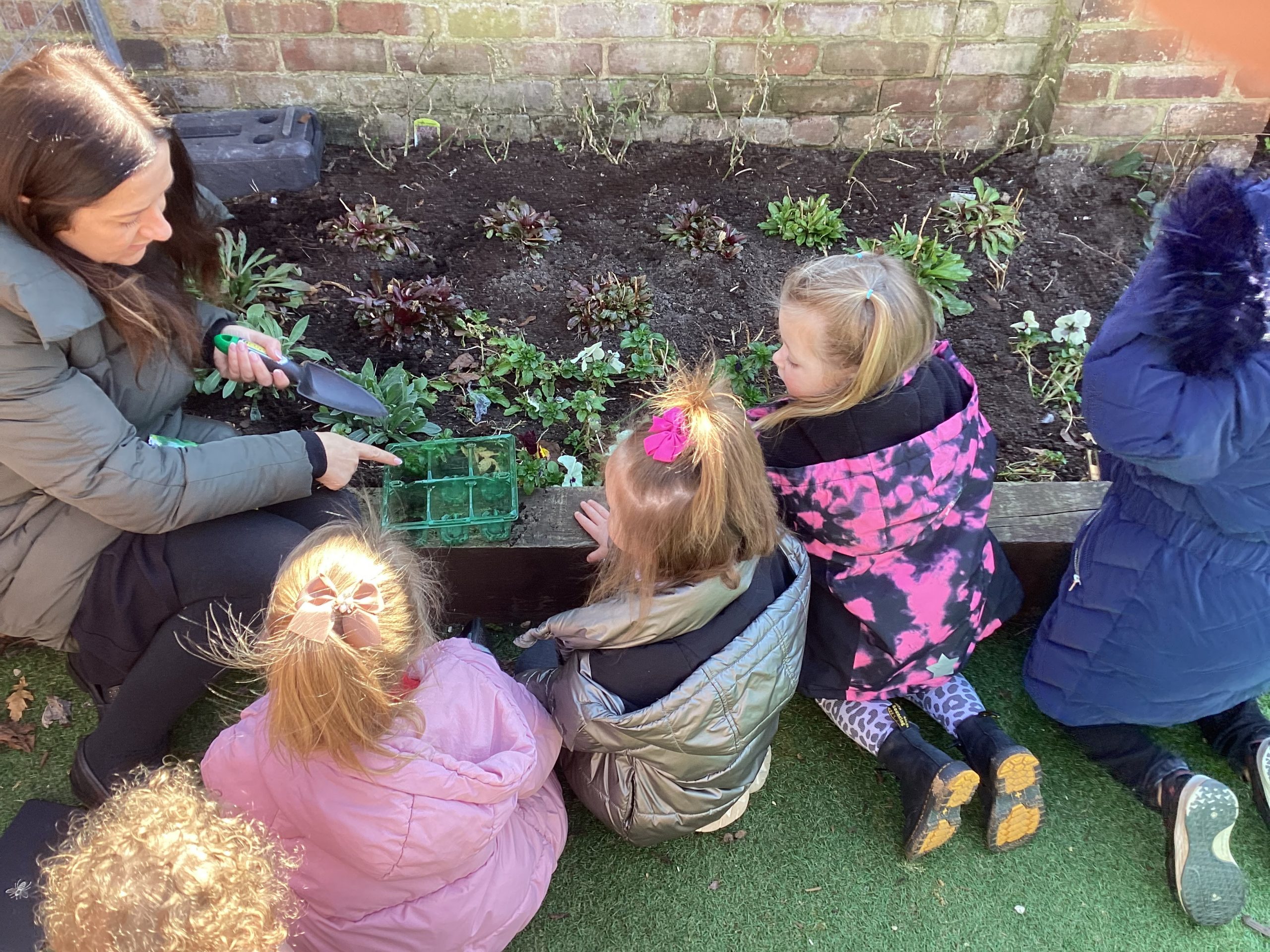
We have looked at a variety of seeds and bulbs today. We prepared our planter and planted some daffodil bulbs. We can’t wait to see them grow during spring.
Science at St Finbar’s school encourages children to explore, question, and make sense of the world around them. We want children to develop a natural curiosity and confidence to ask questions, test ideas, and seek evidence to explain how things work.
Through the HEP Science Curriculum, children follow a carefully sequenced, knowledge-rich programme that builds understanding and enquiry skills from the Early Years through to Year 6. The curriculum ensures coverage of biology, chemistry, and physics in a way that is practical, engaging, and relevant to everyday life.
Our science teaching is rooted in the principles of investigation. children learn to:
This approach aligns with the National Curriculum for Science, which aims to equip children with the knowledge and skills to understand the natural world and to think scientifically.
Our science curriculum, delivered through the HEP Science scheme, aims for all children to:

We have looked at a variety of seeds and bulbs today. We prepared our planter and planted some daffodil bulbs. We can’t wait to see them grow during spring.
Today we have looked at different plant in our garden. We chose a plant, drew it and described how it looked, smelt and felt.
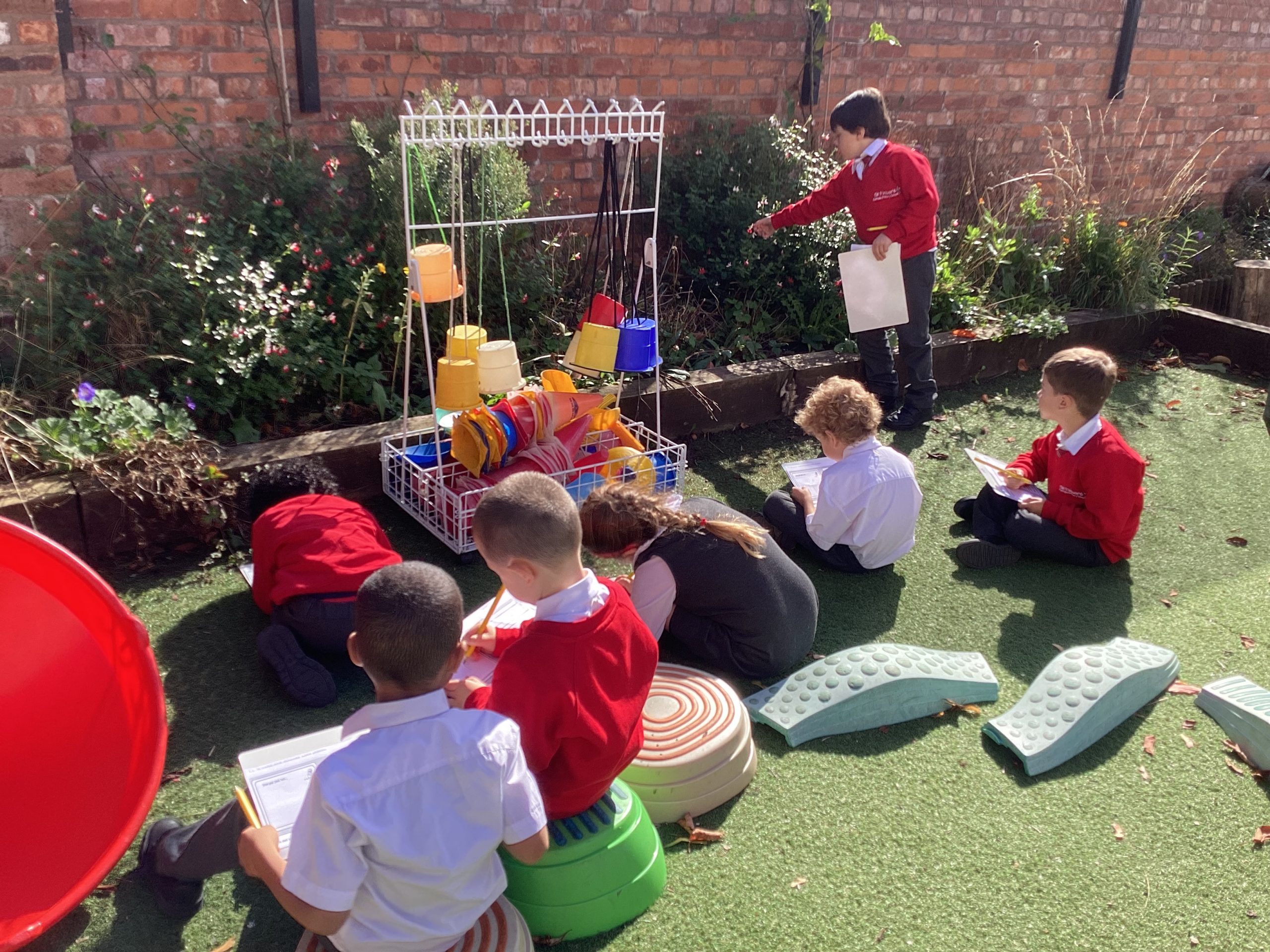
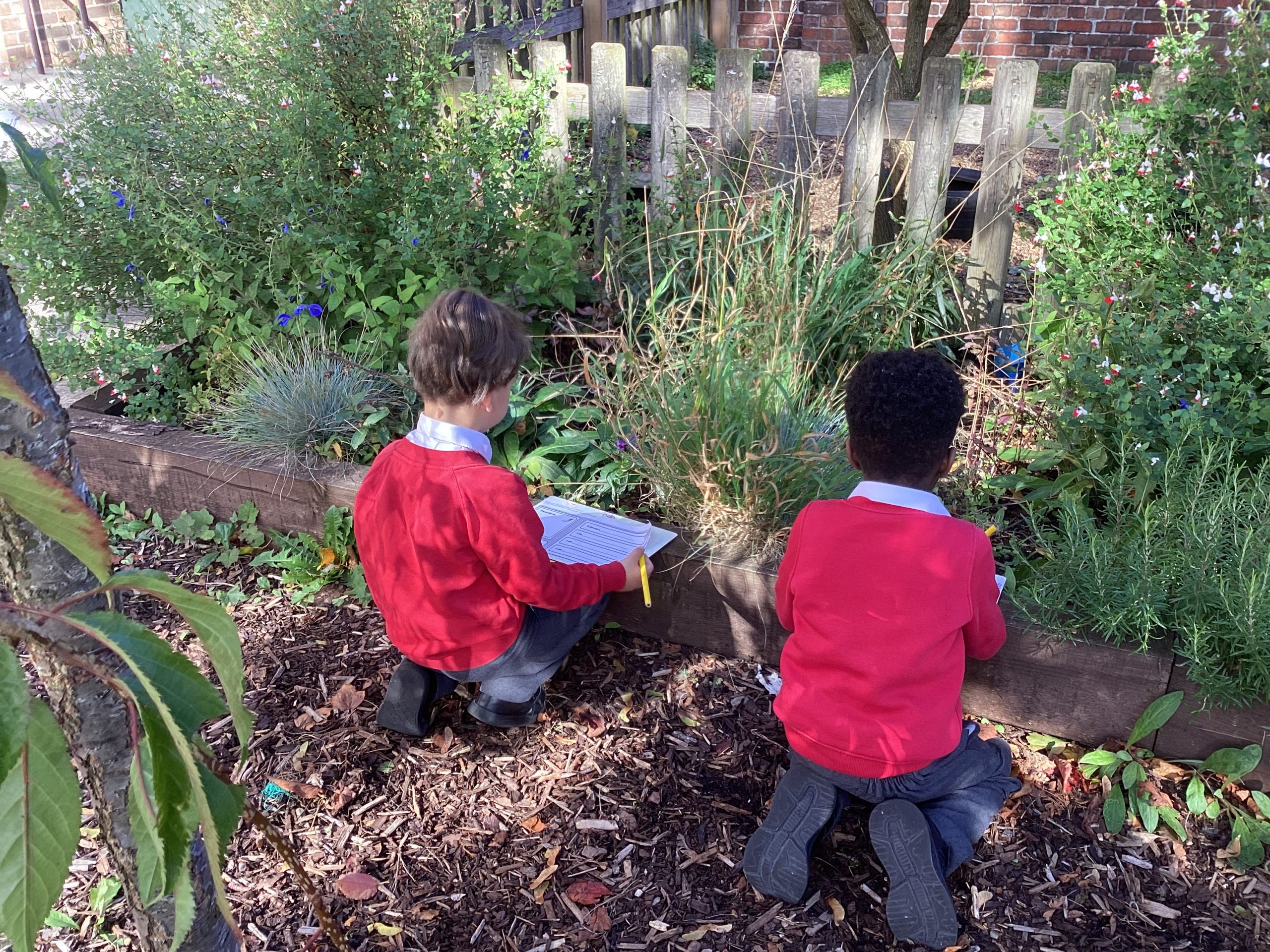
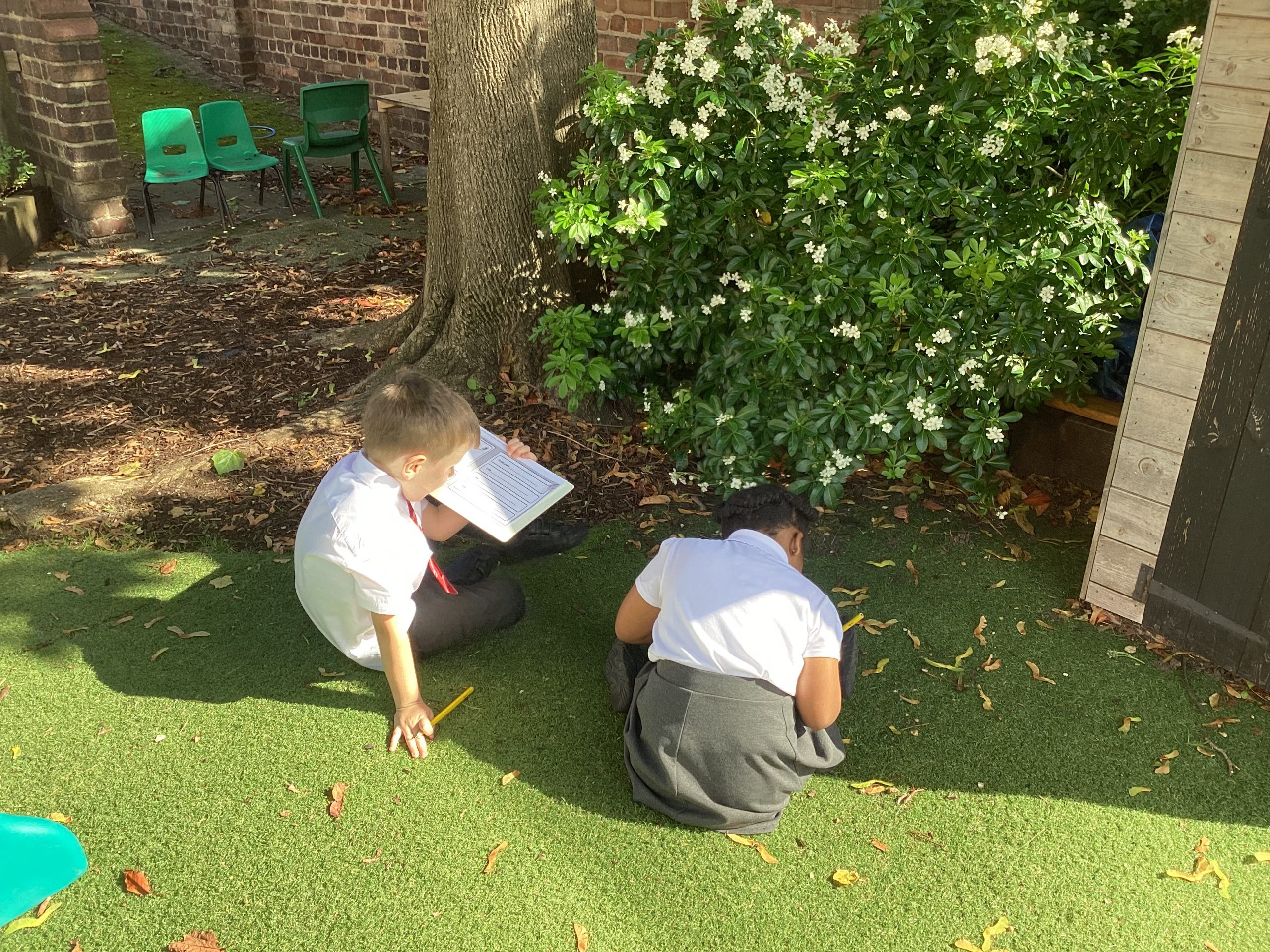
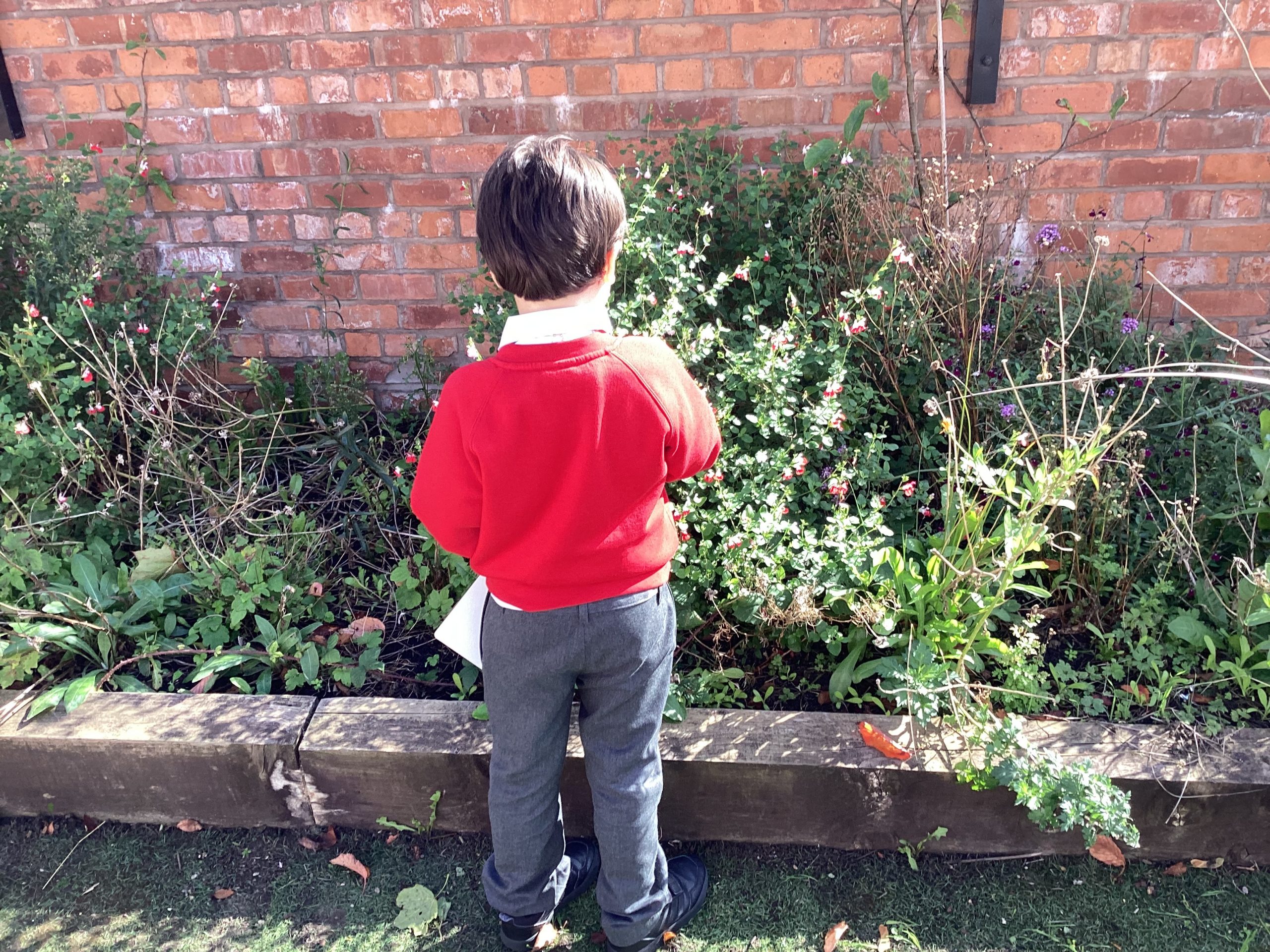
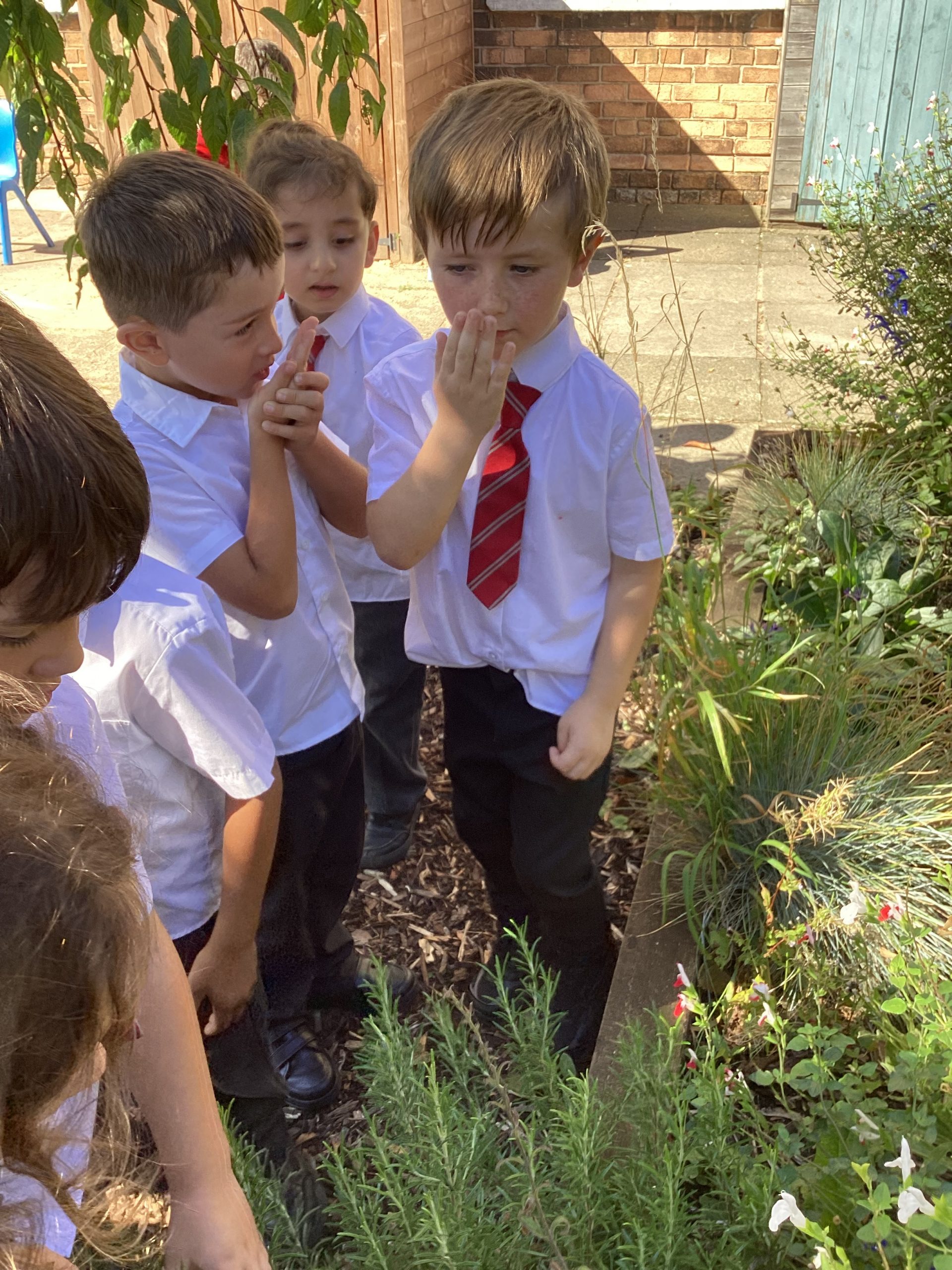
We began our new science topic, by looking at the plants in our school garden. We discussed how the plants looked, felt and smelt.
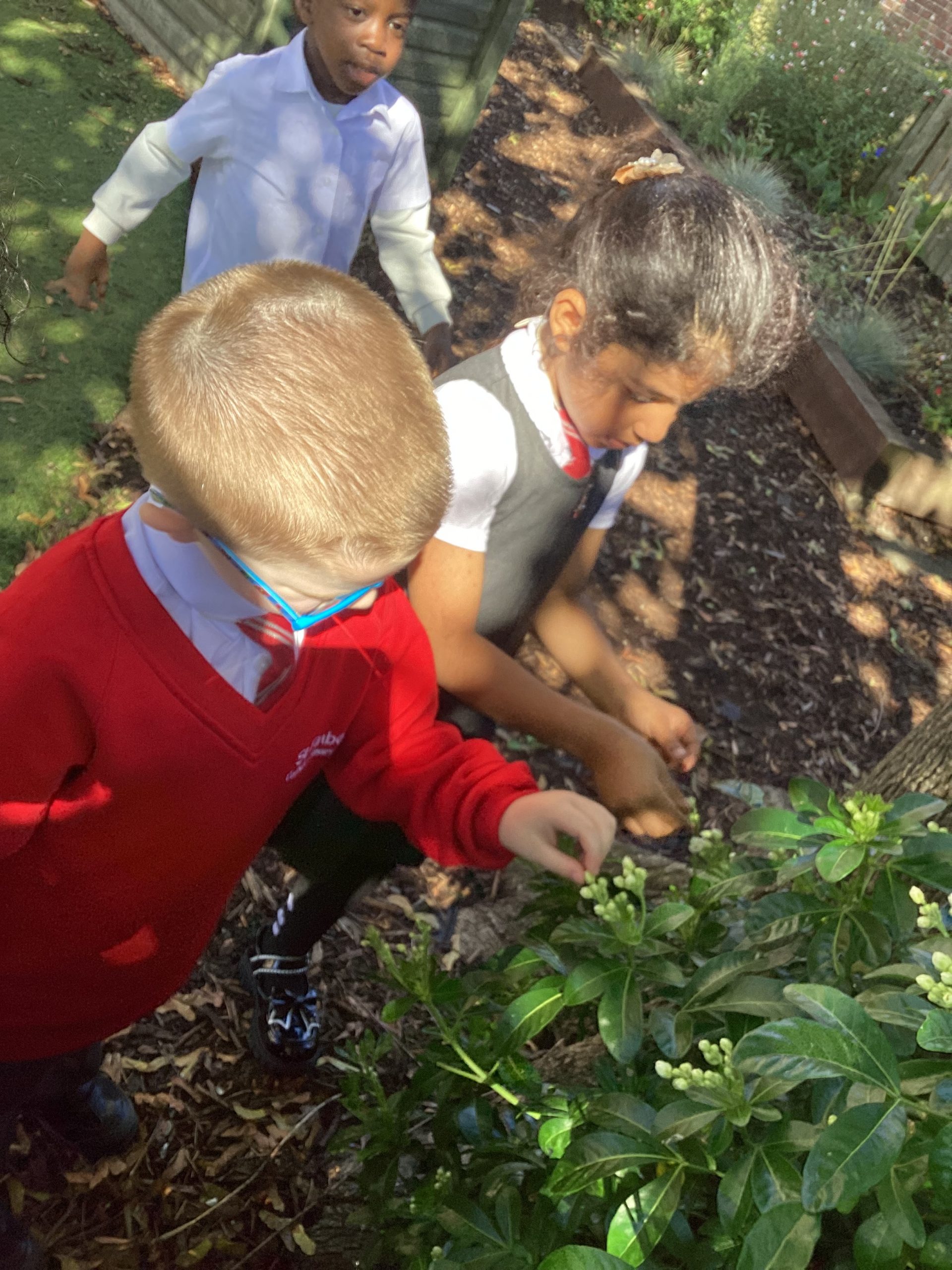
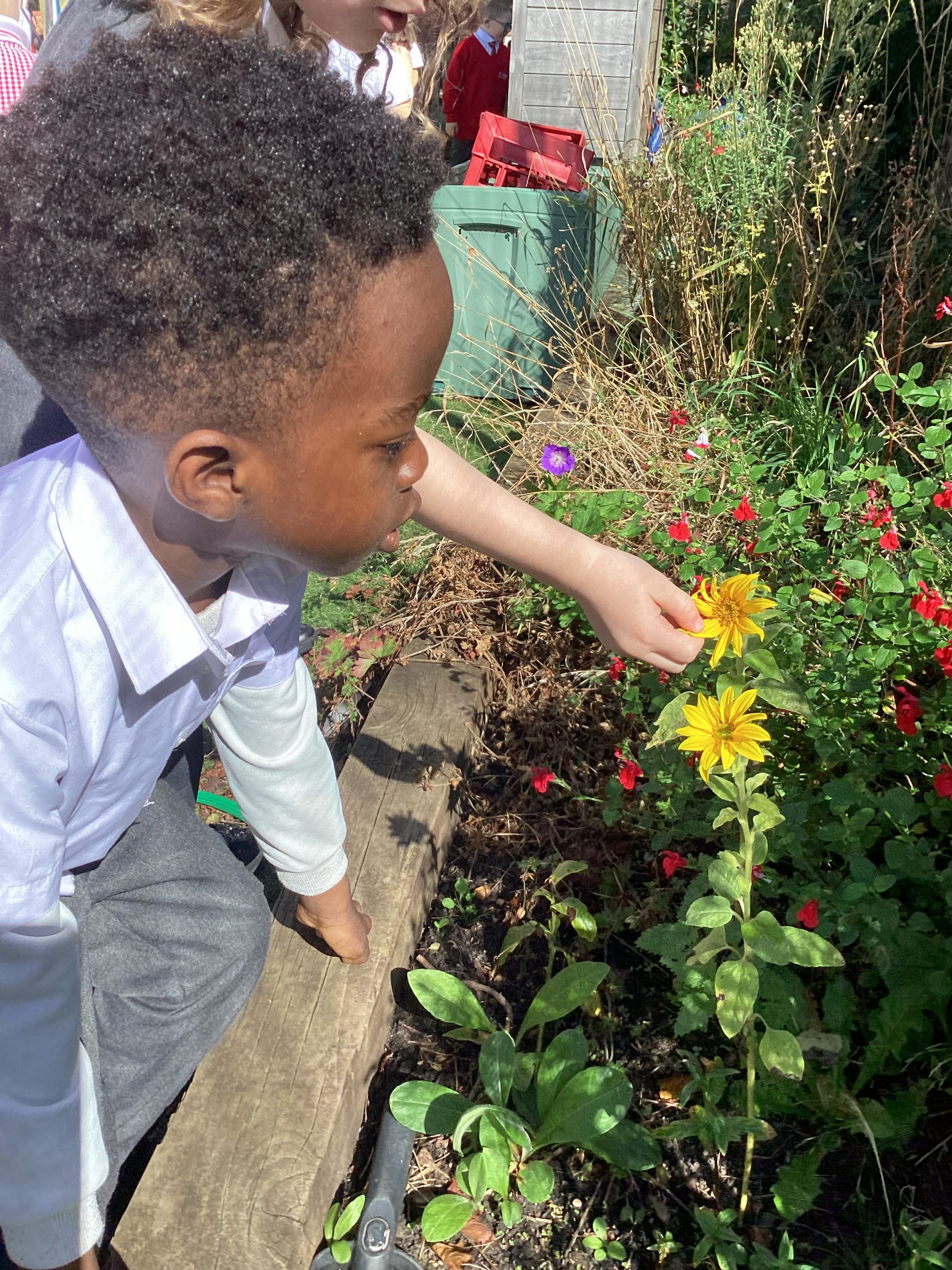
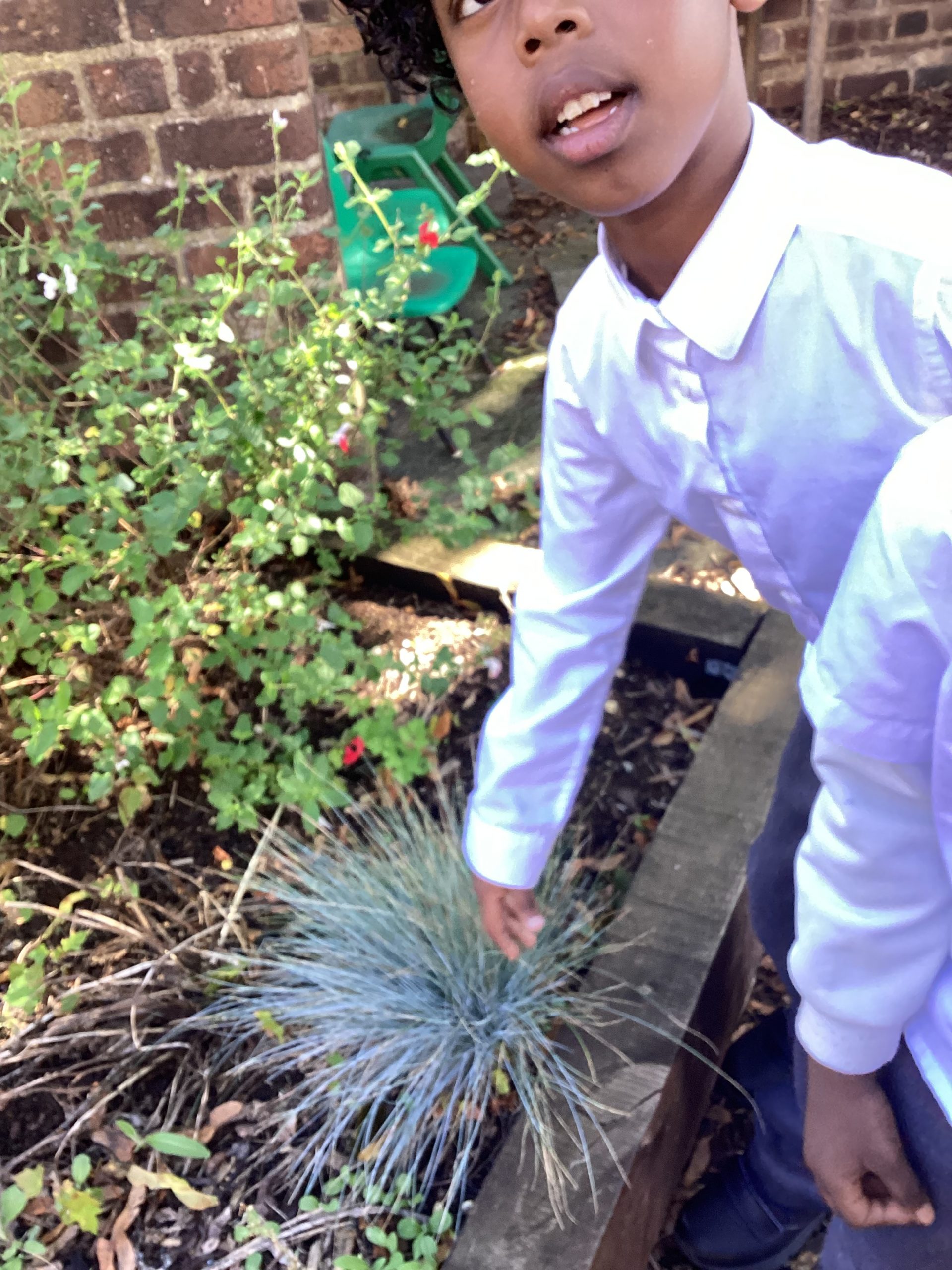
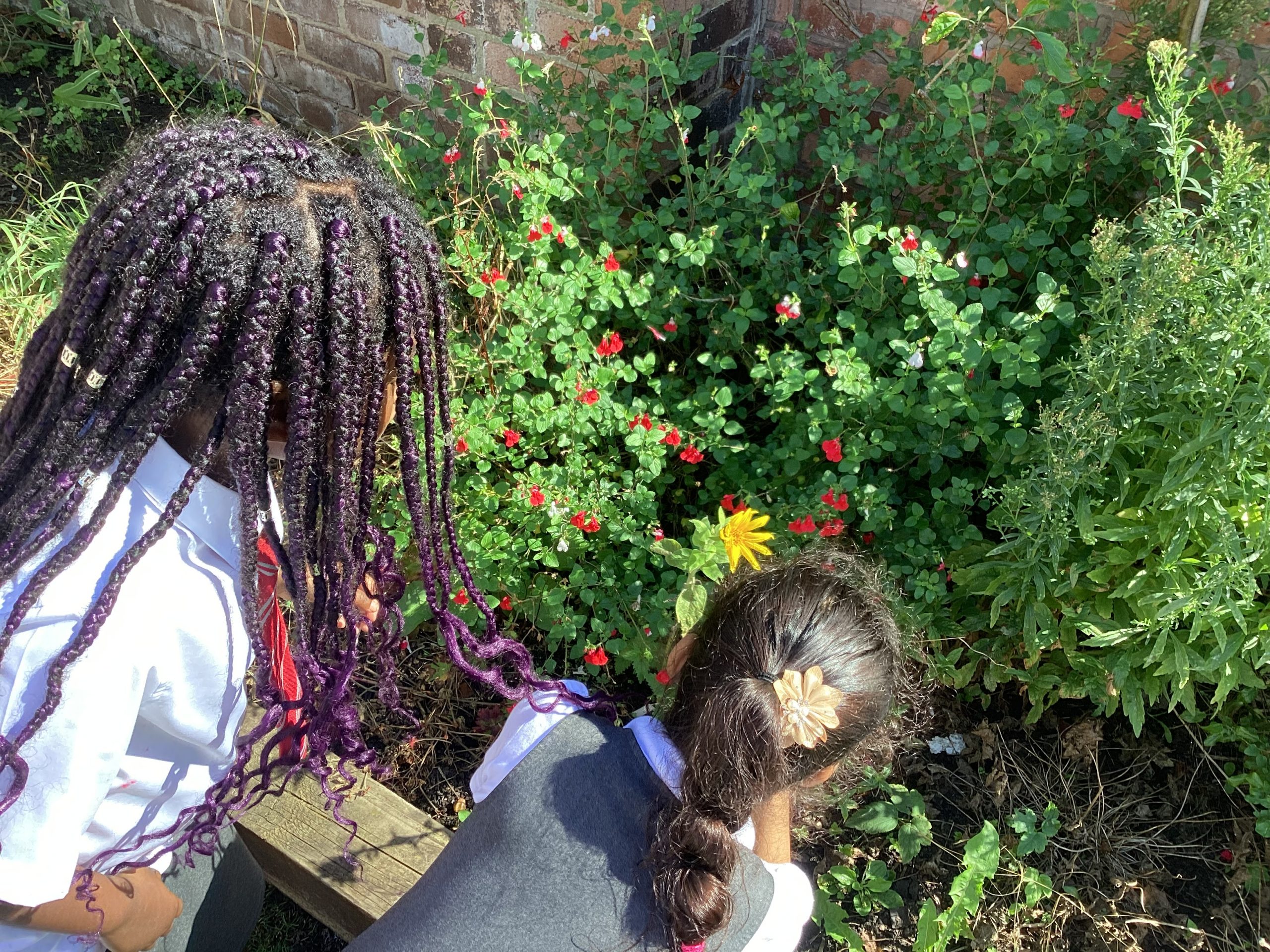
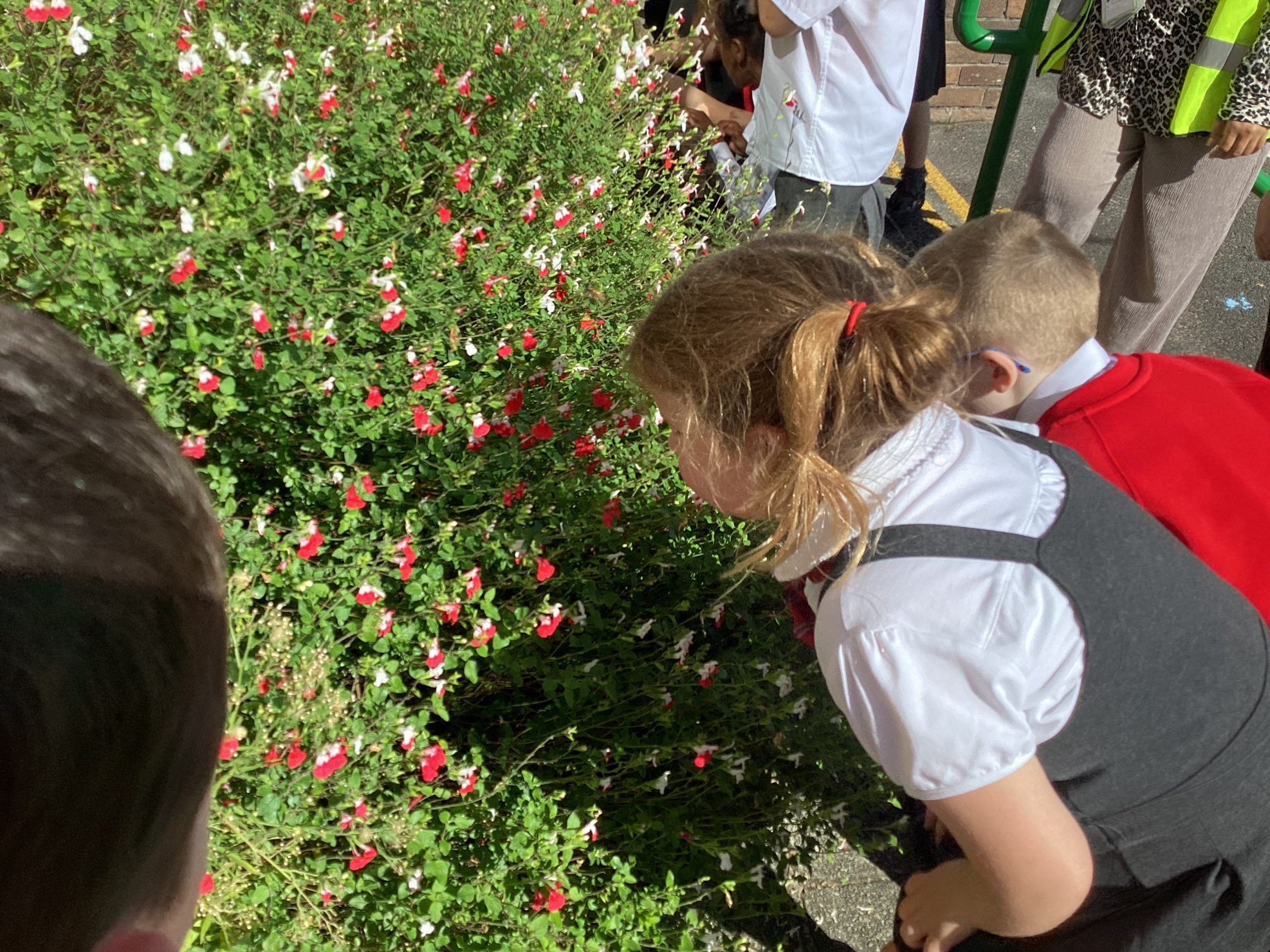
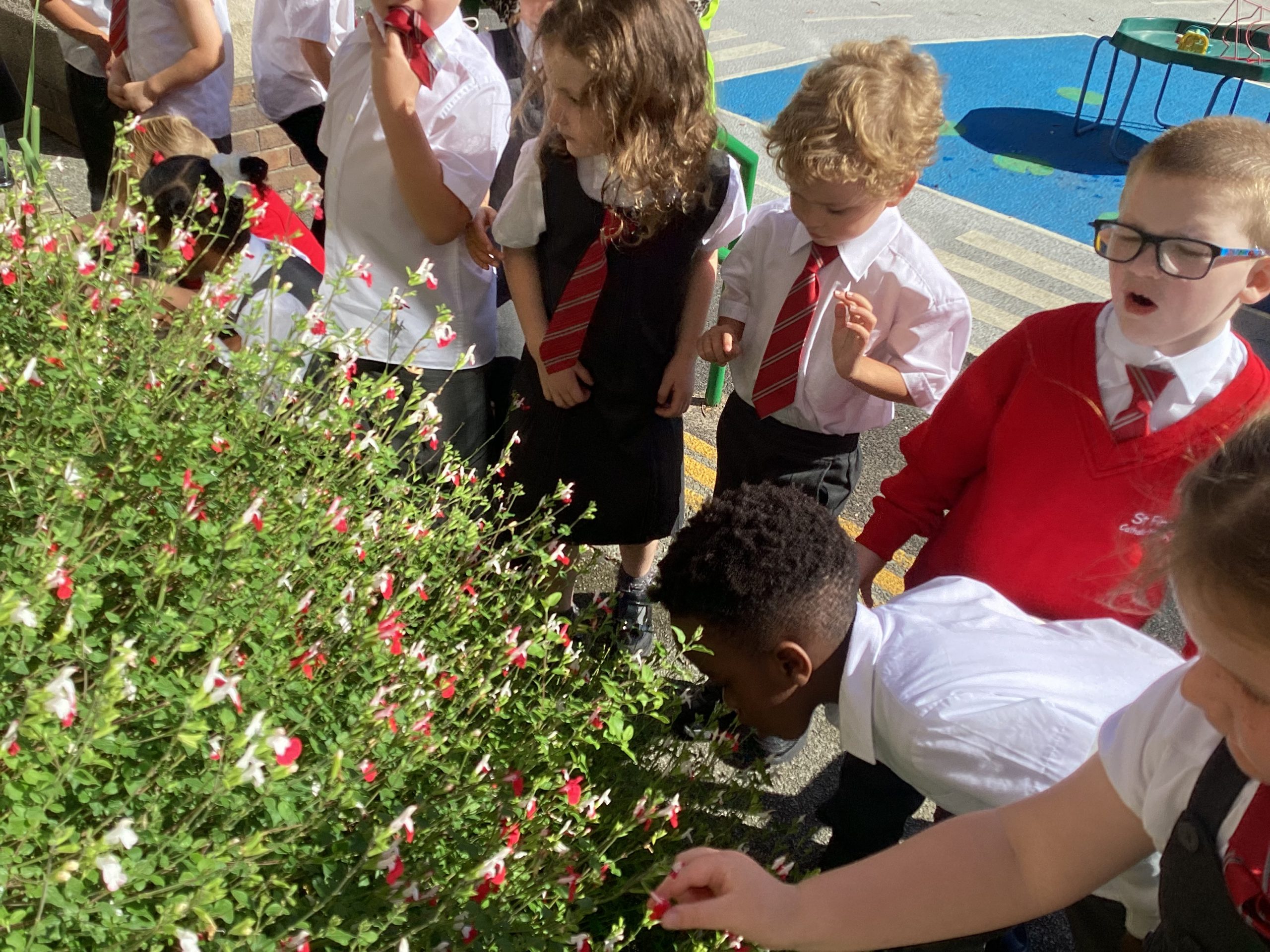
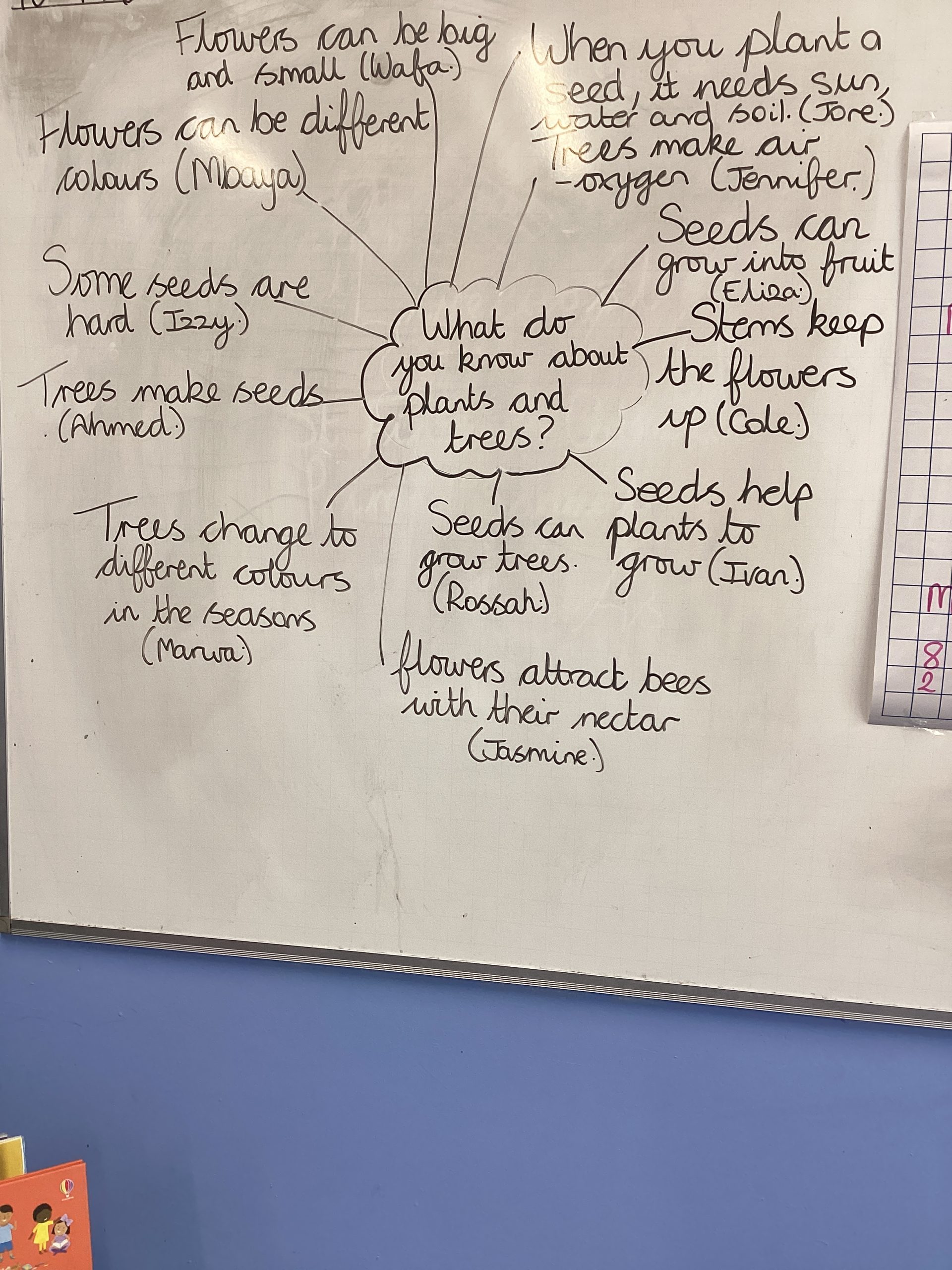
Today, we thought about what we already know about plants and seeds. Some of this learning is from Year 1 and their knowledge of trees. Some good prior knowledge!
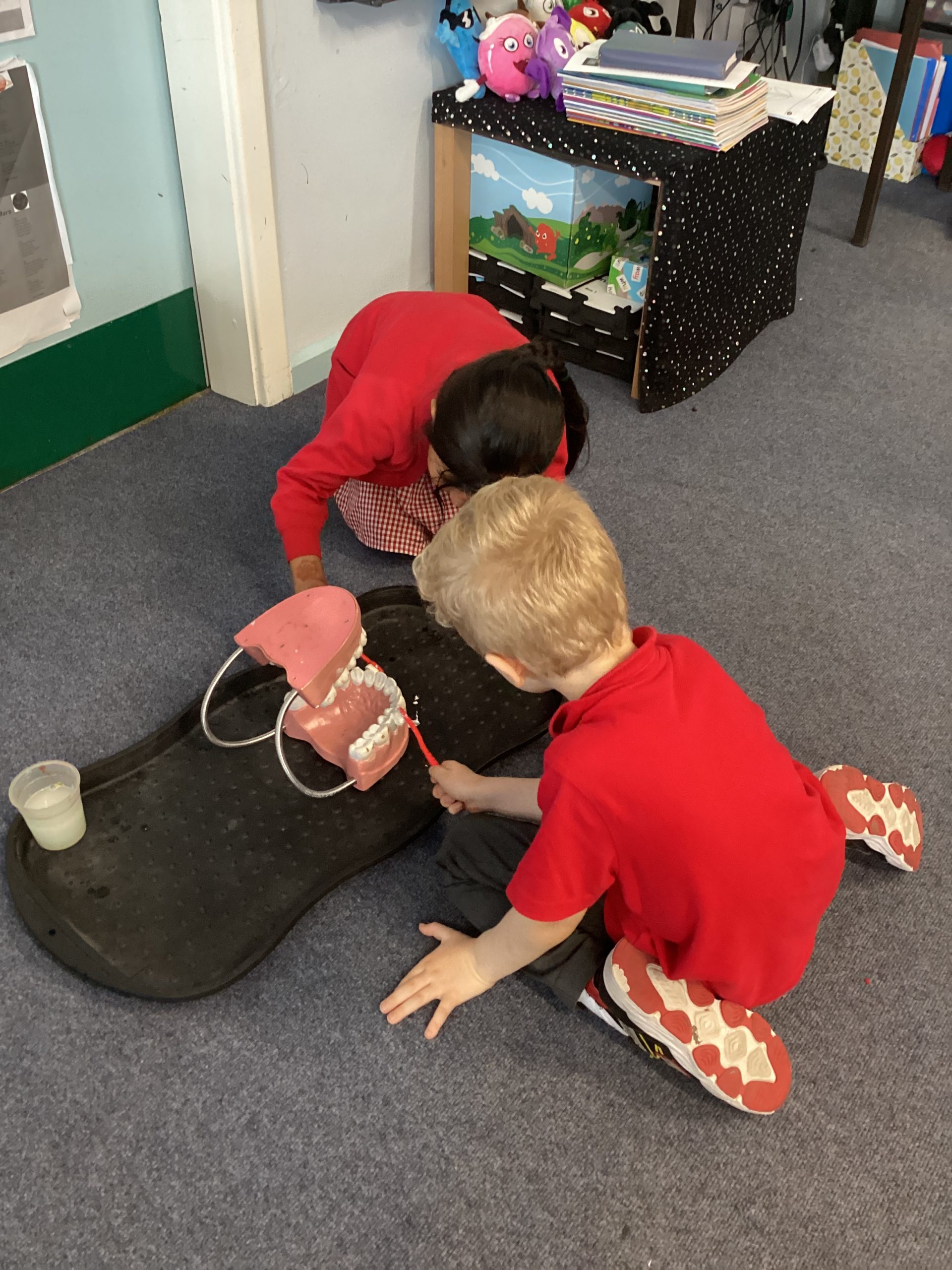
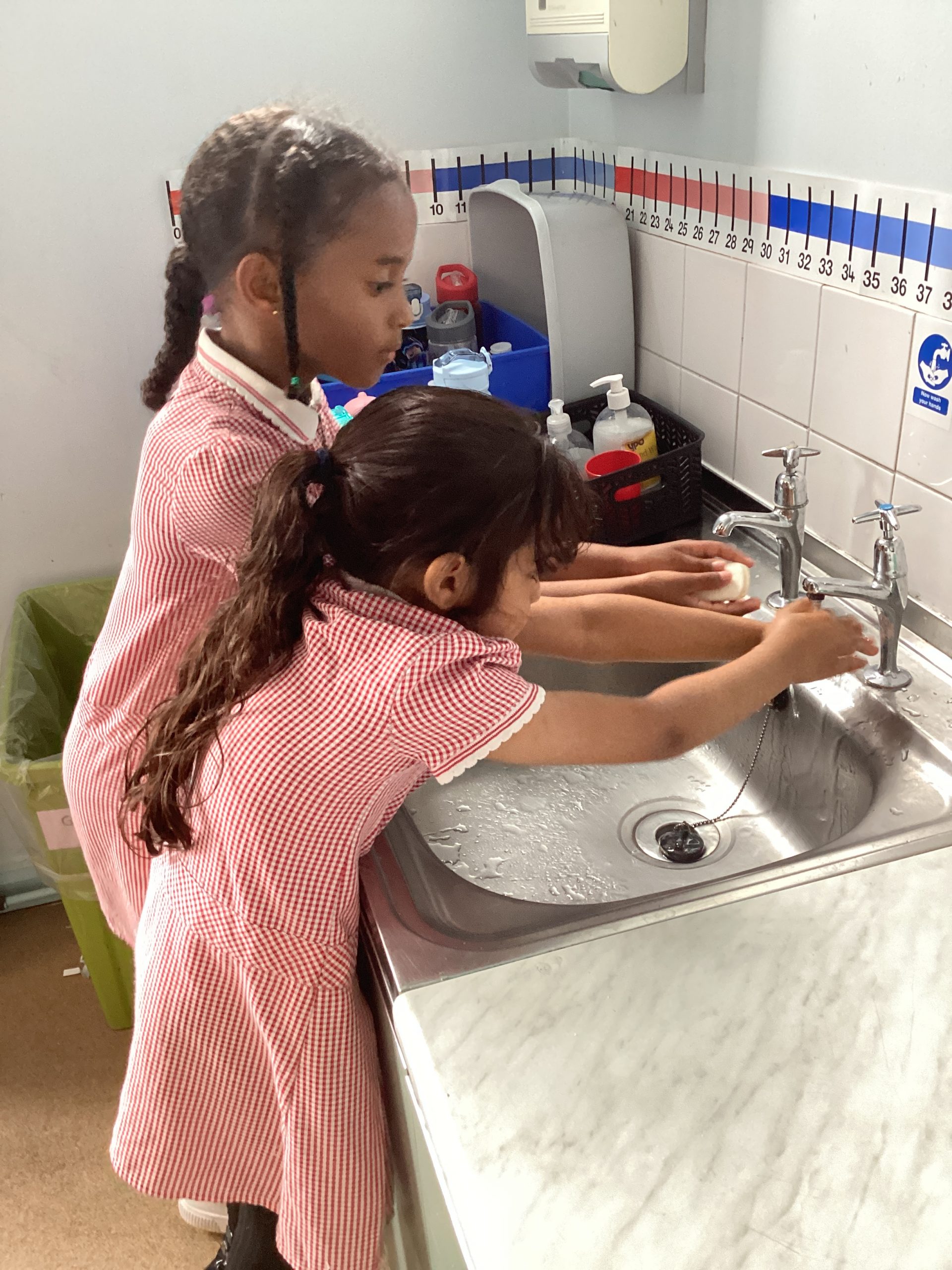
Today, we looked at how to keep ourselves clean and healthy. We brushed some teeth, took some excerise and washed our hands. We looked at how germs spread and how sleep is important to our bodies.
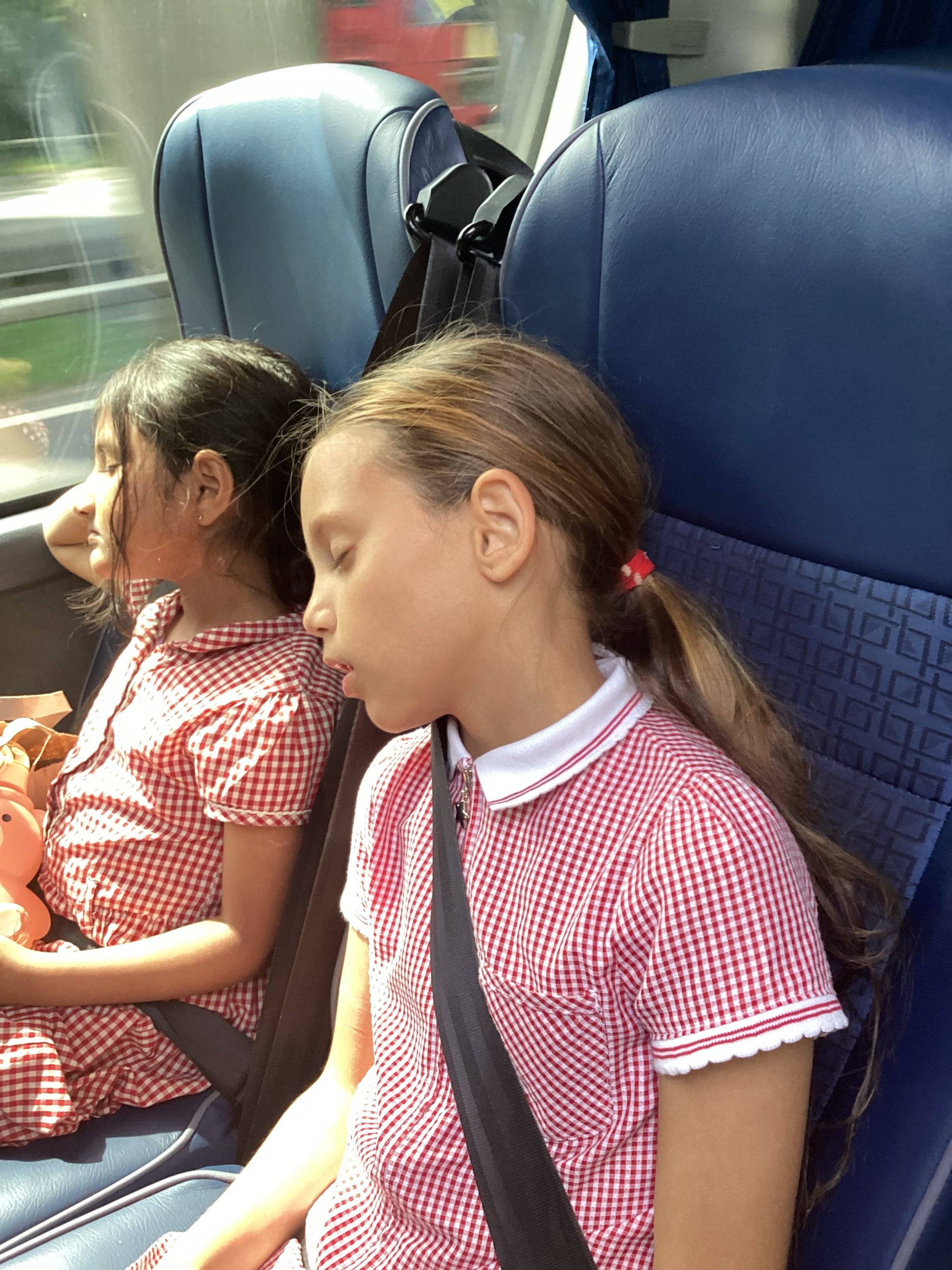
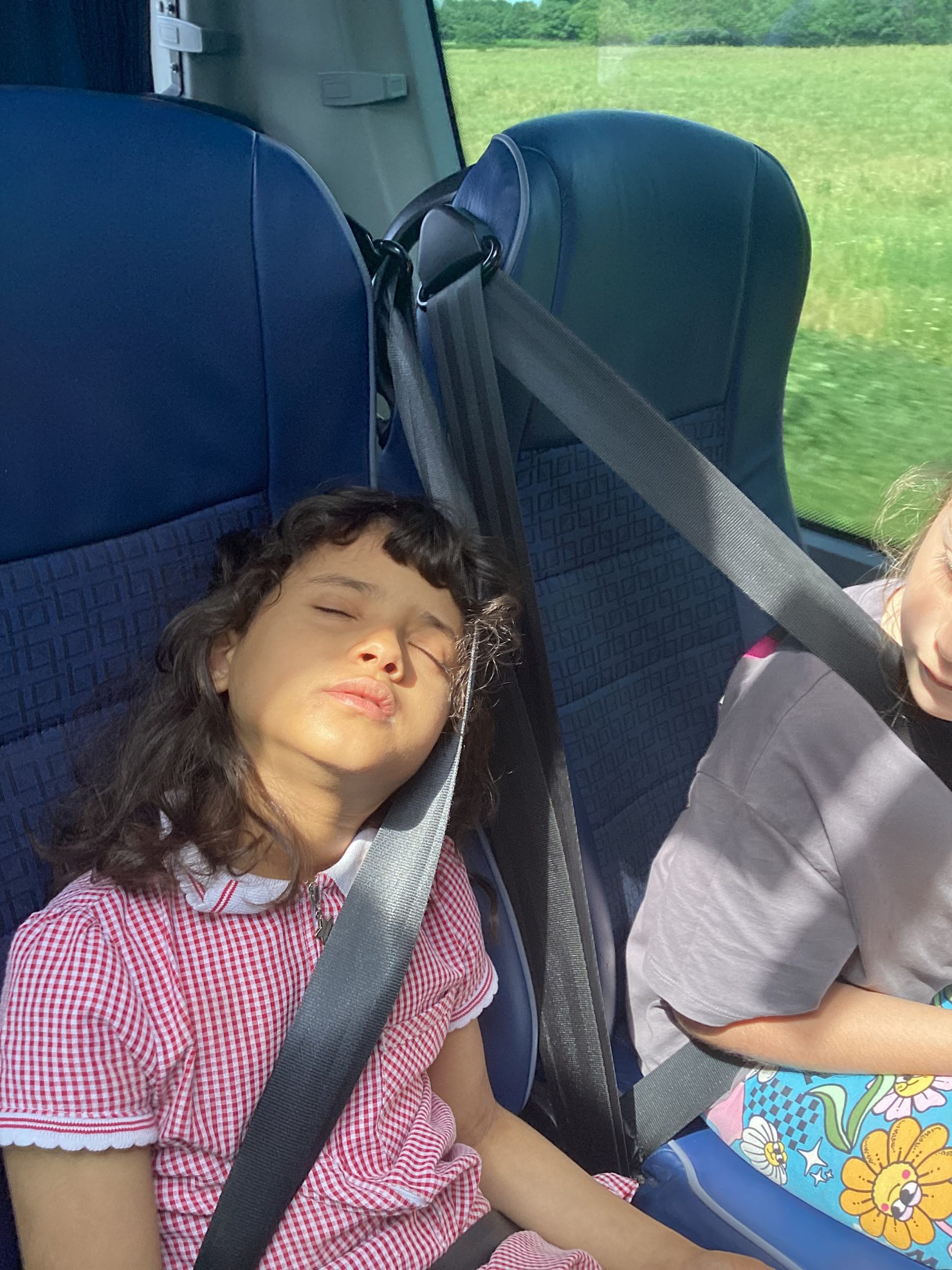
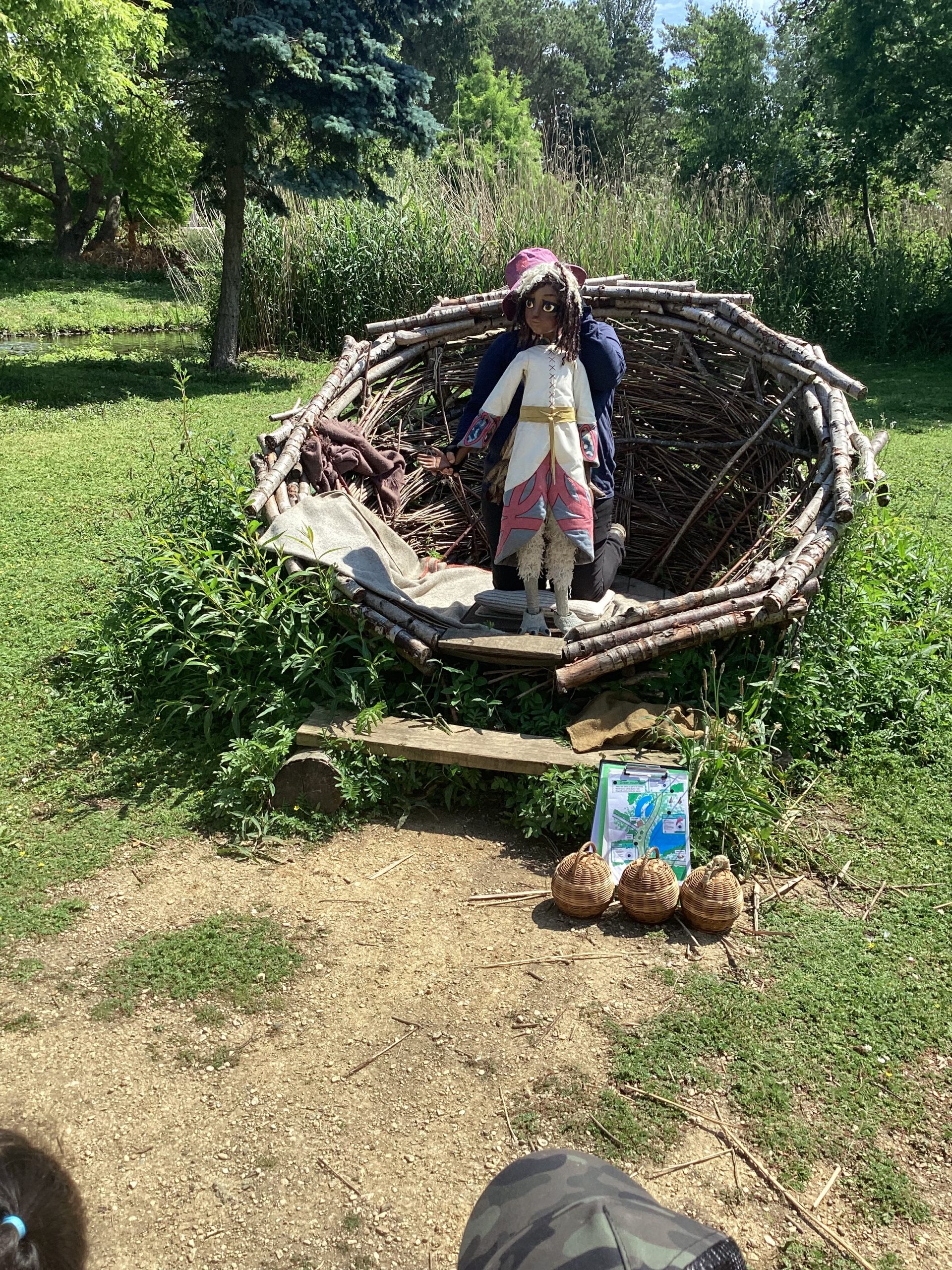
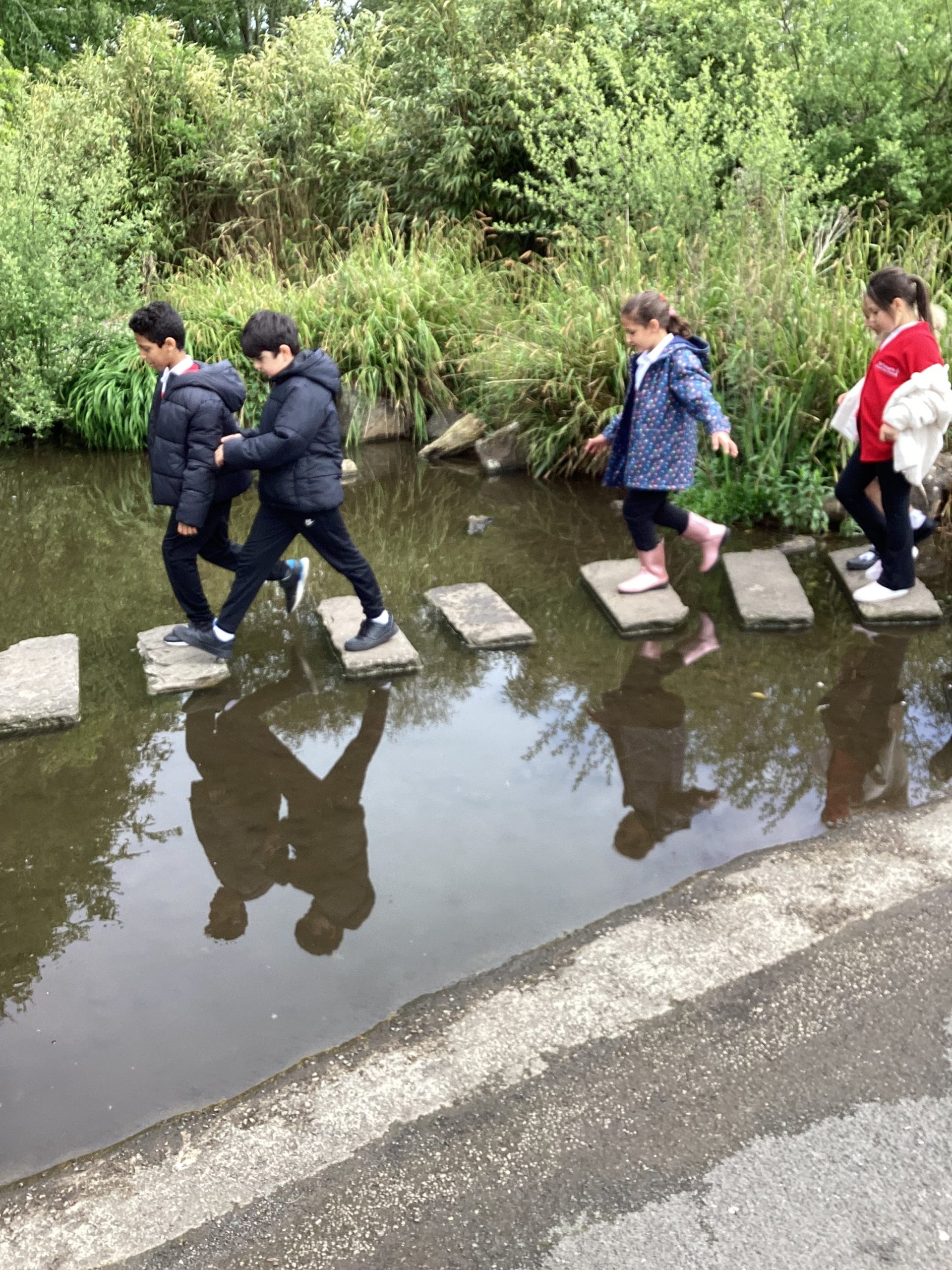
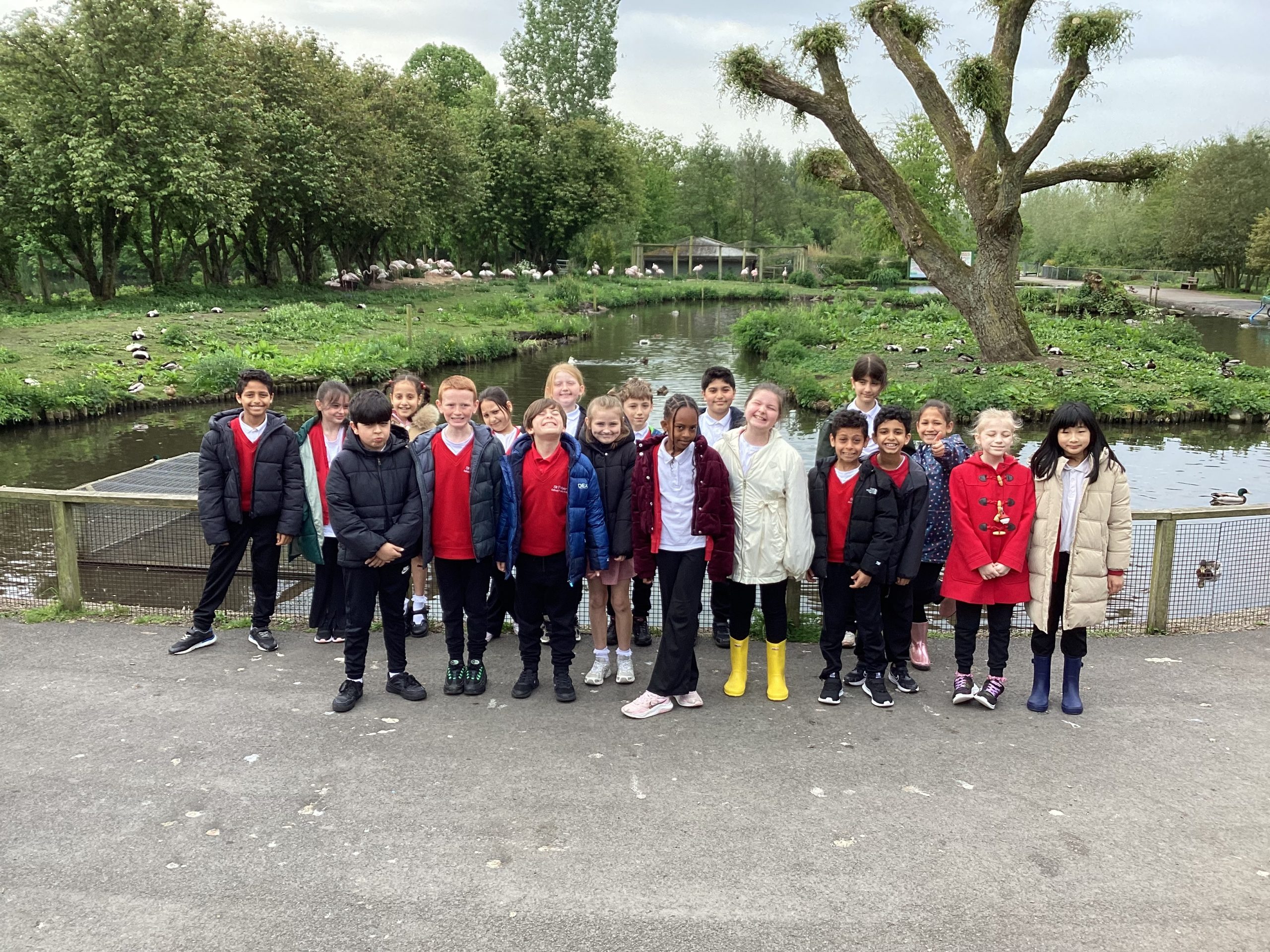
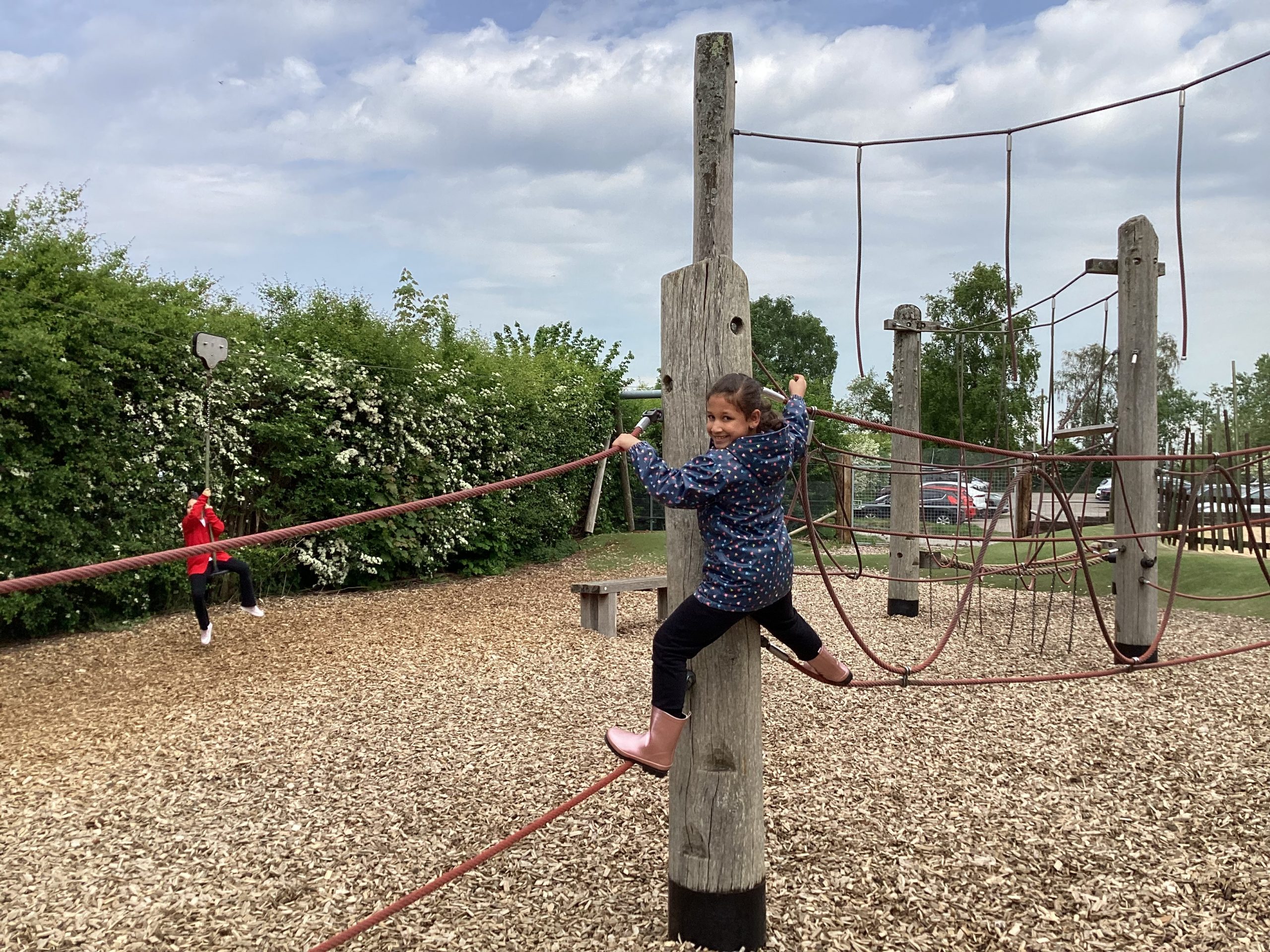
What a fantastic day out Year 2 had a Martin Mere! We saw all types of ducks, even ducks with purple heads. Despite the heat, a very enjoyable day was had by all. We had some tired children on the journey back too.
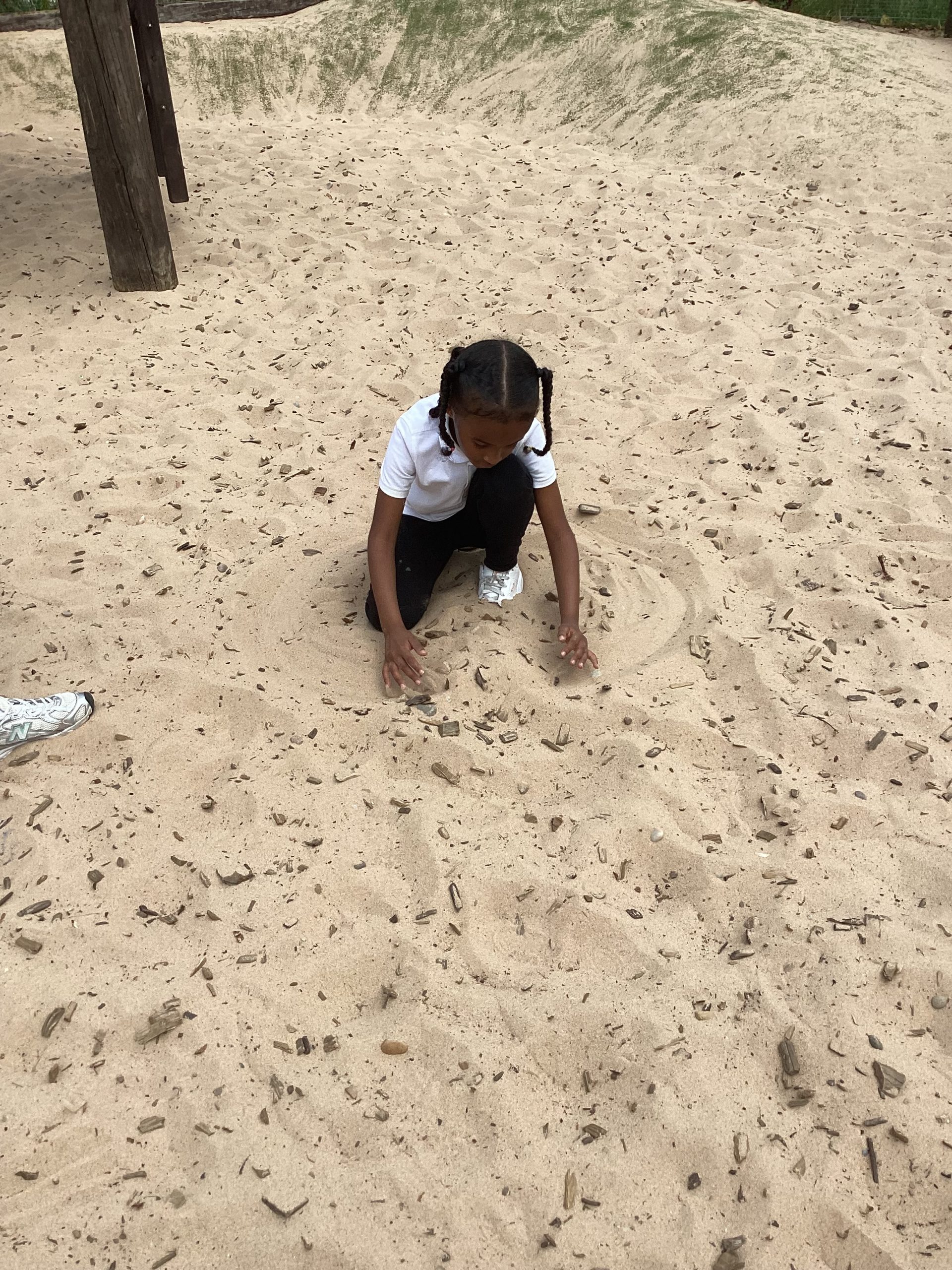
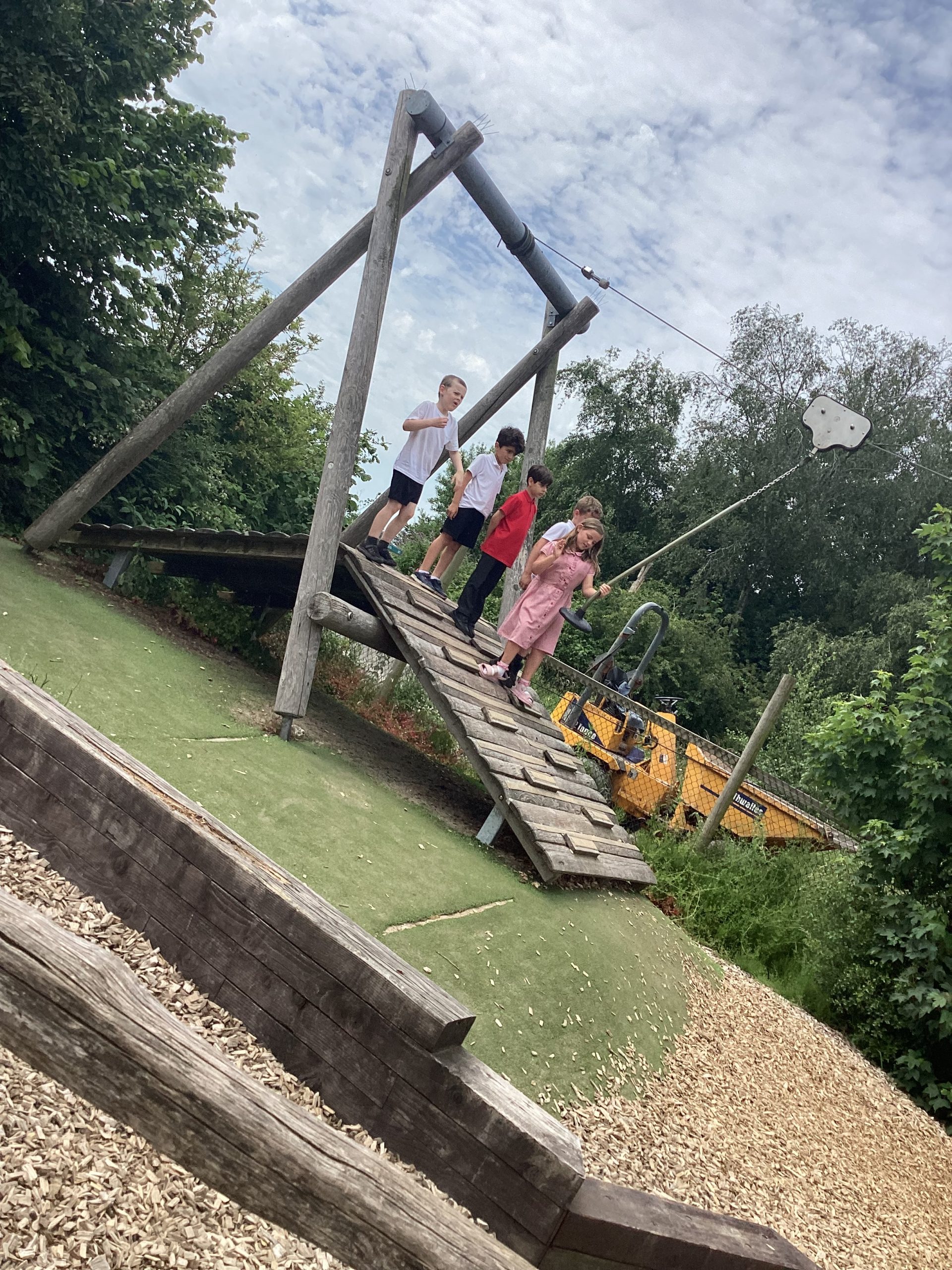
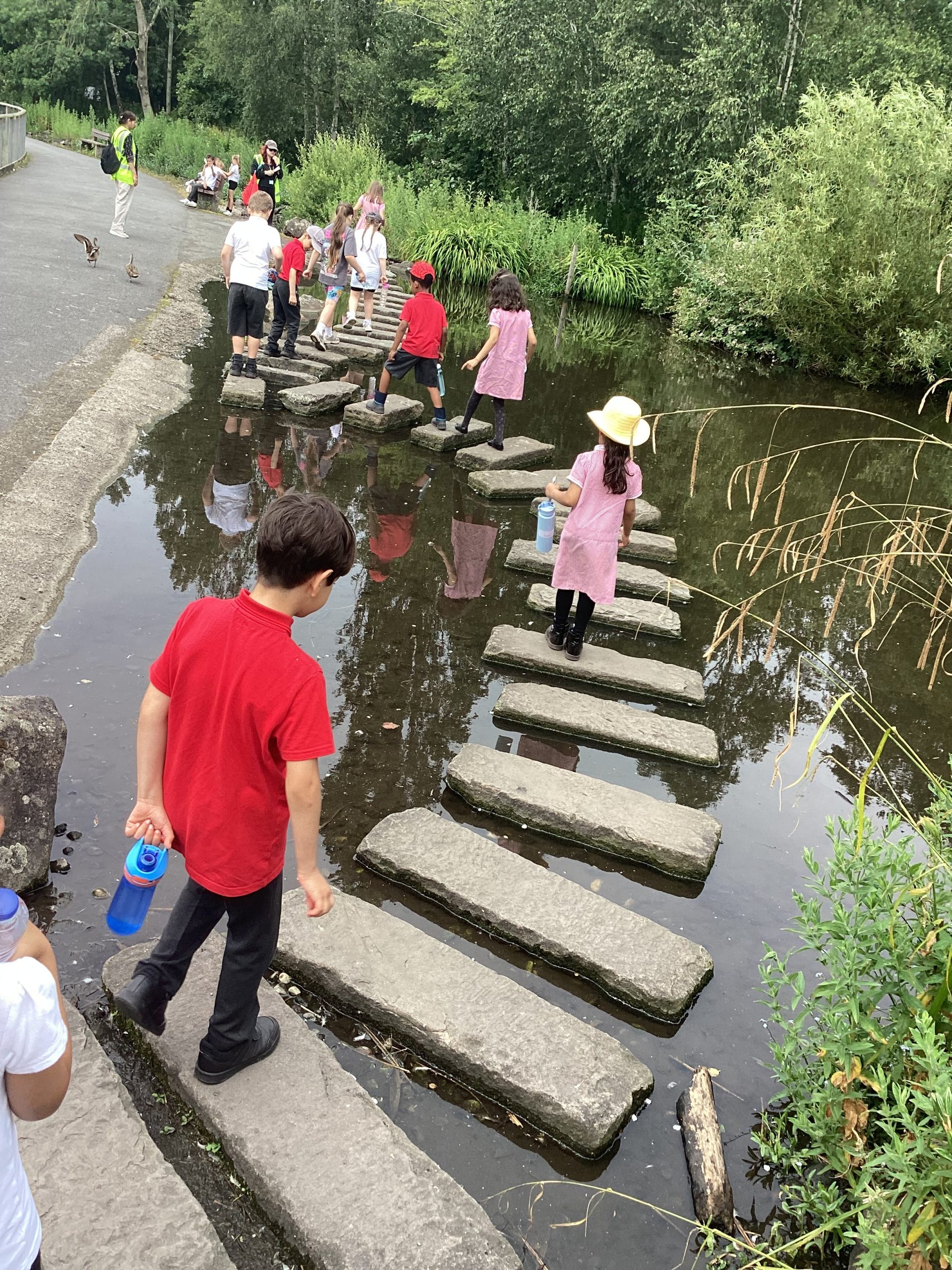
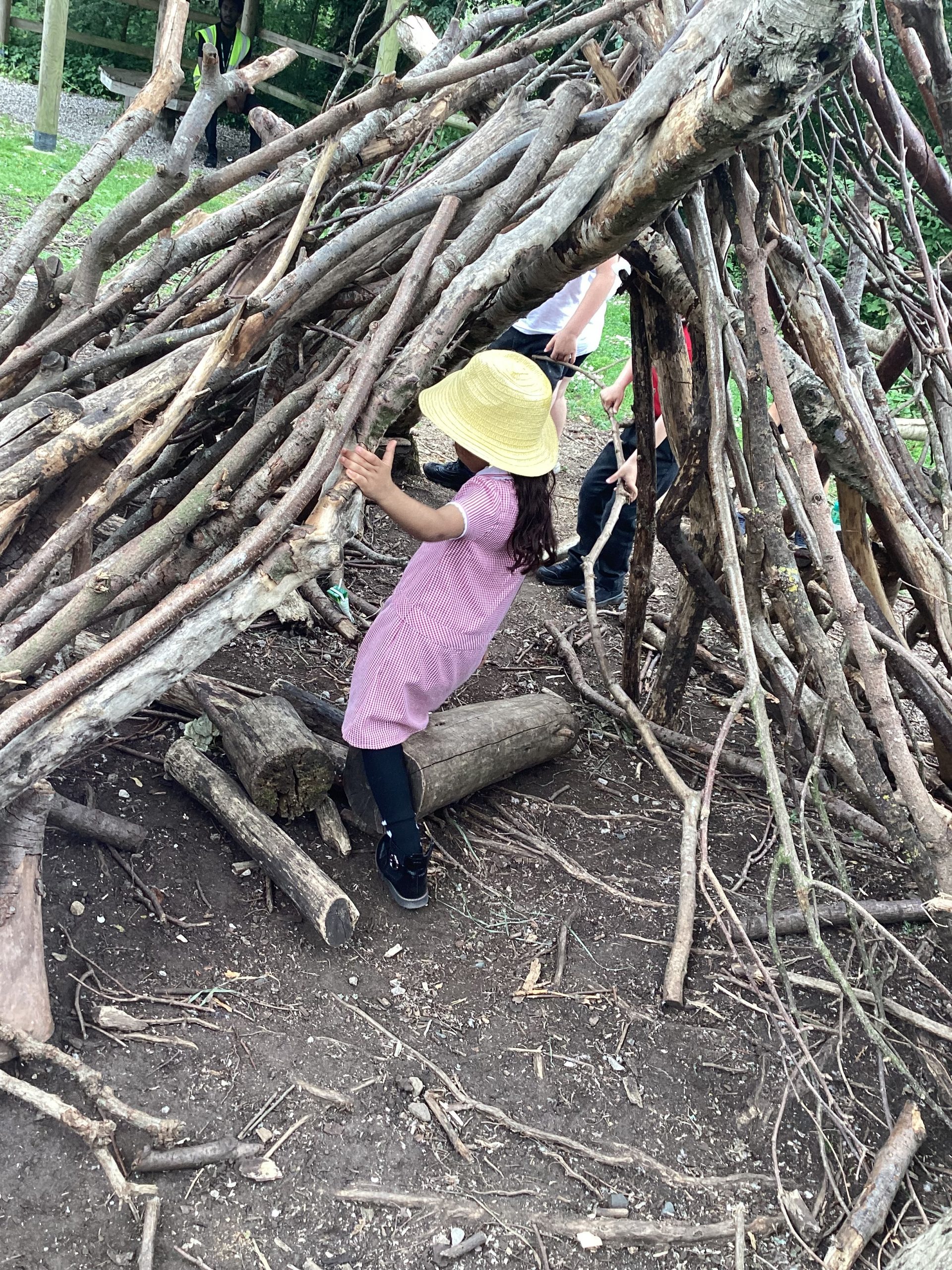
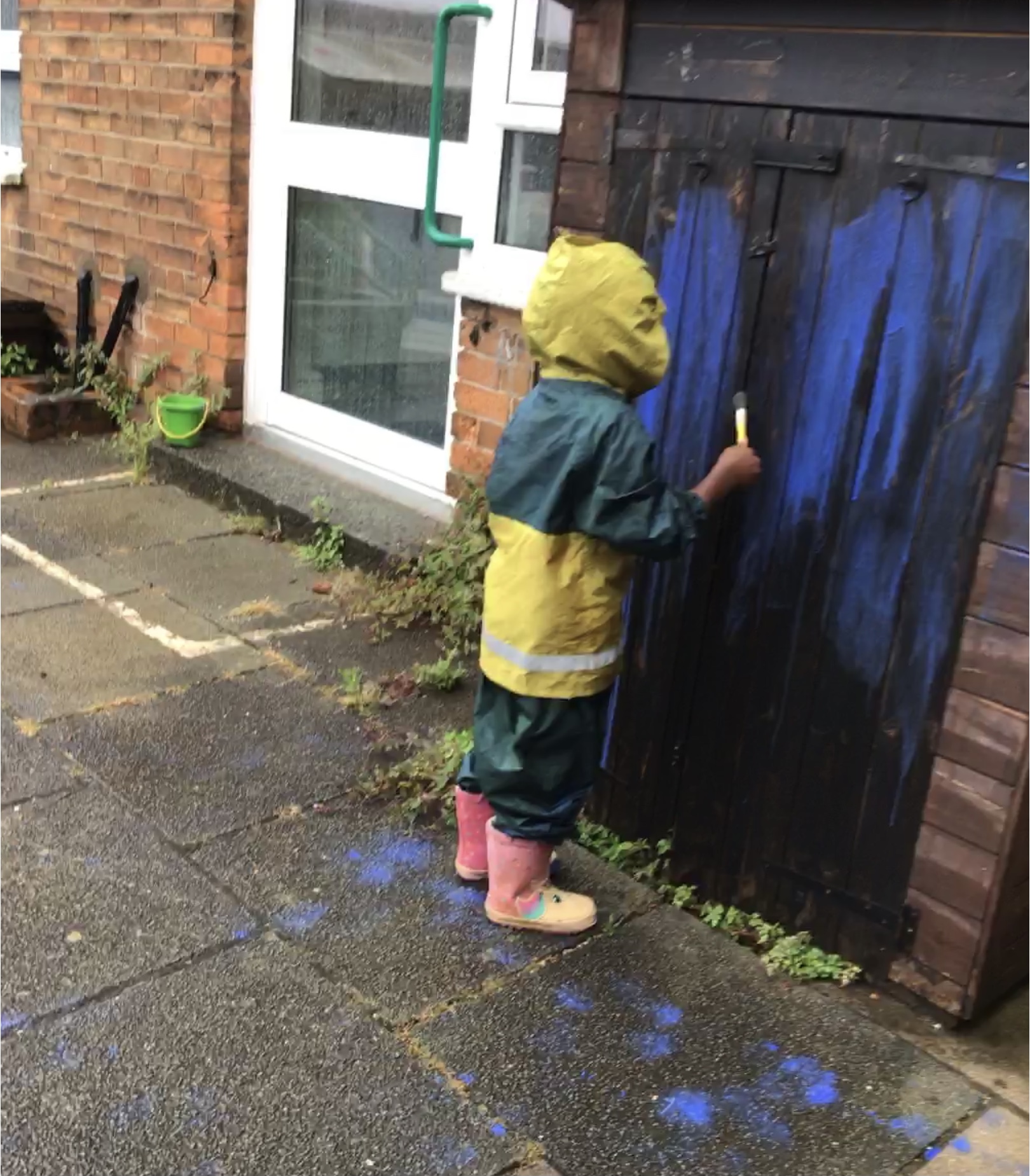
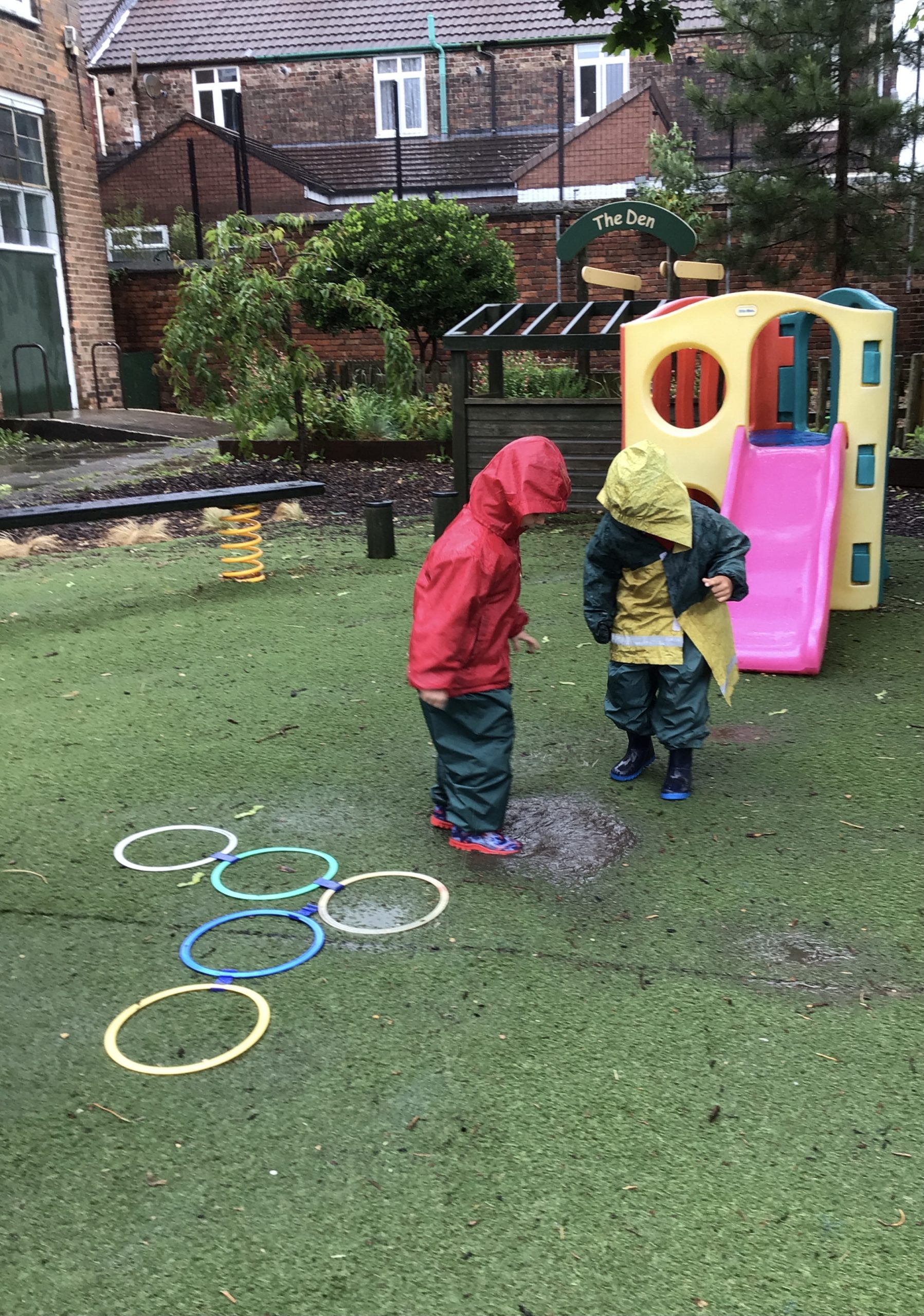
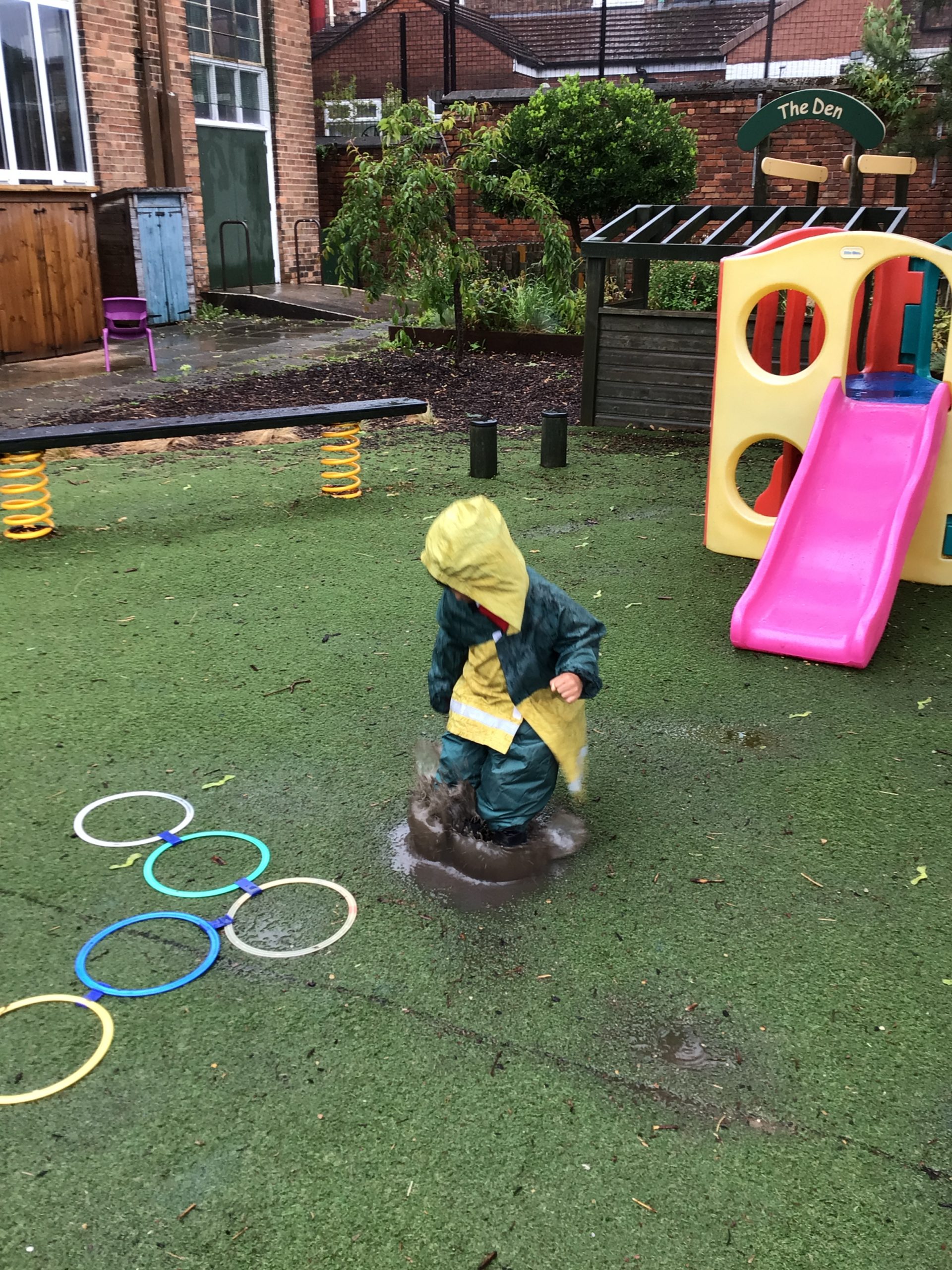
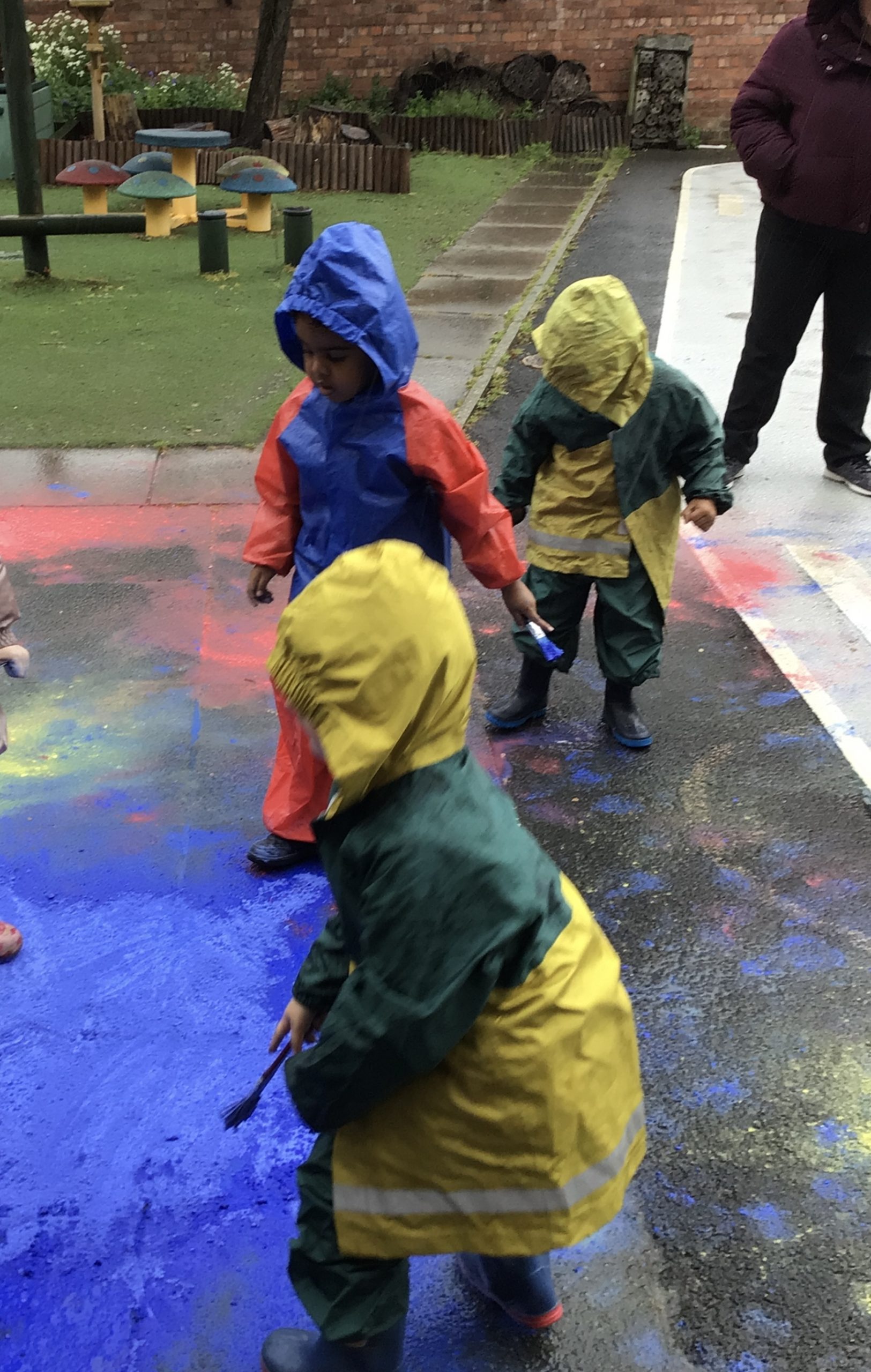
Today, Nursery took their learning outside to explore weather firsthand. We compared the different sized puddkes that have formed in our outdoor area and used powder paint to explore mixing primary colours with the rain!🌧🎨
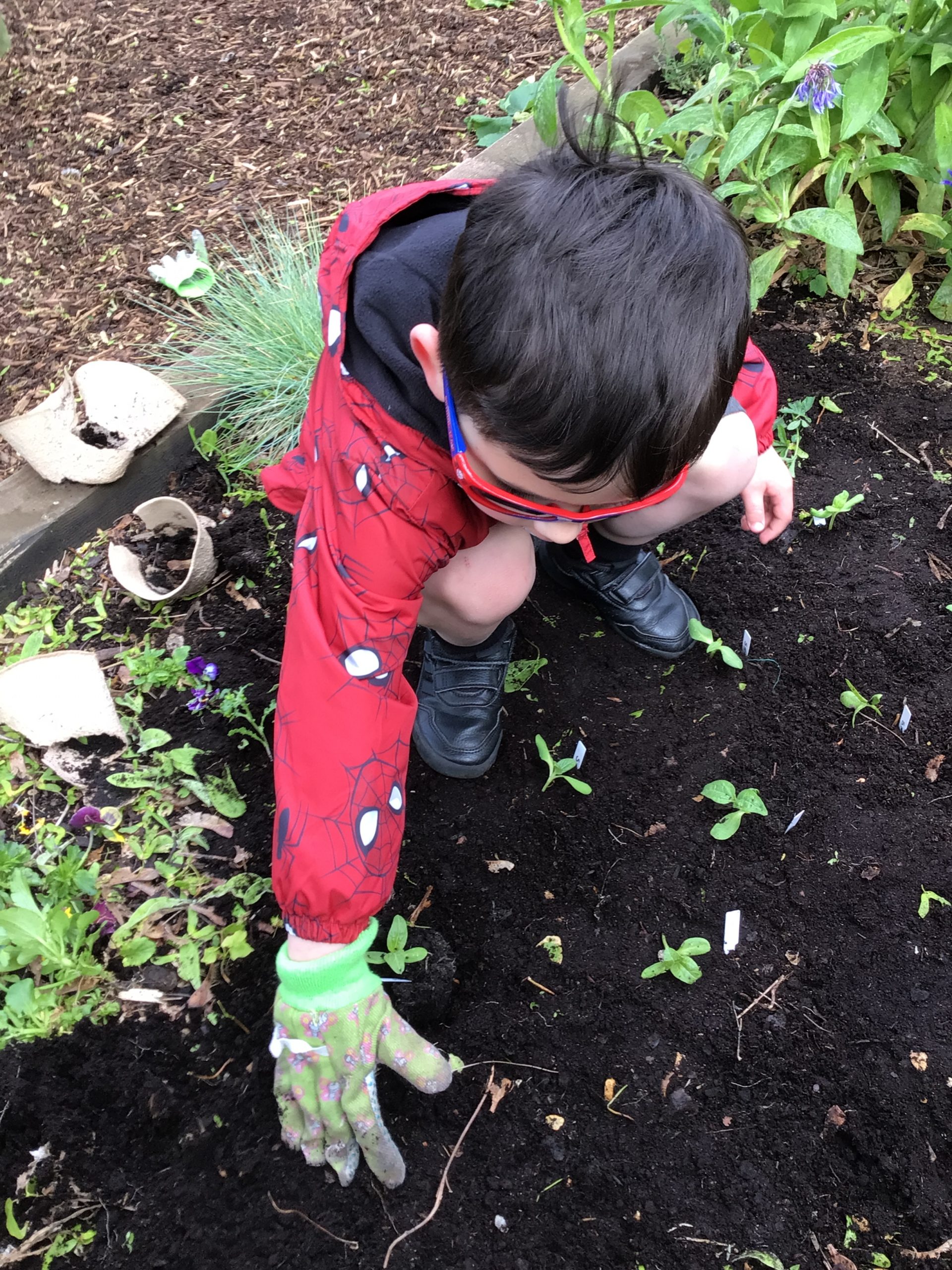
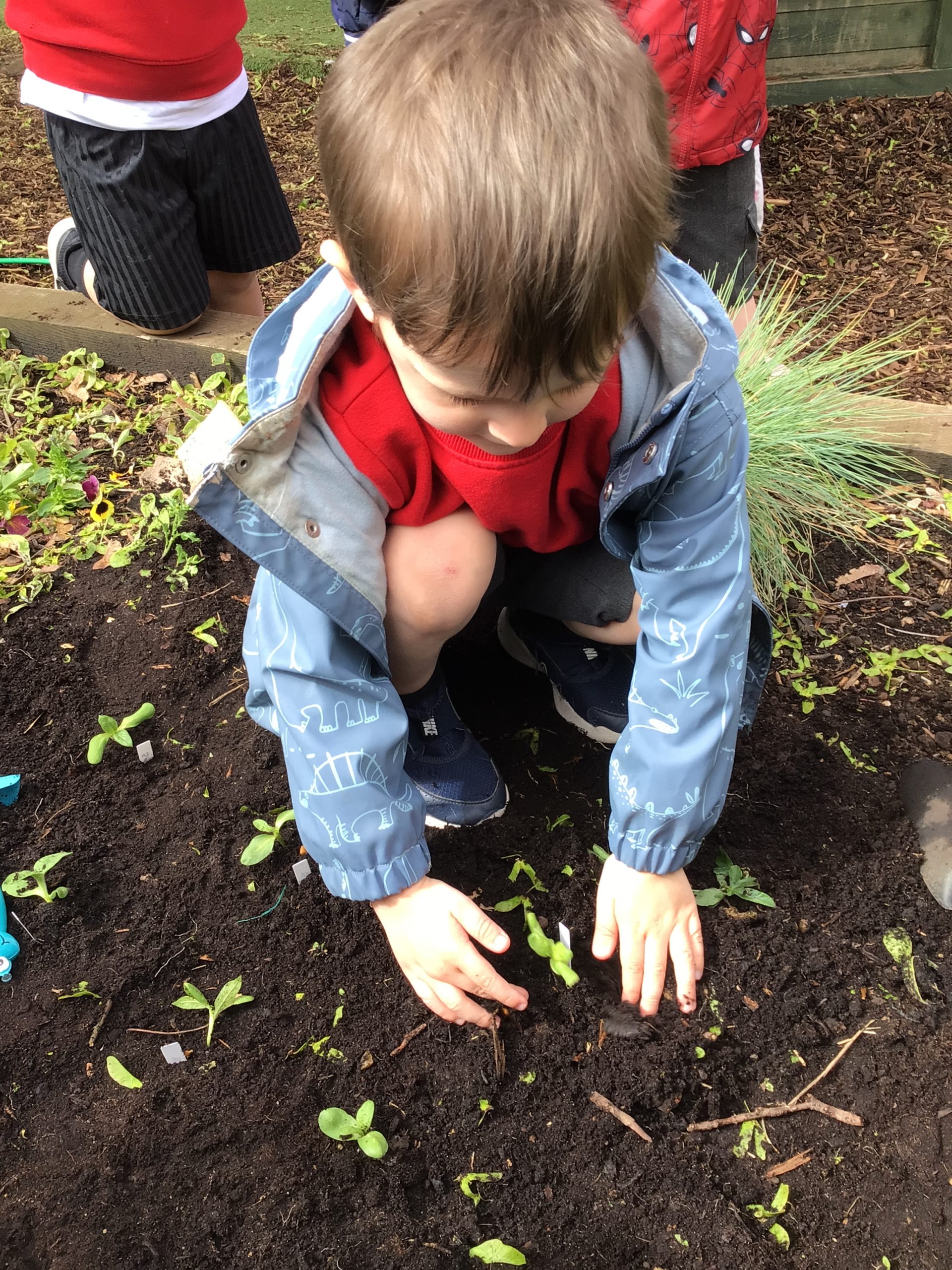
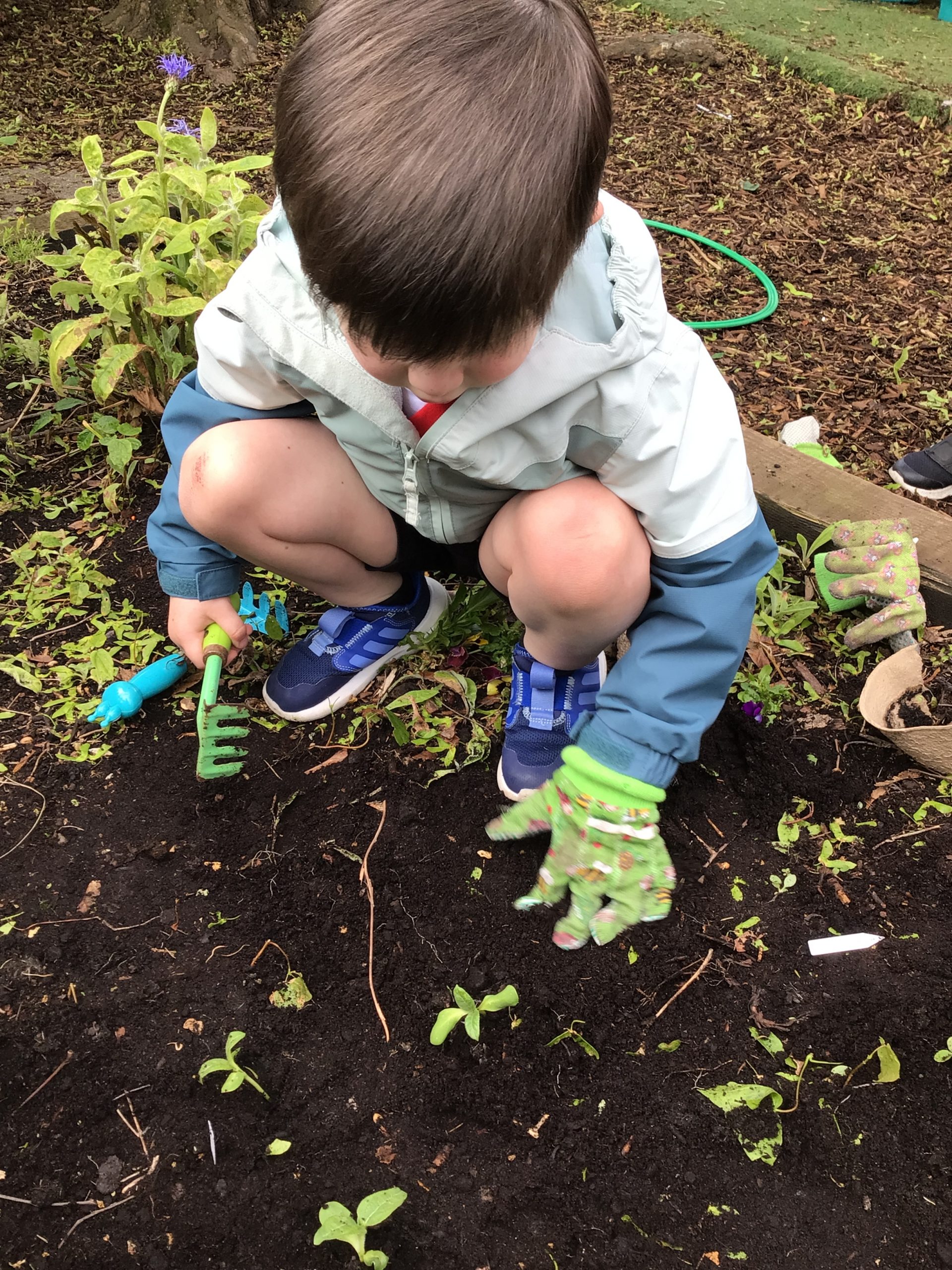
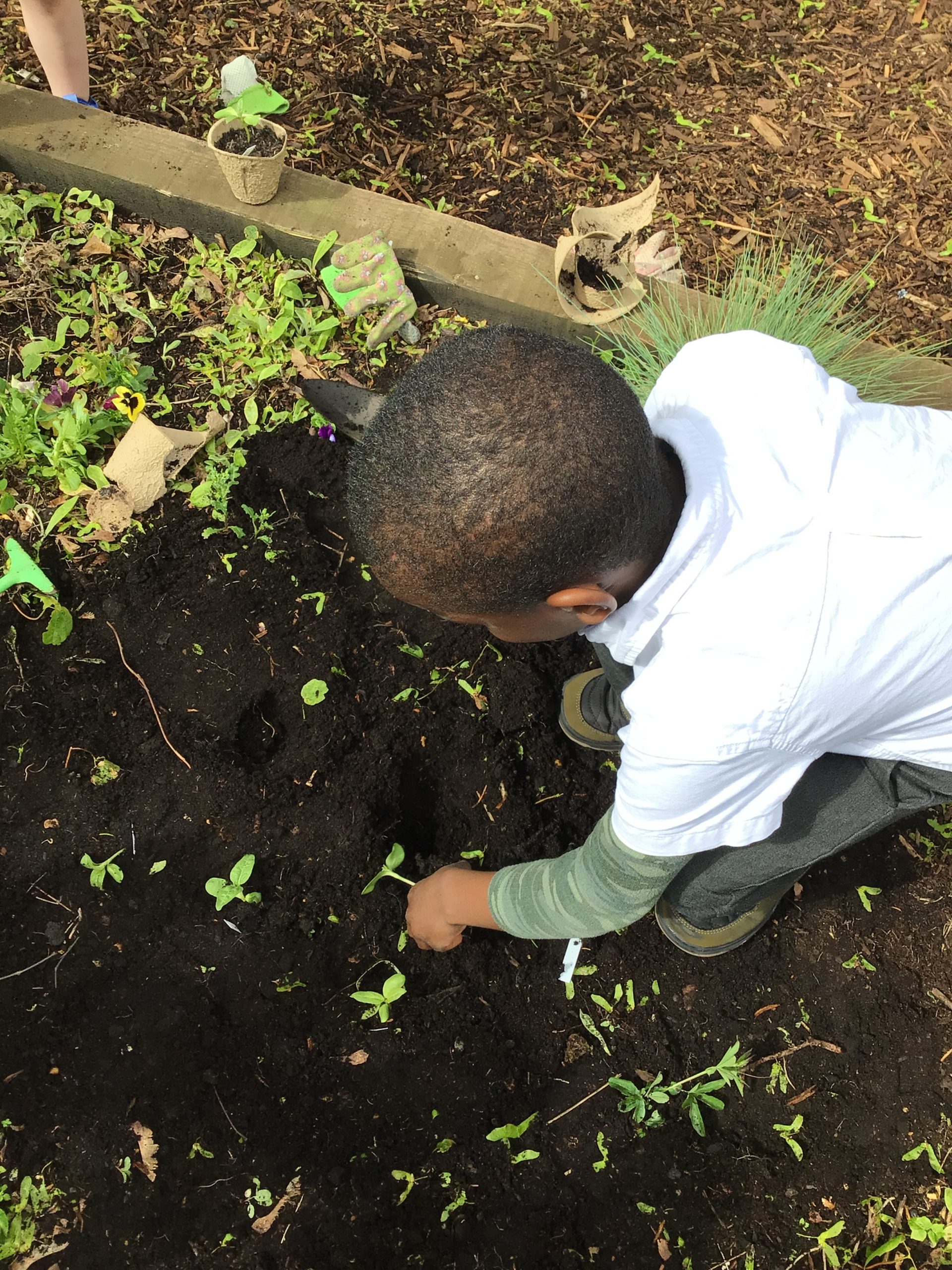
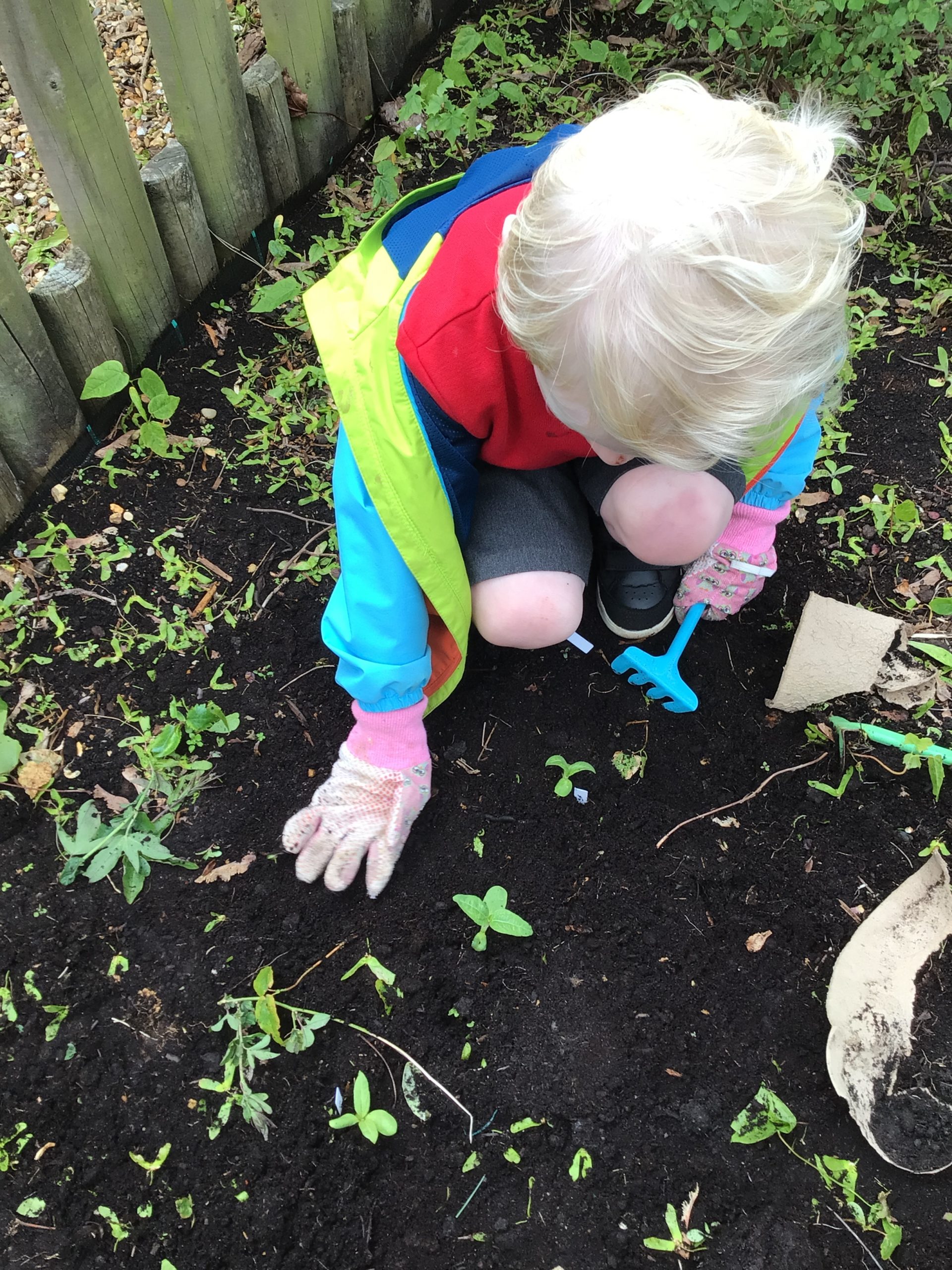
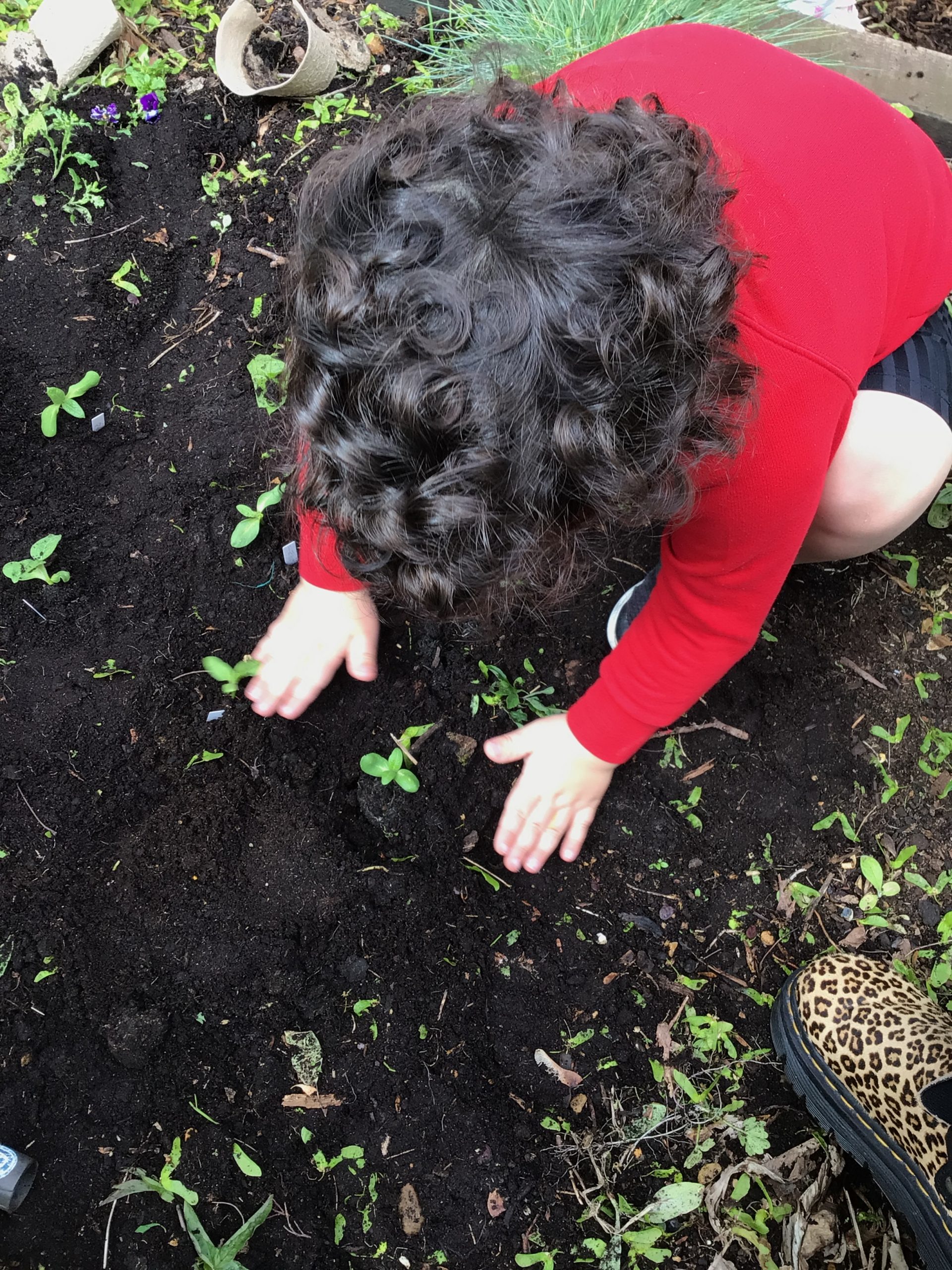
Our little learners added to our garden and planted their sunflower seedlings! The children worked fantastically together, taking turns to dig the soil and carefully plant each seedling. We cannot wait to watch them grow!🌱
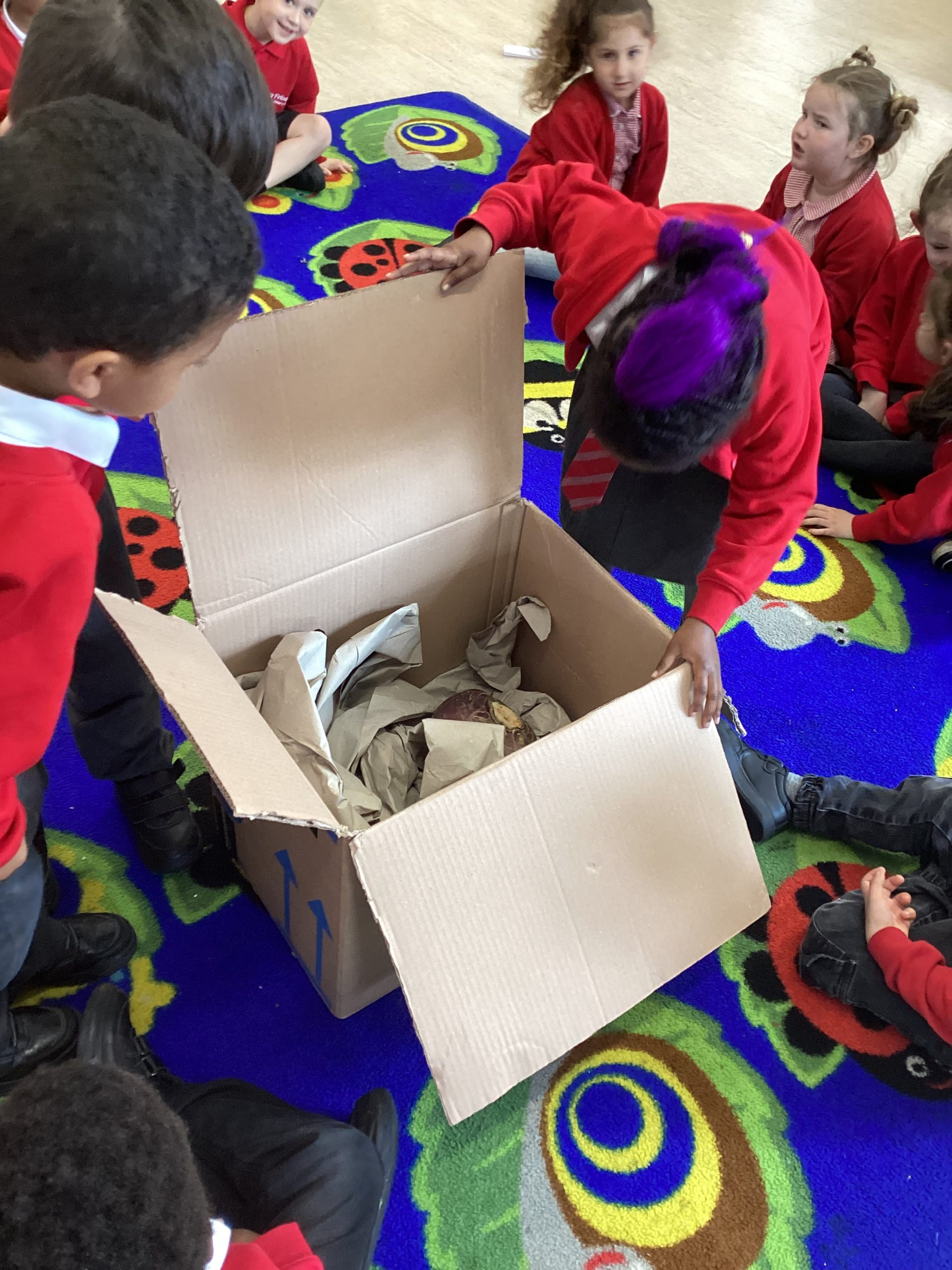
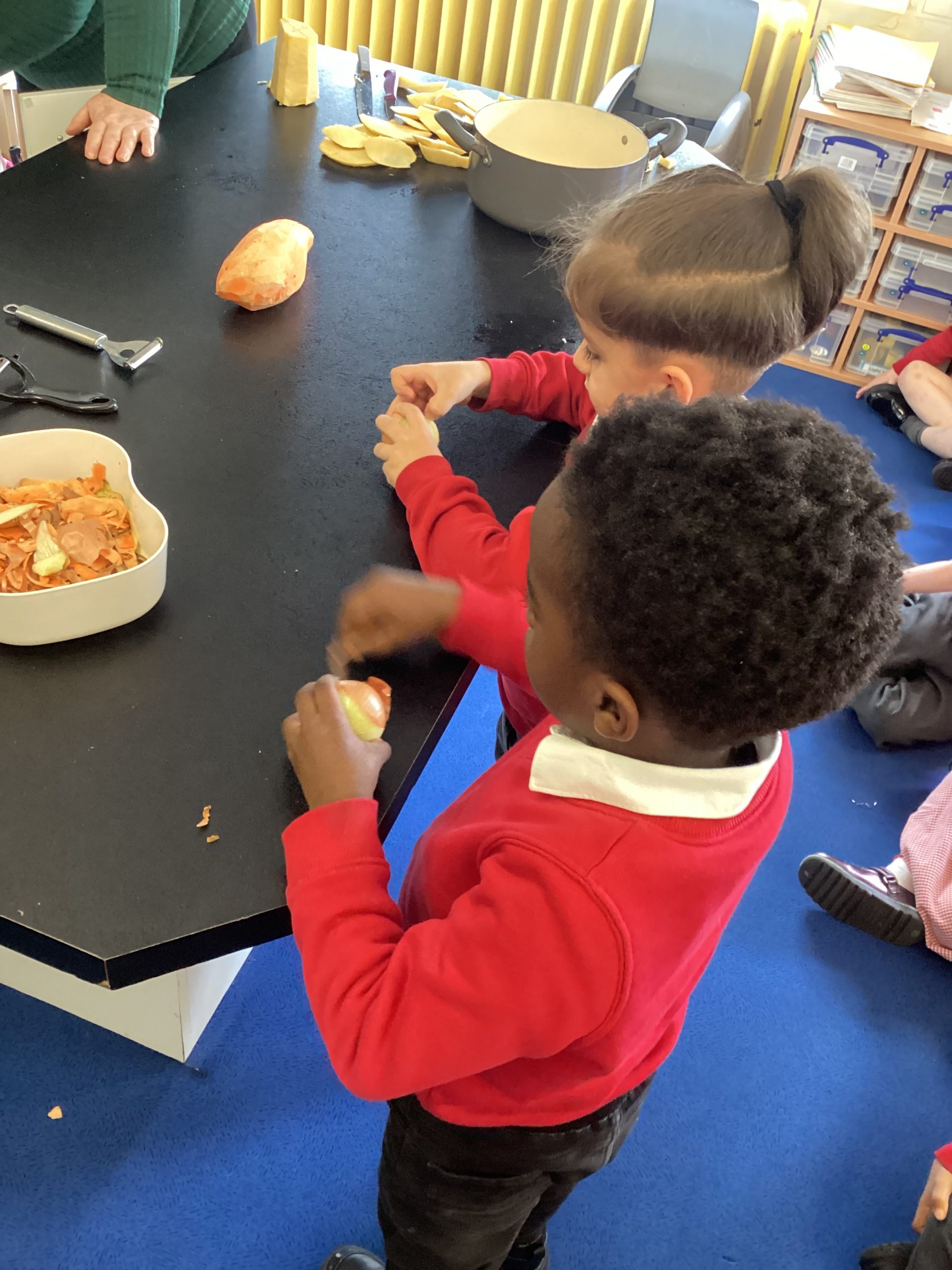
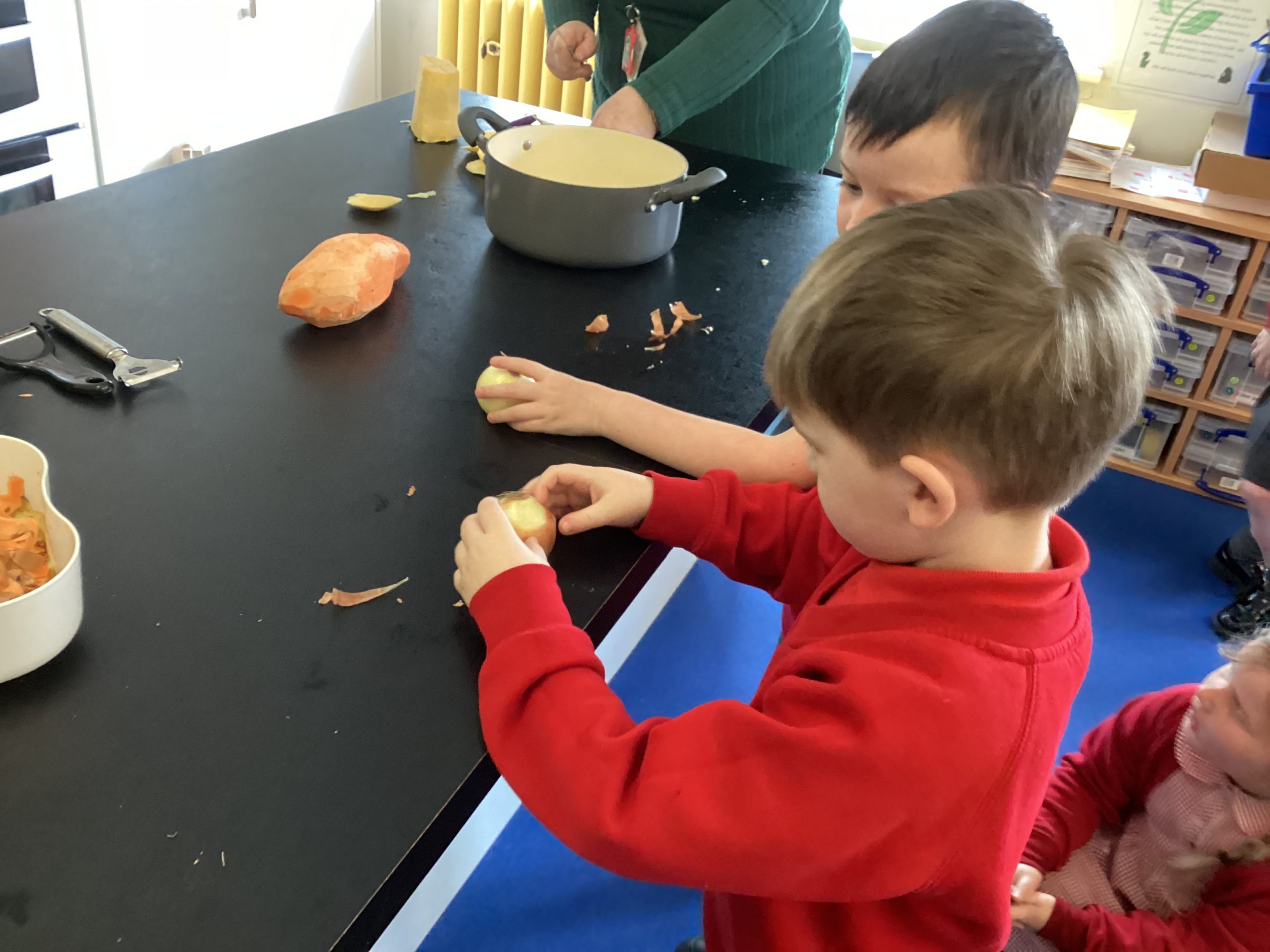
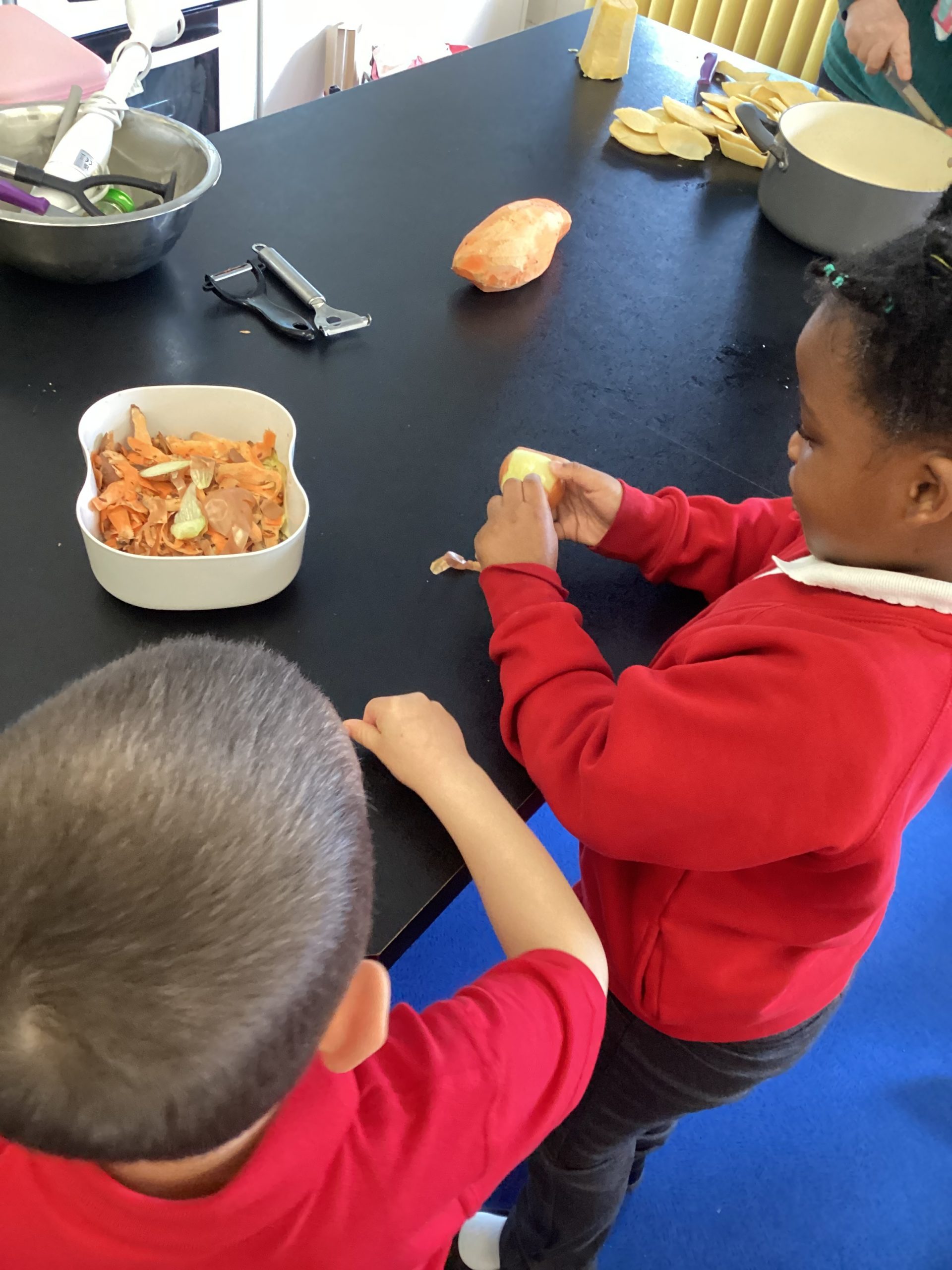
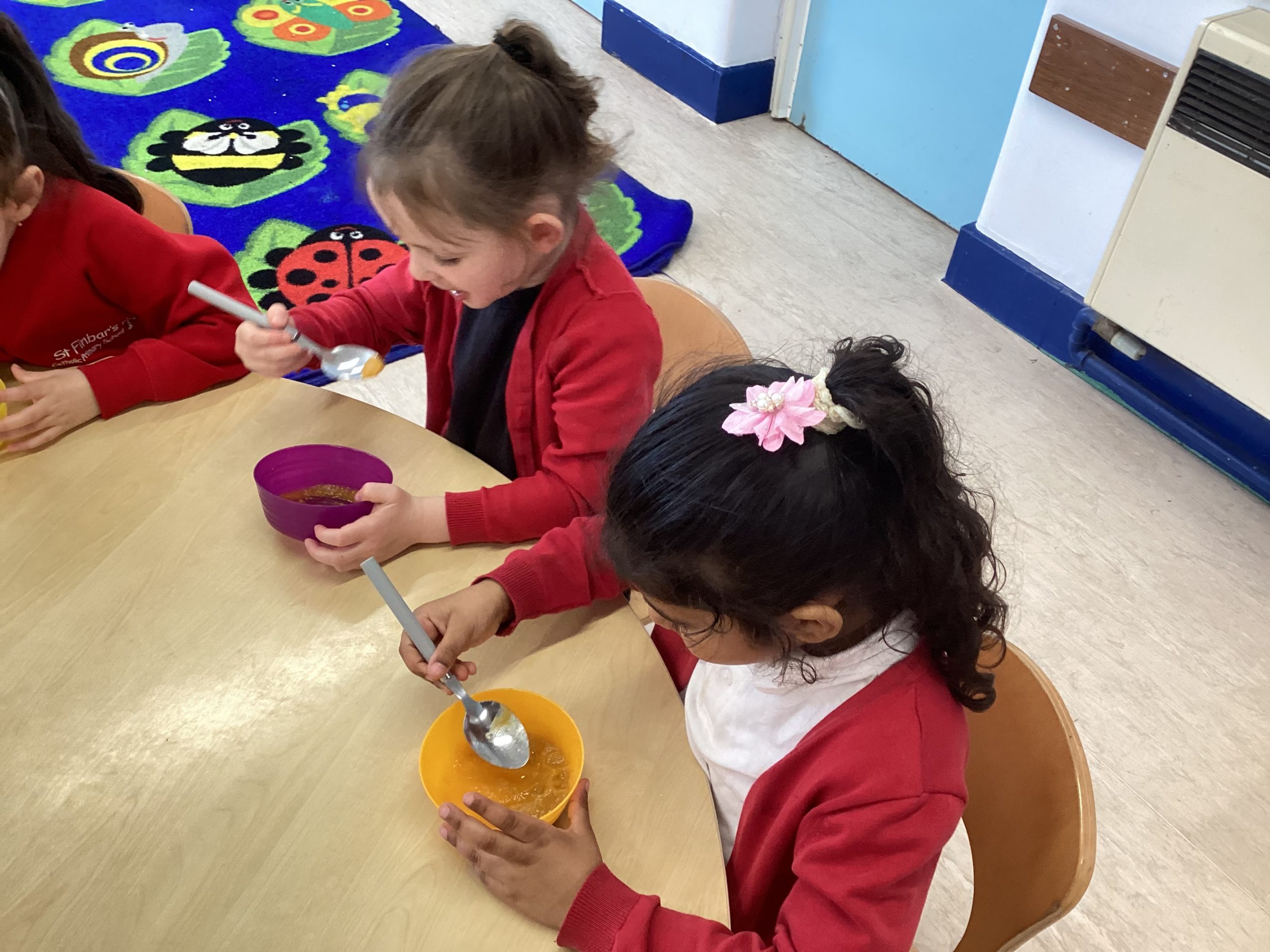
Sunflower class have read The Enormous Turnip this week. On Thursday, we had a delivery. A turnip and other root vegetables from the farmer. We decided to make some soup. The children enjoyed chopping, peeling and preparing the vegetables. Everyone enjoyed tasting the delicious soup.
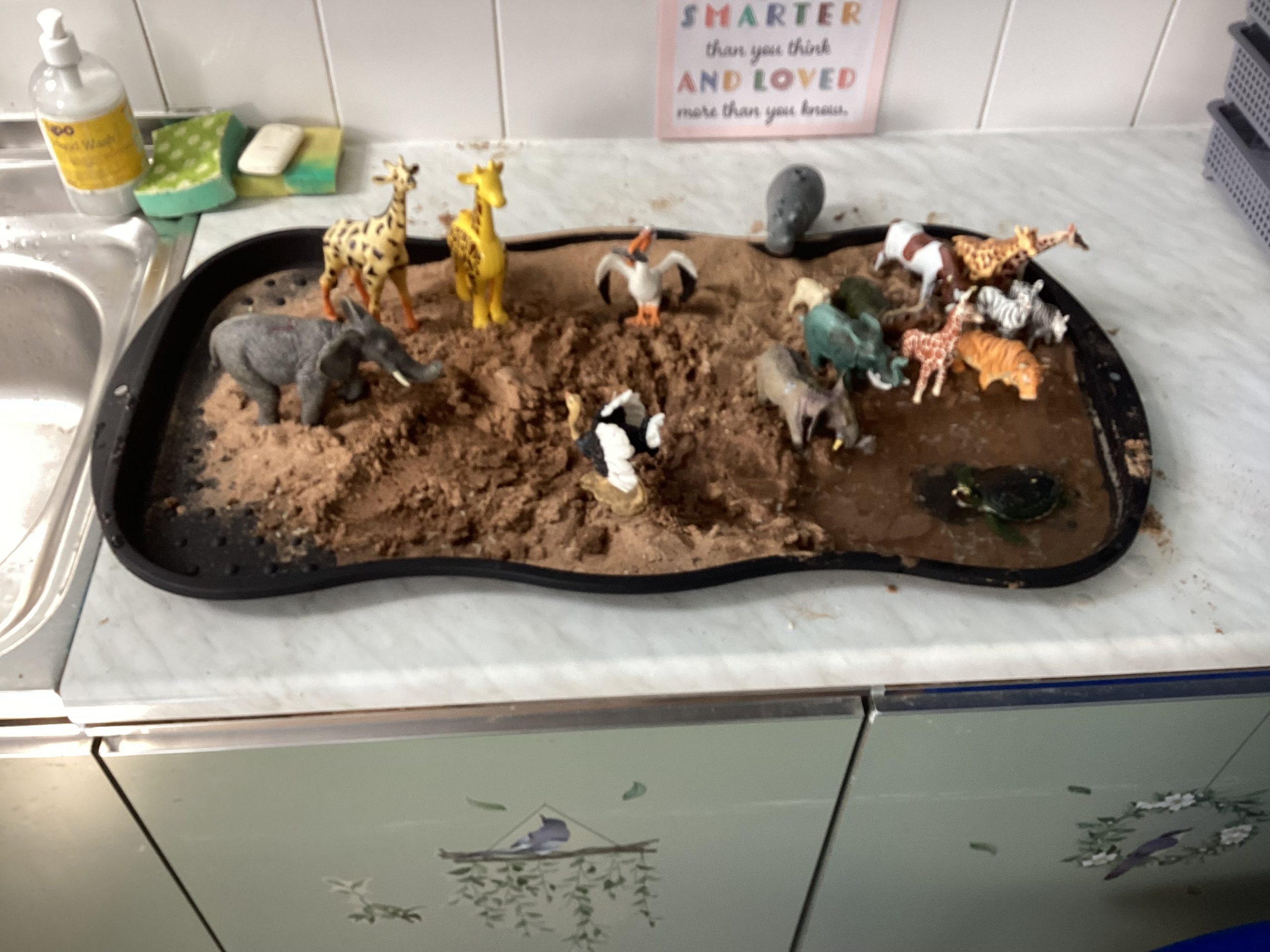
One of our little learners in Year 2 created this beautiful African watering hole. It was full of animals all wanting a drink. He talked about having trees and branches to make it even better.
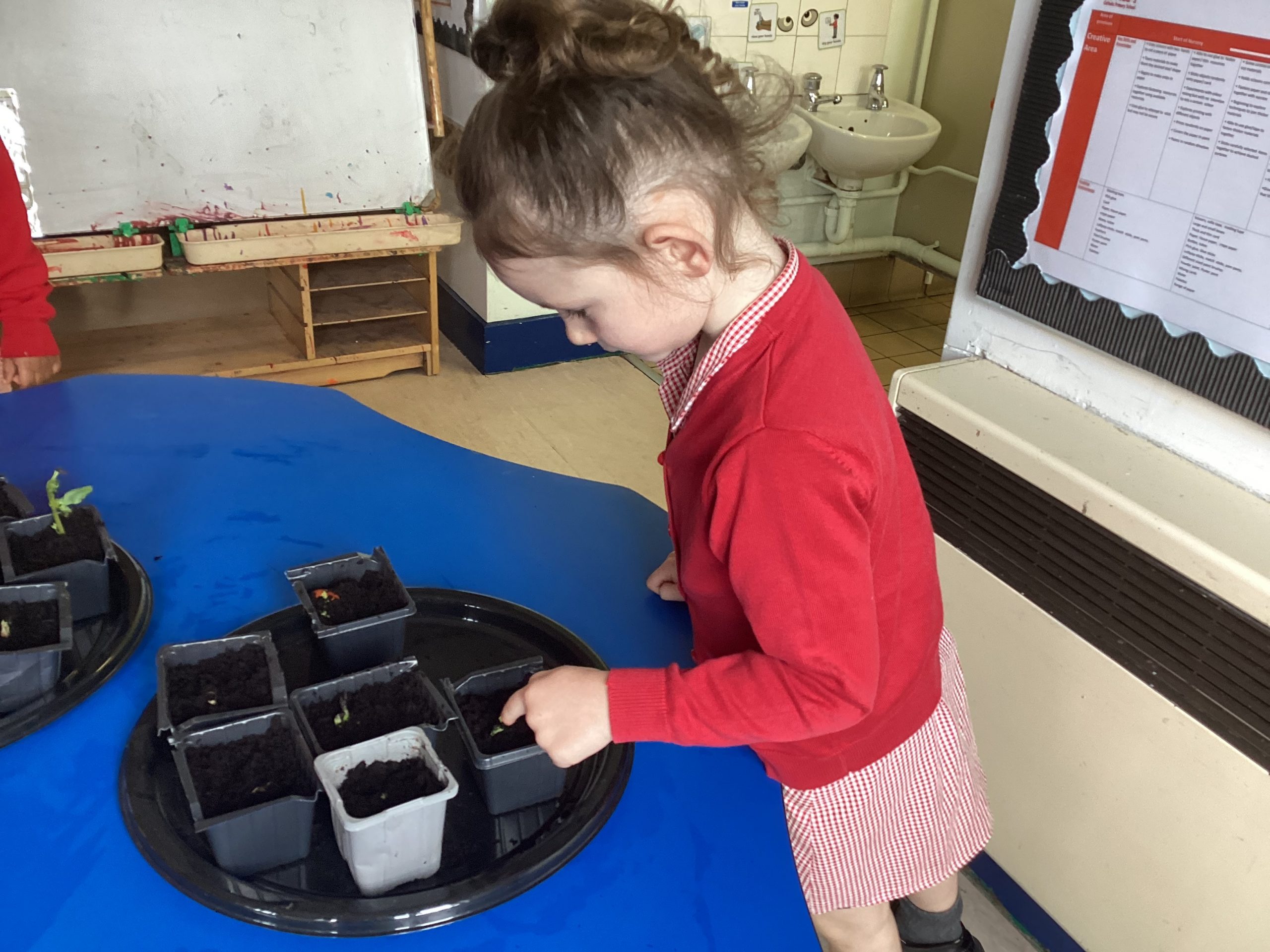
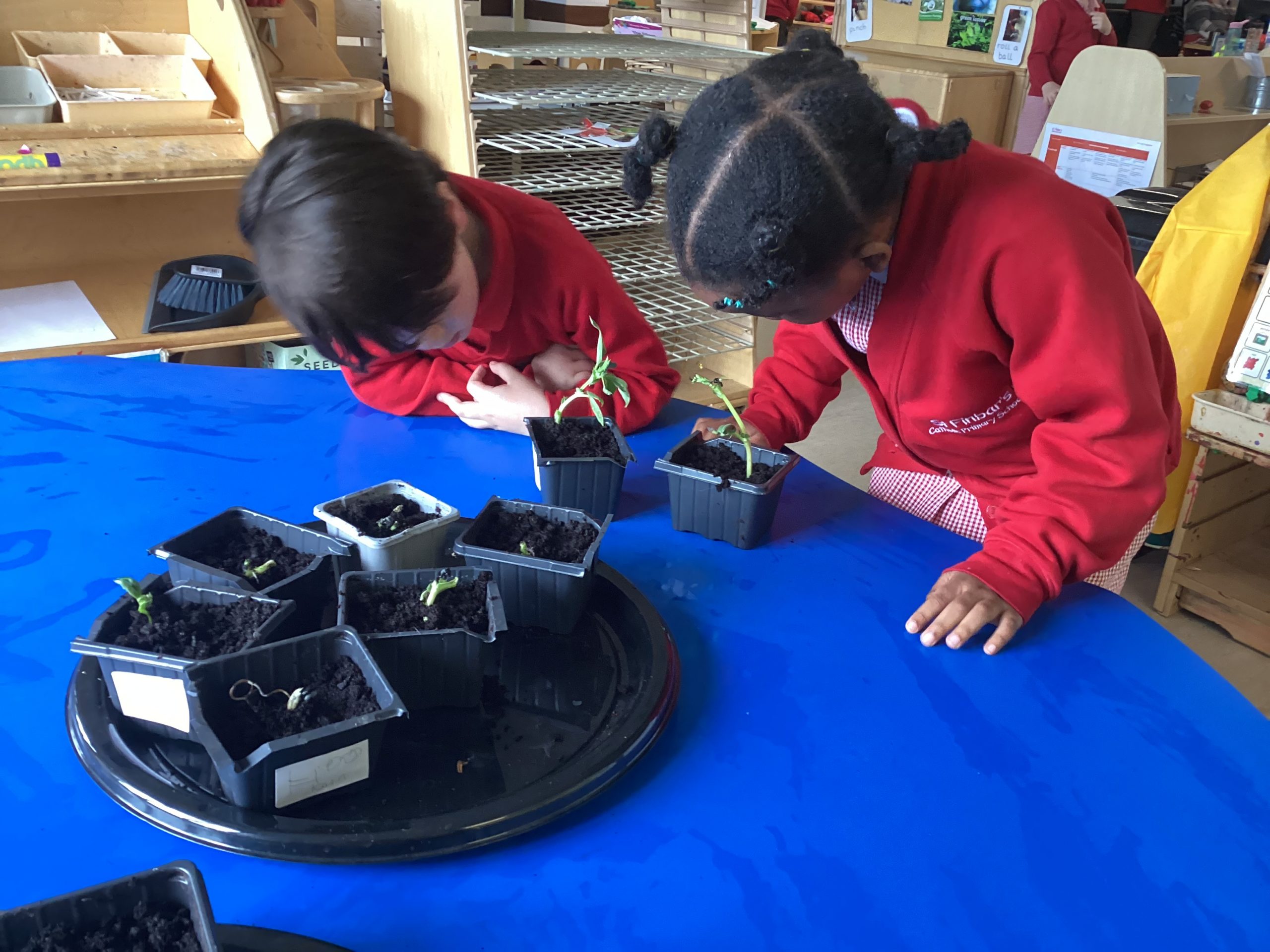
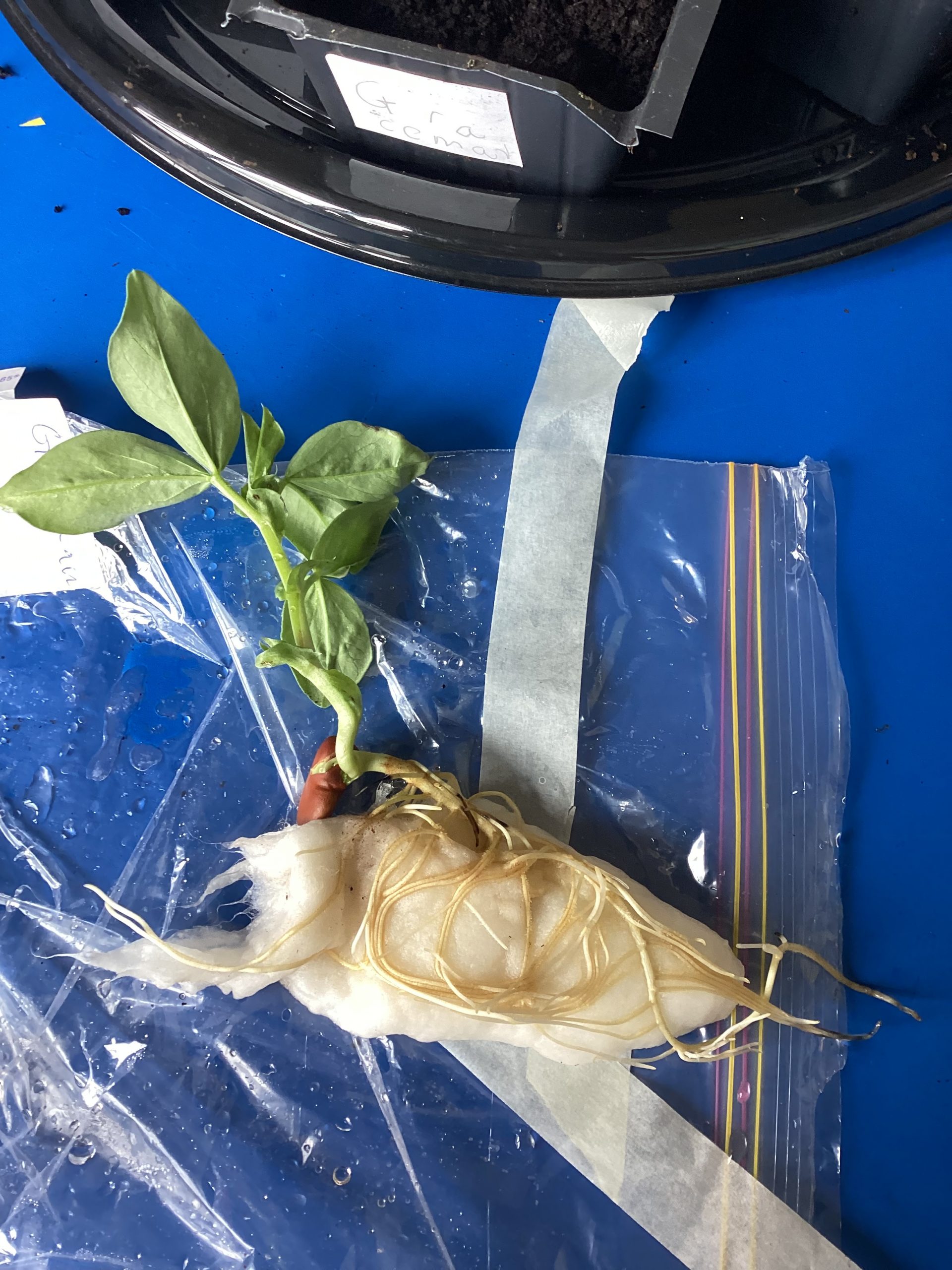
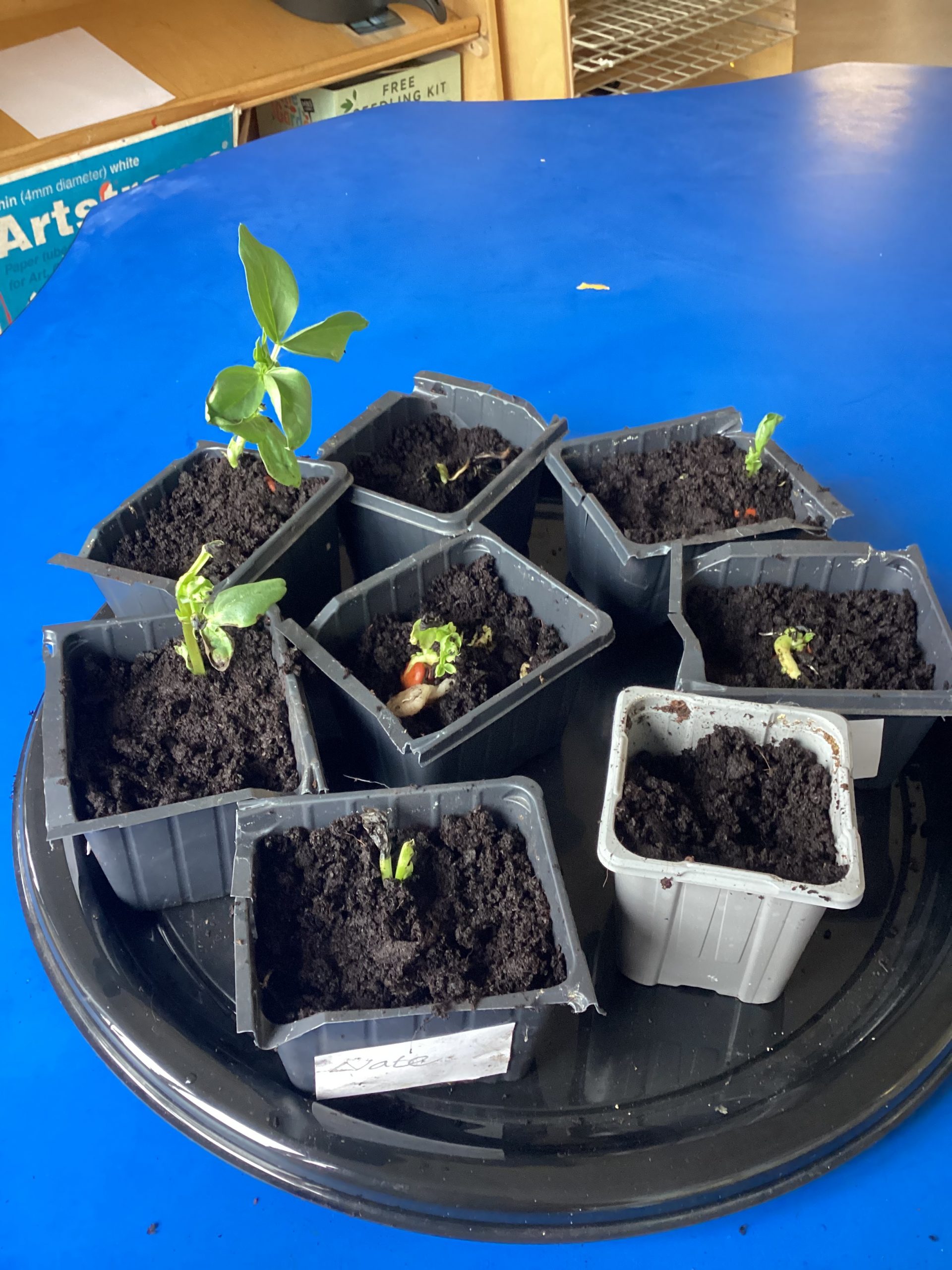
Sunflower class have been growing our own beans. We used a clear bag to create a warm environment for the bean to grow. We looked at the different parts of the sprouting bean. Now that our beans are flourishing we have moved them to pots and compost.
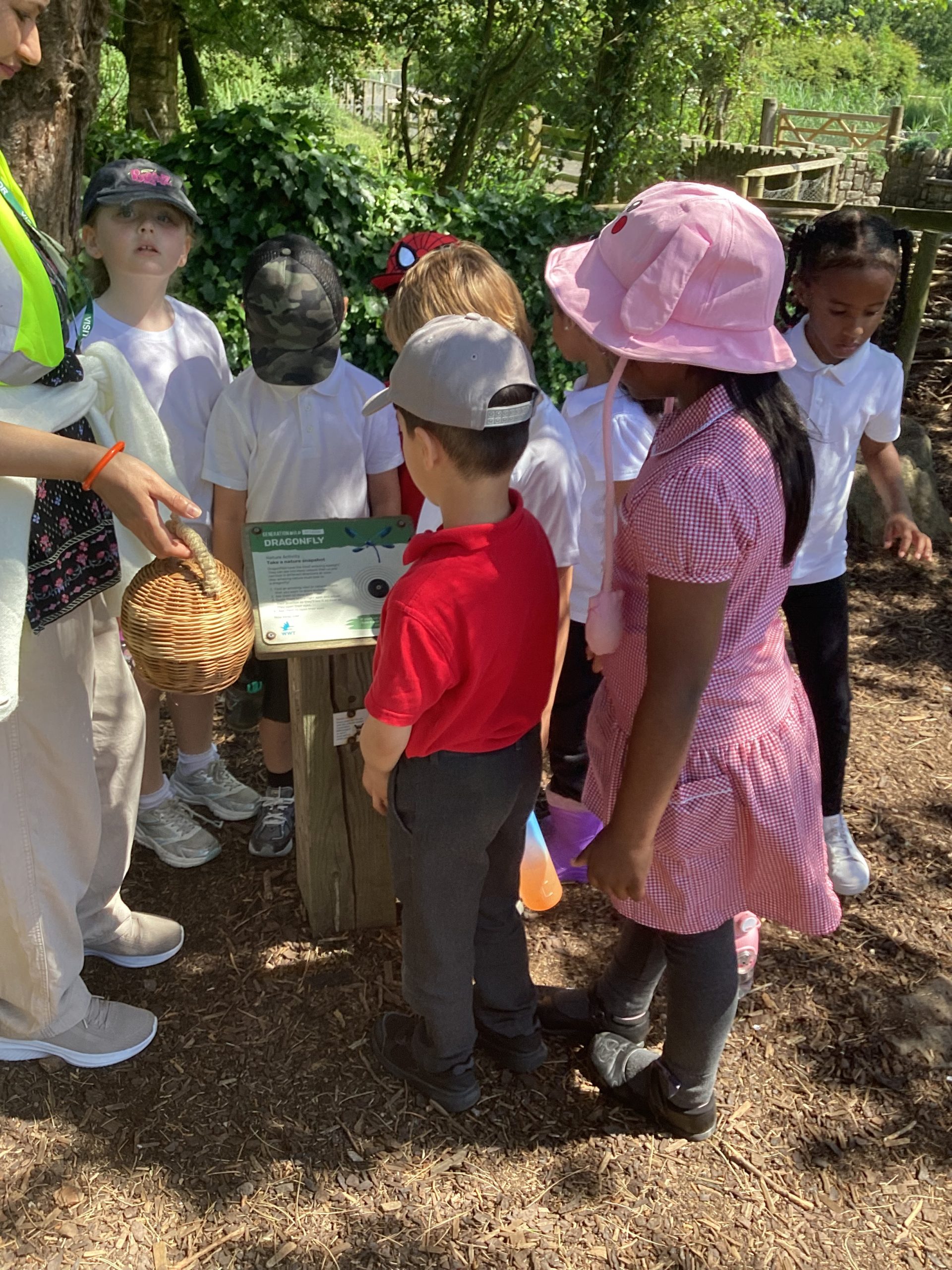
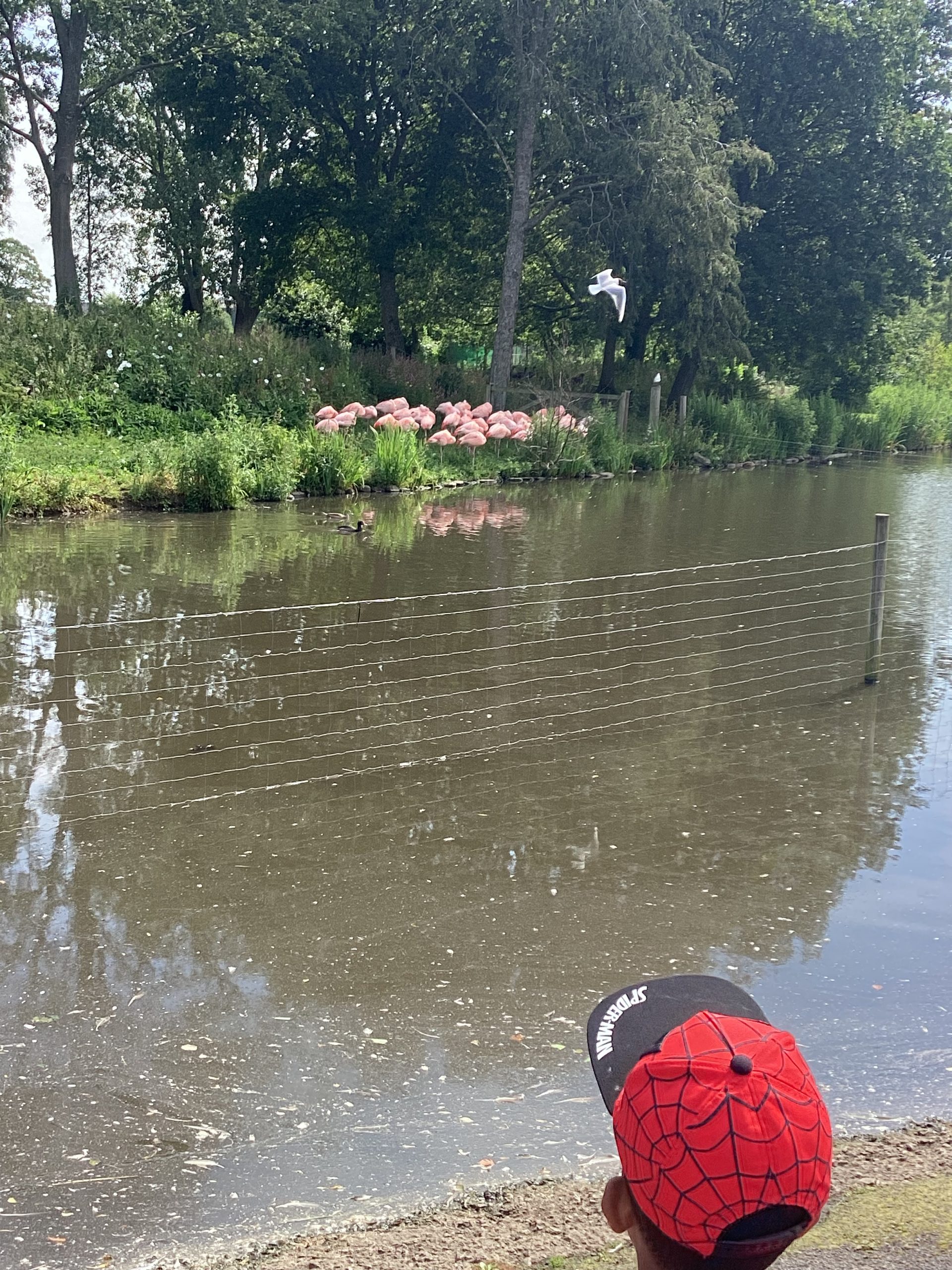
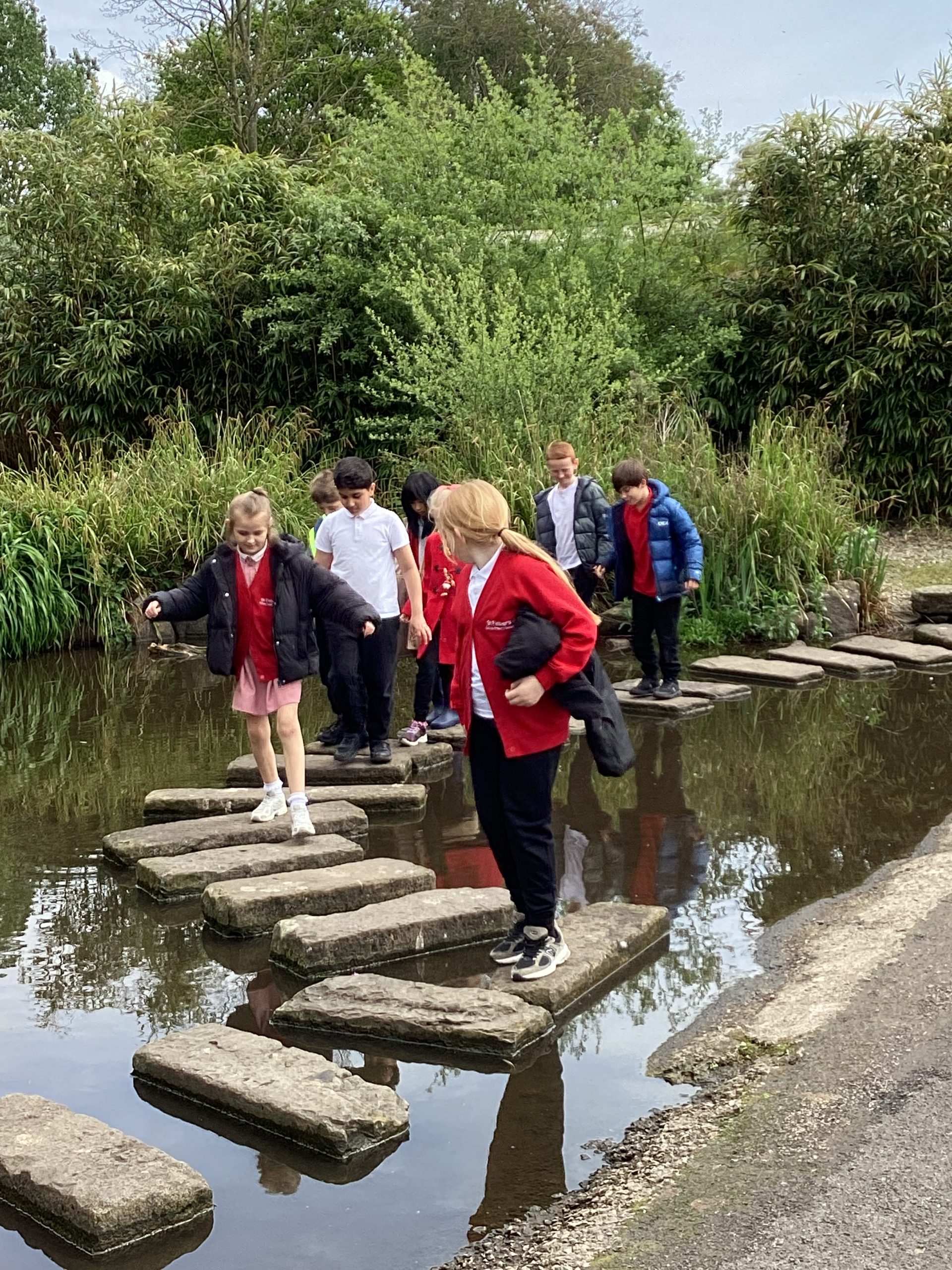
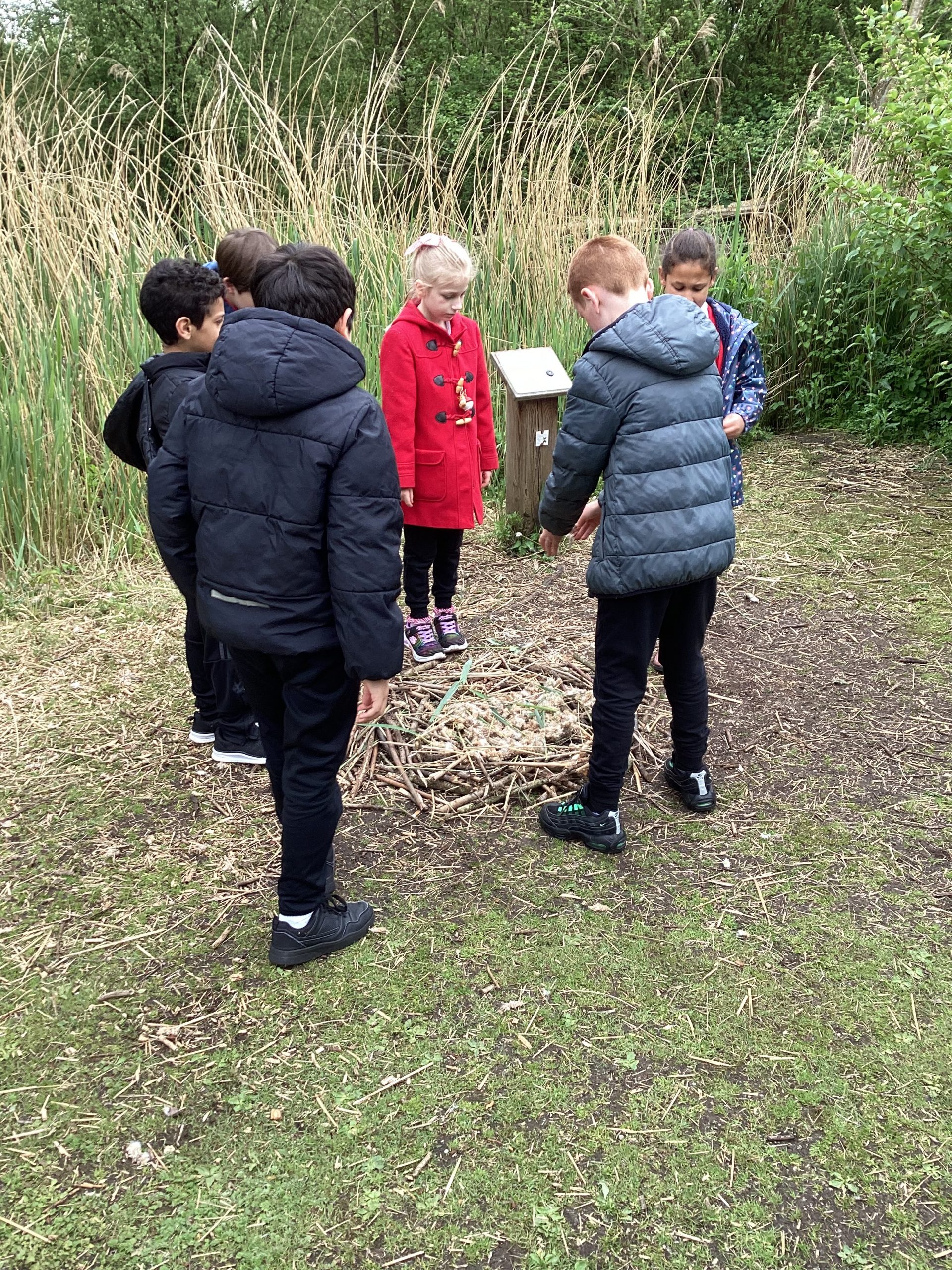
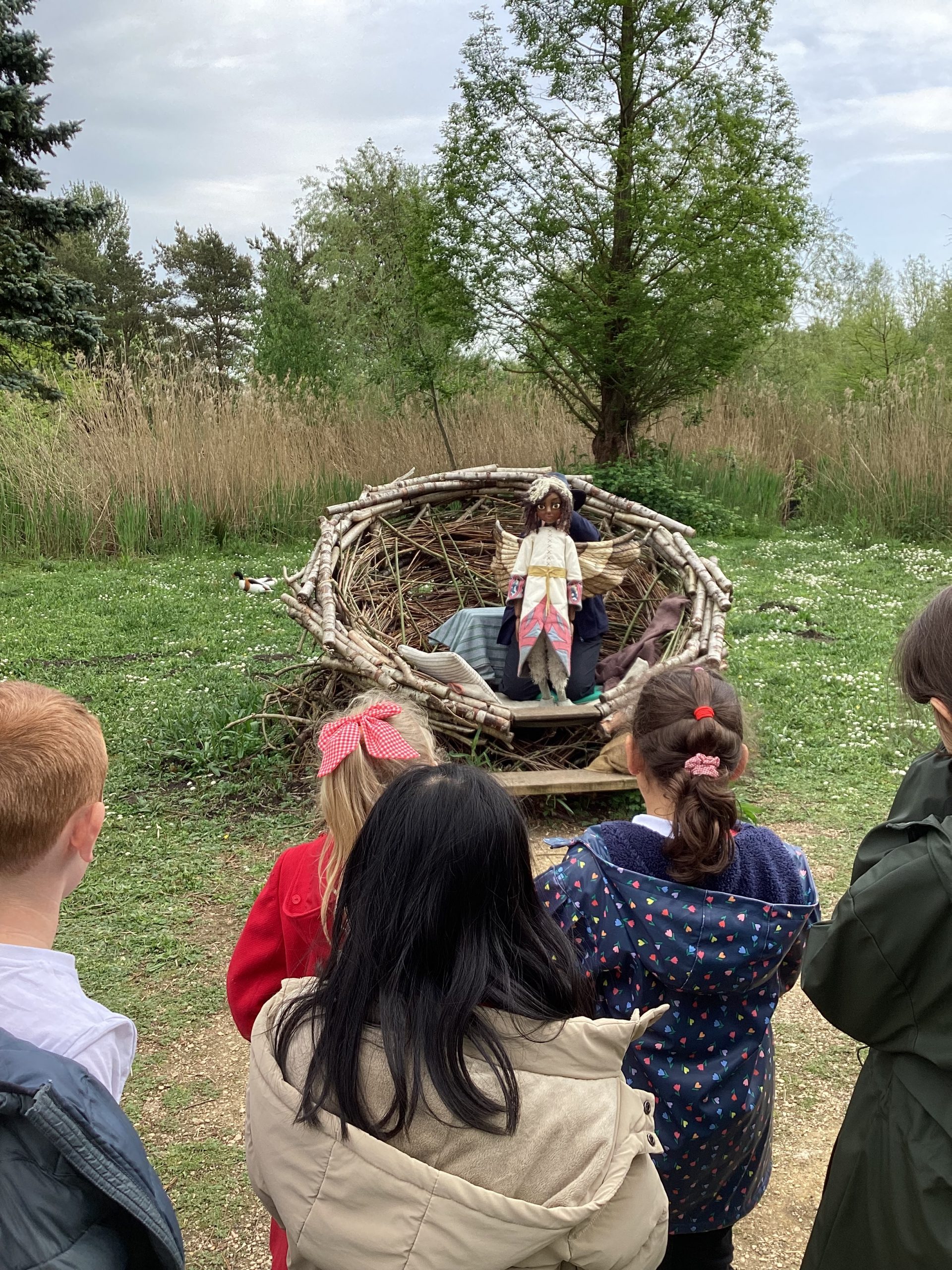
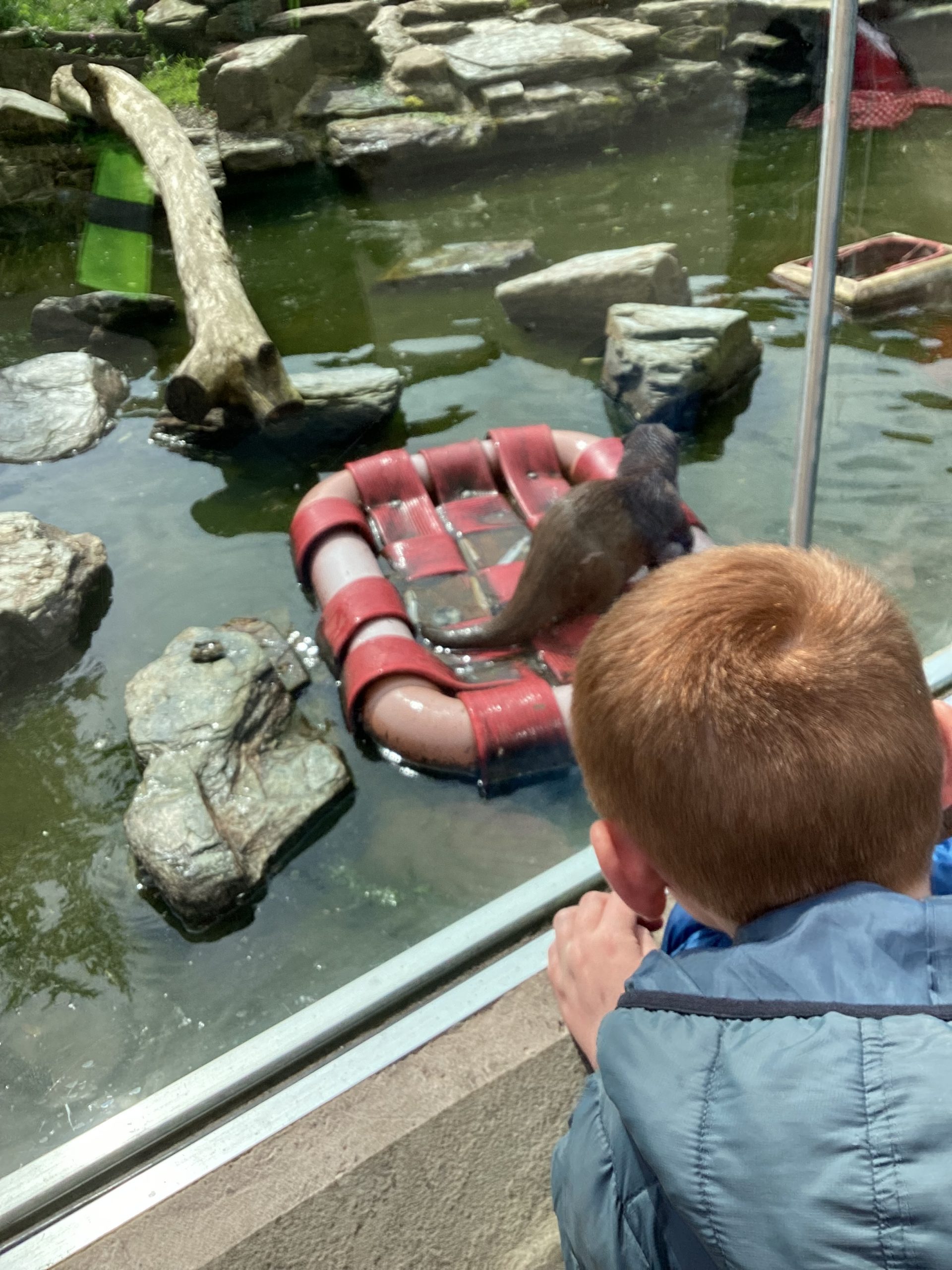
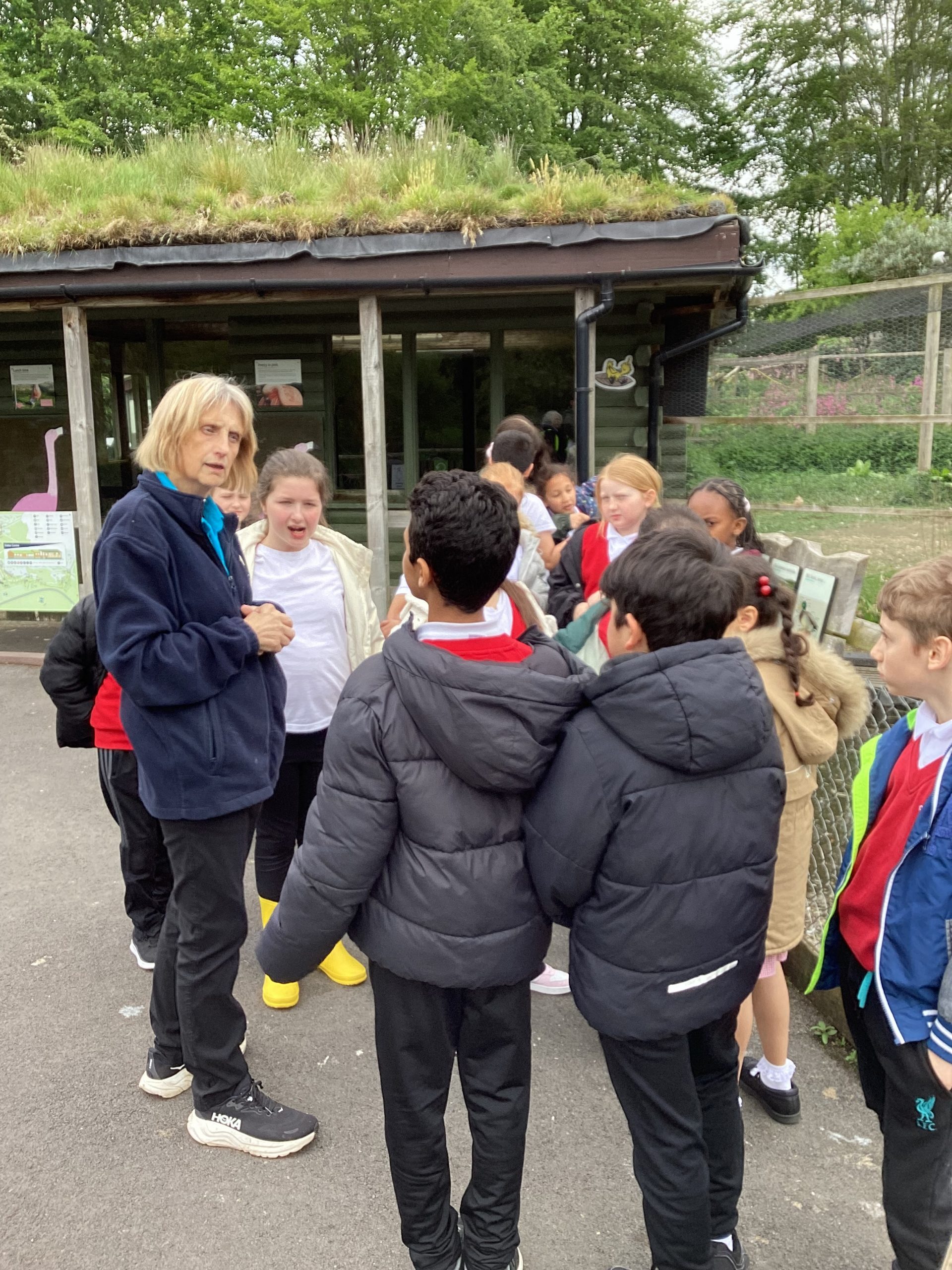
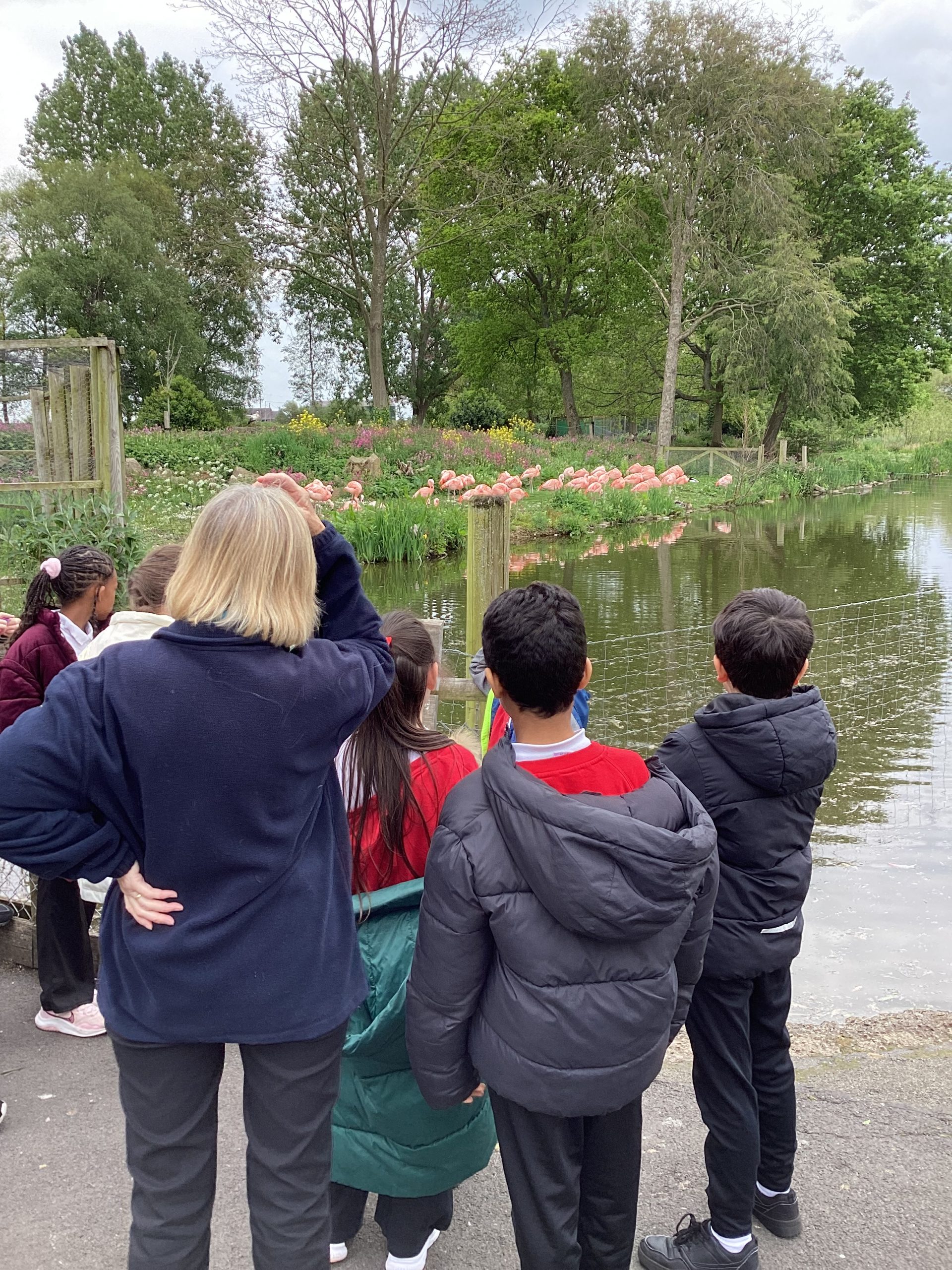
Year 4 had a wonderful time exploring Martin Mere. We had time to walk round and see the varieties of birds that live there. It included spoonbills, flamingoes and swans. We then took part in Generation Wild to learn all about how we can be guardians of the planet and look after it. We ended the day with seeing the otters!
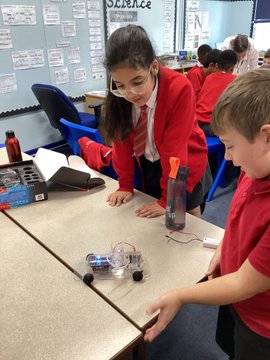
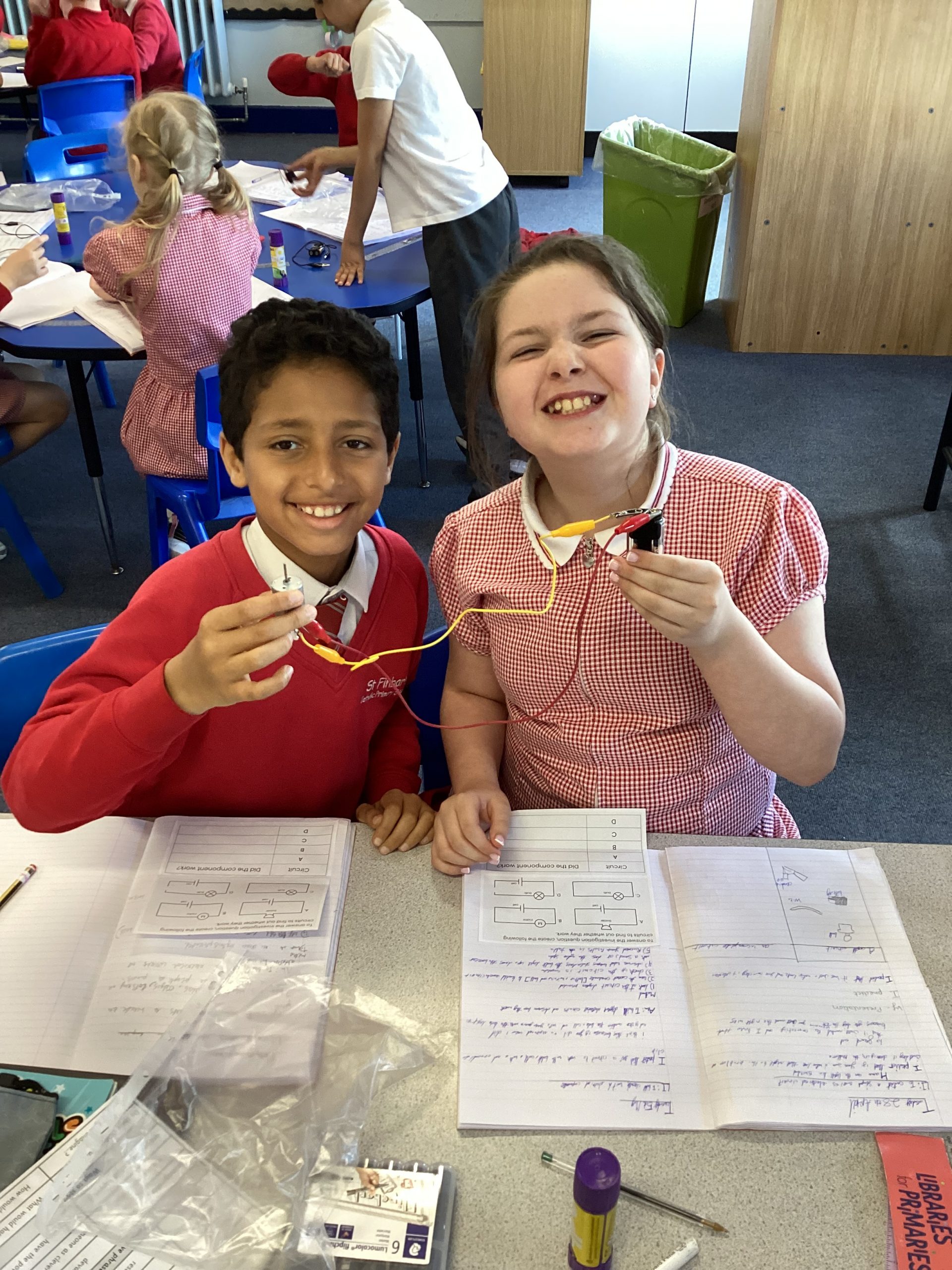
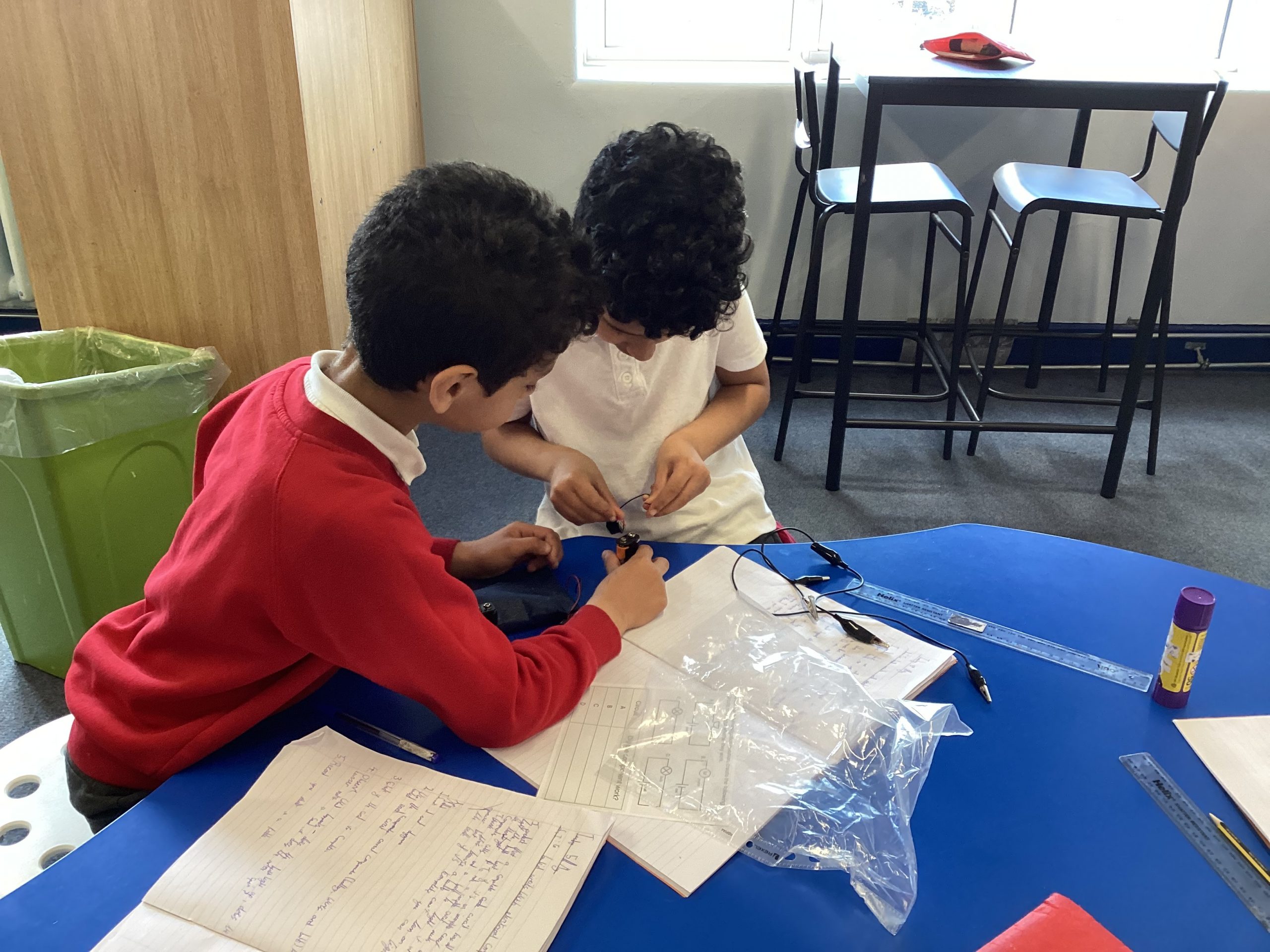
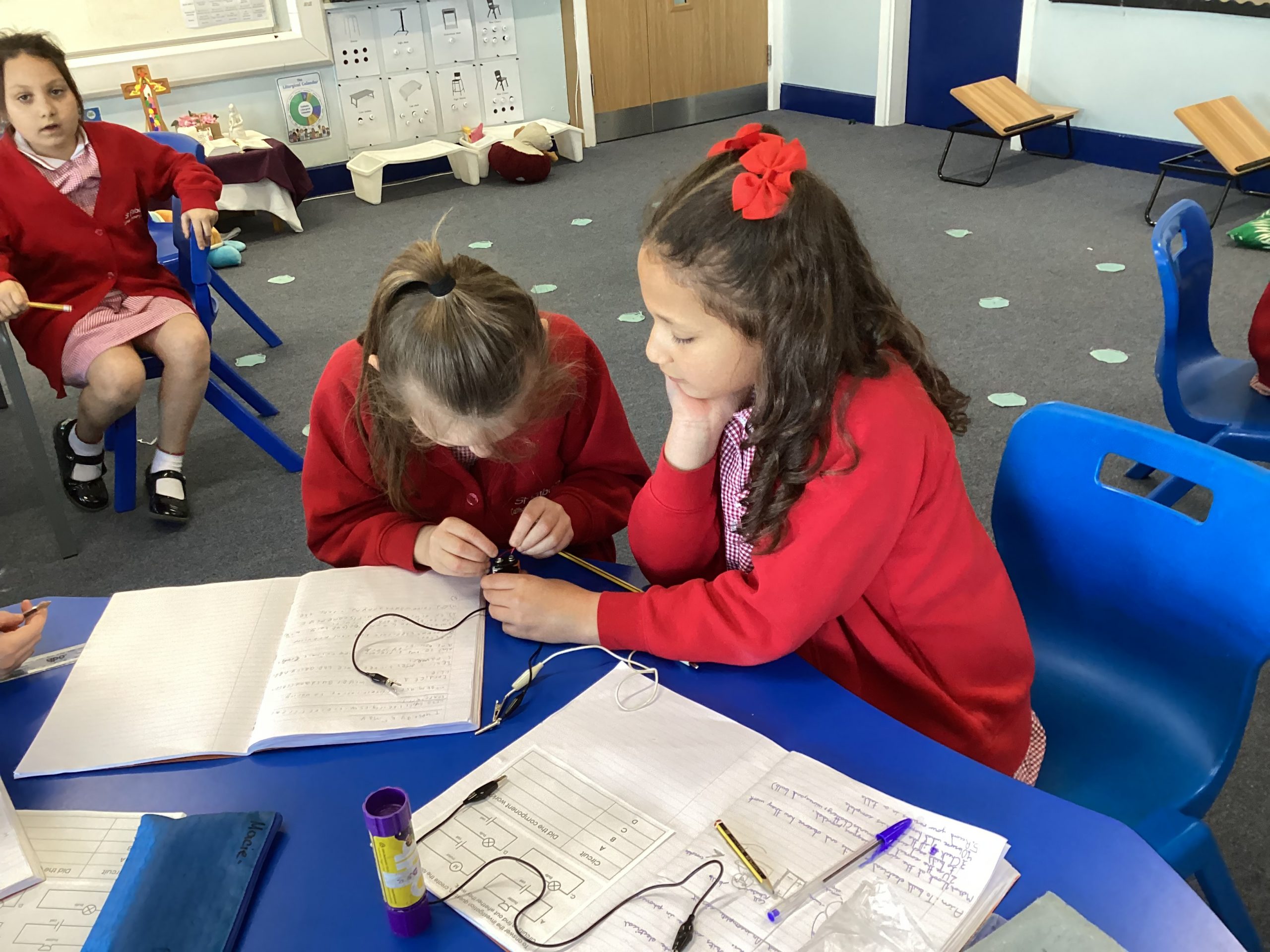
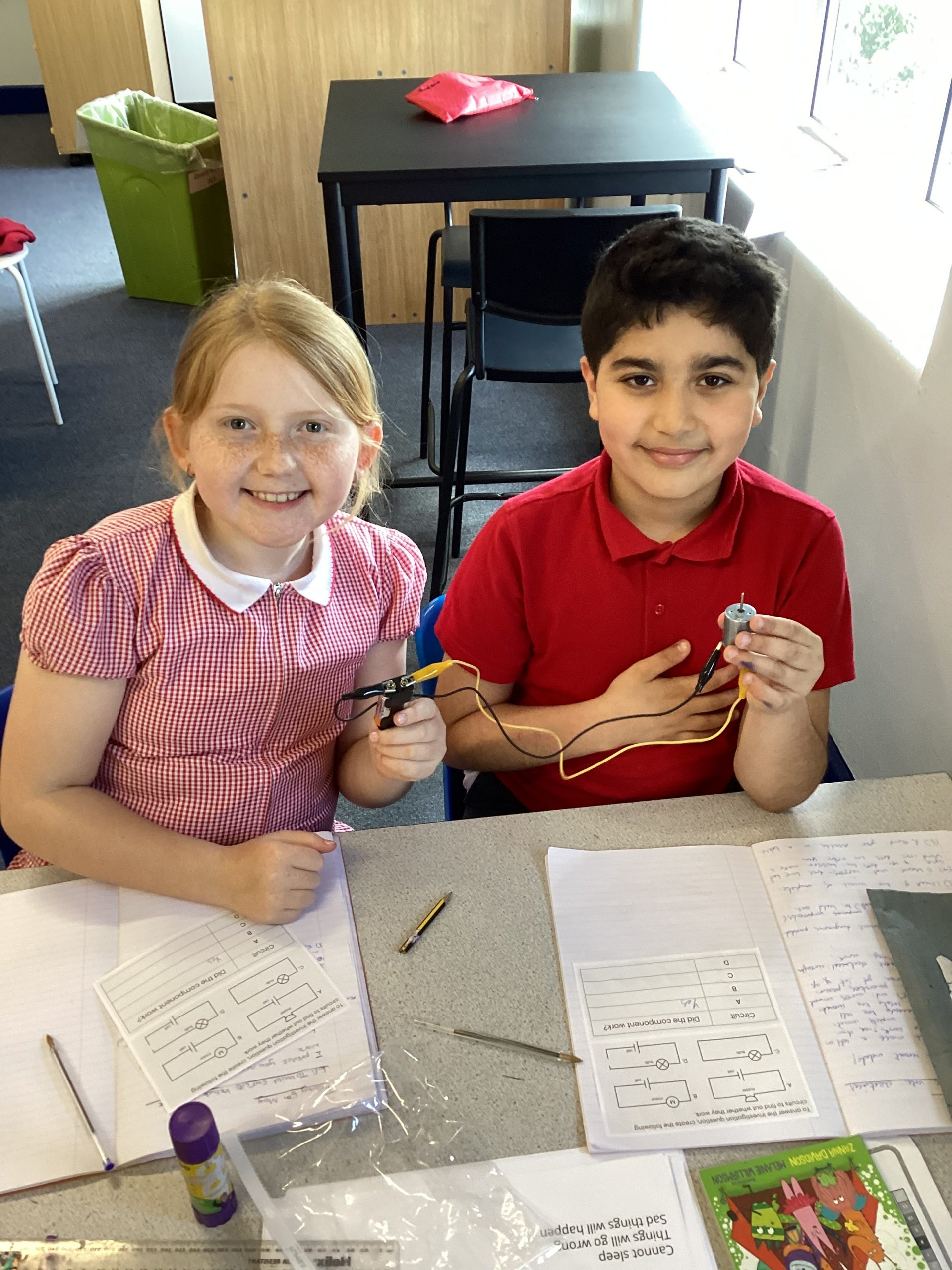
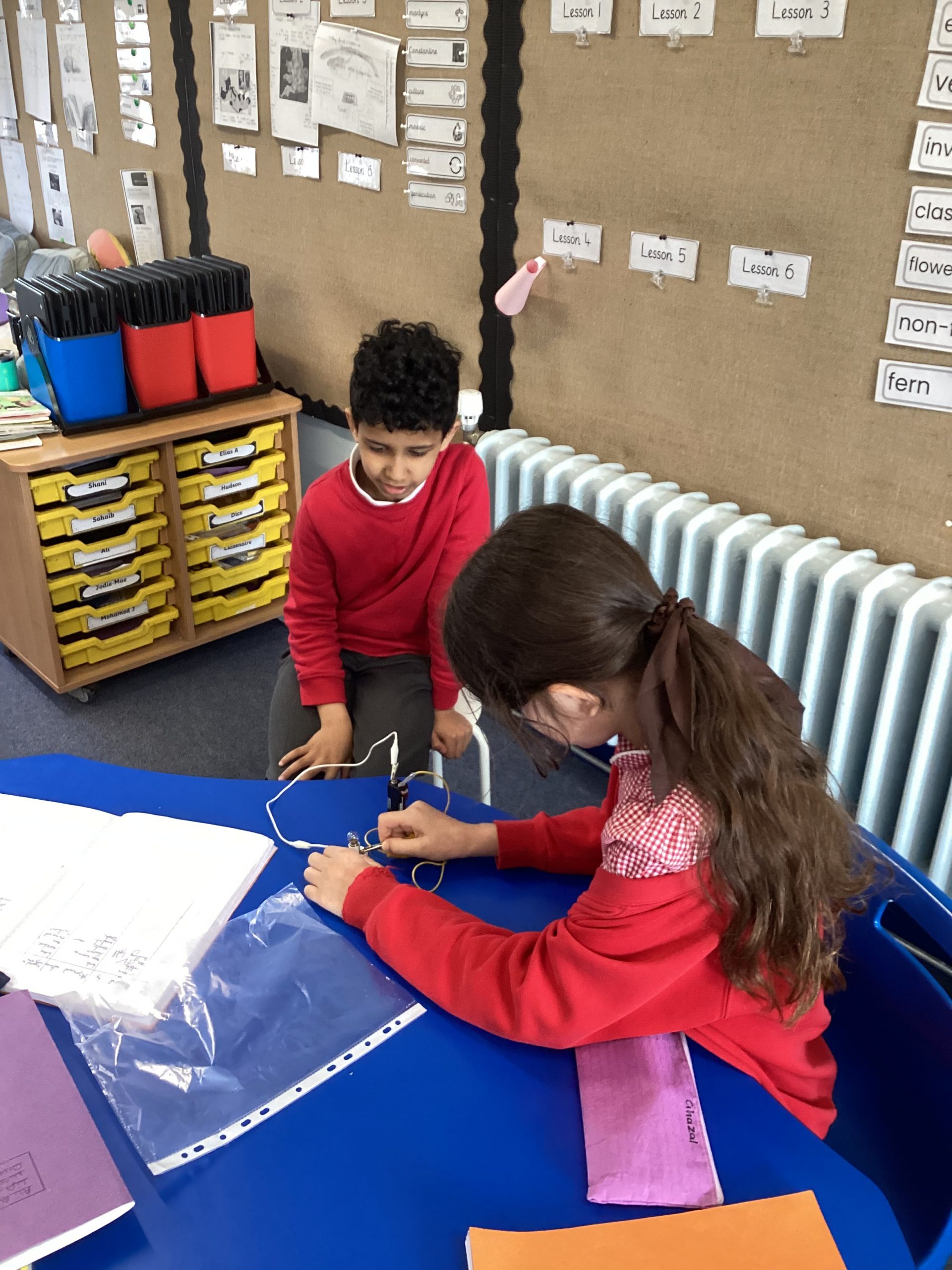
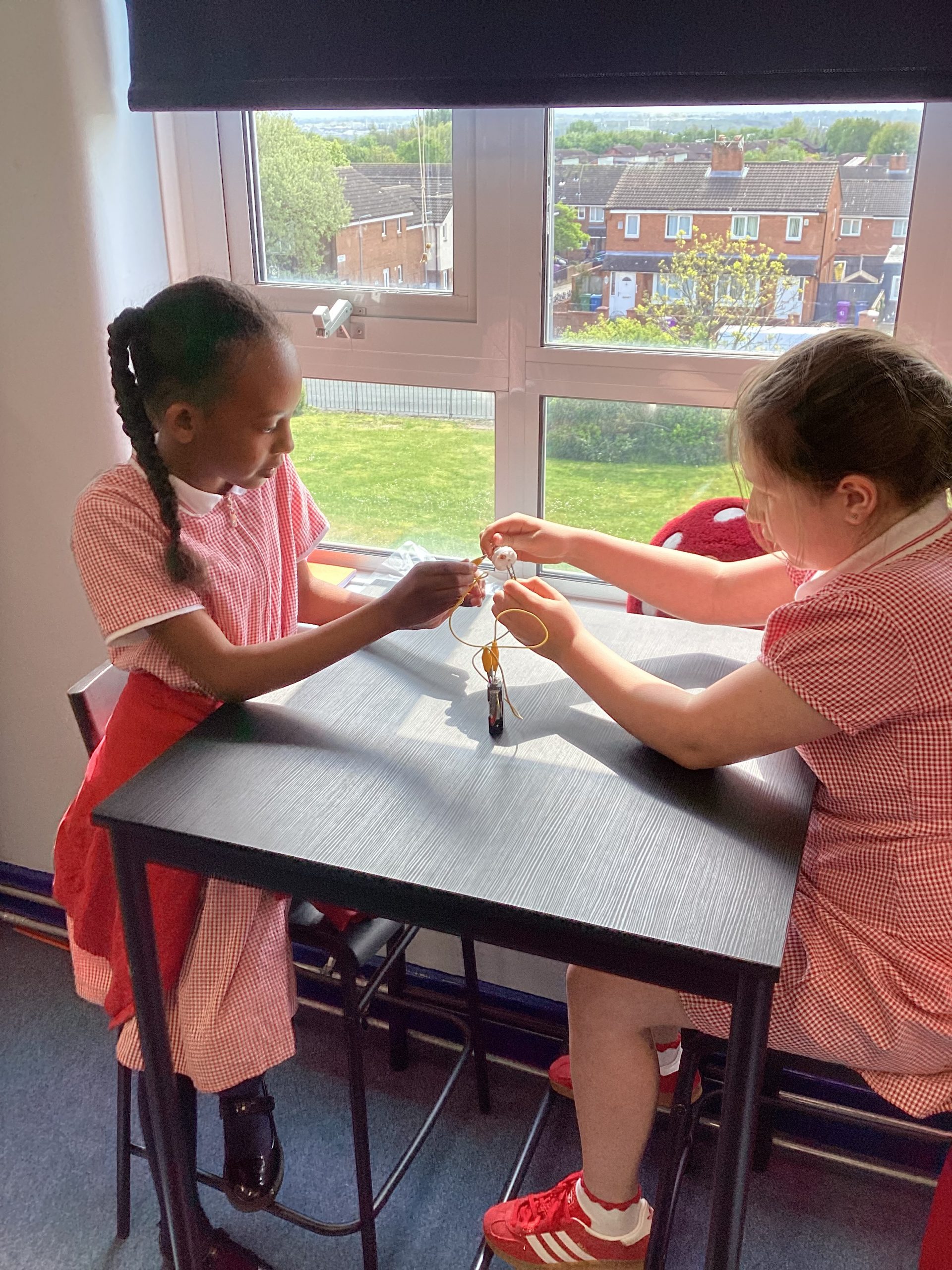
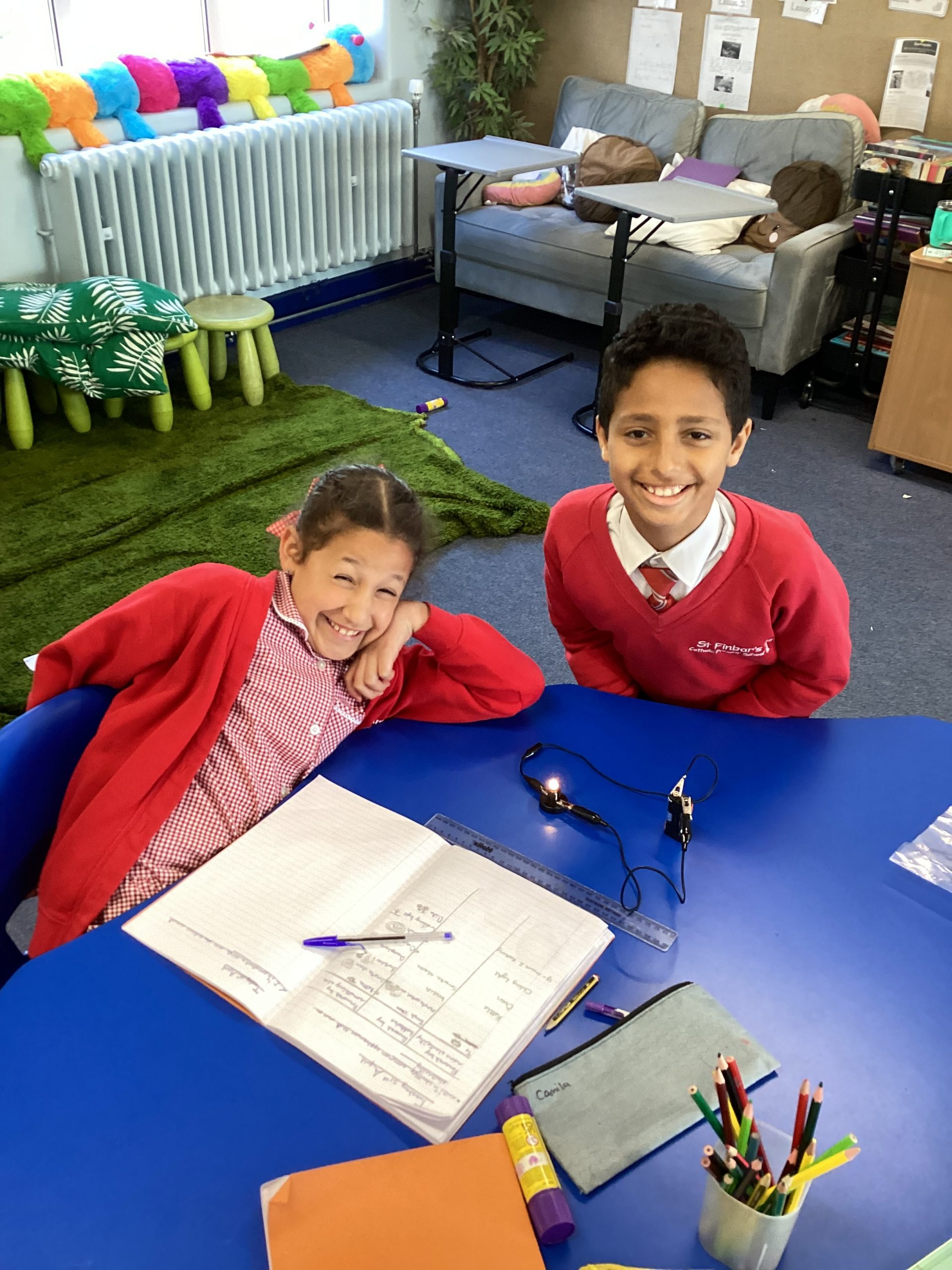
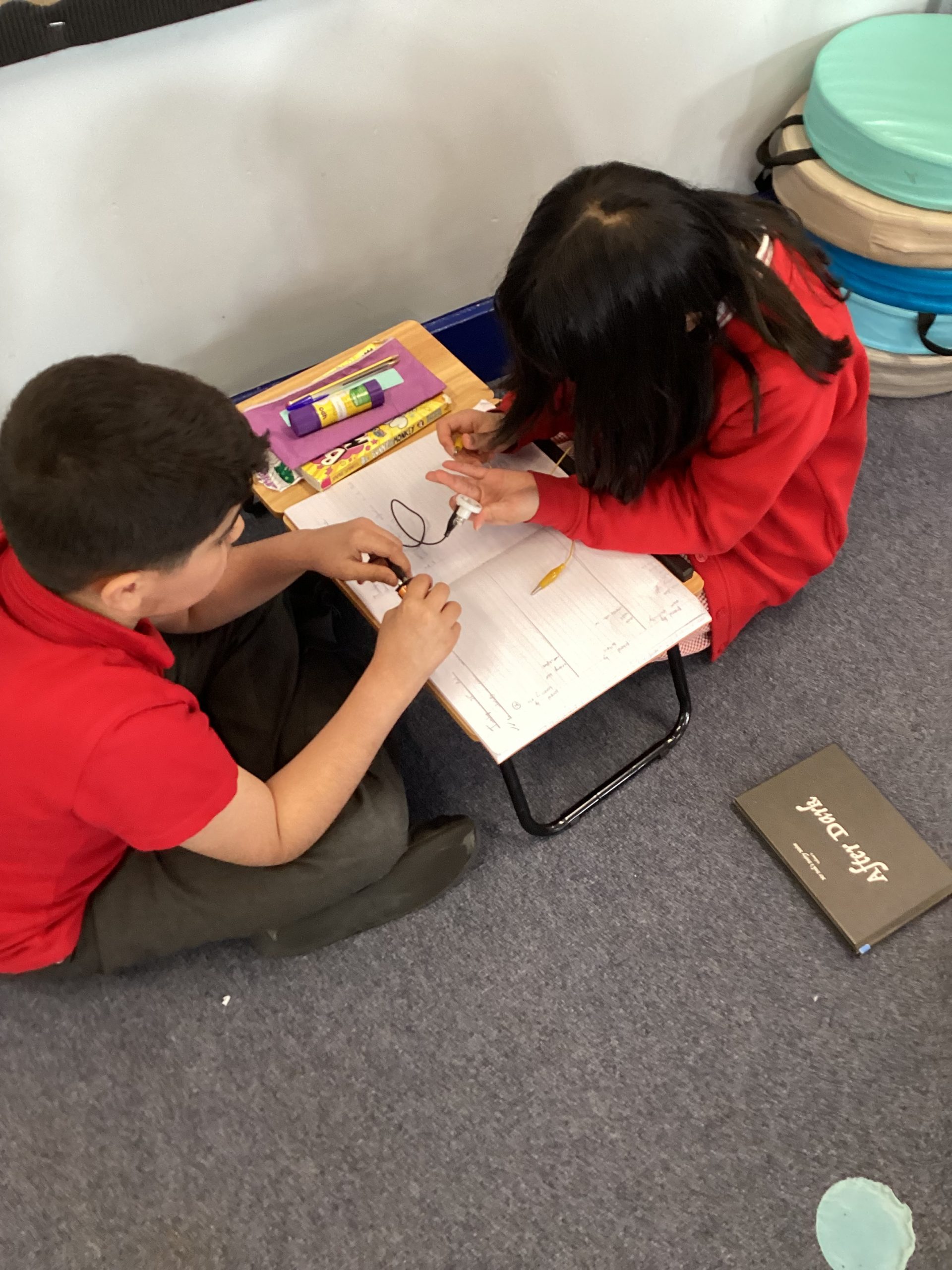
In our science lesson, we used our knowledge from last week about complete and incomplete circuits to investigate if the circuits we were given to make would work. In our pairs we worked to create each circuit and decide if it was a working circuit.
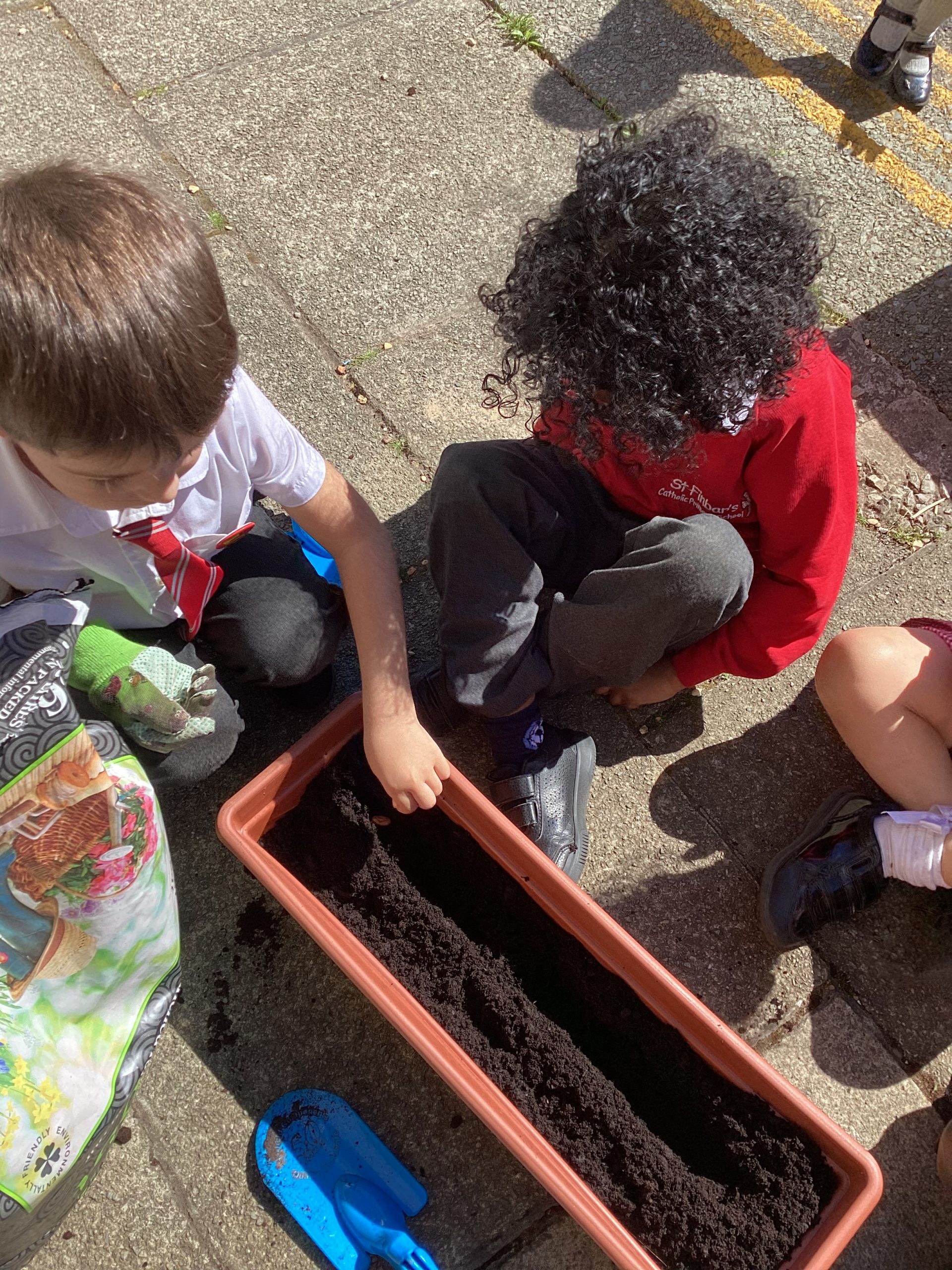
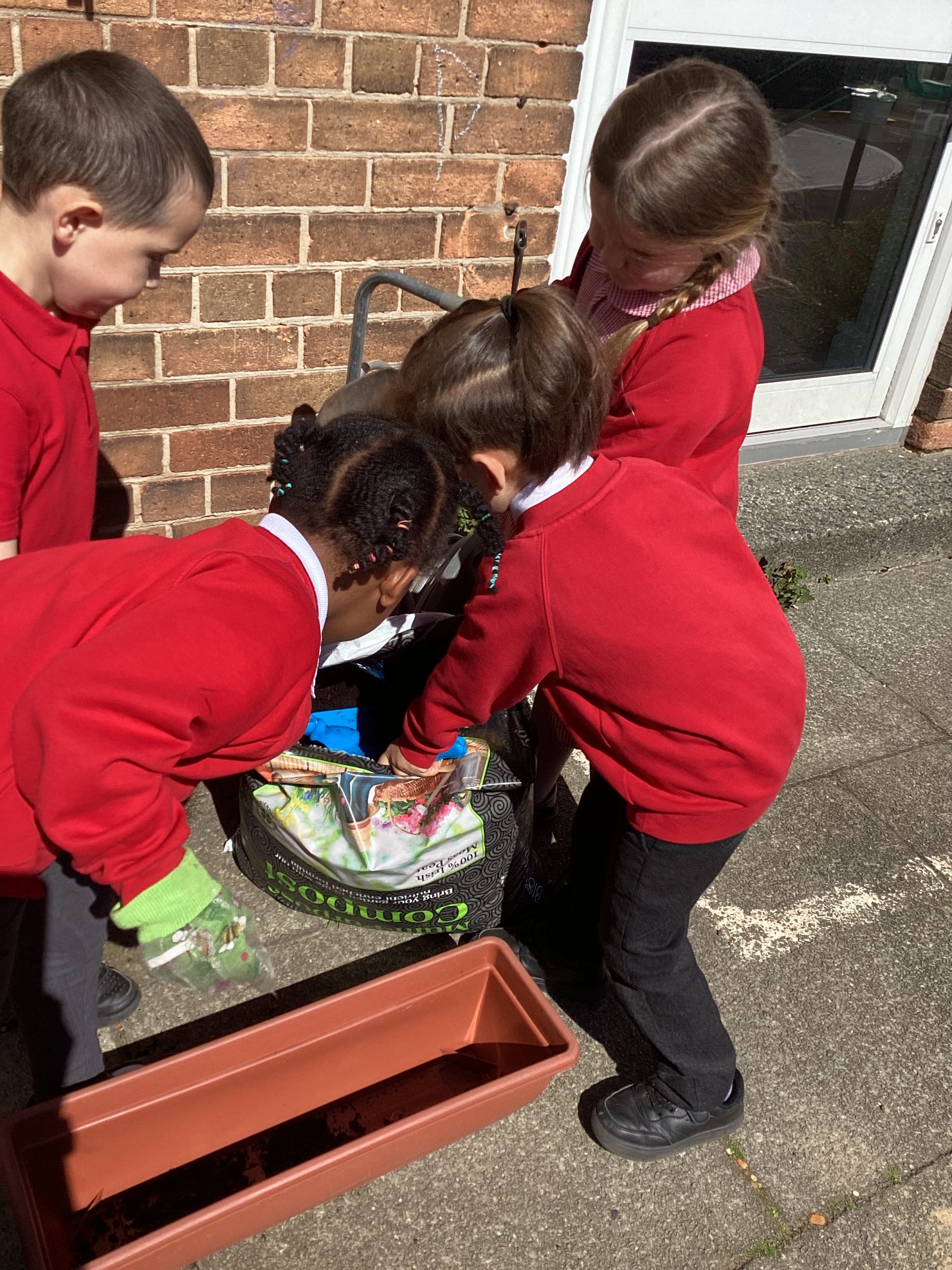
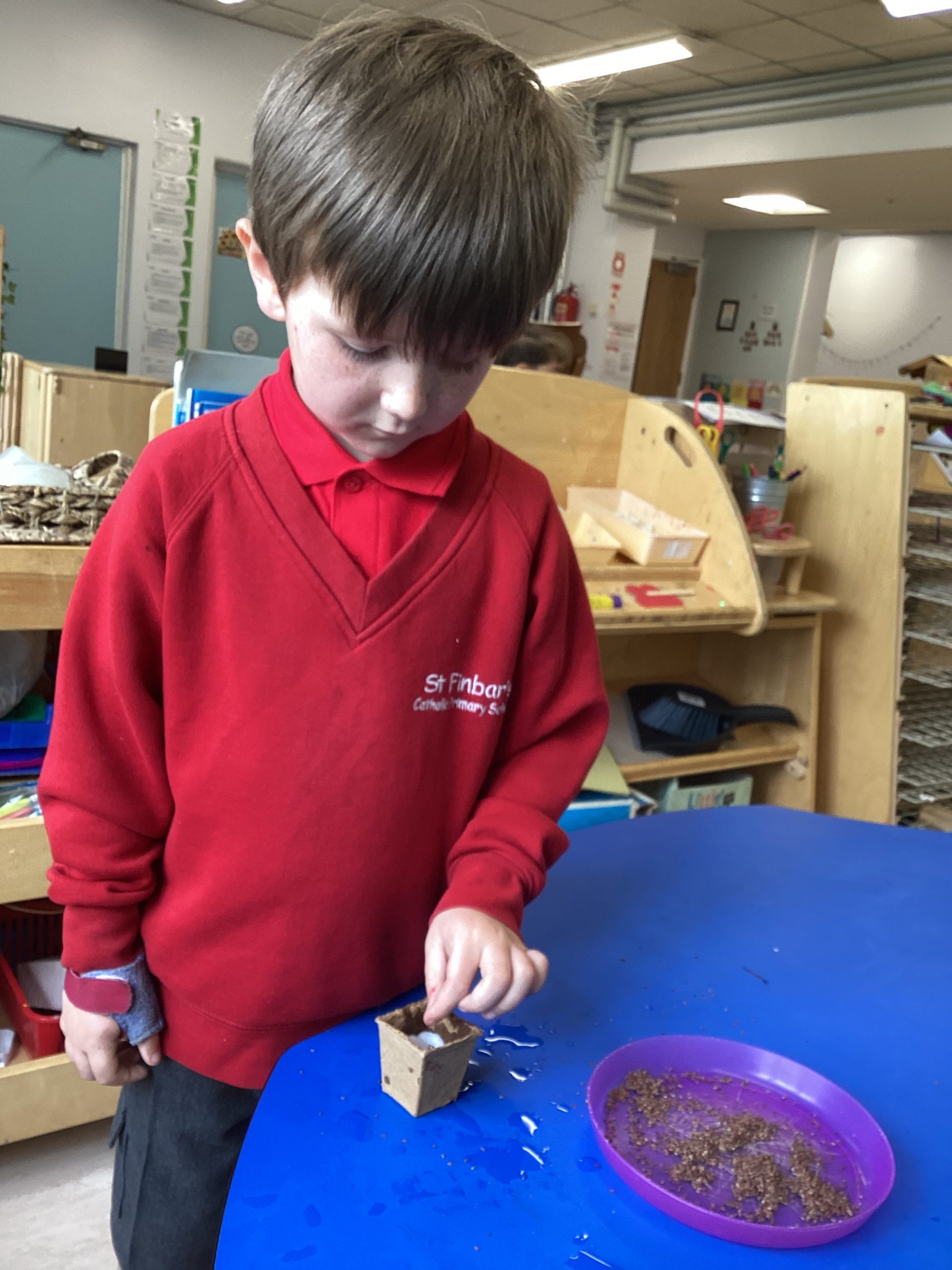
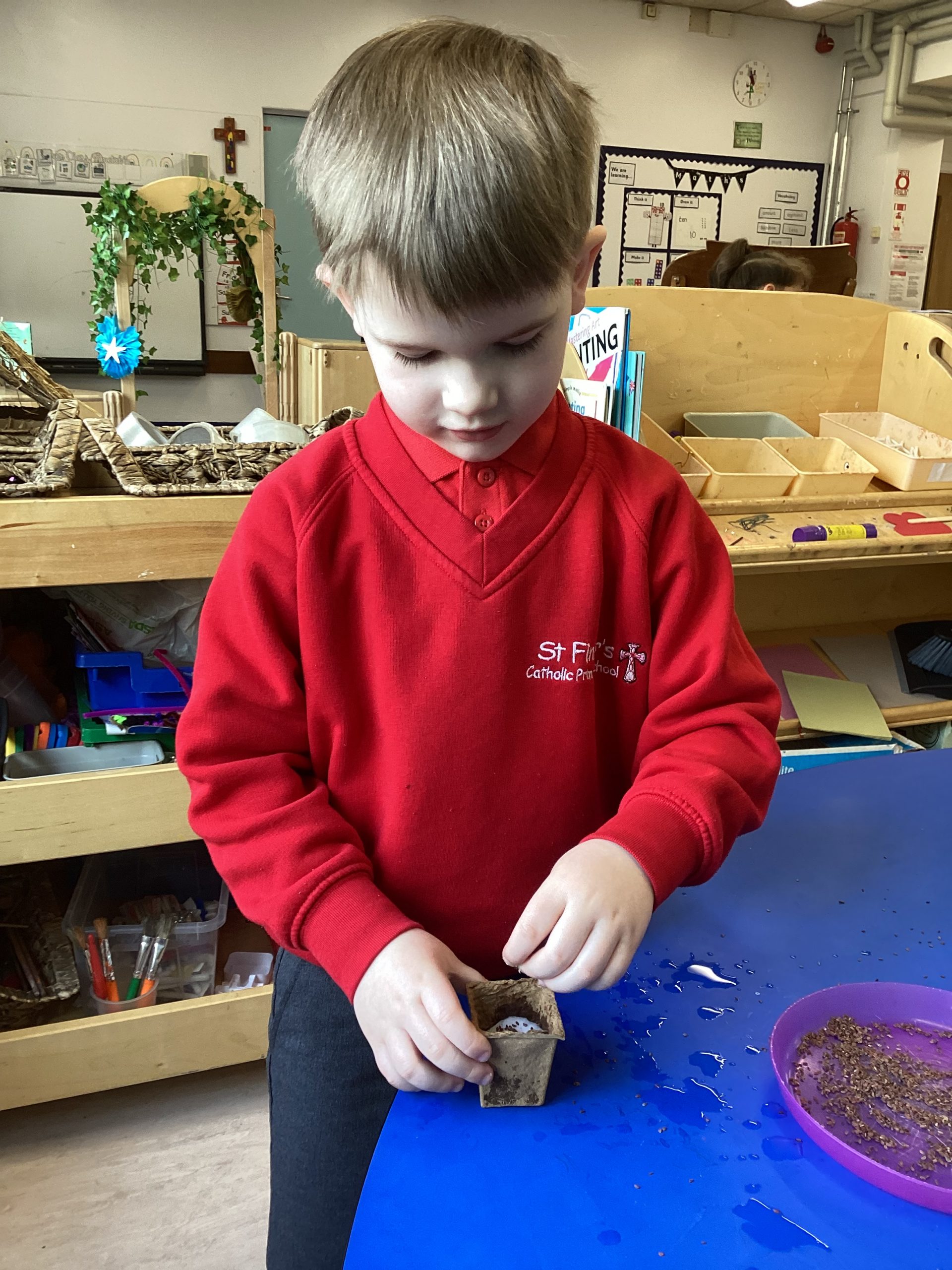
Sunflower class have been learning about how to plant and grow seeds. We worked together as a team, followed instructions and chose our resources to plant some peas and beans.
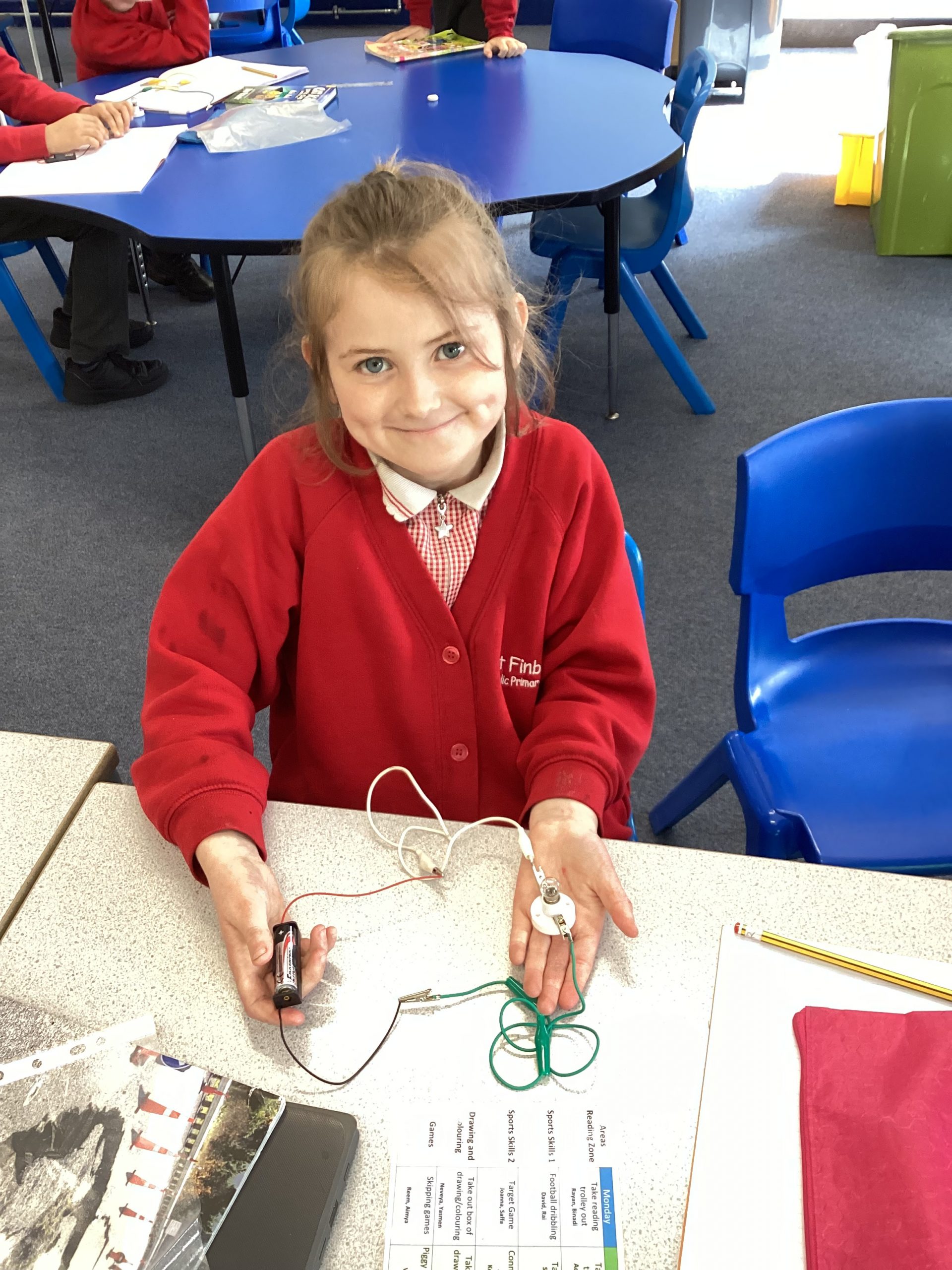
Today we have begun our work with circuits and looked at what a complete circuit is. Then we were given components and had to investigate how to make the light bulb light up!
Today, Sunflower Class listened to instructions on how to make our own cress pots. The children had to follow the verbal and visual instructions to make their own individual pots.
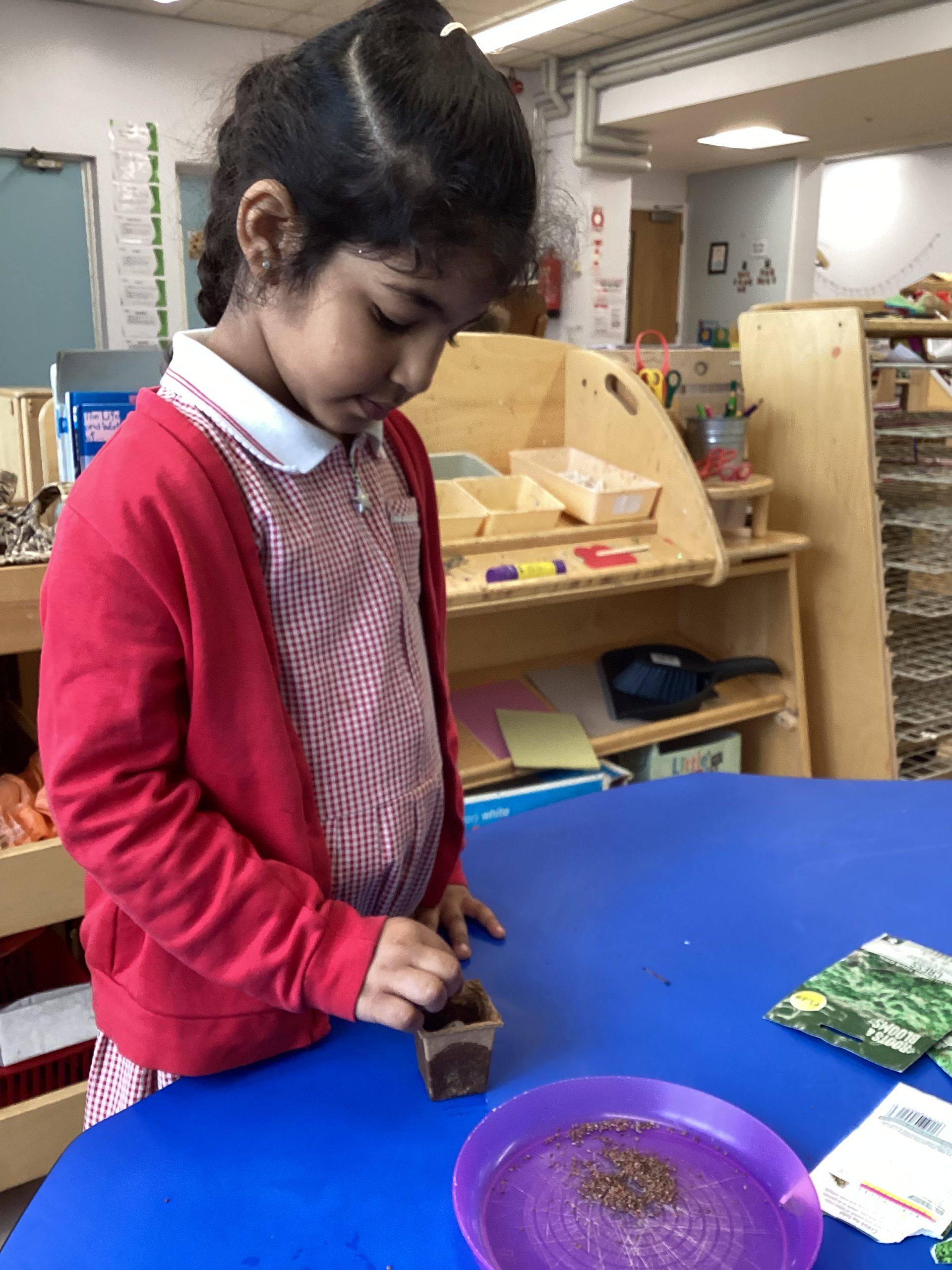
Daffodil class had a wonderful day at Martin Mere. We discovered lots of new learning through the Generation Wild programme and discussed the importance of caring for our world and protecting animals.
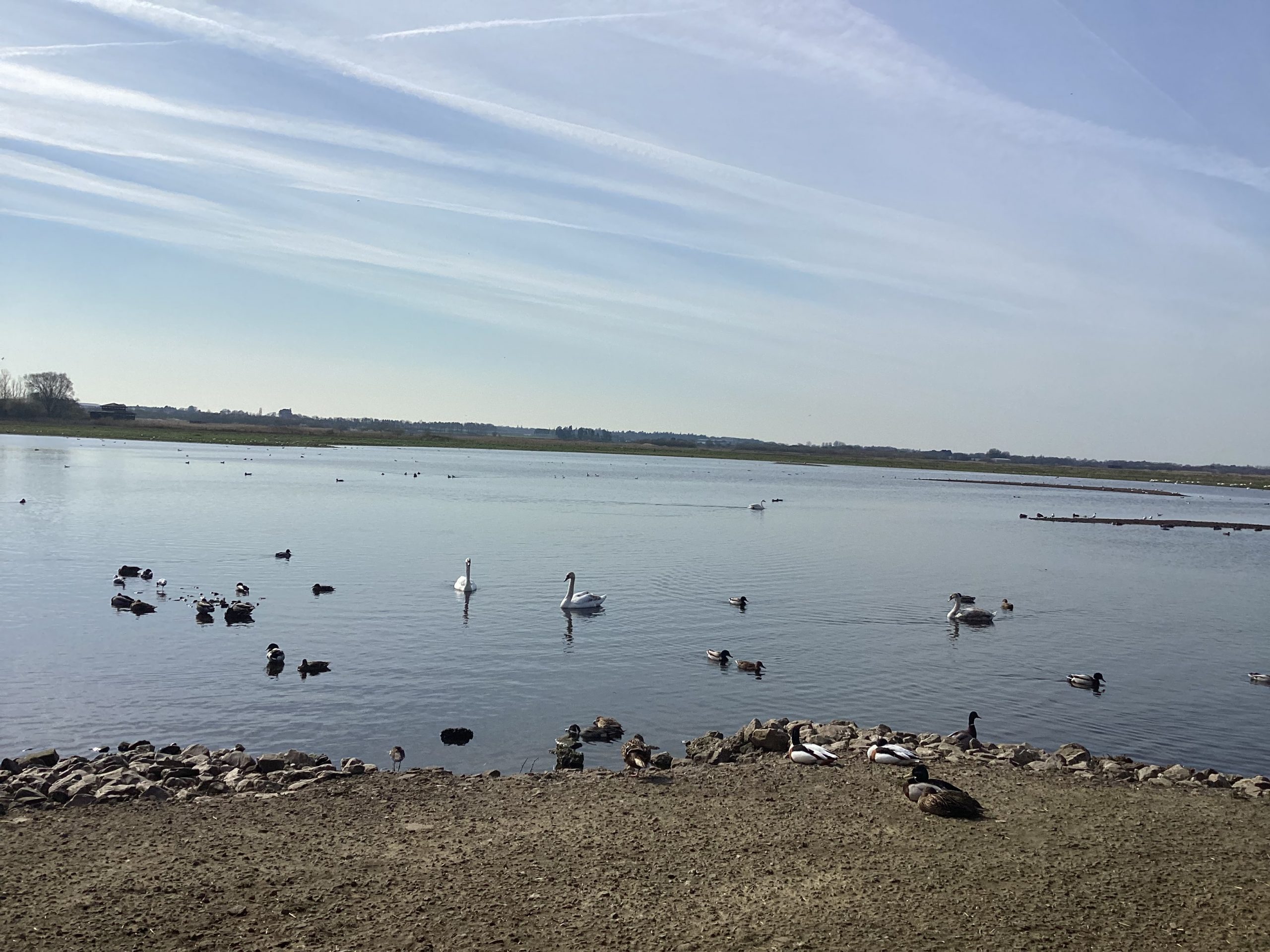
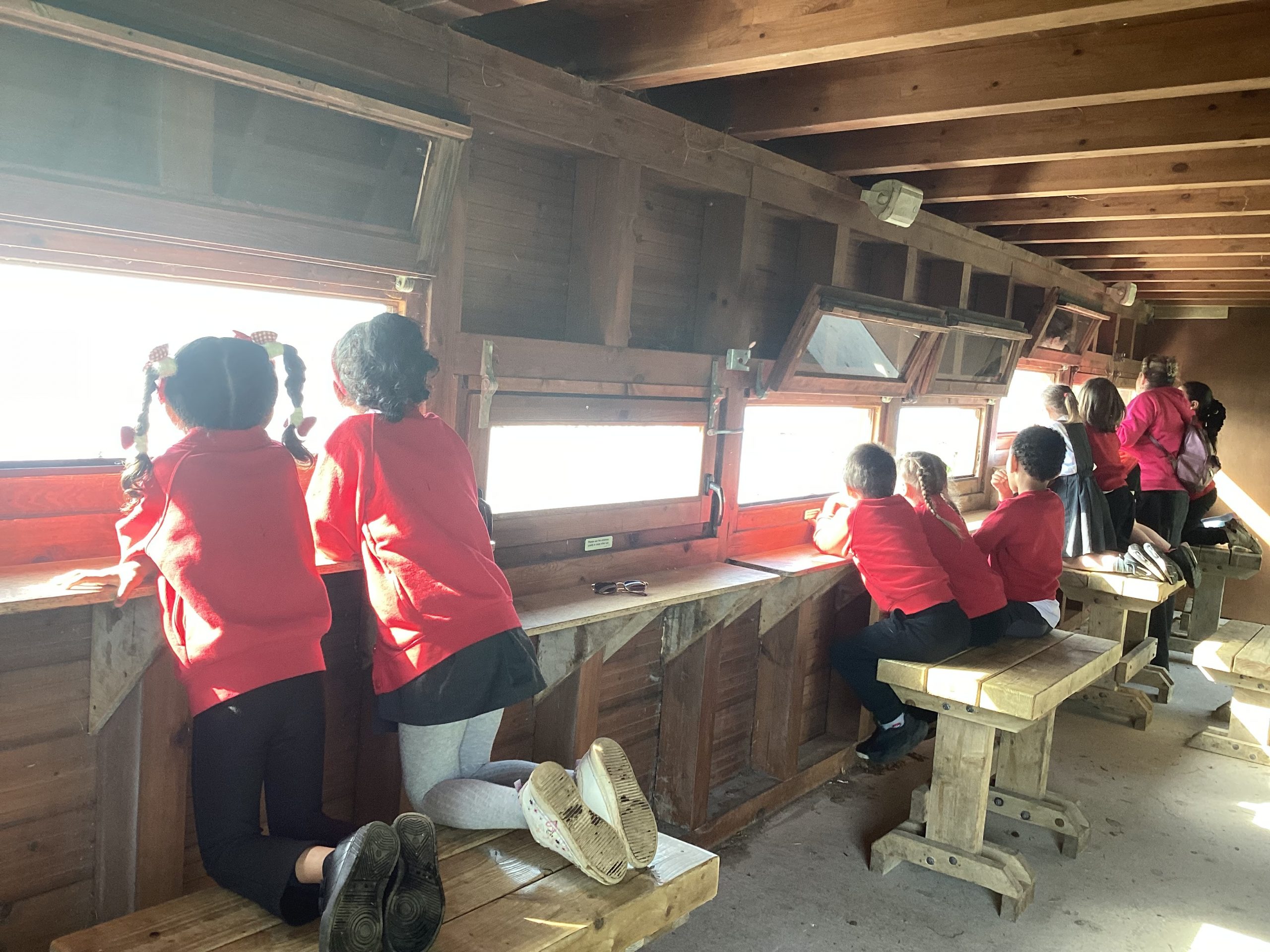
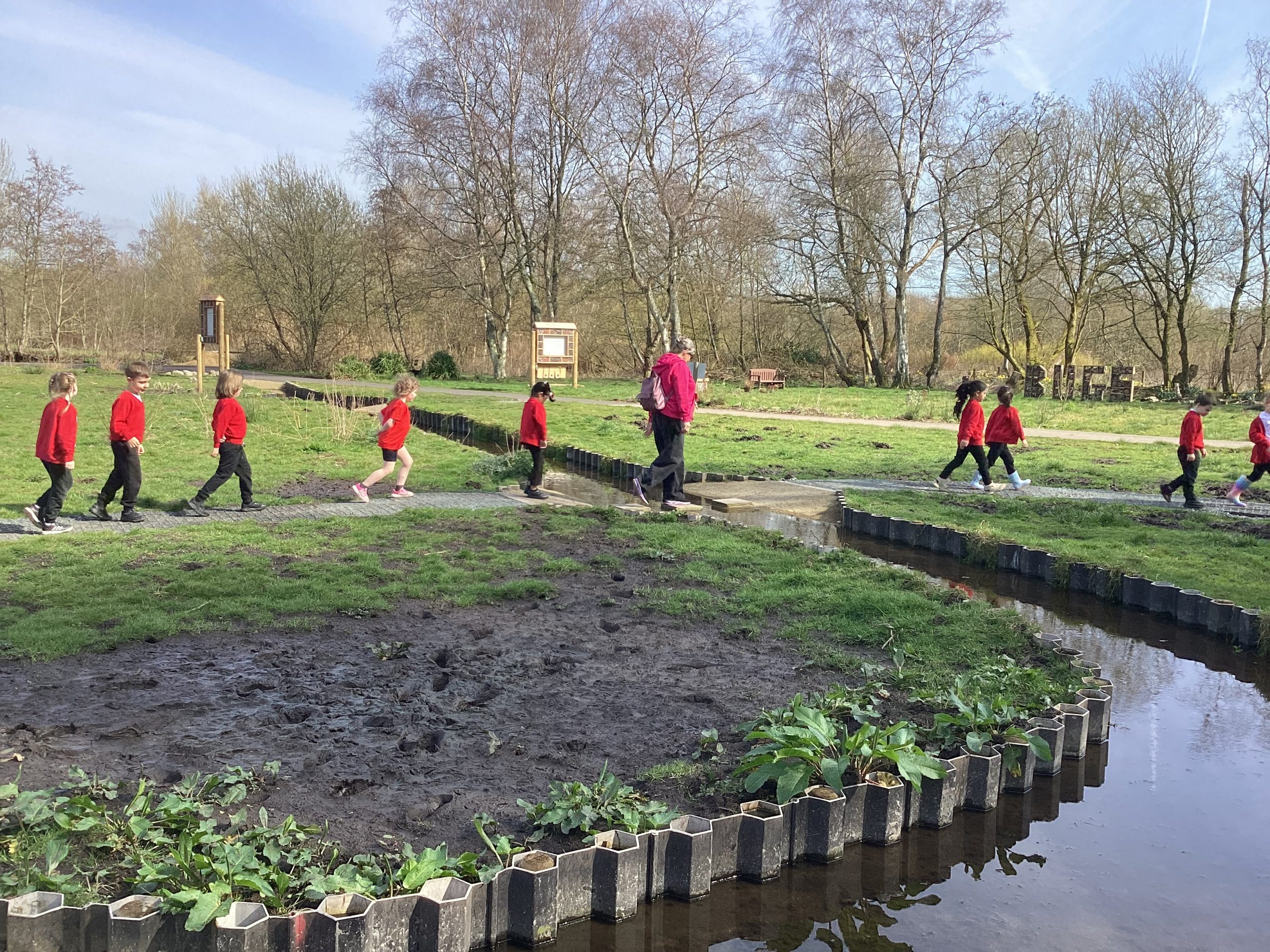
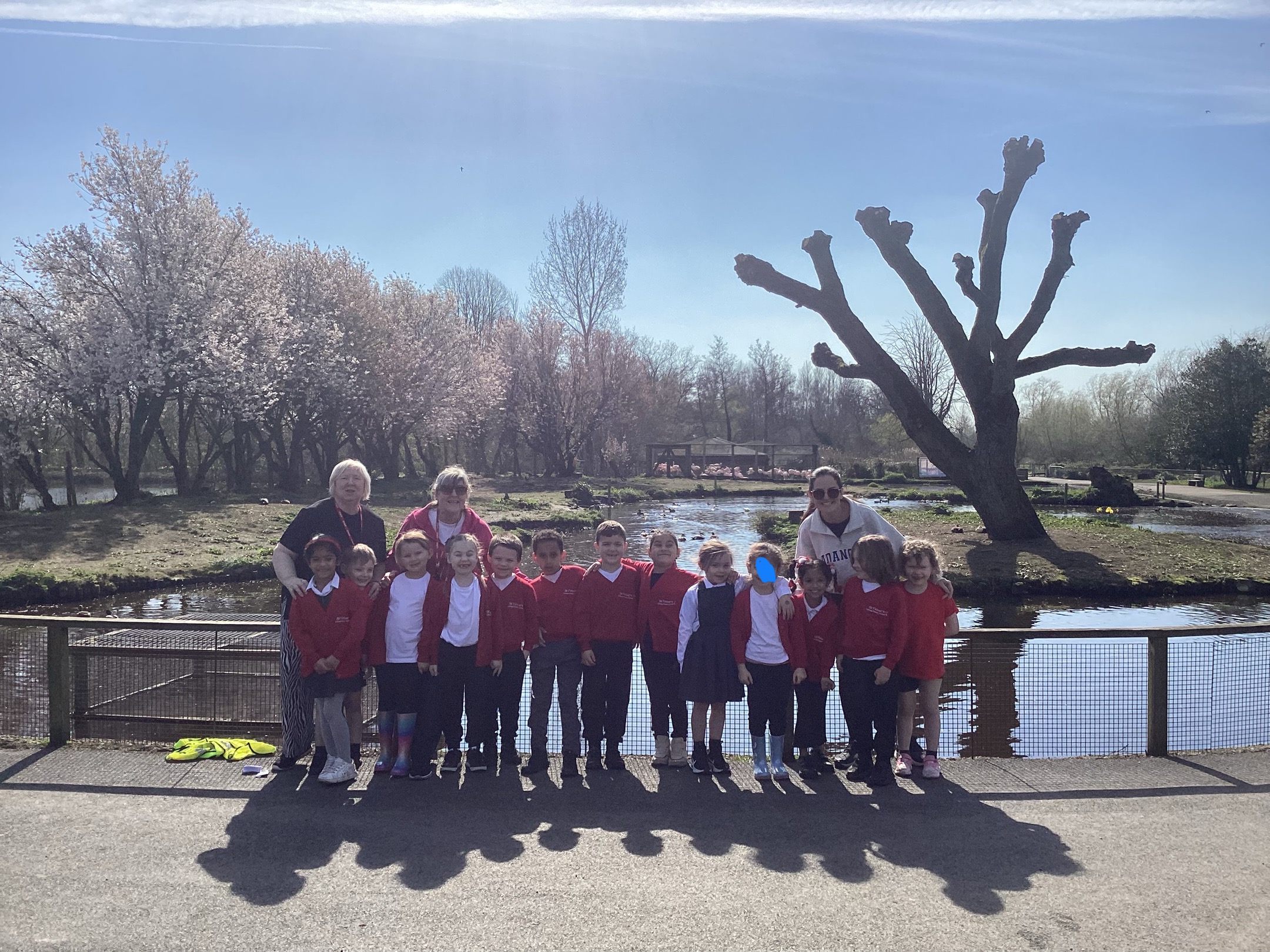
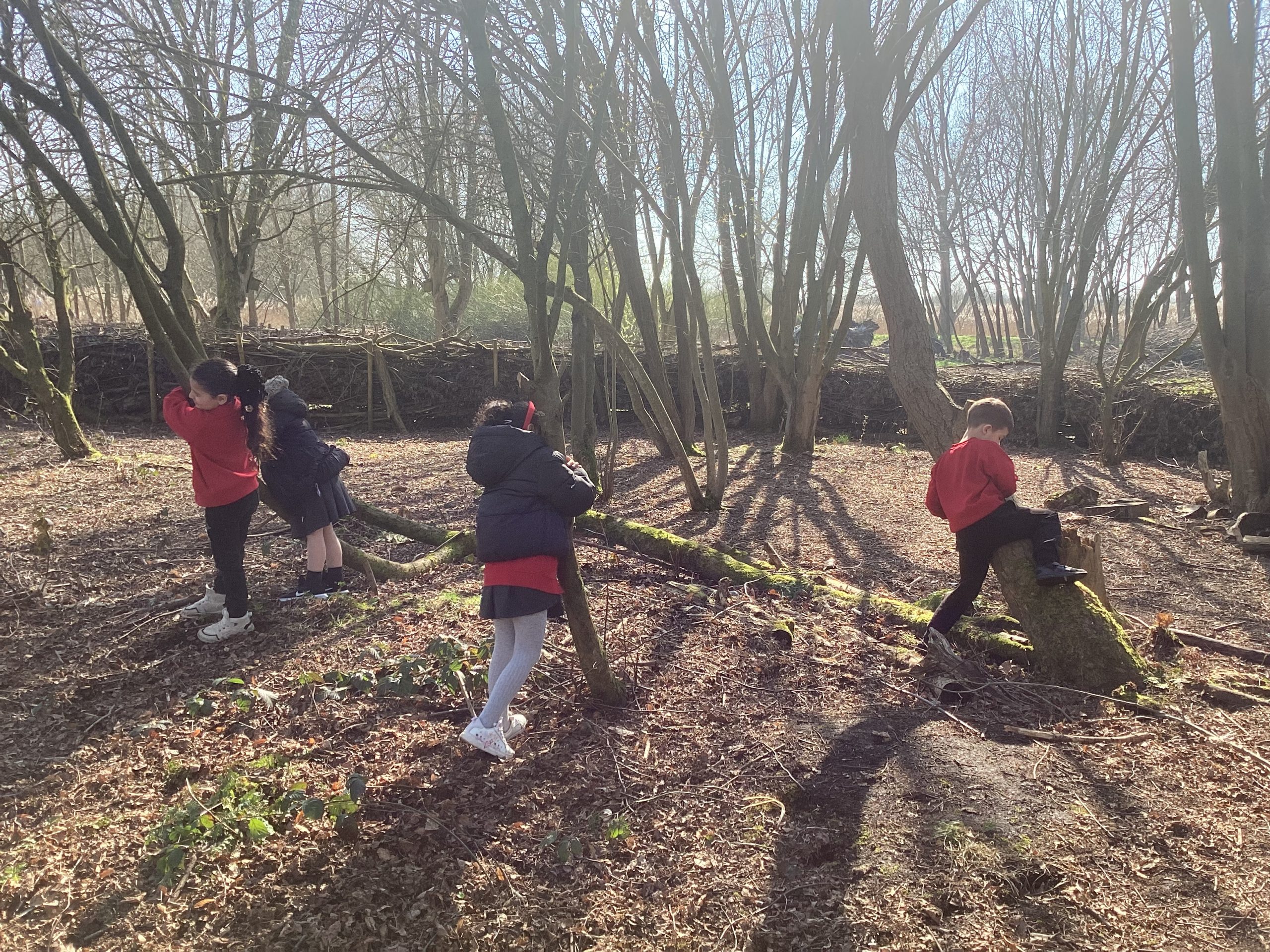
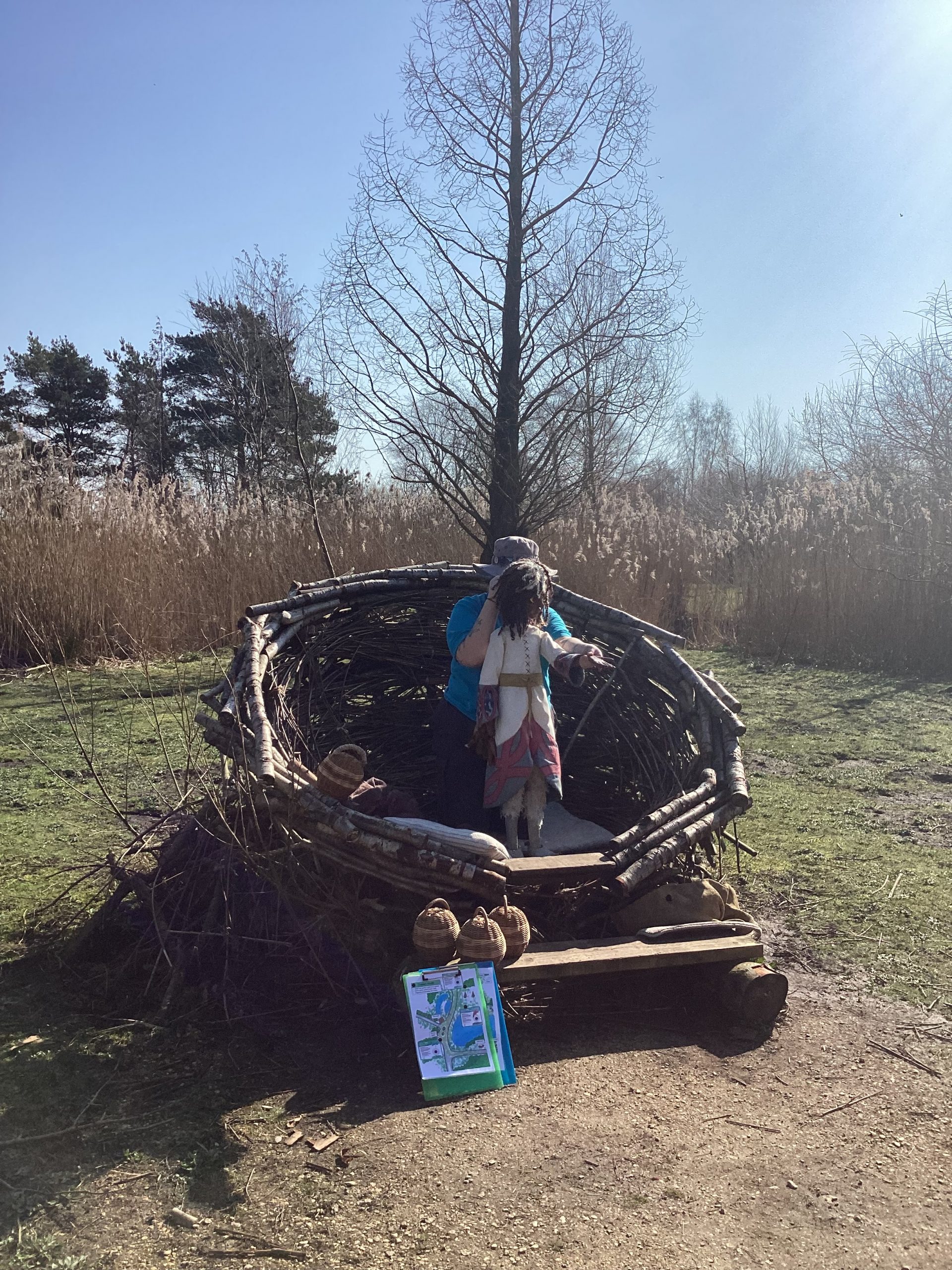
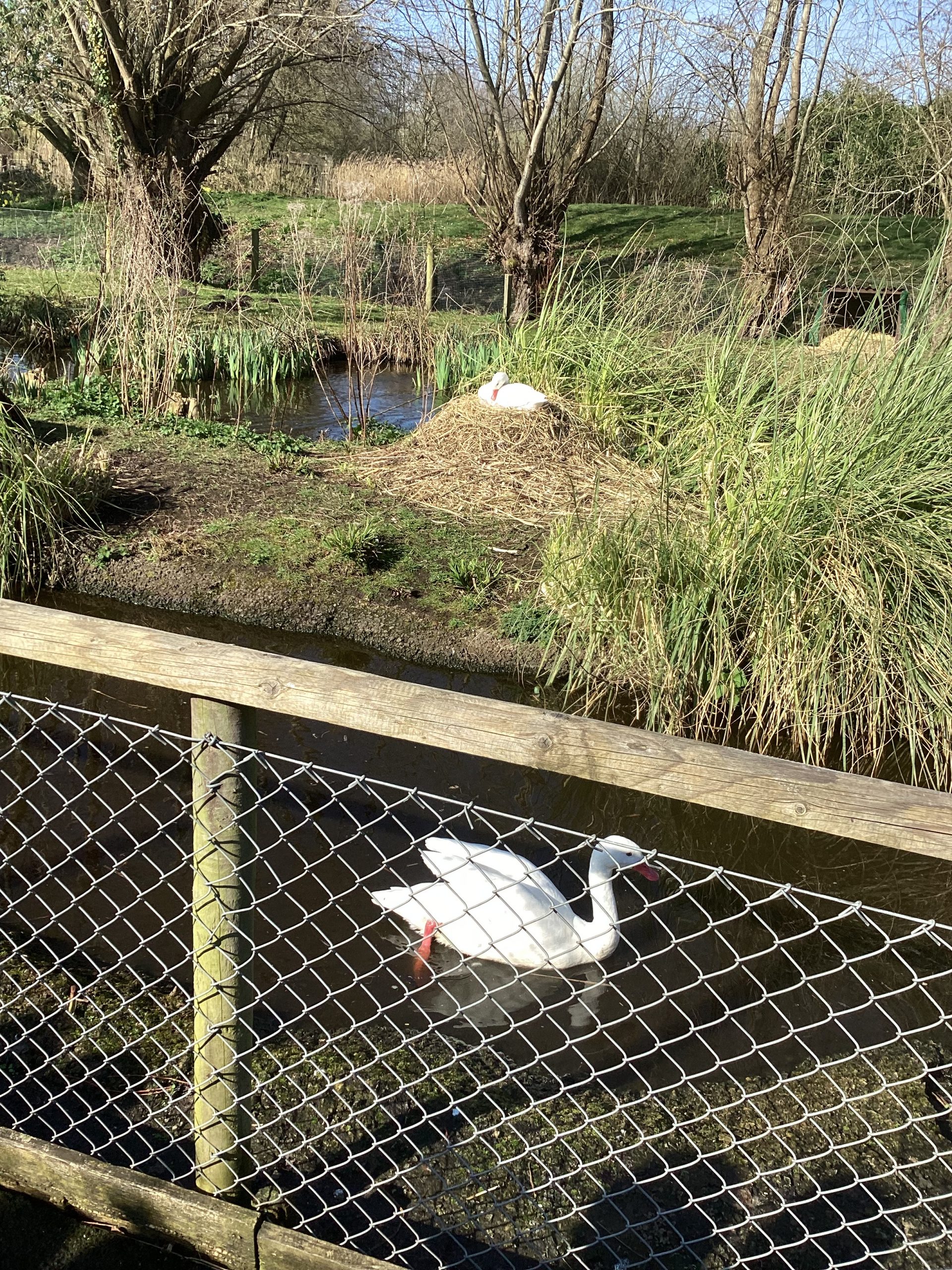
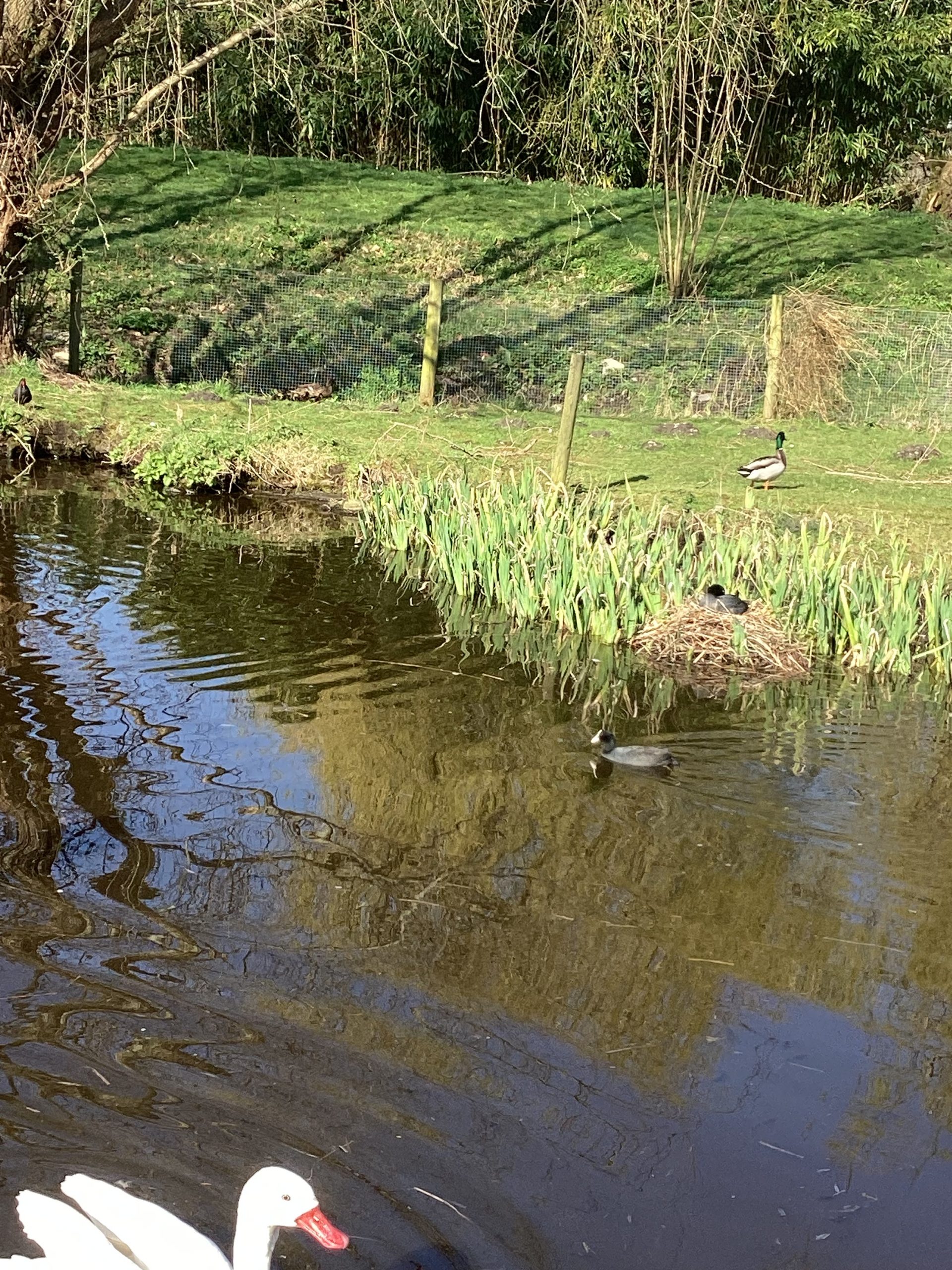
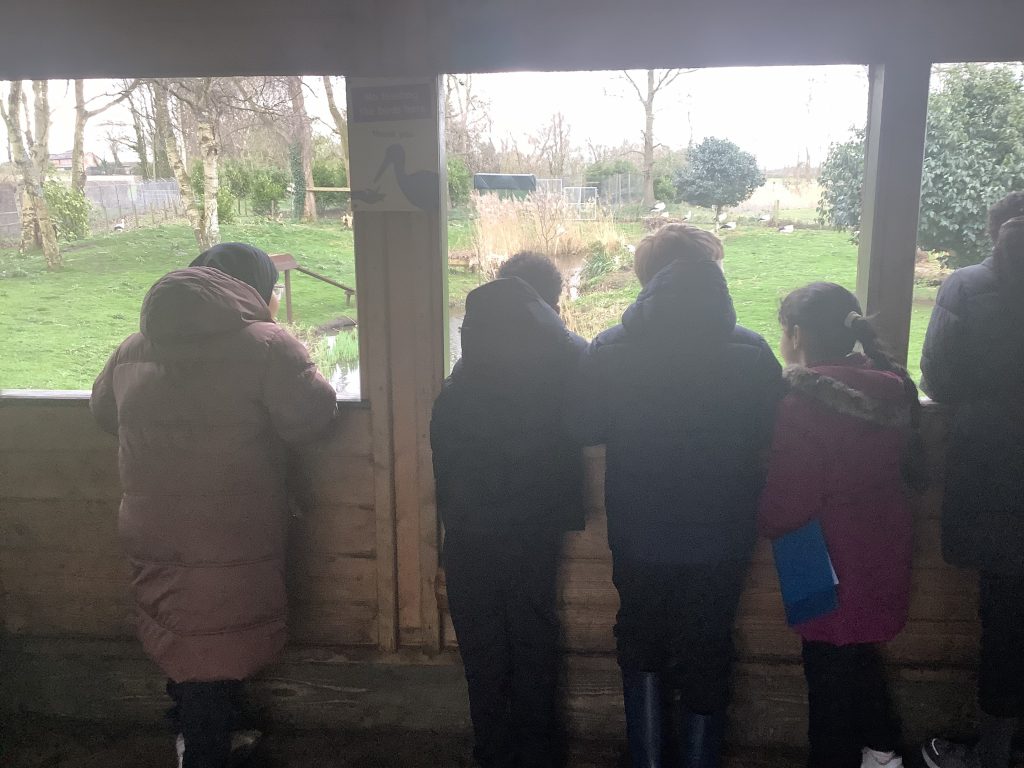
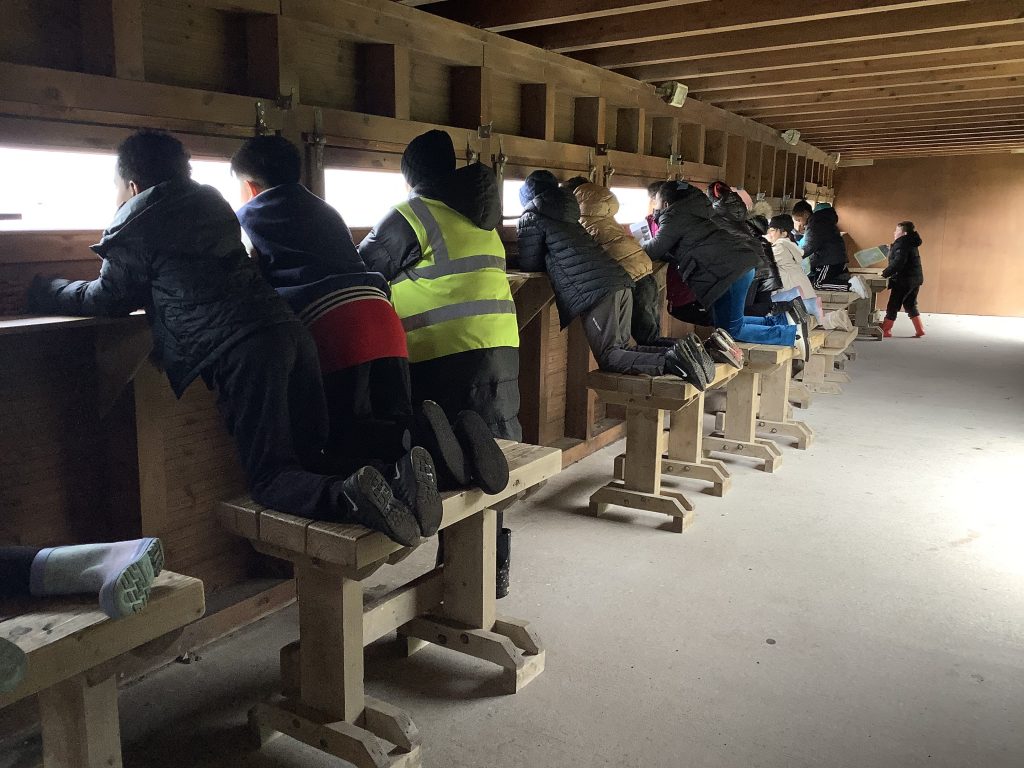
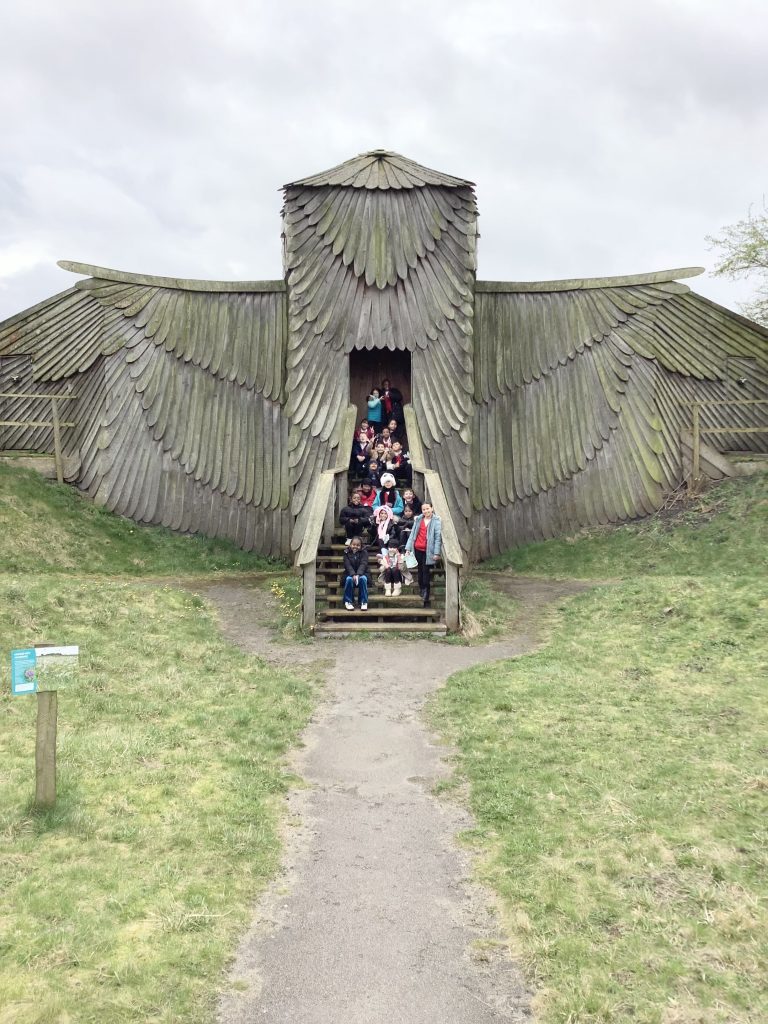
Tulip class had a fantastic day at Martin Mere taking part in the Generation Wild project. The children became Guardians of Nature, completing a range of challenges to learn how to care for the natural world.
Afterwards, we enjoyed exploring the beautiful nature reserve and spotting wildlife. It was such a lovely day of outdoor learning and adventure!
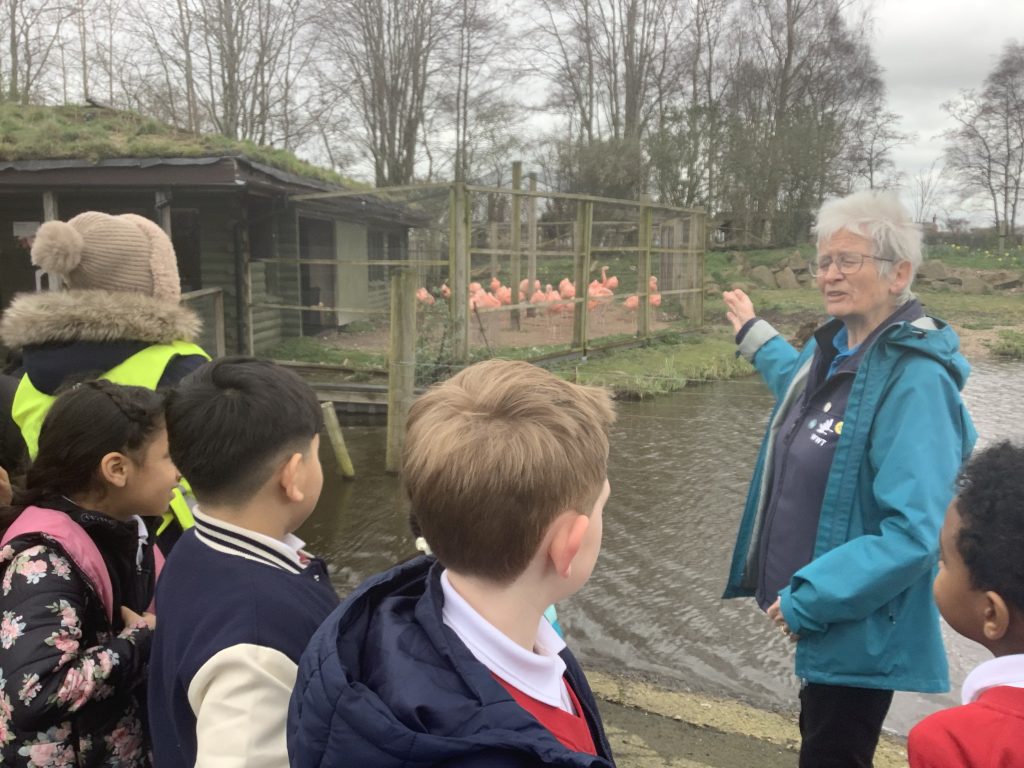
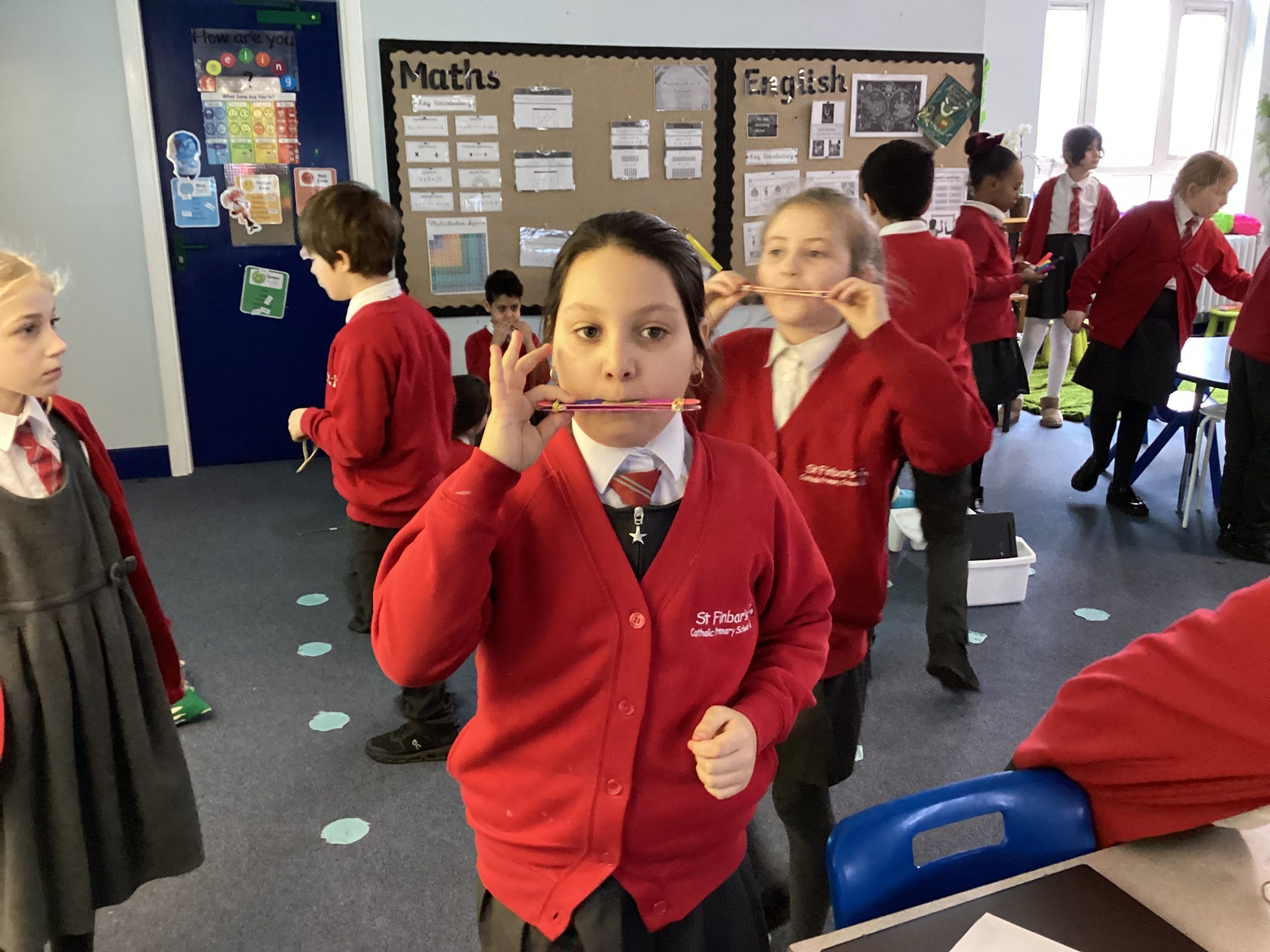
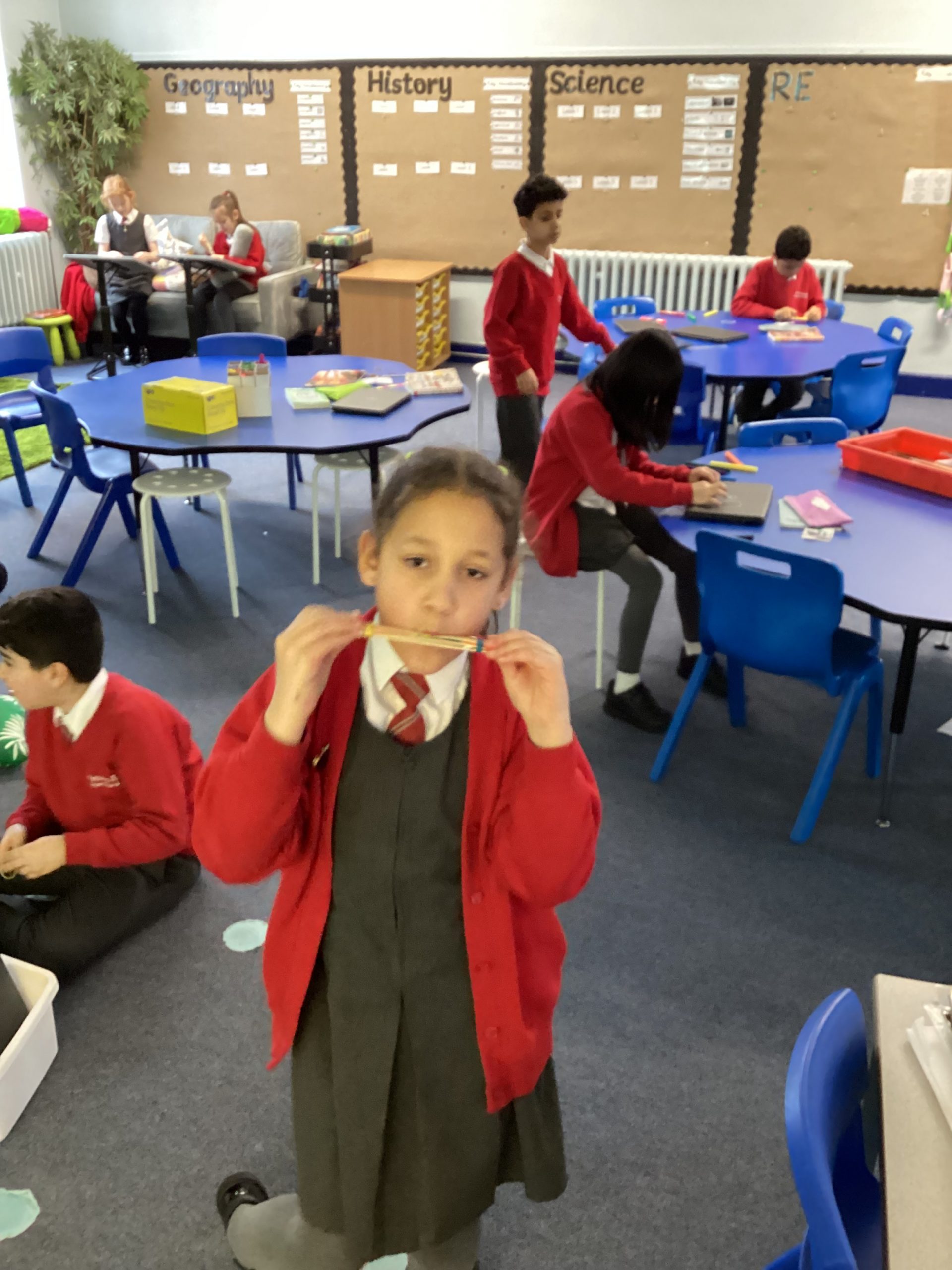
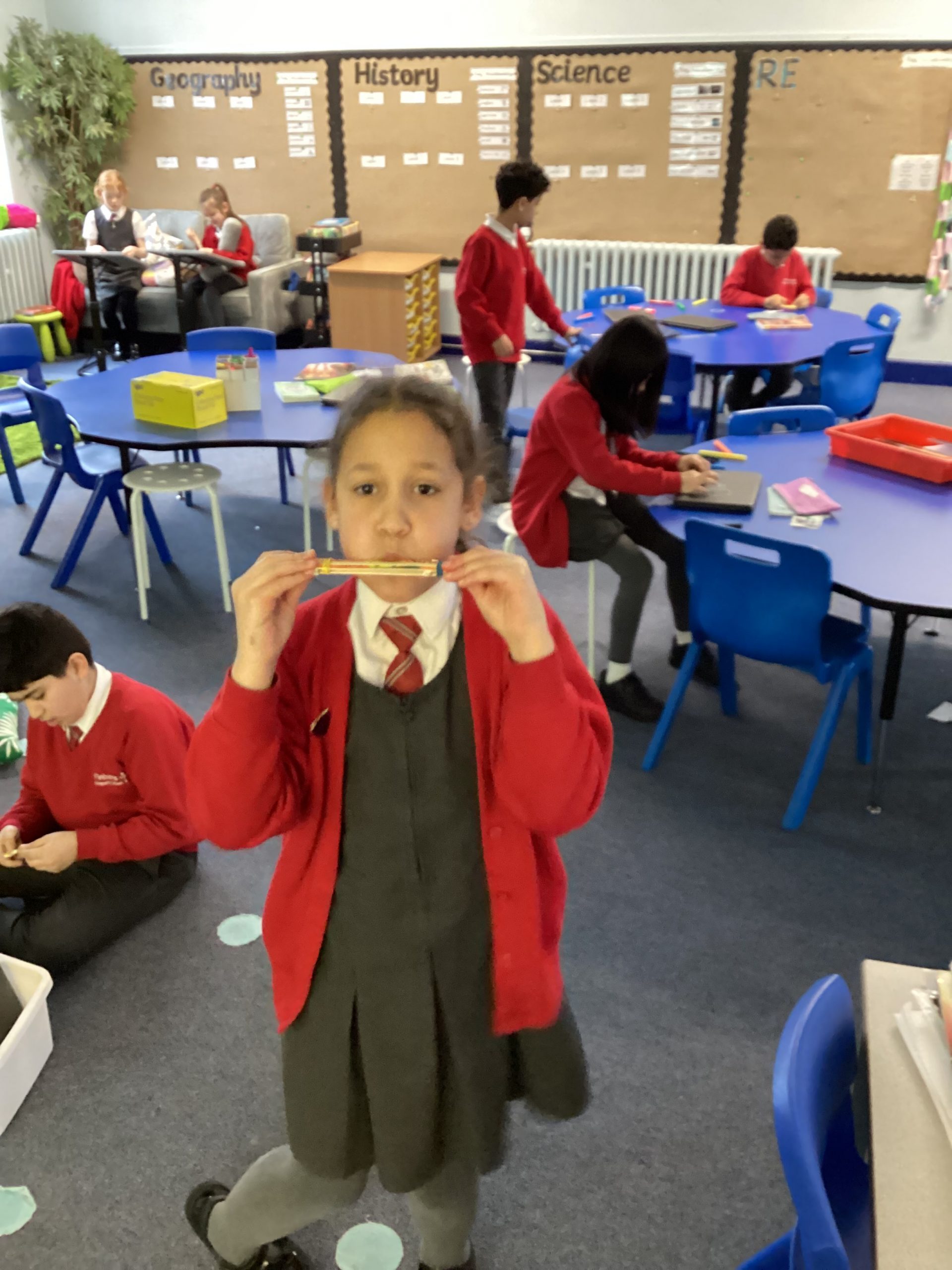
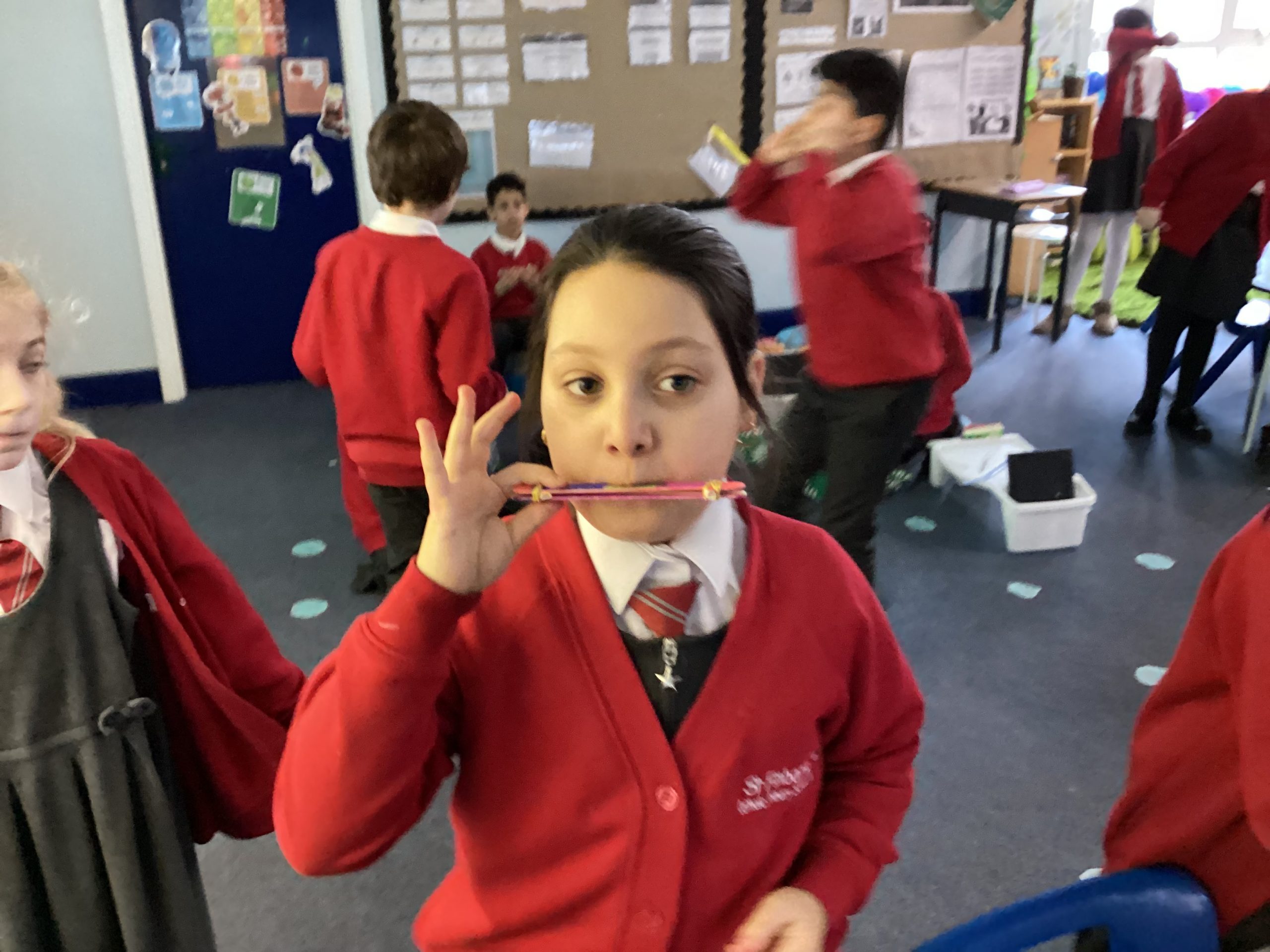
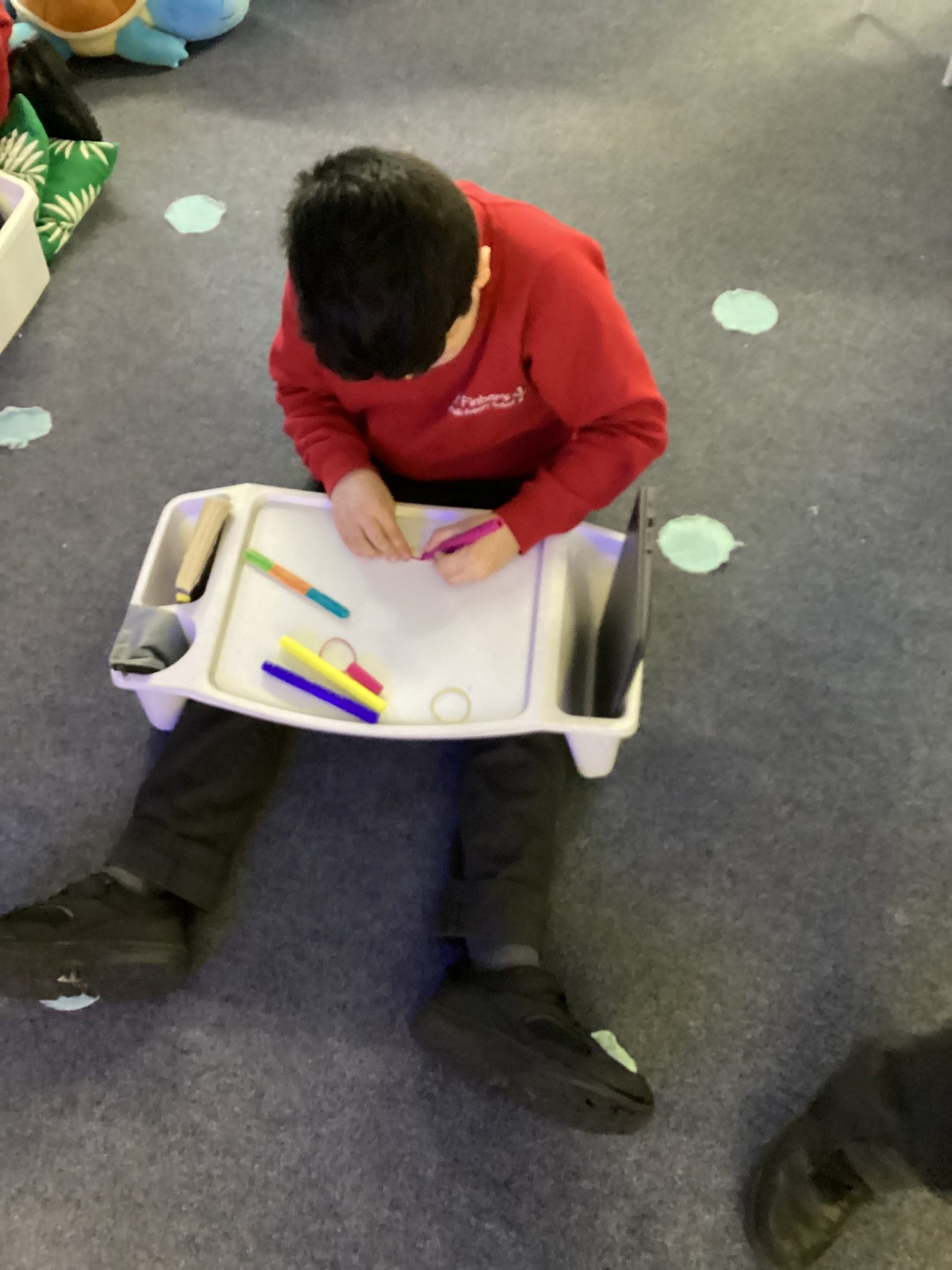
while learning about sound we focused on how it is made. To investigate this we made our own harmonicas using elastic bands. When we blew into them we made the band vibrate which created sound.
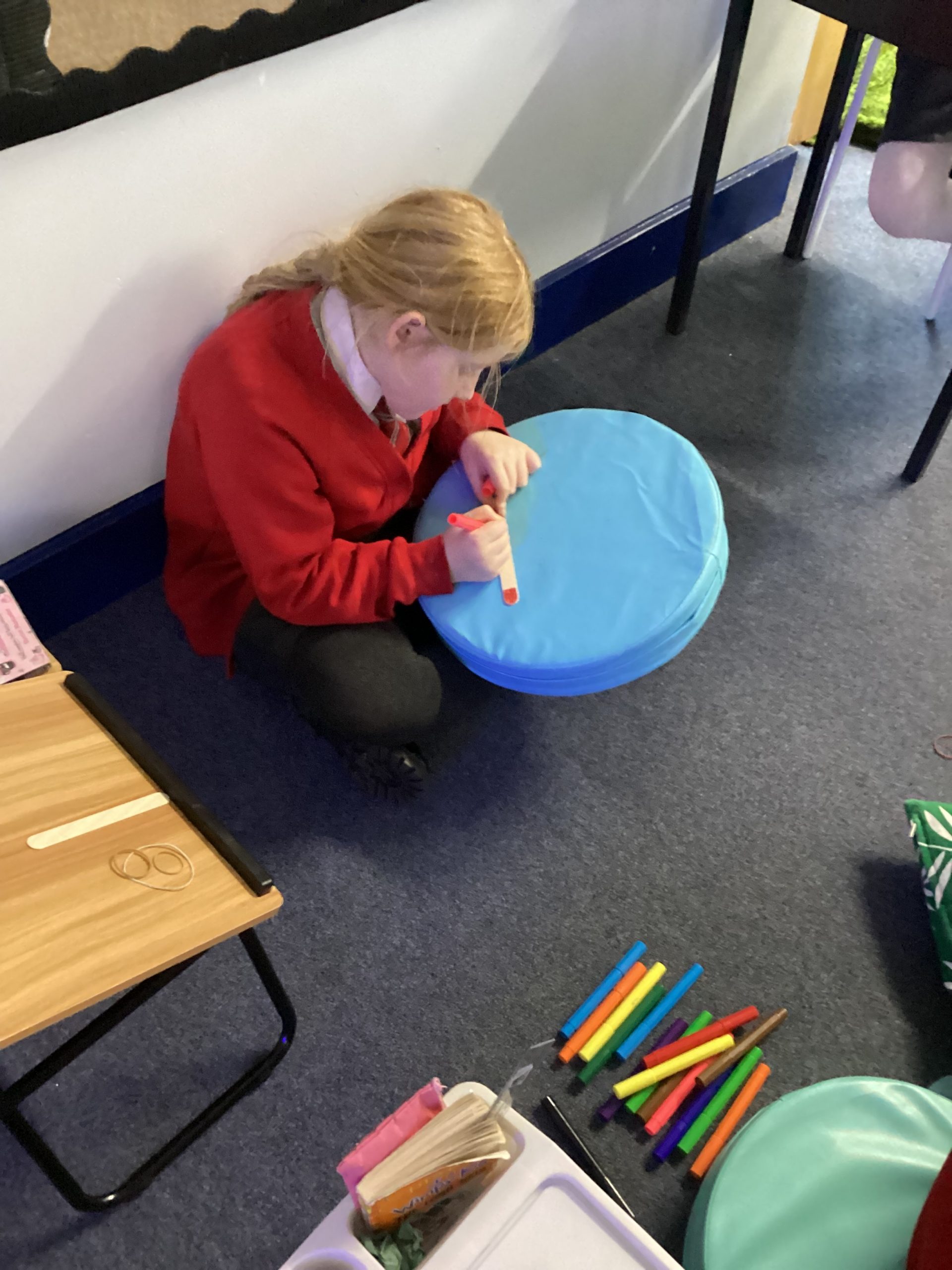
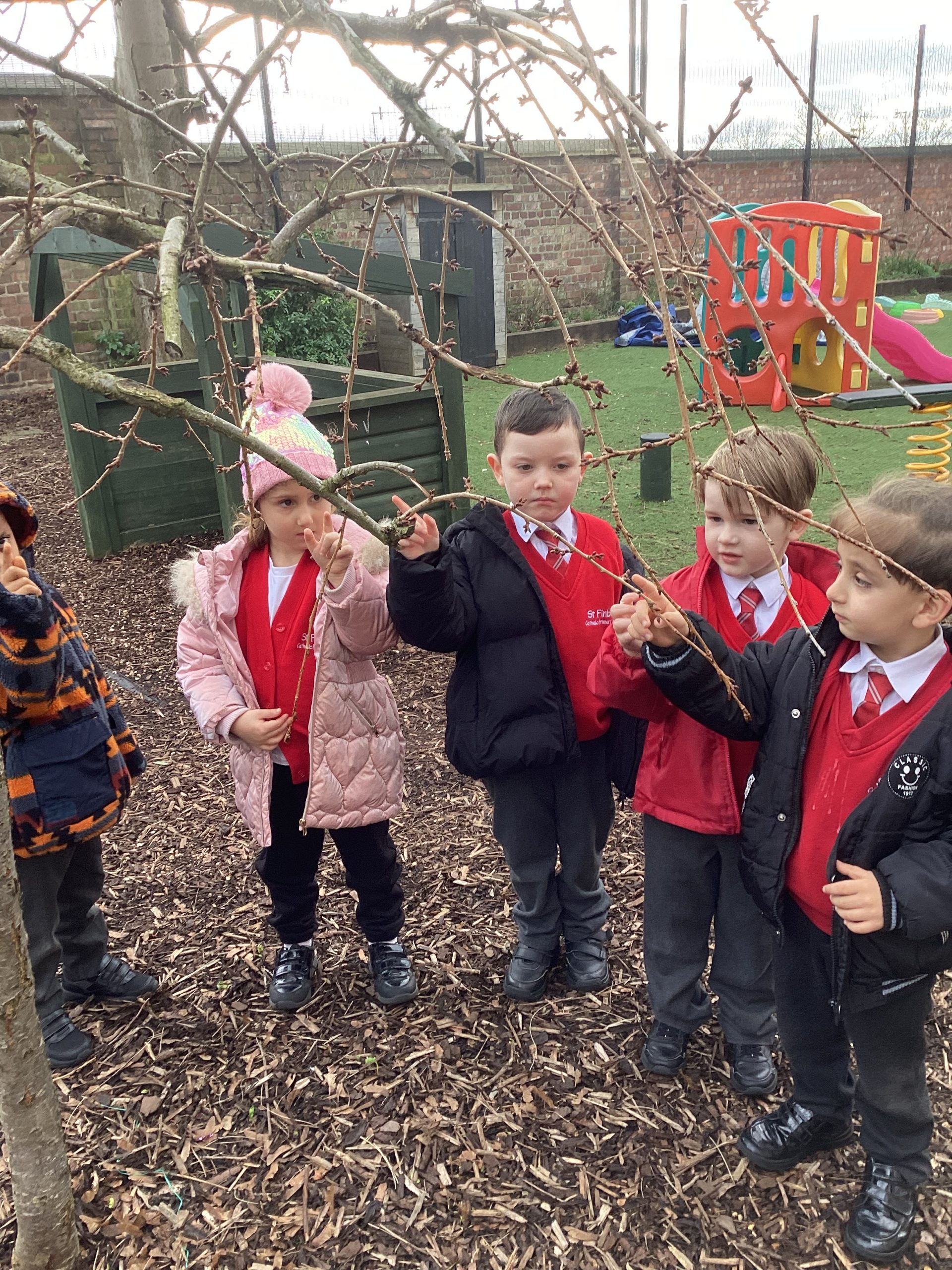
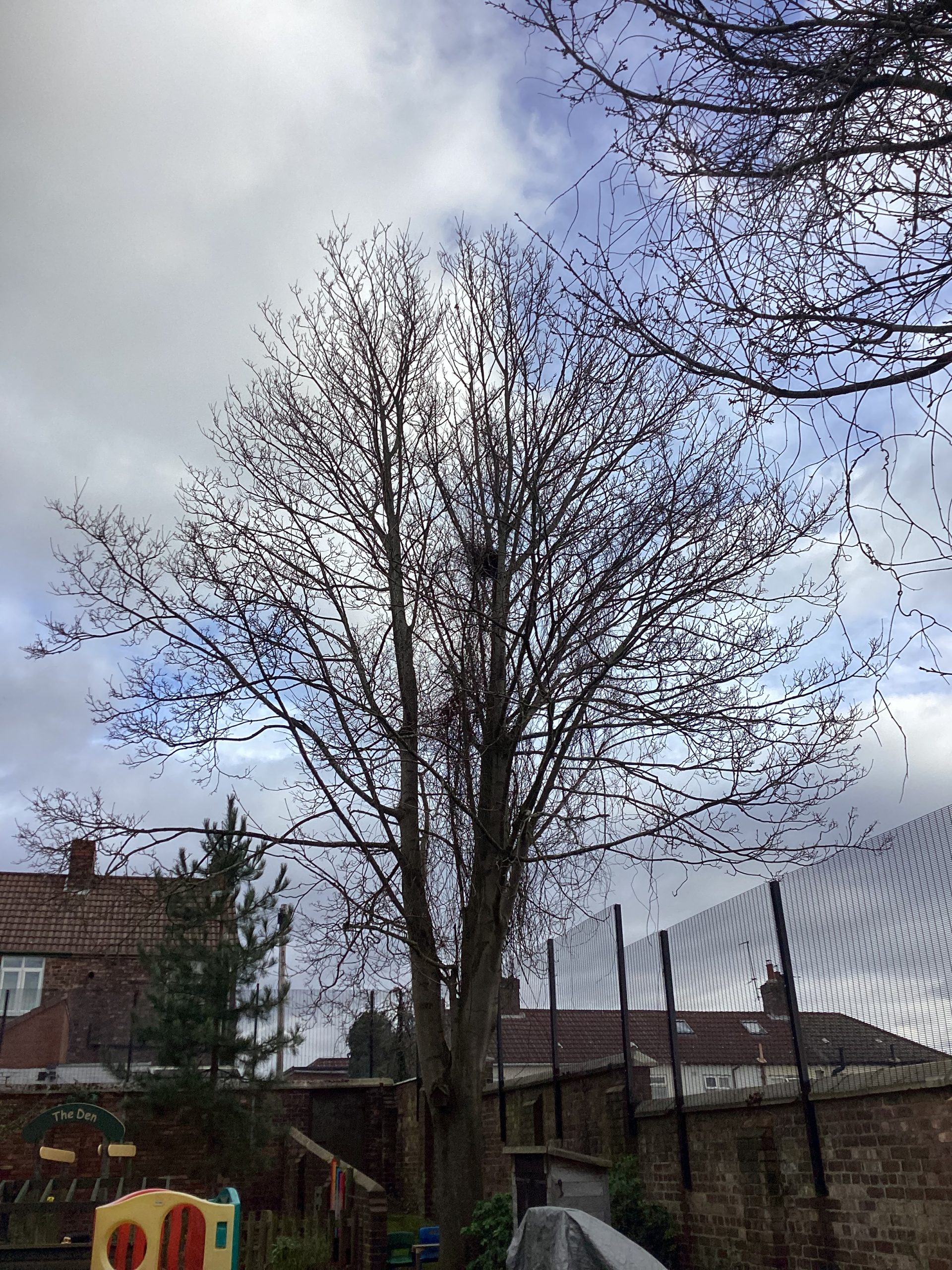
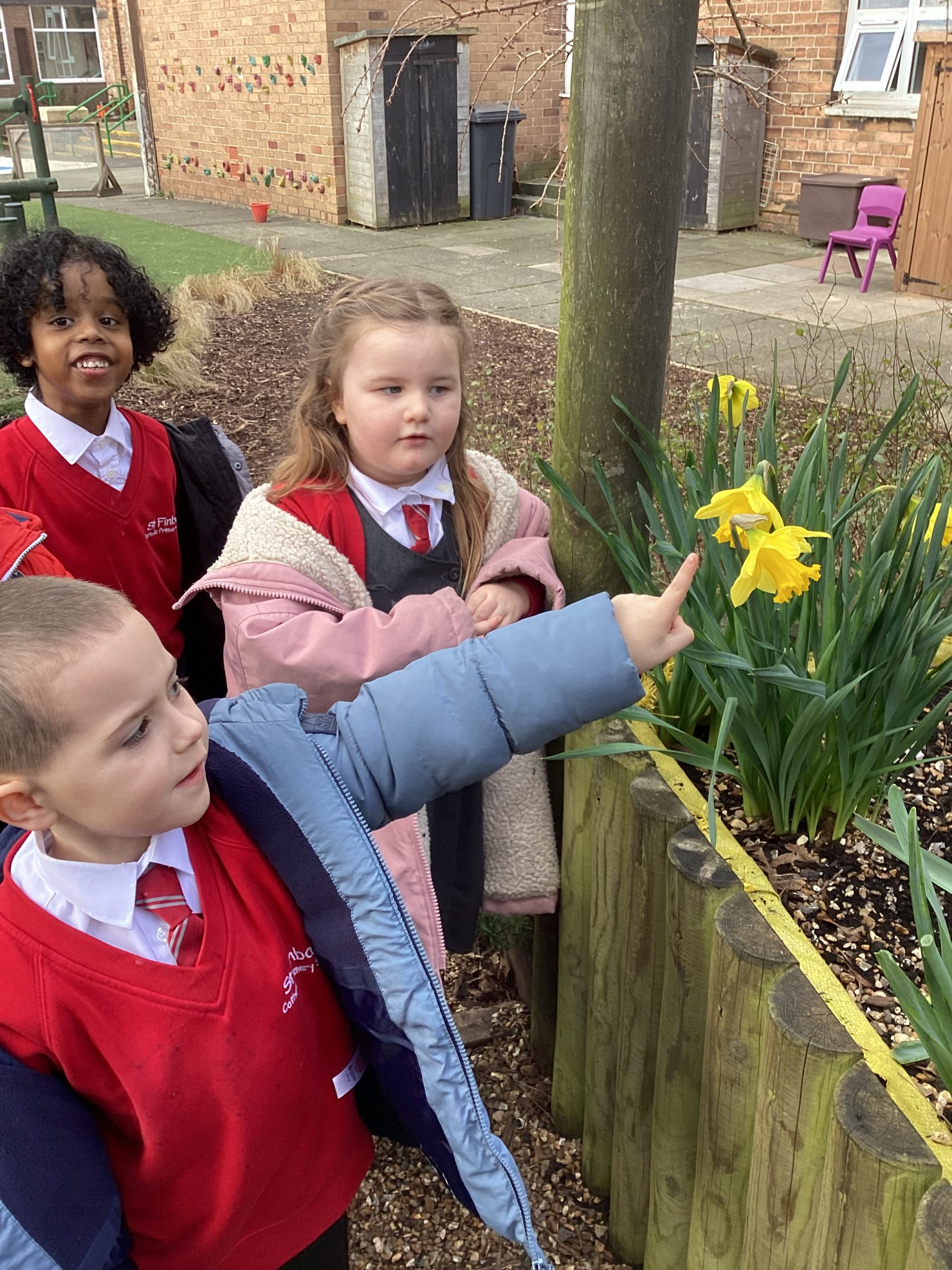
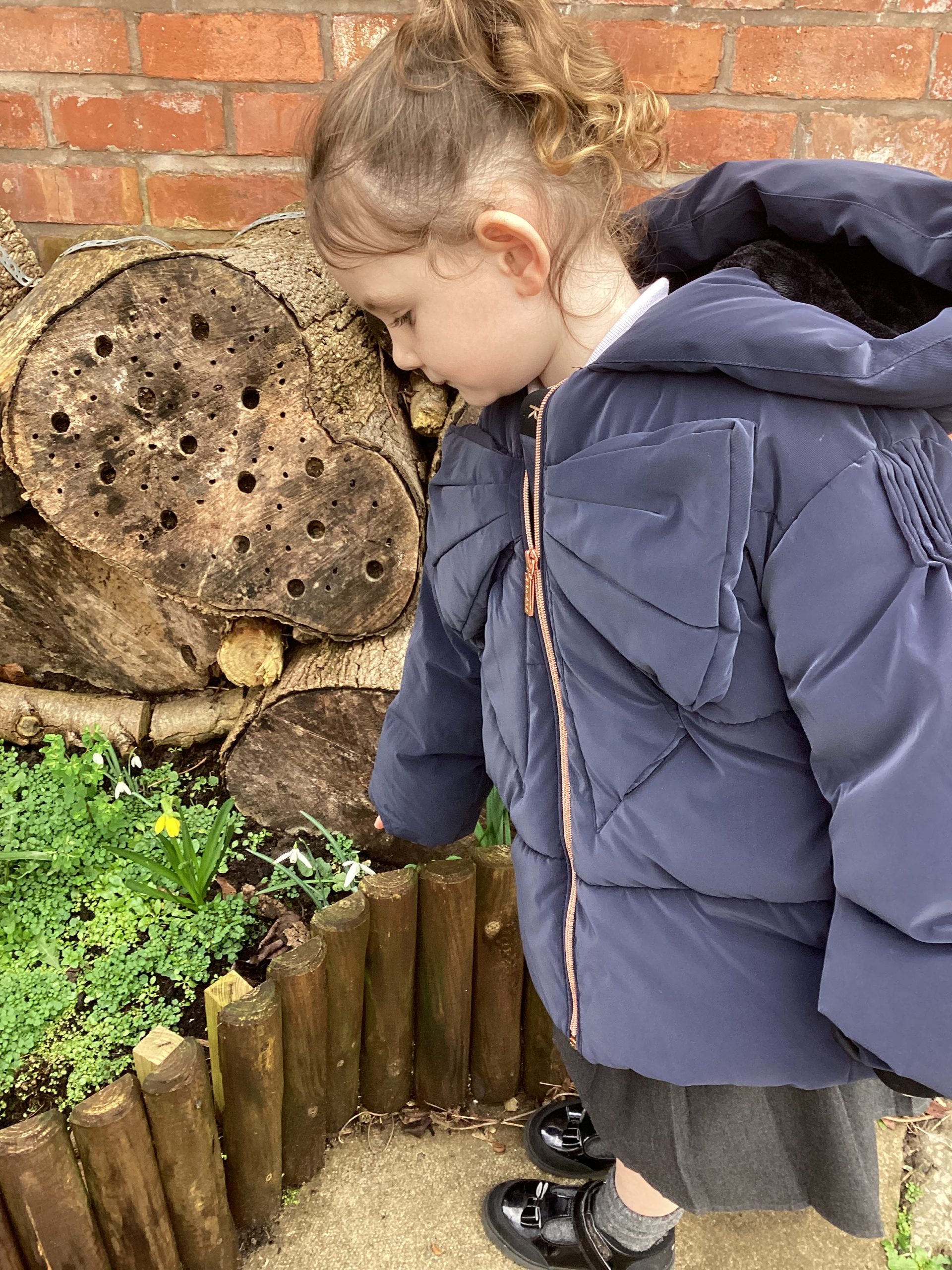
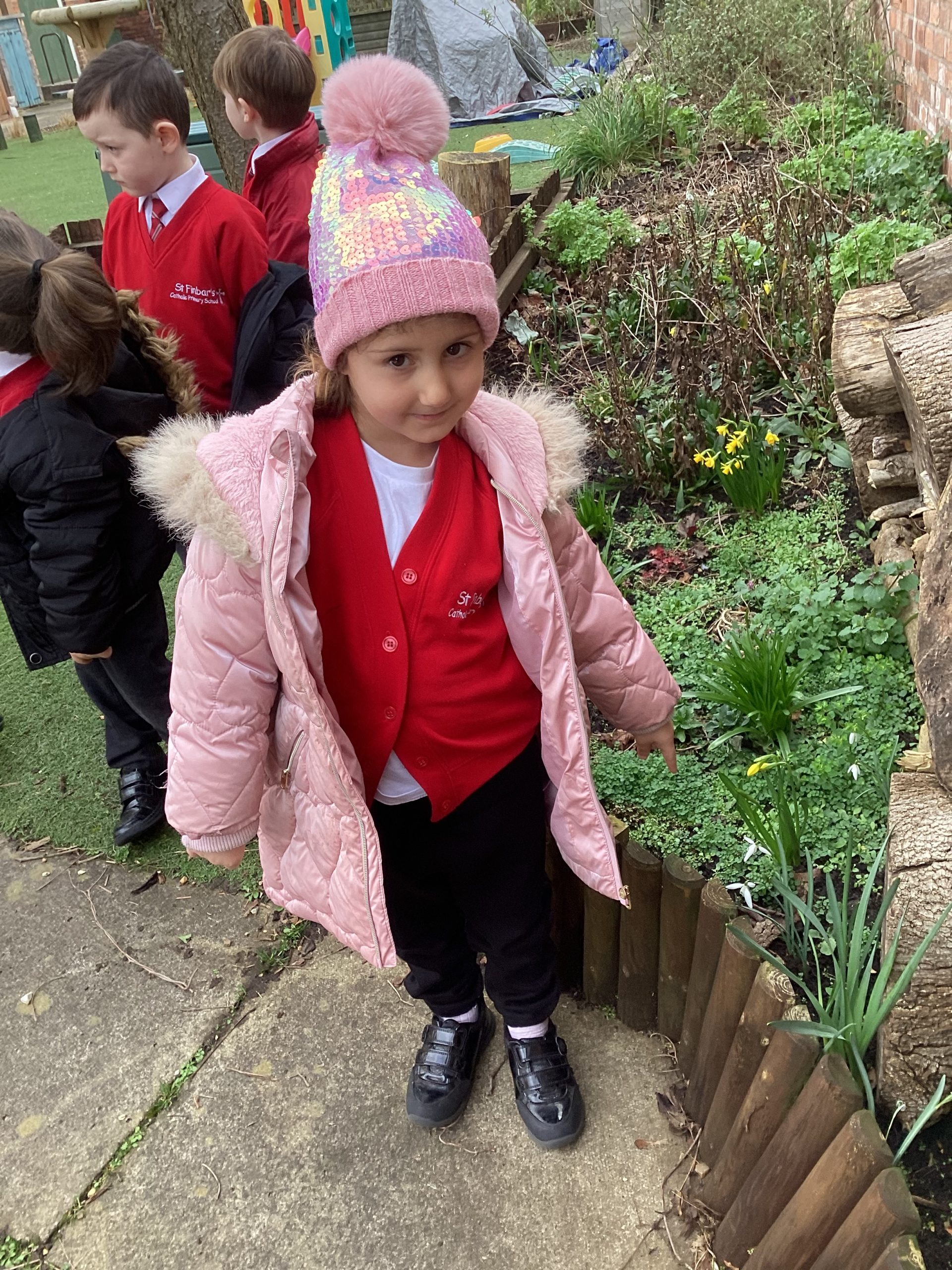
Sunflower class have been on a Spring hunt! We looked for any signs of Spring in our garden. The children found lots of early flowers, buds on trees and spotted a nest being made.
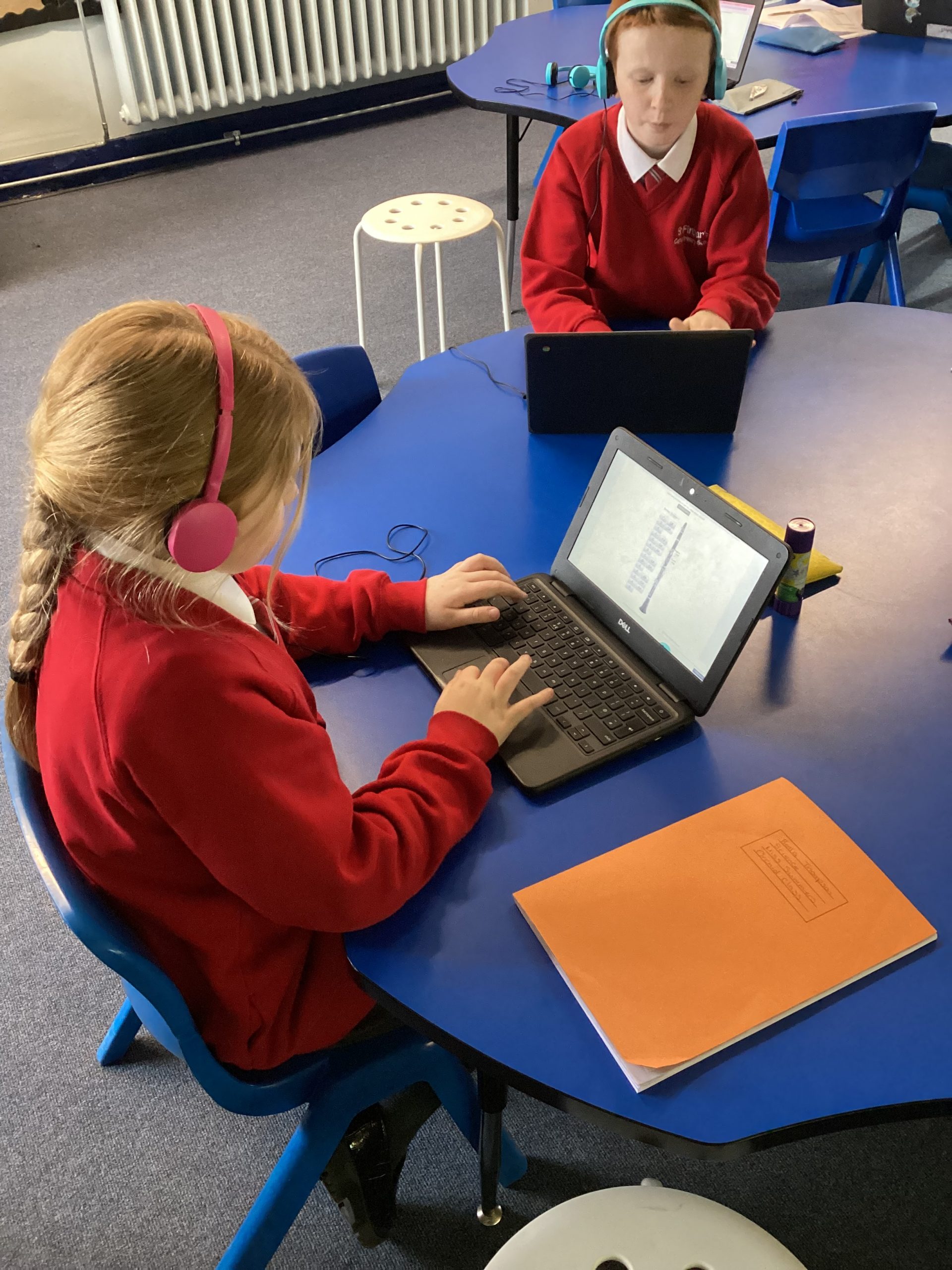
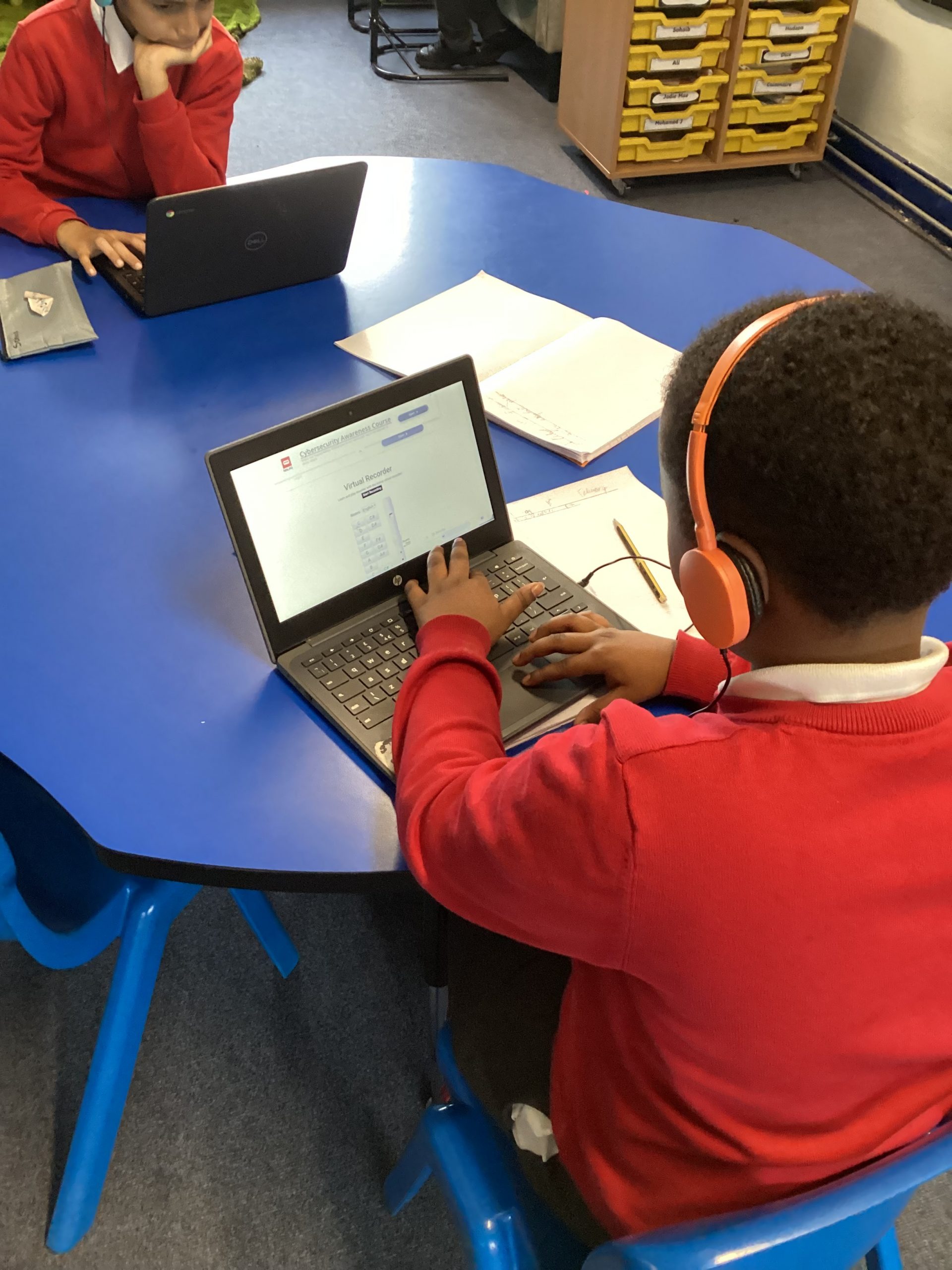
In science today, our lesson was linked with music. We have been exploring sound for this topic and our learning looked at how sound can have low pitch or high pitch based on the speed of the vibrations. After we understood the word pitch we used digital instruments to create low and high pitch ourselves.
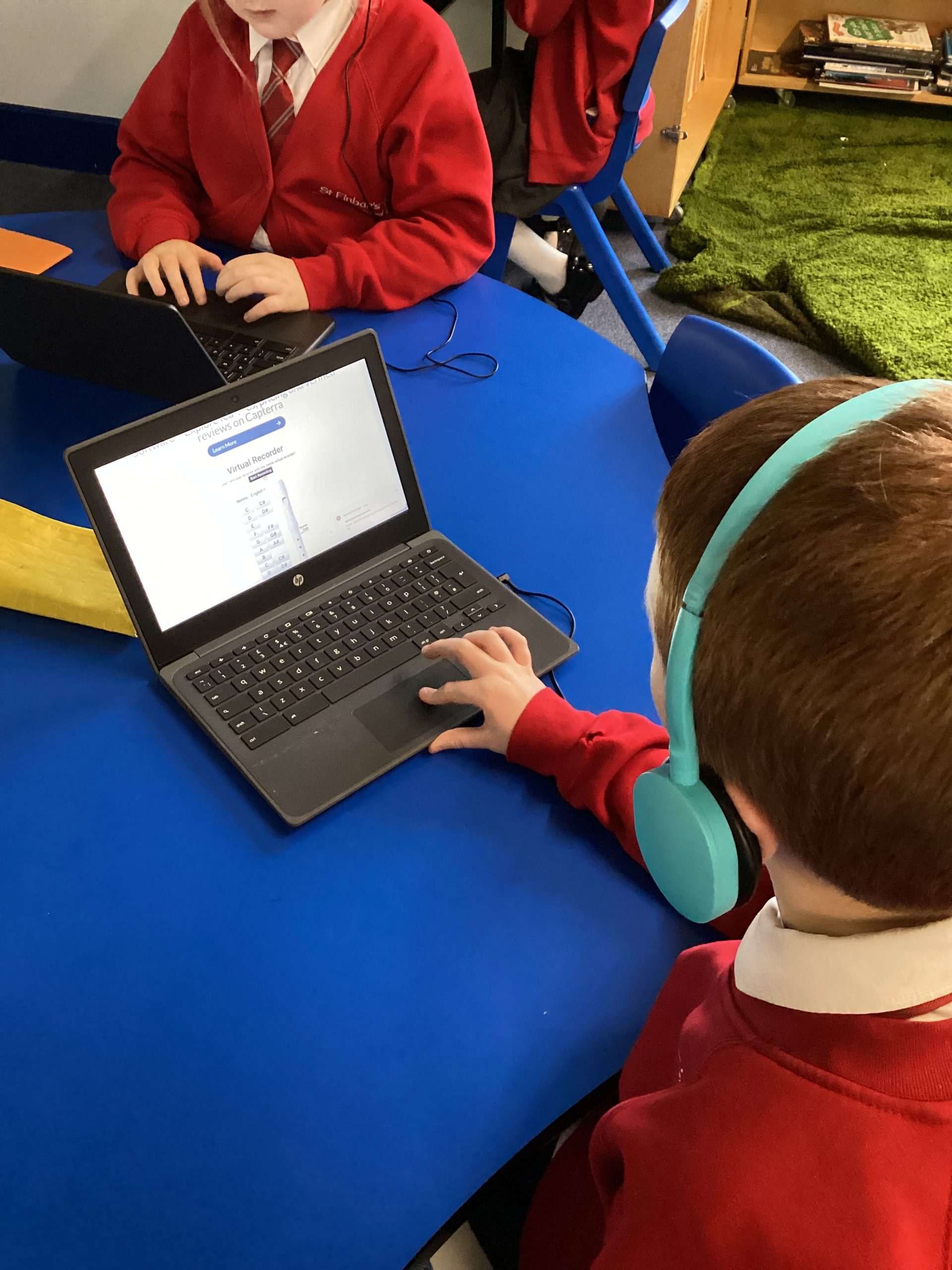
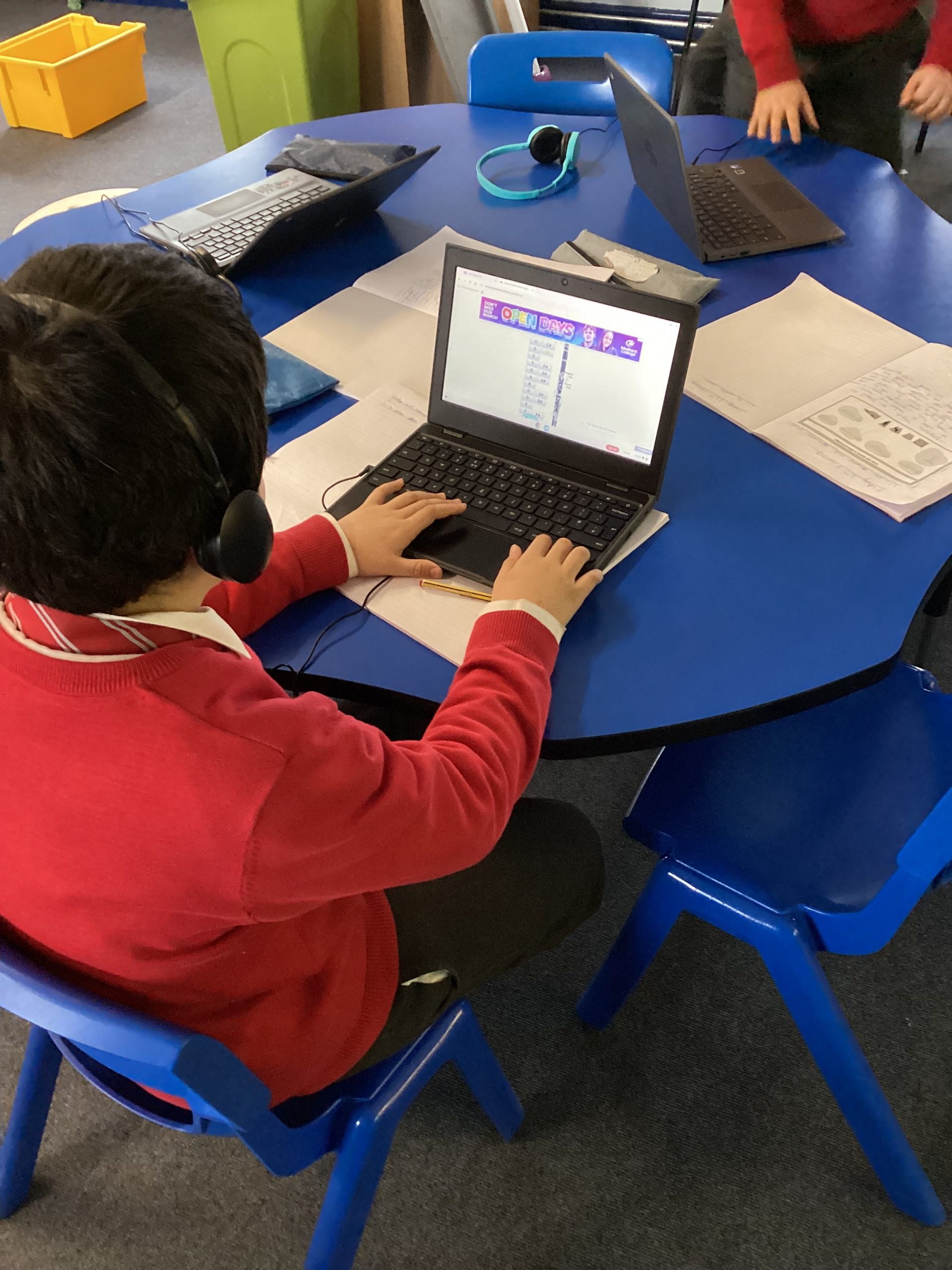
Our topic this half term is all about sound. We looked at how sound is created through vibrations. To investigate this we created harmonicas with elastics bands. When we blew into the harmonicas we caused the elastic band to vibrate creating sound.
114
In Science we have been looking at forces. In today’s lesson we learnt that the larger an objects surface area is, the more air resistance it will have. To prove this we created different sized parachutes. We then dropped them and timed how long it took for them to drop. Our 30 cm parachute dropped slower than our 10cm parachute, proving us right!
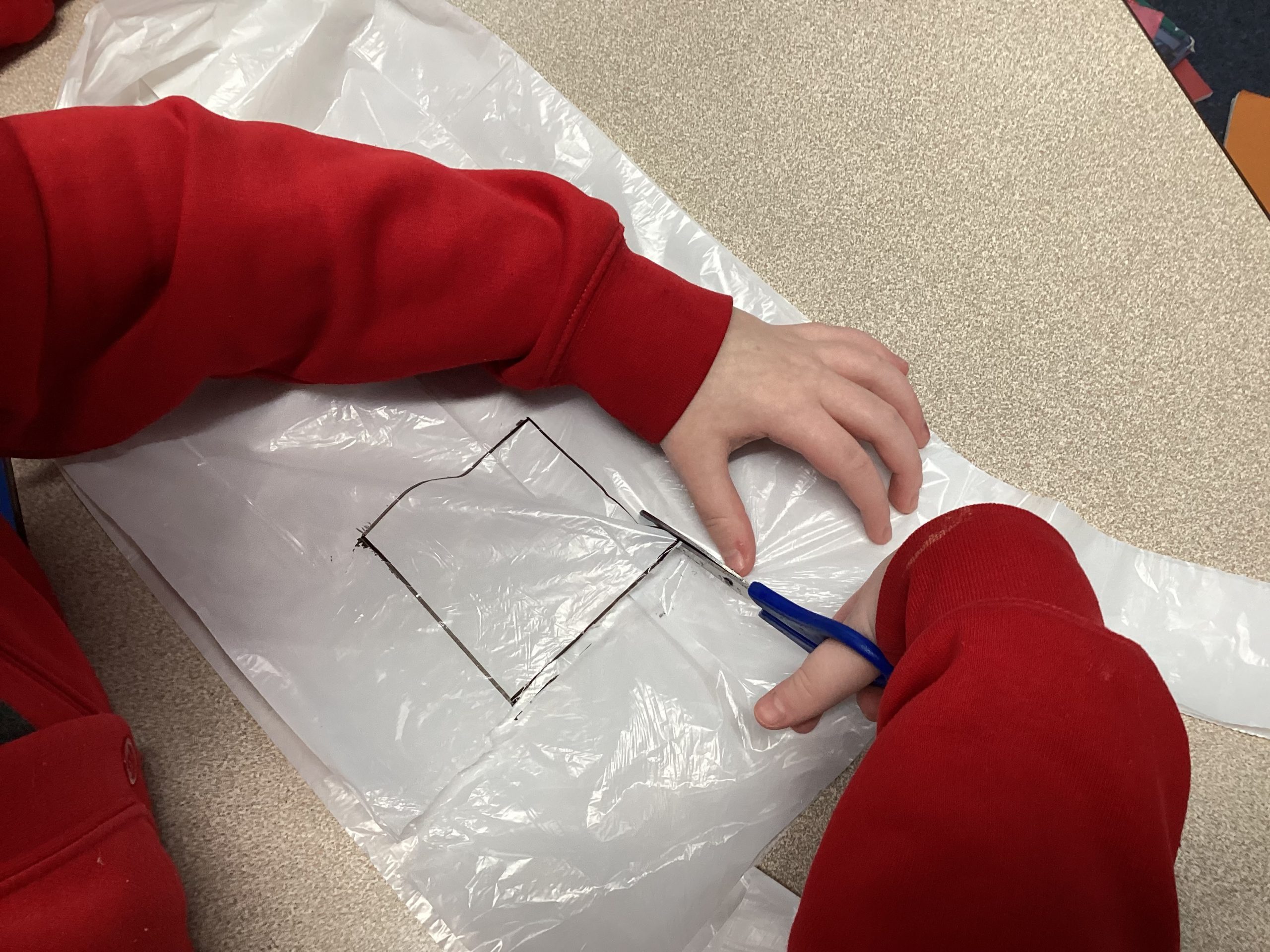
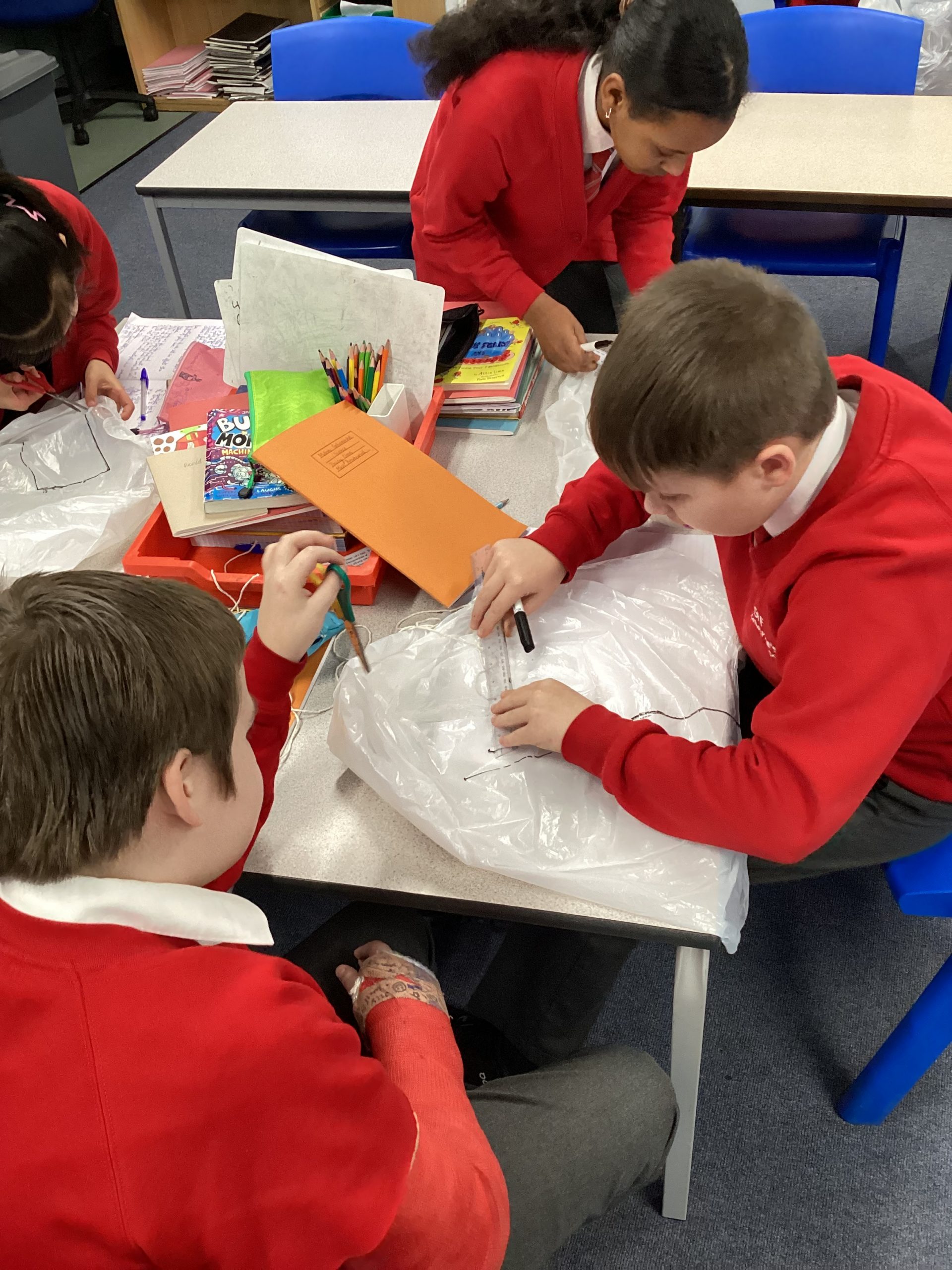
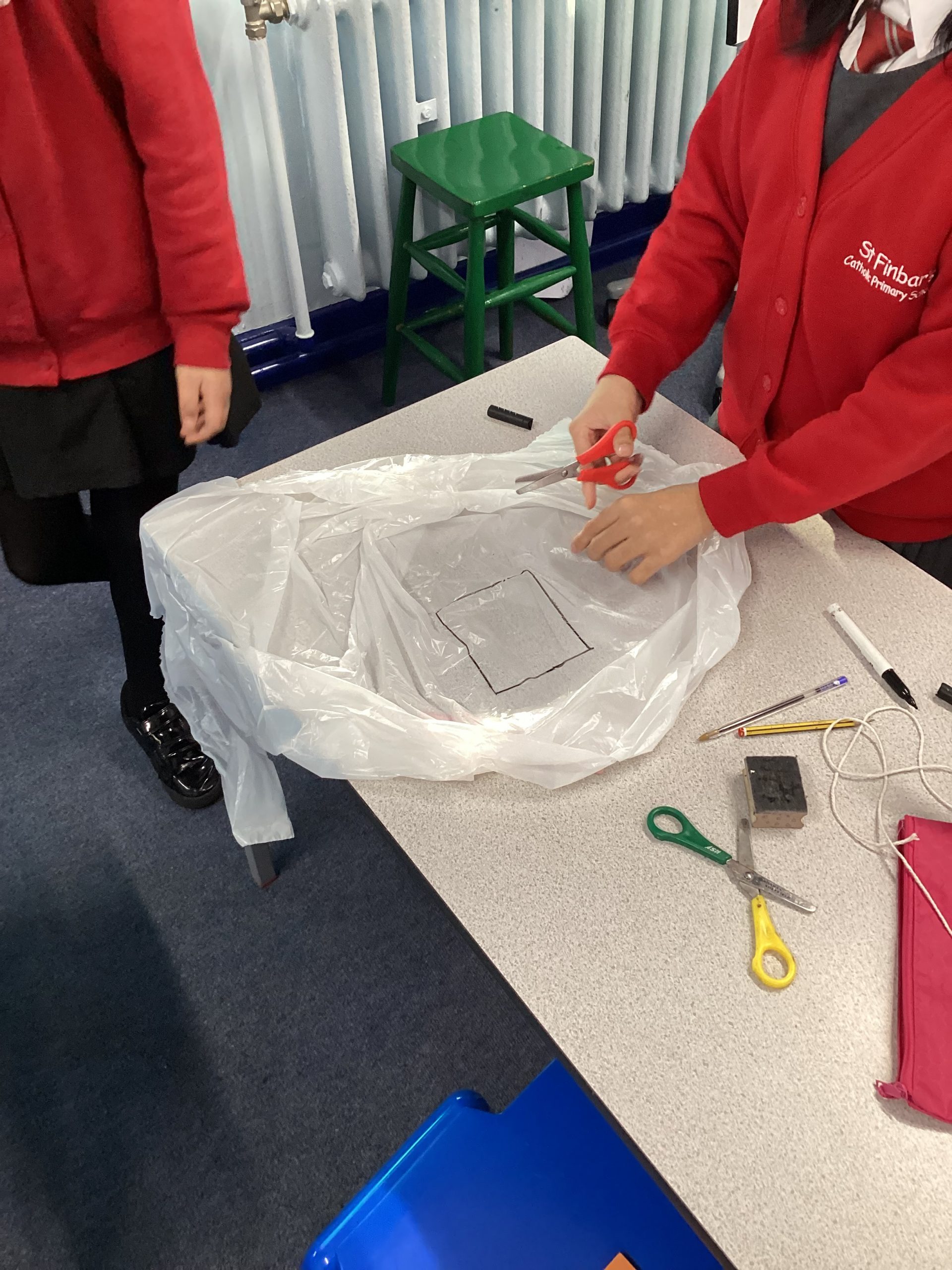
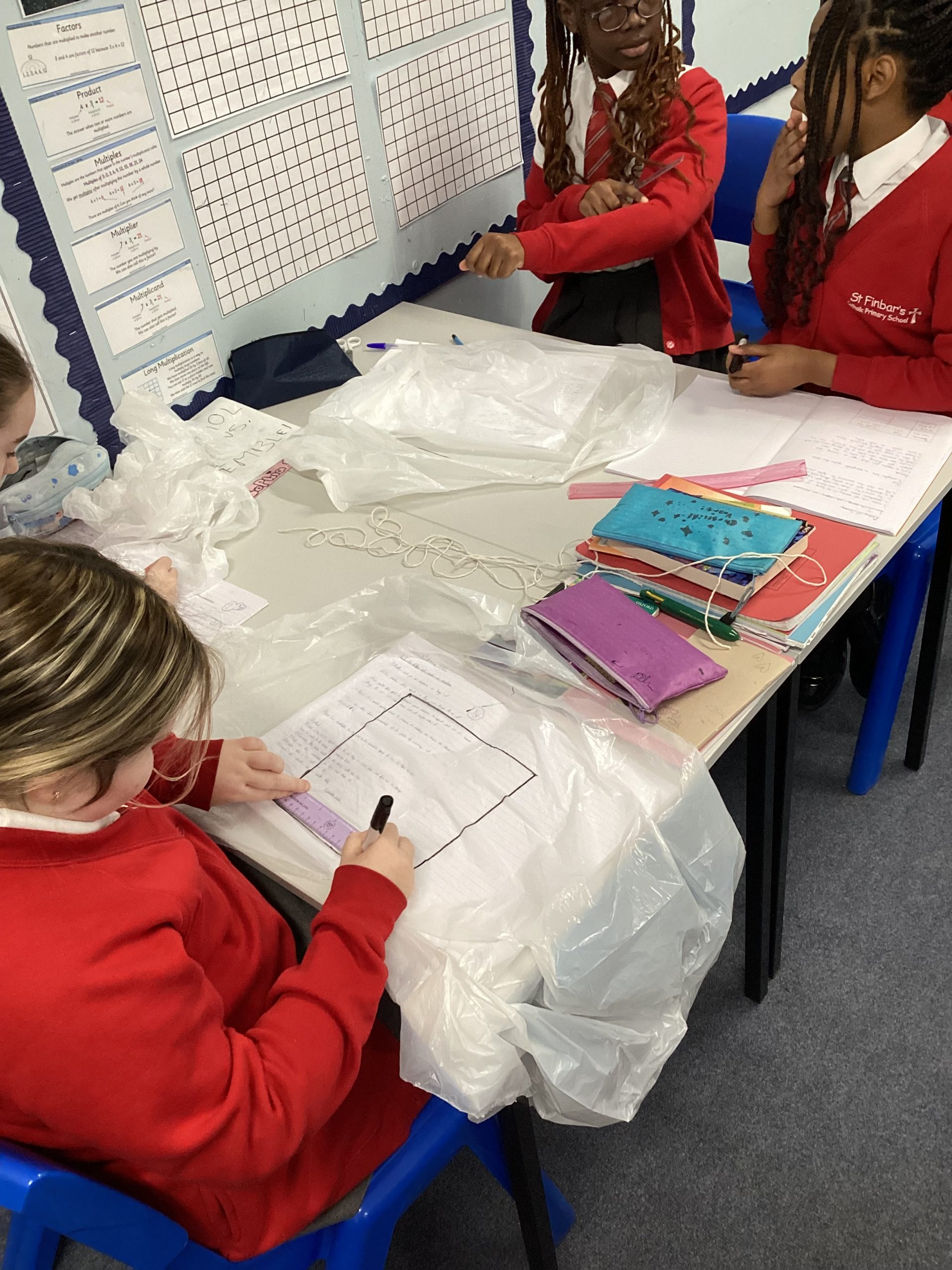
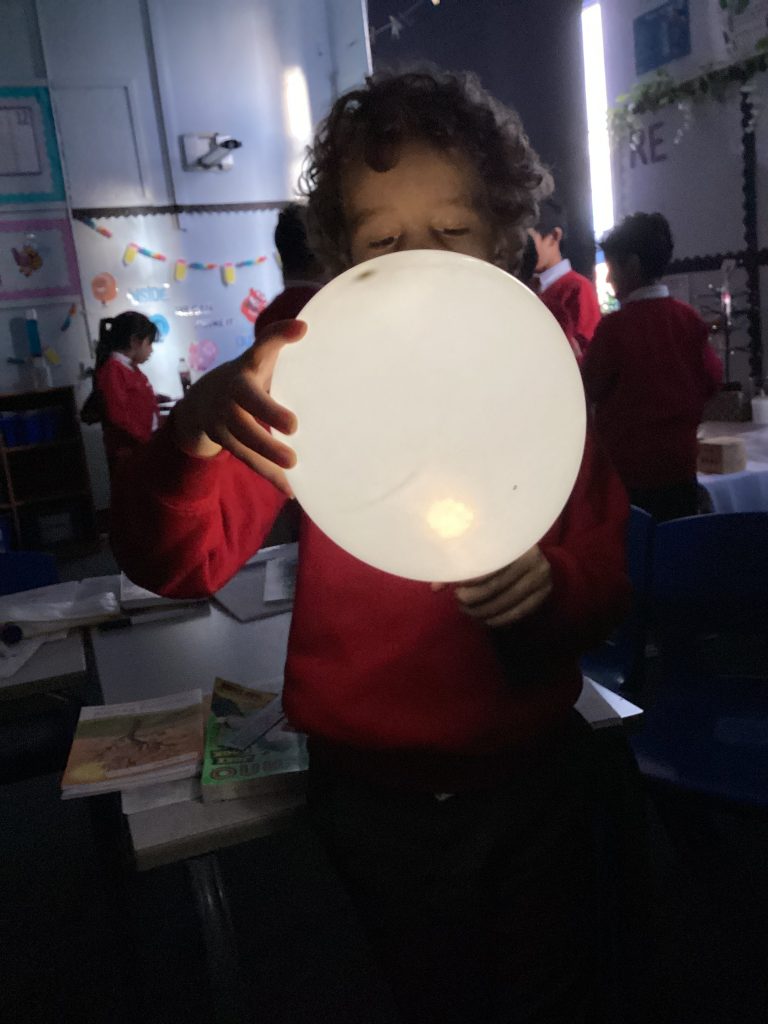
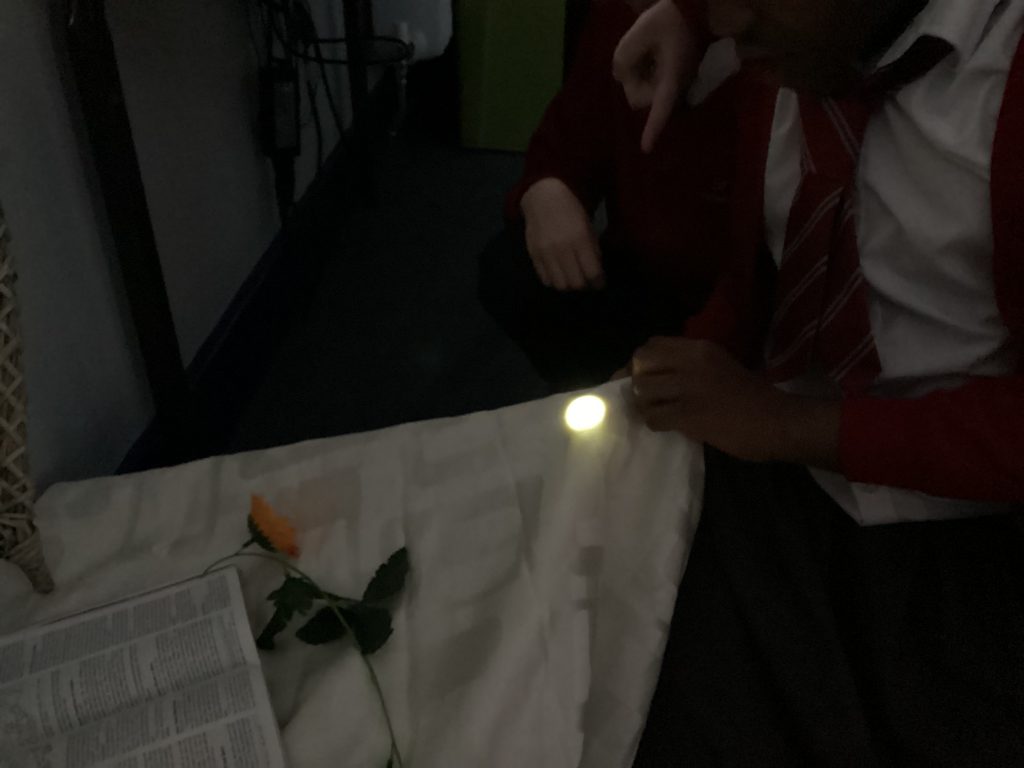
Today in Tulip class, we explored a range of different materials around our classroom and decided if they were transparent, translucent or opaque materials.
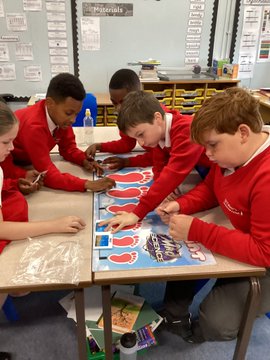
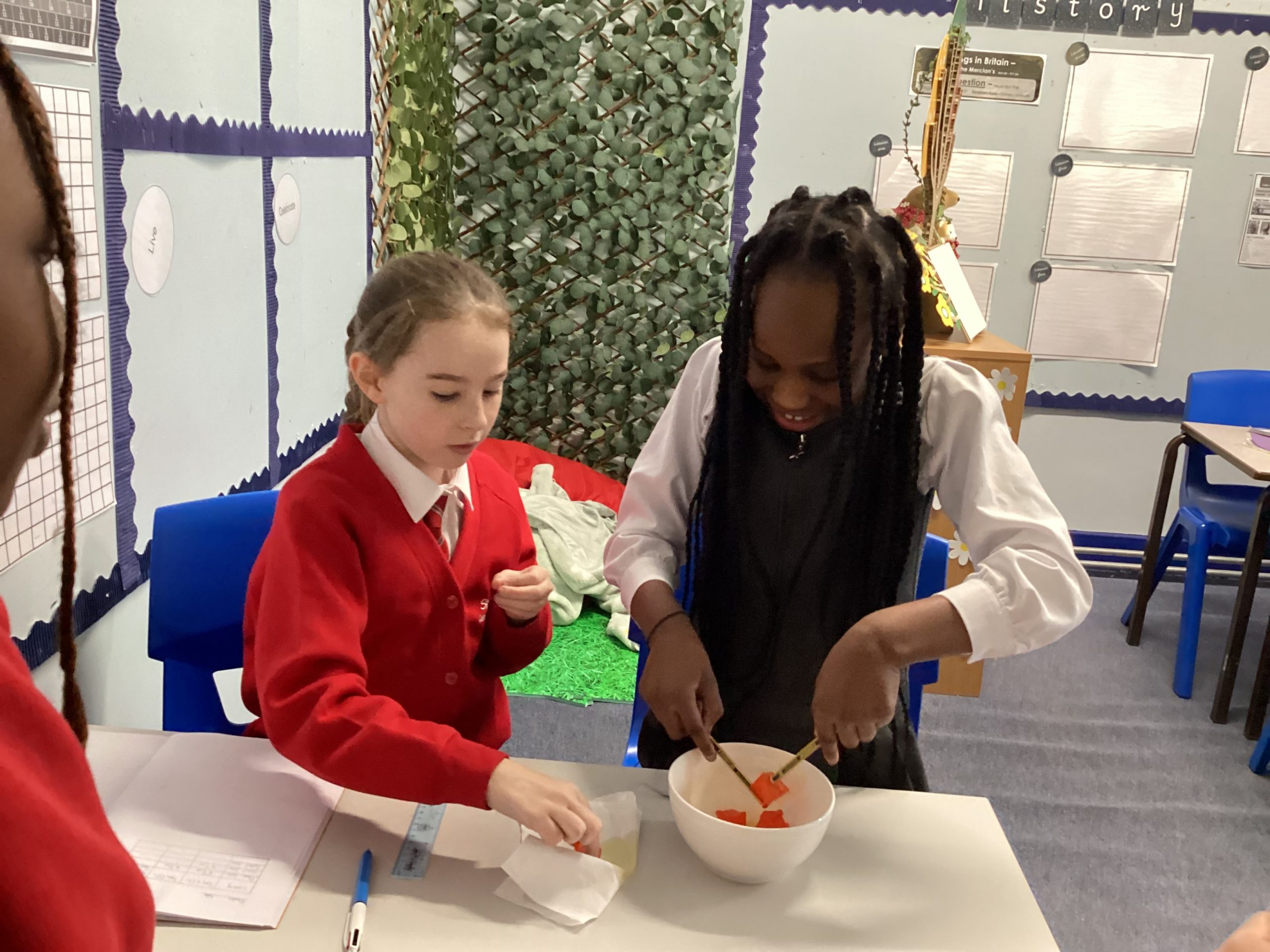
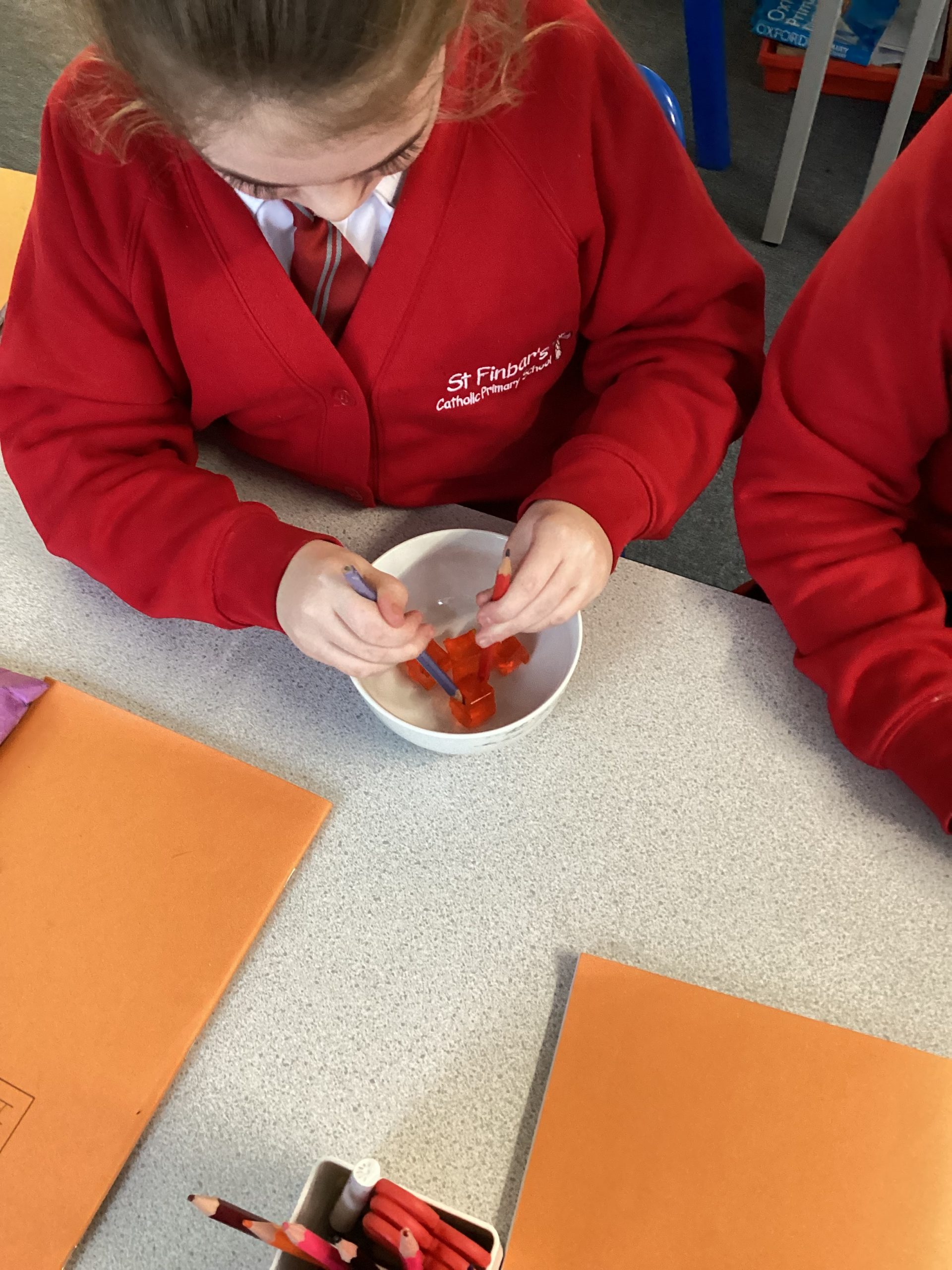
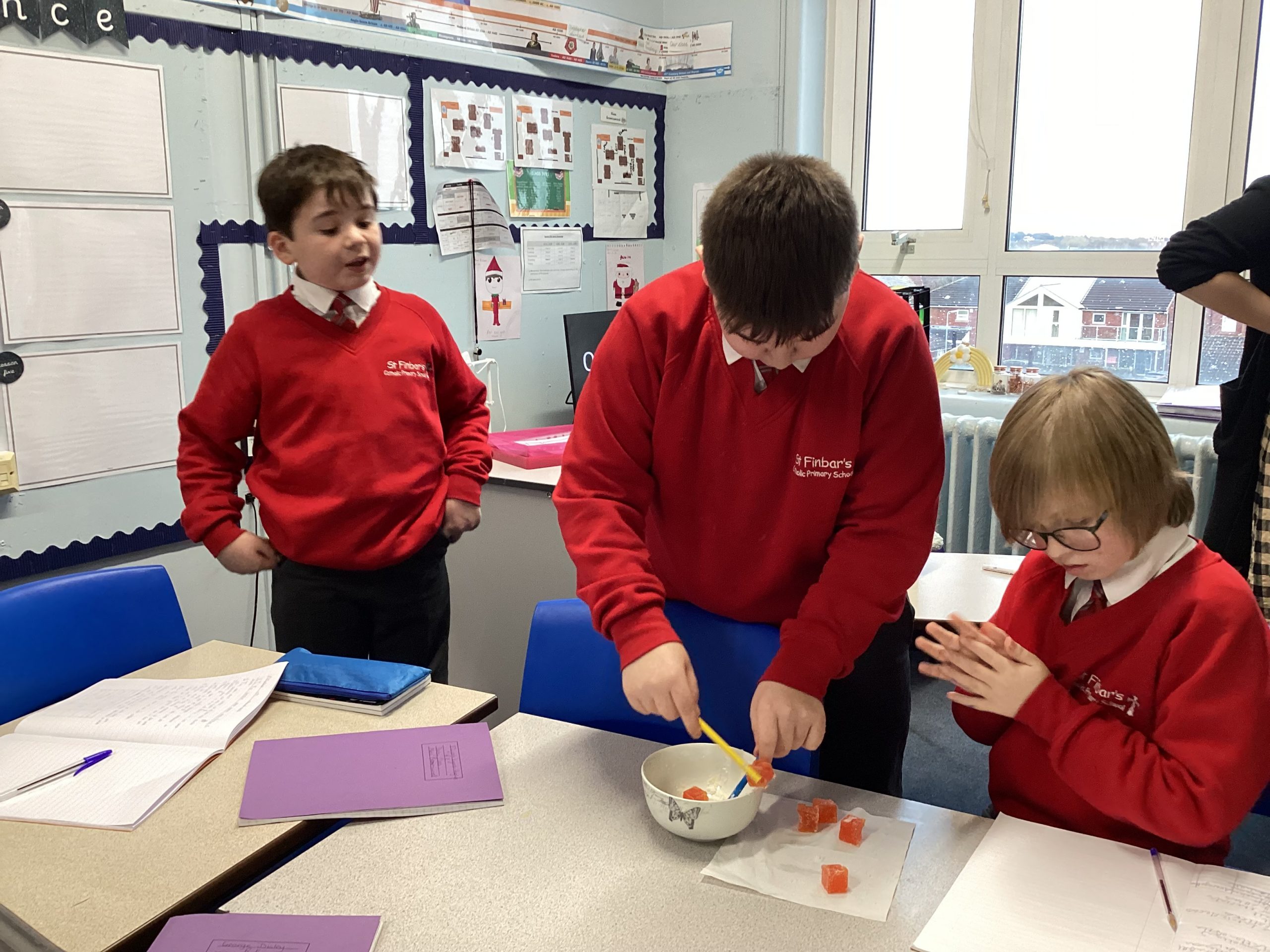
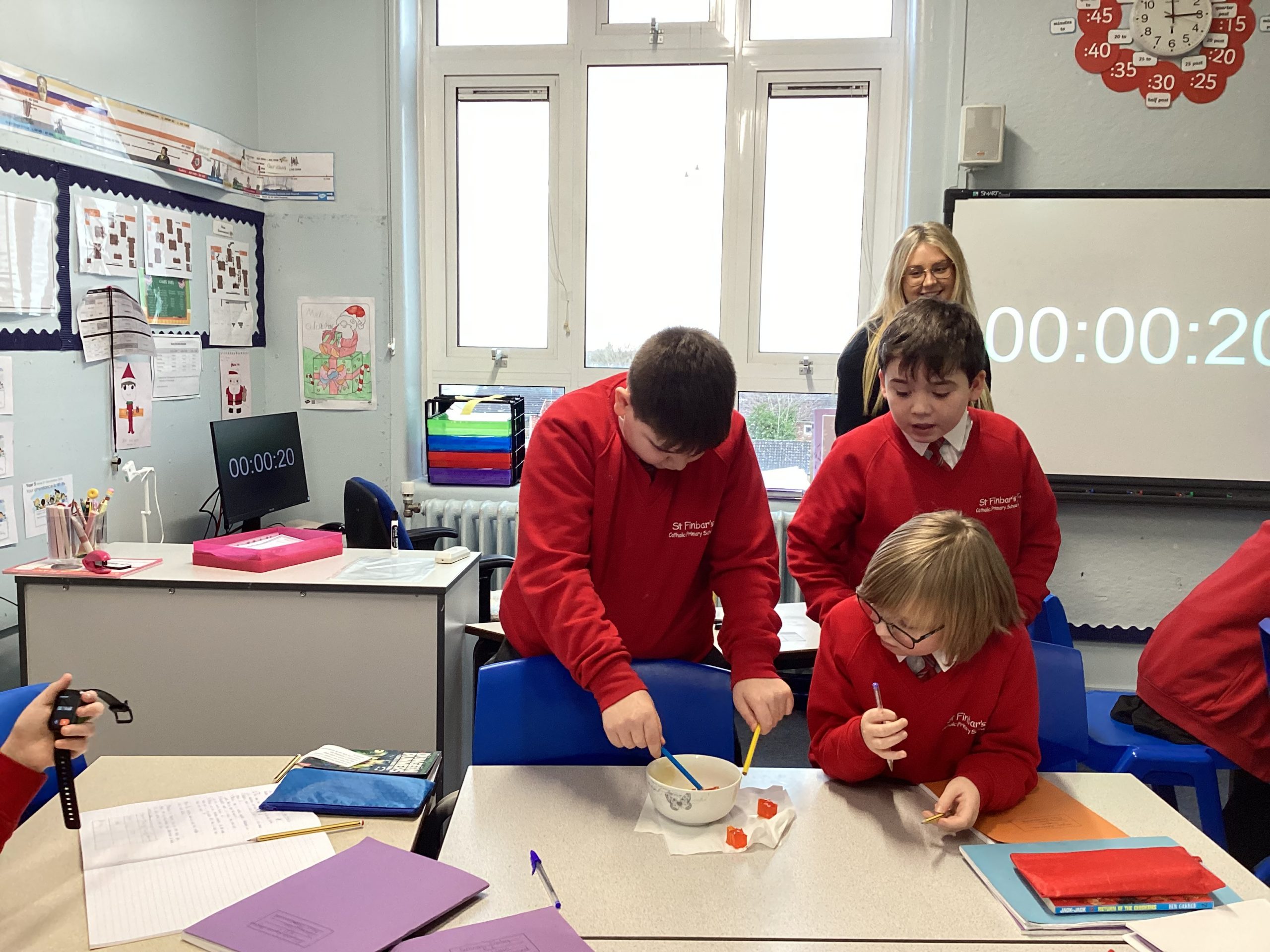
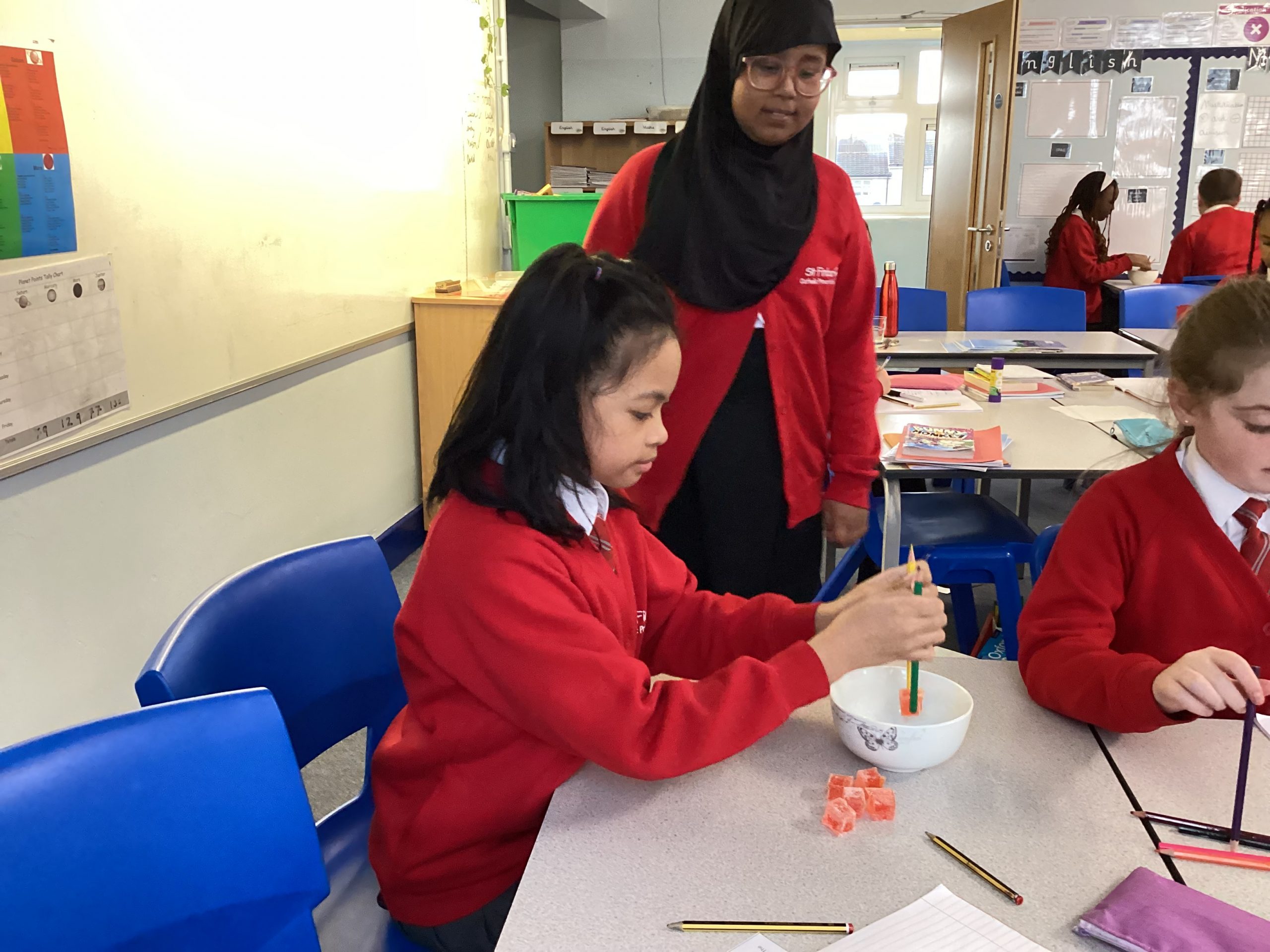
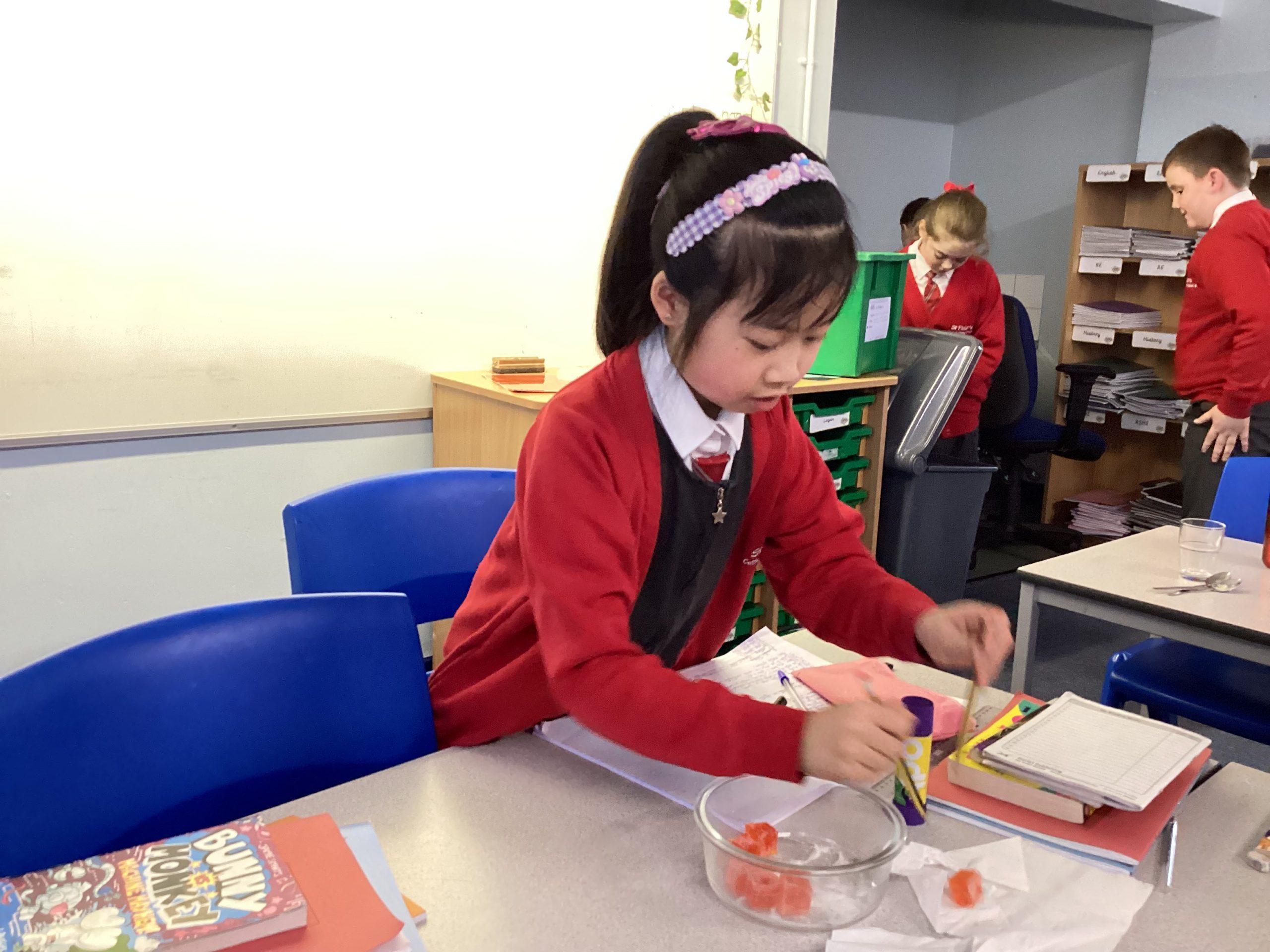
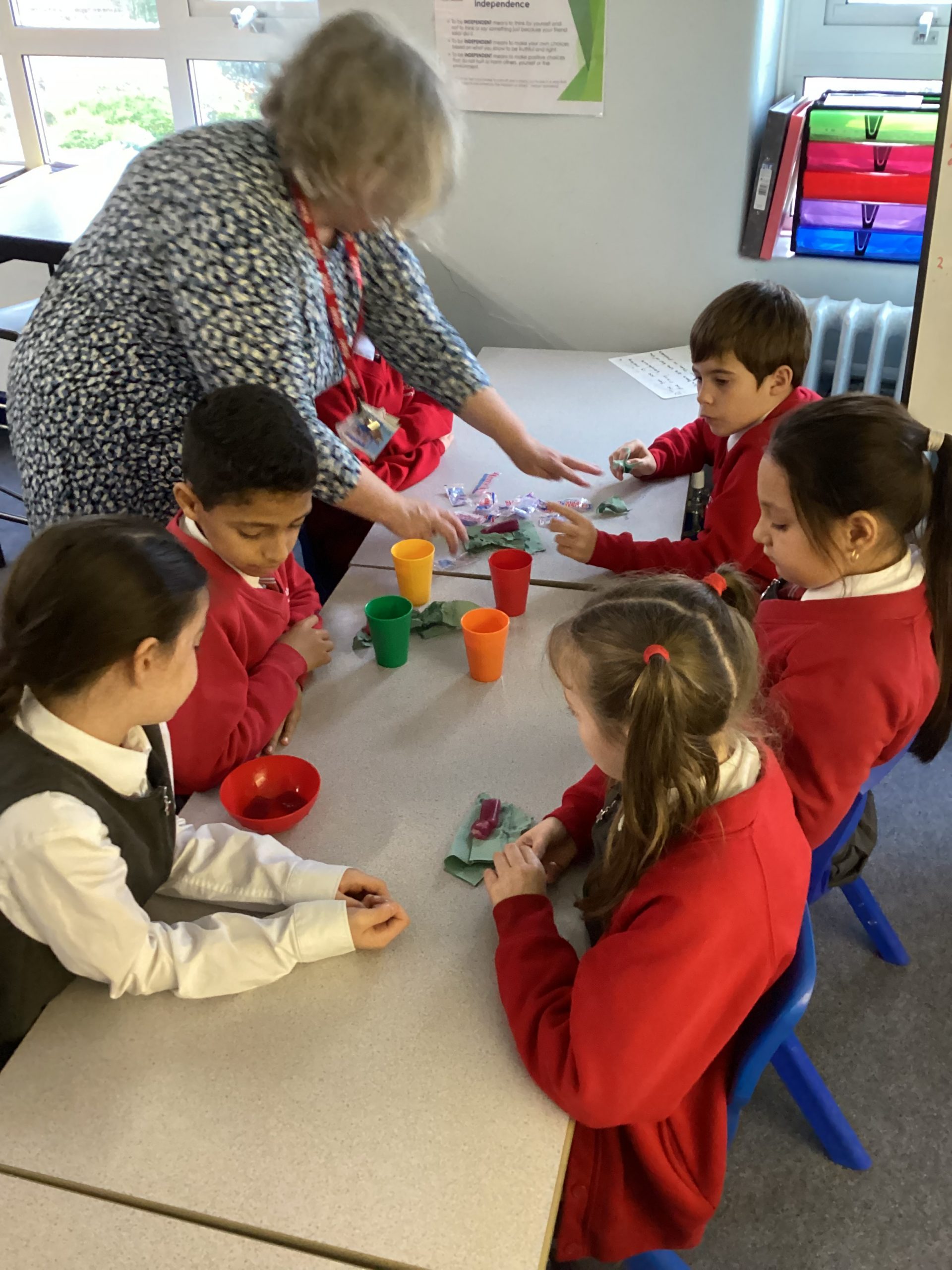
In todays lesson we explored what happens when friction becomes too high. Year 5 did this practically through the jelly experiment! Firstly, we timed how long it took to remove 6 jelly cubes with our pencils. Then we added oil and salt to more cubes, to see how this affected the levels of friction. We had lots of fun carrying this out and learning about friction.
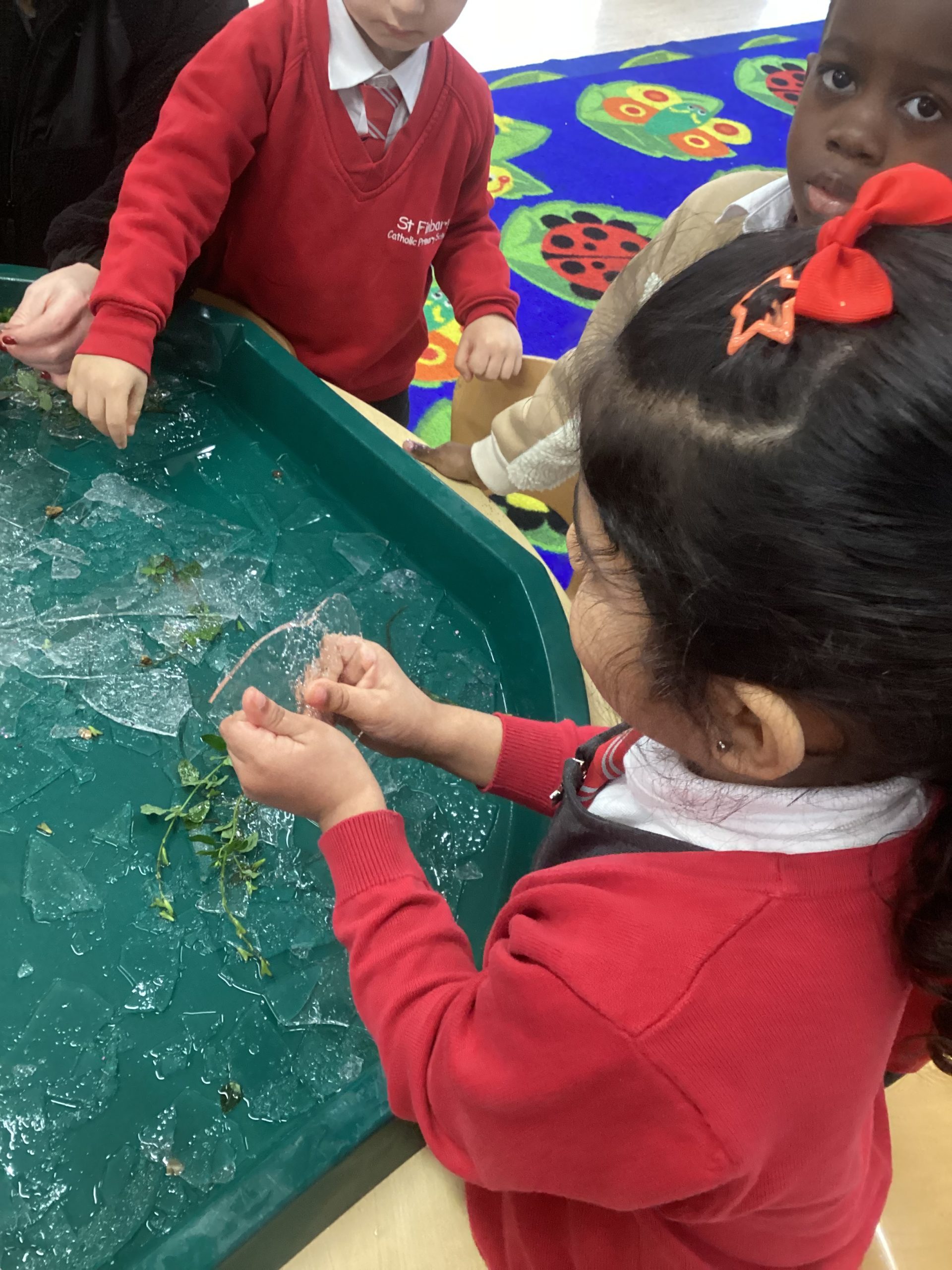
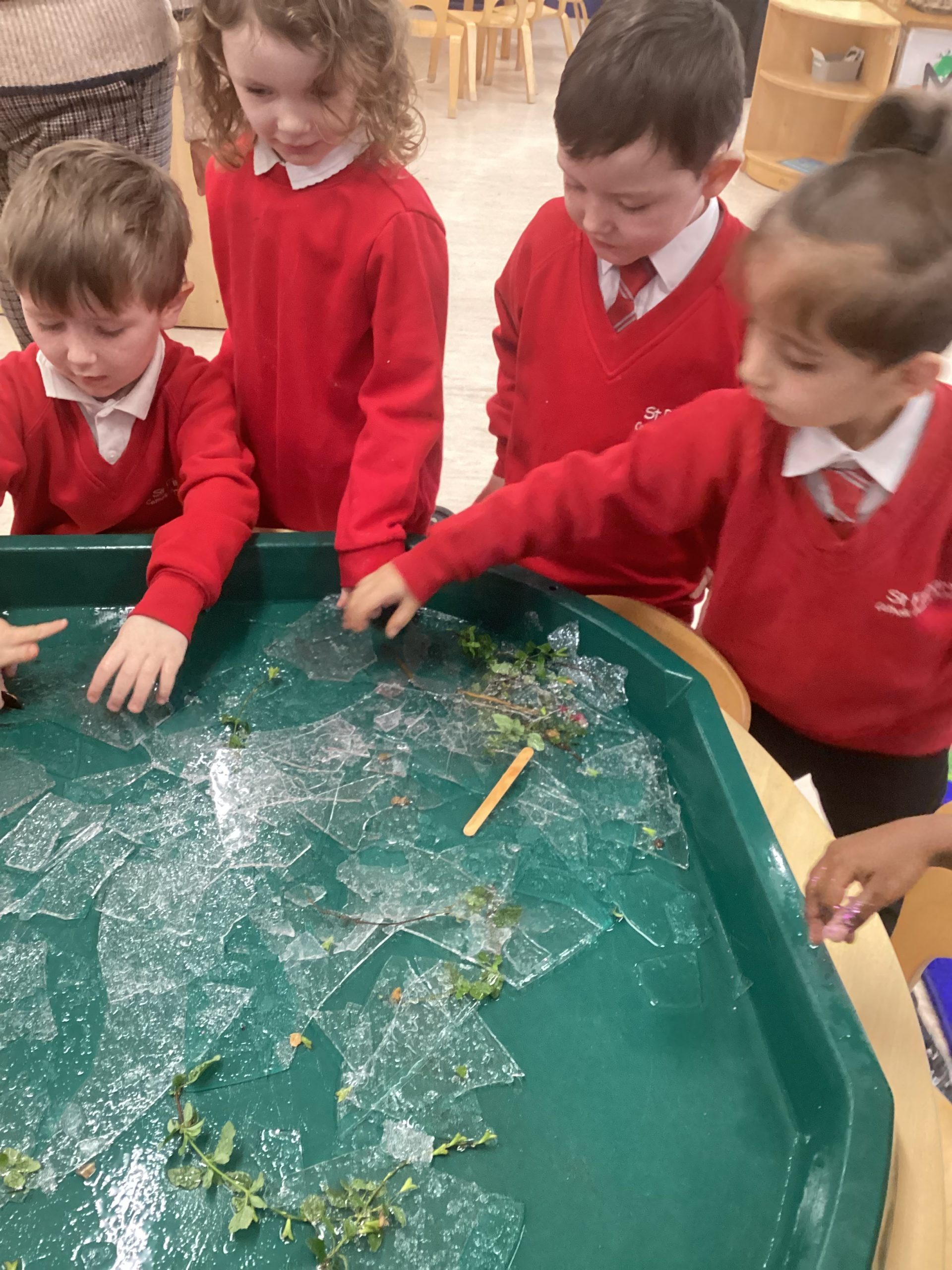
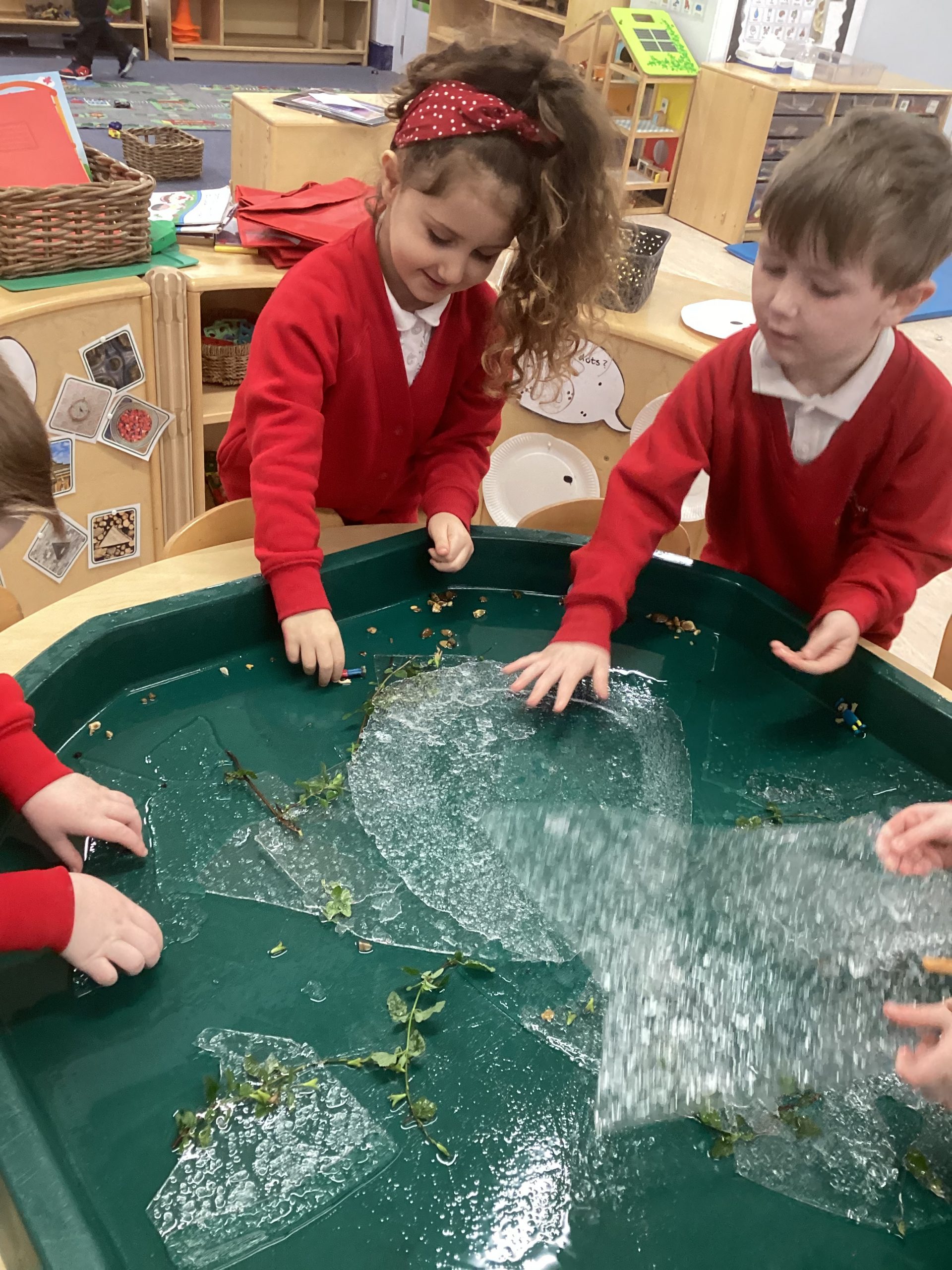
The children were excited to see ice in our outdoor area. We put water in a tray and some items over night to see if it would freeze. It did! The children loved exploring the ice.
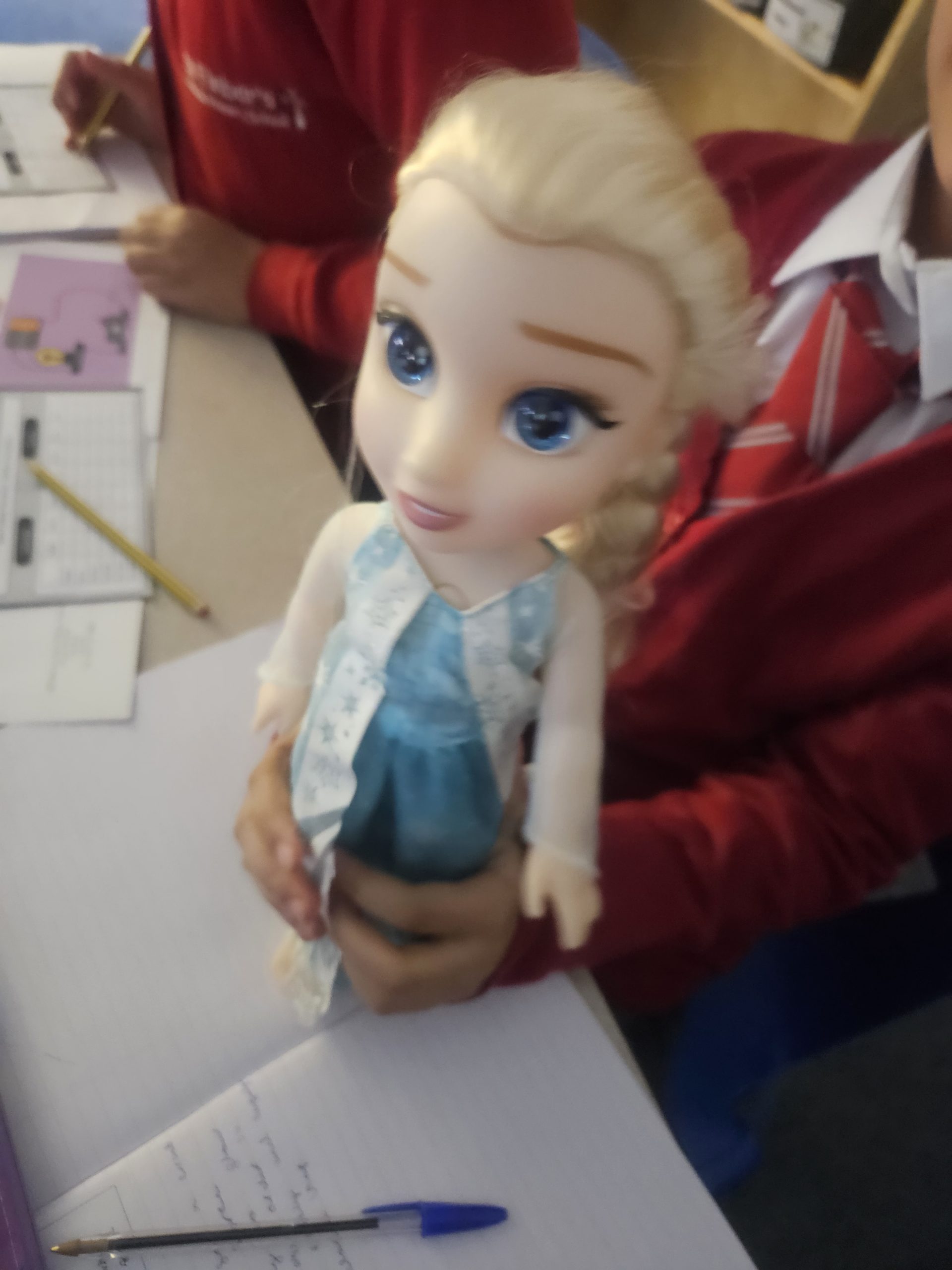
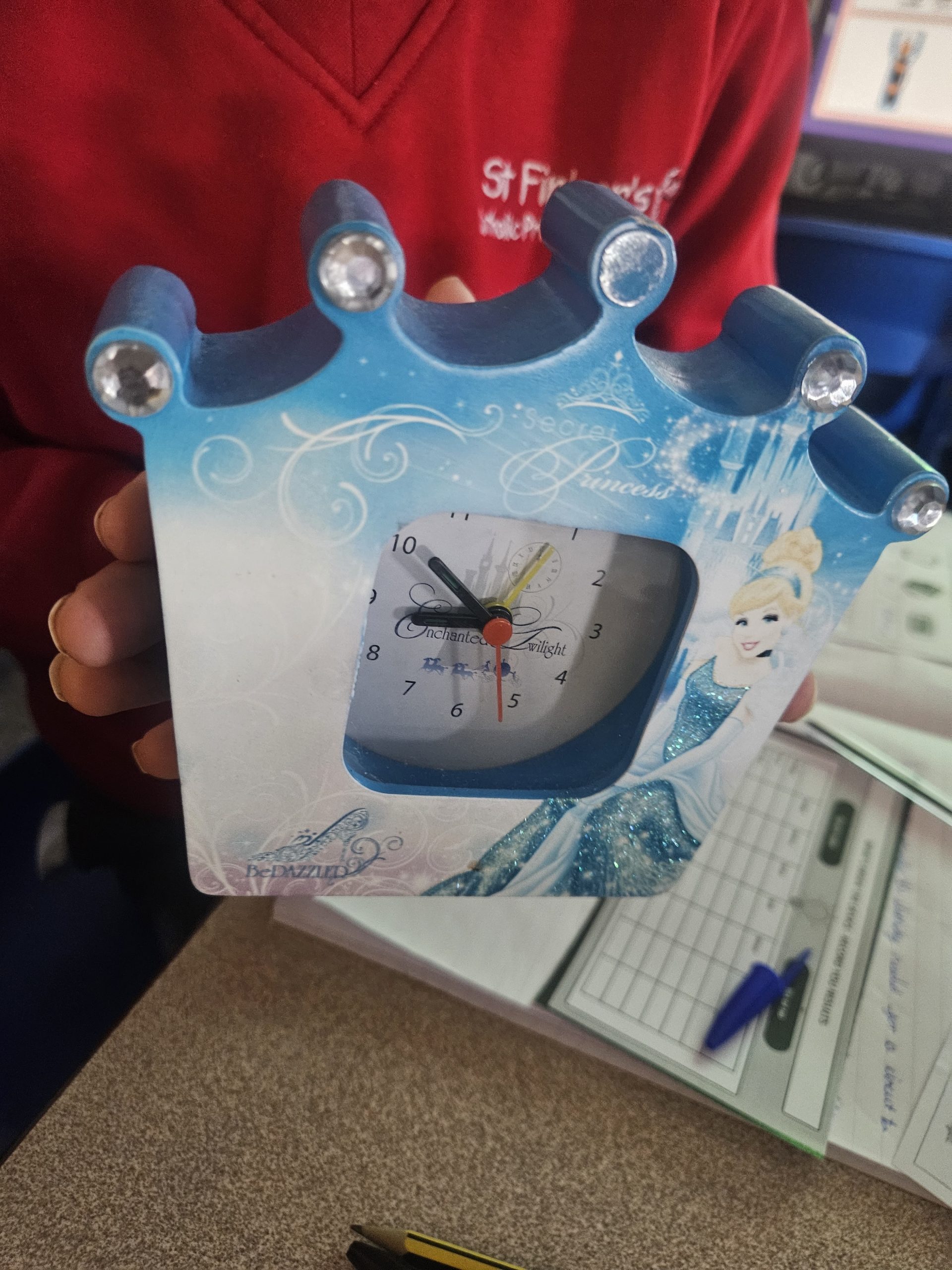
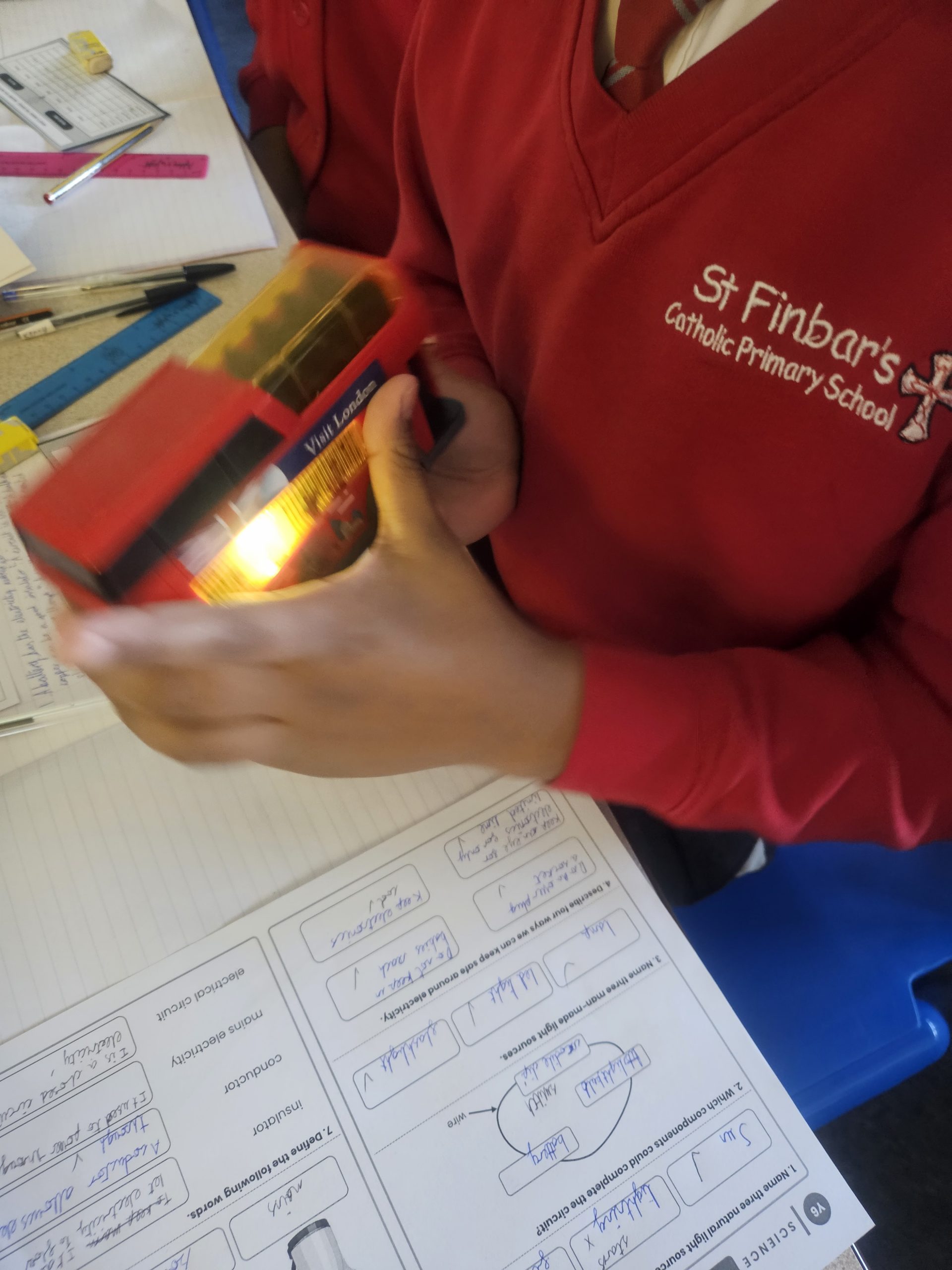
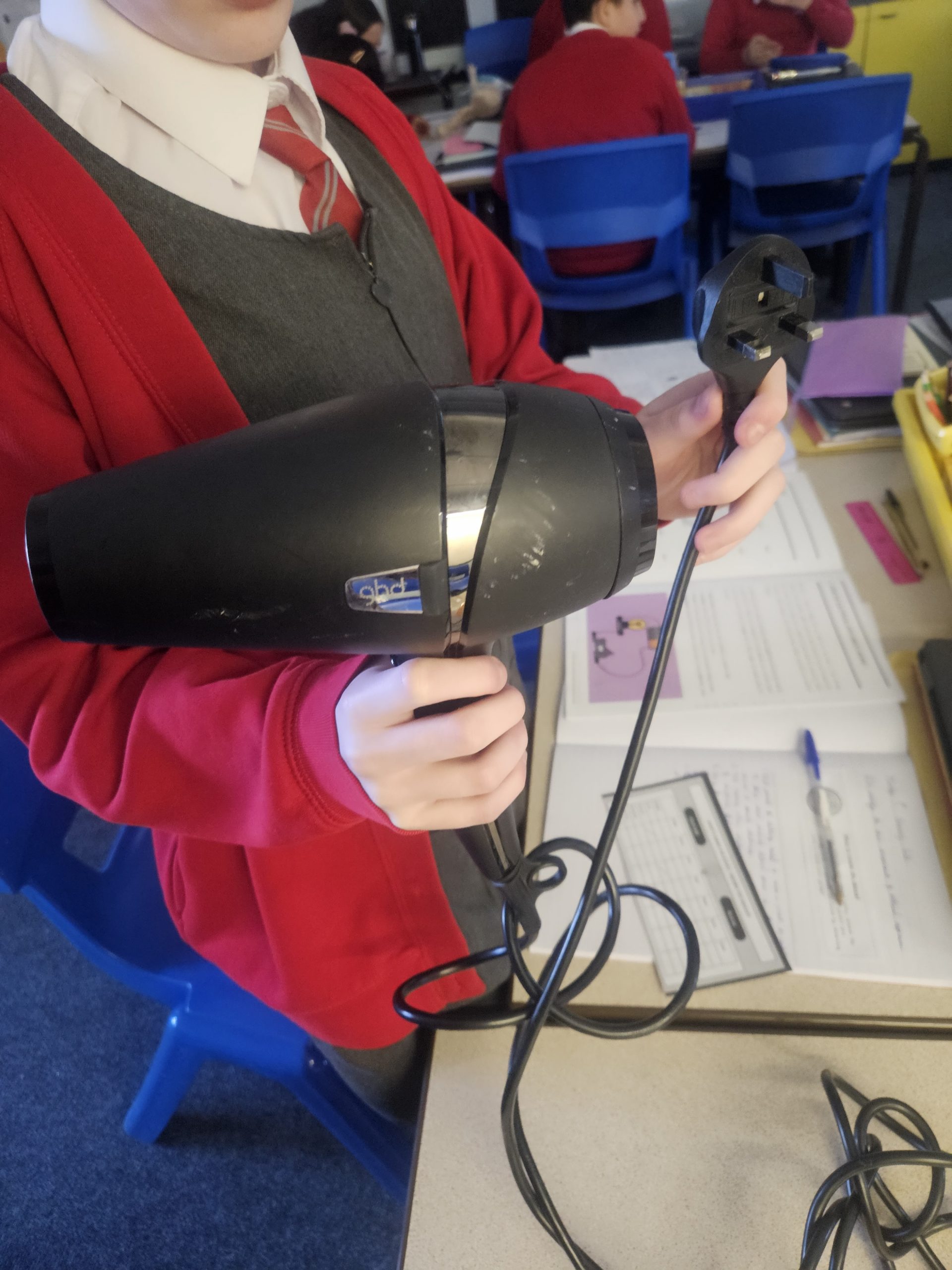
Our first lesson in this topic of science was looking at different appliances and discussing how electricity is or isn’t used within it. Some items had lights, some items moved, some items made sounds and one was there to trick us and it didn’t do anything. It was our job to work out which item did had a light, motor, or buzzer.
Over the last two science lessons we have been learning about the digestive system and we started with teeth. The teeth start the process by chewing and swallowing our food and drink. We then set up an investigation to look at how different liquids can cause problems for our teeth and which ones are better for the enamel. We observed over the week how the shells of the egg changed.
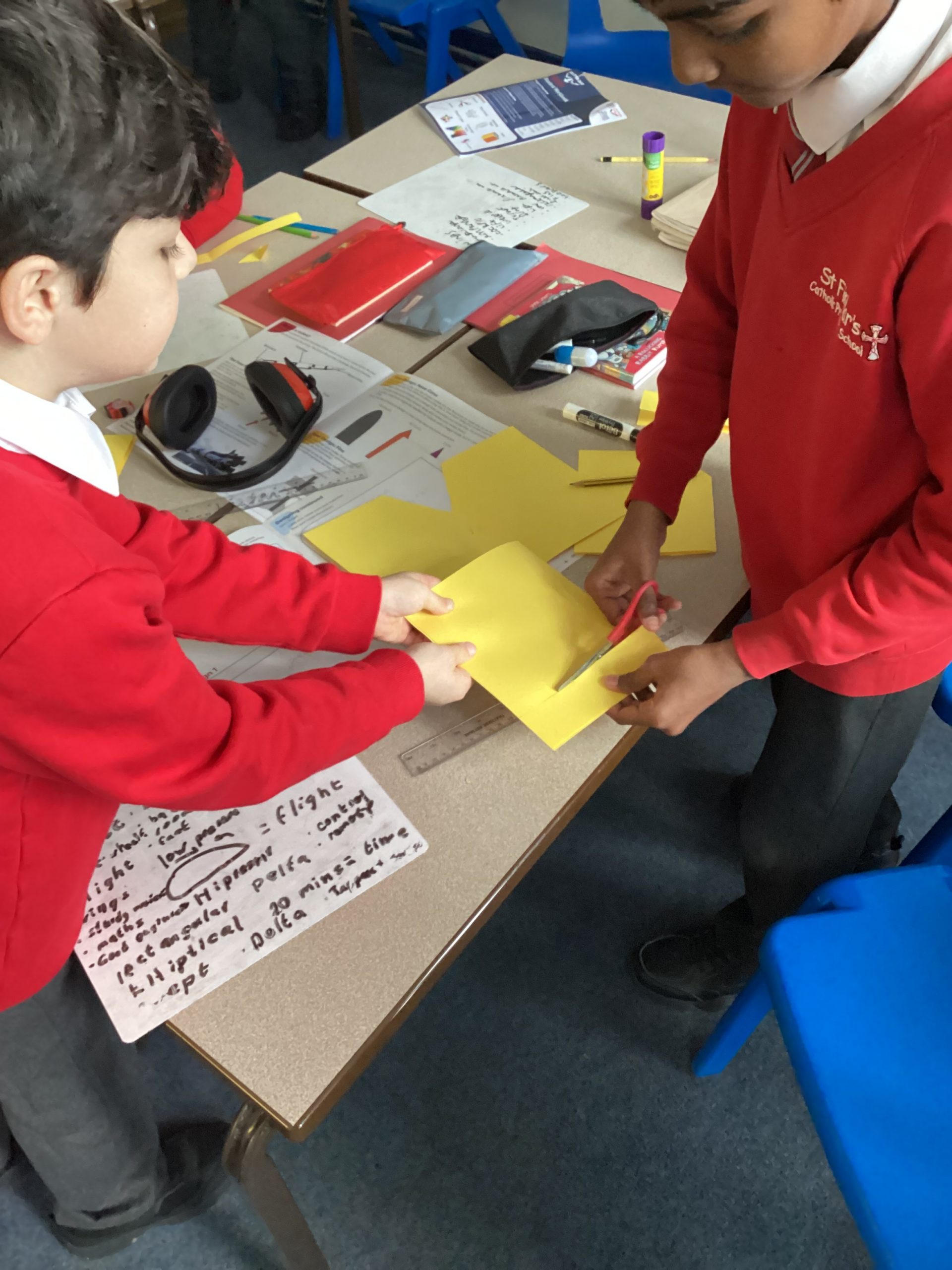
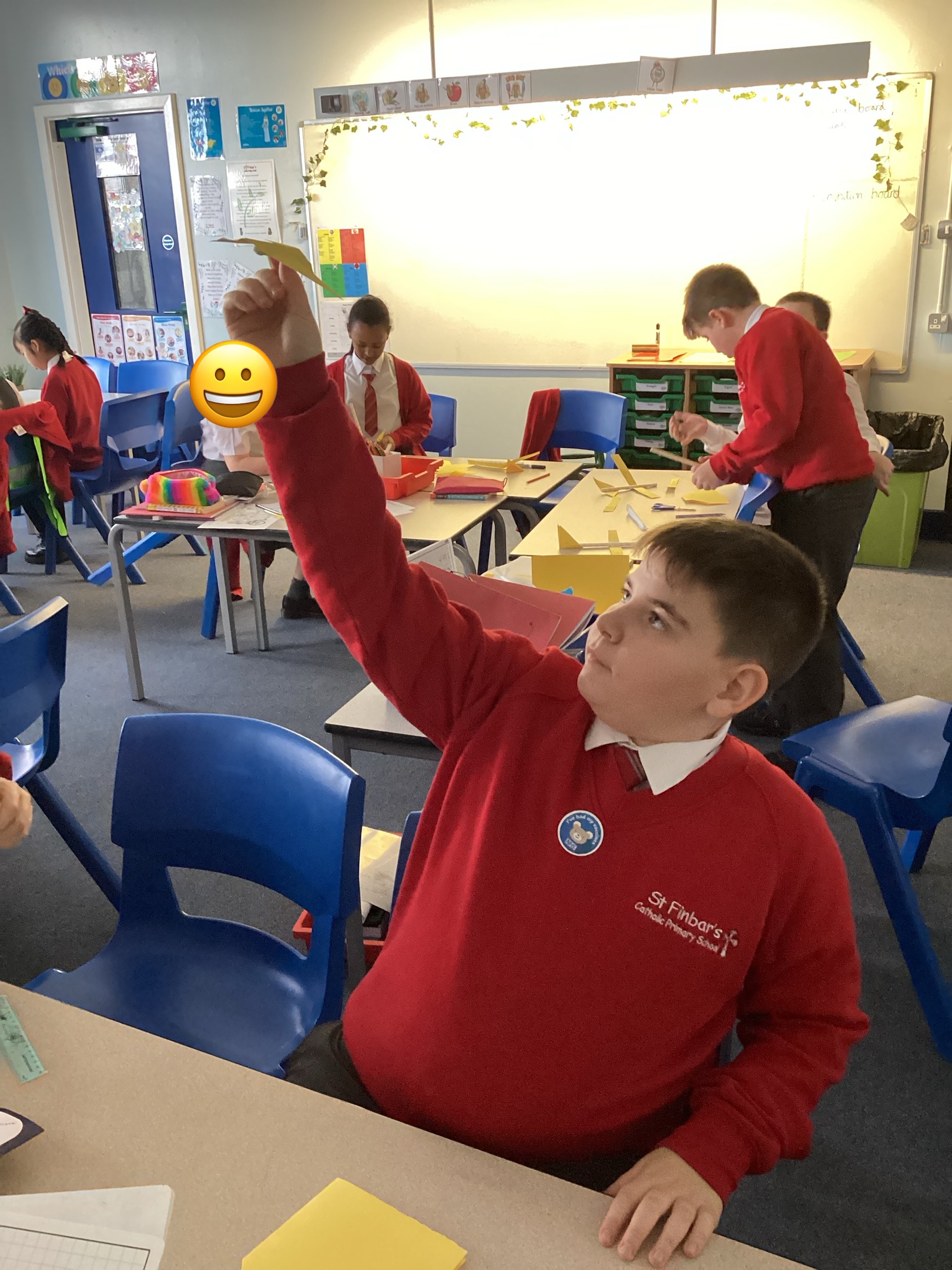
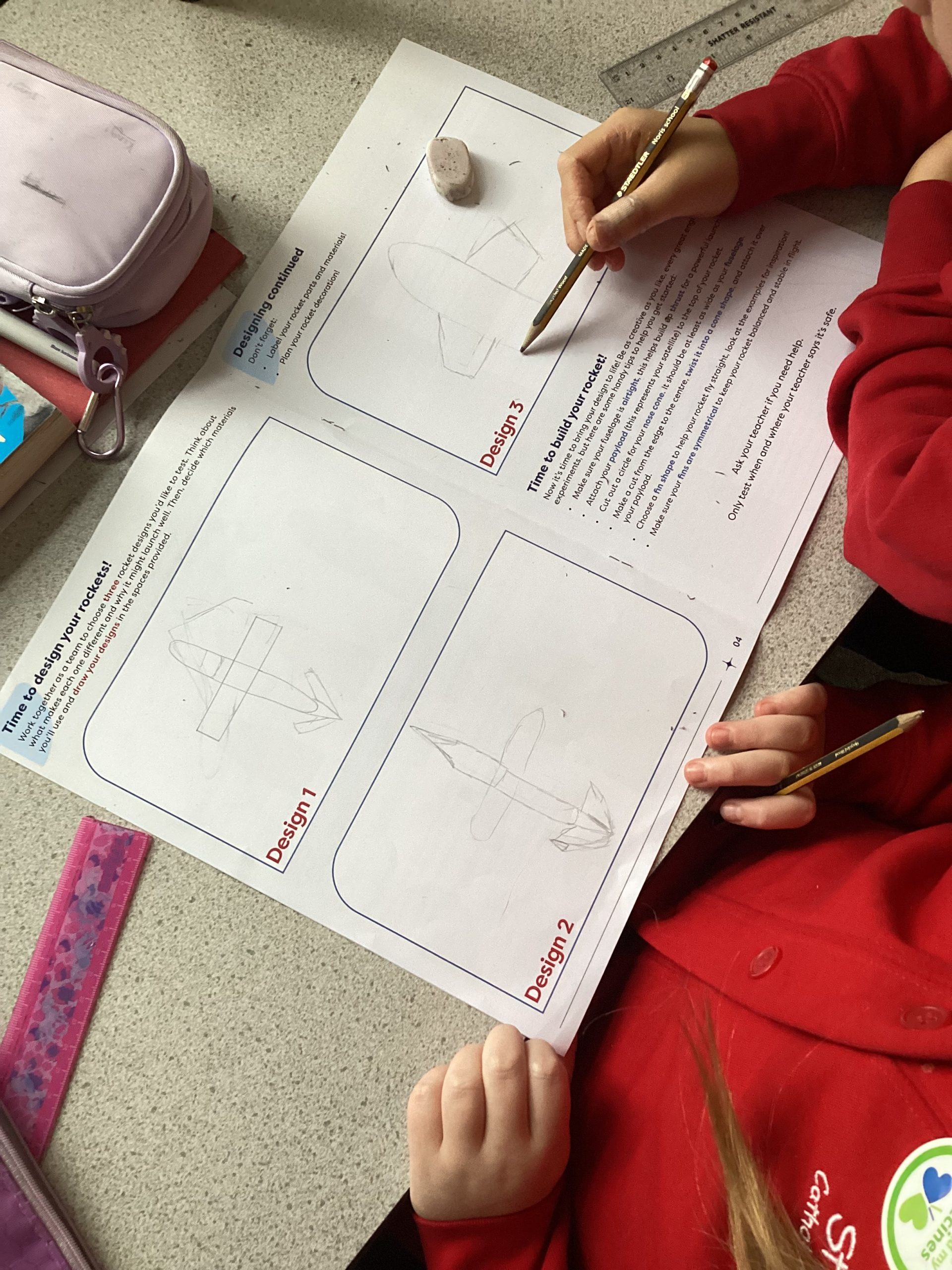
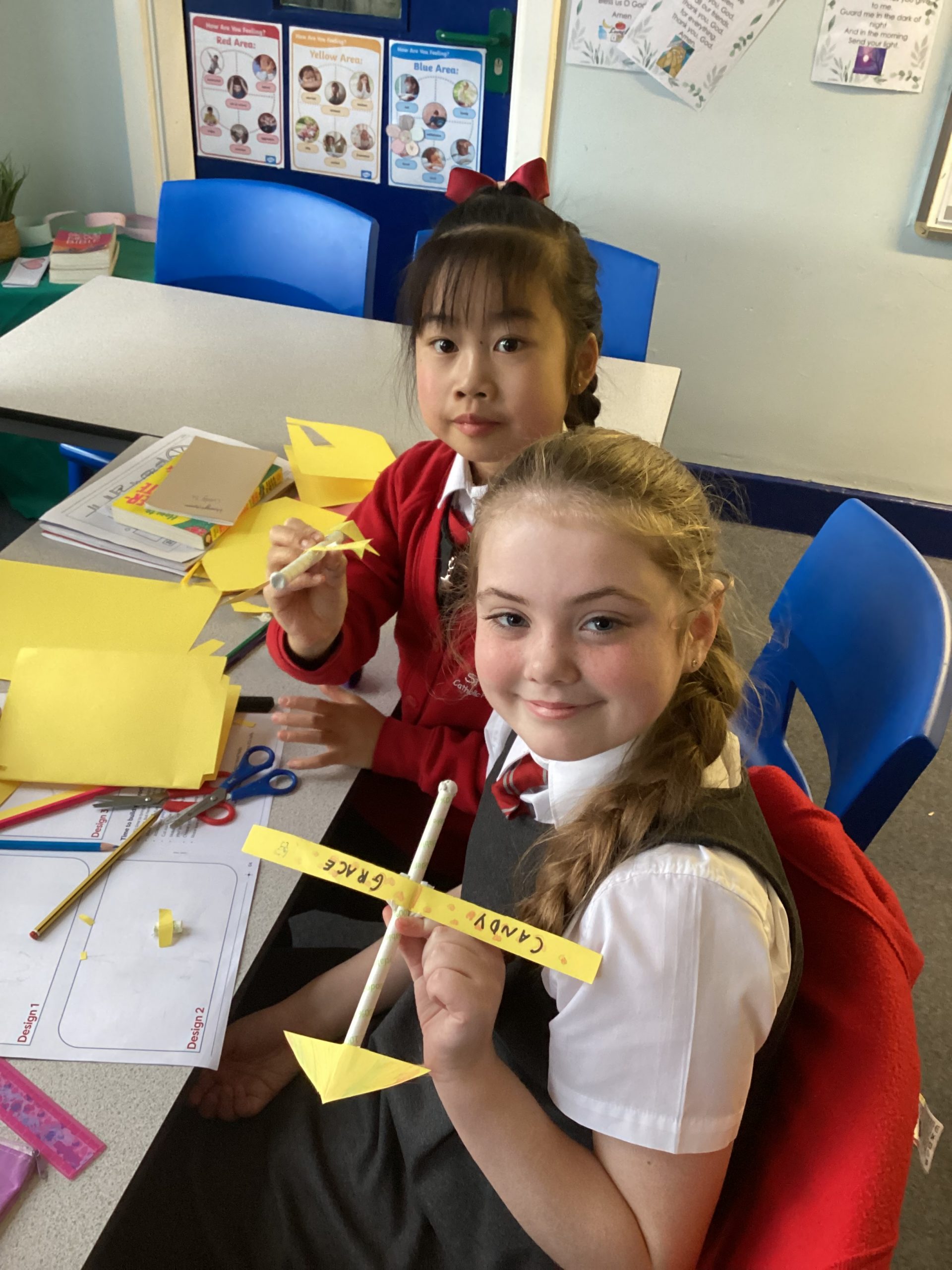
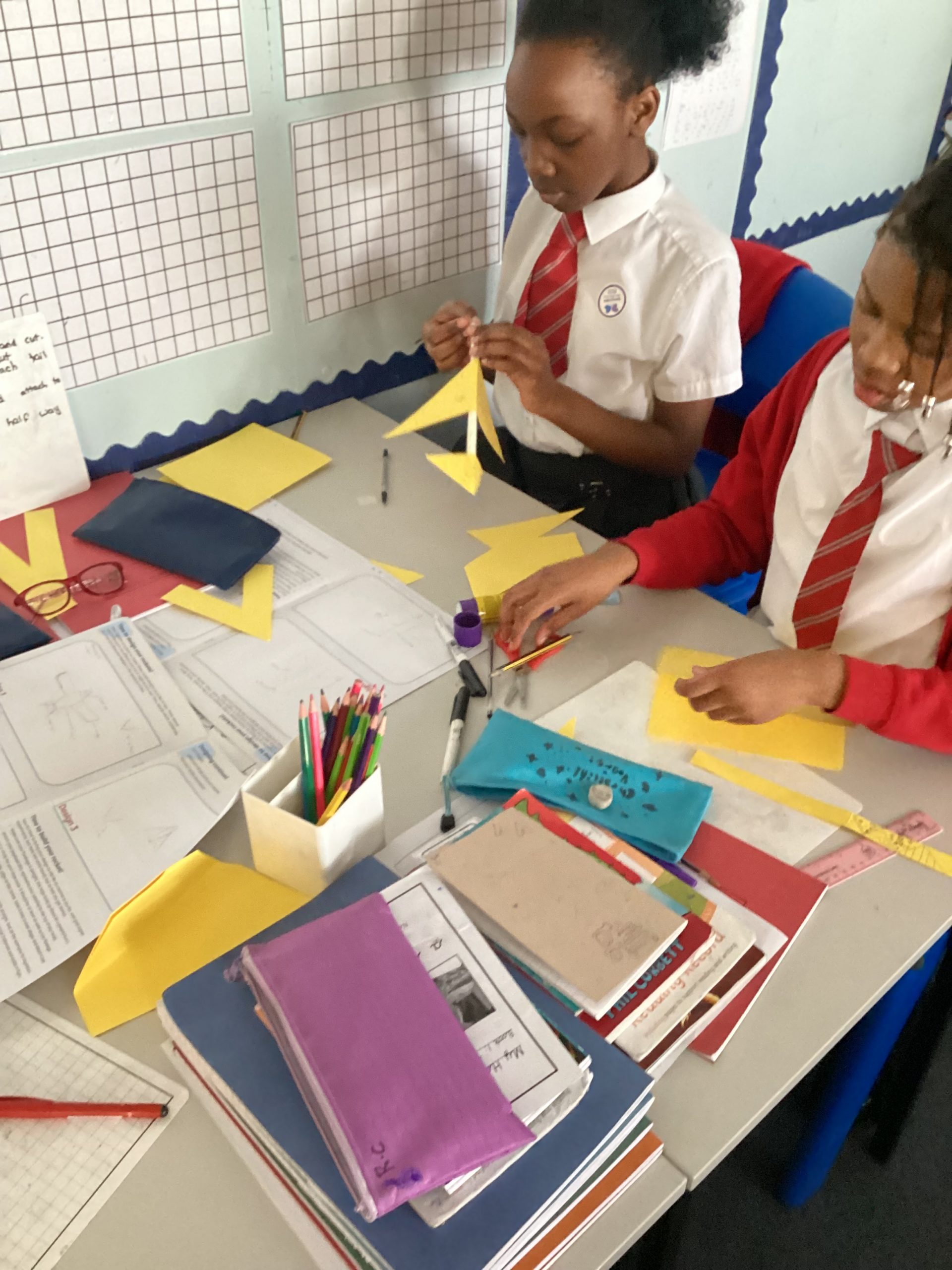
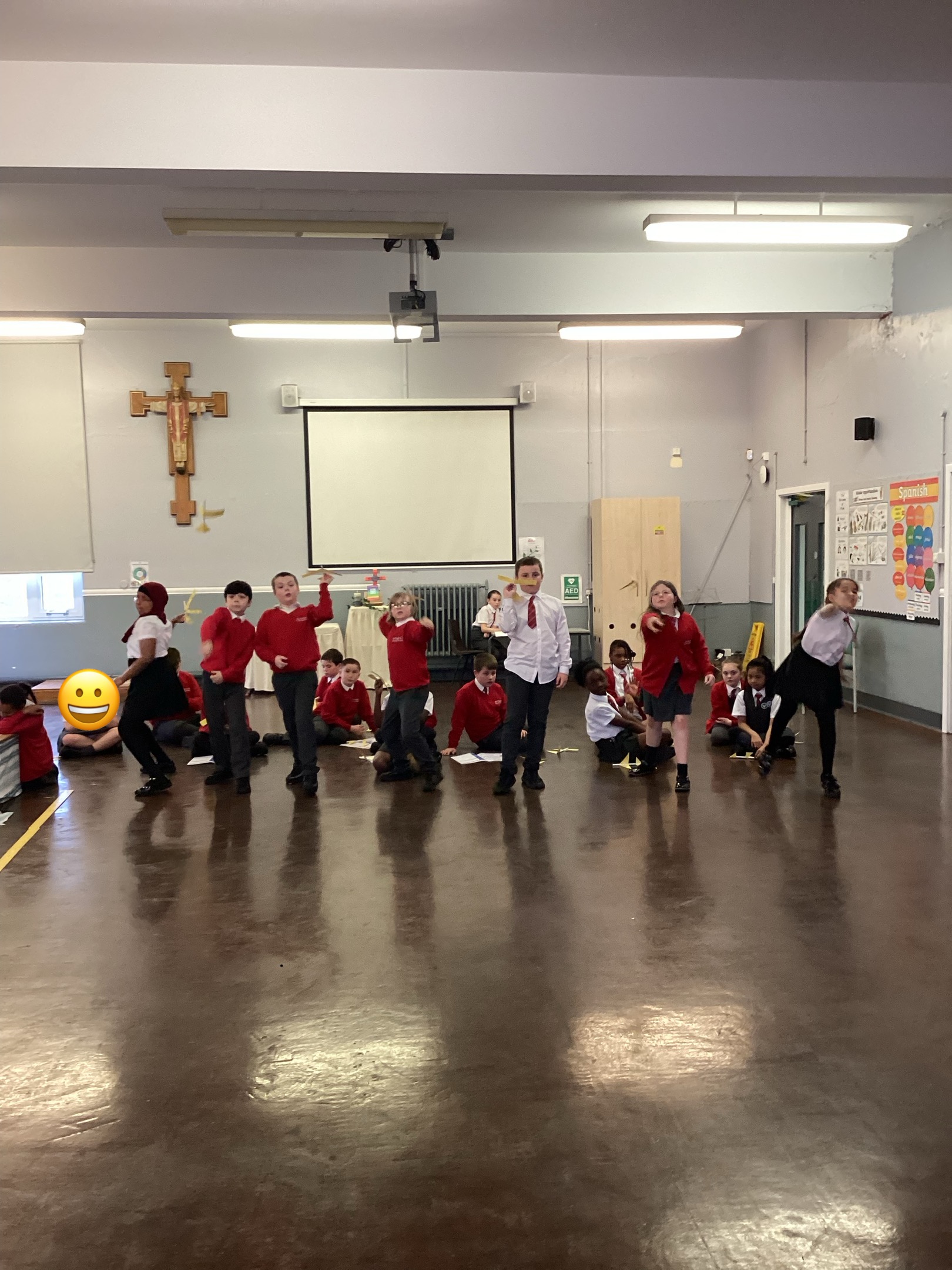
Today Year 5 were set the task of becoming engineers and creating their own gliders. First, we spent sometime designing and perfecting our gliders on paper. Then we brought them to life using card, straws, masking table and blu tac. The children were then able to test out their glider and see how far it travelled! All of year 5 were happy and excited to see their glider fly.
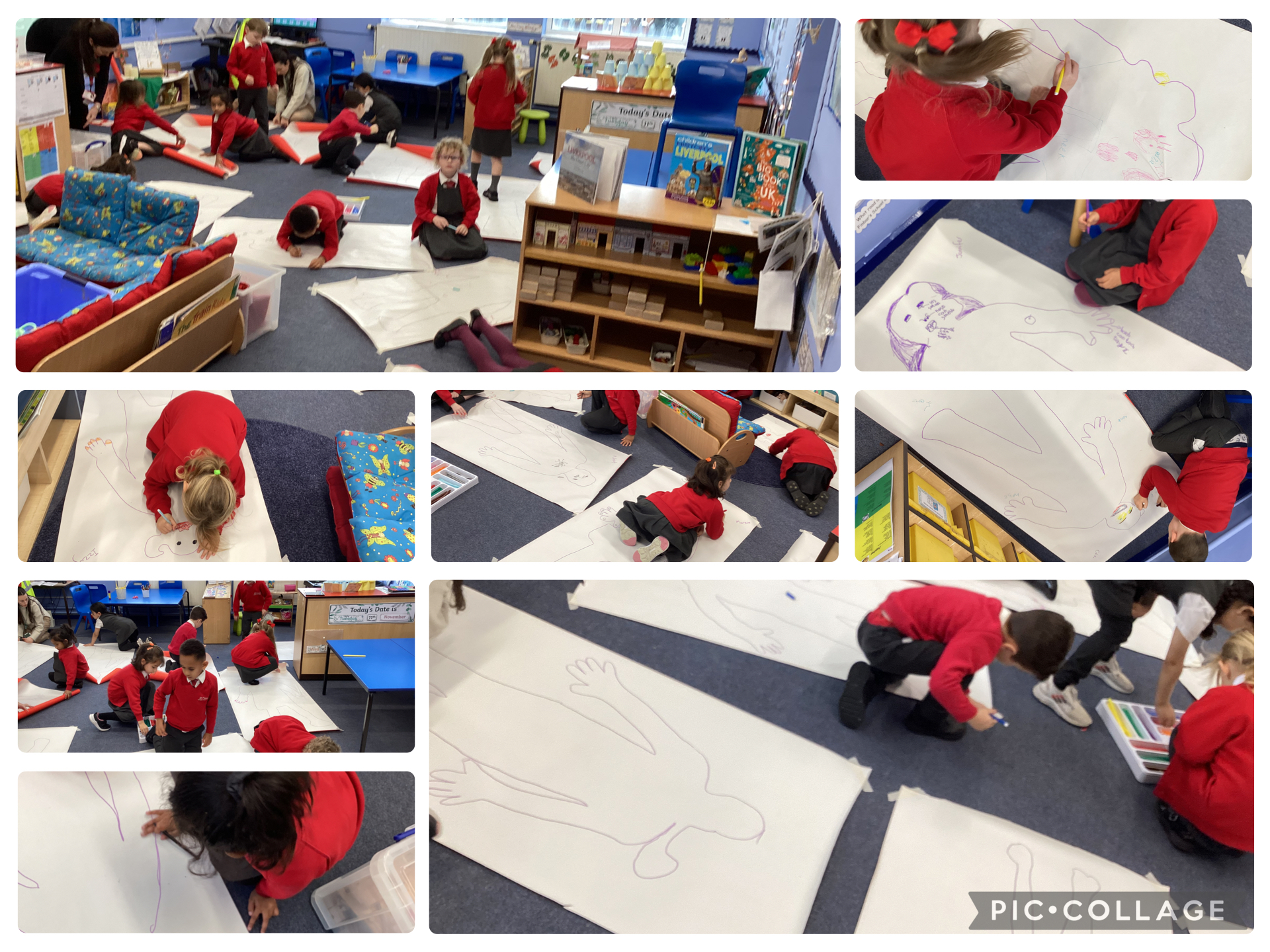
We have had a fantastic science lesson and learnt about parts of our body. We drew around our body and began labelling.
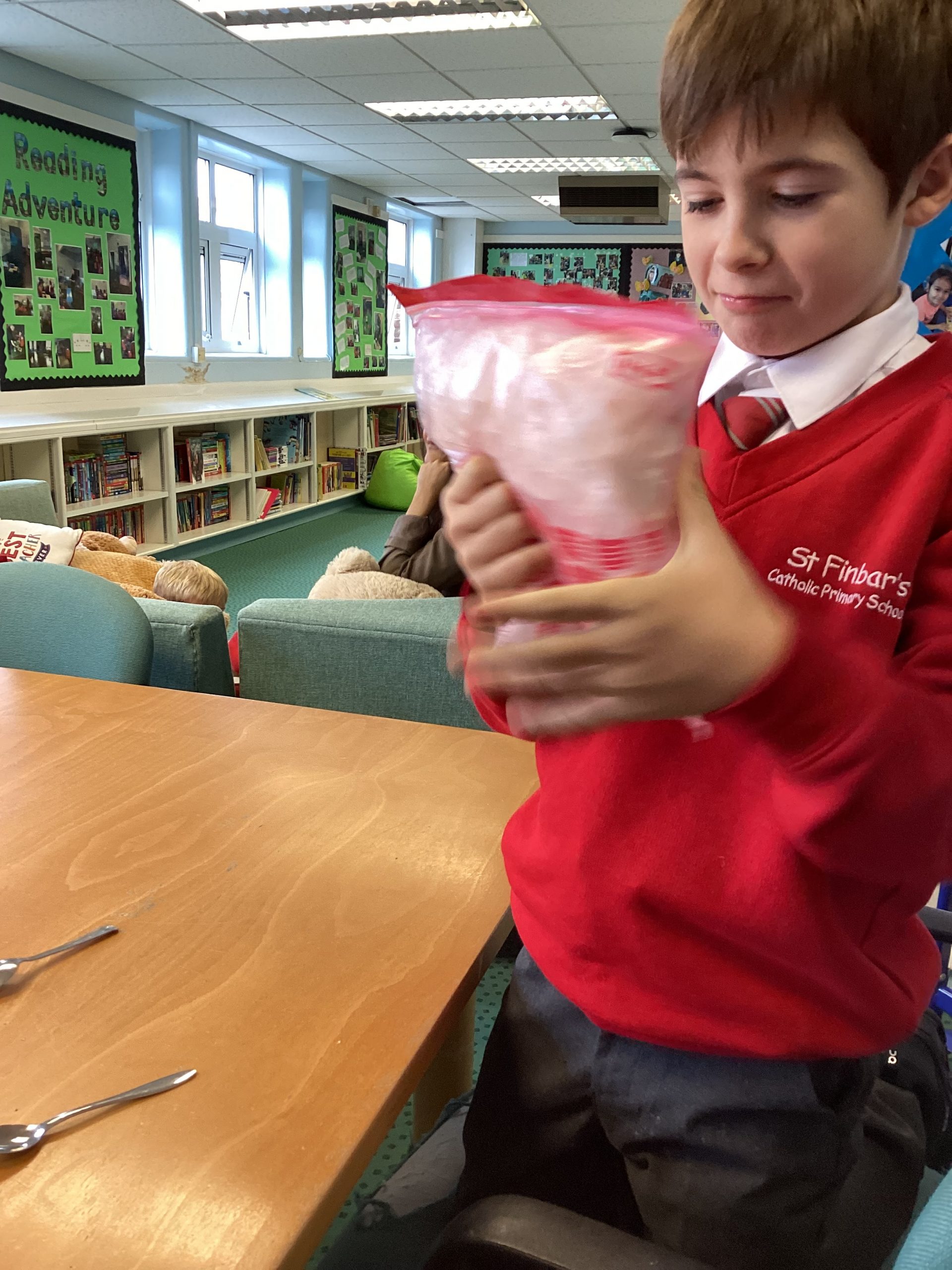
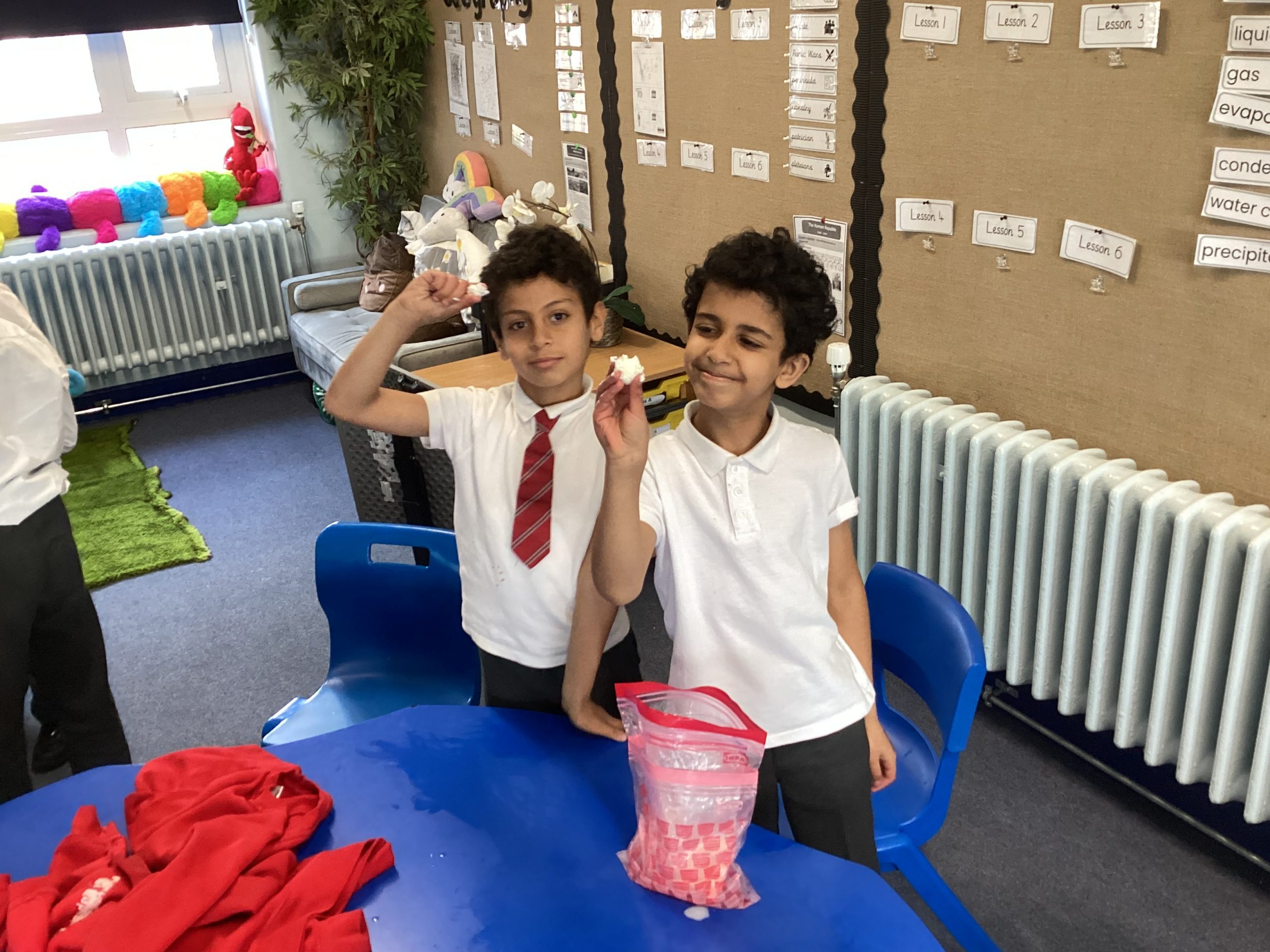
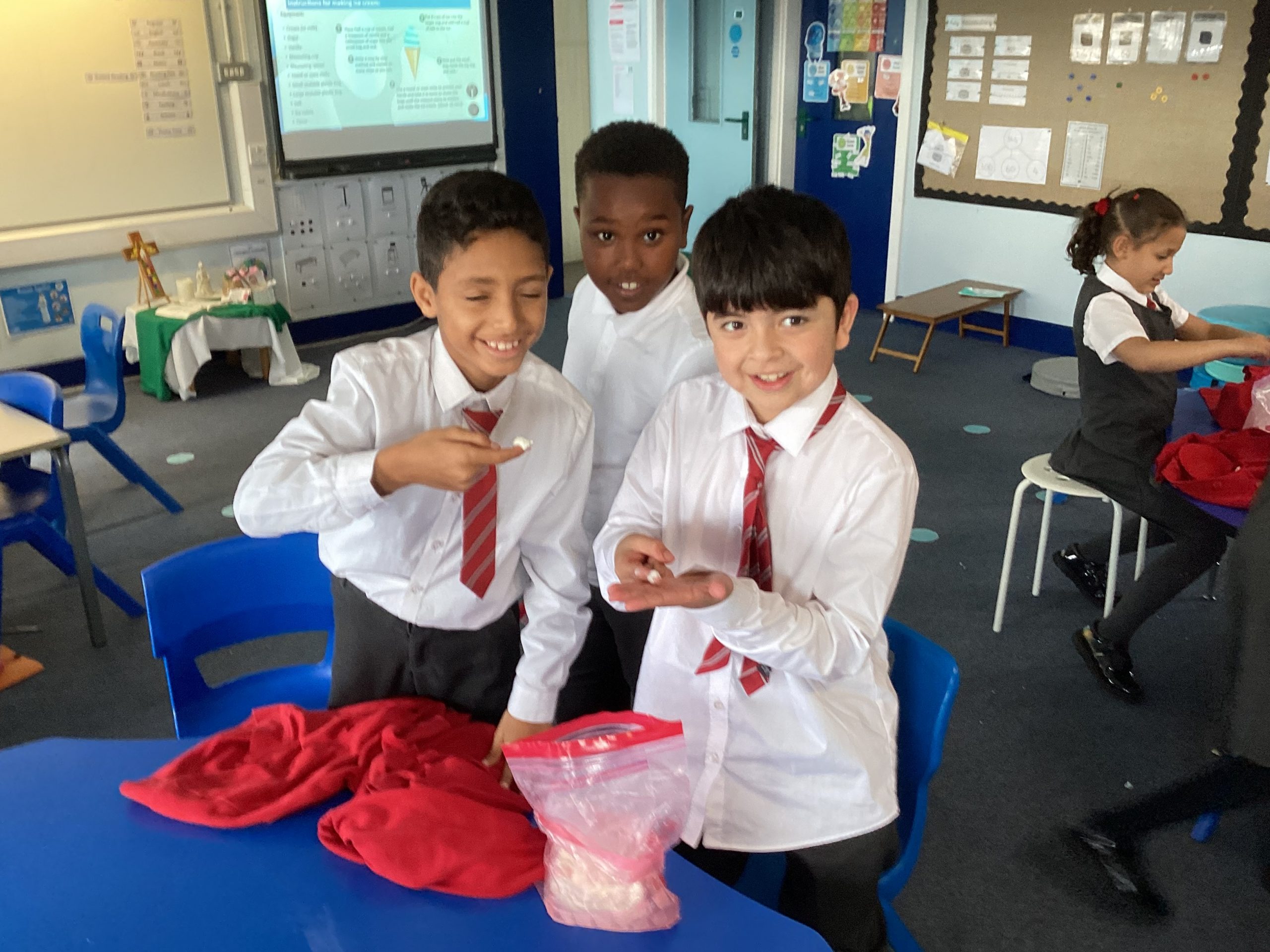
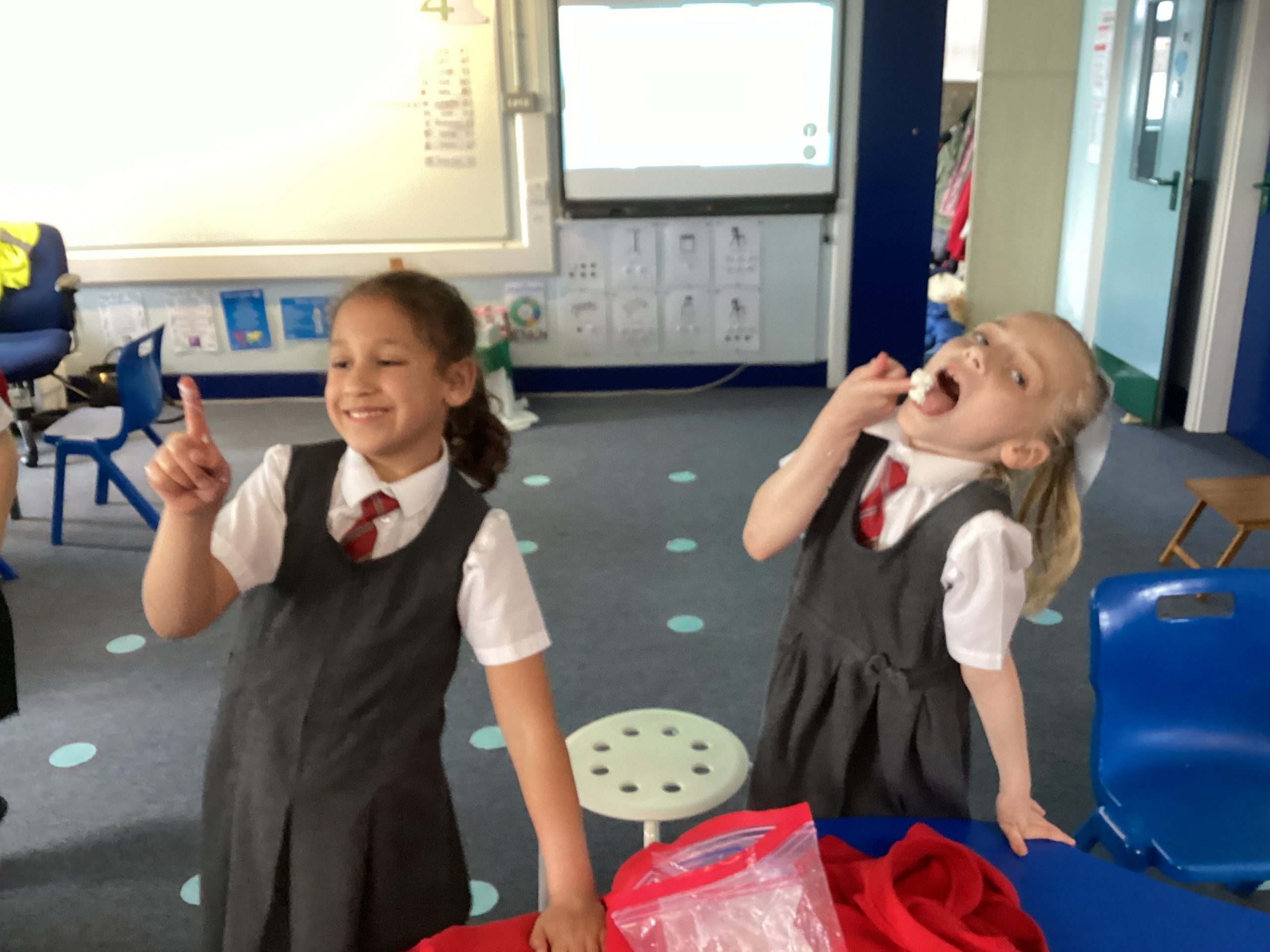
You may have heard about our exciting lesson which included making ice-cream in class! We were exploring how the change in state takes place from liquid to solid using freezing. We took milk, vanilla essence and sugar and out them in a small freezer bag. Then we put the bag inside a bugger bag filled with ice and salt. Then shook it for 10 minutes to make the state change and then we tasted our ice cream!
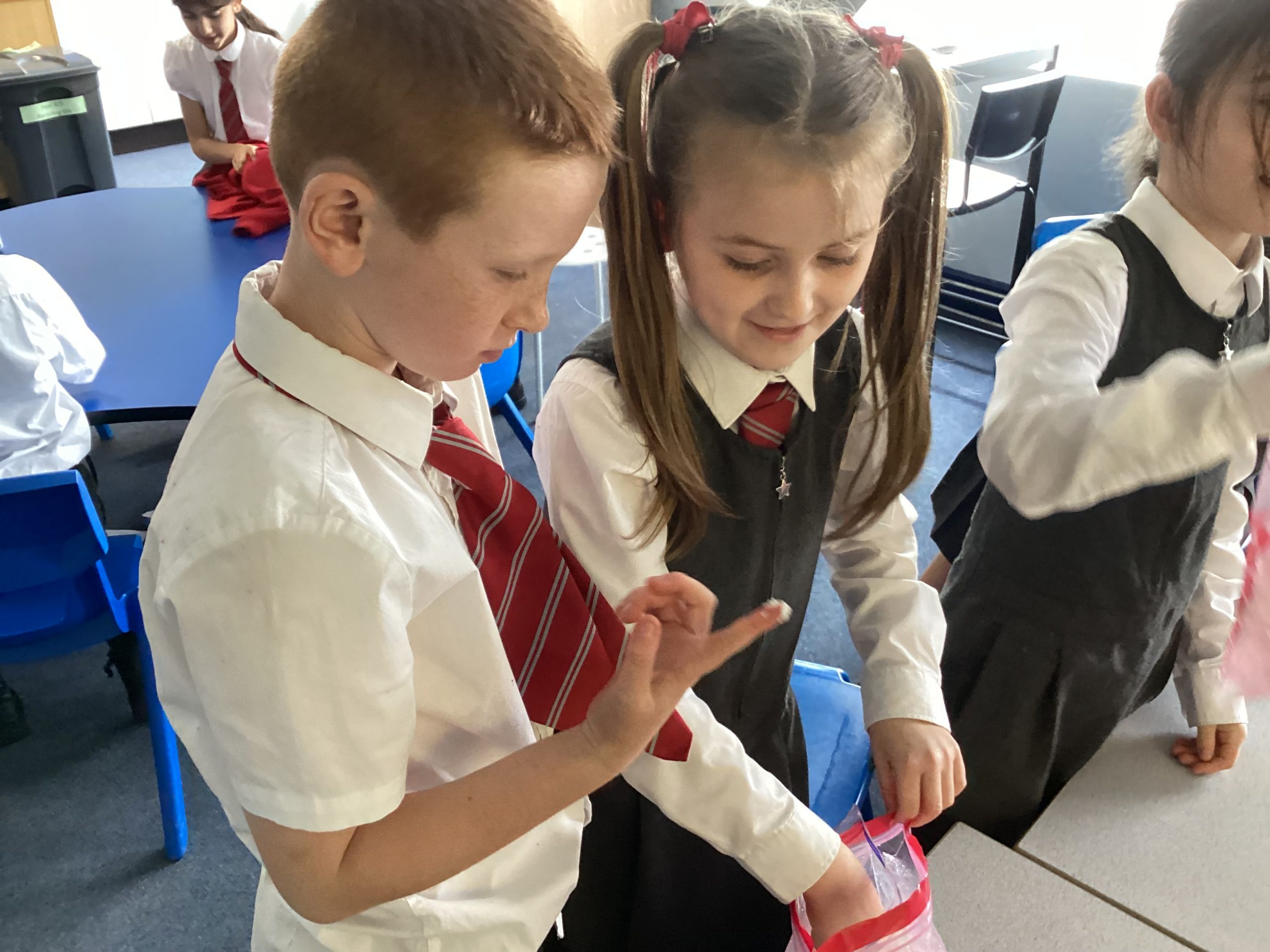
Our topic in Autumn 1 was states of matter and in this lesson we were looking at the rate of ice melting. We discussed how ice is a solid and it changes state to liquid when it melts. Then we set up an investigation looking into whether adding water with salt, baking soda and sugar could slow down or speed up the rate of melting. Our conclusion was that salt was the one that slowed down the rate of melting the most.
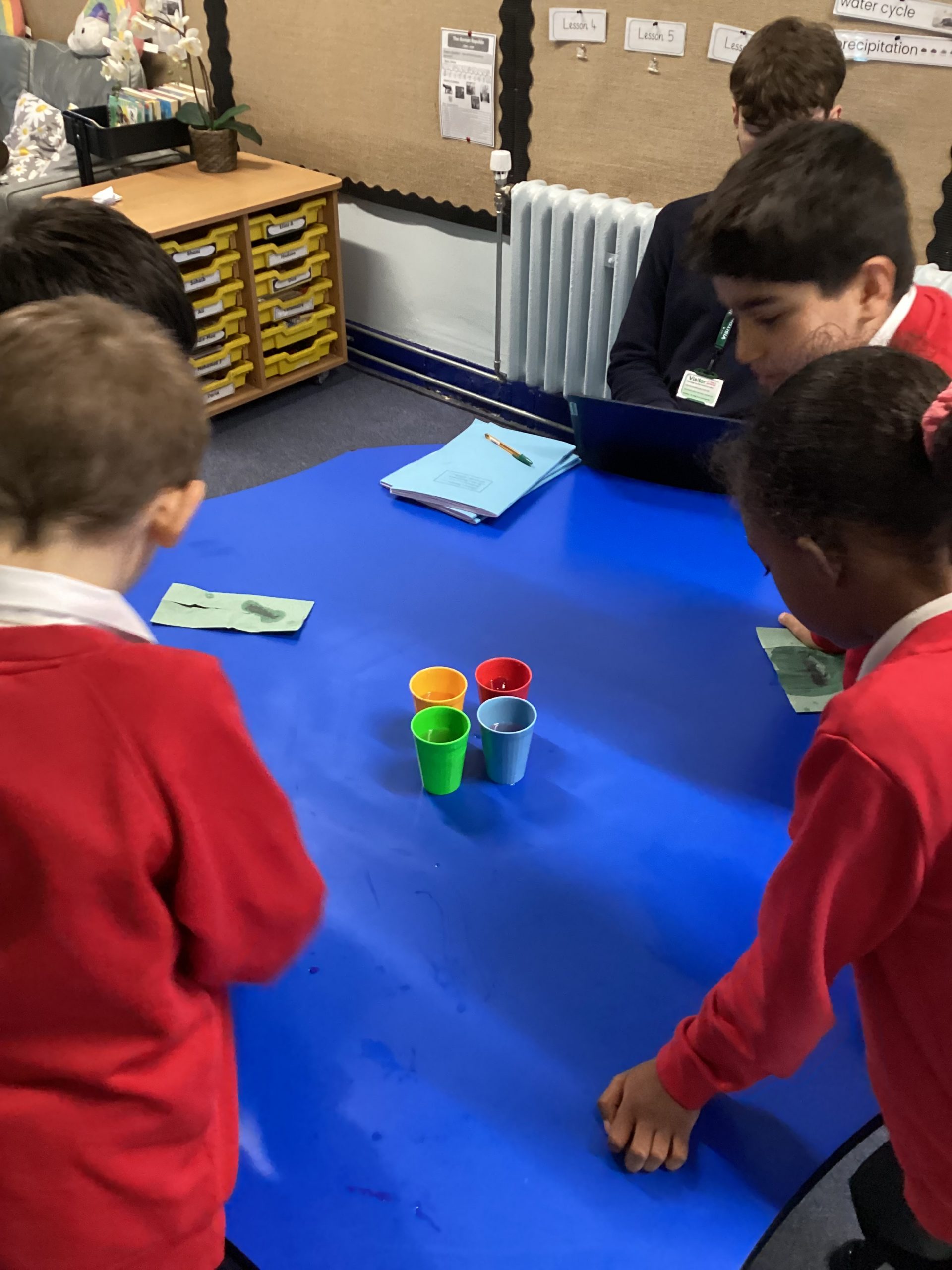
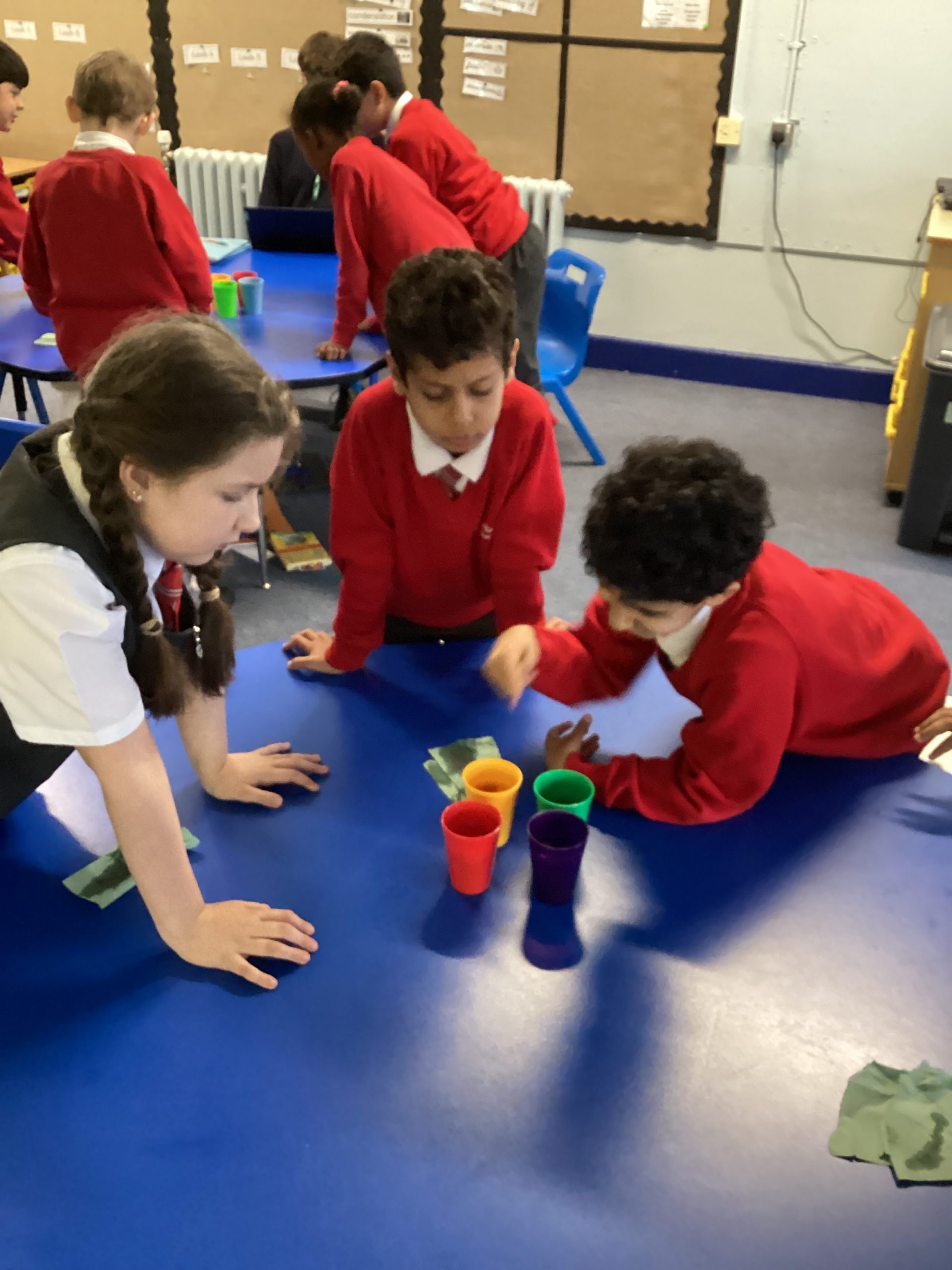
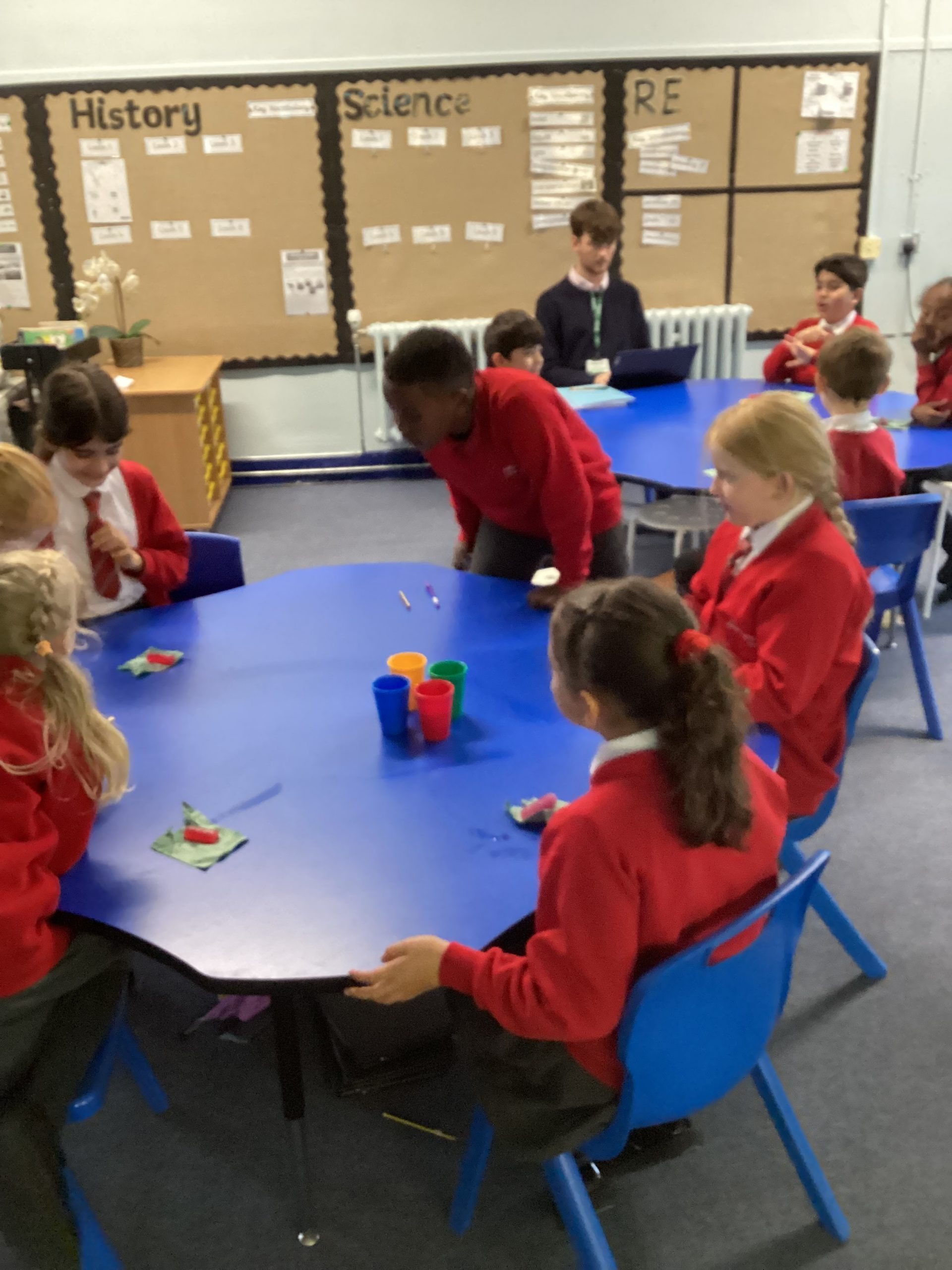
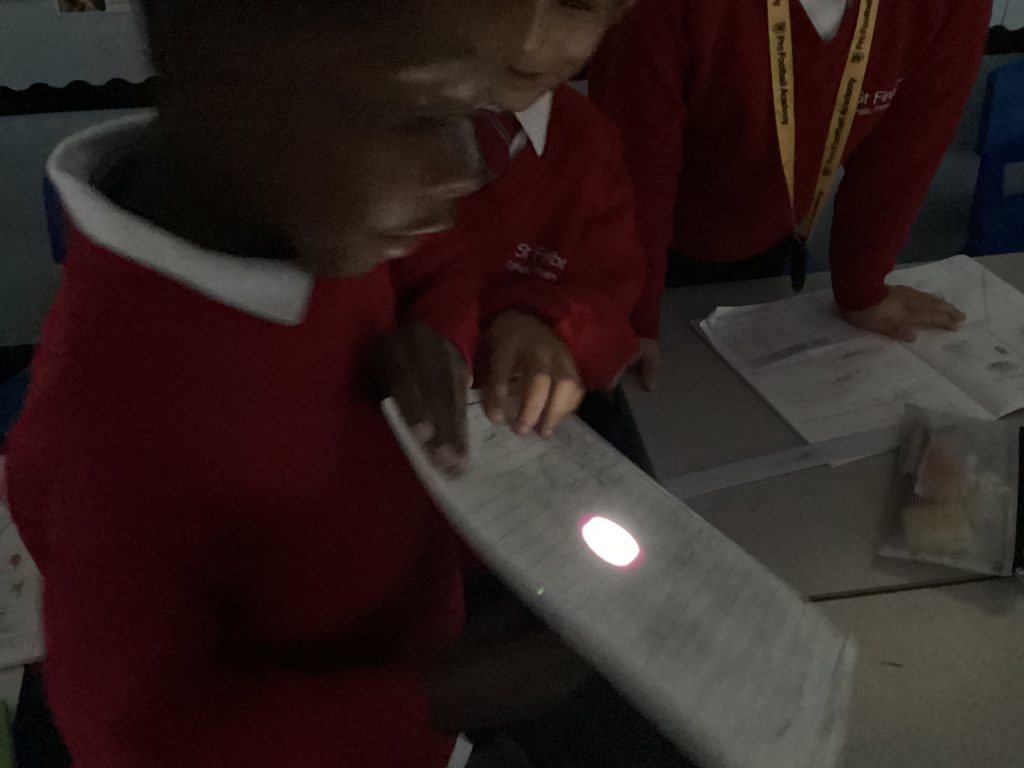
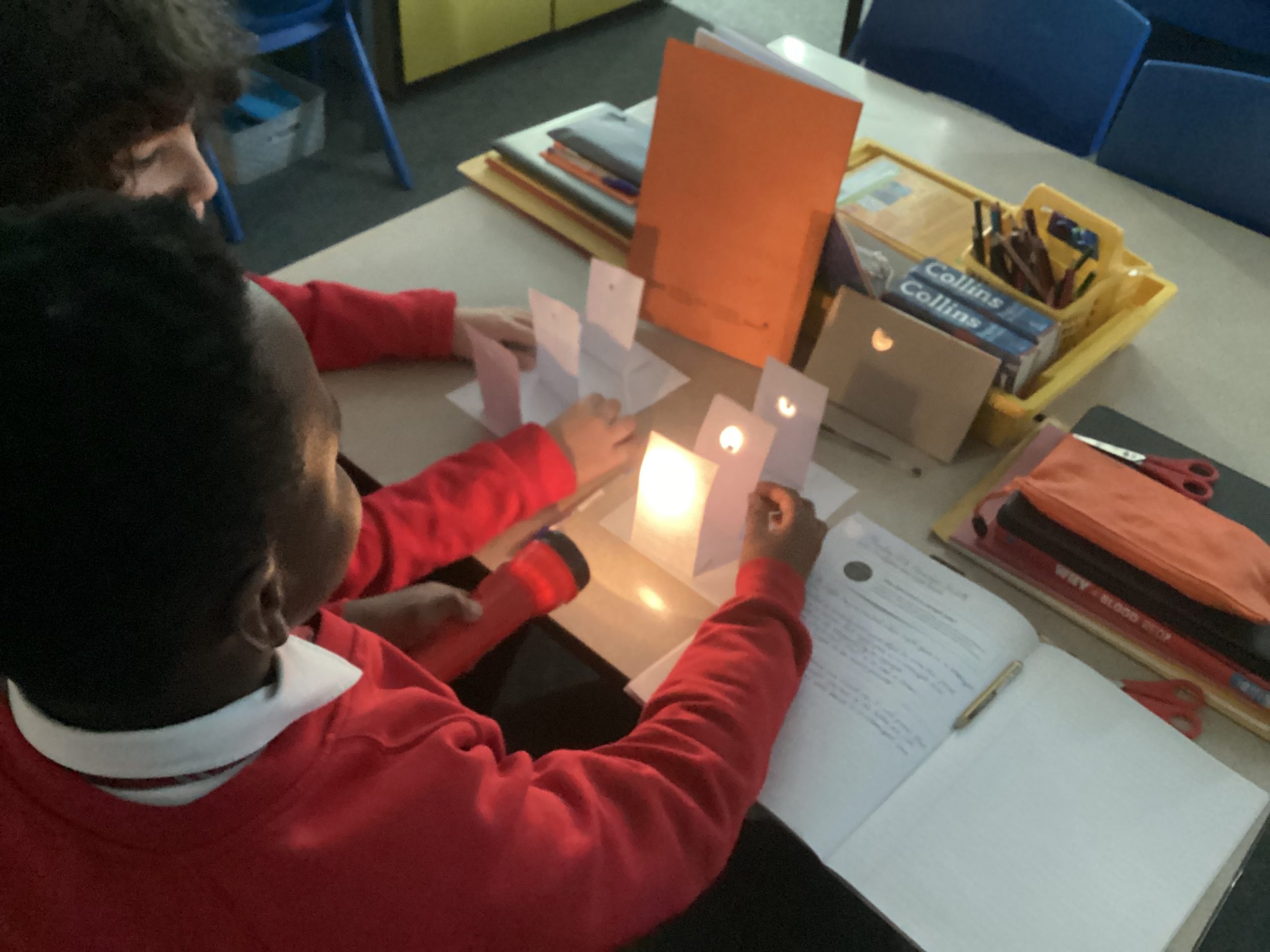
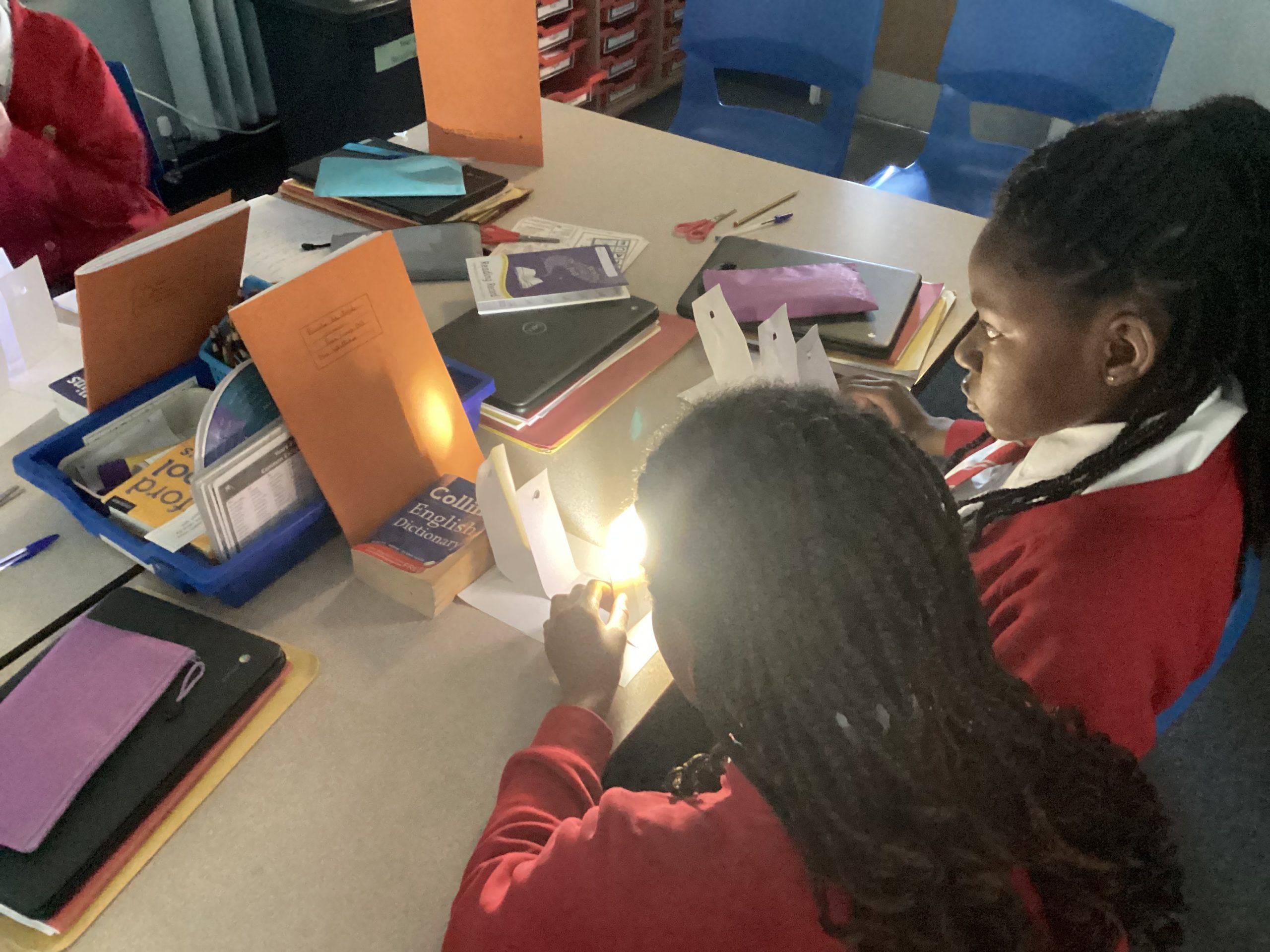
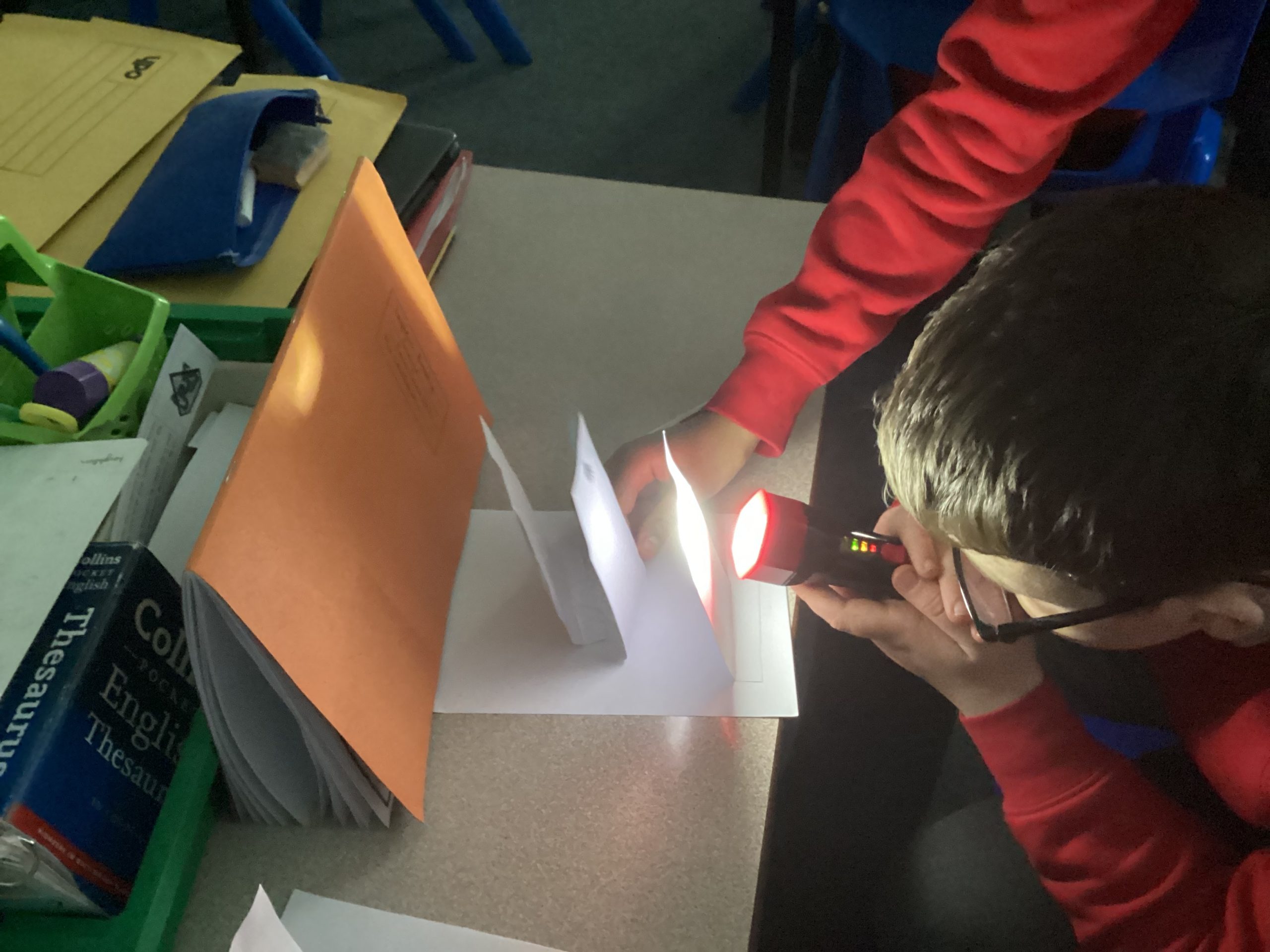
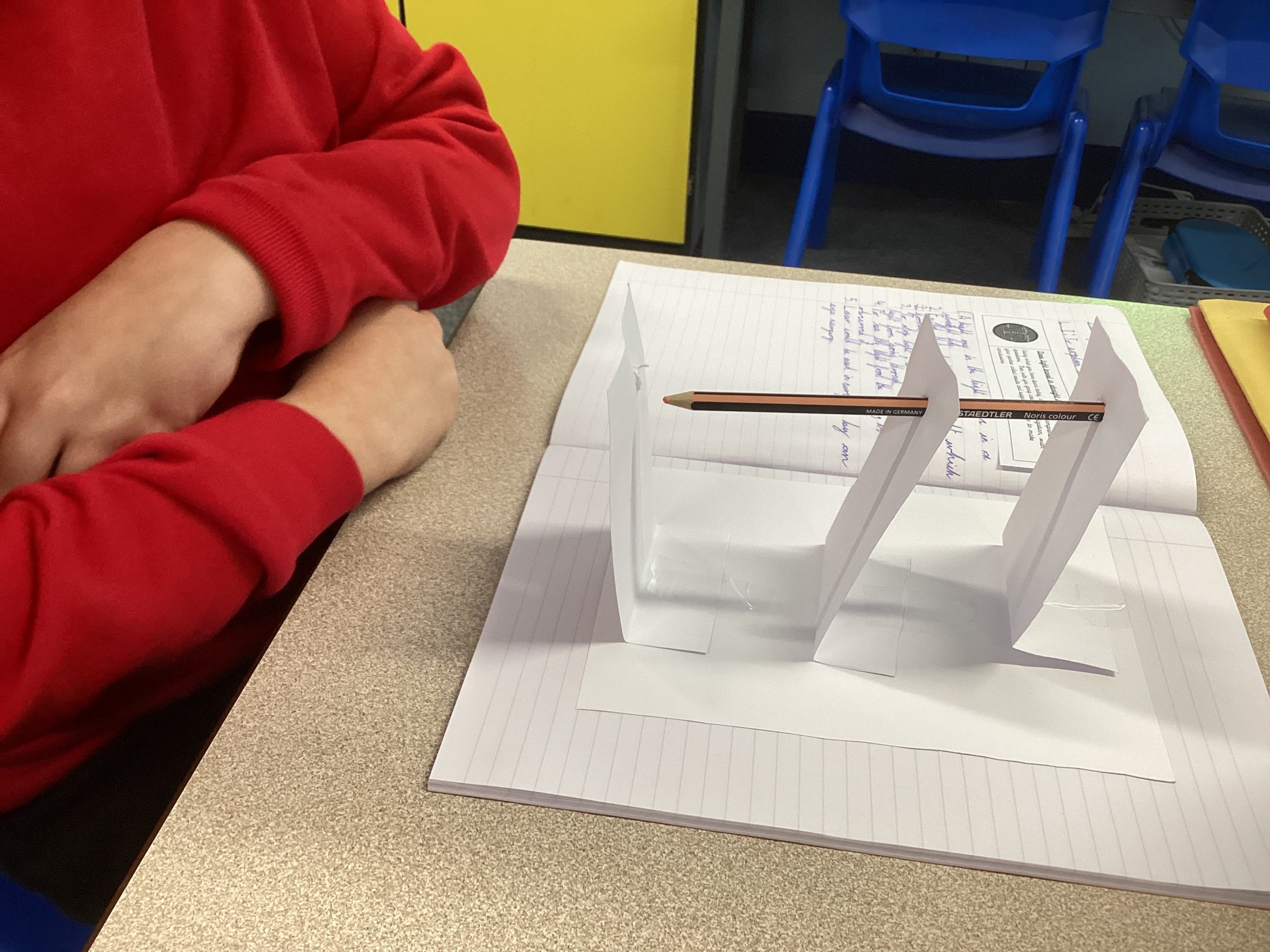
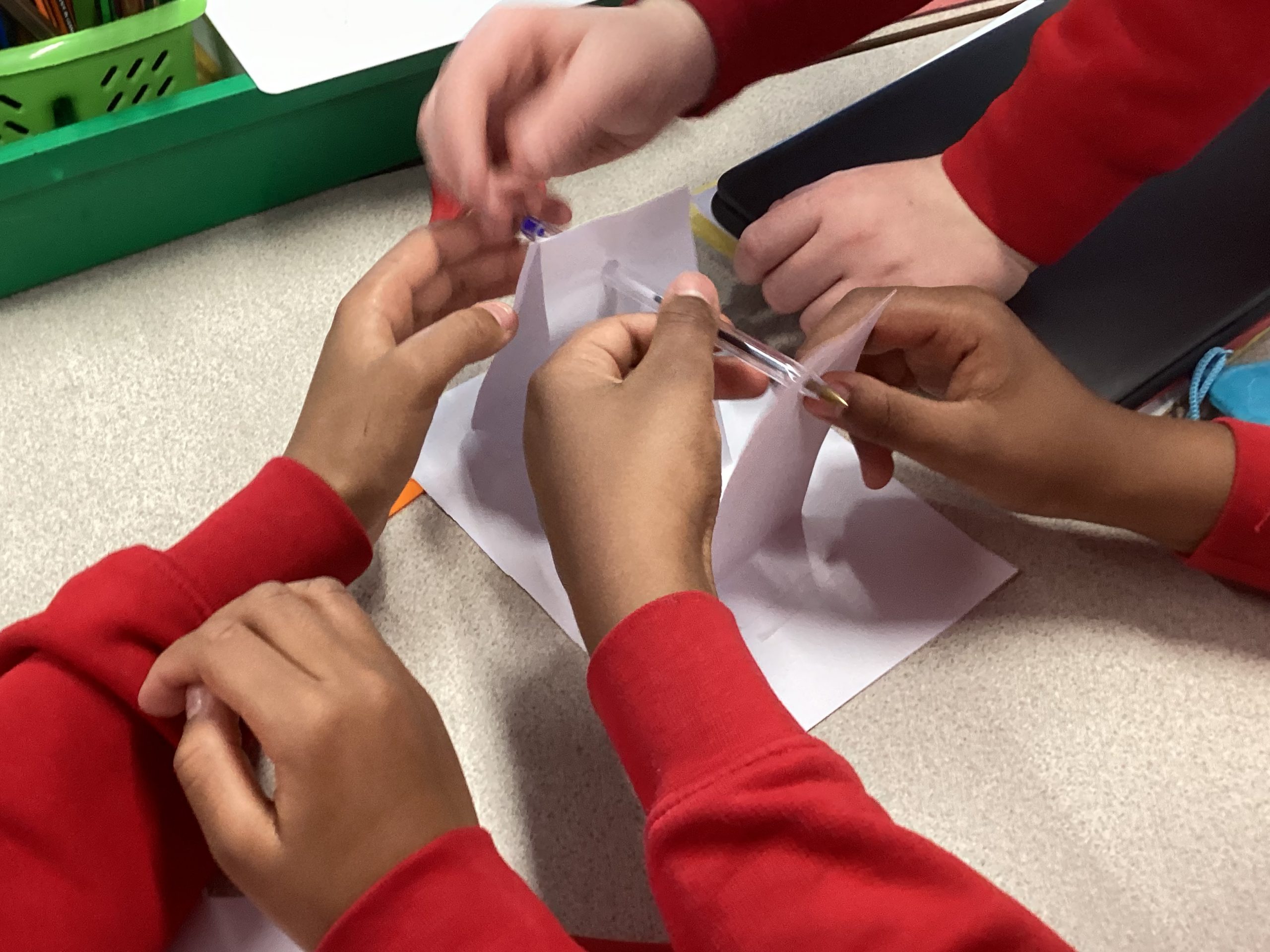
Today was the first lesson diving into the scientific world of light since we were in Year 3. We deceased how rays light travels in straight lines. Our investigation let us see this in action with most of the children managing to shows us how light would travel through the wholes the card was in a straight line. For those who it didn’t work for, this also showed us that if light is blocked the light will not travel through the card.
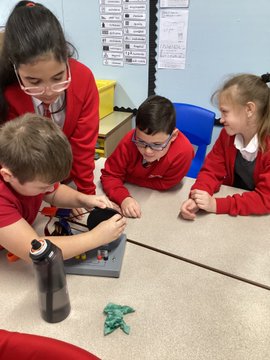
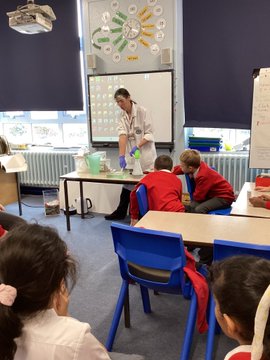
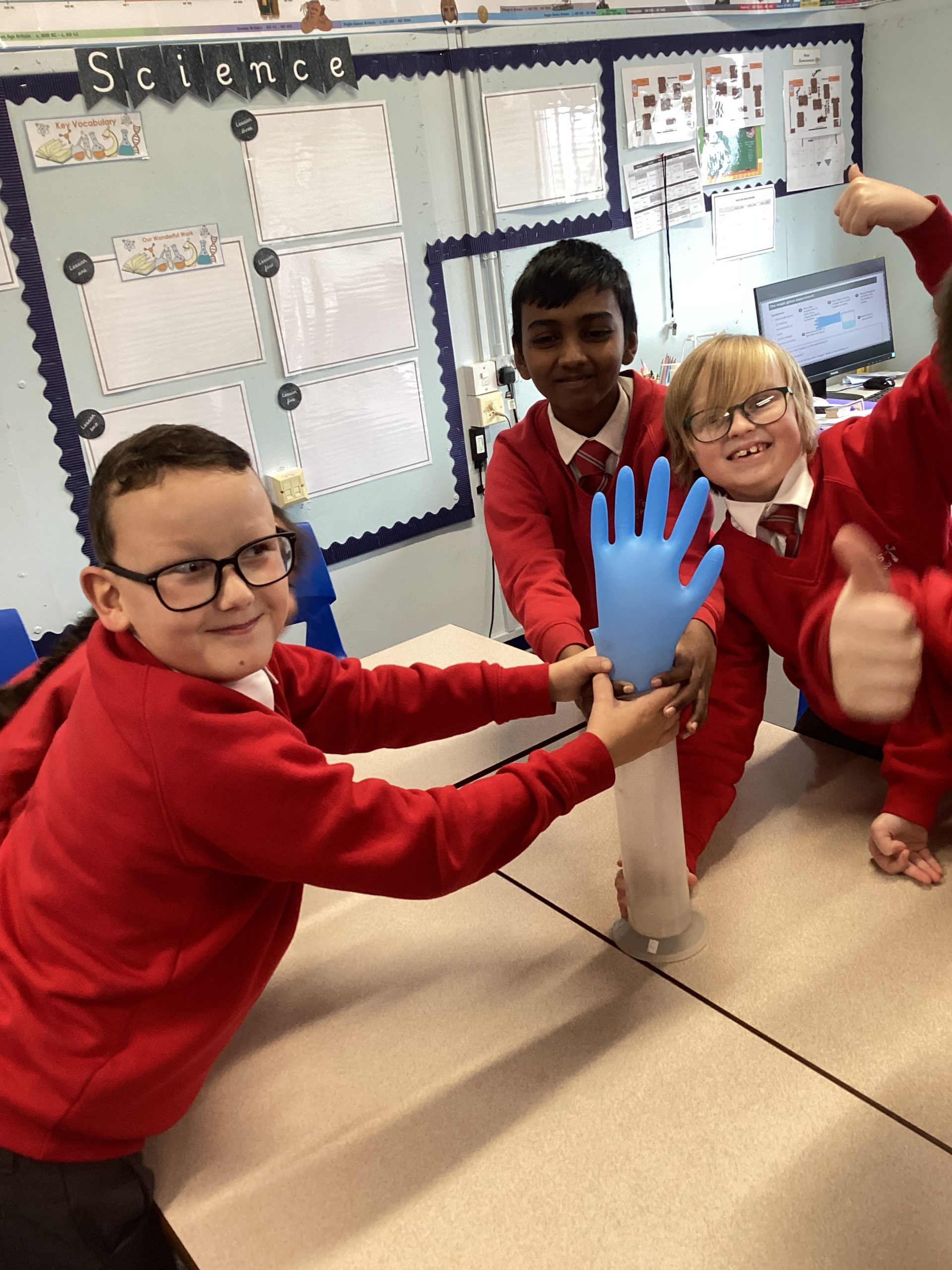
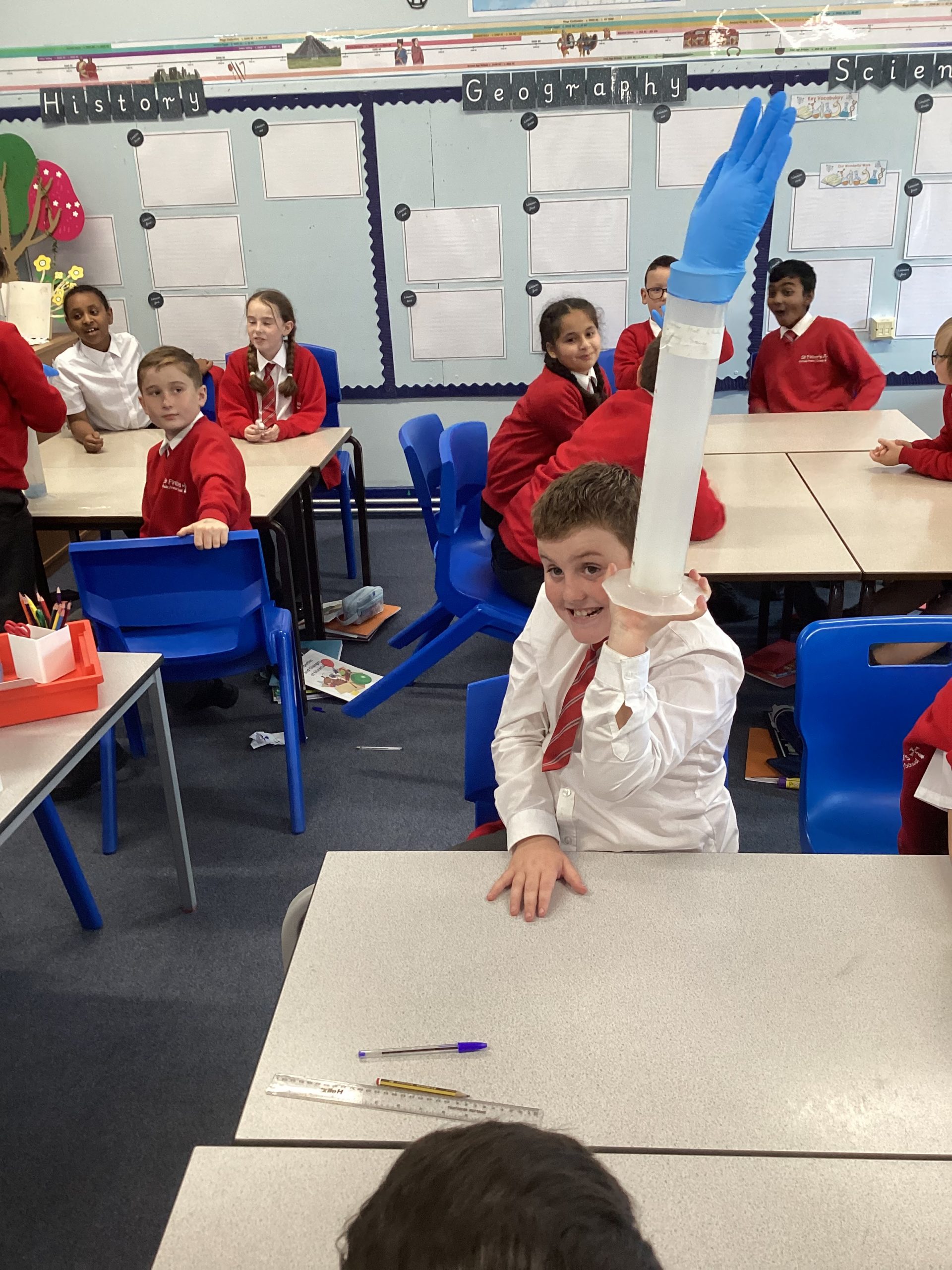
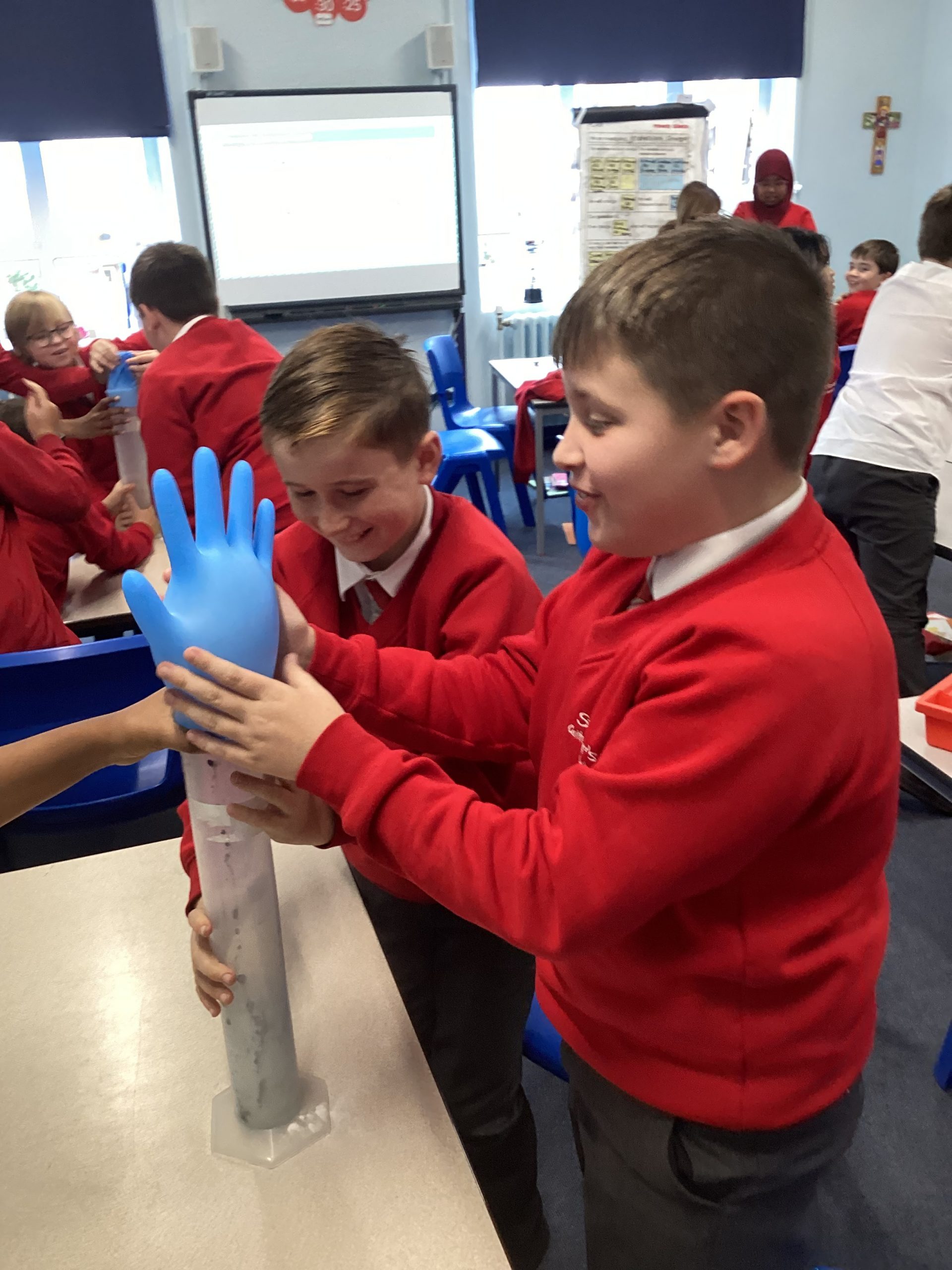
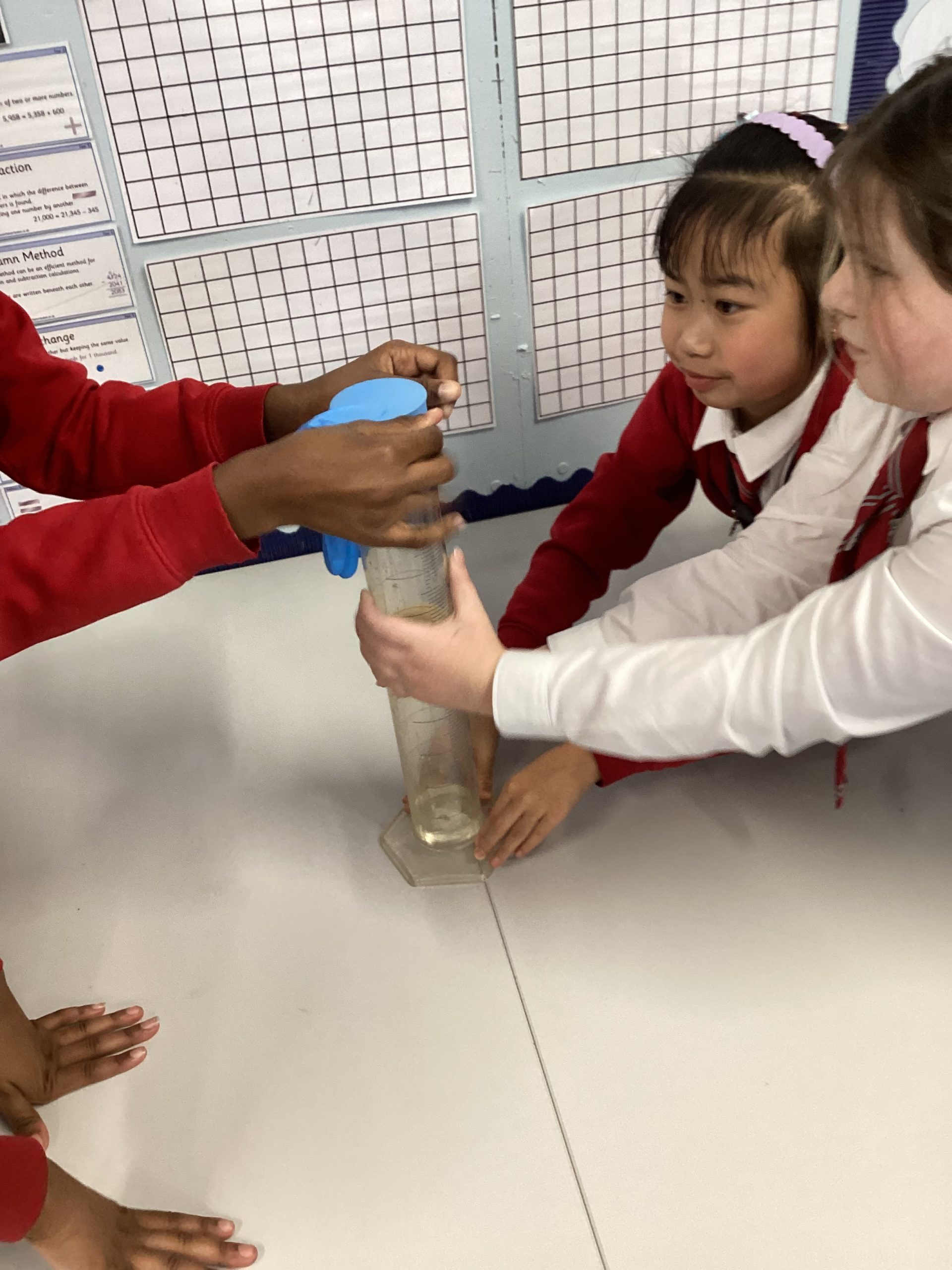
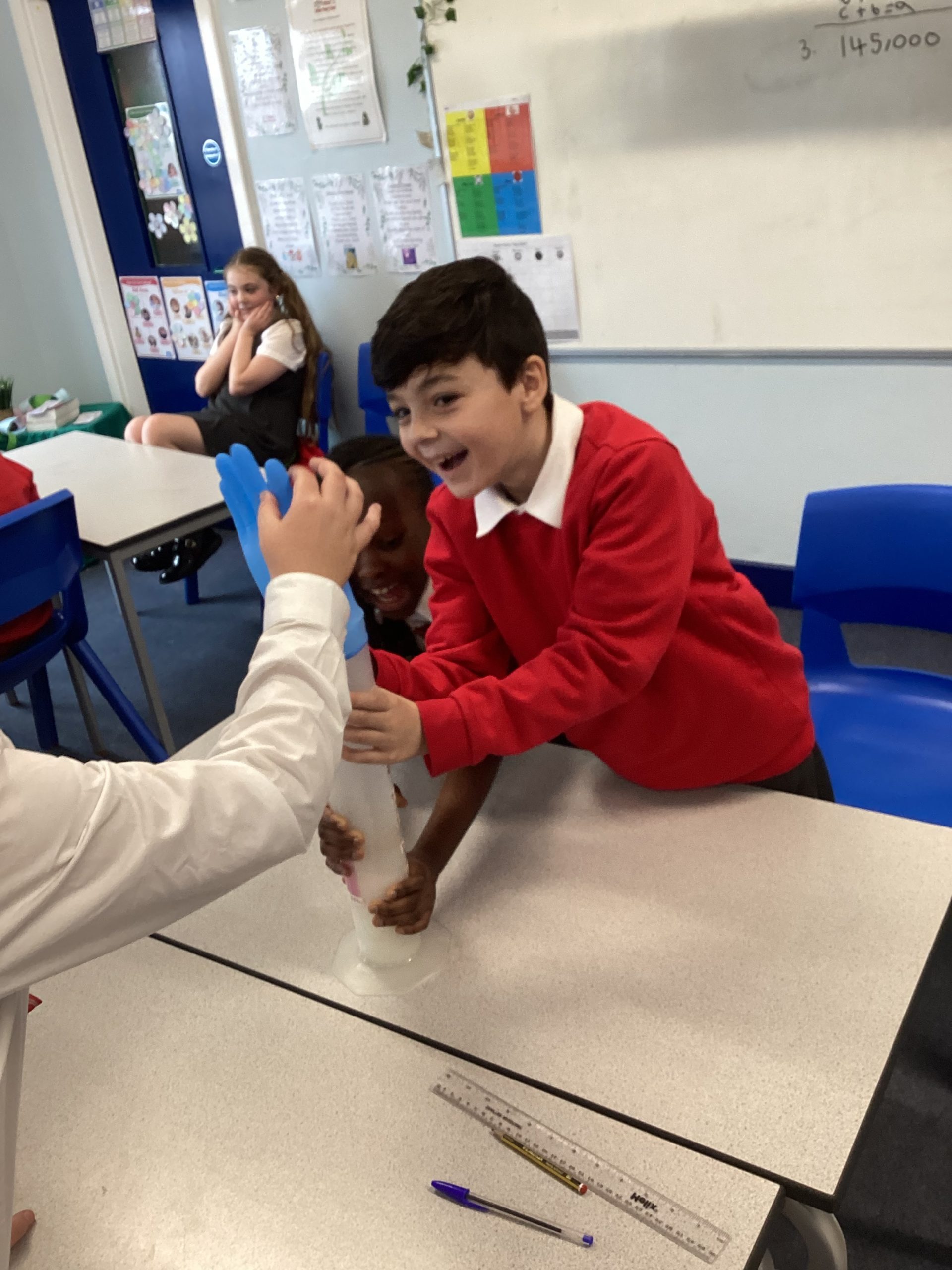
In Science we carried out an investigation to look at irreversible changes. Year 5 mixed bicarbonate of soda with vinegar and placed a glove over the top. They watched the hand come alive, as the bicarbonate of soda and vinegar mixed, creating carbon dioxide. We were all very excited with the results!
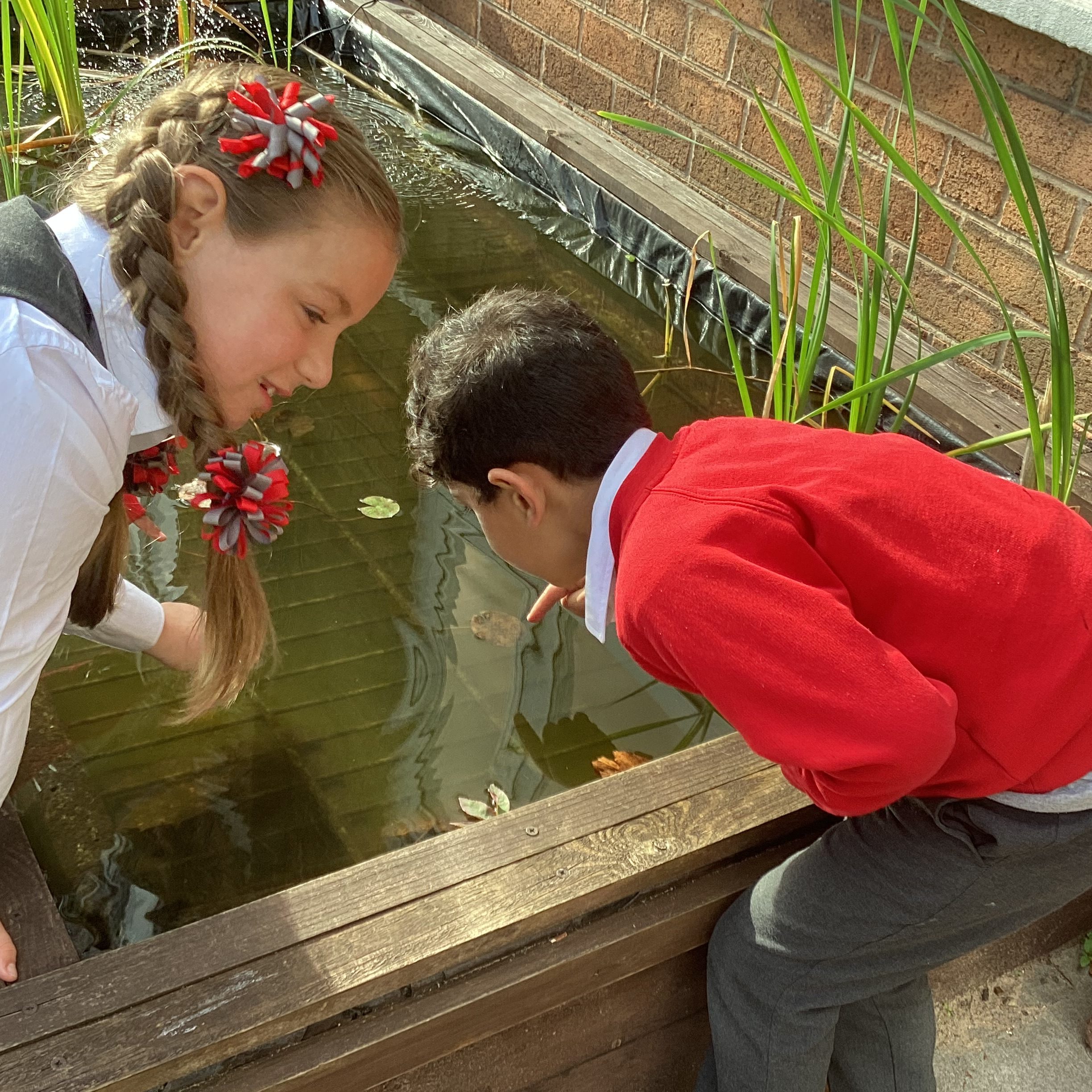
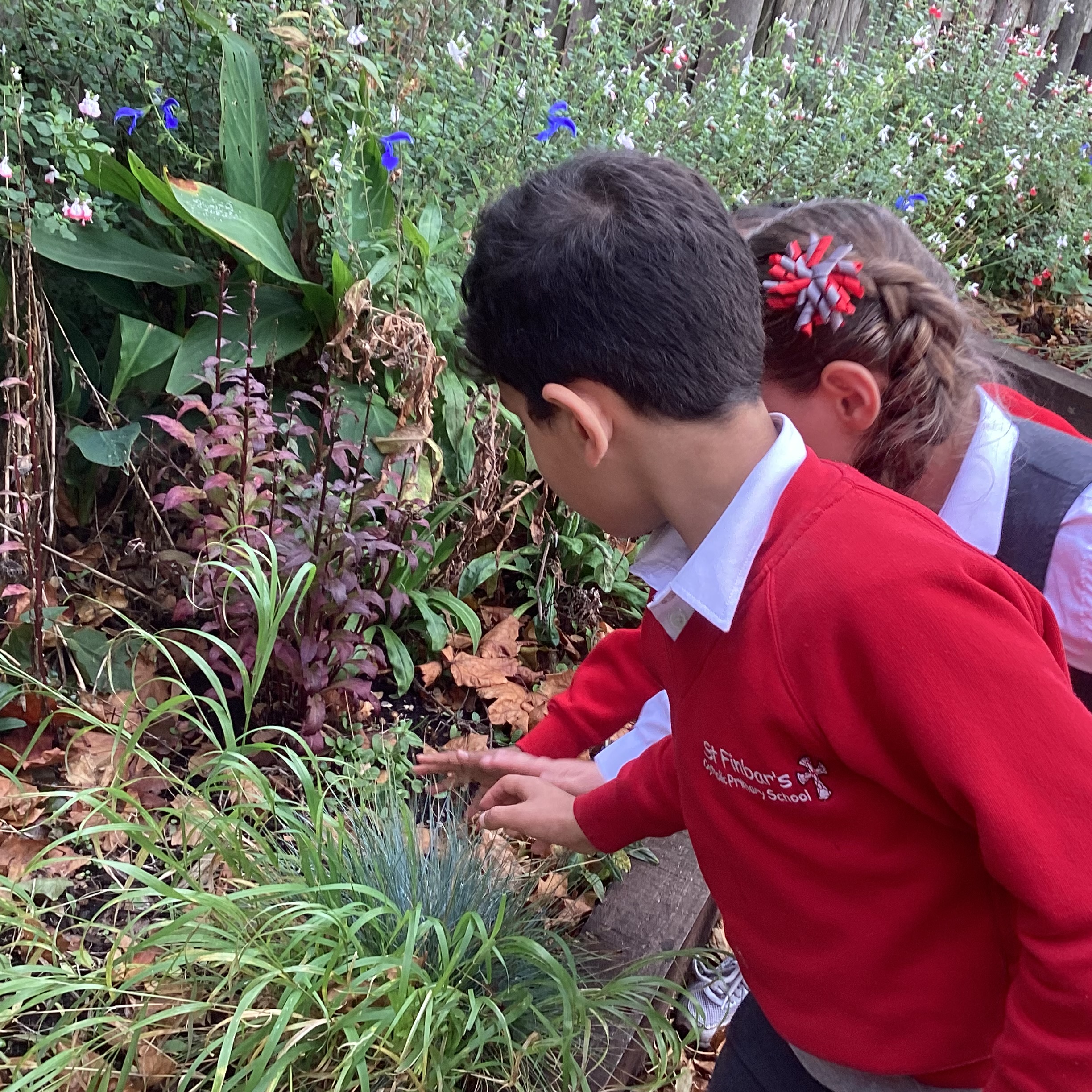
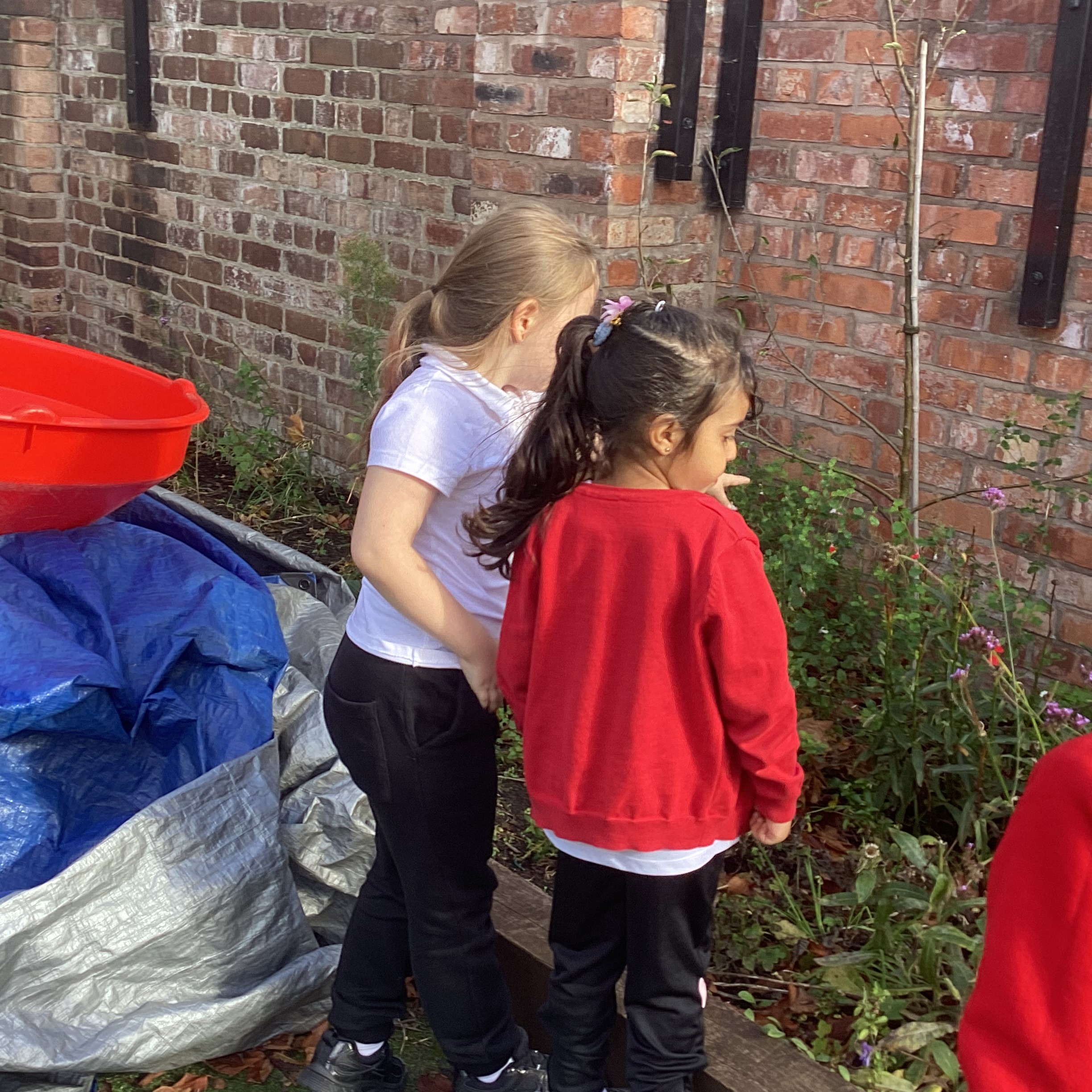
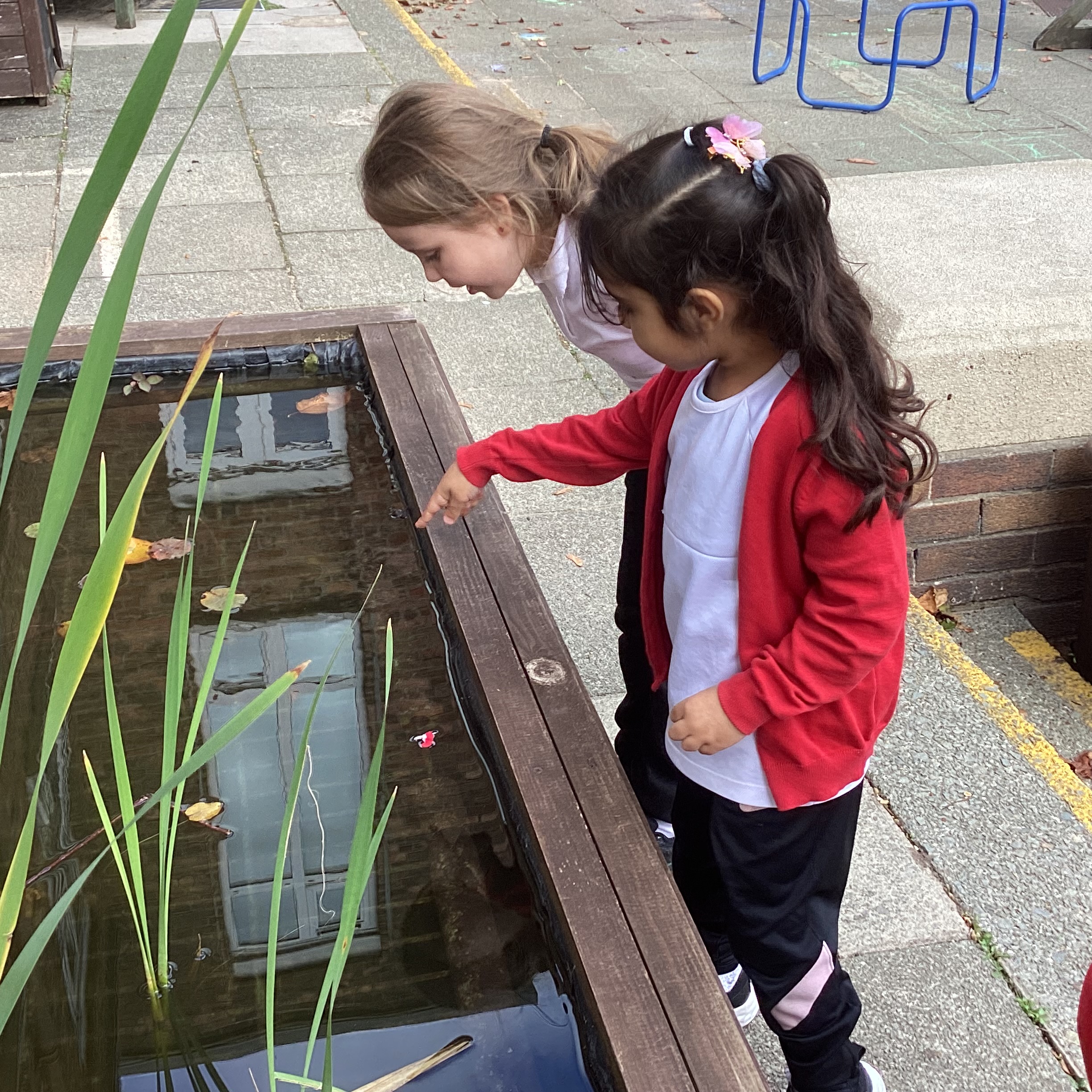
Today, we had a lovely time in our school garden, looking at the vibrant features of God’s creation and His beautiful creatures which he made. We looked at the fish and their stripes, we looked at the delicate features on leaves and we talked about how each plant is so unique.

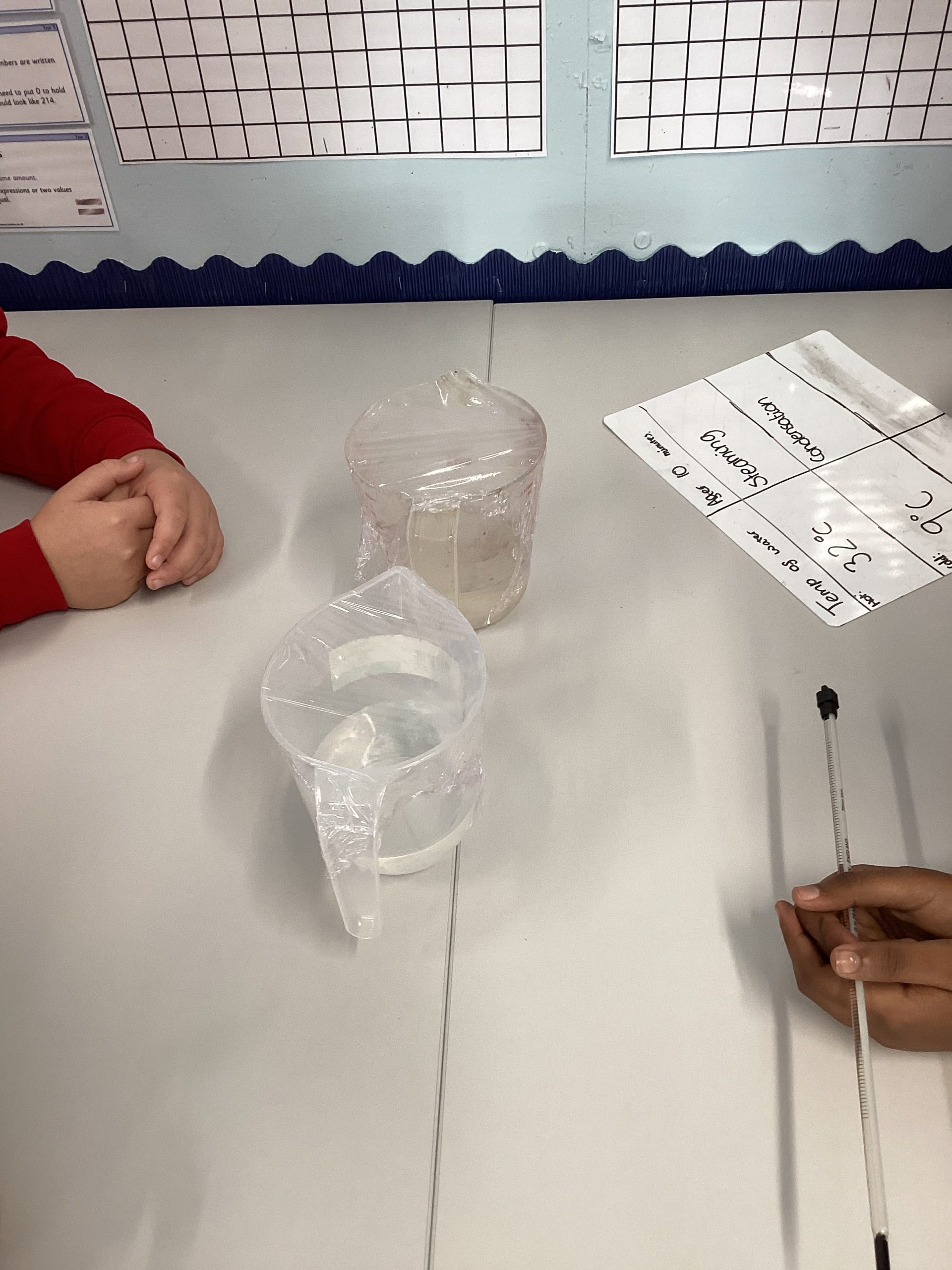
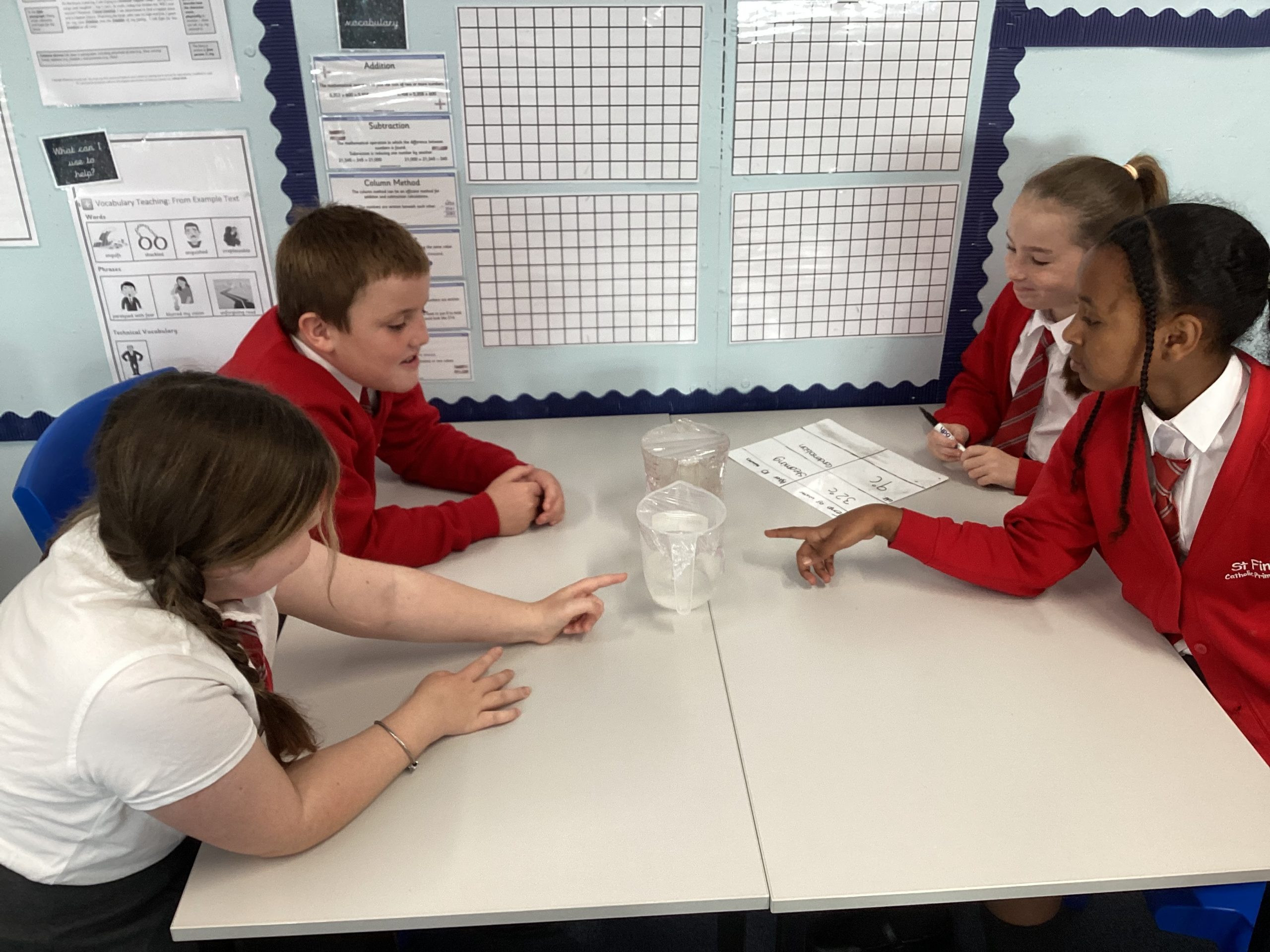
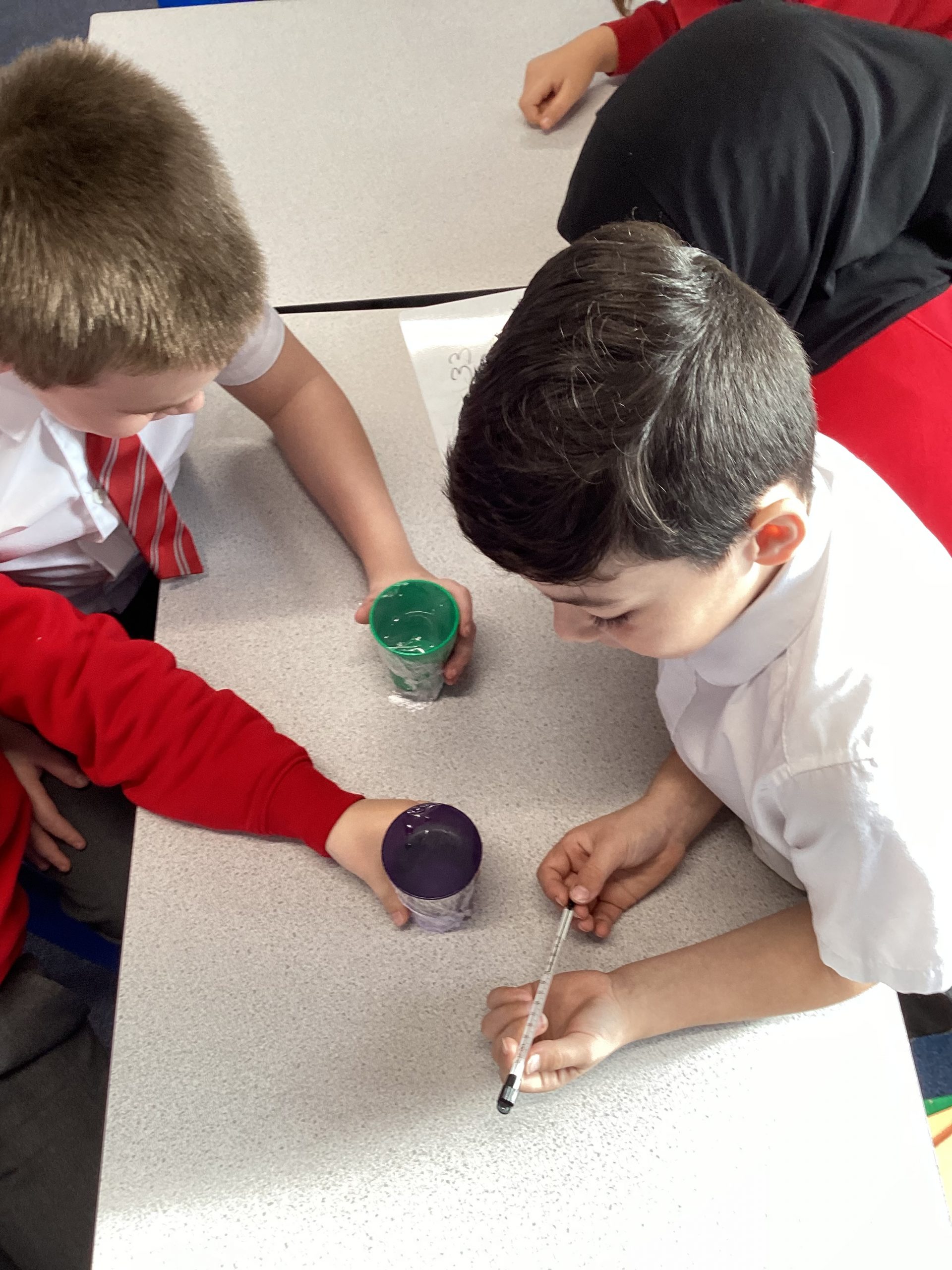
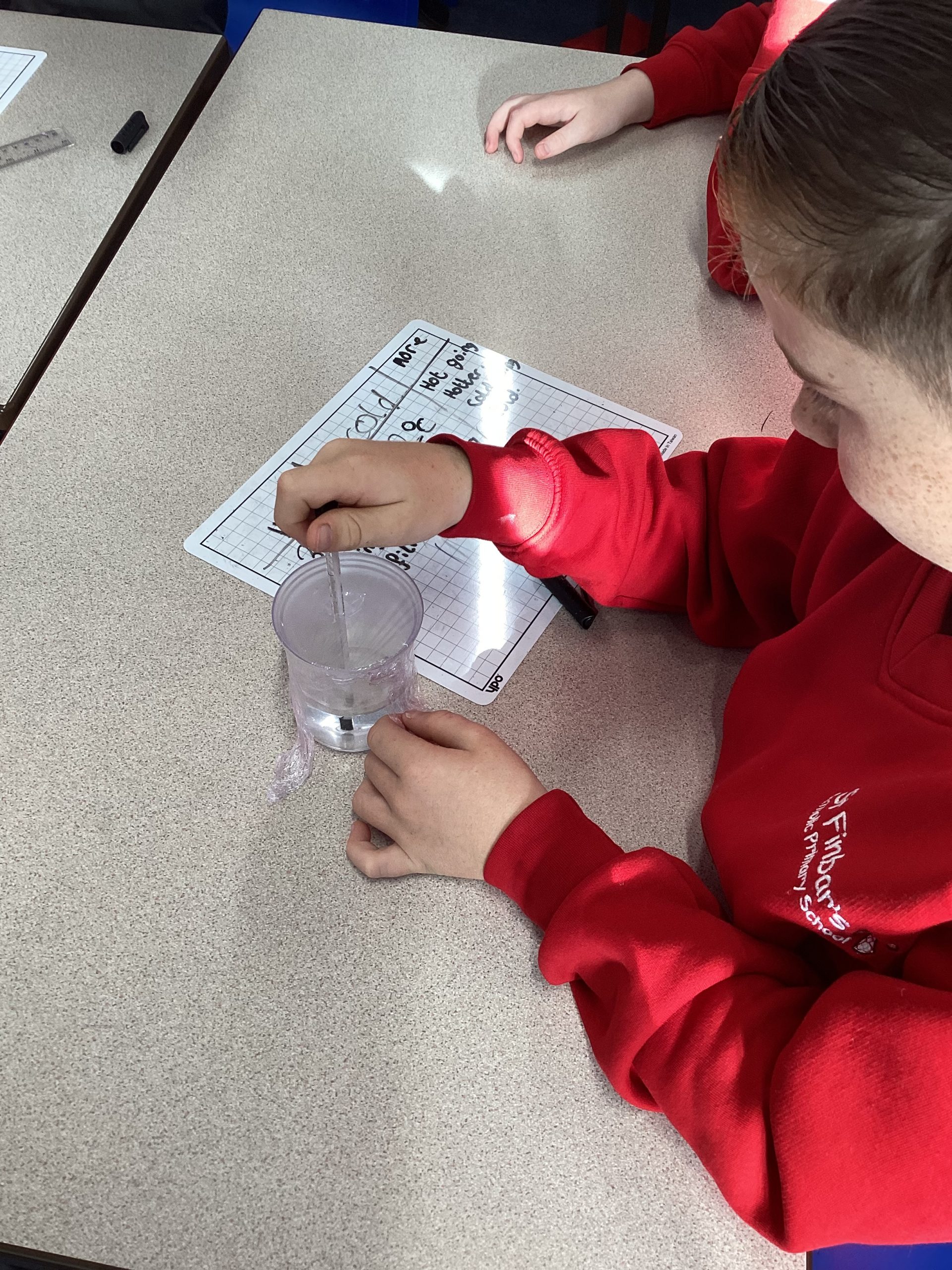
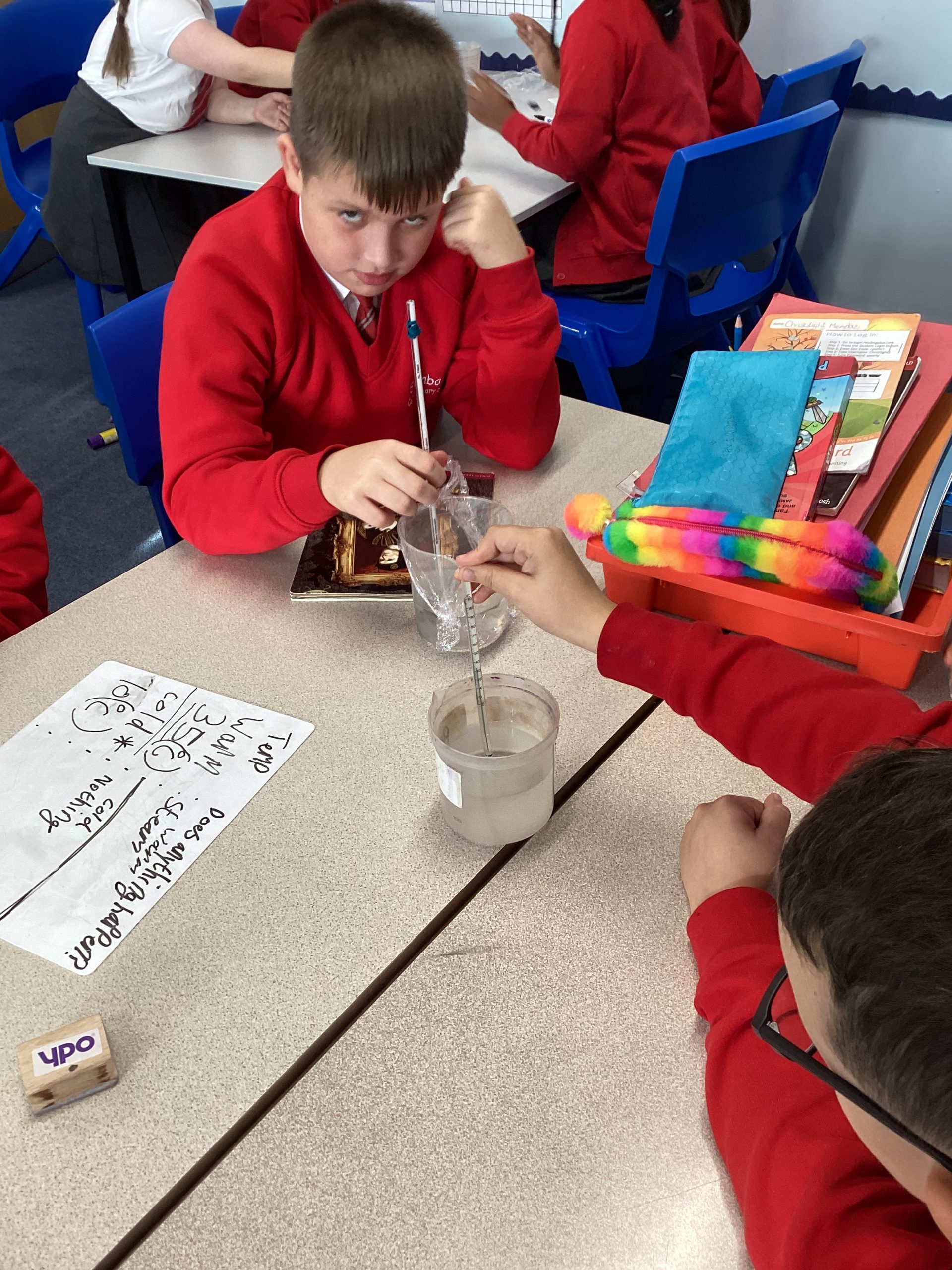
In Science, we have been looking at properties and changes of materials. We carried out an investigation to see how water can change state. Year 5 discovered that water is an example of a reversible change, because it can be reversed by adding or removing heat.
During this lesson, we invested the components and their roles within the blood. Each group was faced with four patients – someone who was fighting an infection; someone who has a cut; someone who has been exercising and someone who is healthy.
Looking at the platelets, white blood cell, red bloods and plasma each group managed to work out who was who.
940
Ask us all about our learning. Each part represented the heart, blood vessels, values and cardiac muscles but which is which?
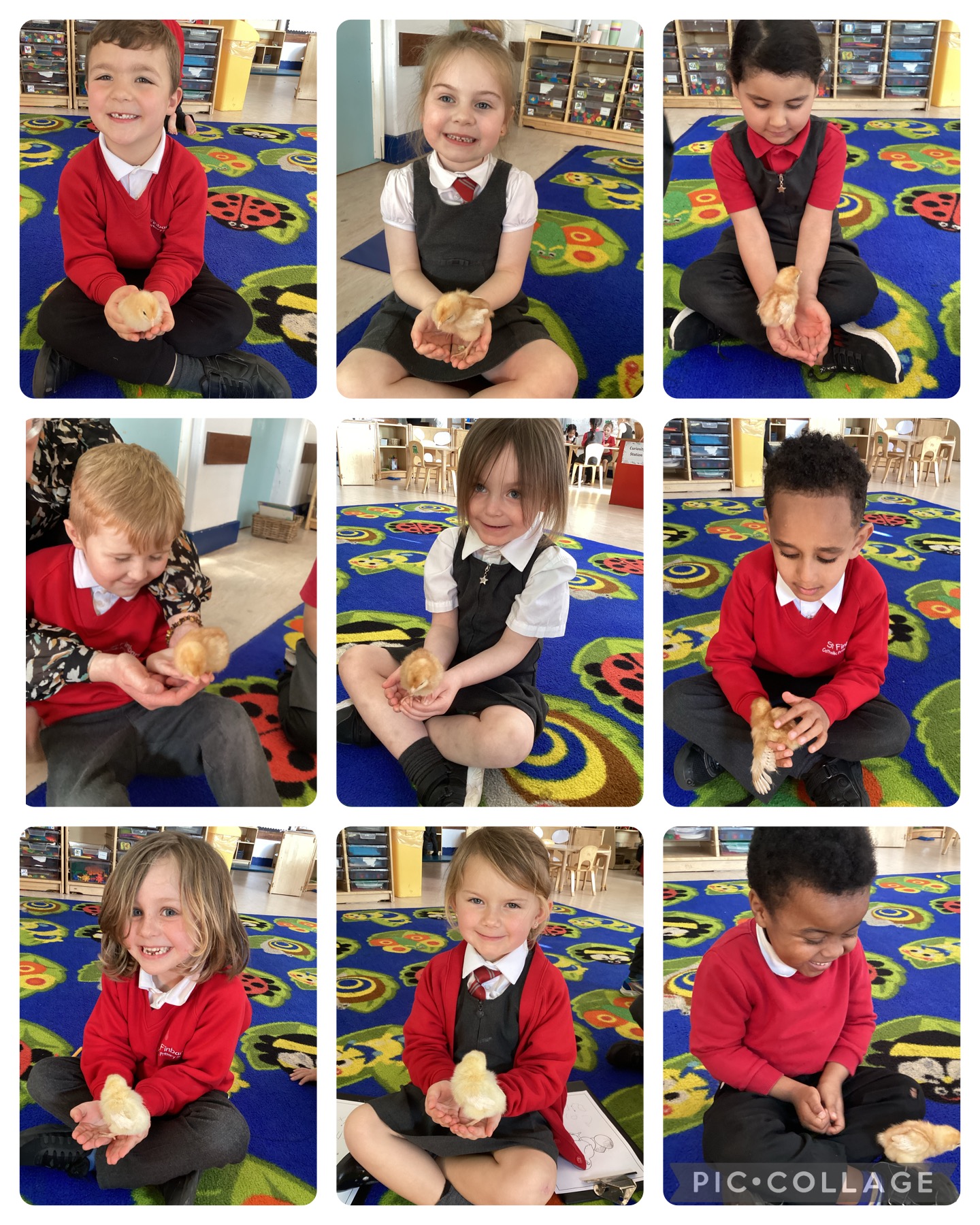
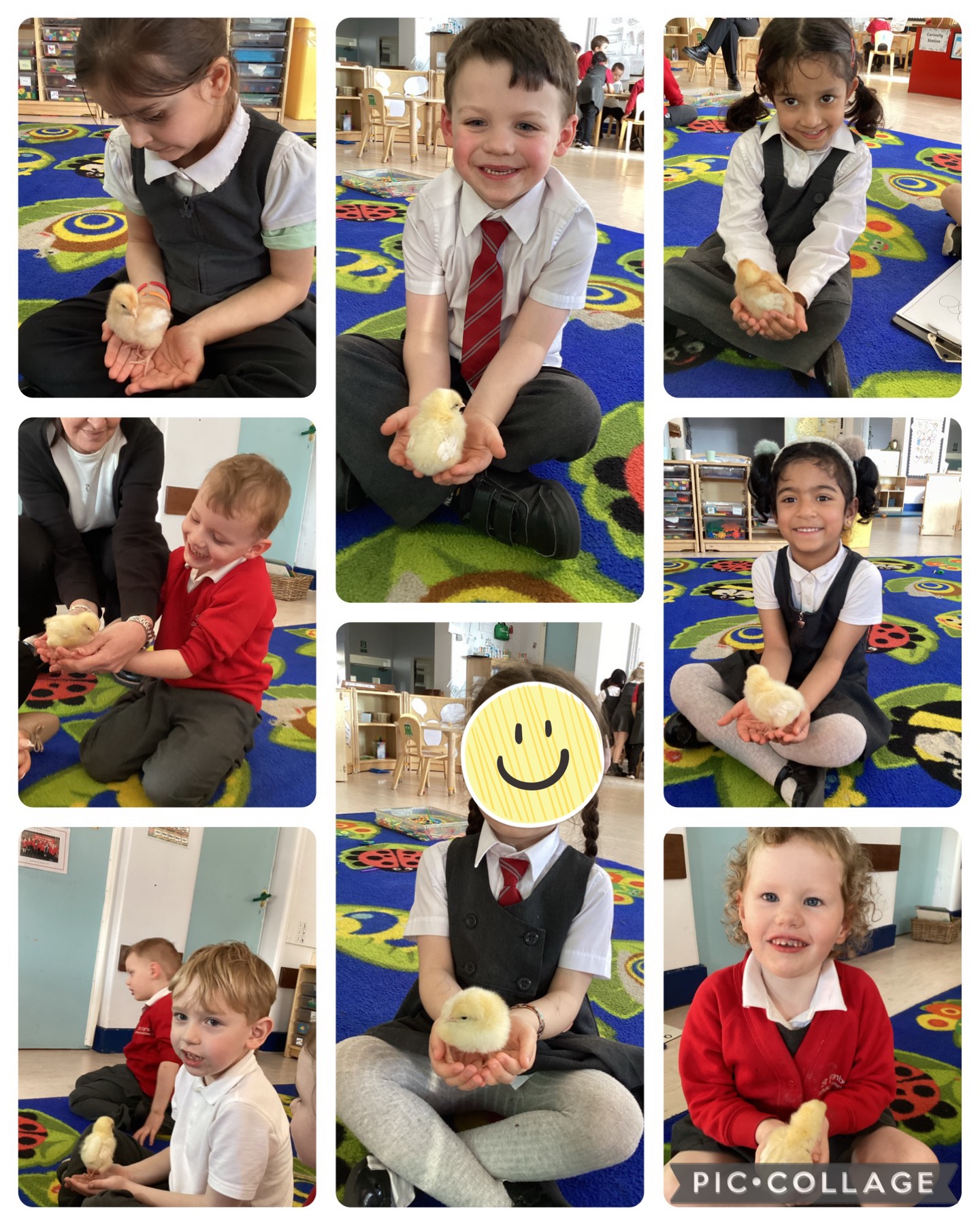
Today, we got to care for our school chicks. We all had a turn of holding the chicks.
Sunflower class have been learning about growing and changes. We have talked about how God shows his love all around us, giving us new life.
Finding our pulse was tricky, but we loved spotting what happened to your pulse when we rested and exercised. #StFinbarsScientists
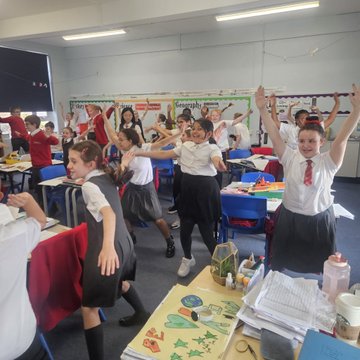
Year 5 have been learning all about hydrogen as the energy of the future. All learners were fully engaged and able to talk about how this will help reduce pollution on our planet @MadScienceGroup @StFinbarsSch