19.06.26 – Den Building
19-06-2026
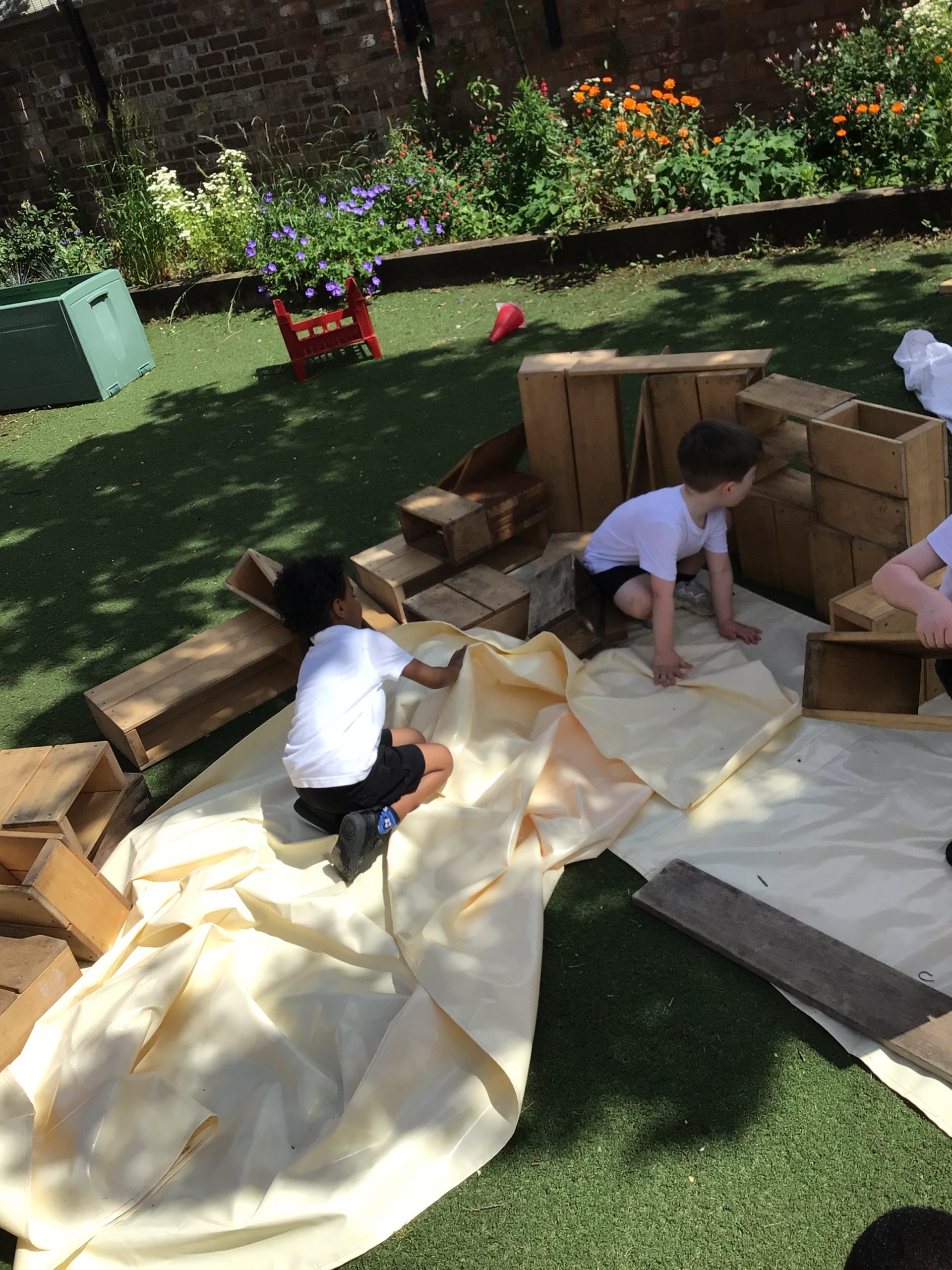
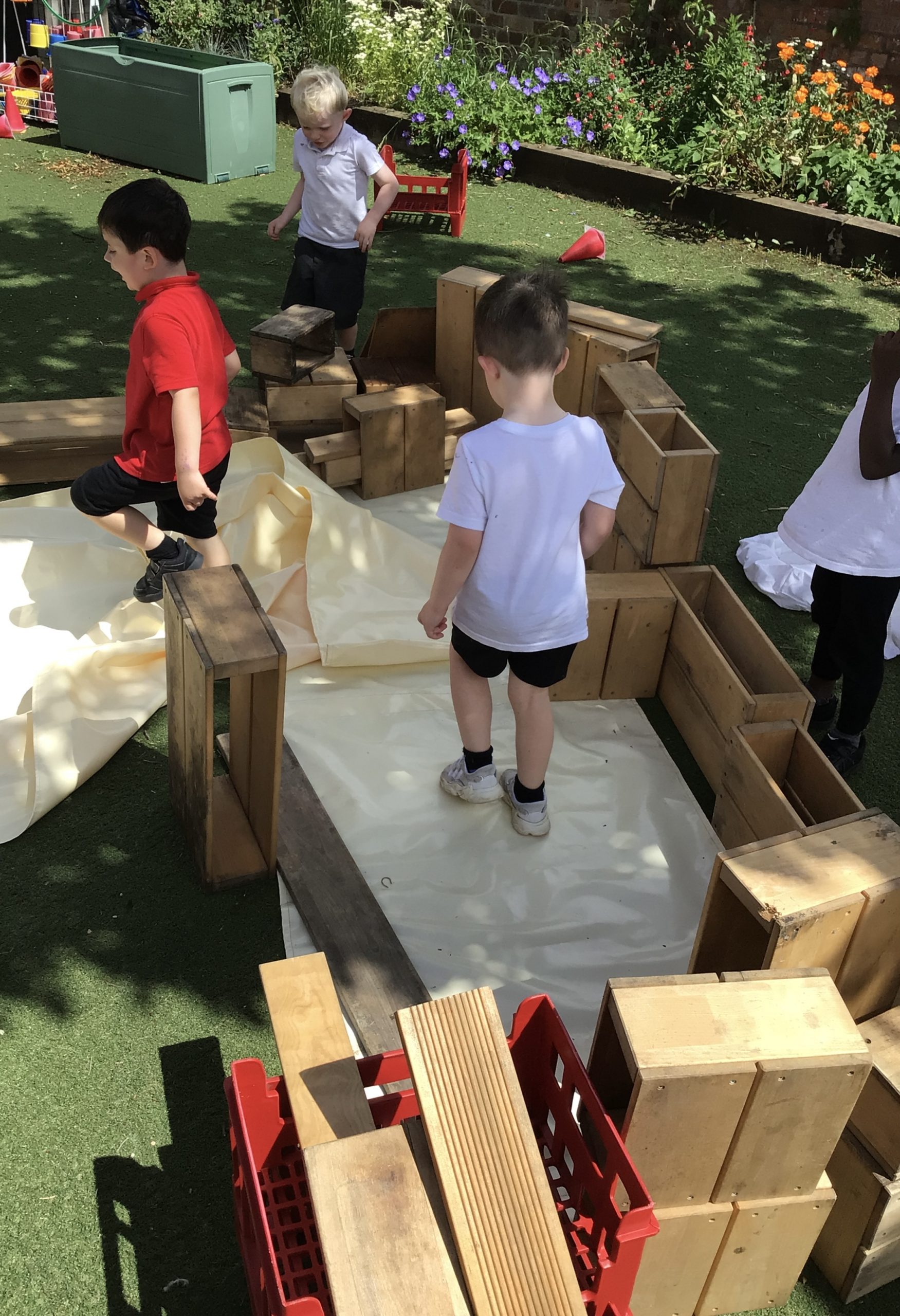
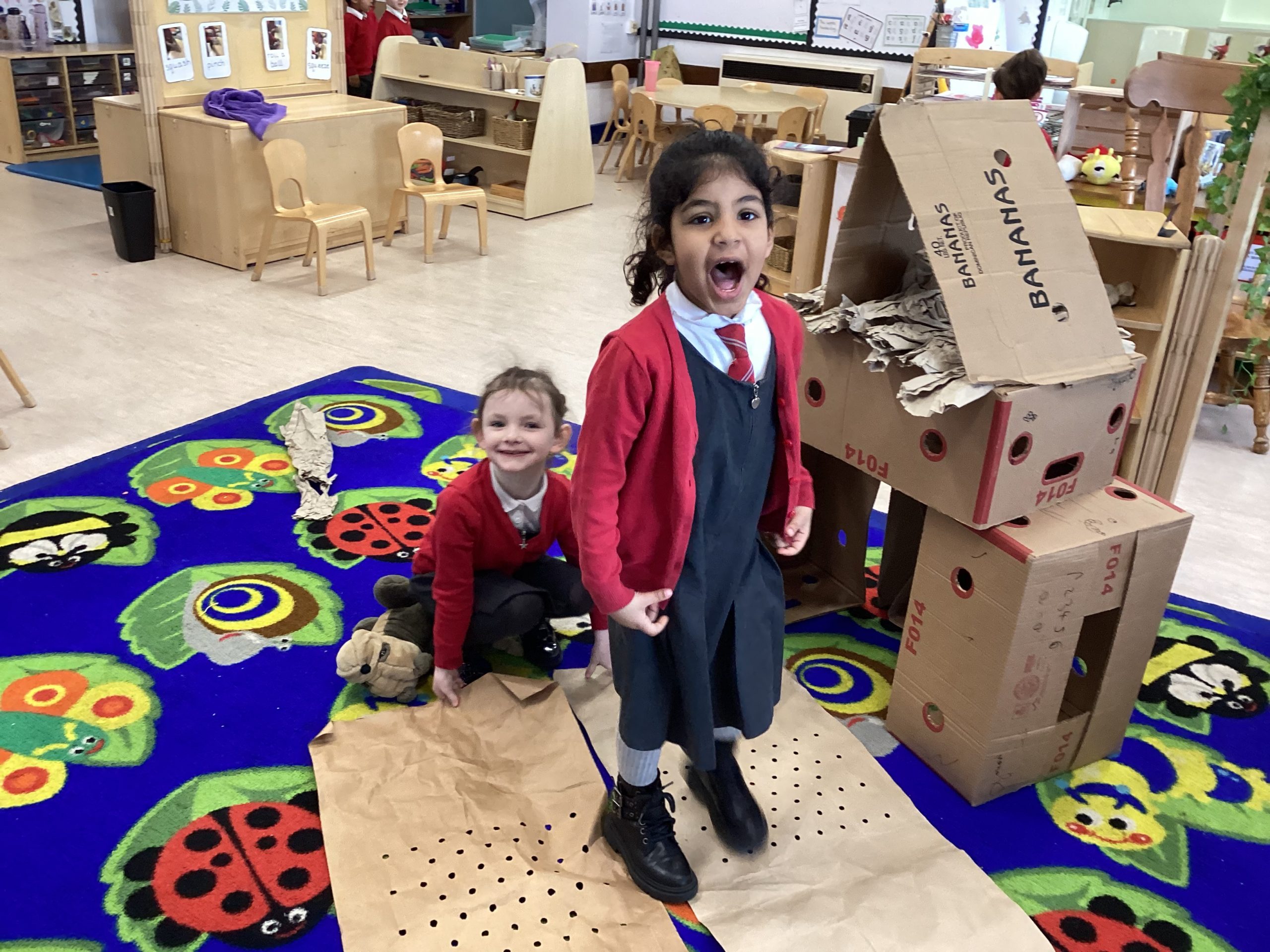
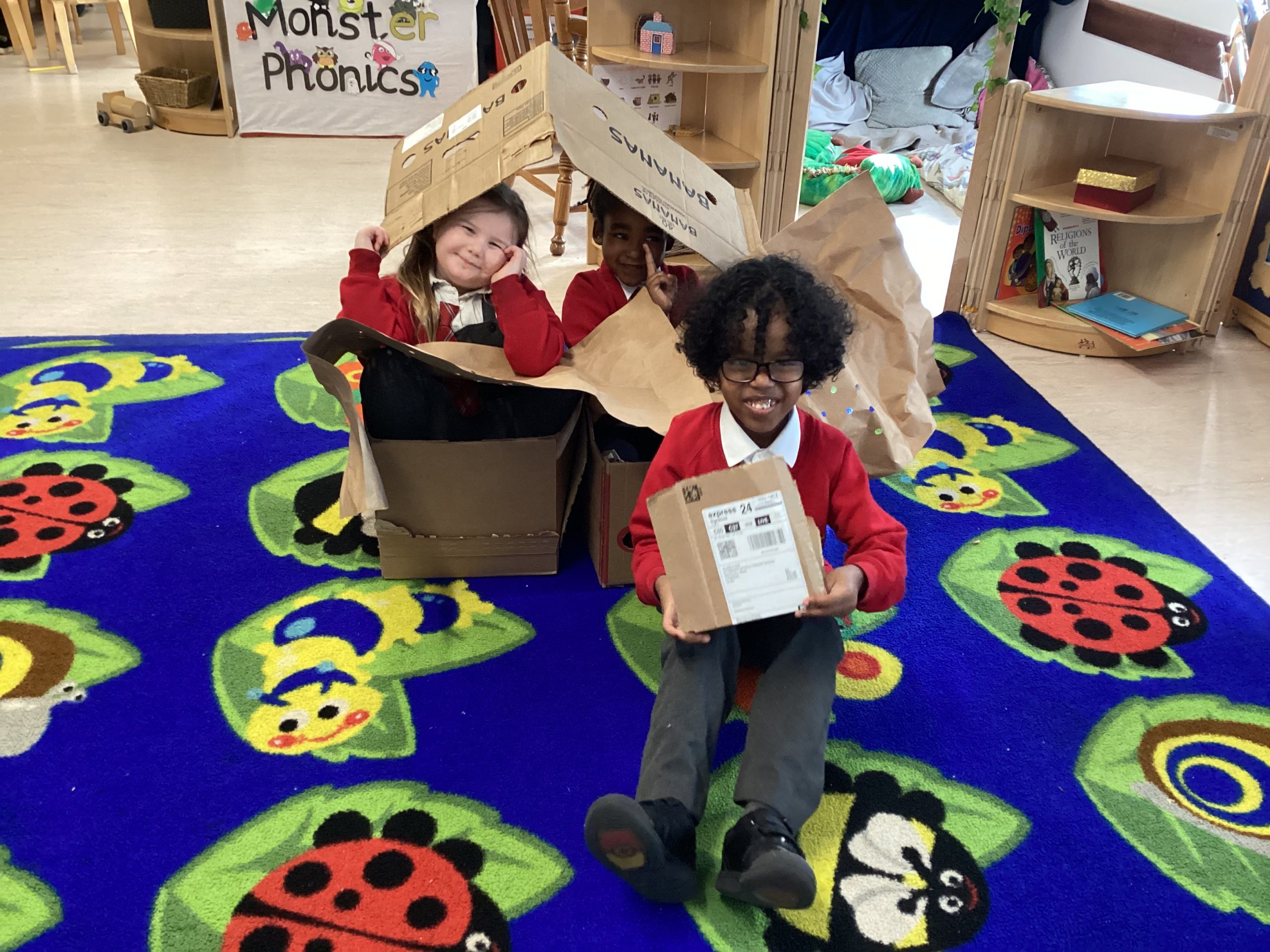
Our little learners have been working collaboratively together to create outdoor dens using blocks and tarps! The children have showed great determination and teamwork!⛺️
Design and Technology (D&T) at our school is about giving children the skills, knowledge and creativity to design and make purposeful products. We follow the Kapow Primary scheme, which provides a well-structured and engaging curriculum that helps children understand how design and technology impacts everyday life.
The National Curriculum for Design and Technology states that a high-quality D&T education should inspire children to be resourceful, innovative, enterprising and capable citizens. Through Kapow, children learn to research, design, make and evaluate products, developing practical skills in areas such as construction, textiles, mechanisms, electrical systems and food technology. They also learn how design and technology connects with real-world problems and future possibilities.
Through the delivery of Design and Technology, we aim to improve children’ skills in these five areas:
Our Design and Technology curriculum, delivered through Kapow Primary, aims to ensure that all children:

Our little learners have been working collaboratively together to create outdoor dens using blocks and tarps! The children have showed great determination and teamwork!⛺️
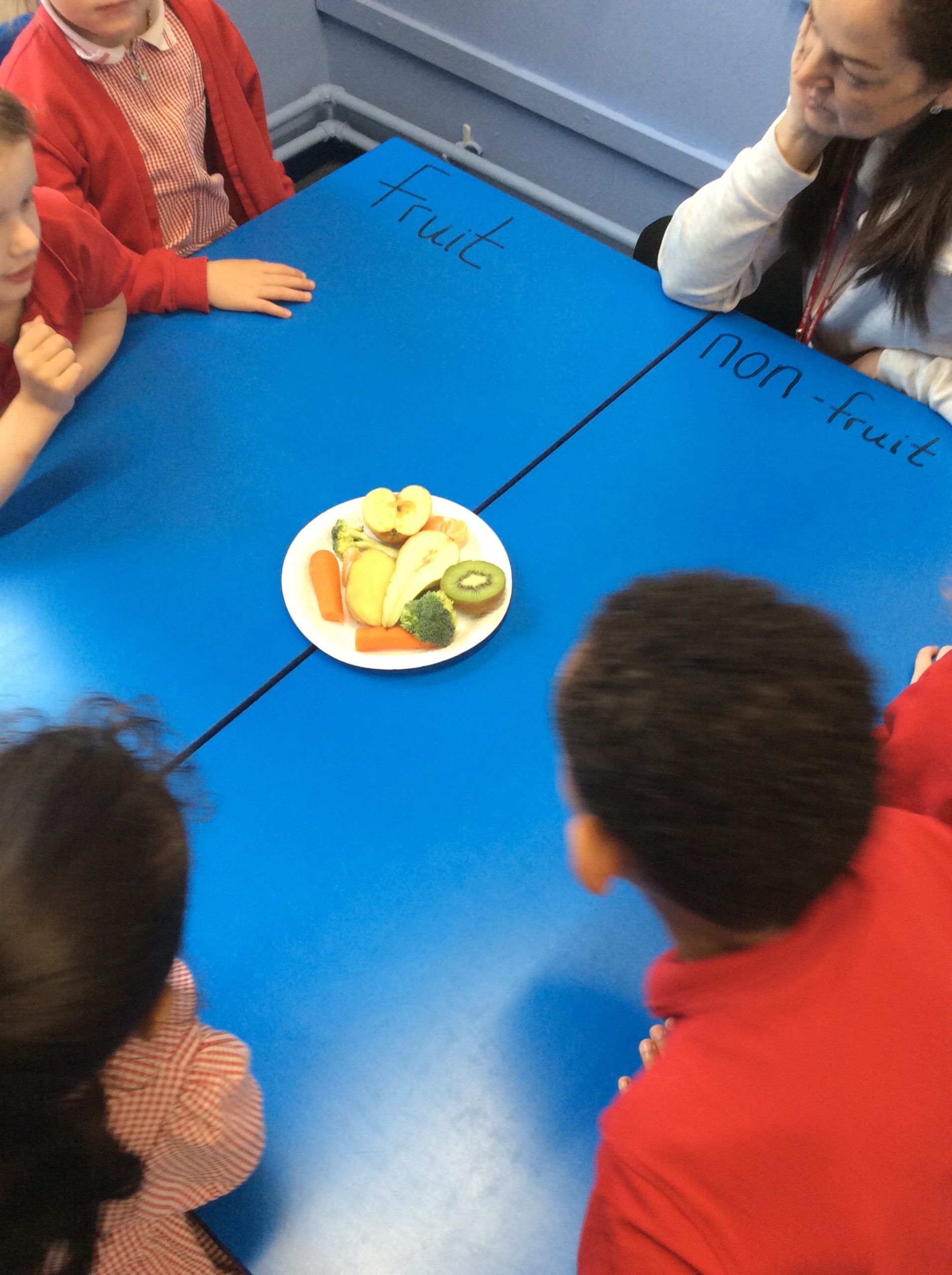
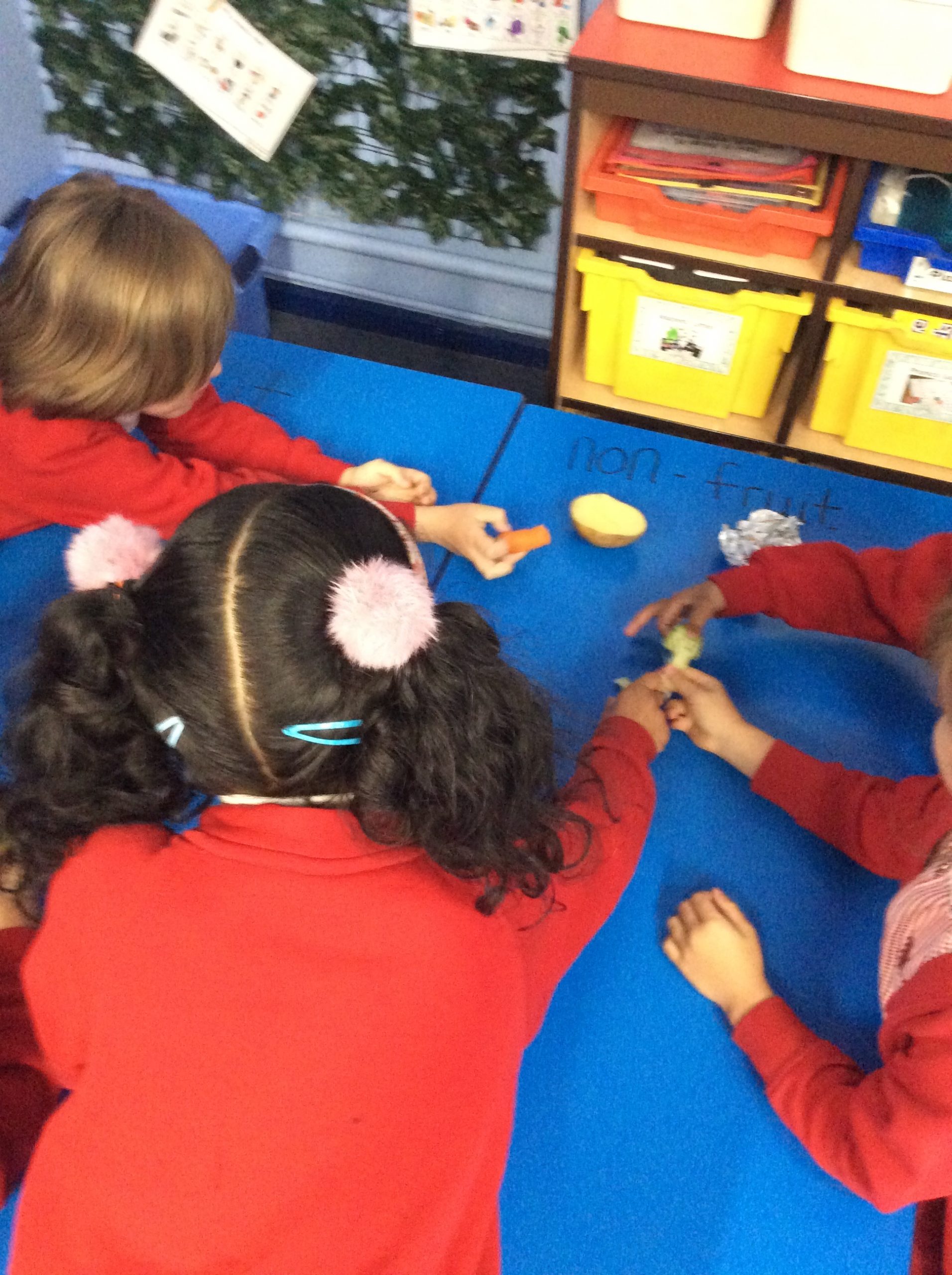
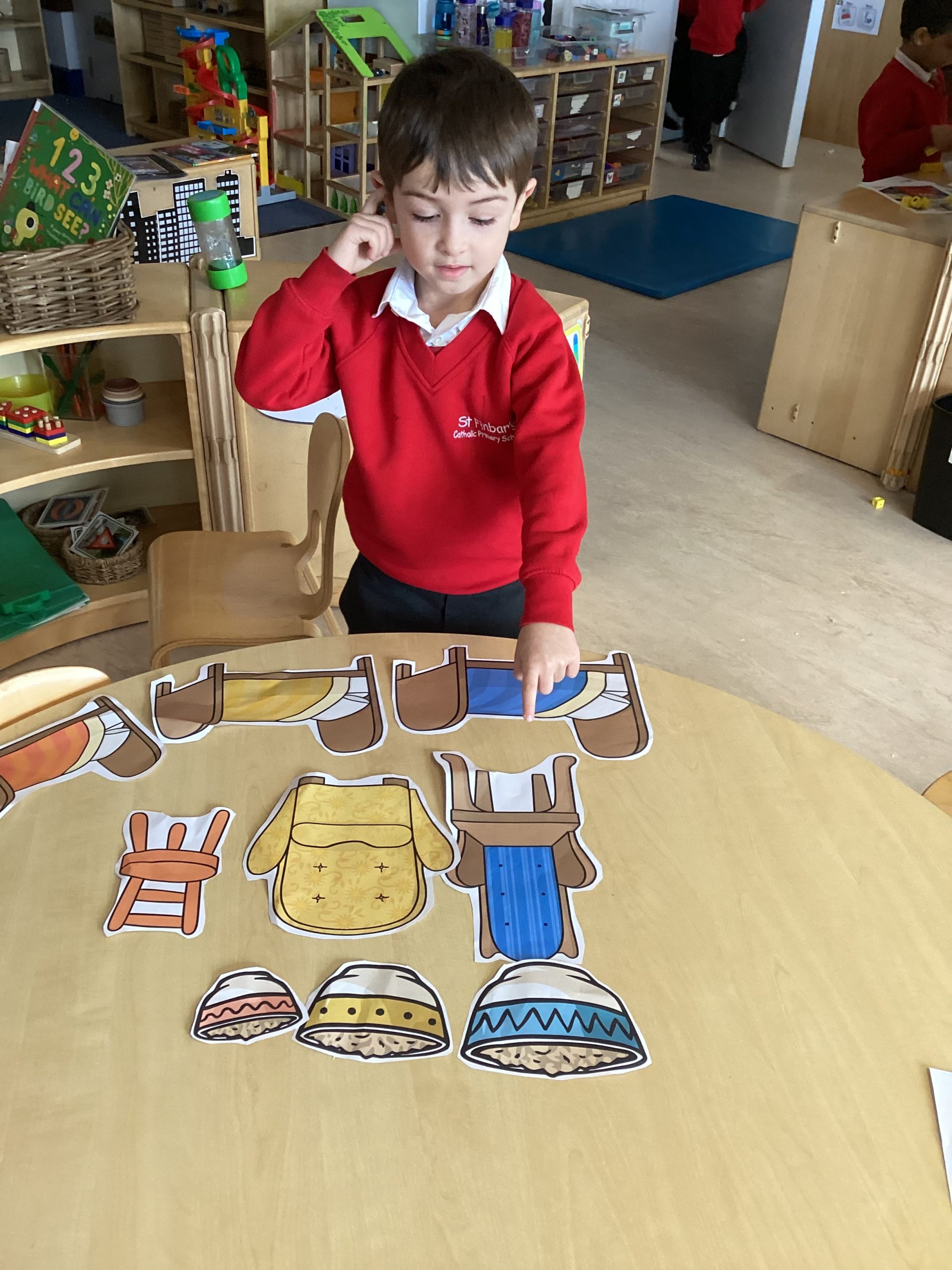
Daffodil class were busy identifying fruits today! The children learned that fruits contain seeds, which helped them sort and identify different foods. The children were excited to learn that foods like peppers are known as fruits because they contain seeds!
Well done Year 1 for your fantastic investigating and learning today!
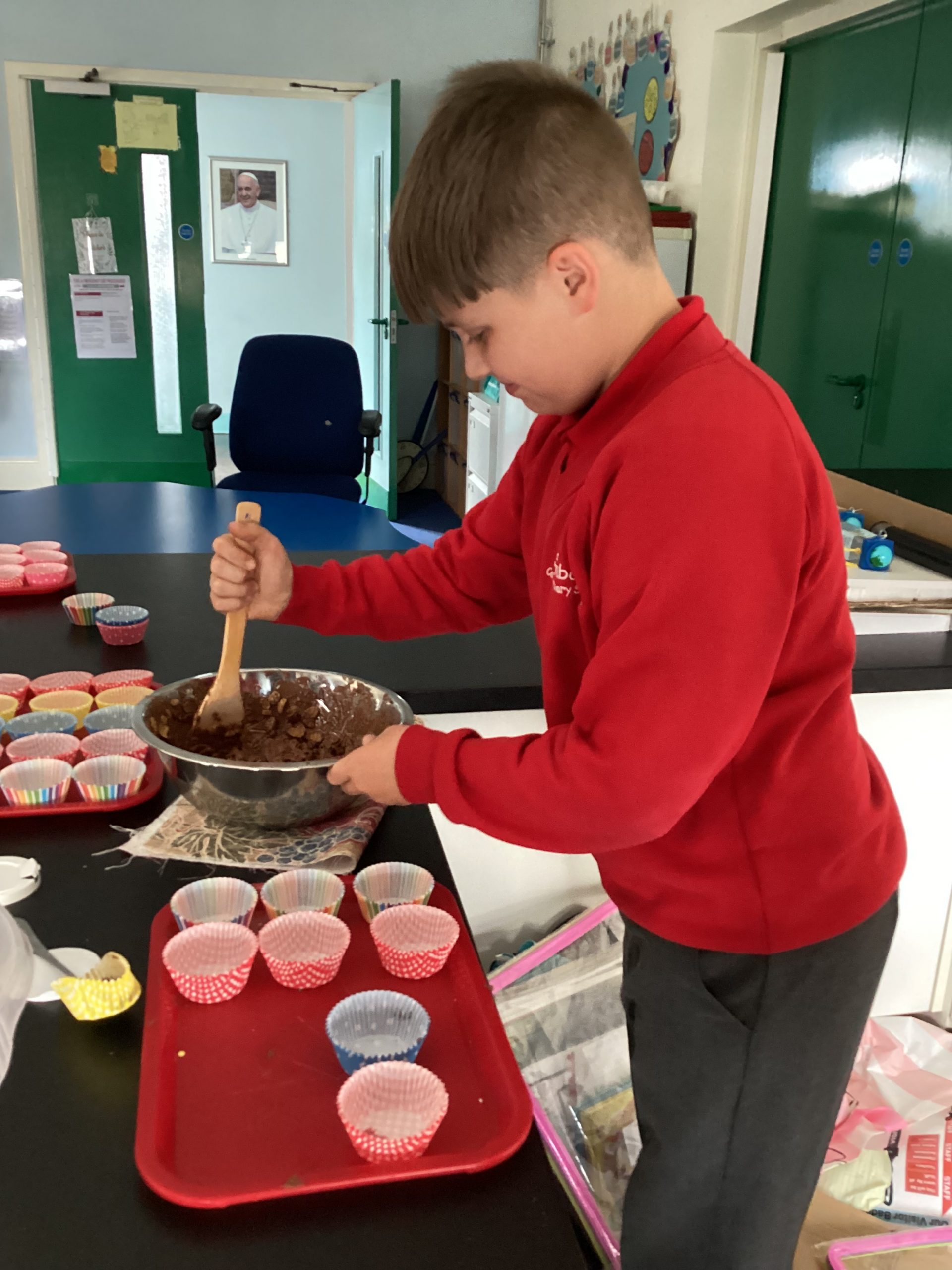
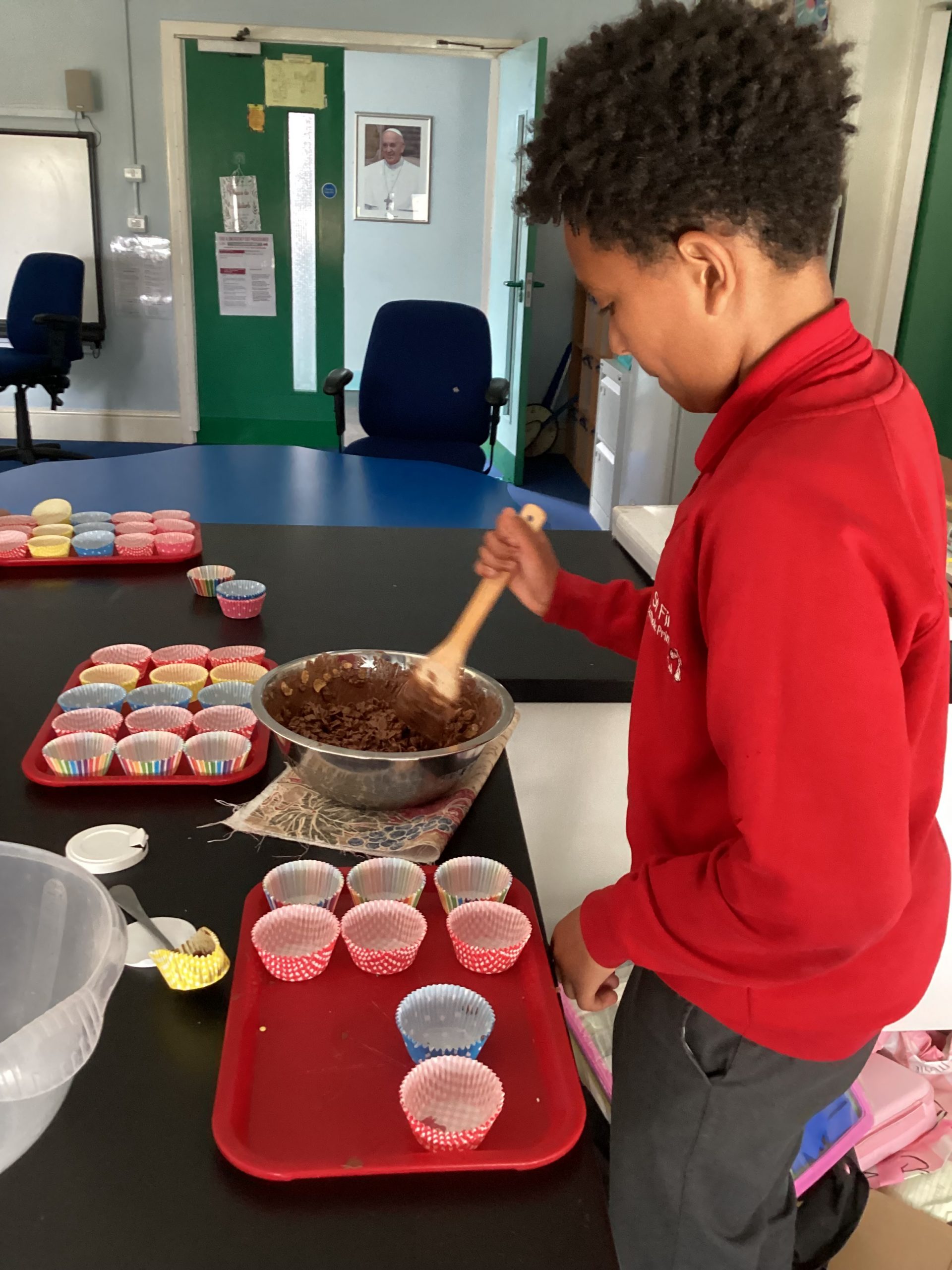
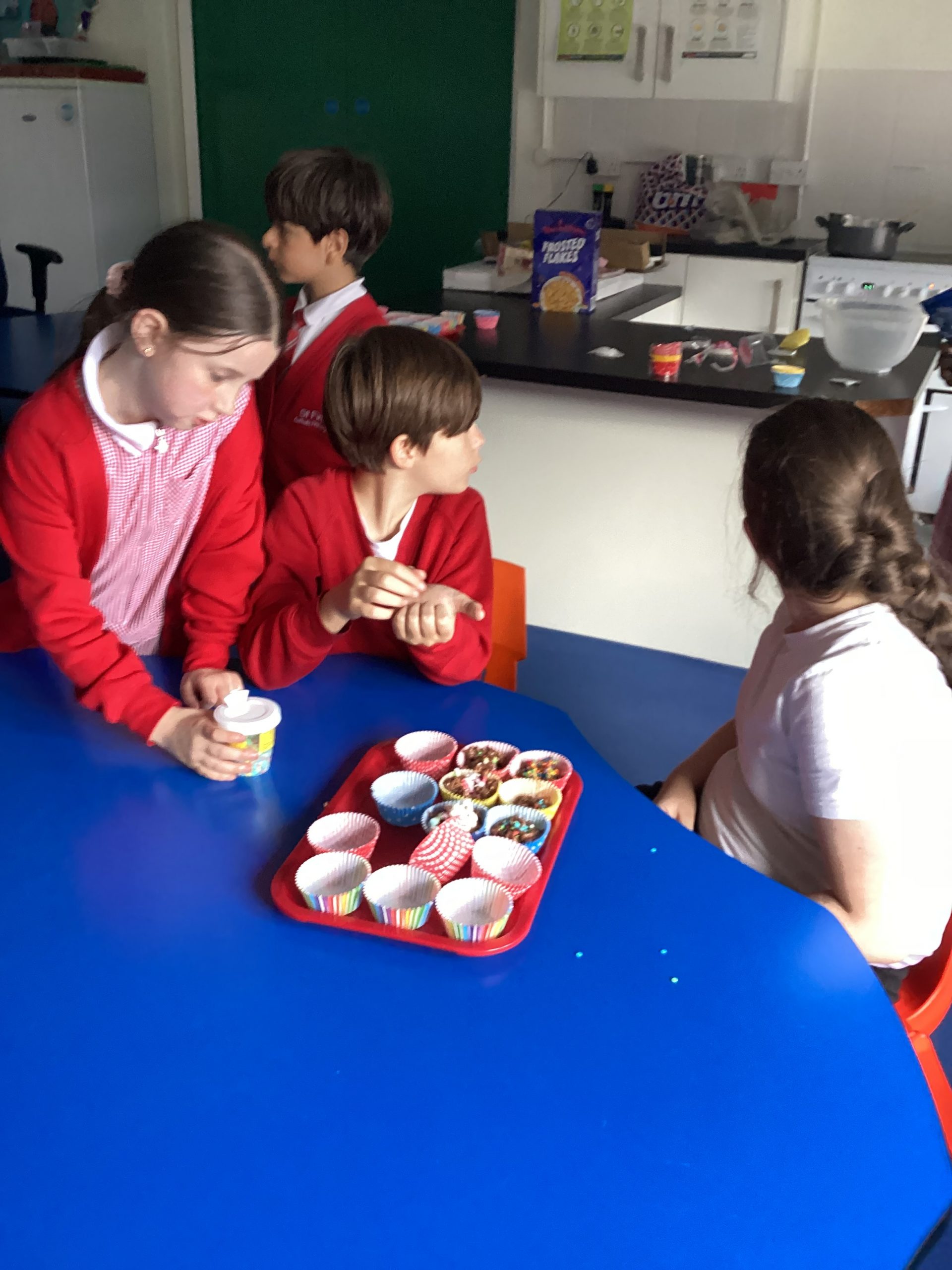
School council have been in the kitchen whipping up a wonderful batch of chocolate Rice Krispie cakes for our bake sale on Friday!
Our DT project has been to use sewing to create a book sleeve to carry our reading books in. This needed us to learn how to sew a button onto the fabric and then use a running stitch around 3 sides leaving the top open. See our finished products below!
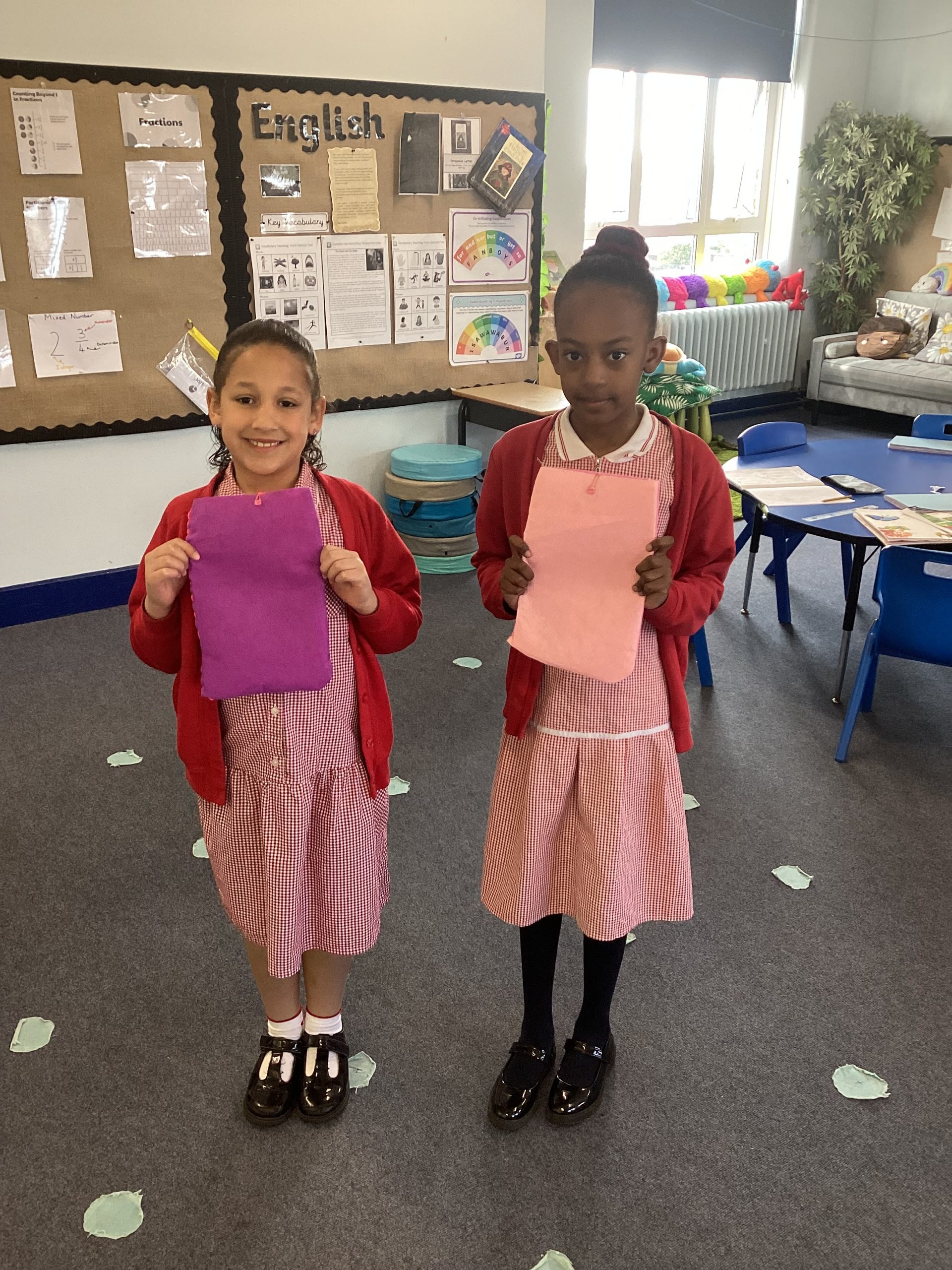
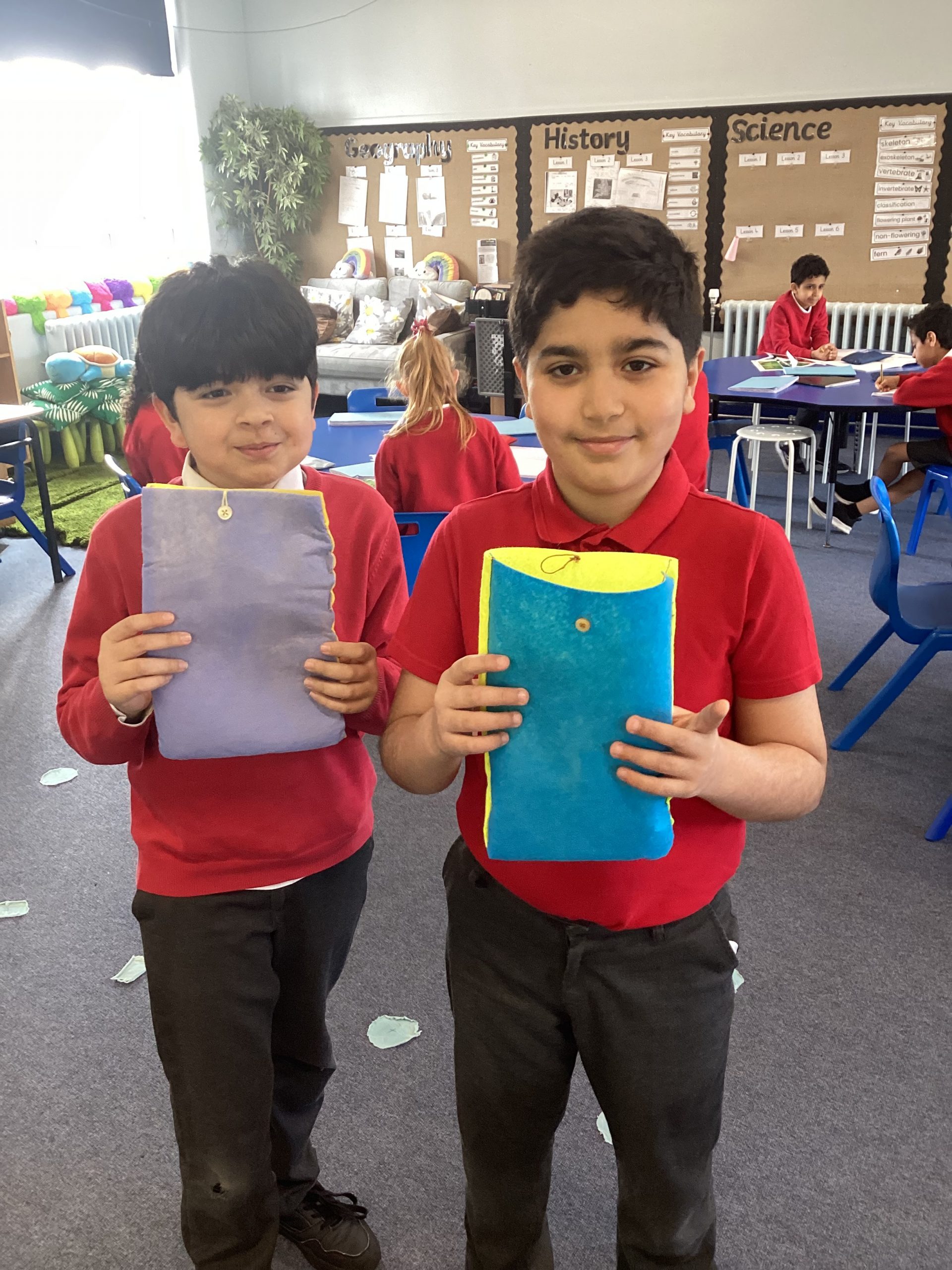
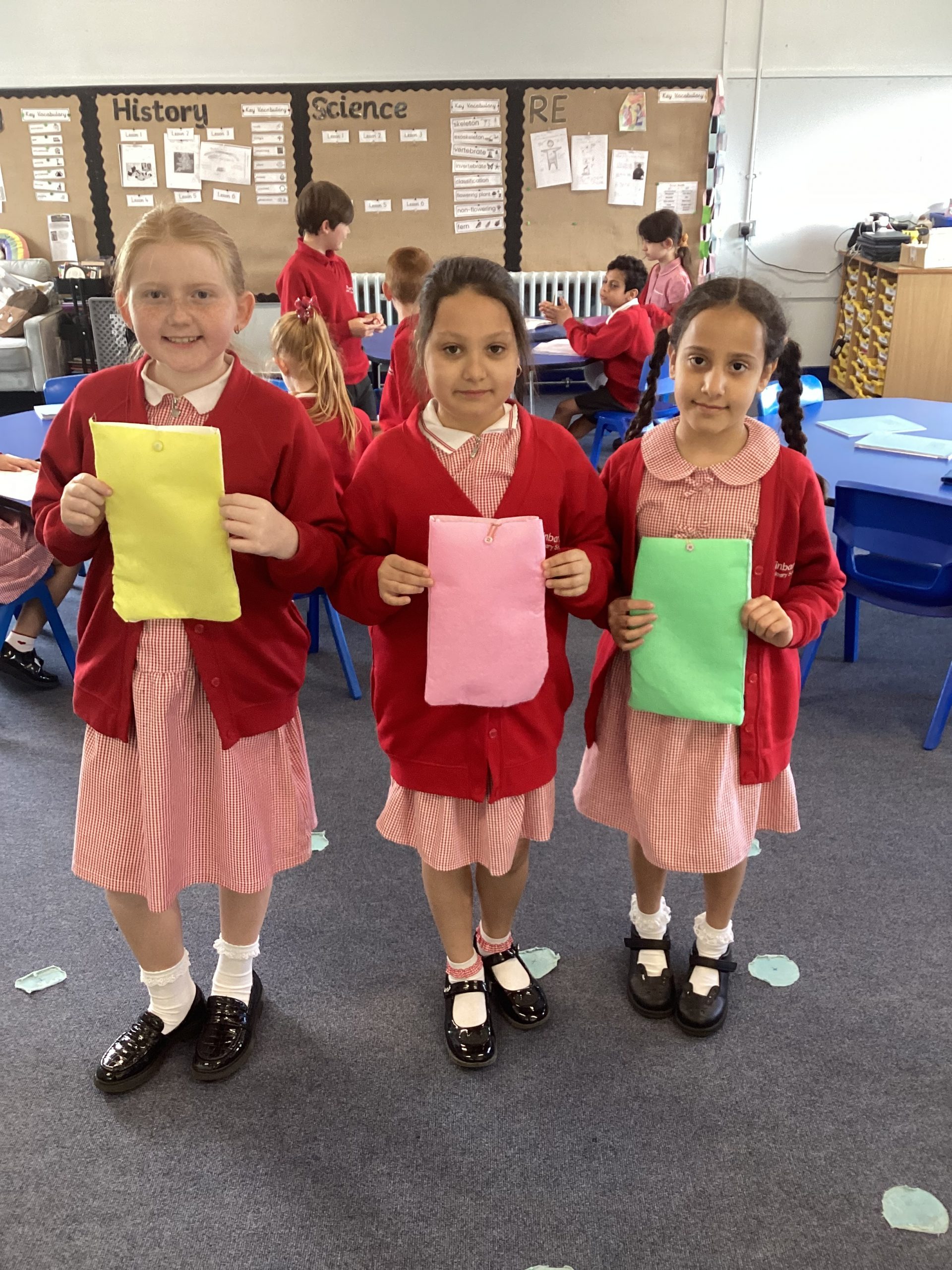
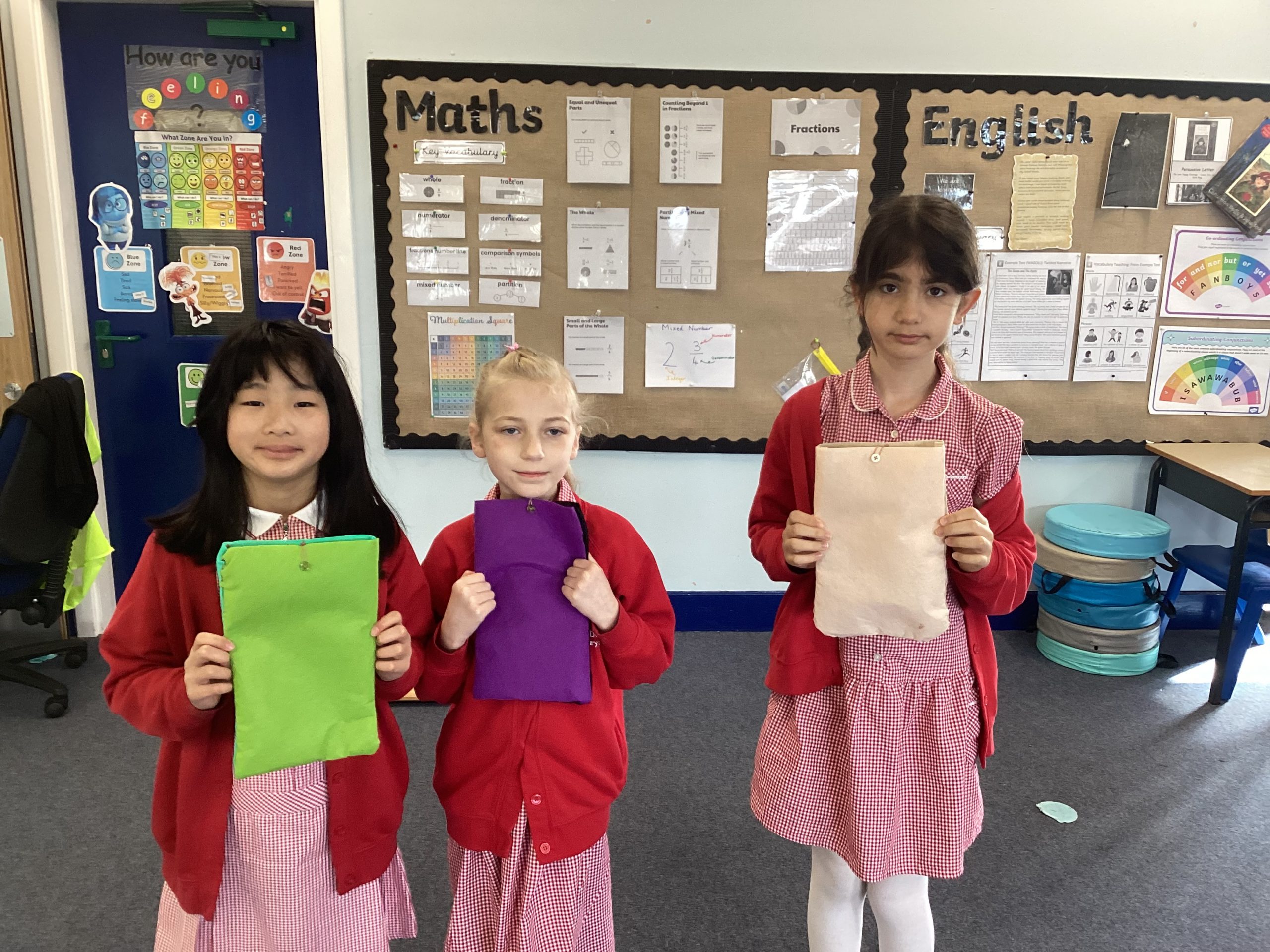
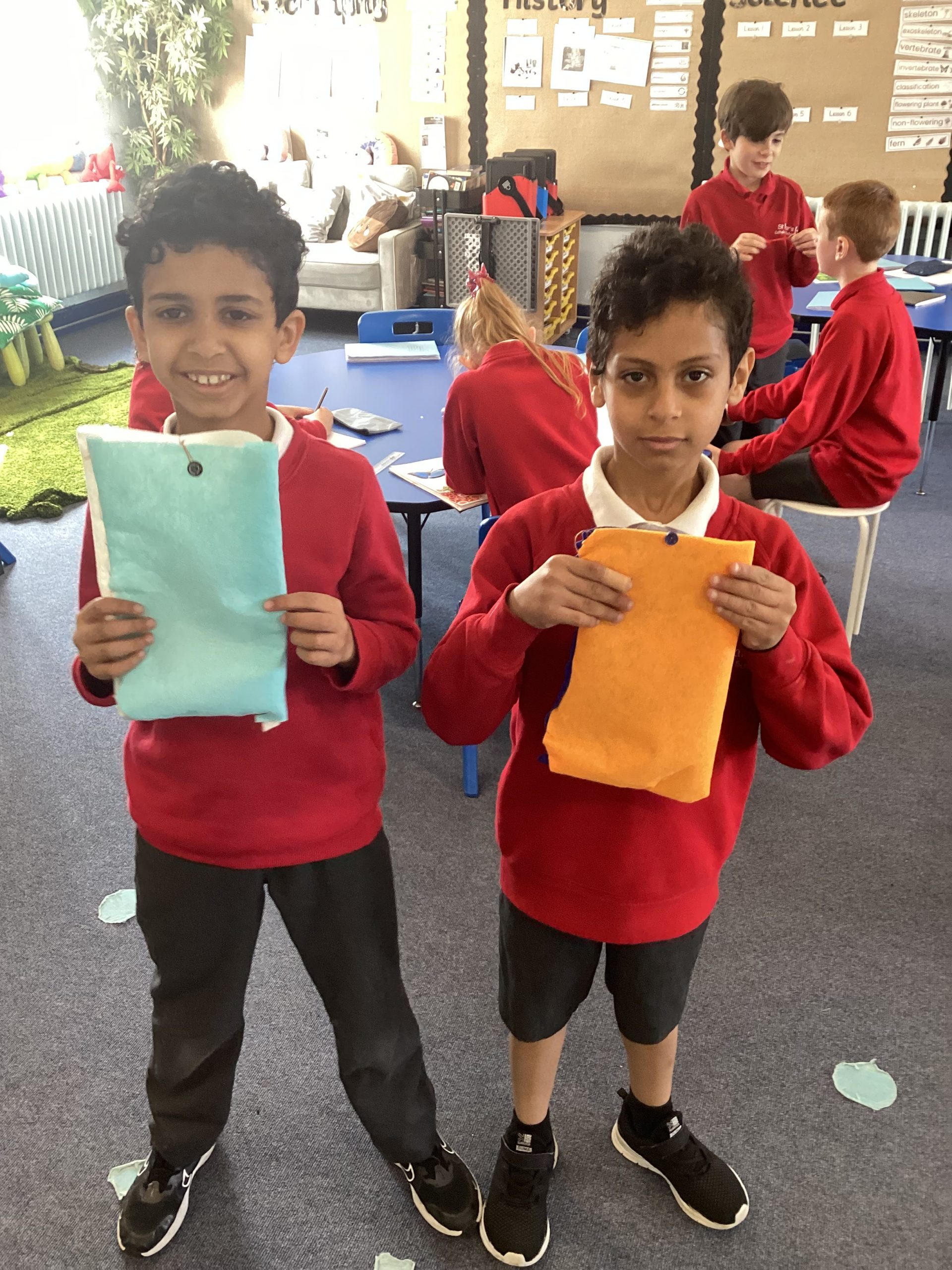
We have been continuing our book sleeves today and we have been using a running stitch . This stitch is to sew together three of sides so we can place our books inside to protect them when we carry them around.
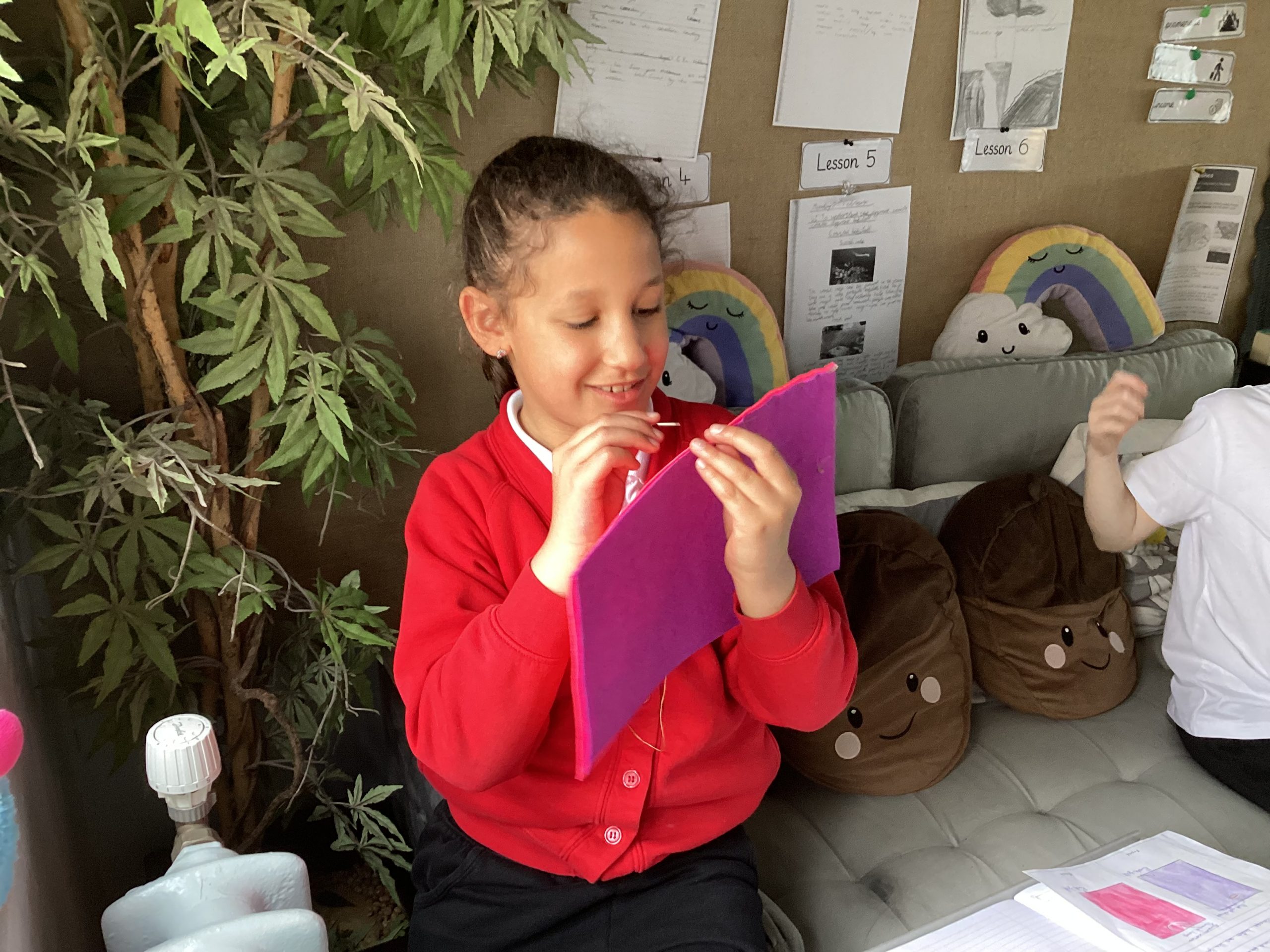
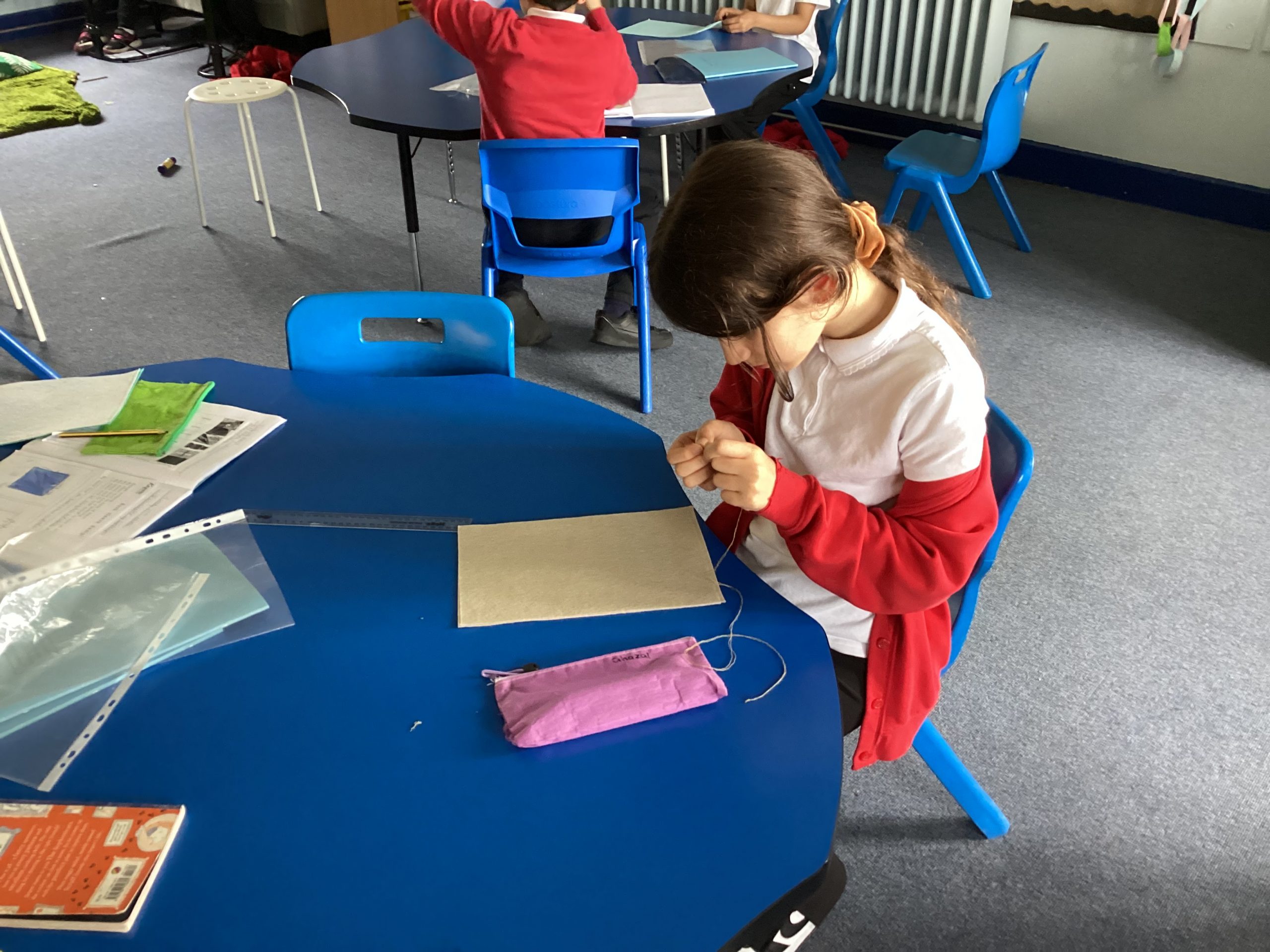
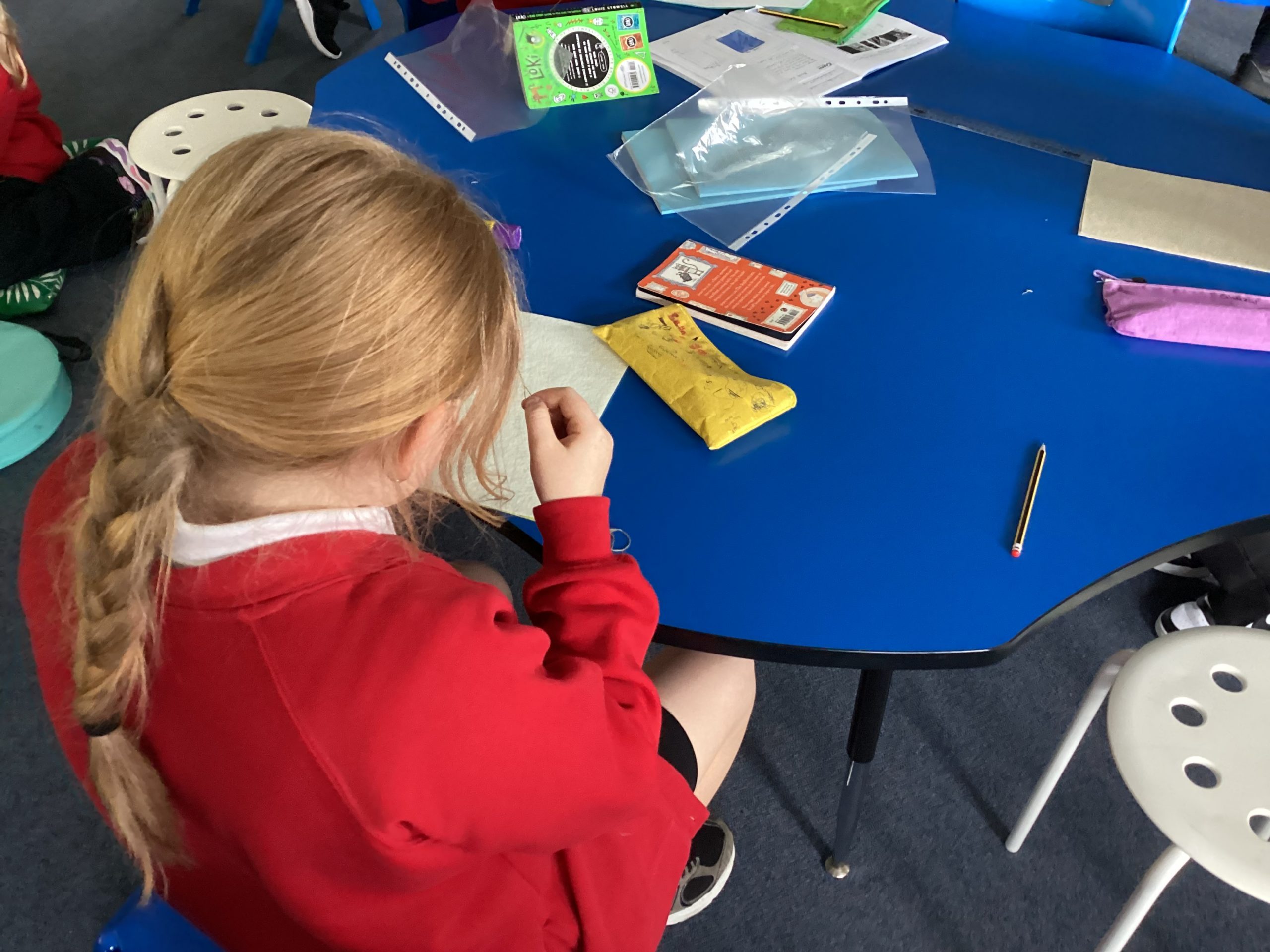
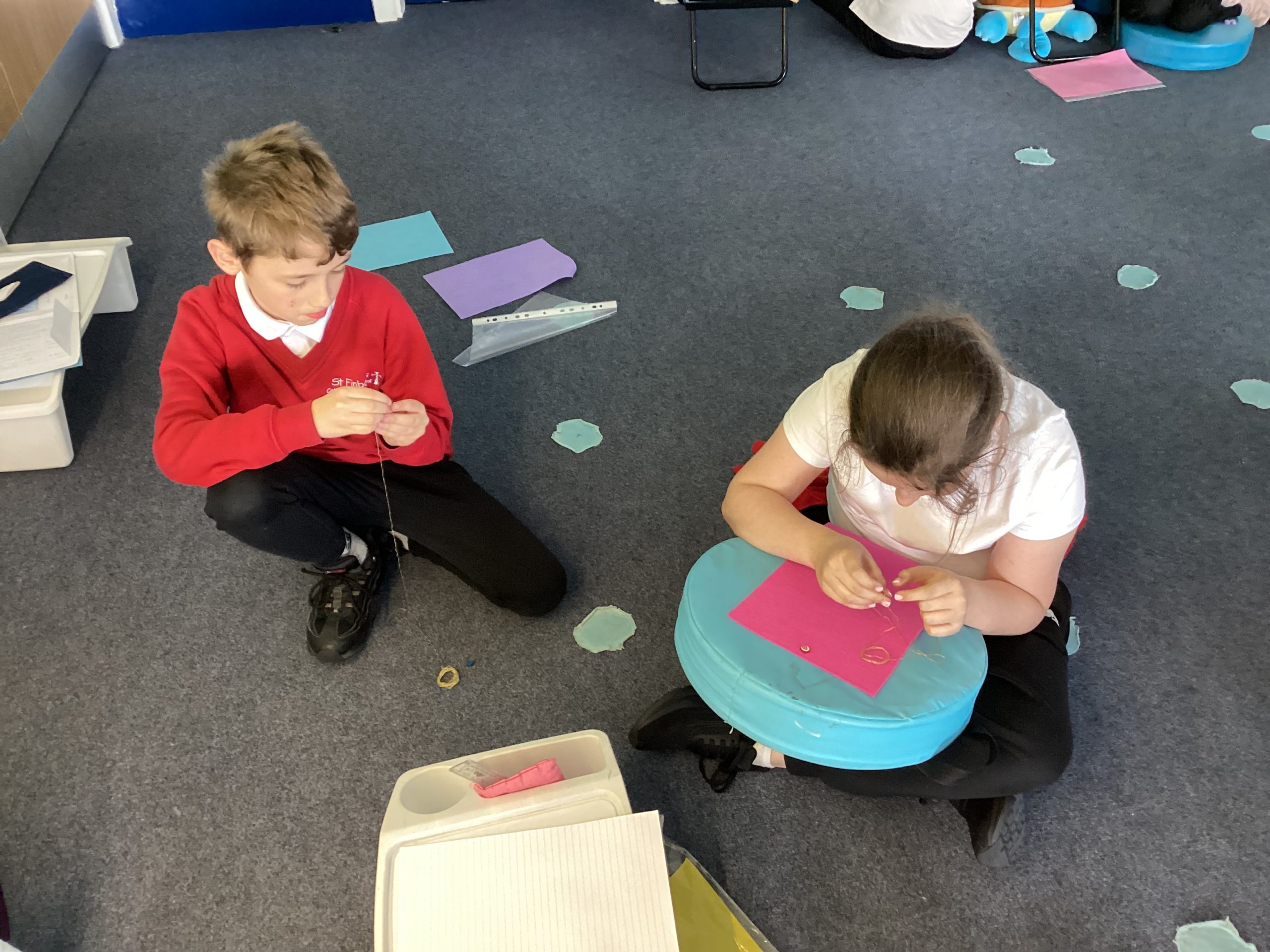
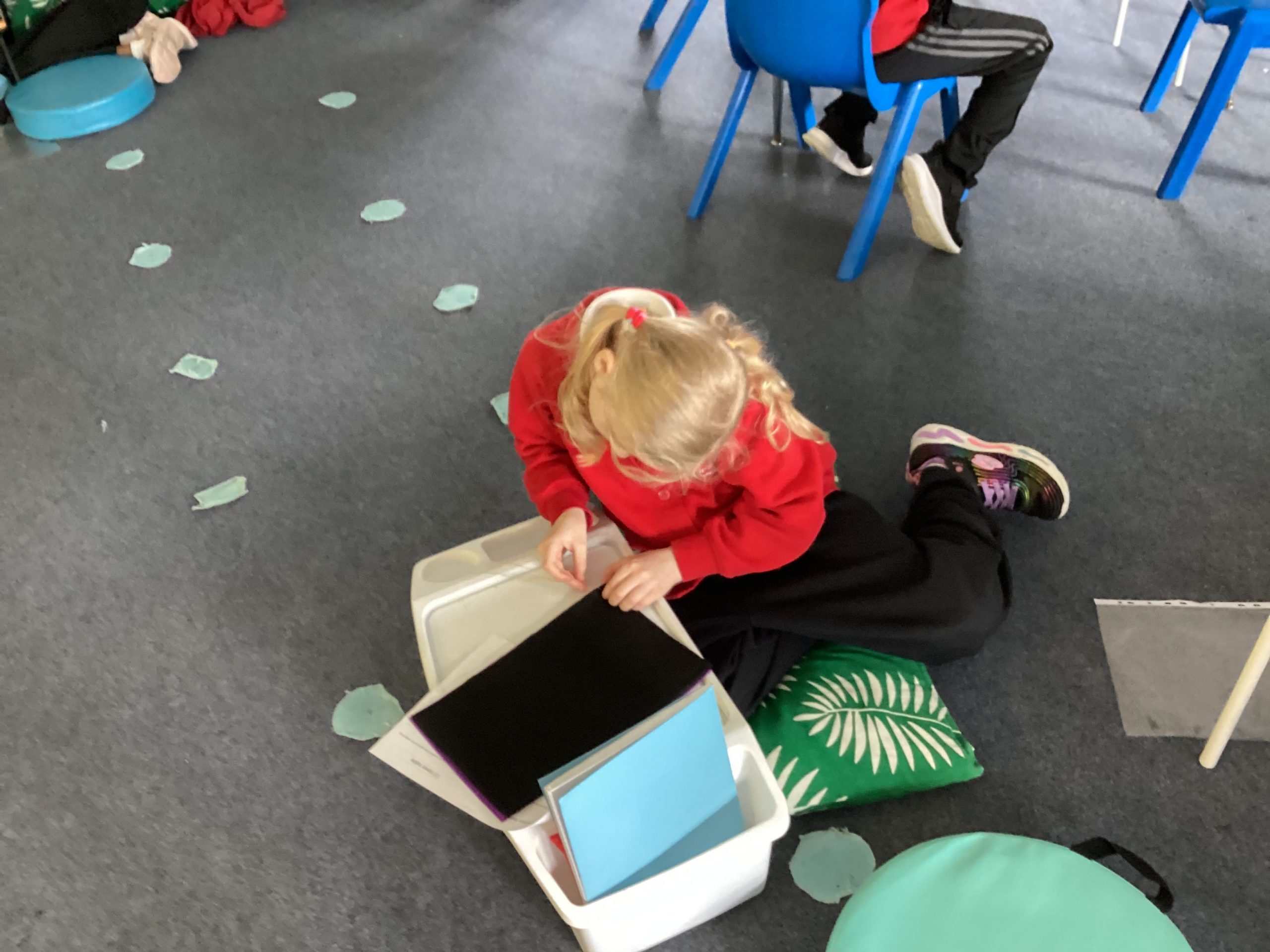
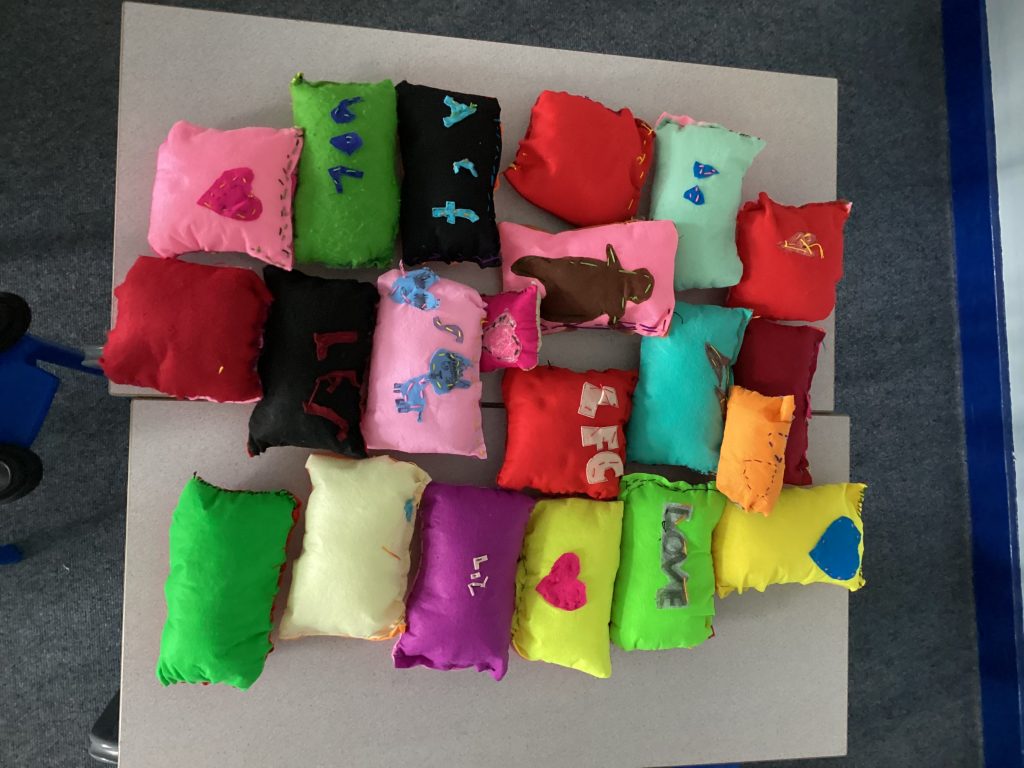
Year 3 have been developing their sewing skills by making their own cushions. They have practised the running stitch to join fabric pieces together and developed their control and accuracy with a needle and thread. The children have also explored appliqué techniques and attached decorative fabric shapes to personalise their cushions. They were all so proud to share their final product with you.
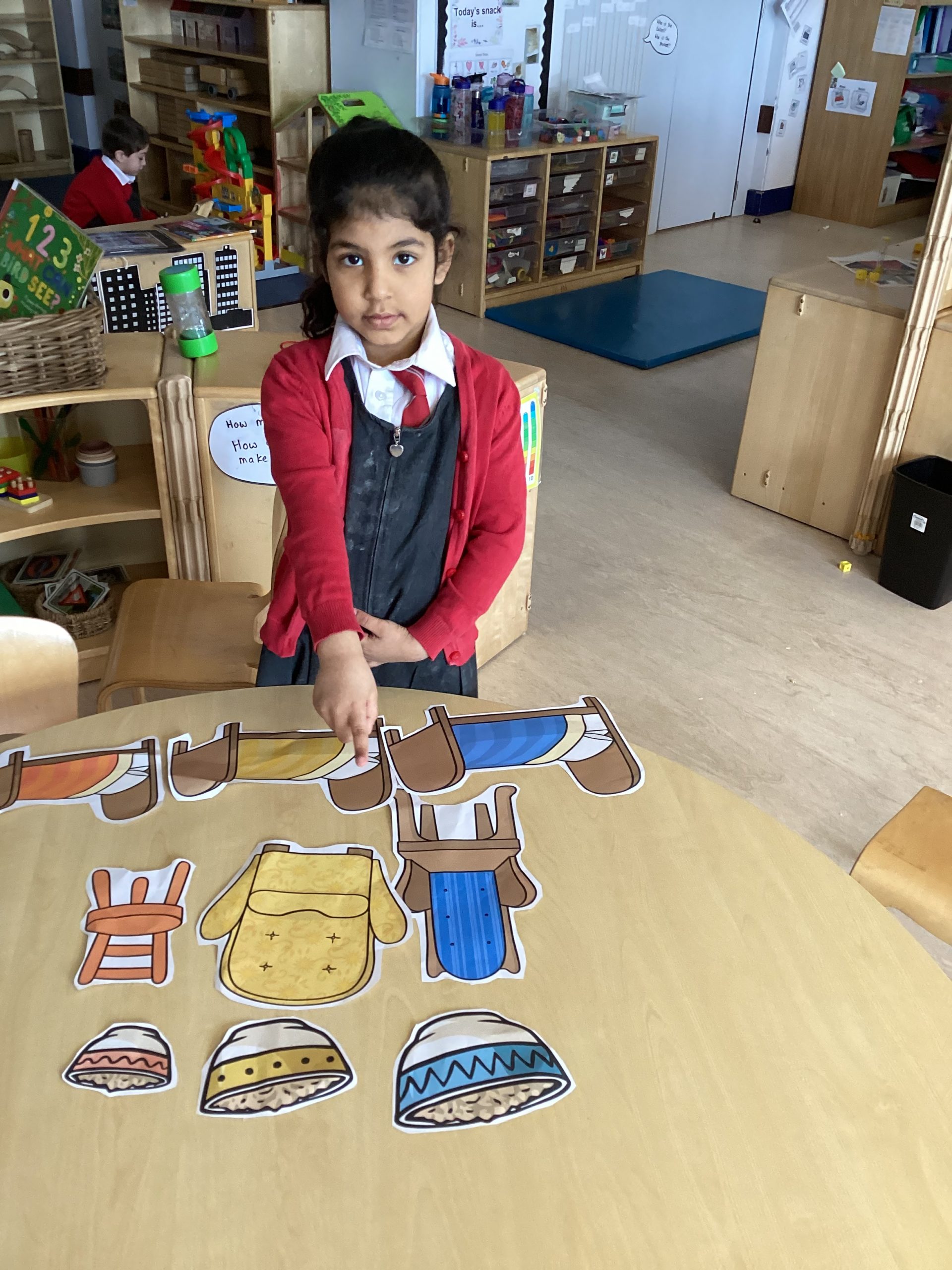
We have loved drawing club this week, the book has inspired lots of lovely role play and retelling of the story. We have ordered size and built our own houses.
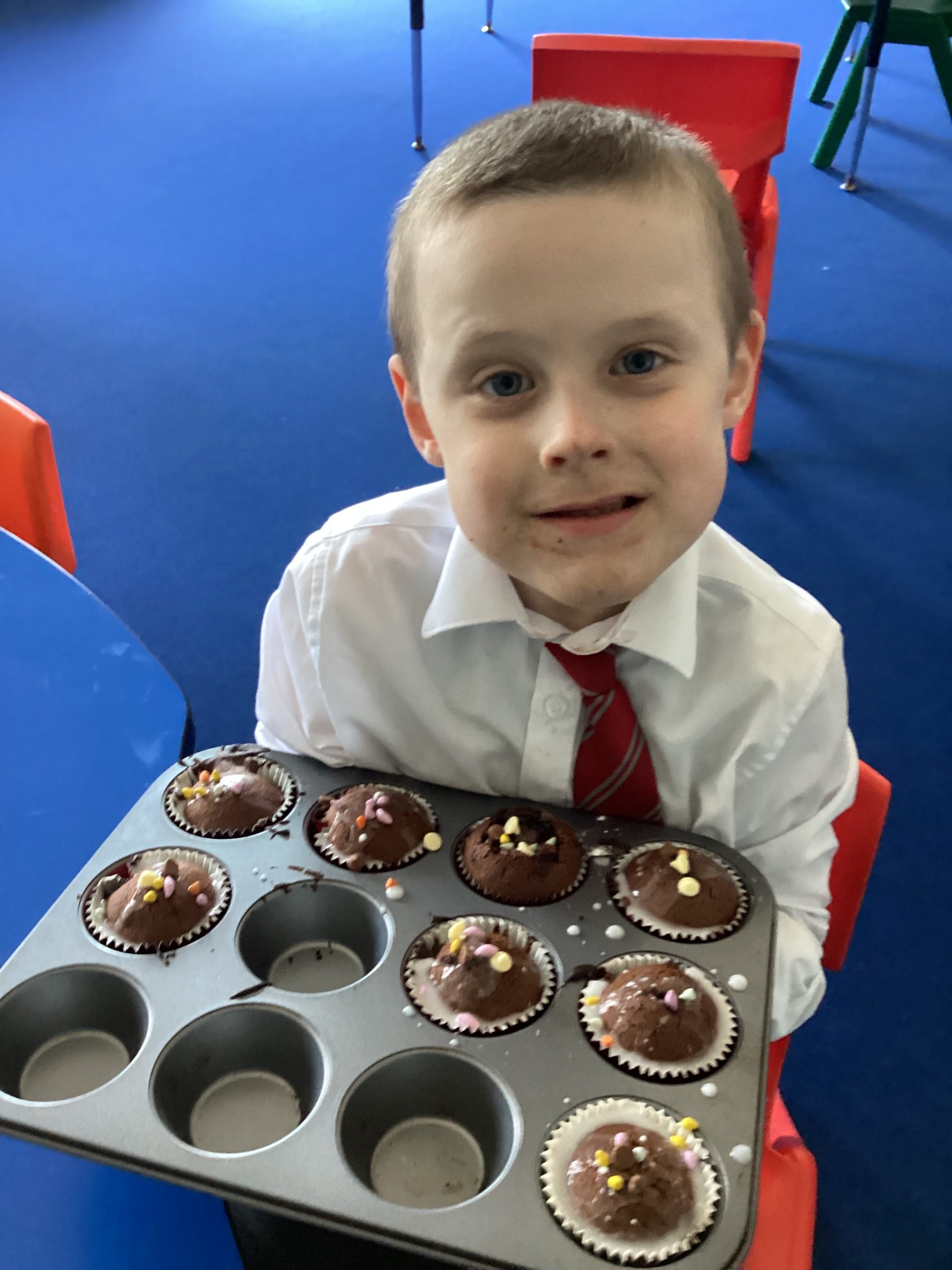
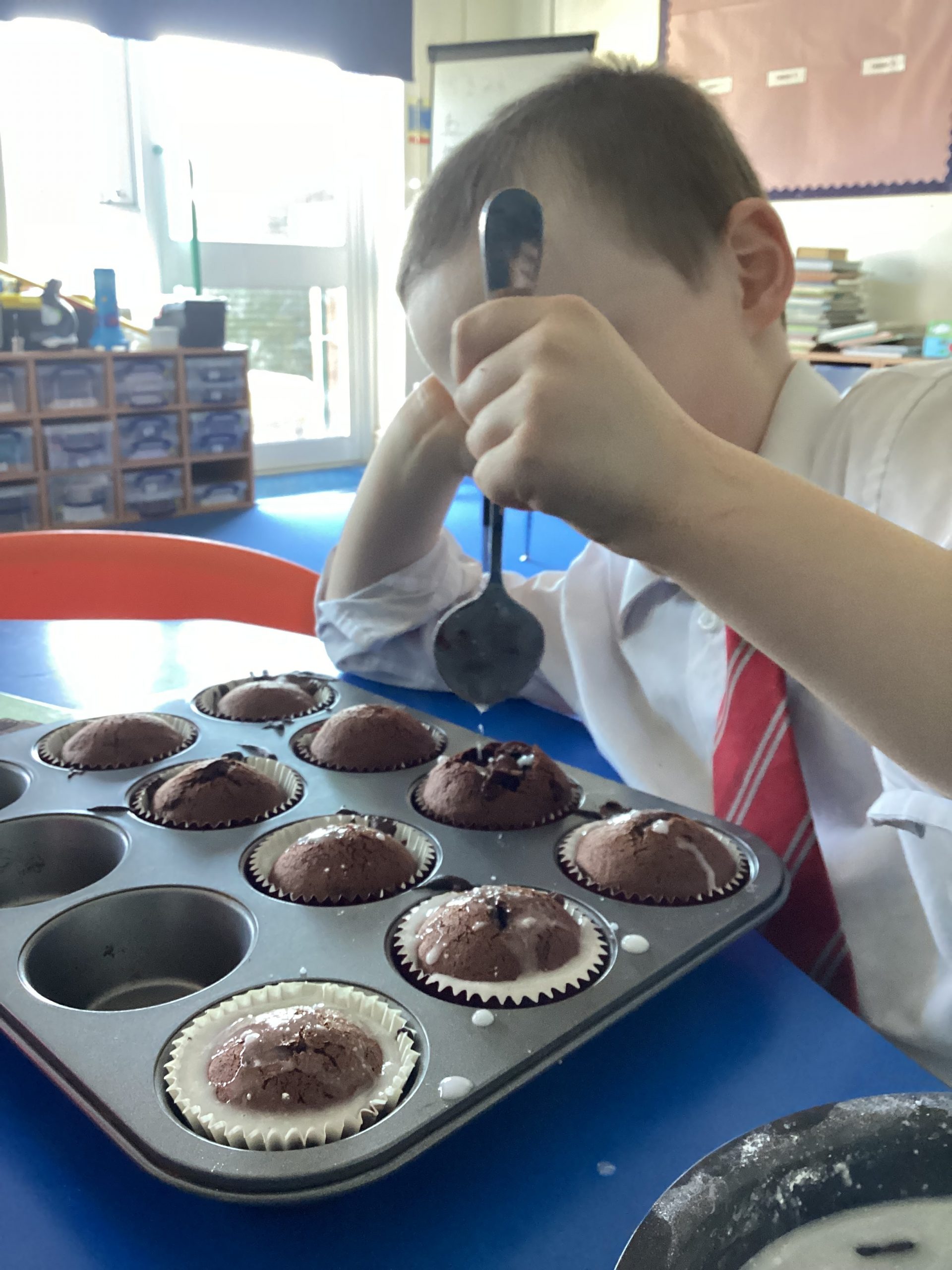
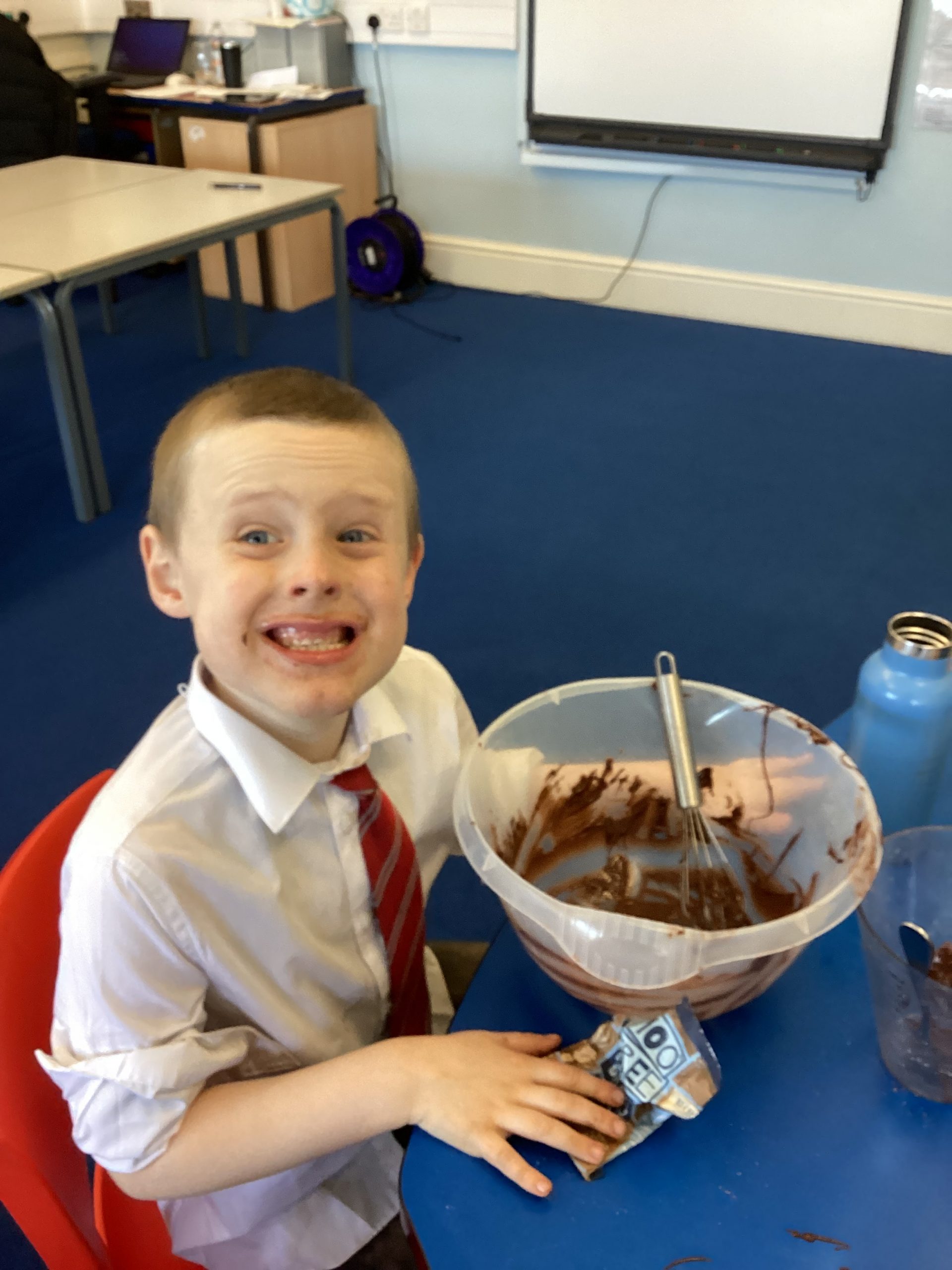
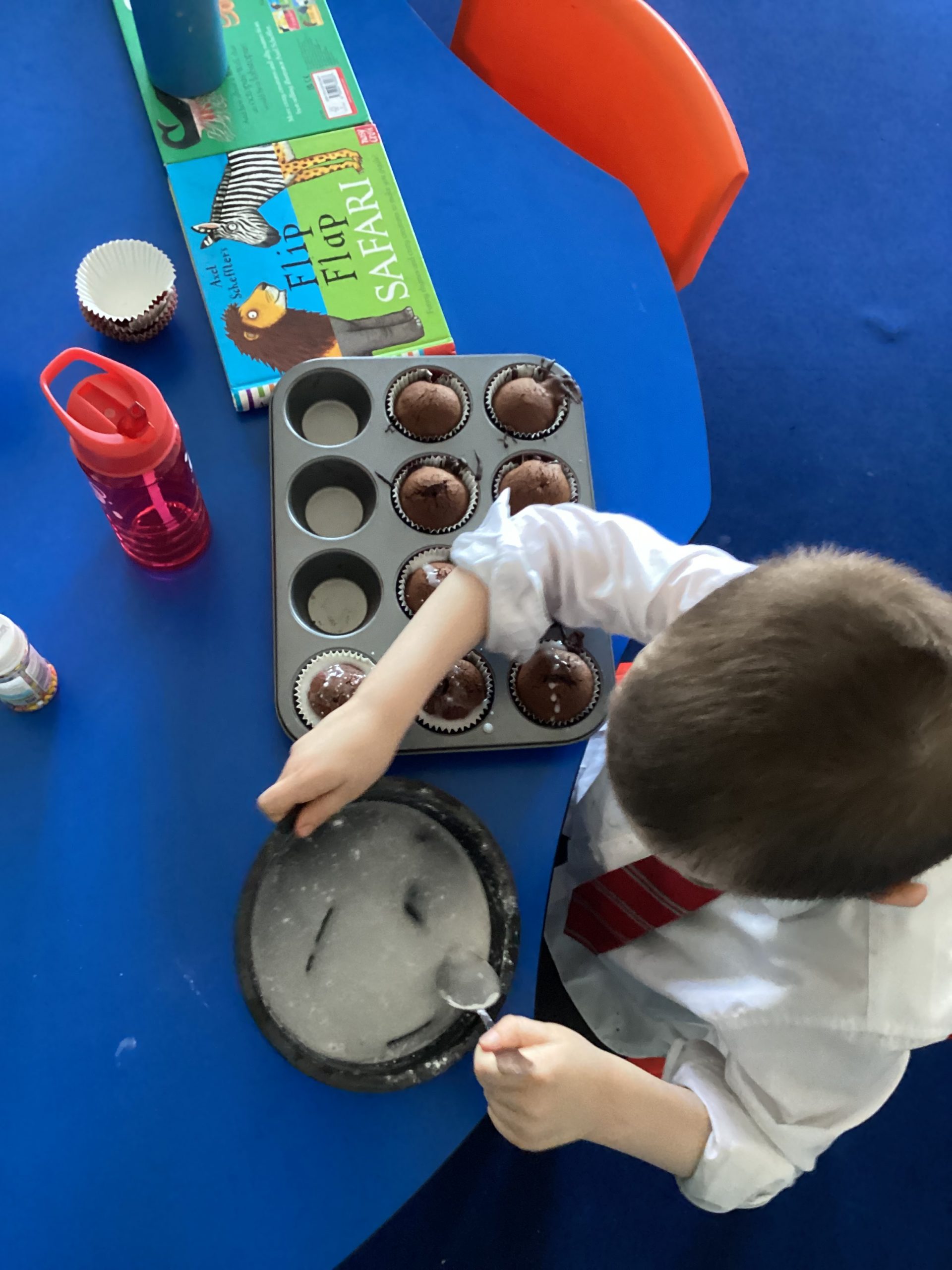
One little learner had so much fun making some chocolate cakes today. He added the ingredients, stirred it all, decorated them and sampled a few too! Well done, they smelled amazing!
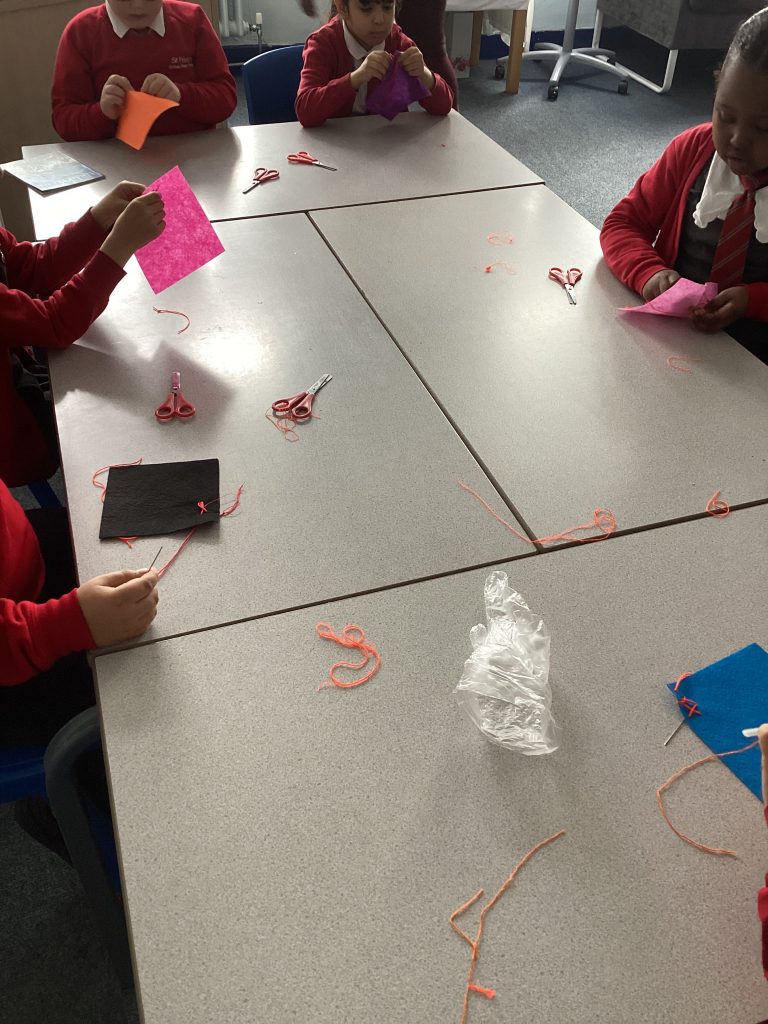
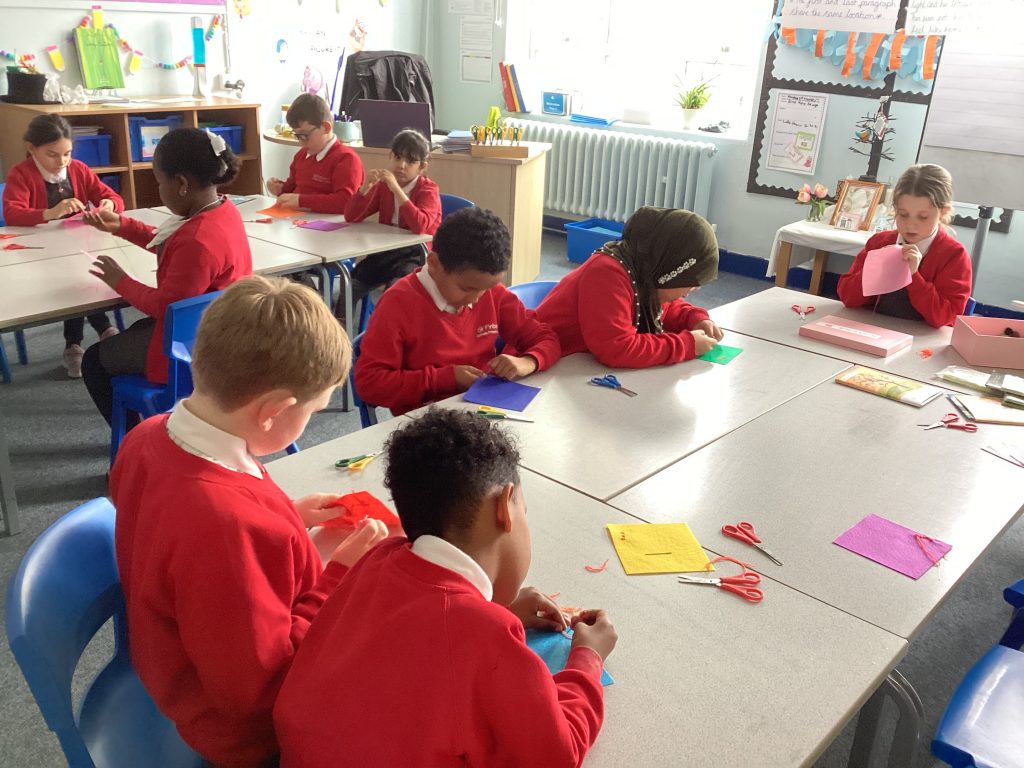
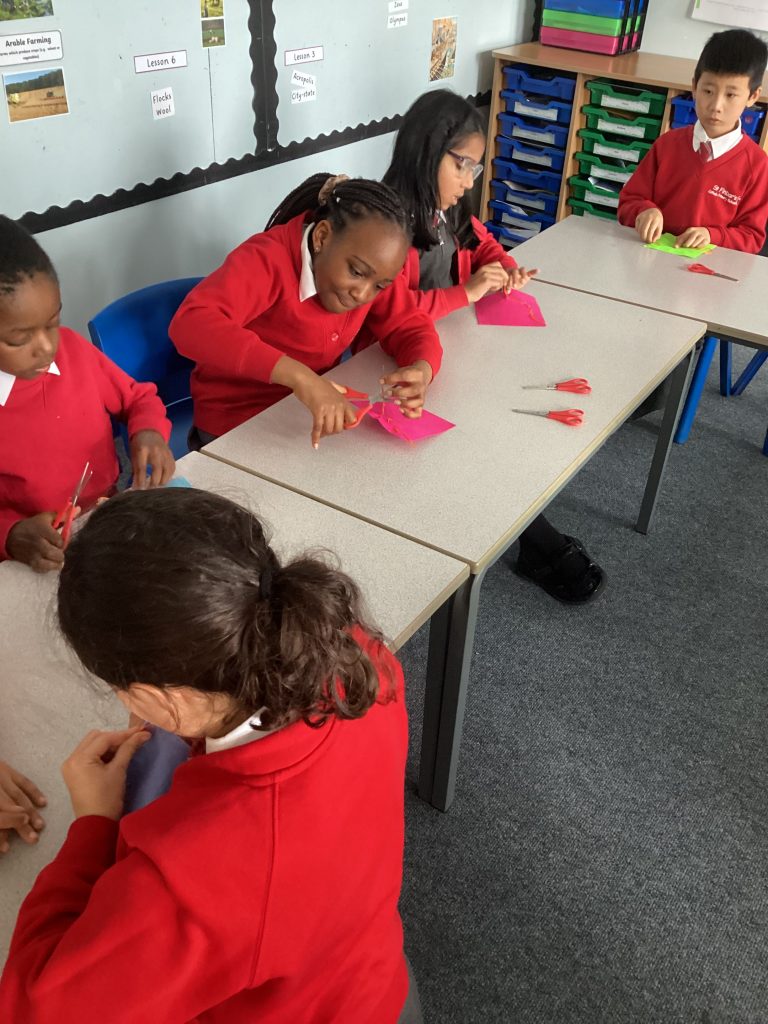
This term in class, we are exploring Textiles as part of our DT unit. Today the children began developing their basic sewing skills. They practised cross stitch and running stitch. The children also started experimenting with appliqué, where they cut out small fabric shapes and attach them onto another. A fantastic way to end this week’s learning! Happy weekend everyone!
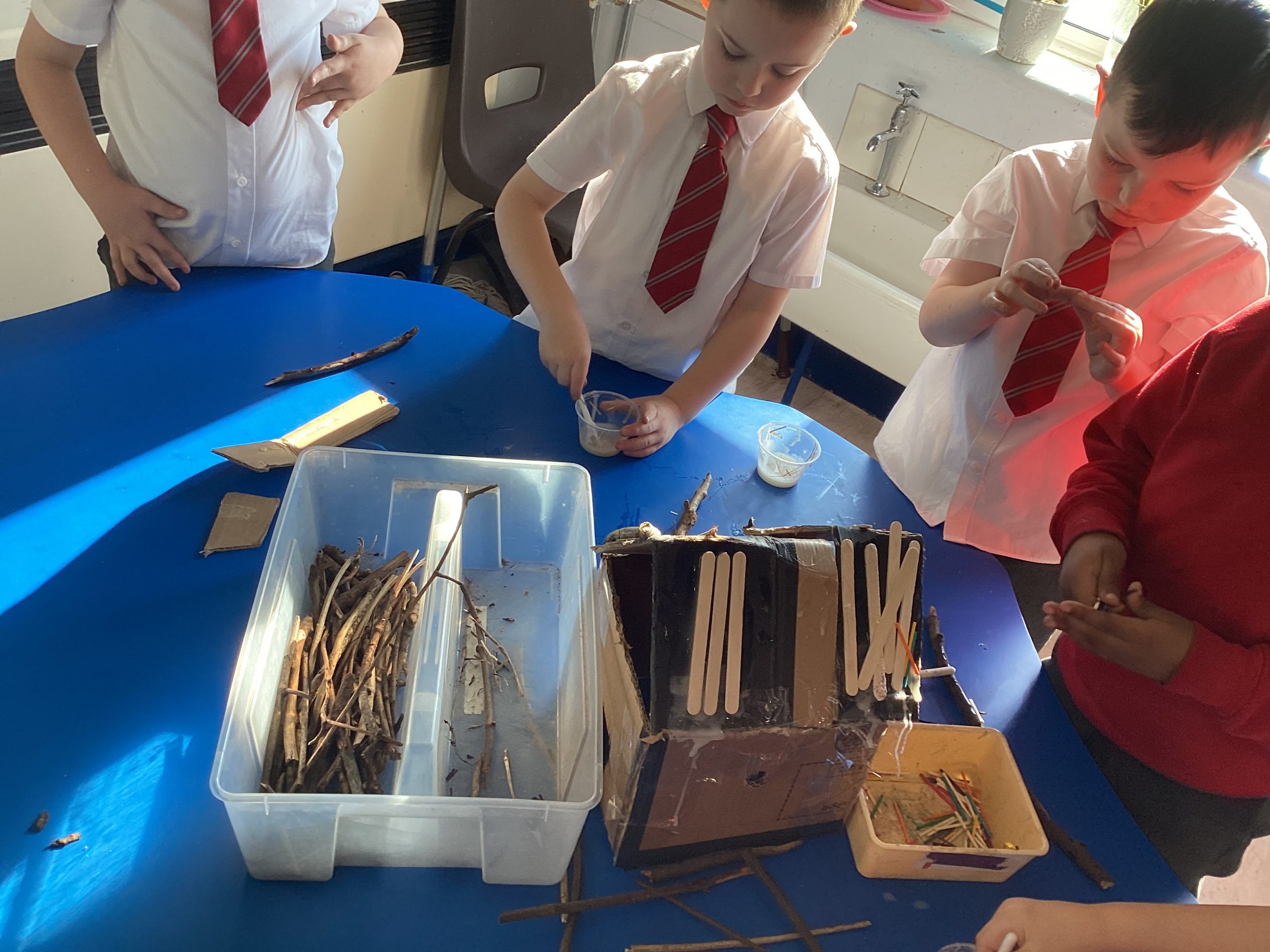
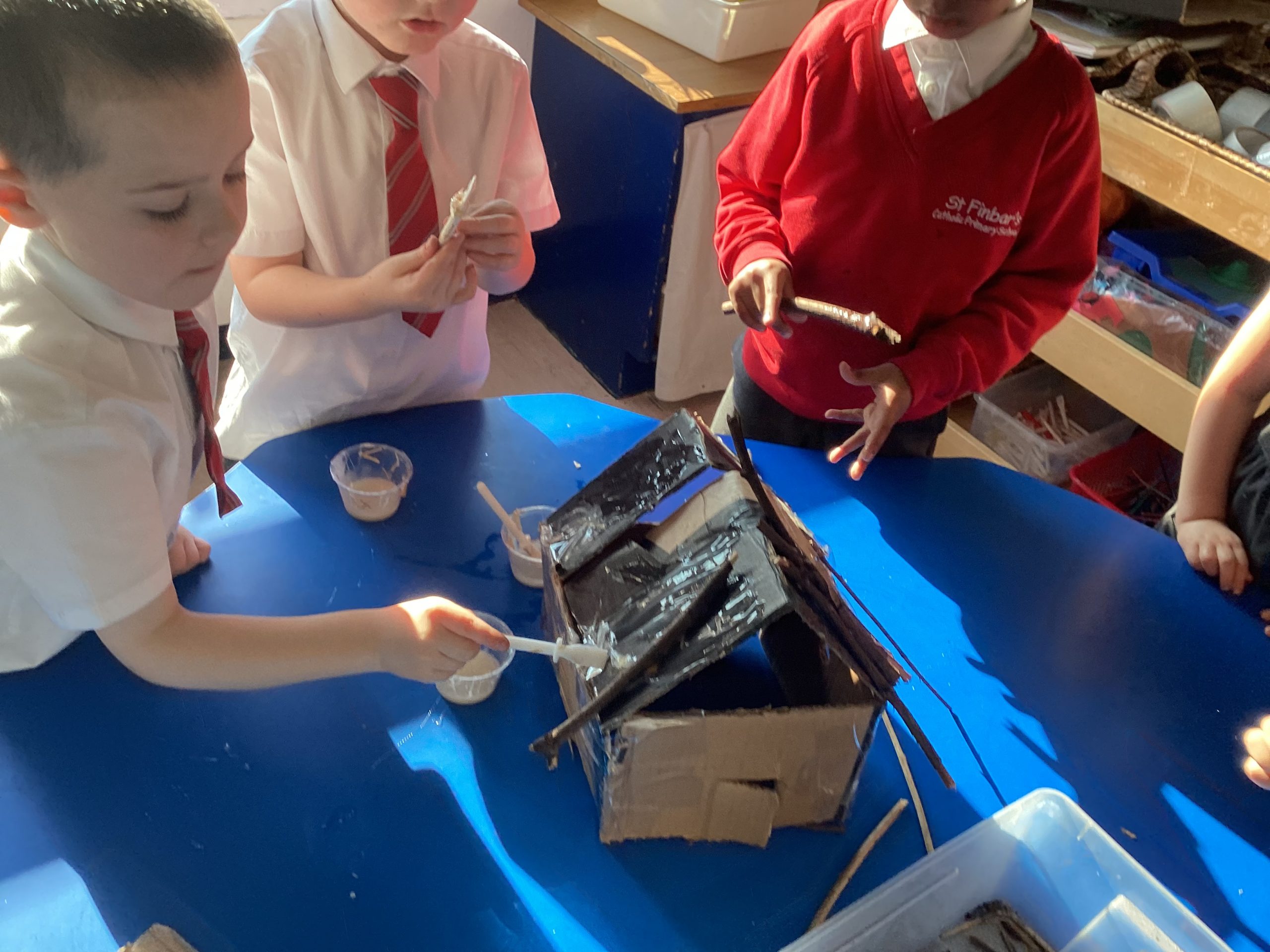
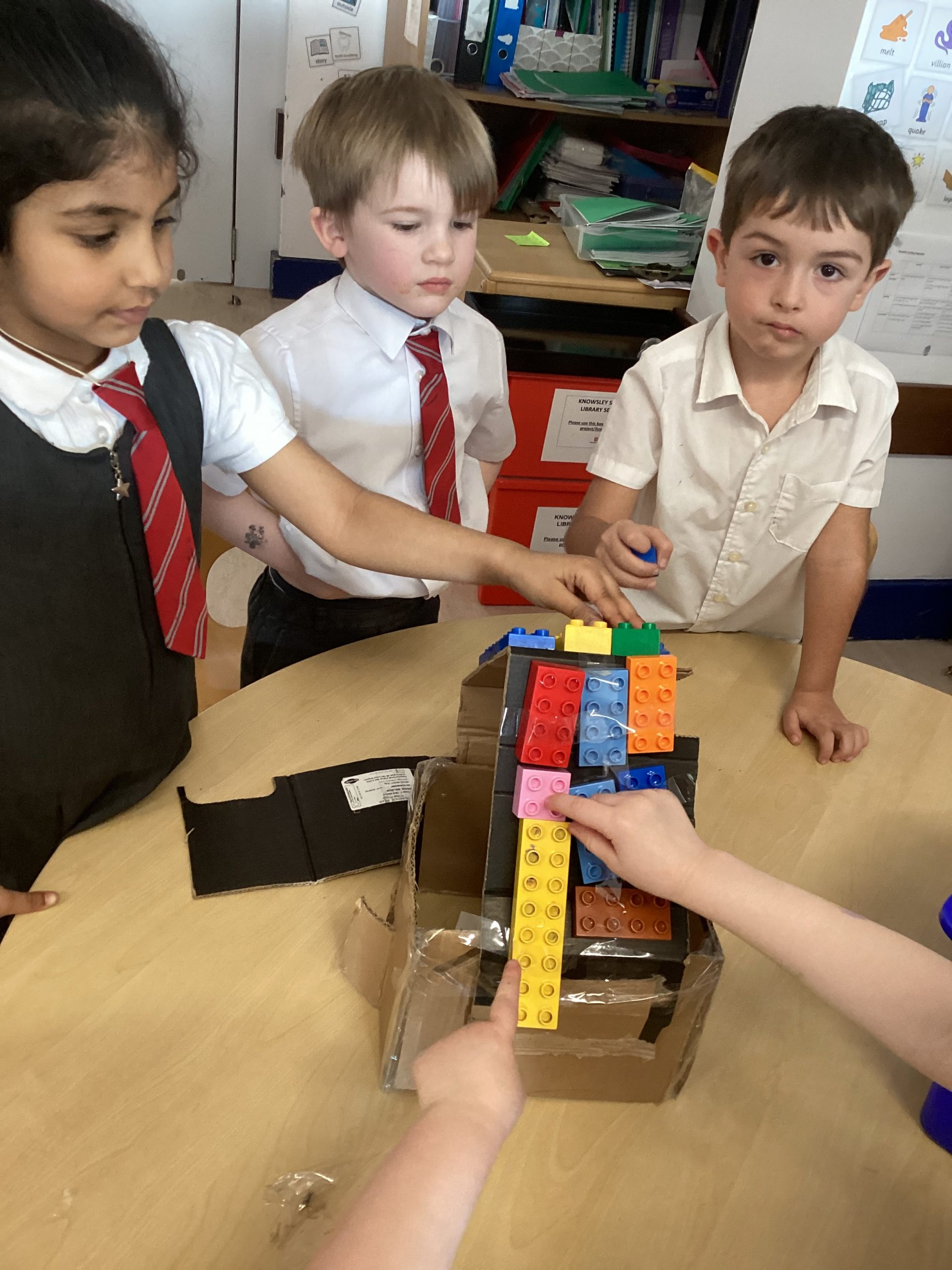
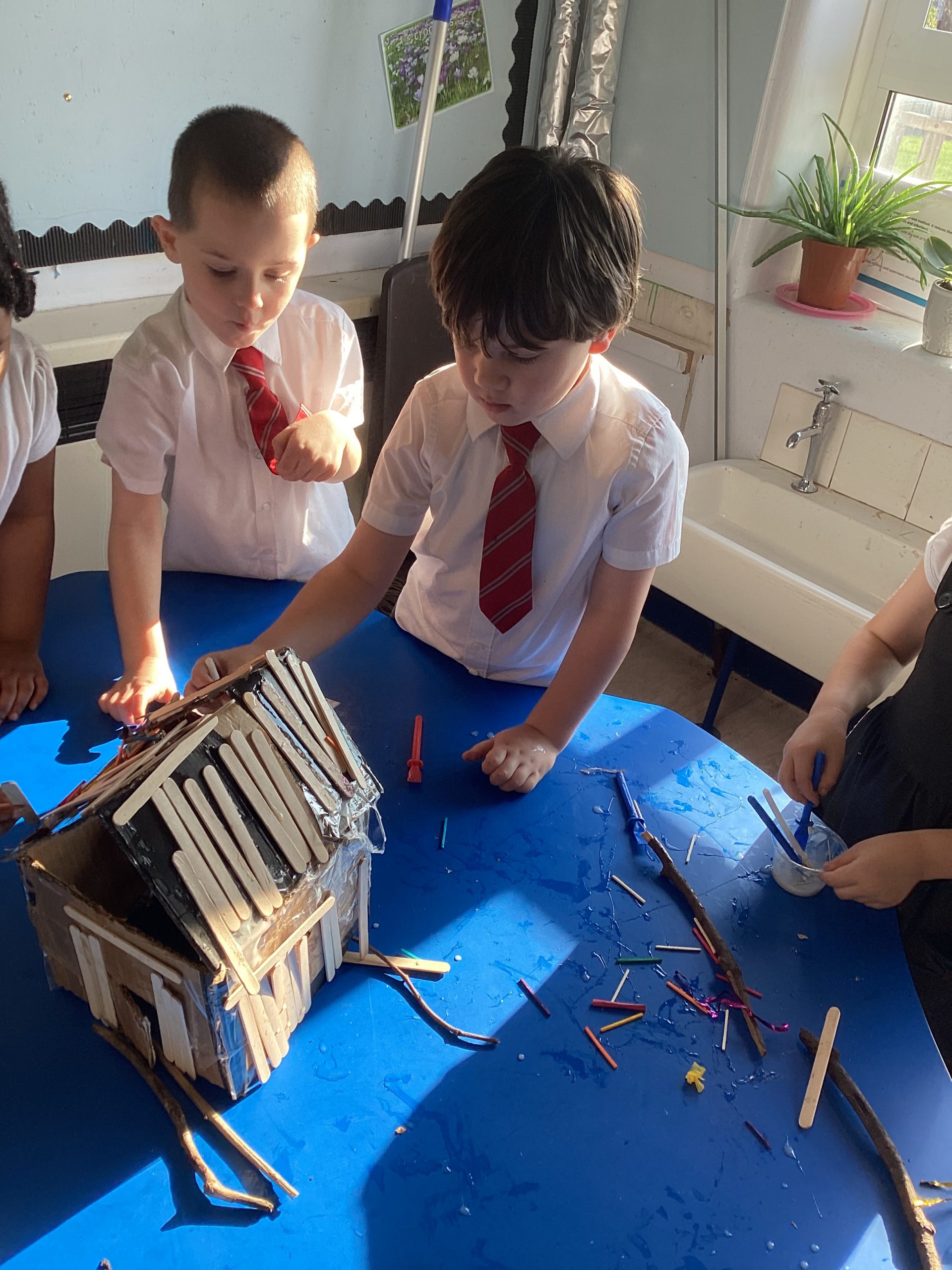
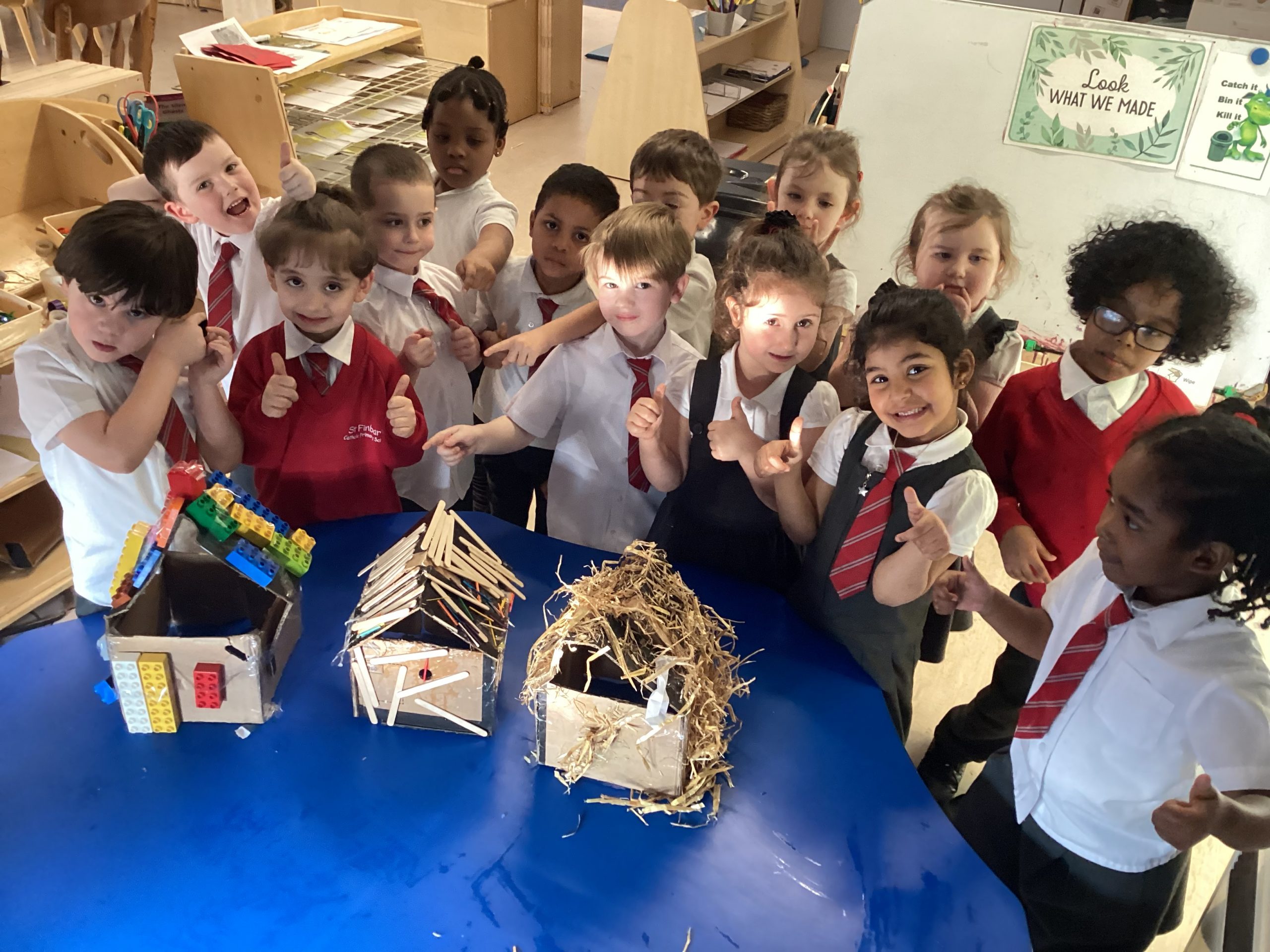
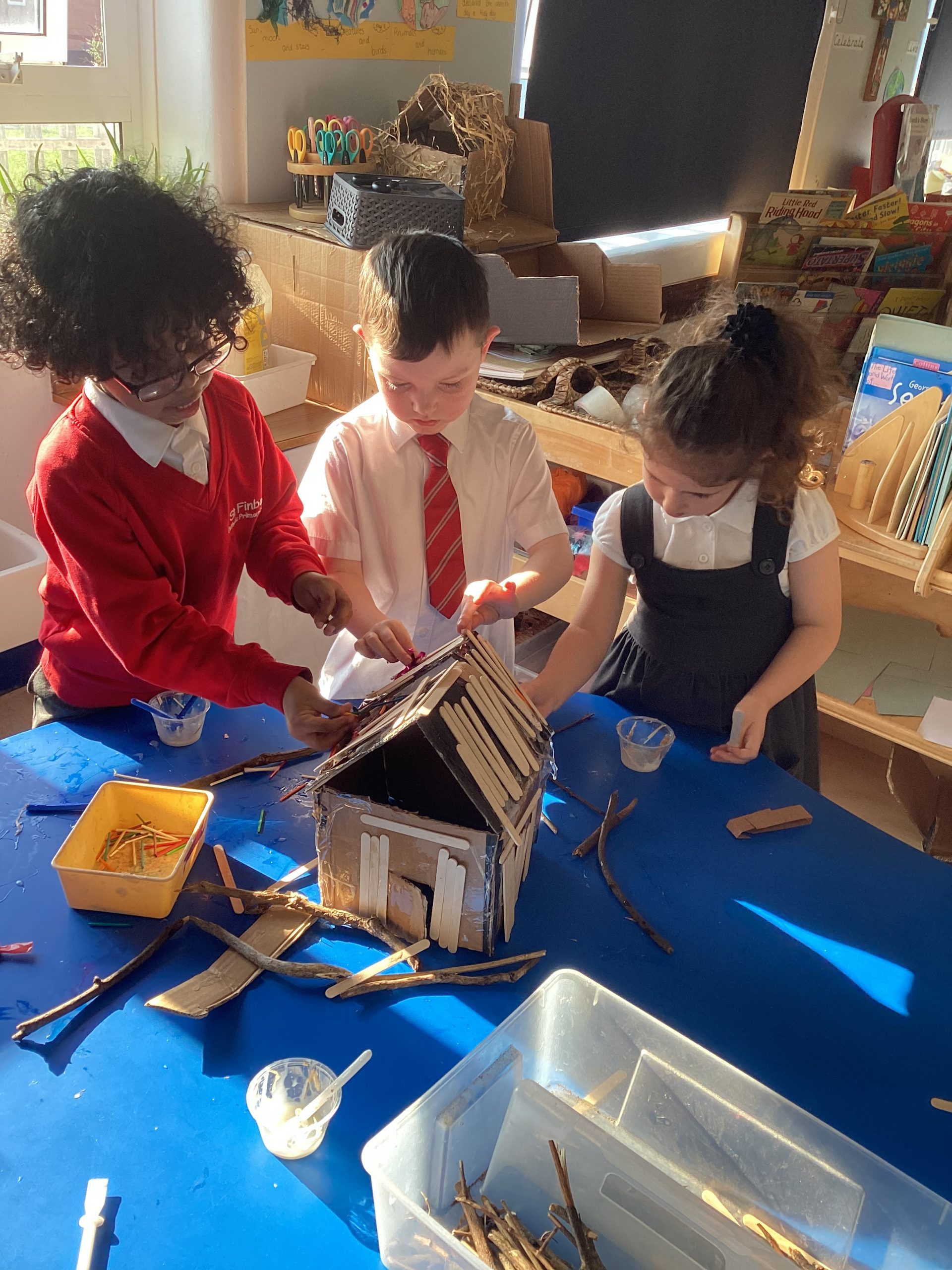
After reading the story The Three Little Pigs, Sunflower class used different resources to create our own houses. The children had to work collaboratively to create the shared pieces. They decided what was the best way to add the materials and how to apply them.
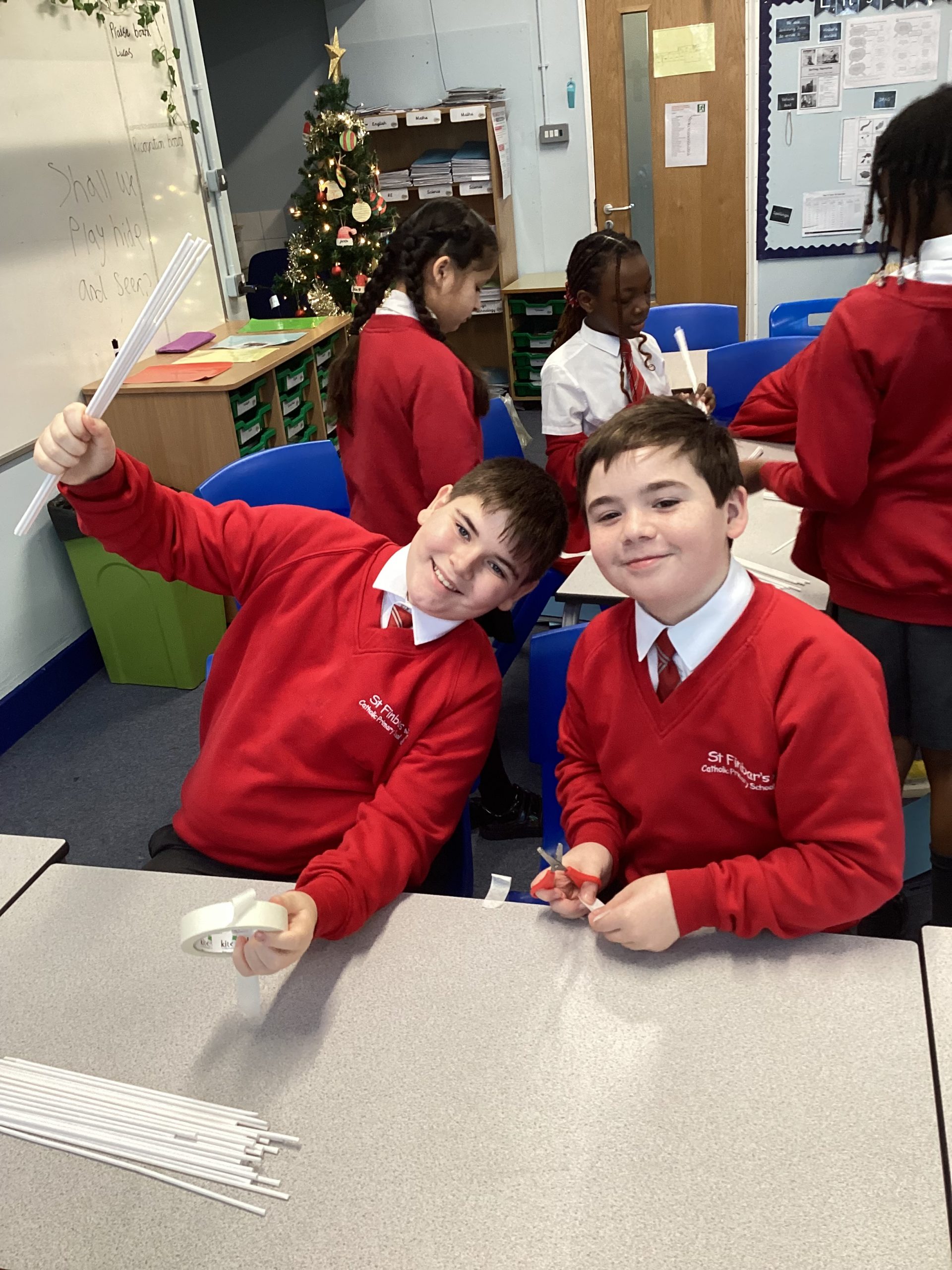
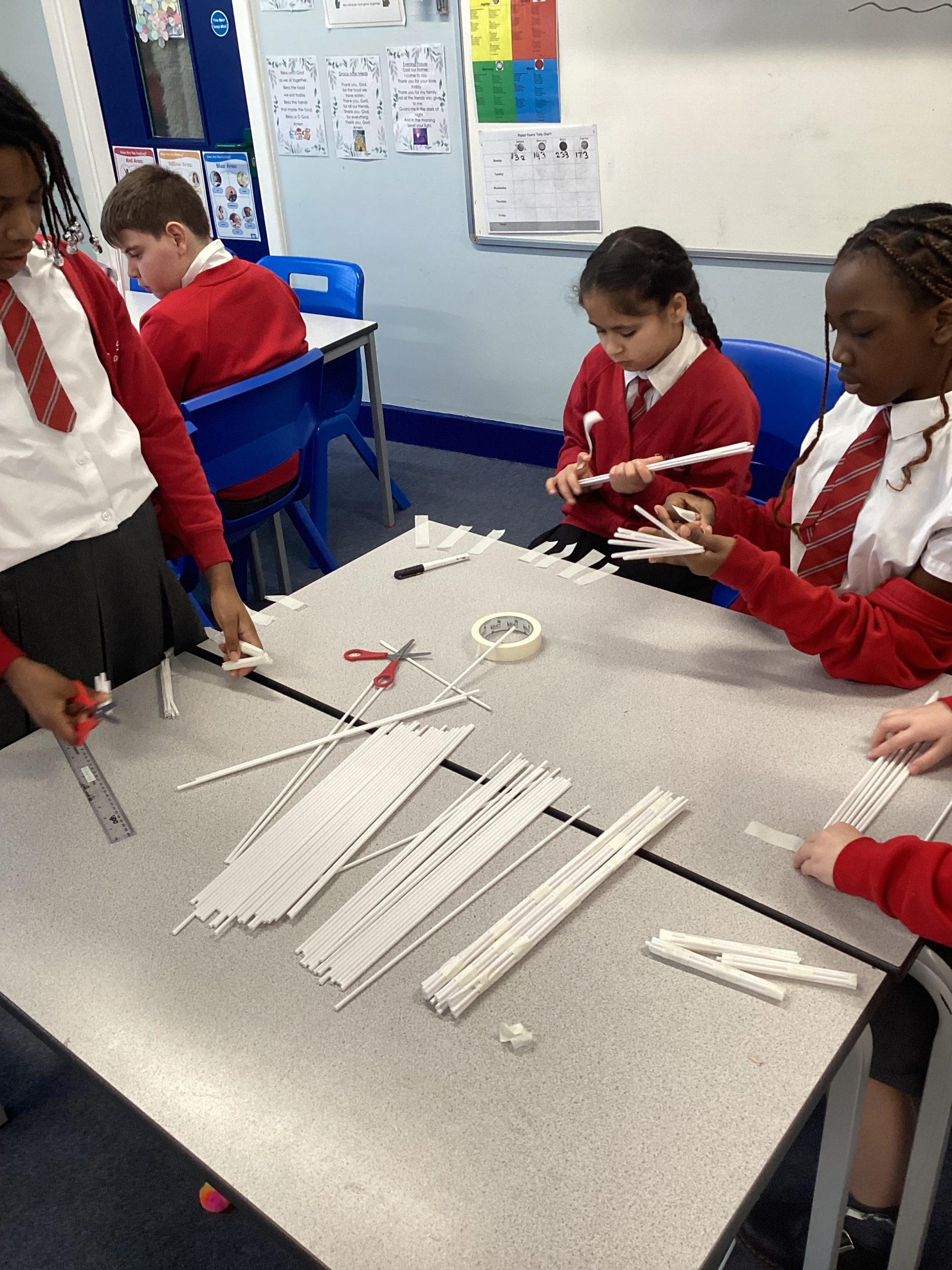
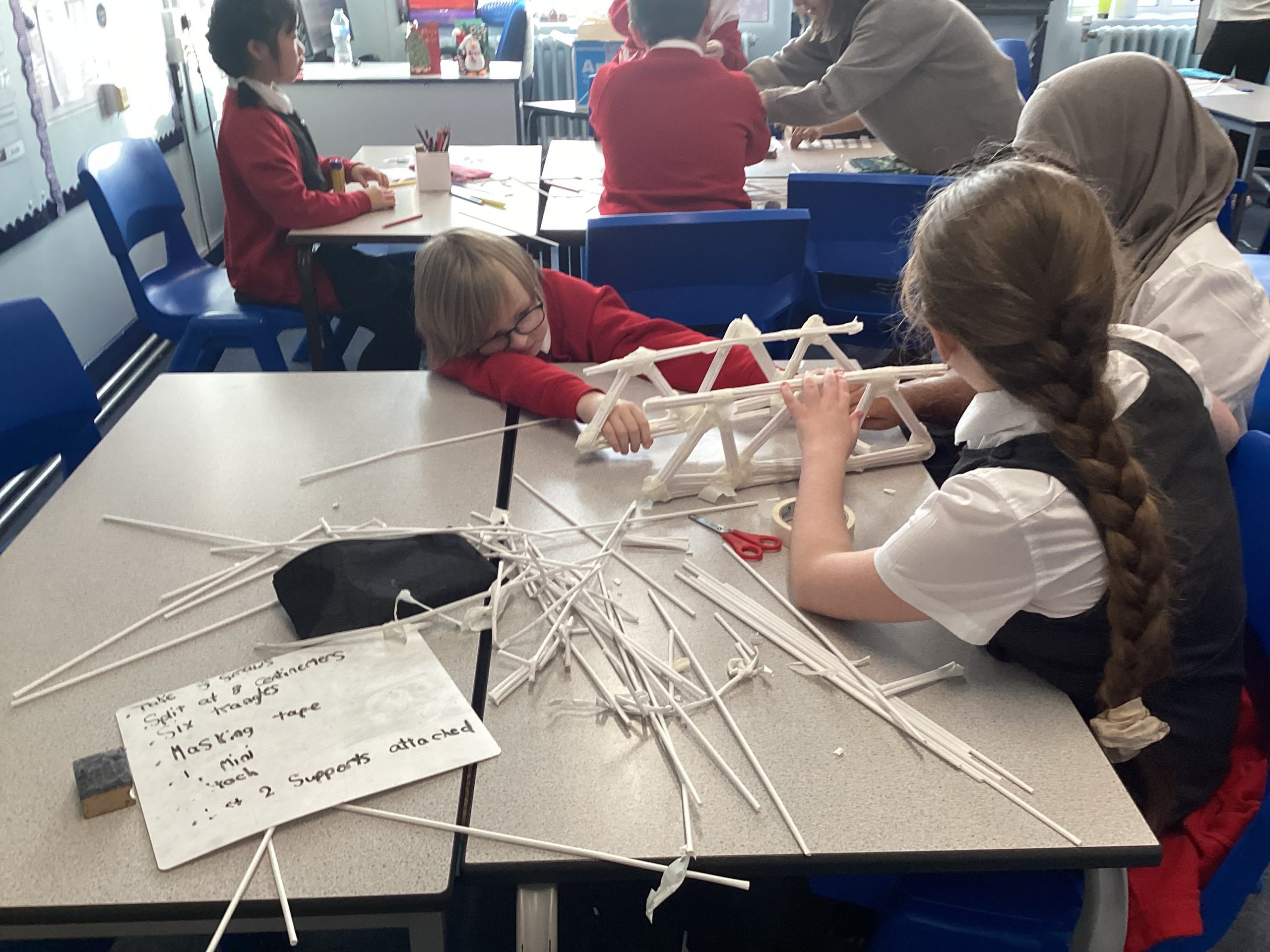
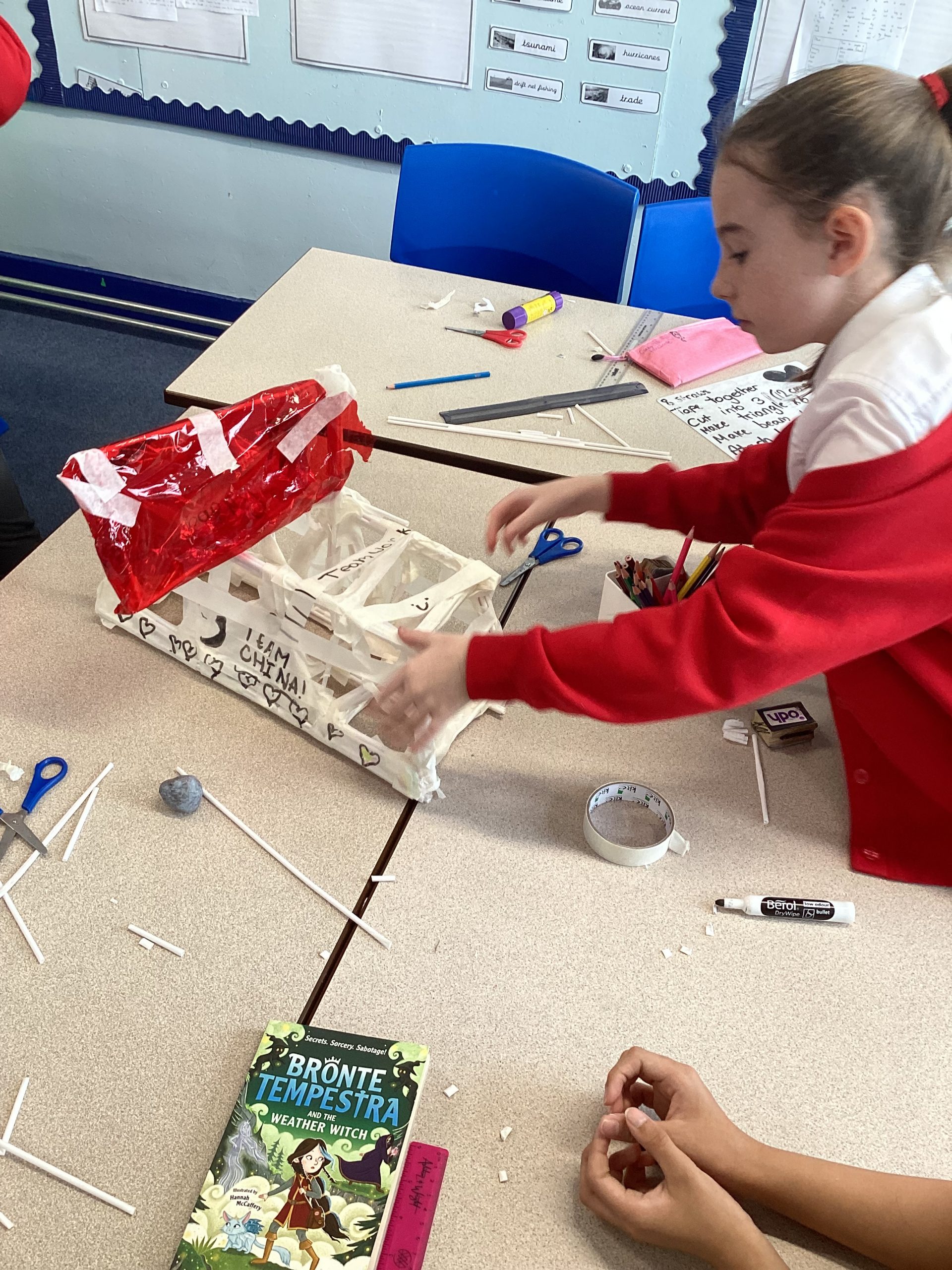
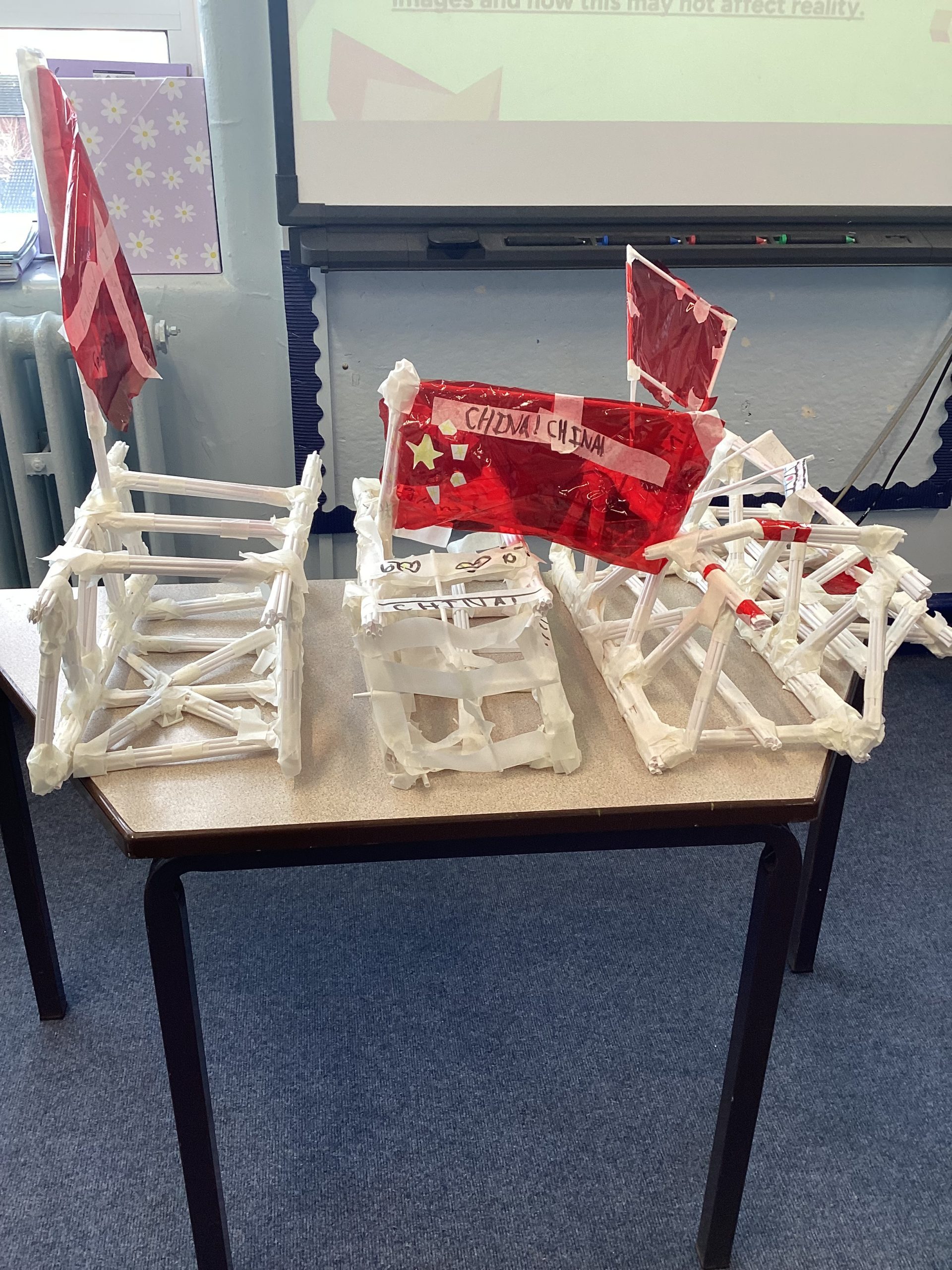
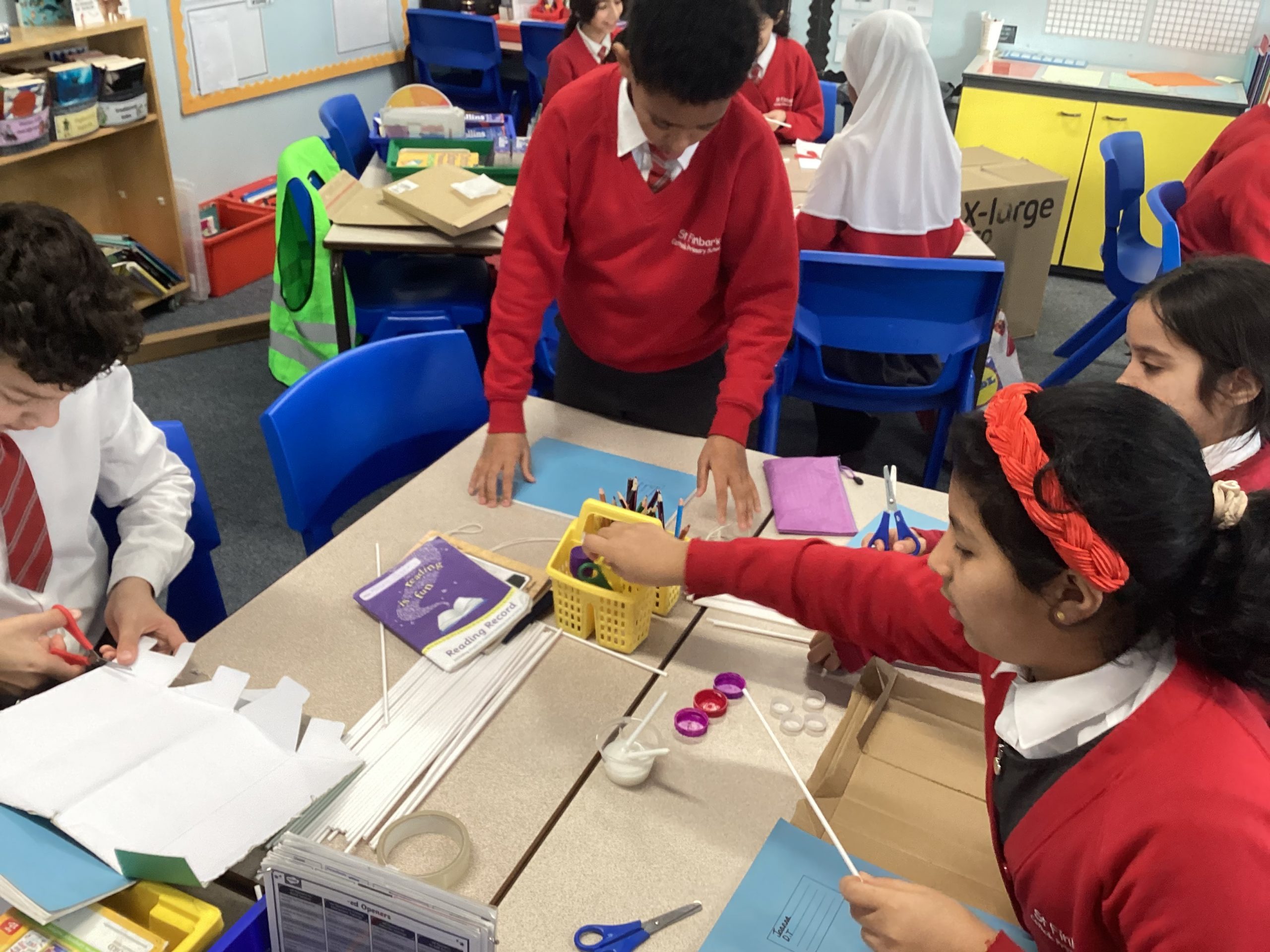
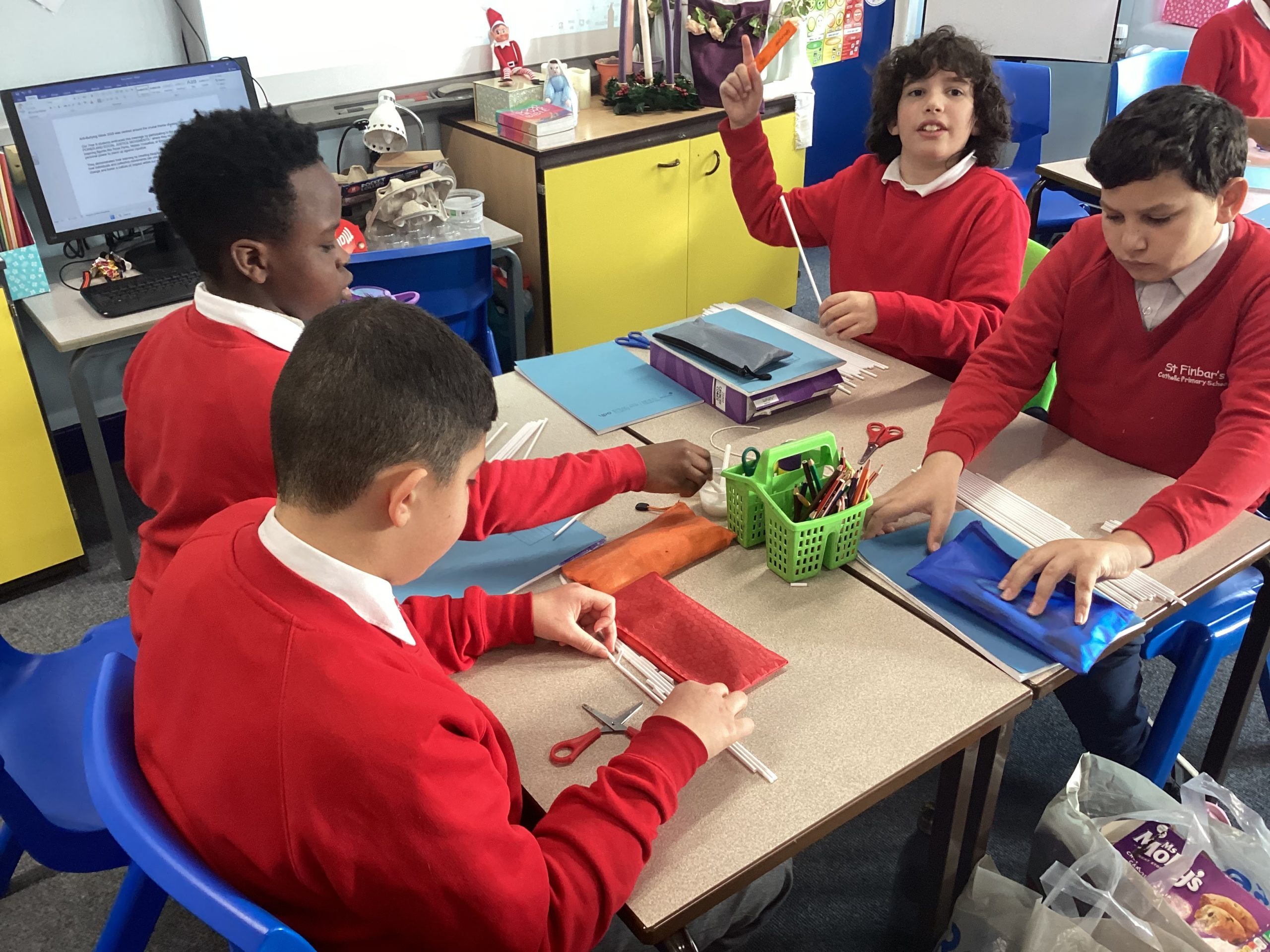
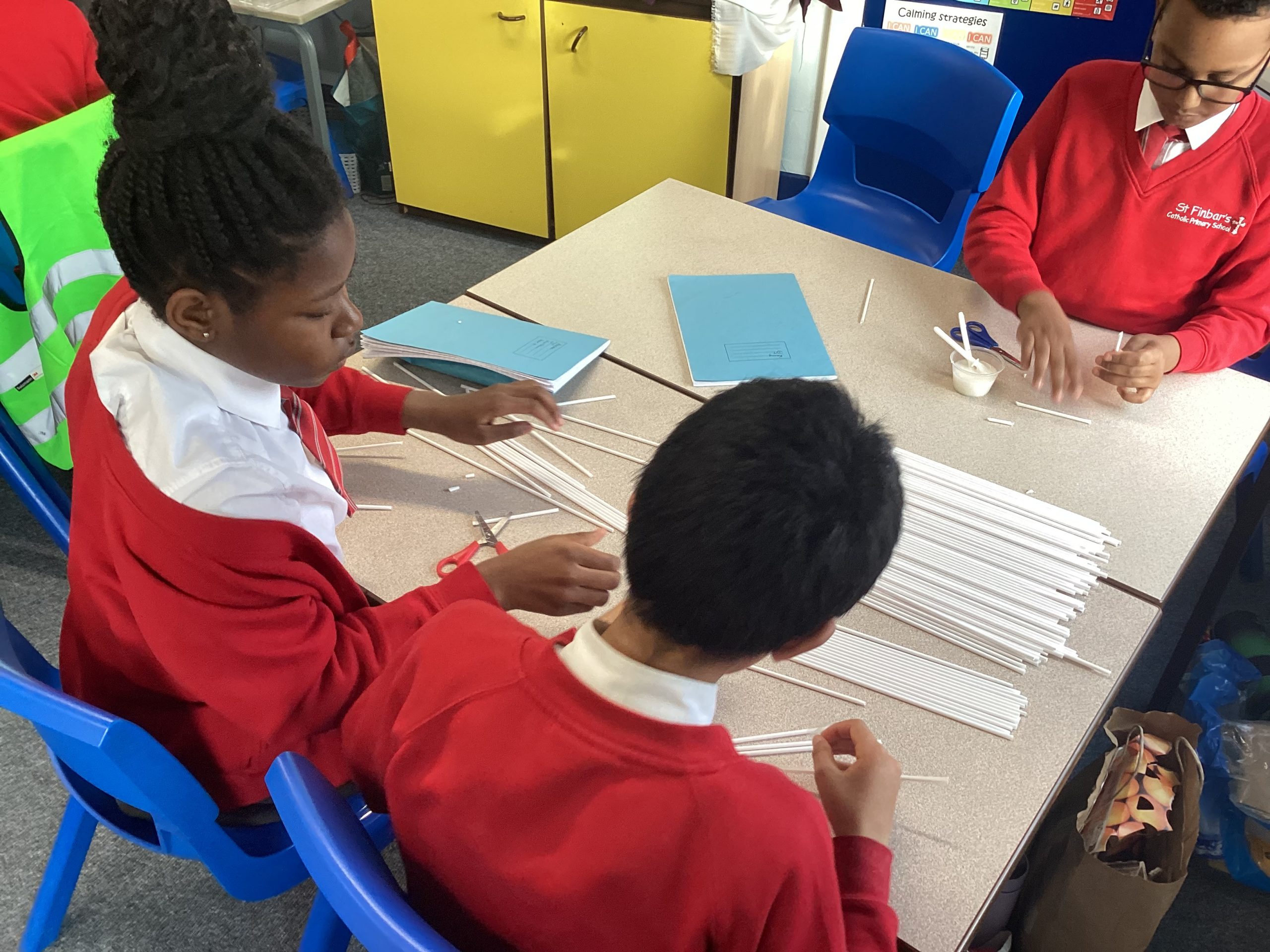
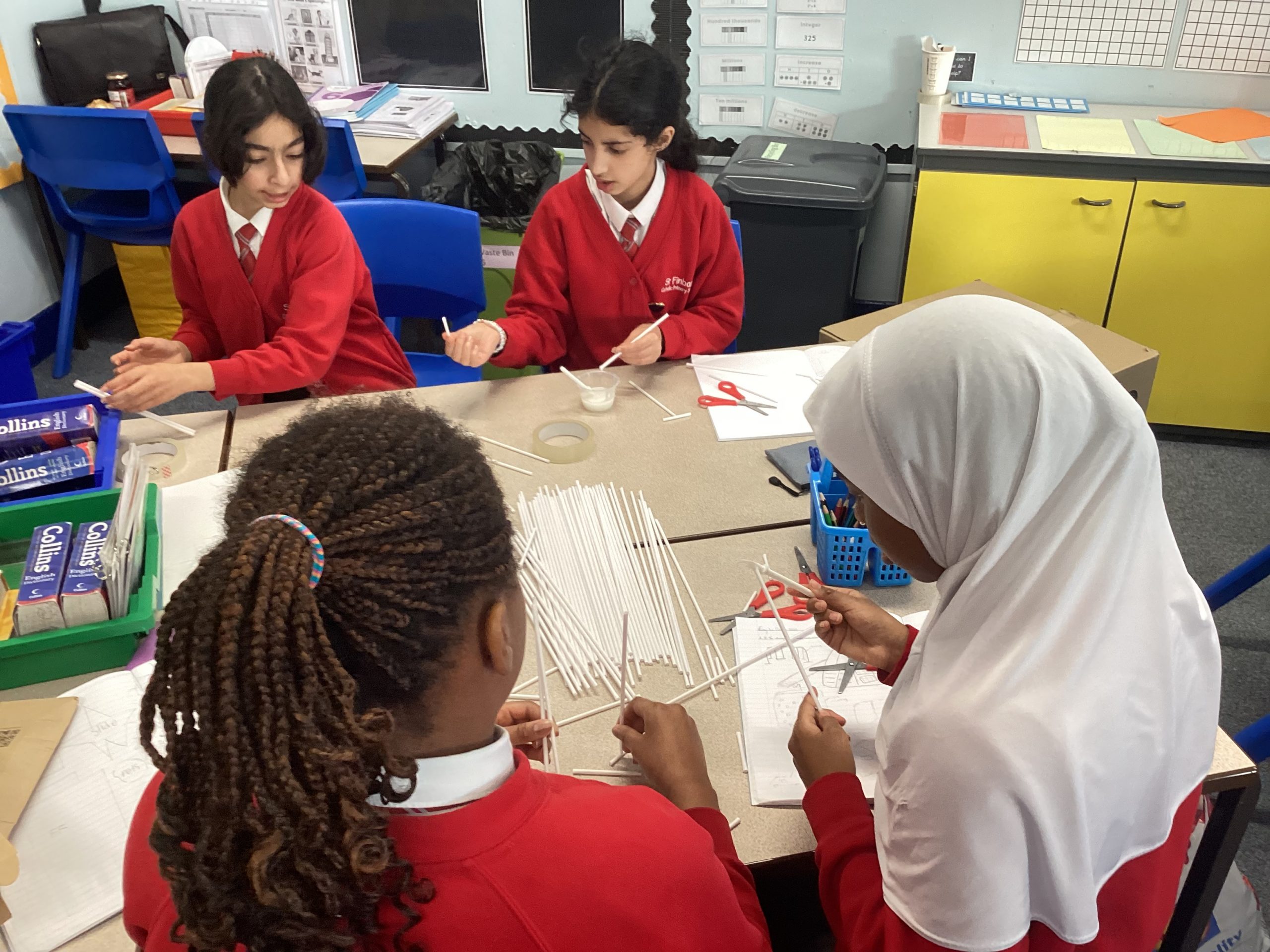
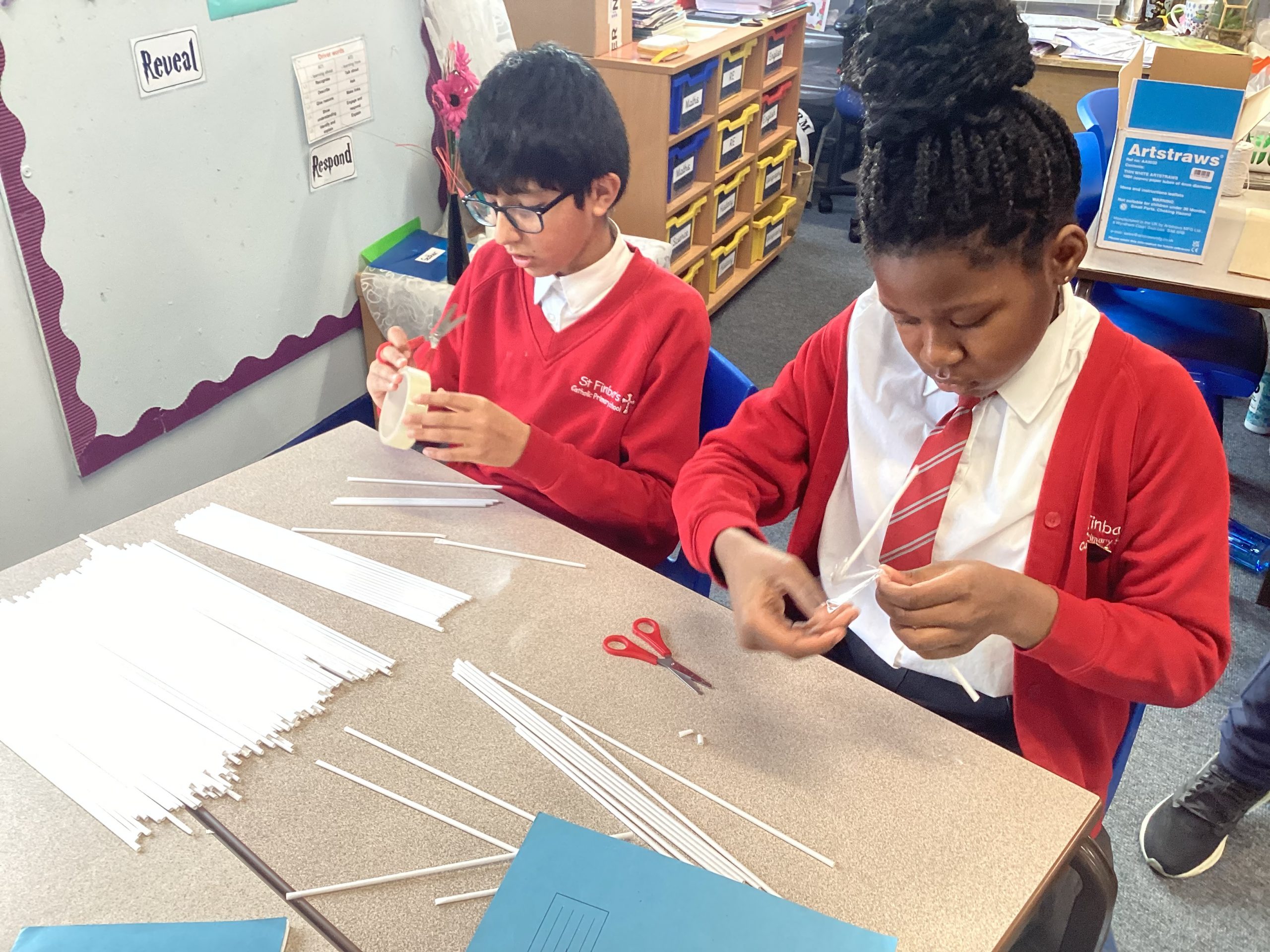
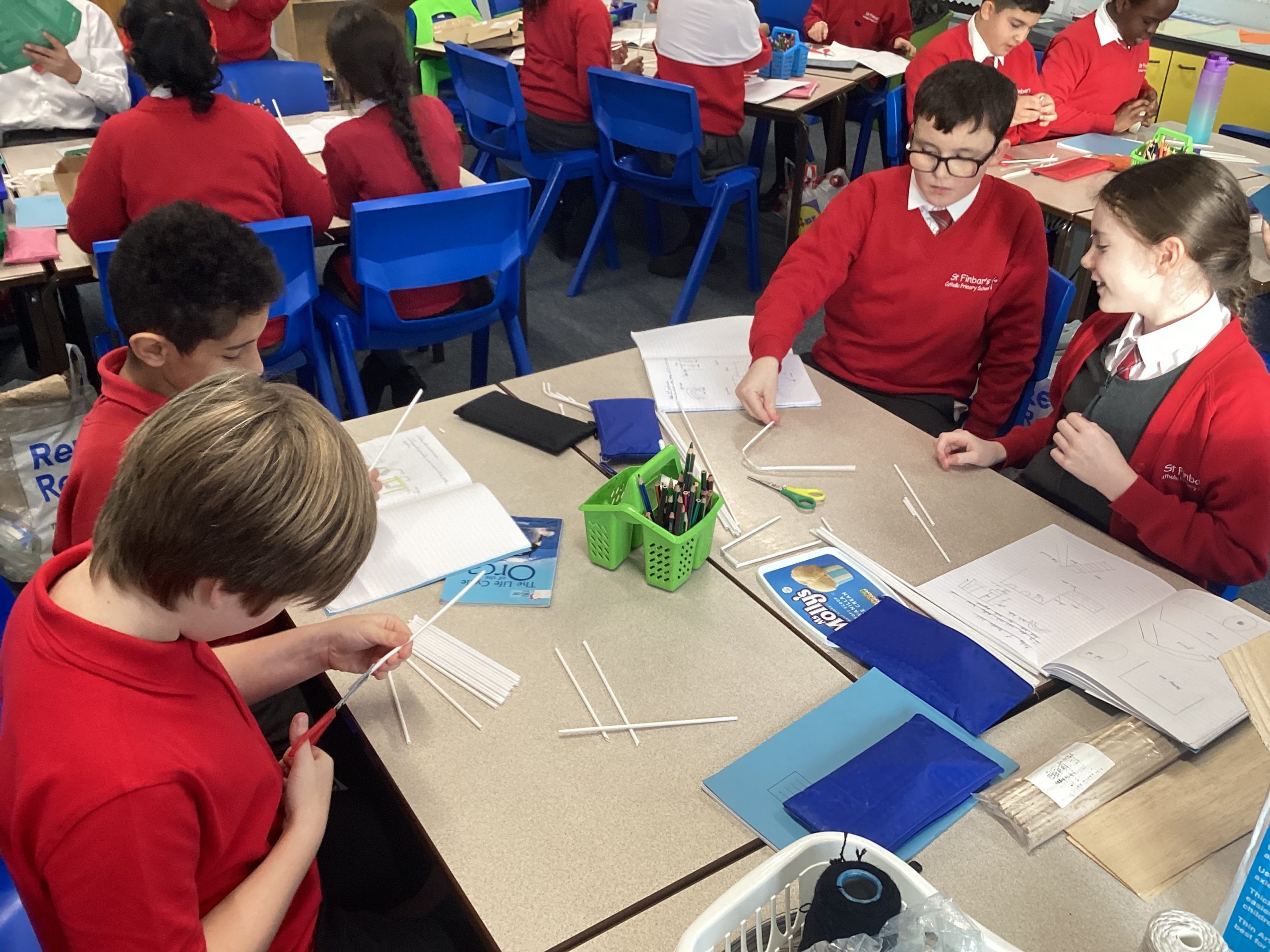
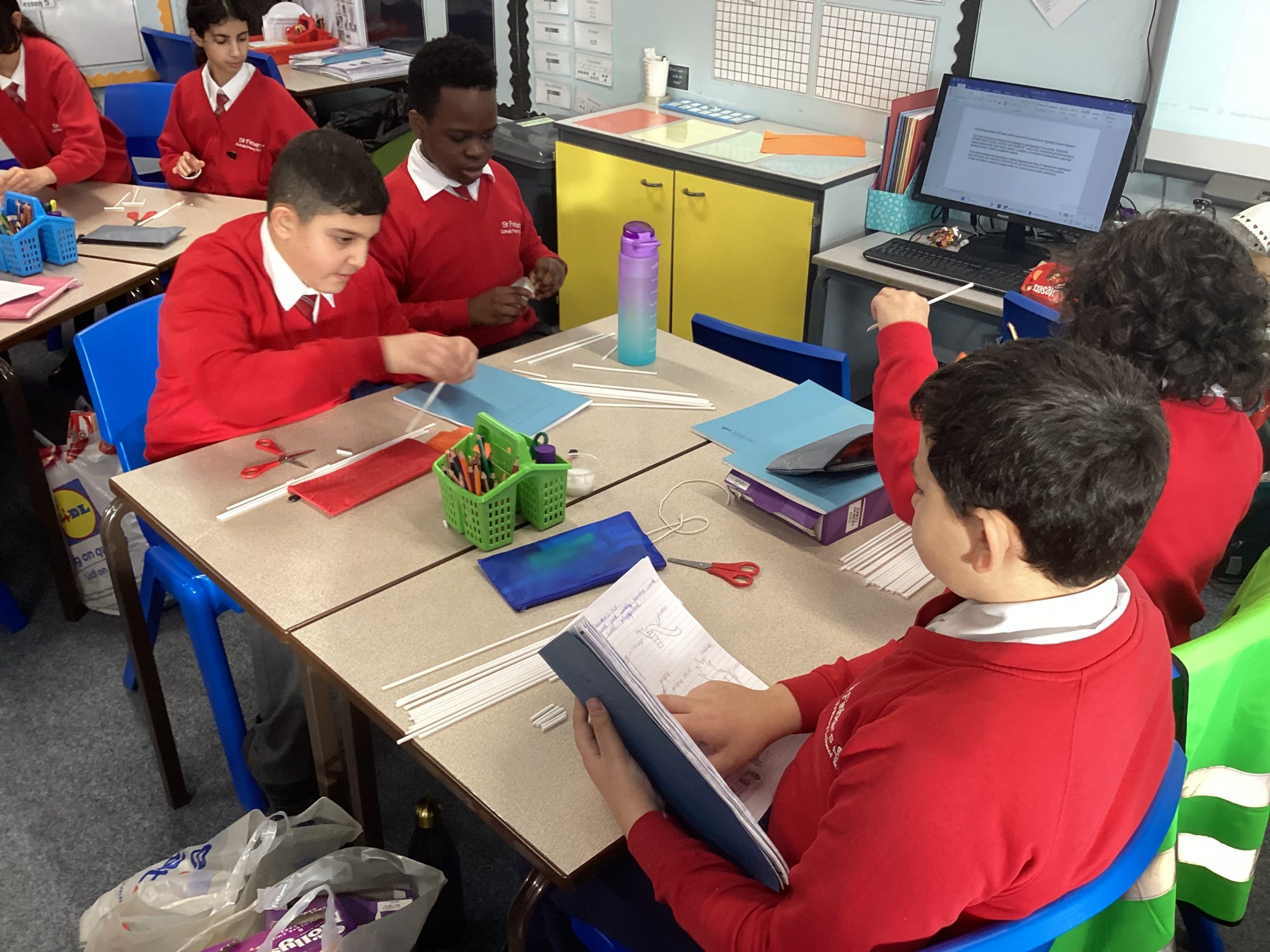
We have carried on working on our truss bridges, but this time using straws. This is because straws are a stronger material for us to use. Everyone worked in teams to develop bridges that were strong. There were some amazing creations. Well done year 5!
During today’s lesson, we have been working on perfecting our builds. We looked at a range of methods to help our scriptures stand independently. They are starting to look good. One more lesson and they will be complete.
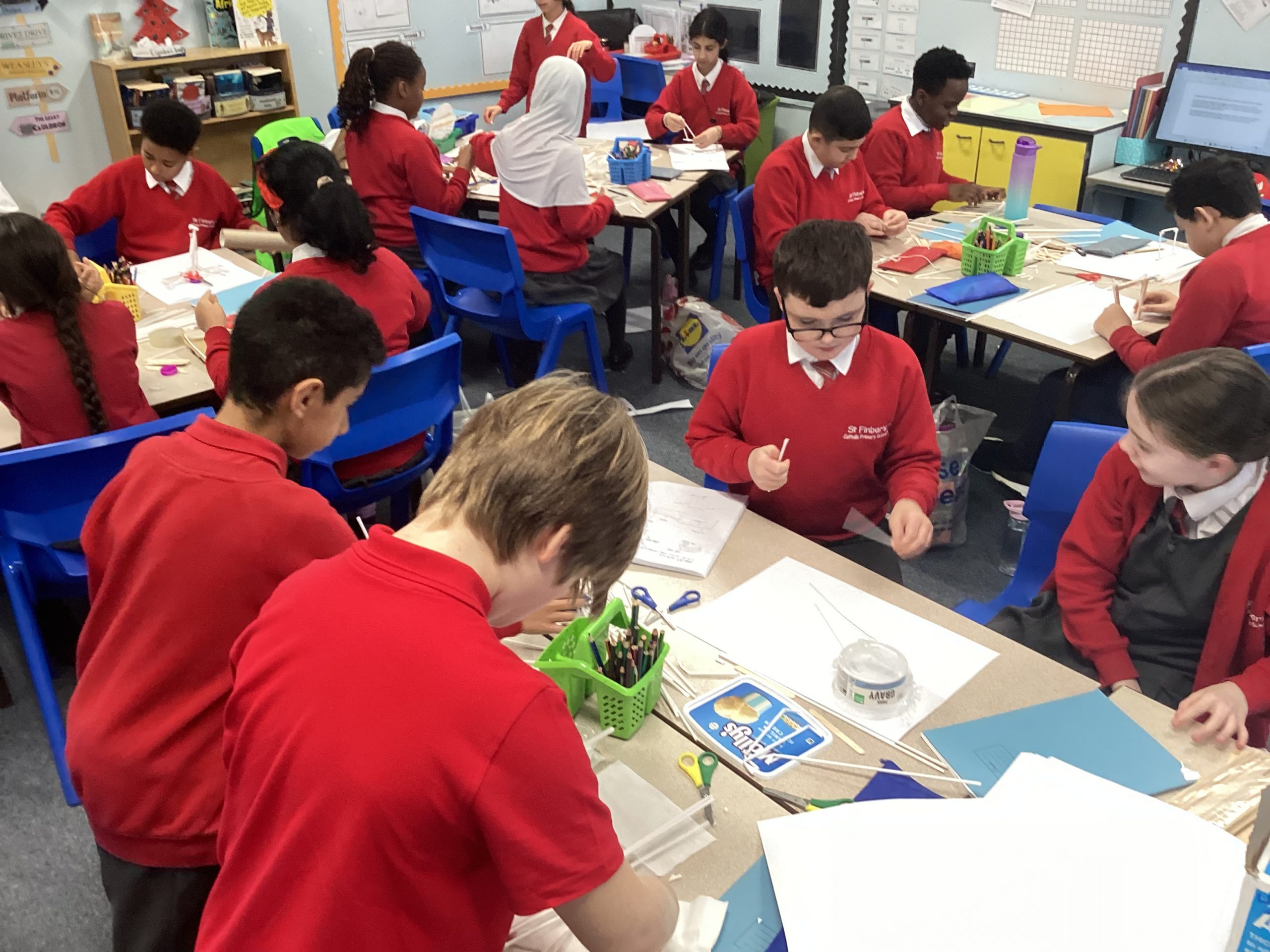
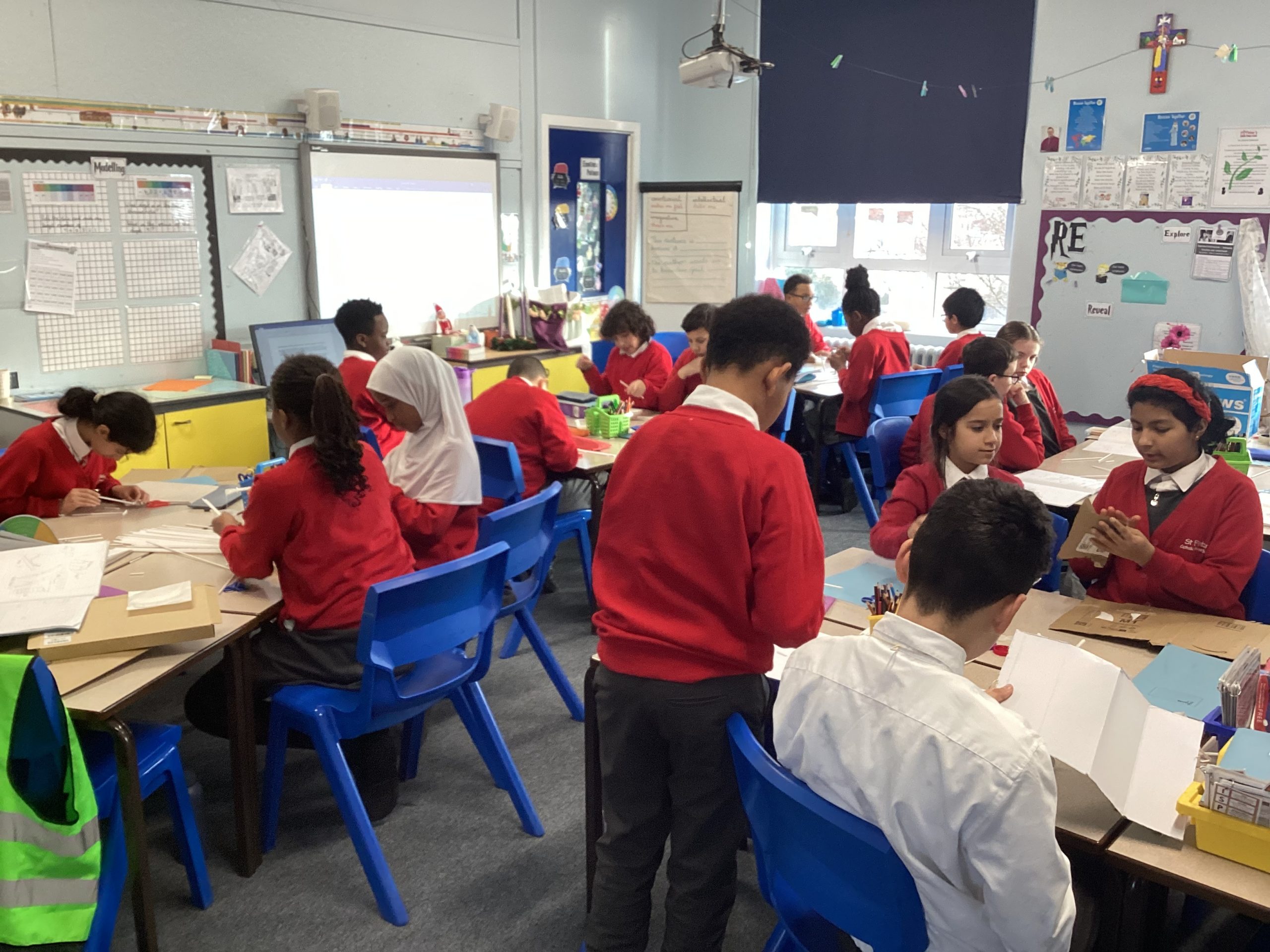
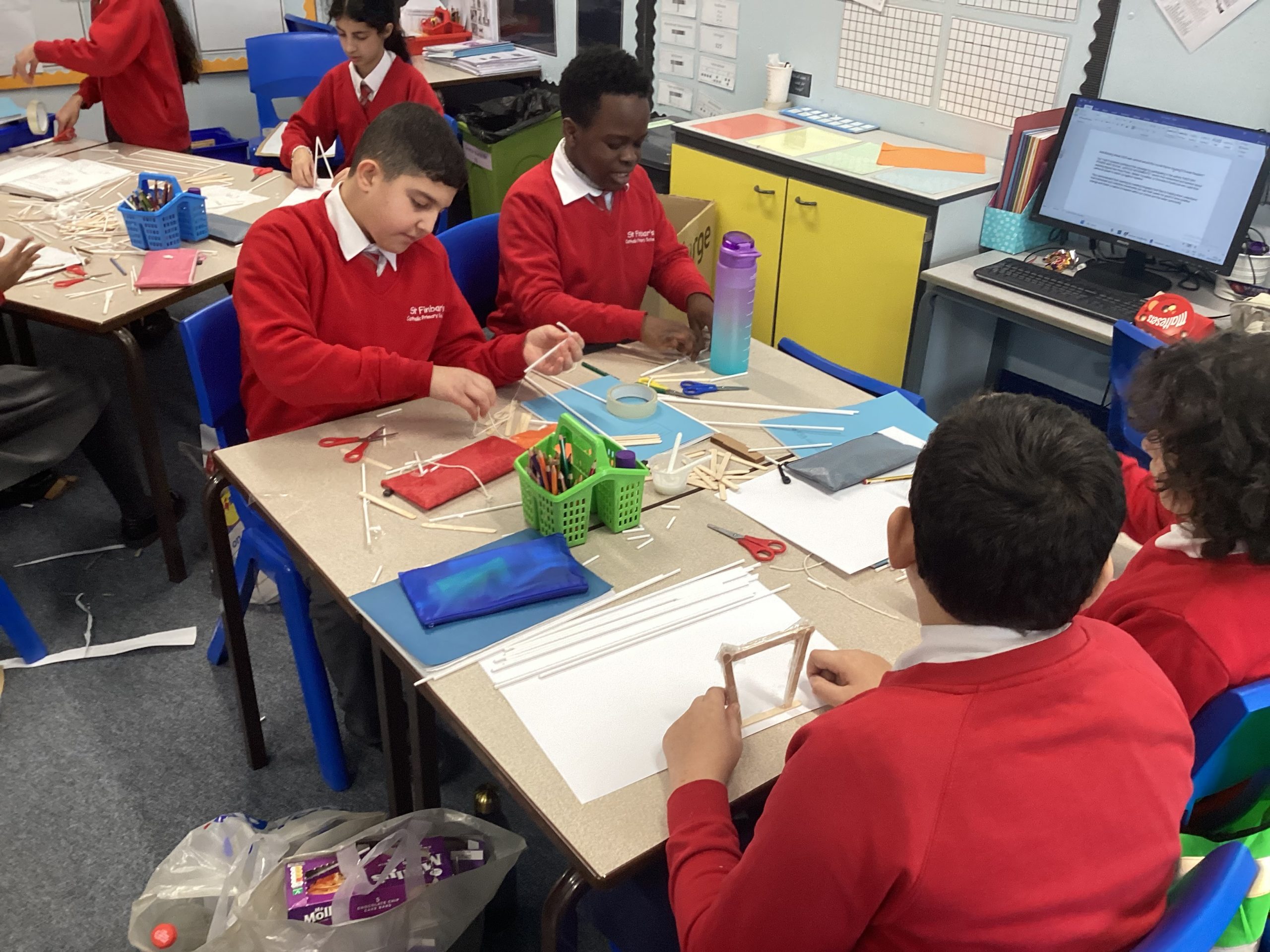
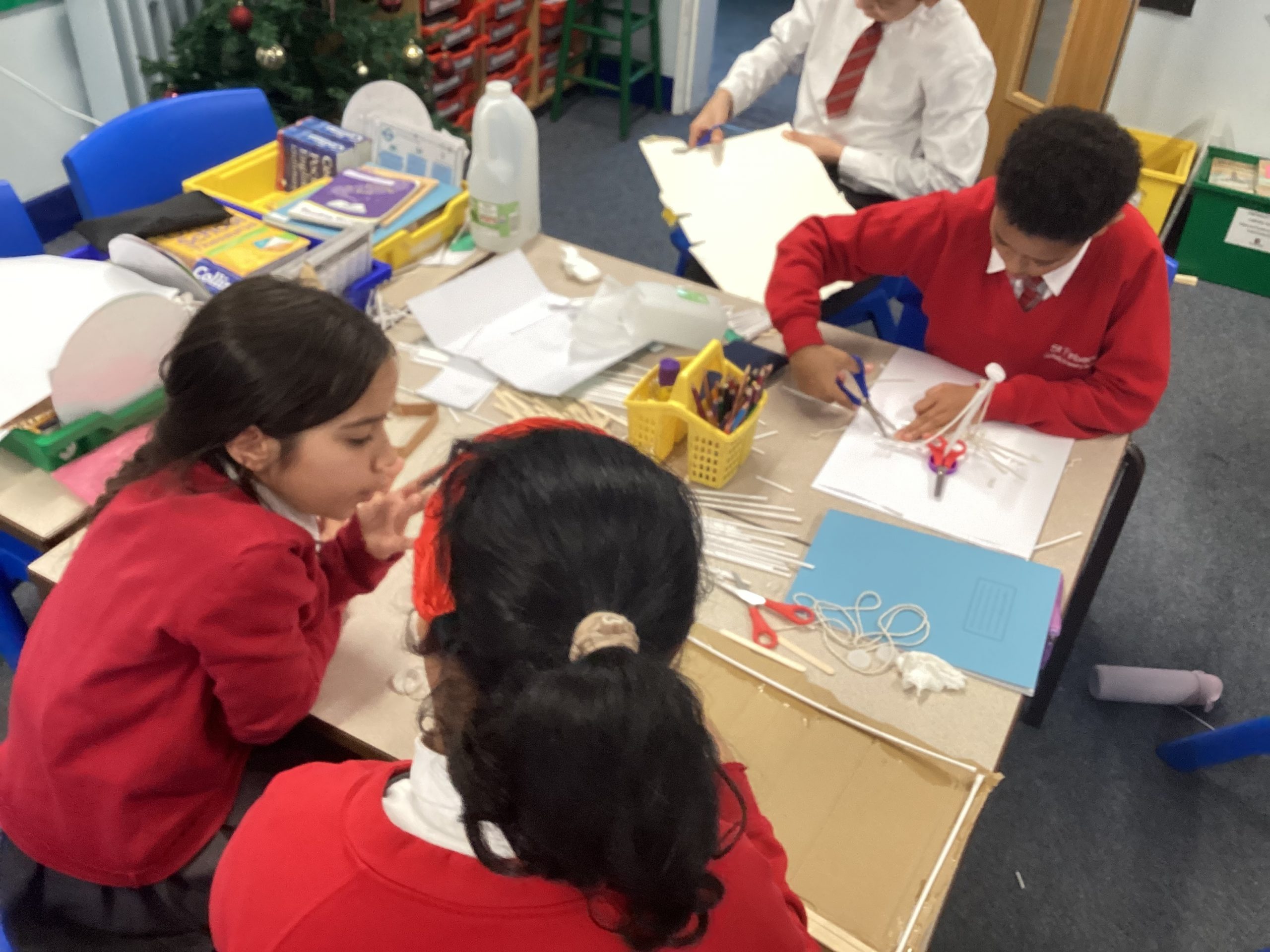
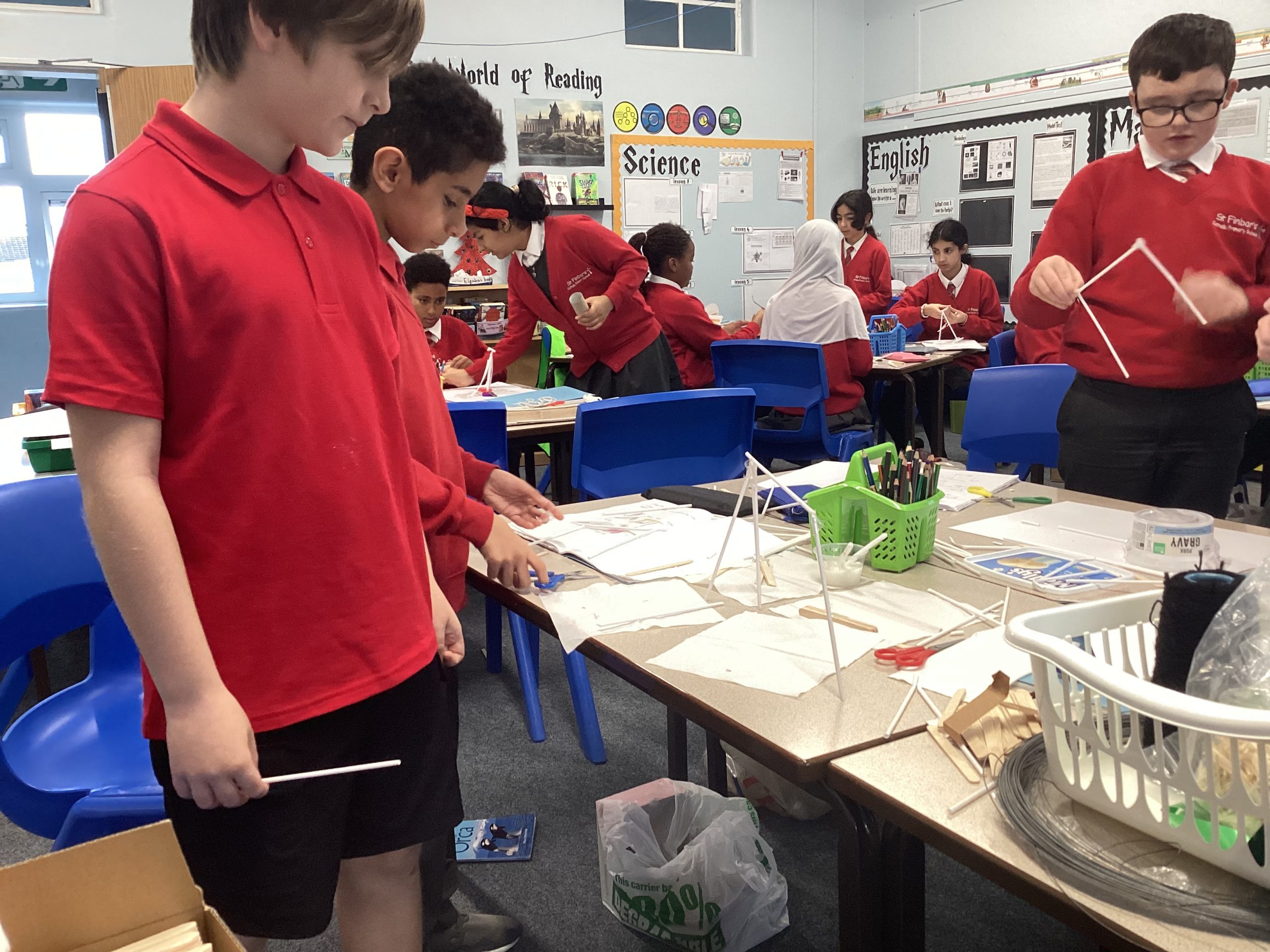
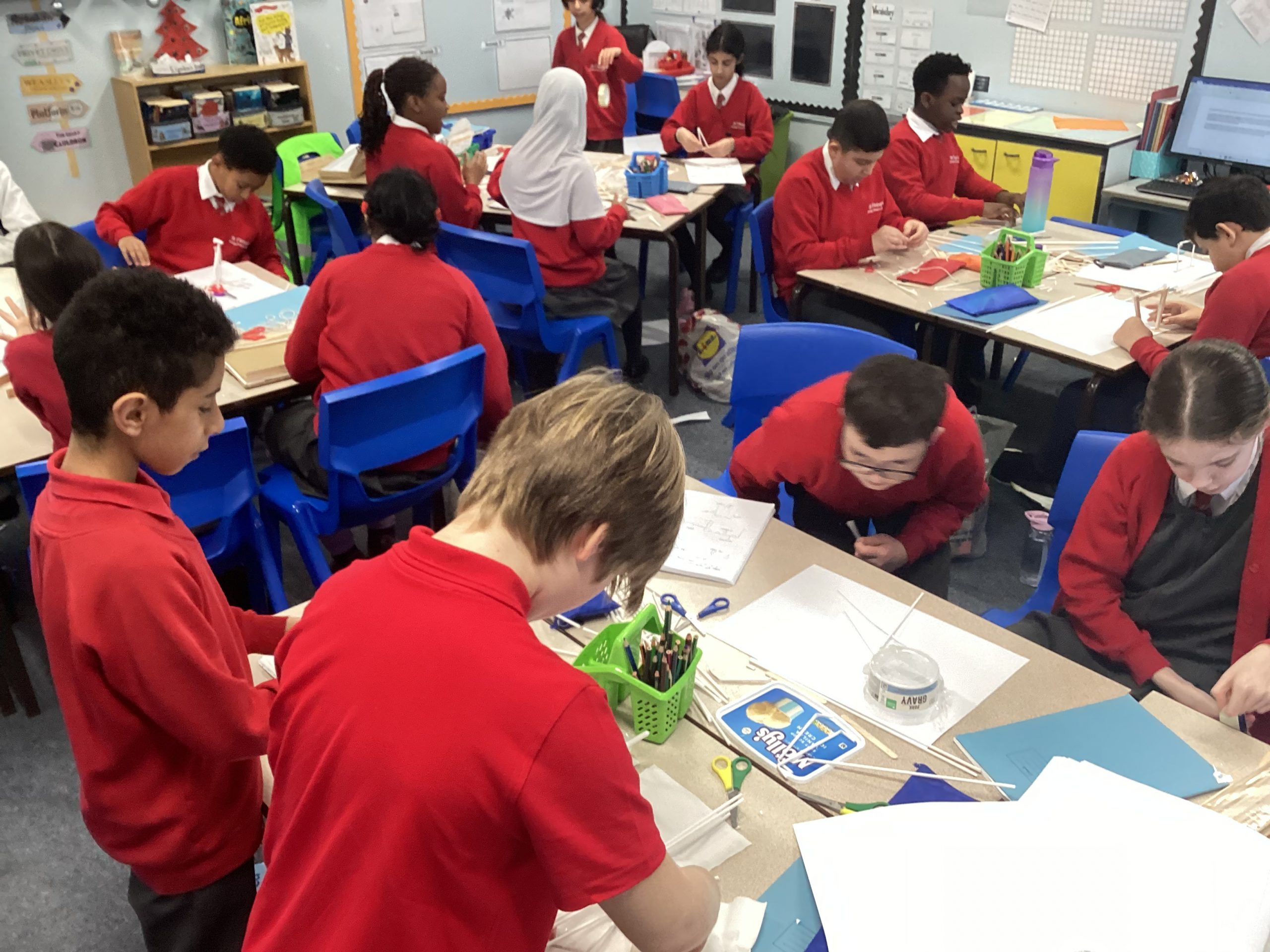
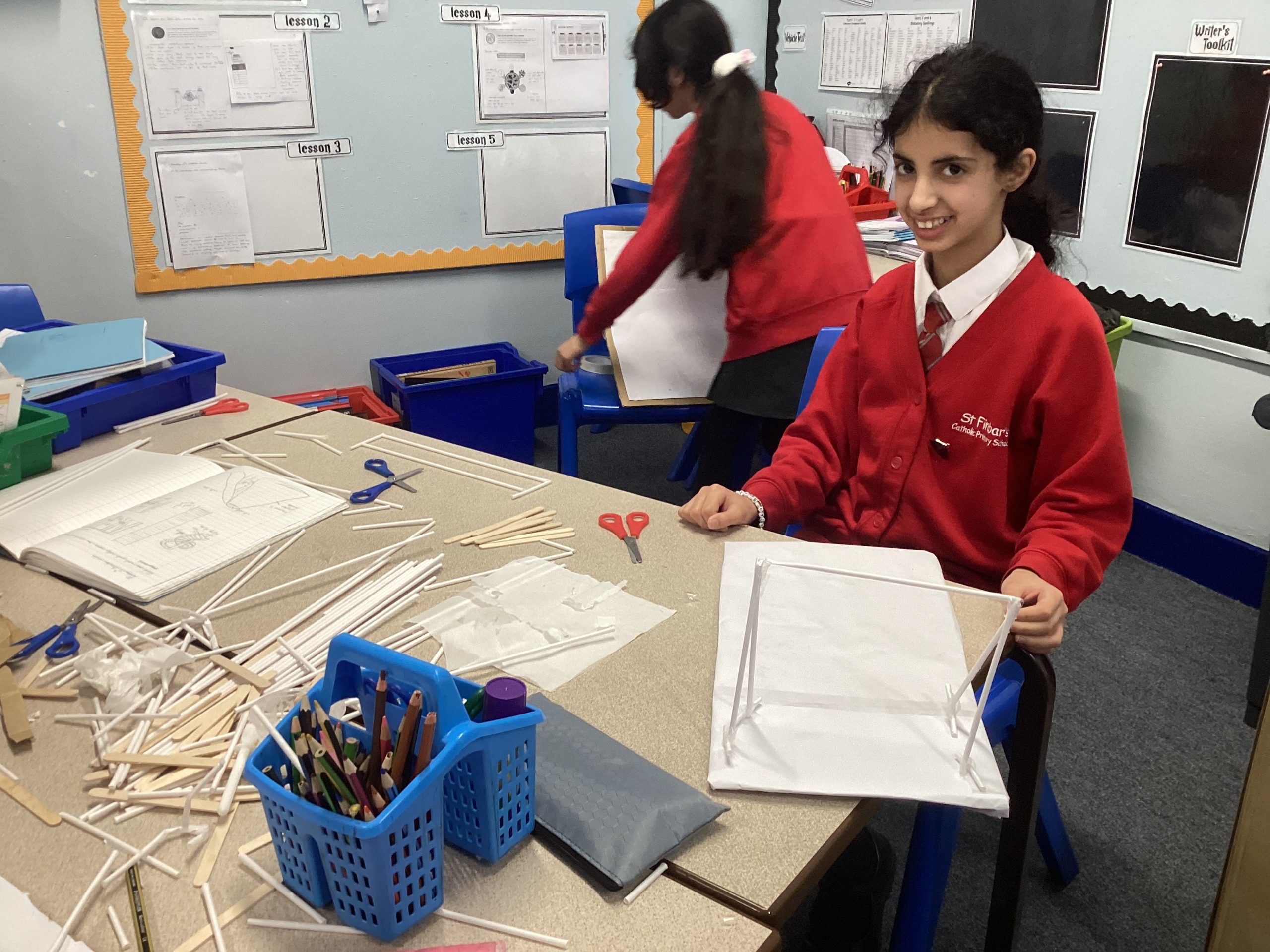
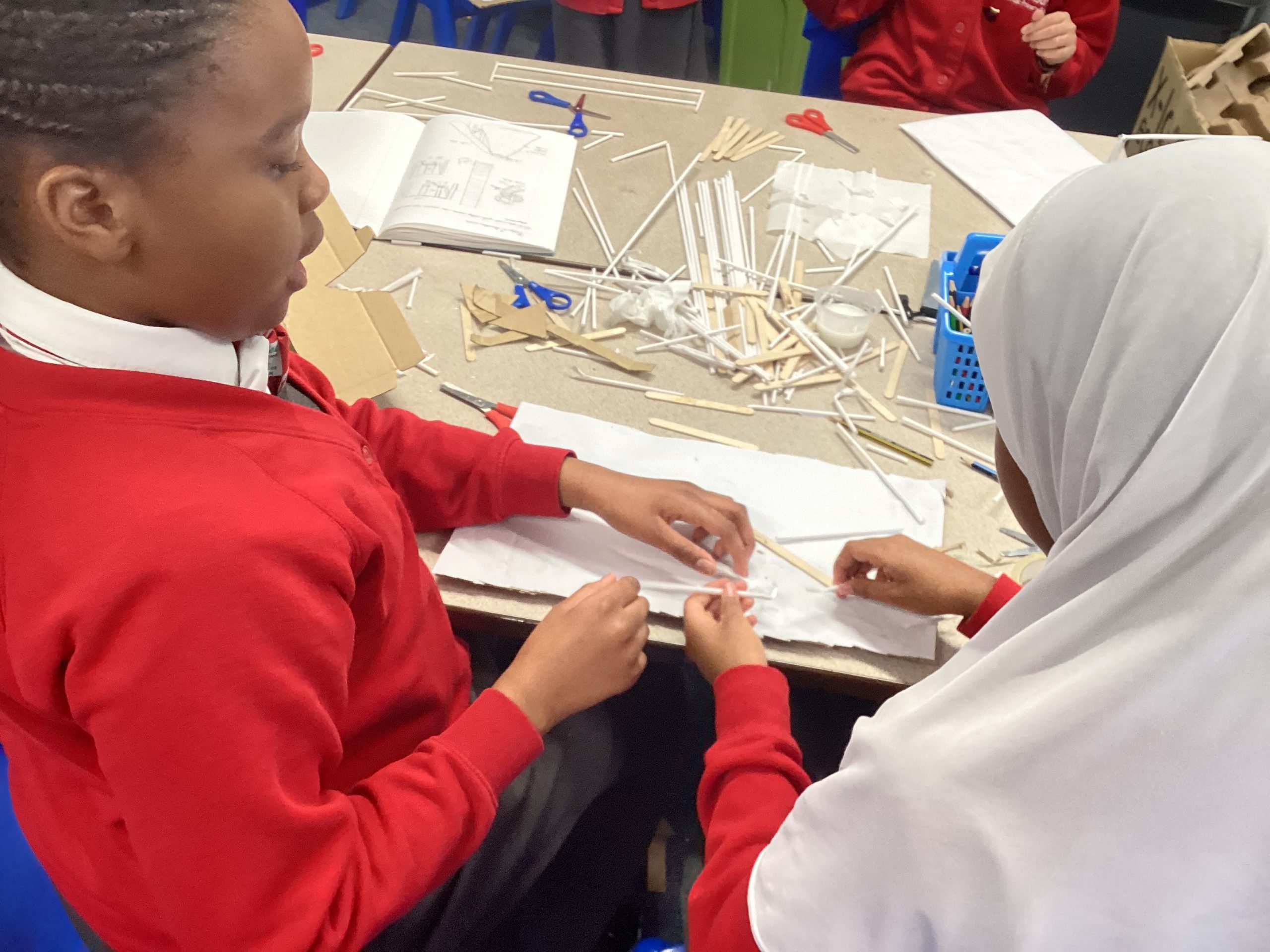
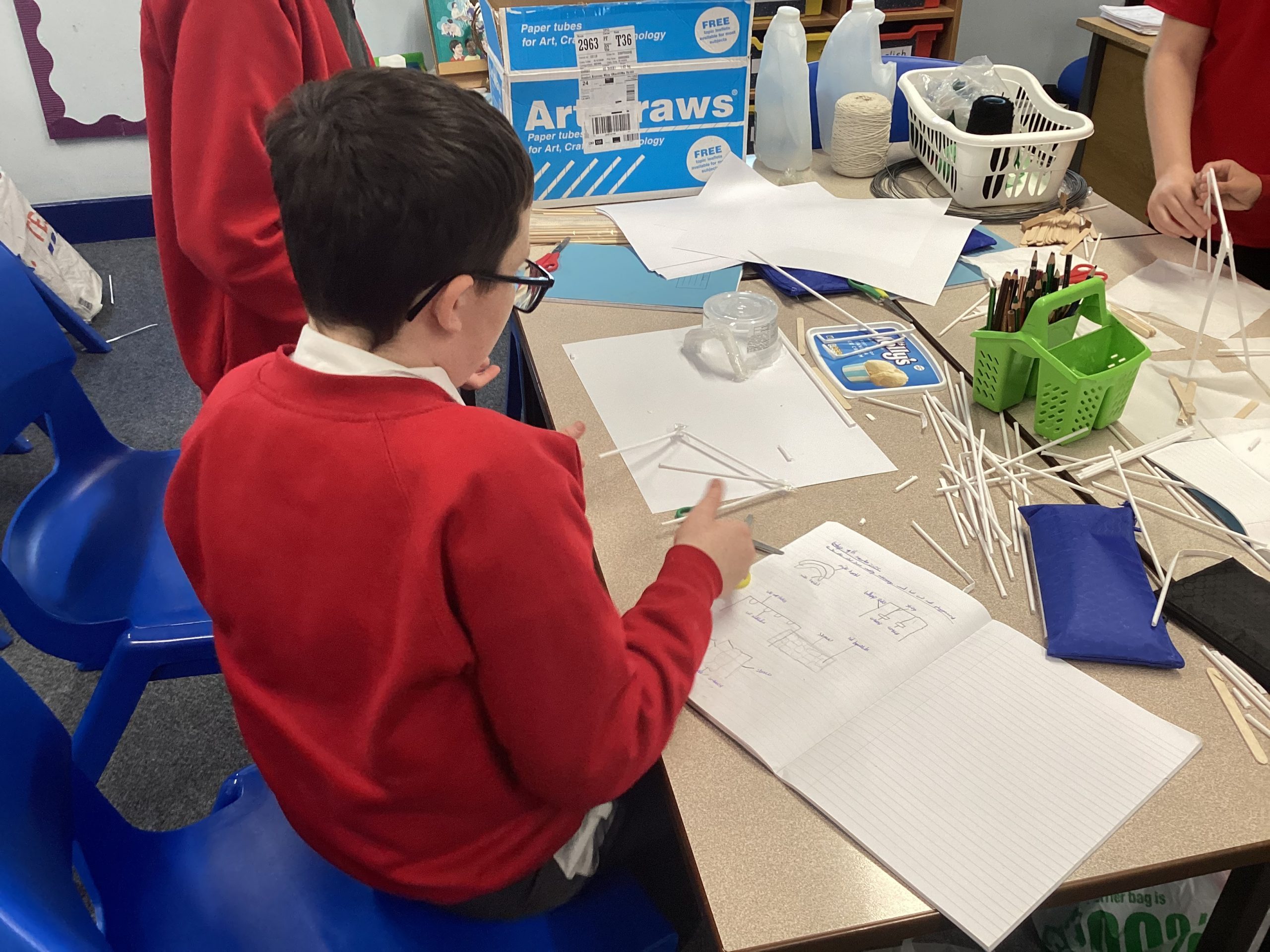
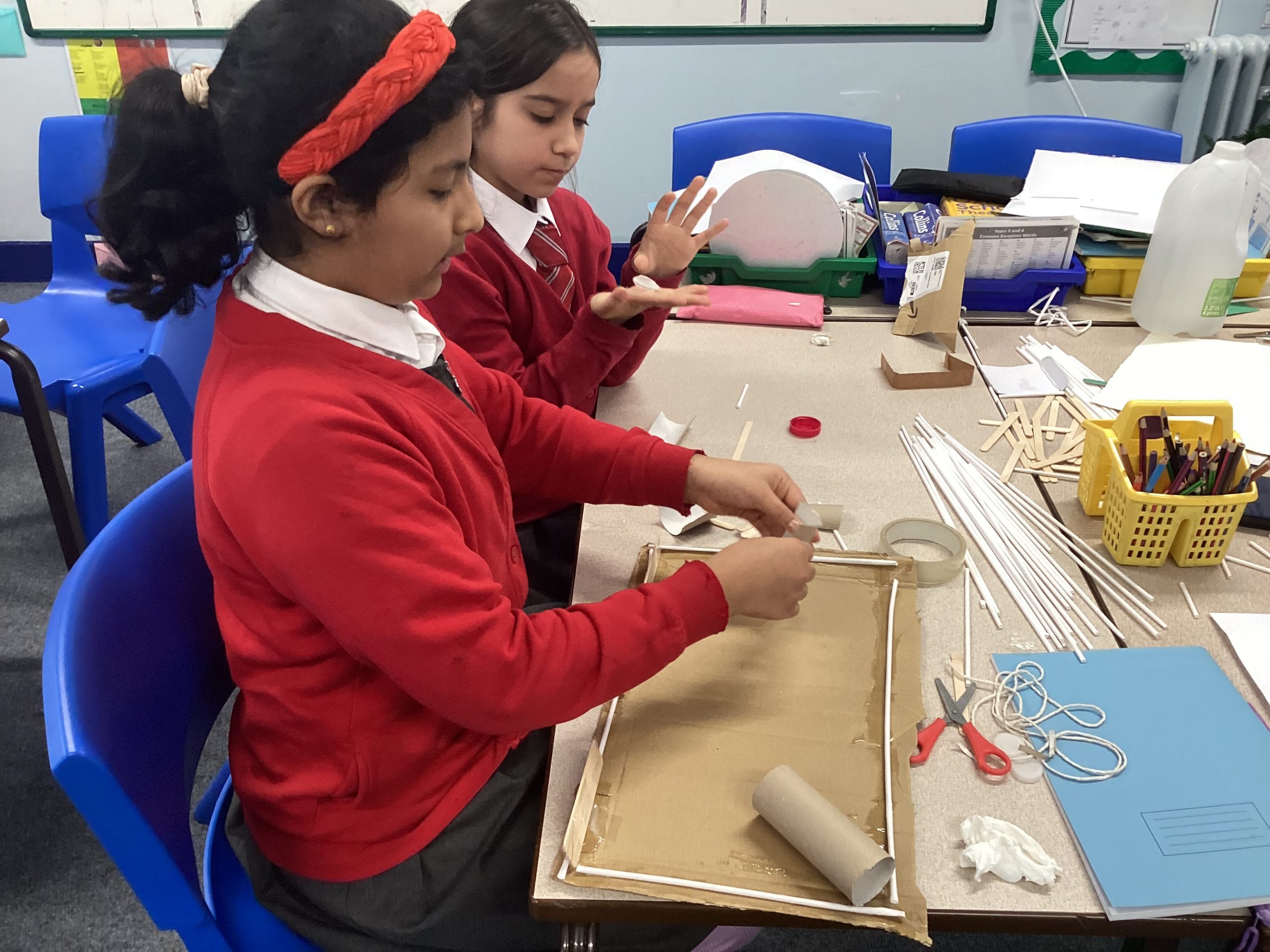
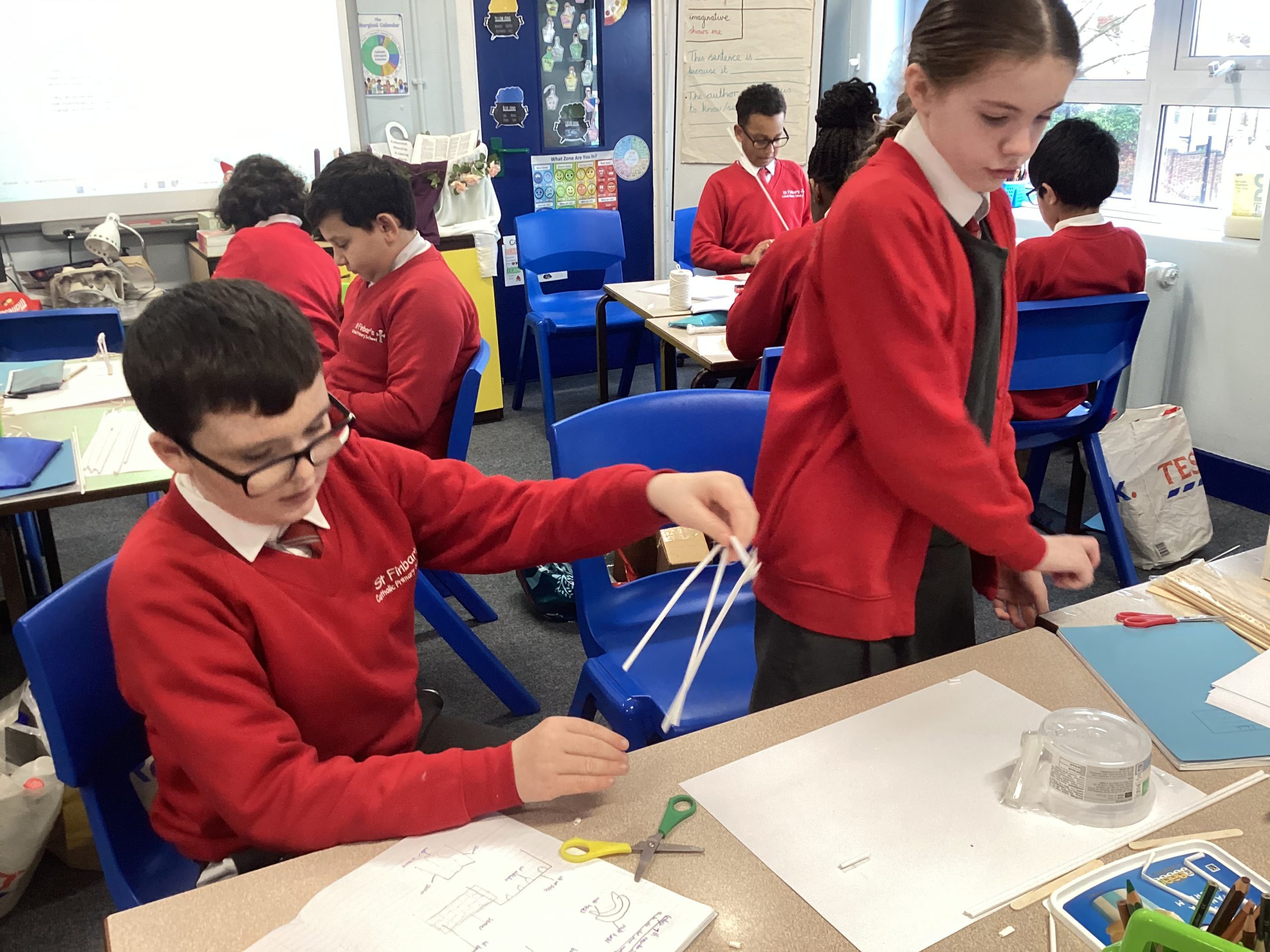
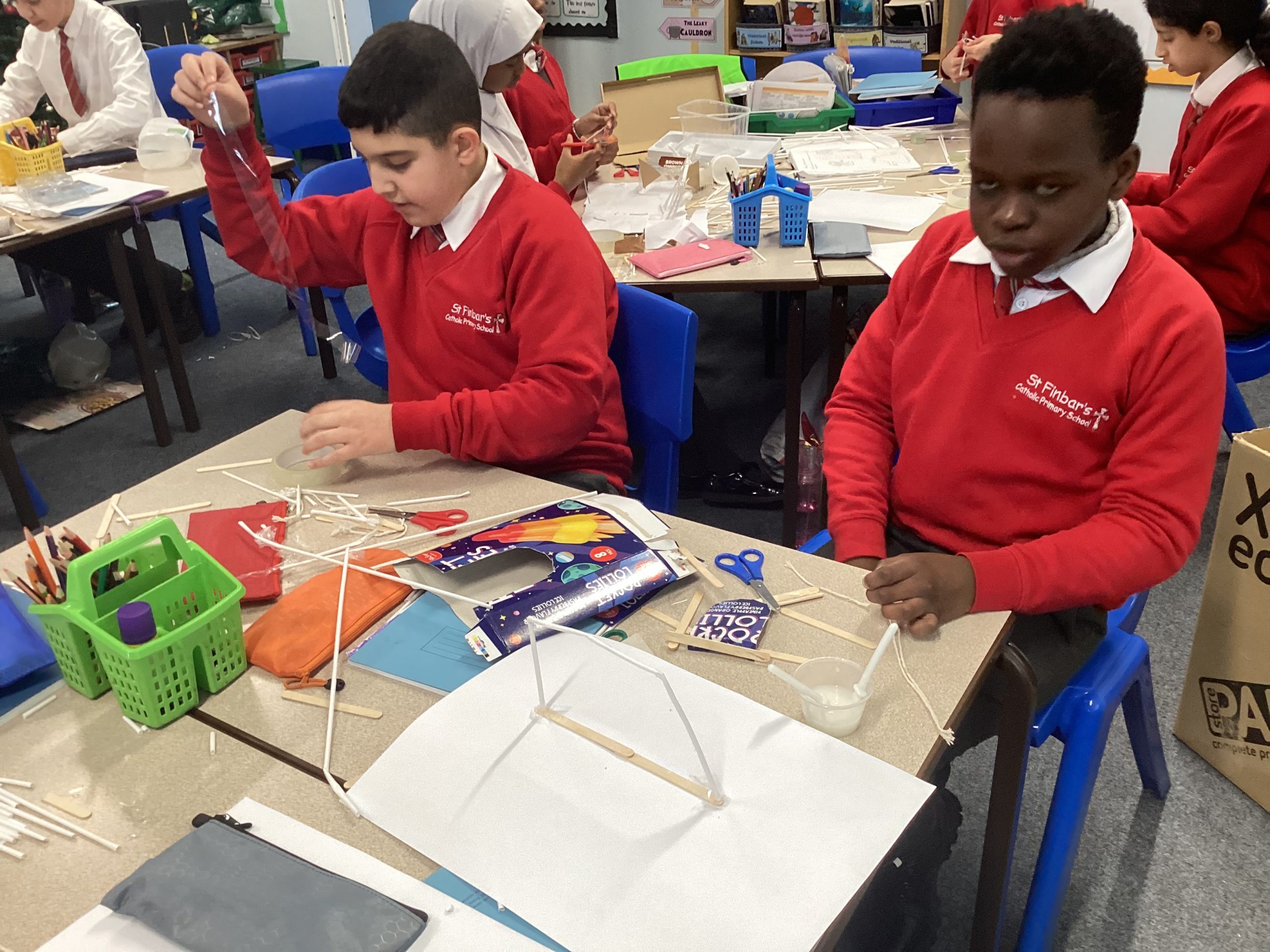
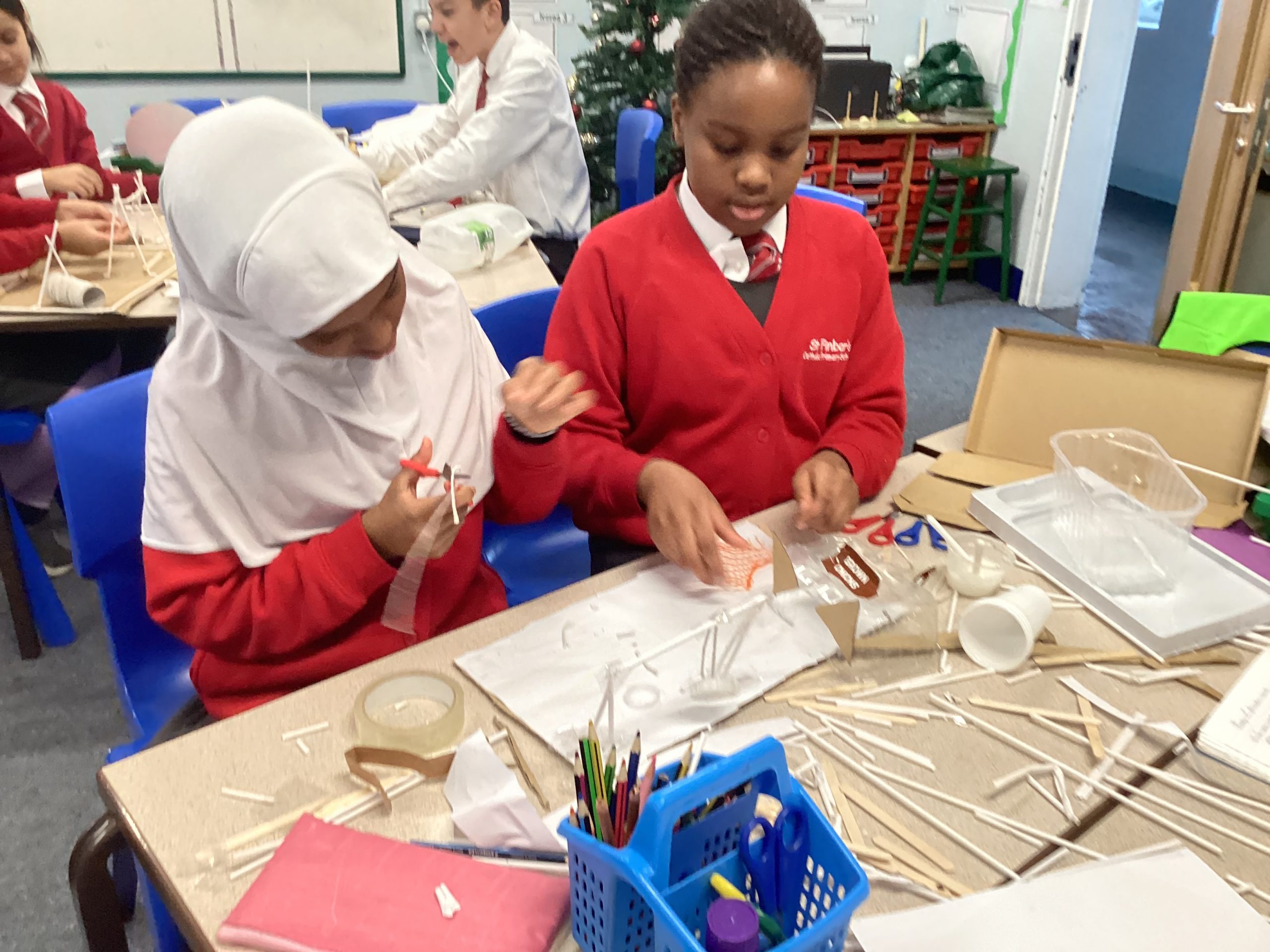
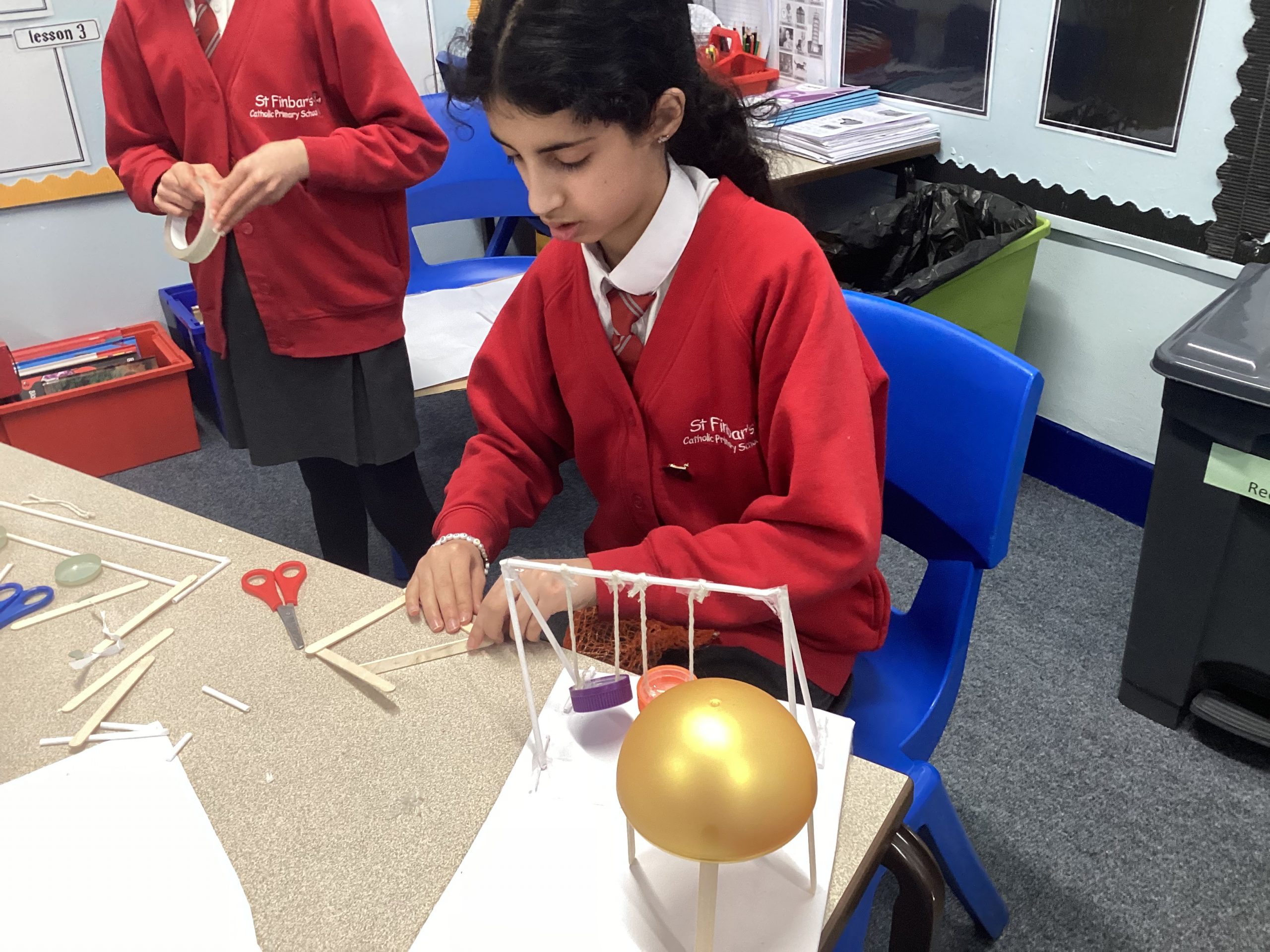
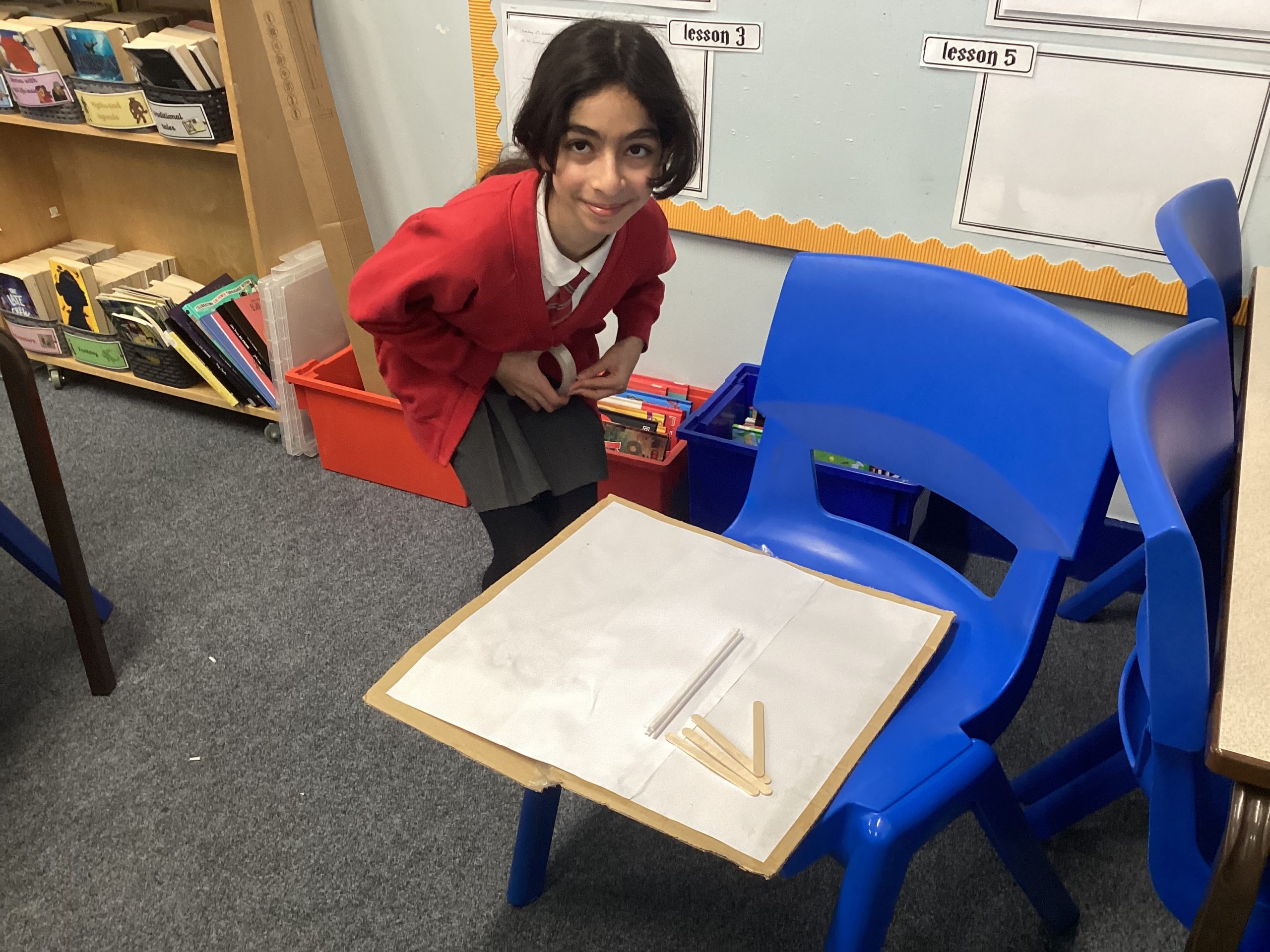
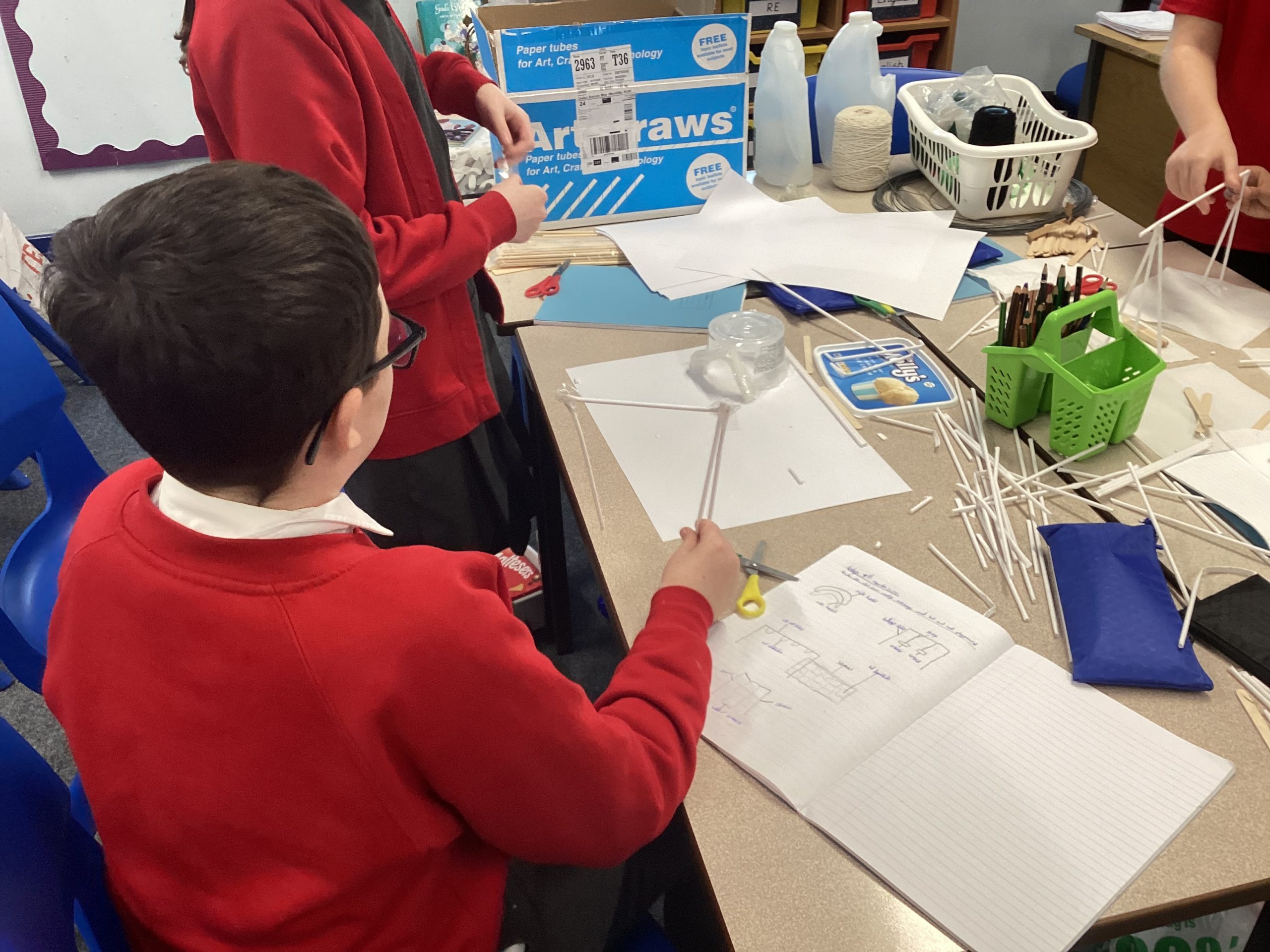
Our DT project, this half term has been to create a playground using different methods to create structures. Today we began our playground. At the start of the lesson we thought it was going to be very simple however that was not the case. We had to problem solve to get our structures to stand independent.
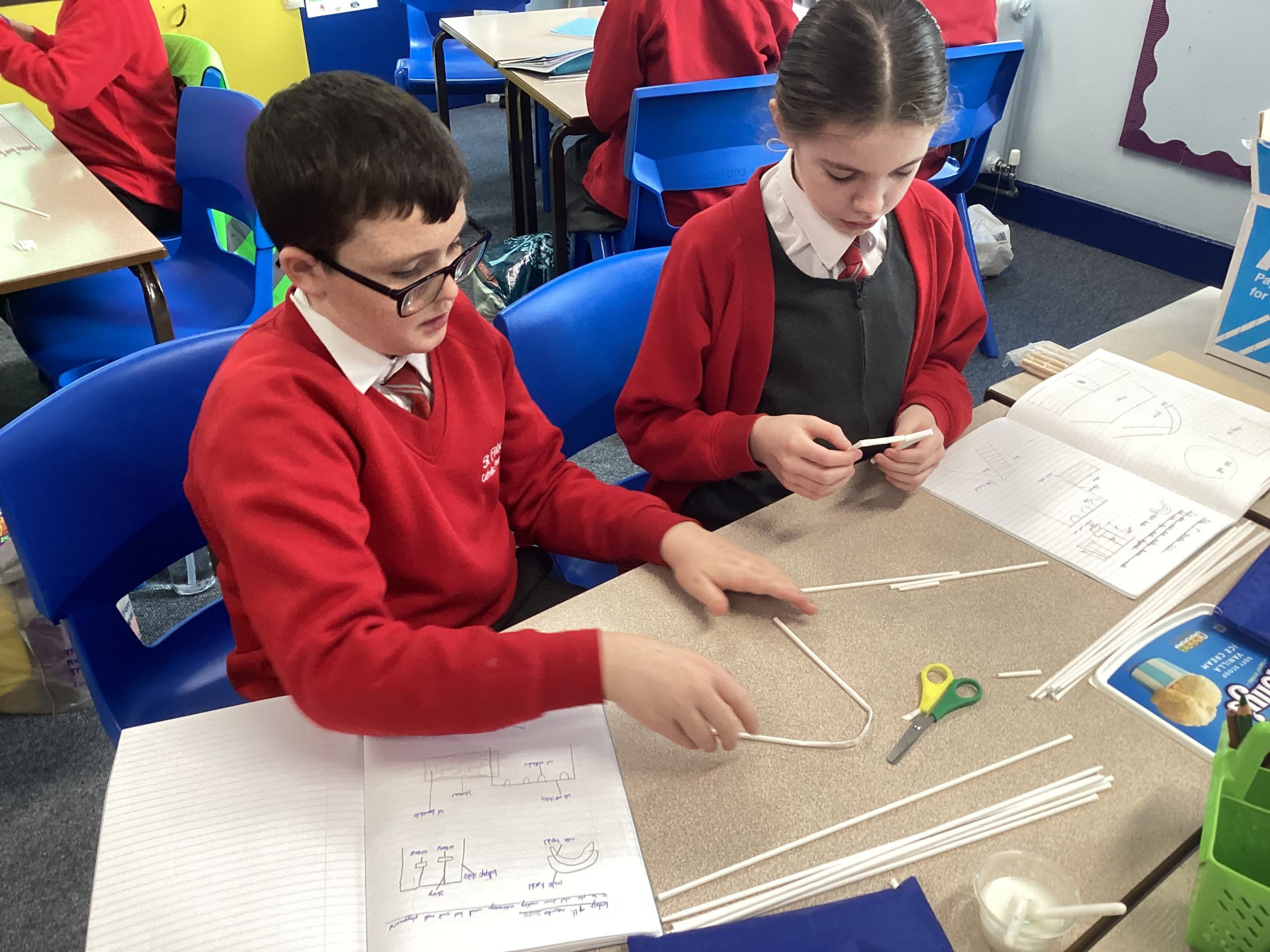
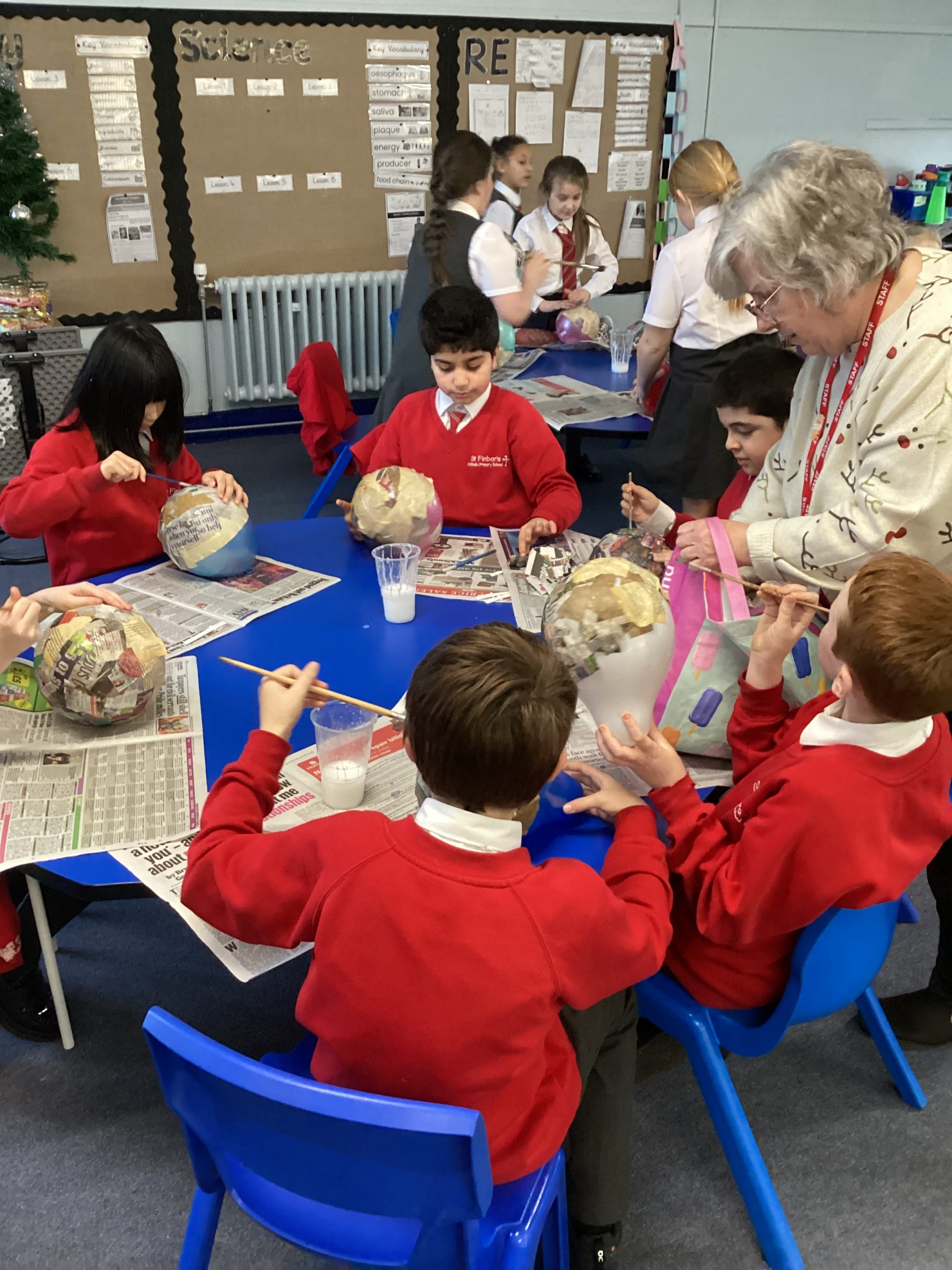
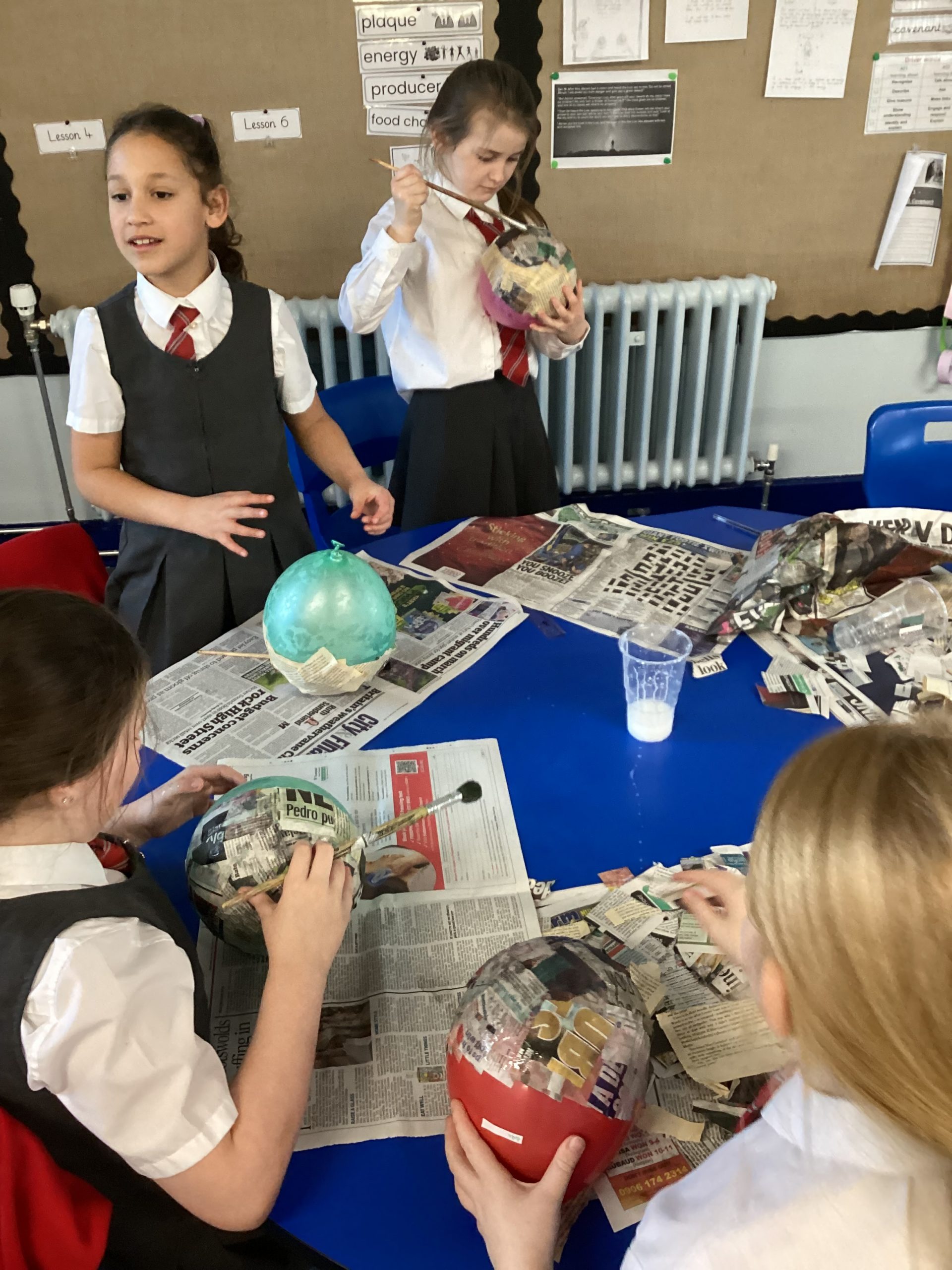
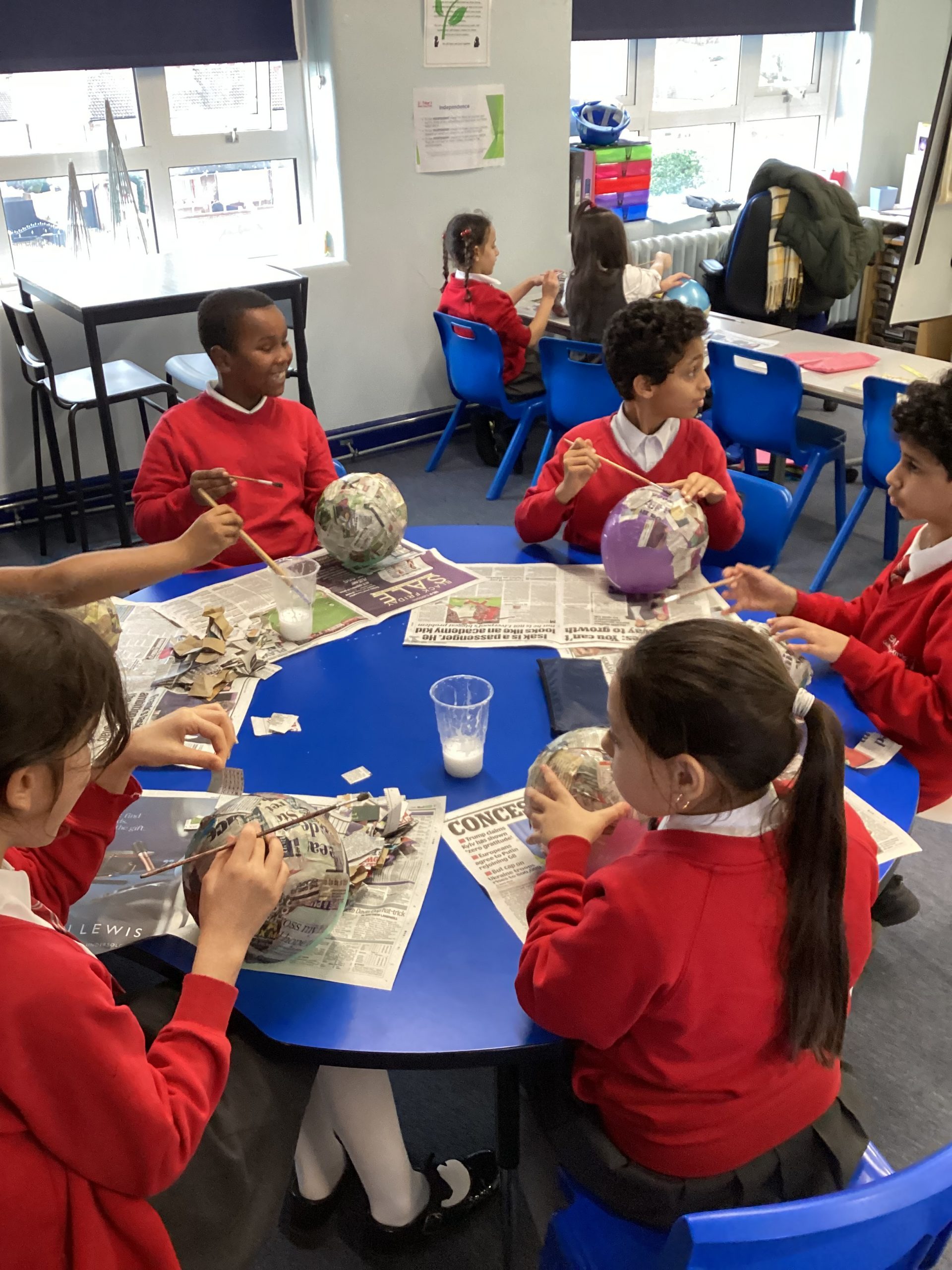
Today we have continued our design and technology project of making helmets, which are shell structures. Our focus today was how we can use layering to strengthen the structure of the helmets.
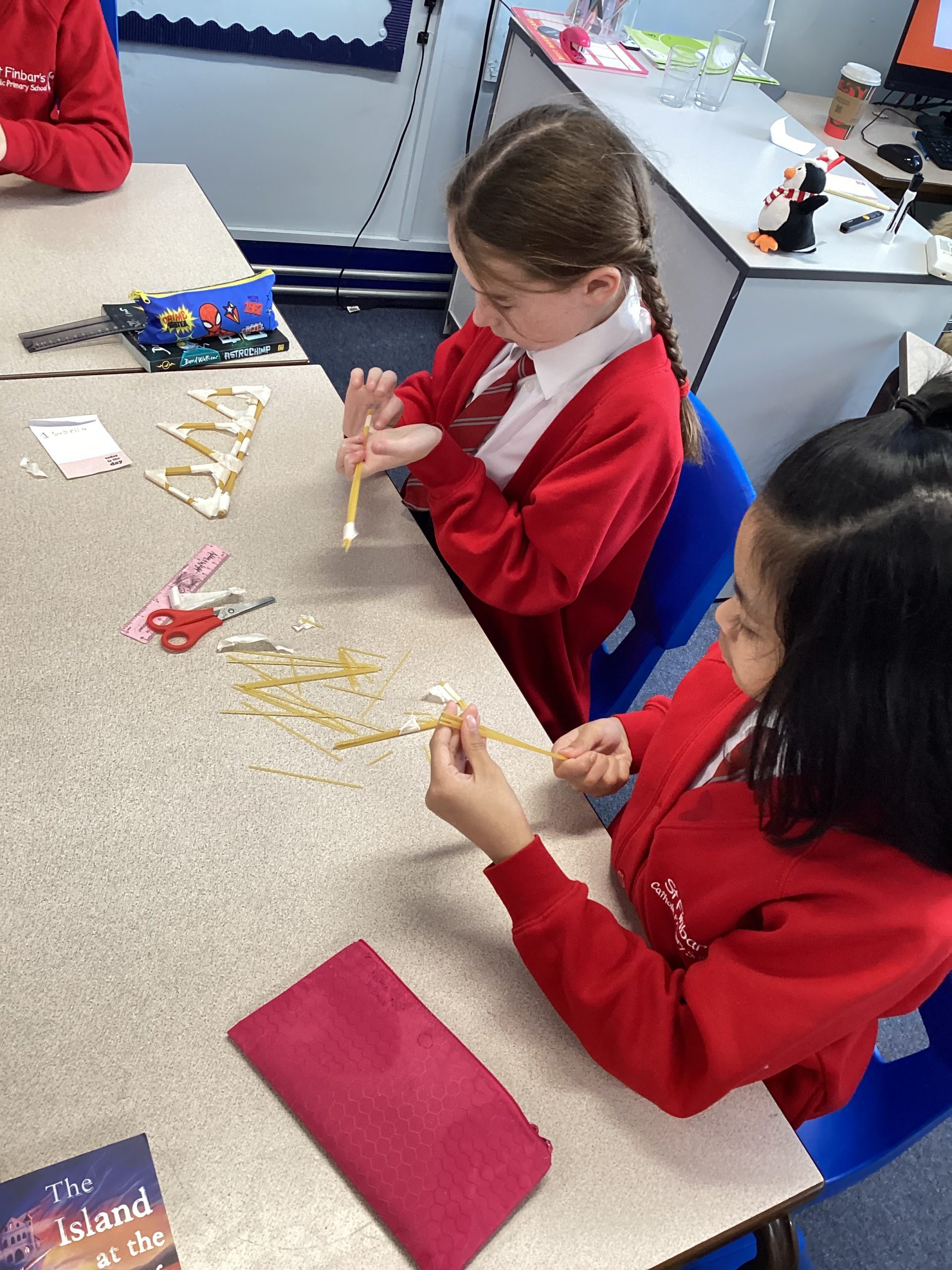
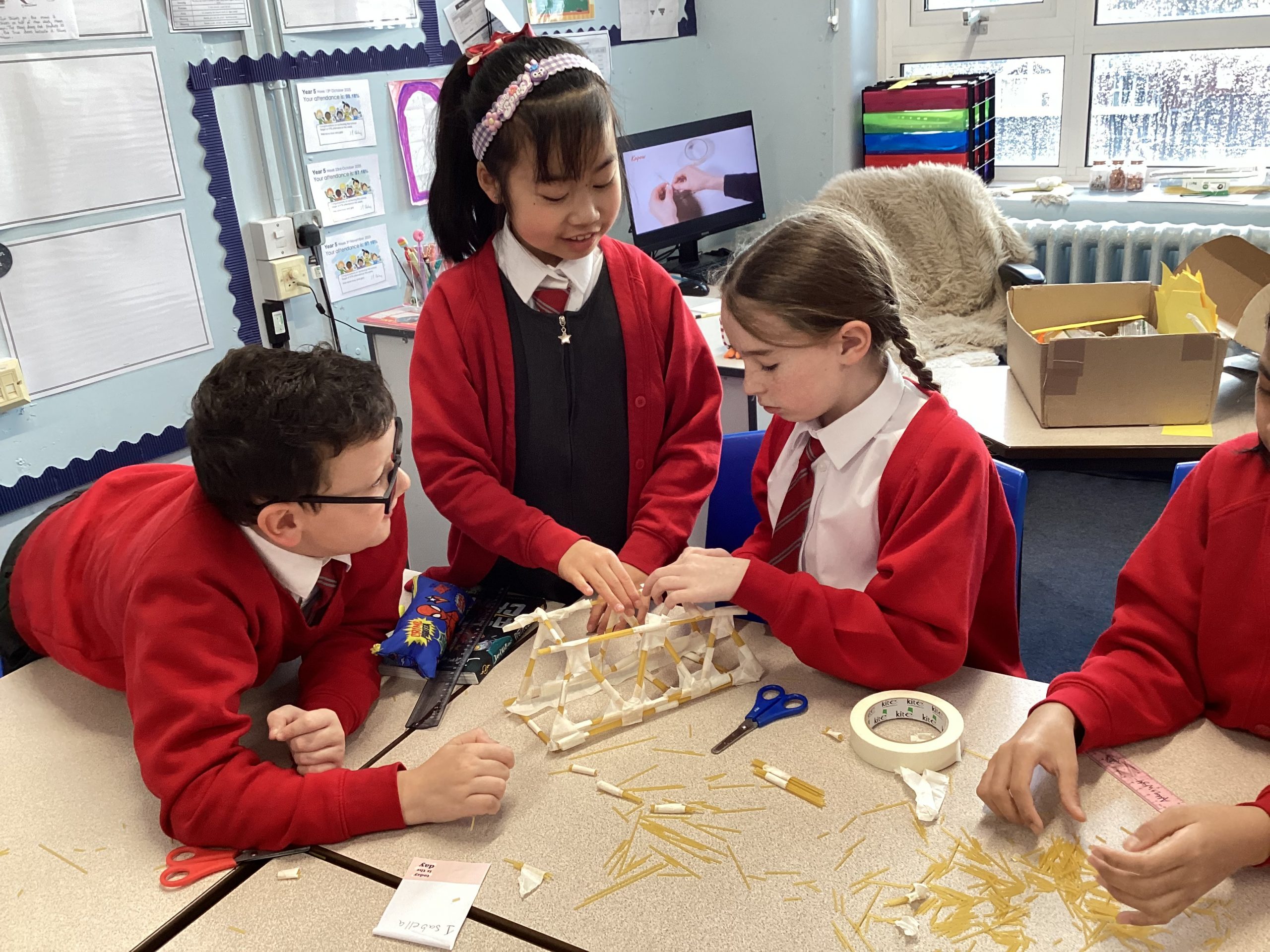
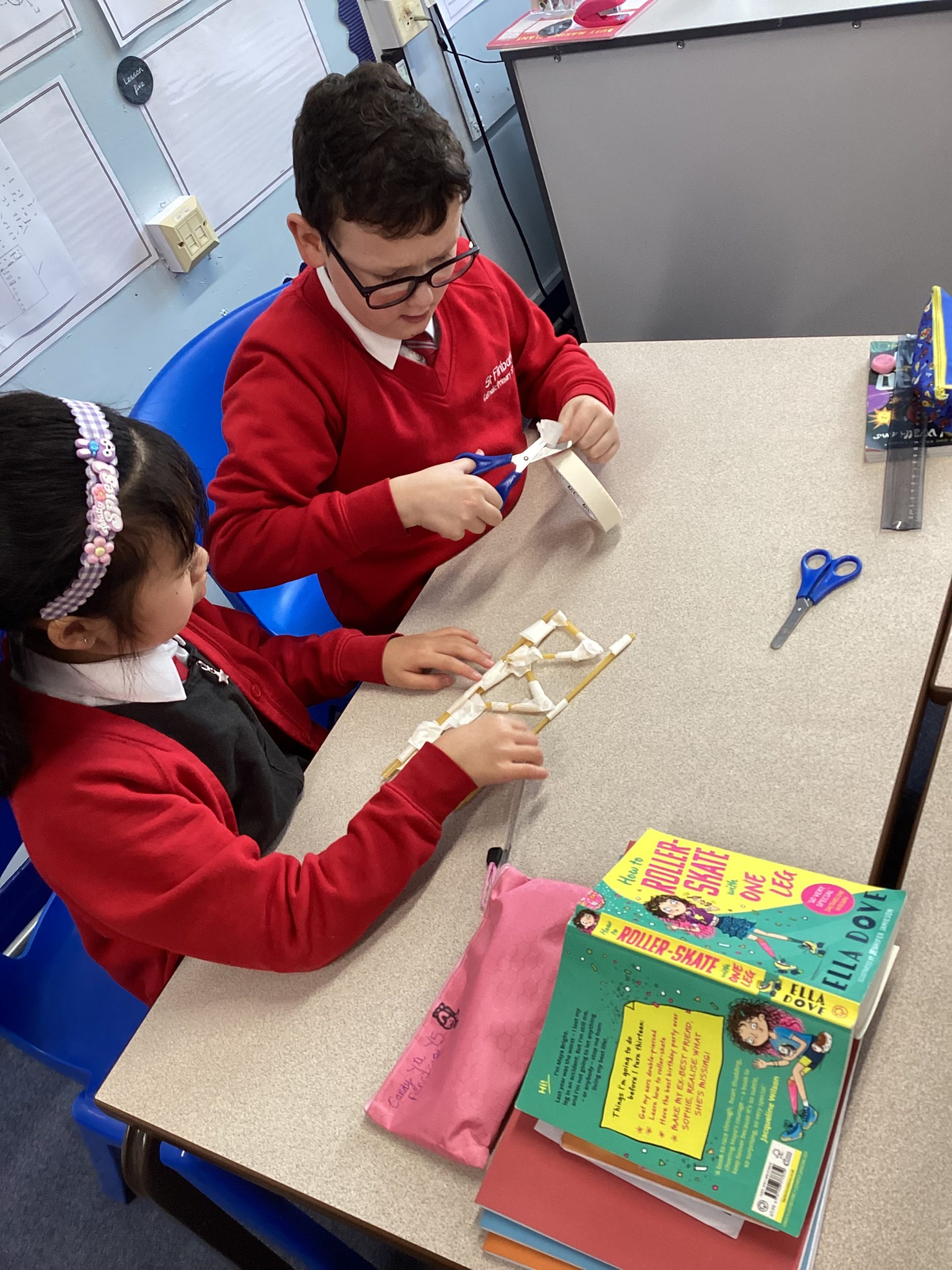
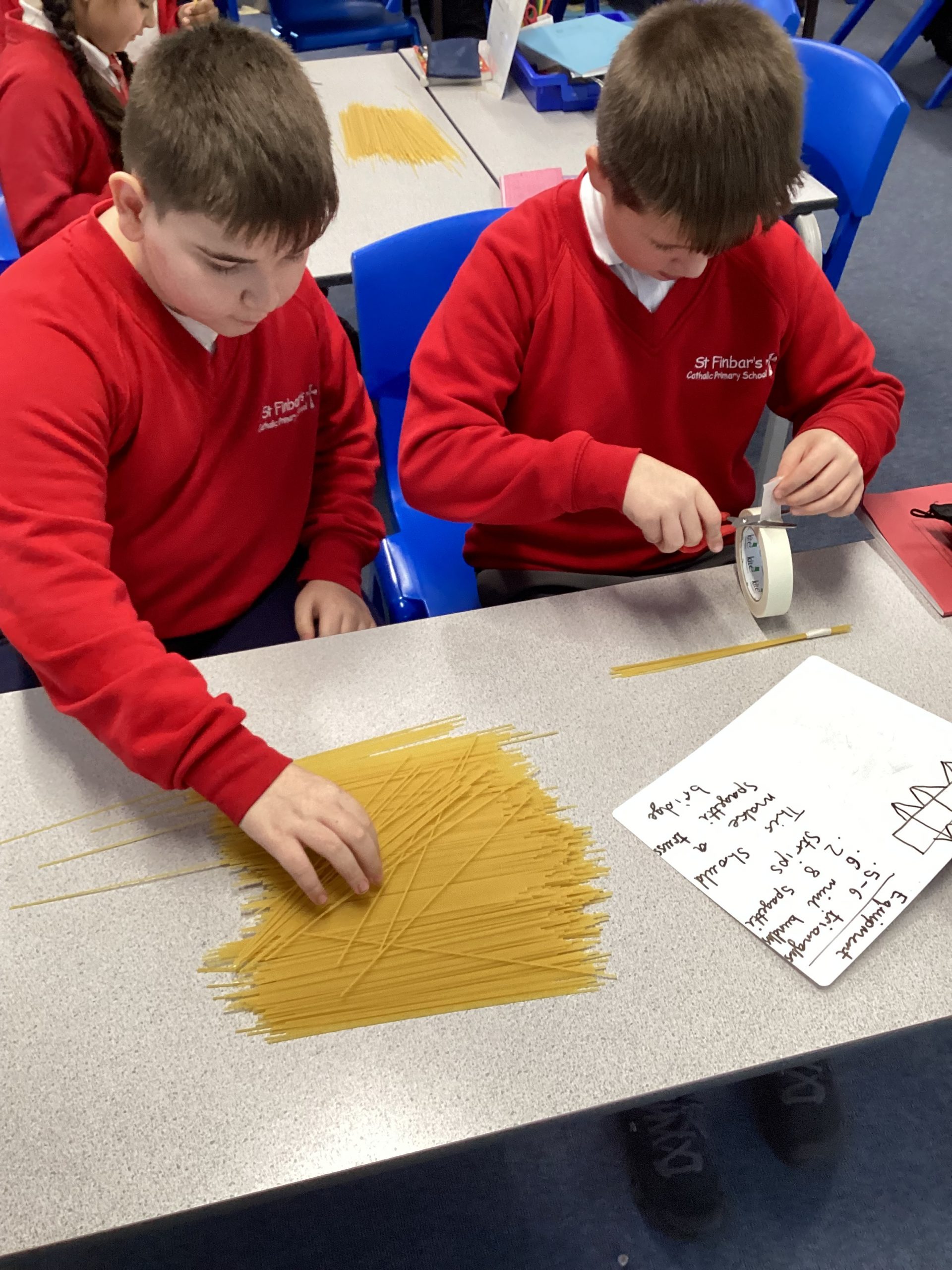
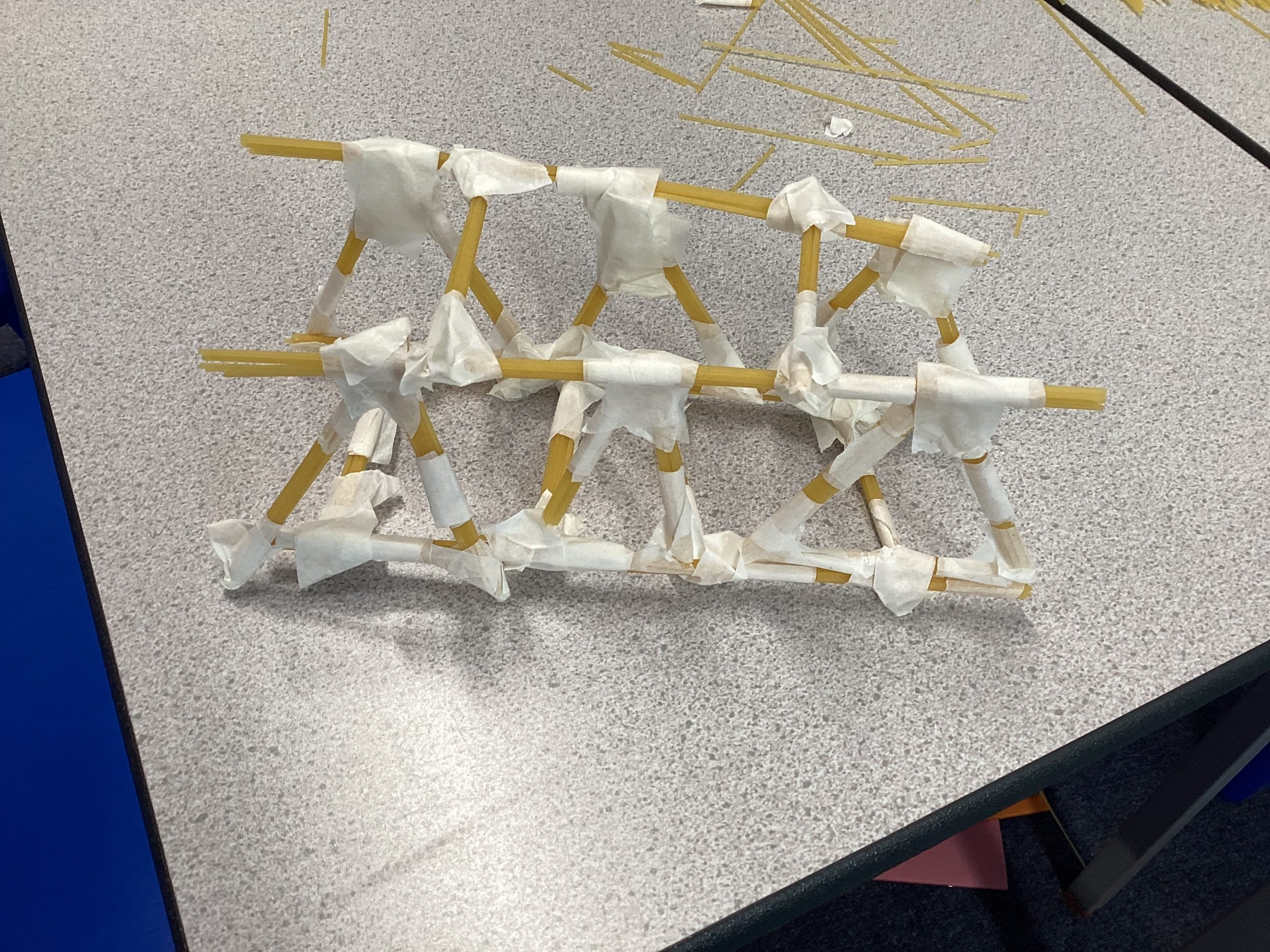
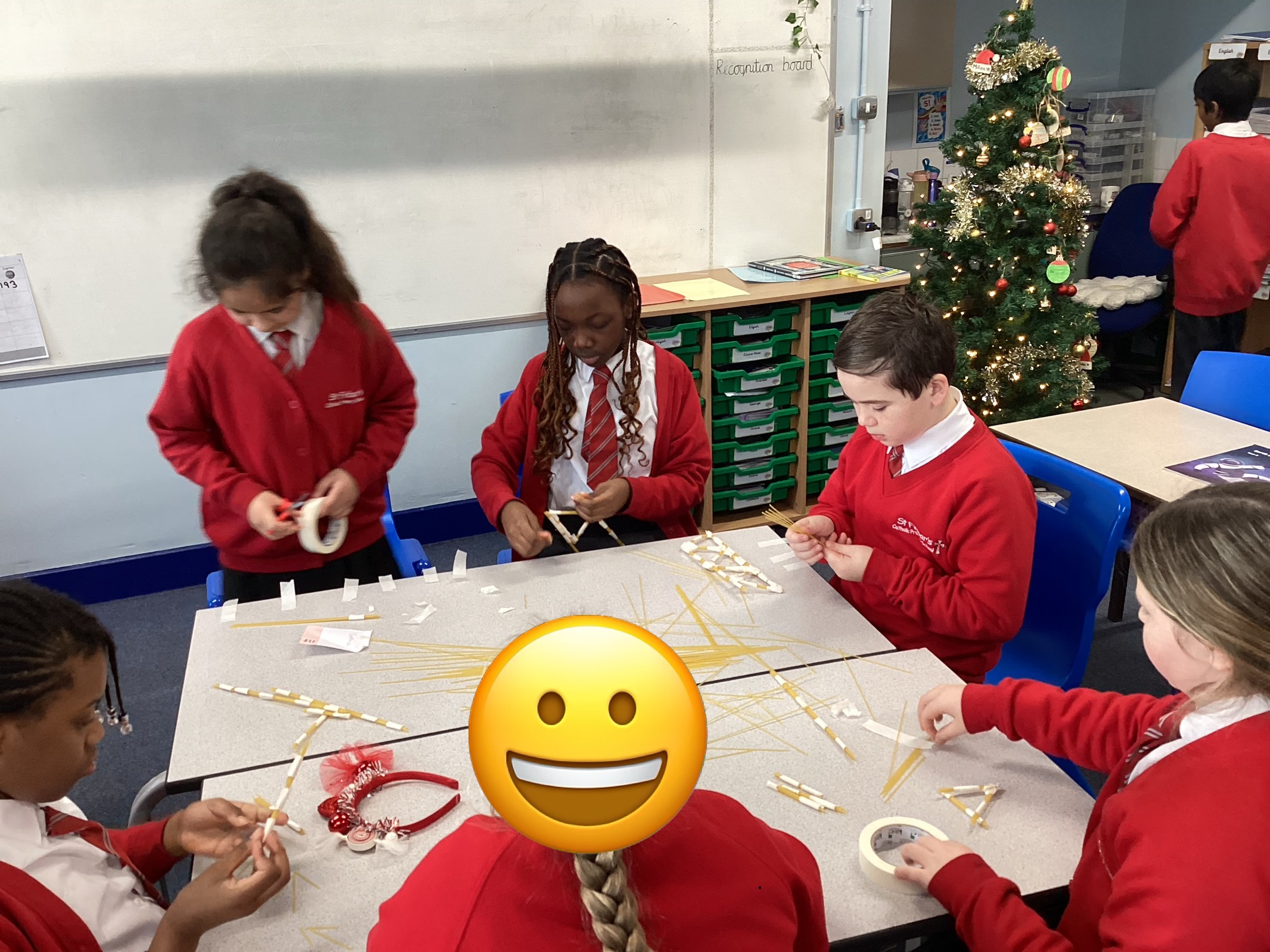
Today year 5 had an exciting lesson making a truss bridge out of spaghetti. It was great to see everybody working as a team to build their bridges! They were then able to test the strength of their bridge and compare them to the arch and beam bridge that we made last week.
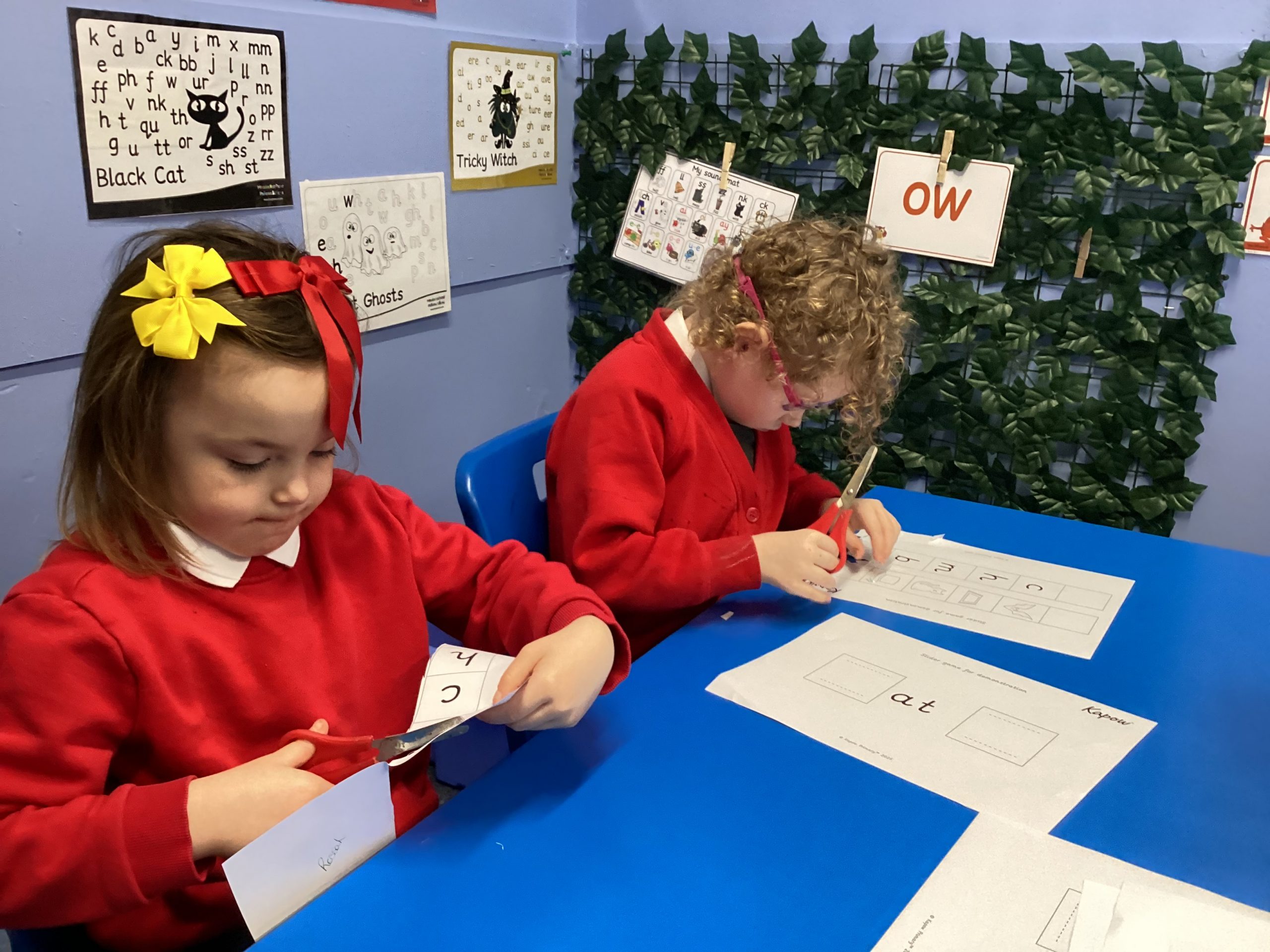
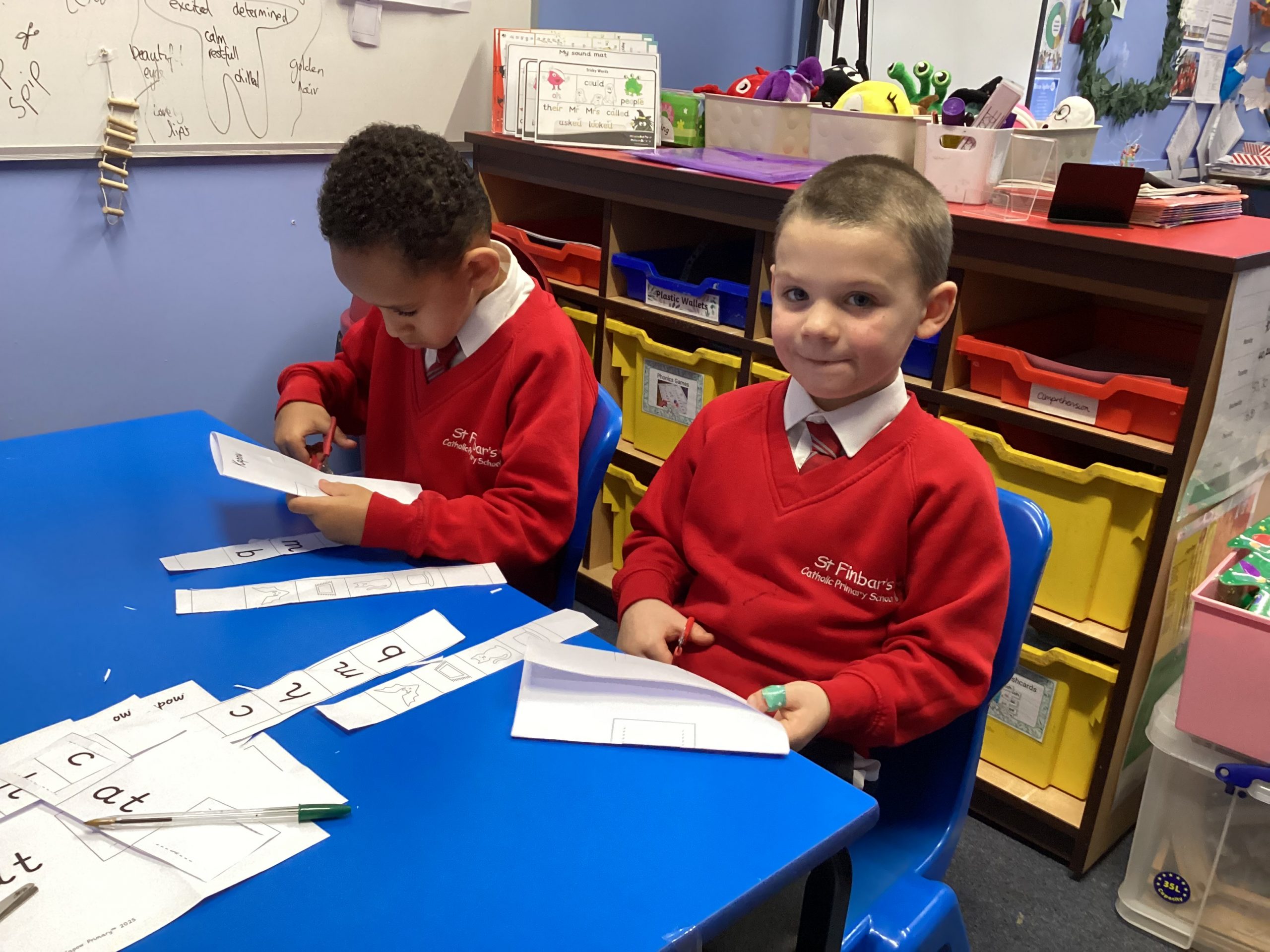
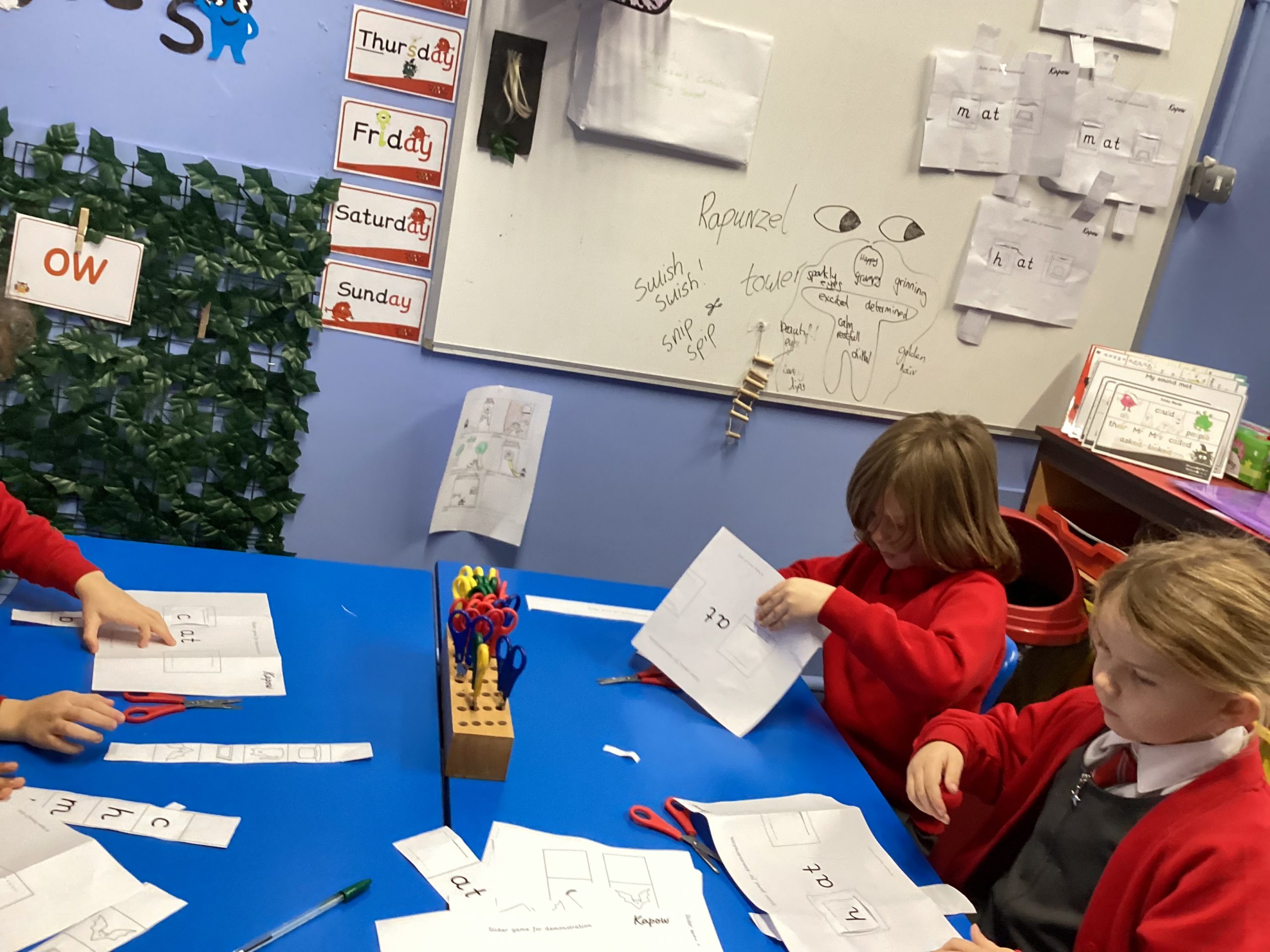
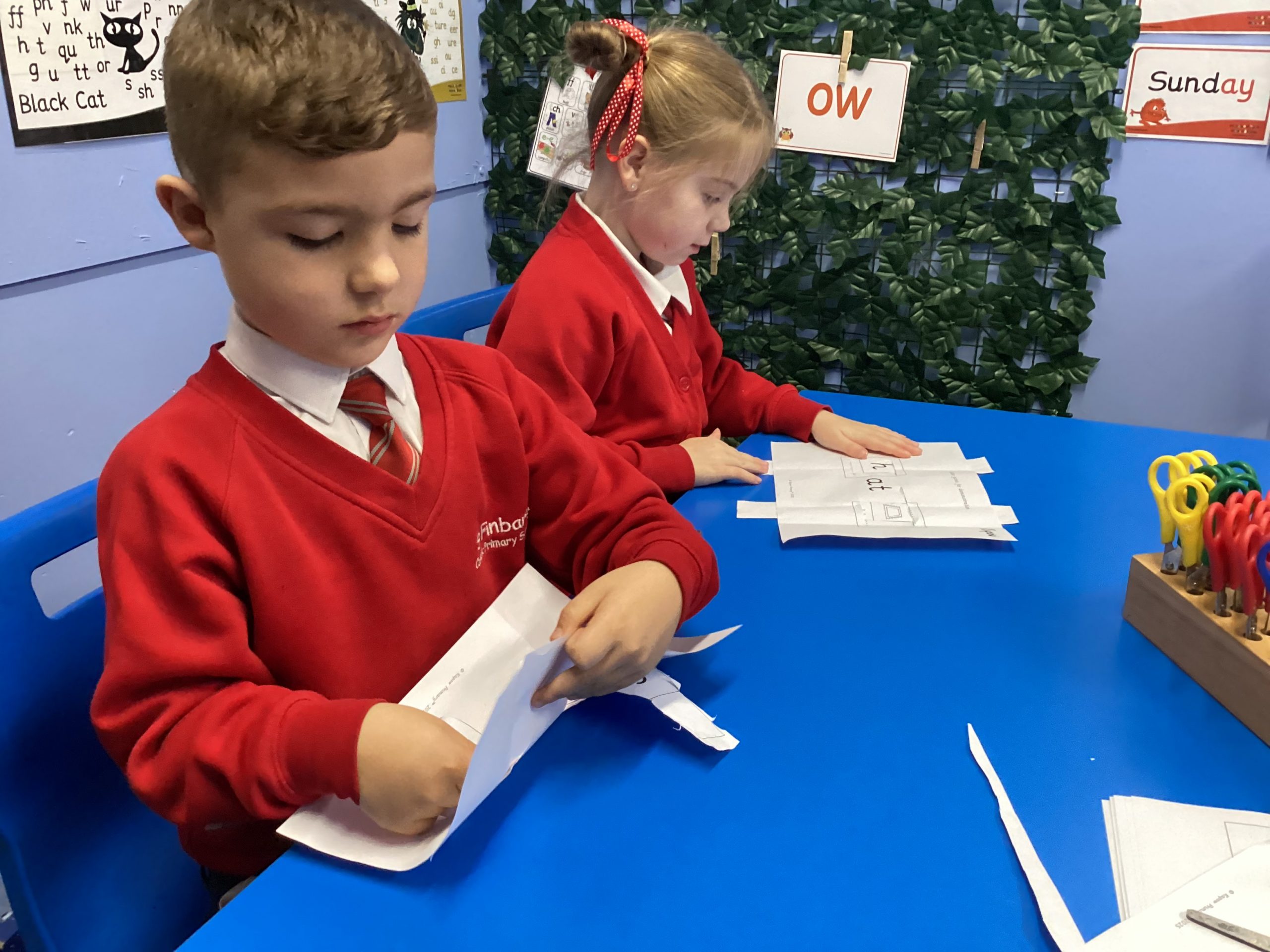
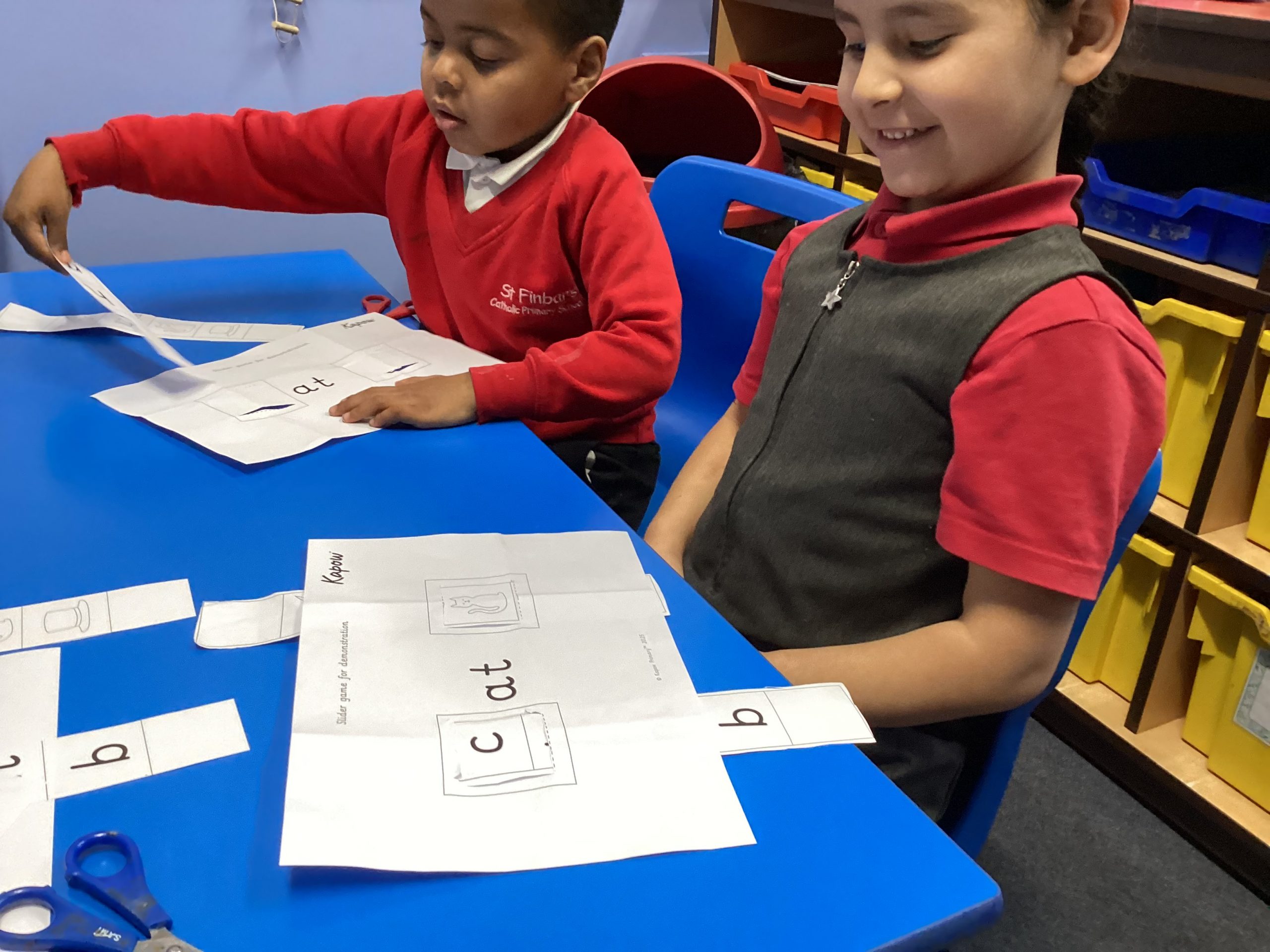
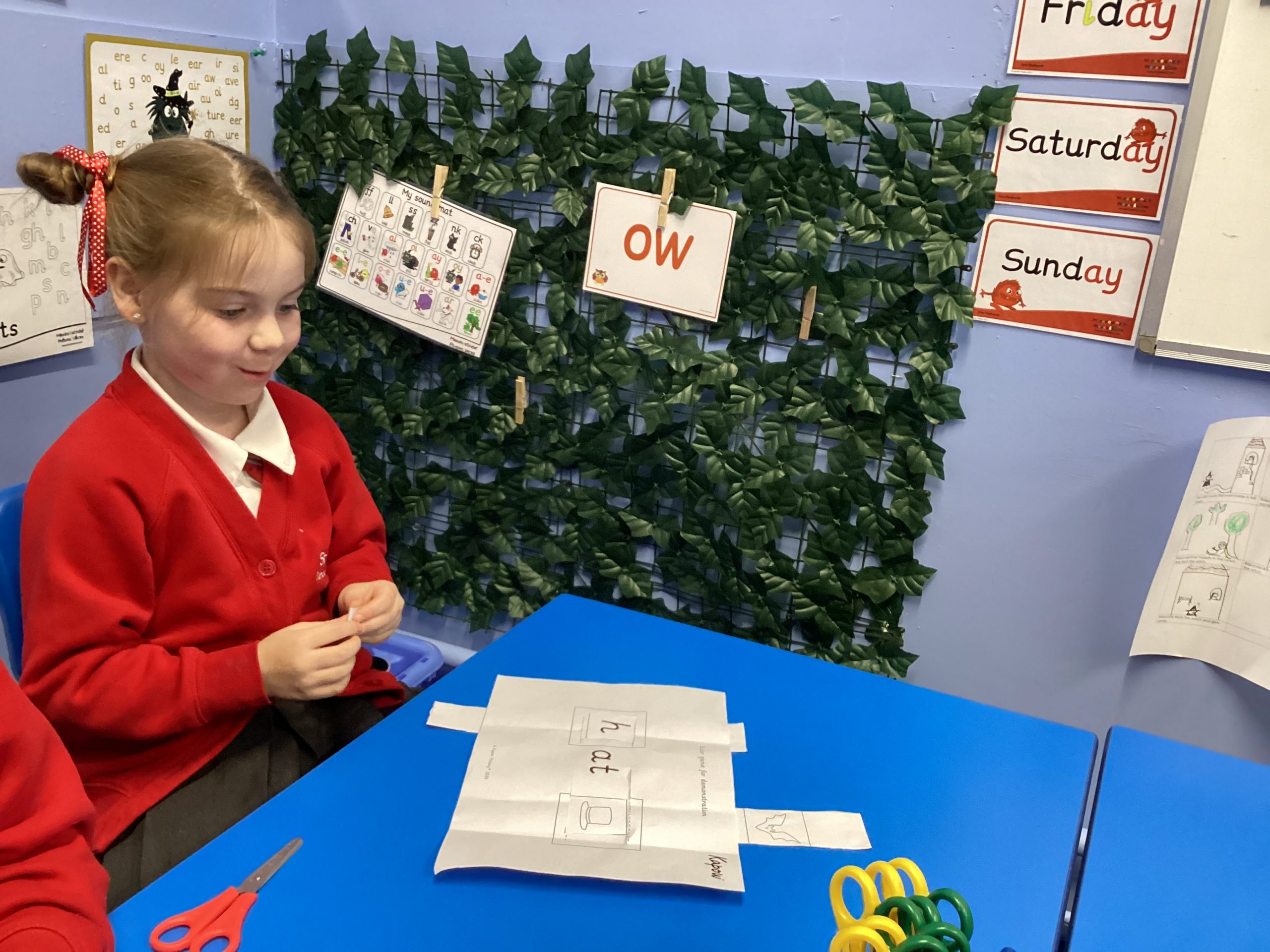
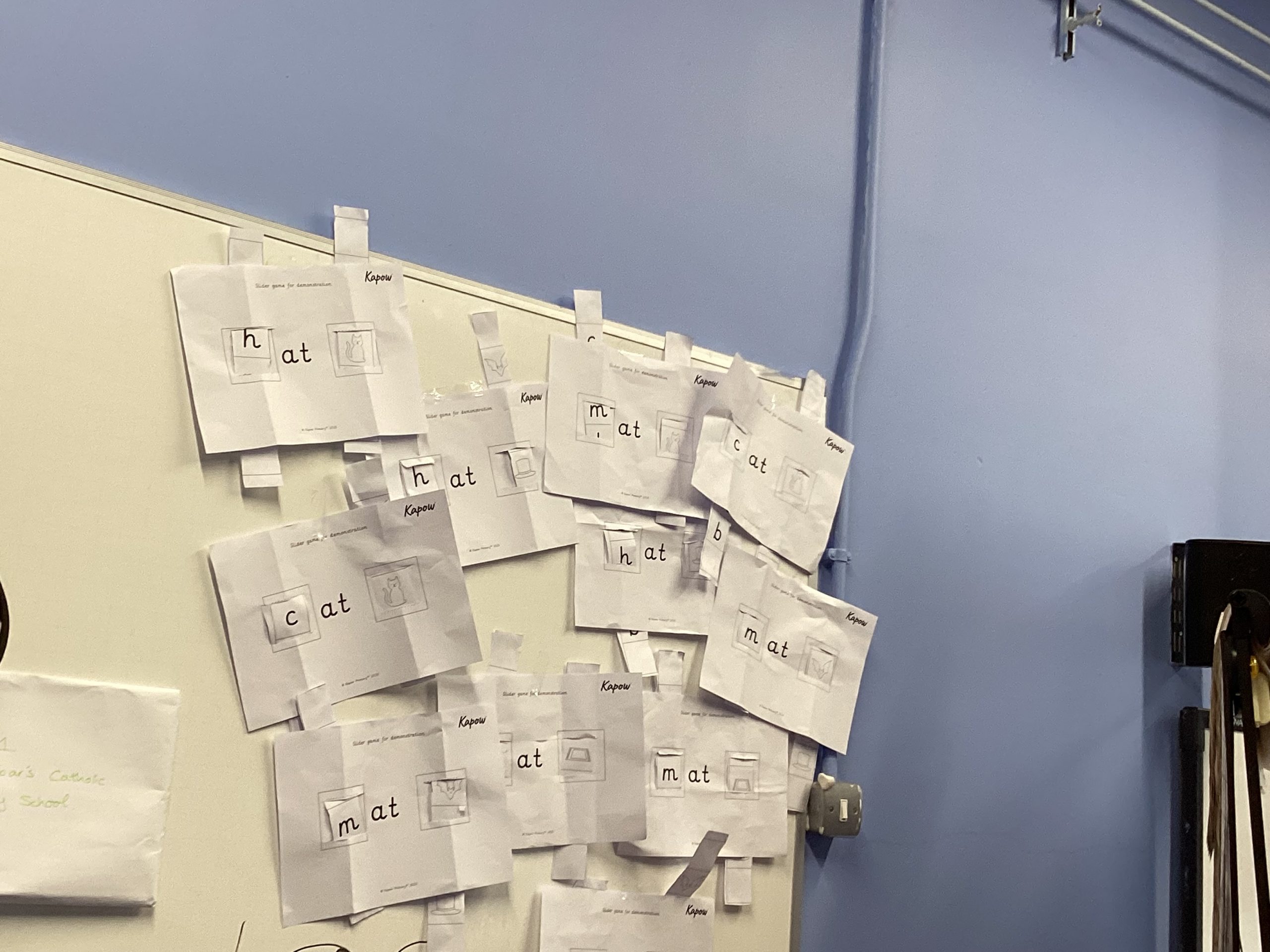
Today we created a mock up of our slider game. We discussed the slider mechanism and used the model to test our ideas and what words would work well.
In DT, we have been looking at bridges and their structures. To help us understand the difference between a beam bridge and an arch bridge, we had a go at making both types physically. Year 5 then investigated to see which bridge could hold more weight. We discovered that the structure of the arch bridge was able to carry more weight.
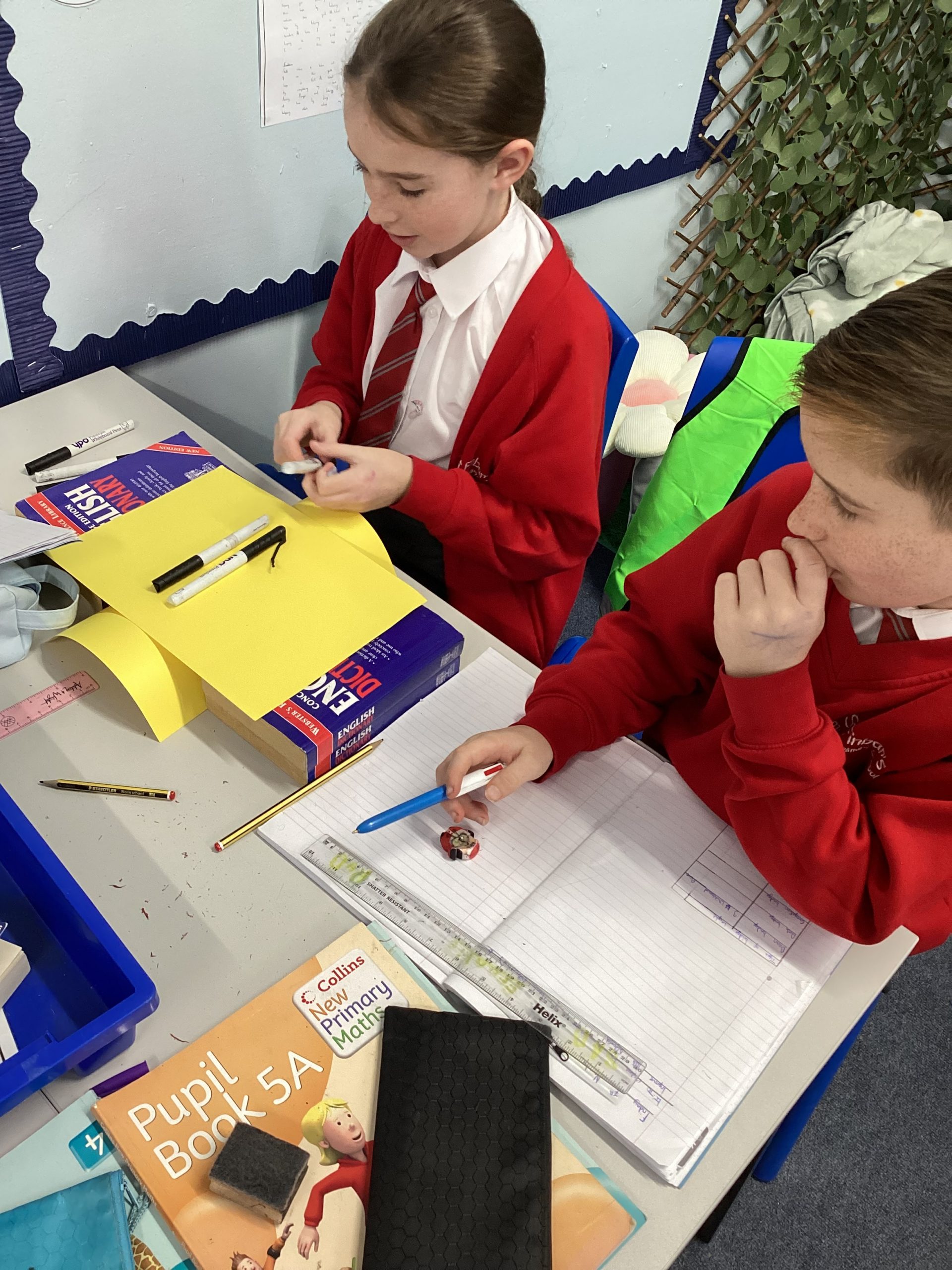
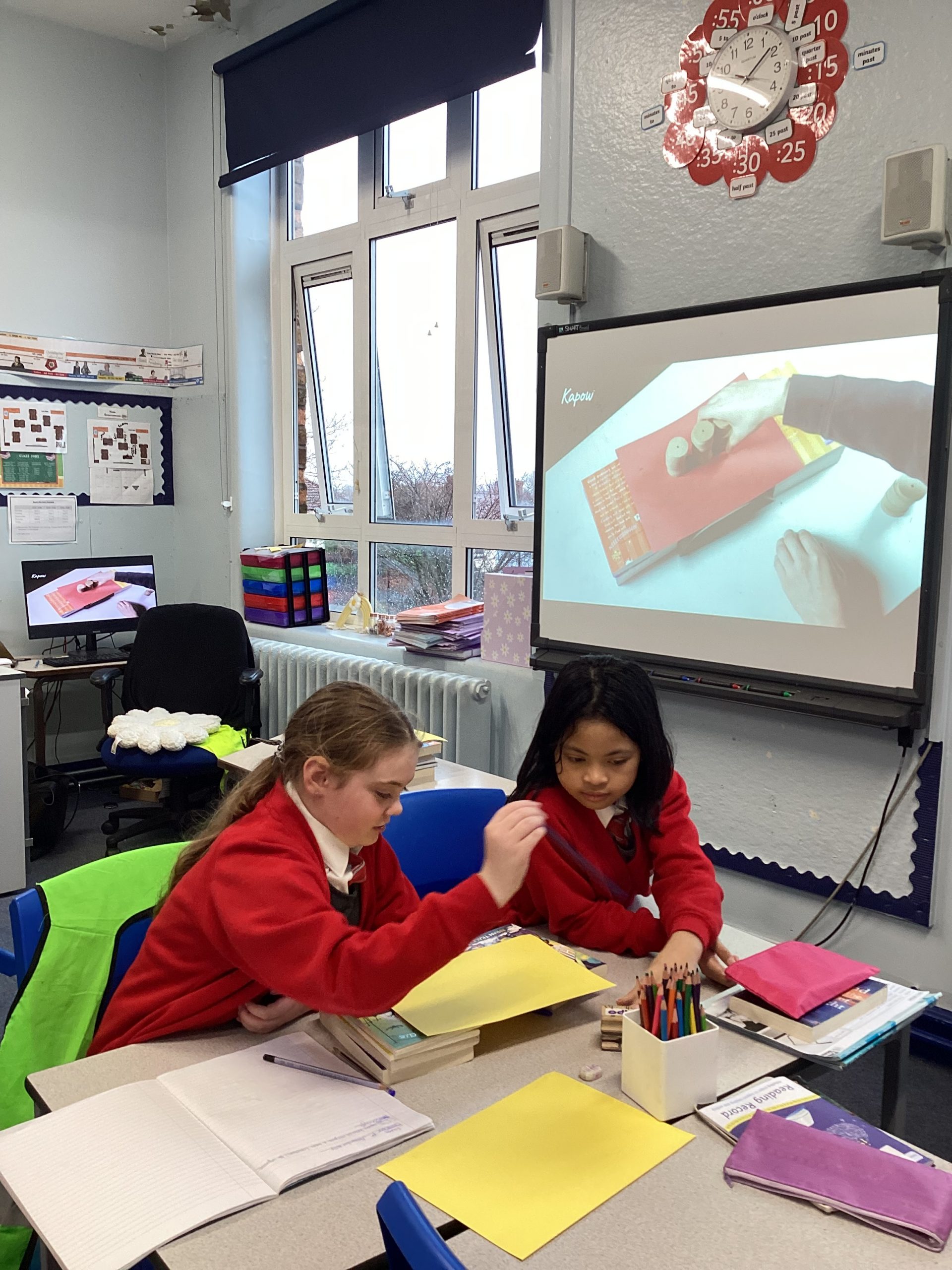
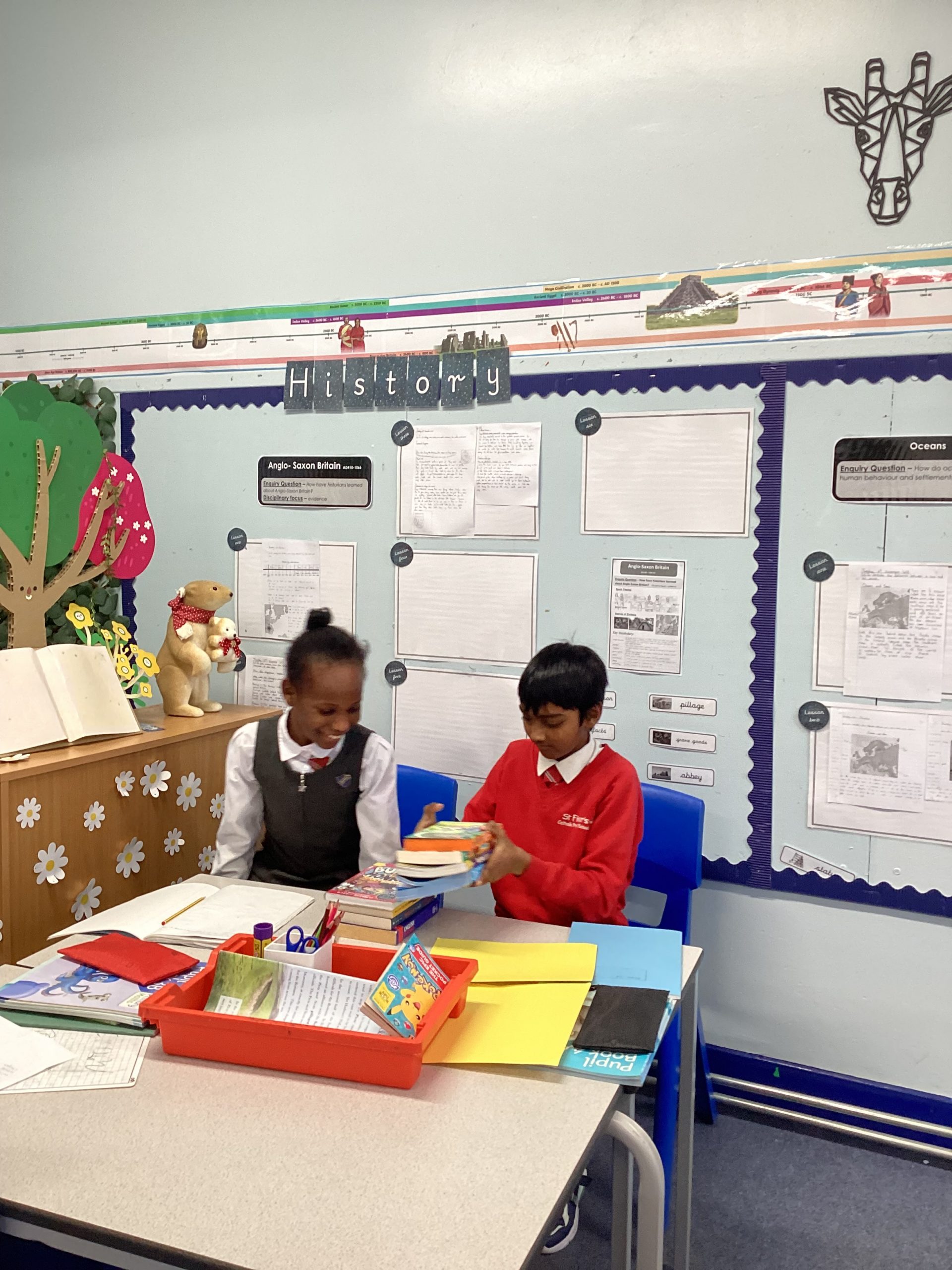
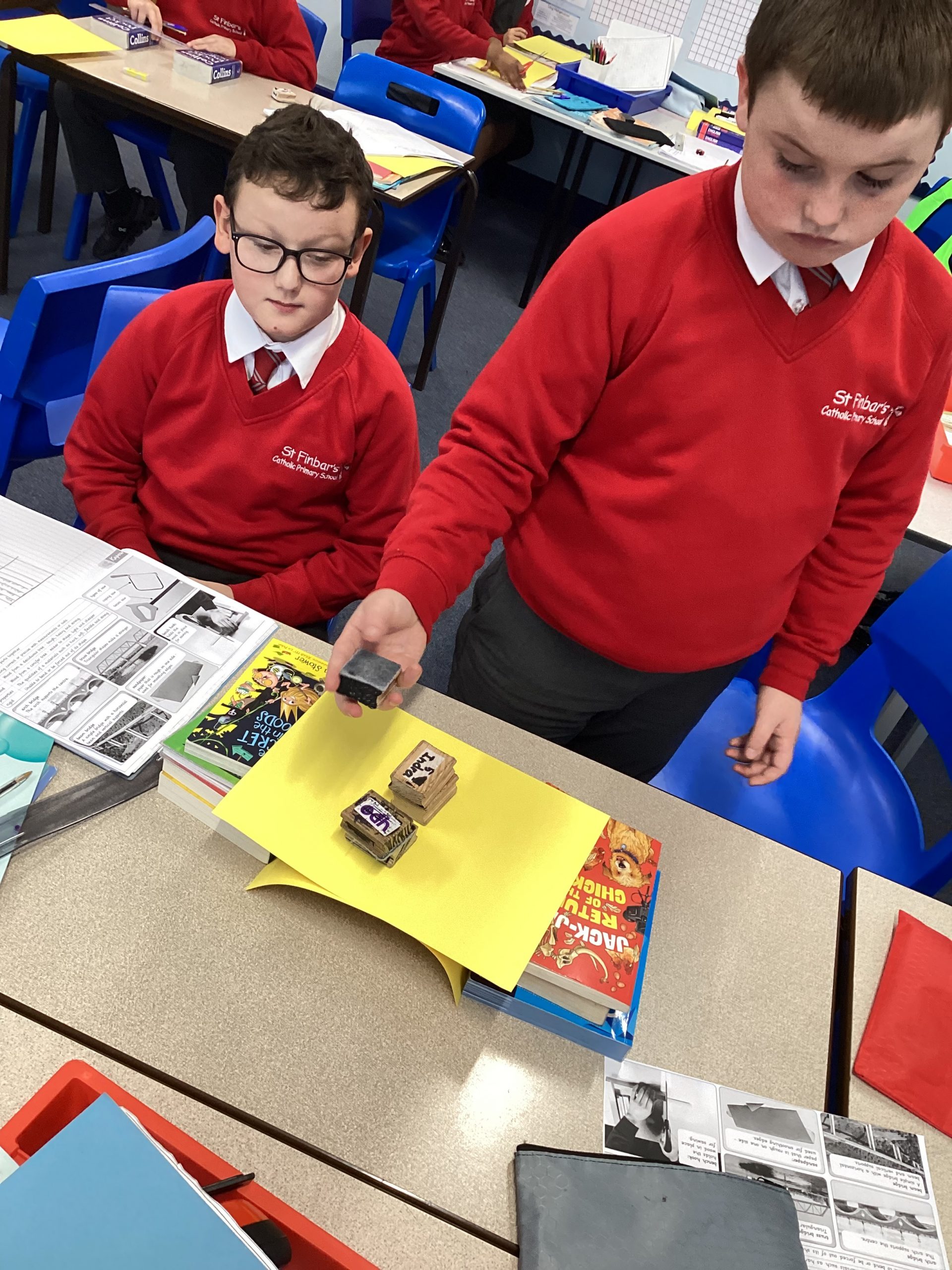
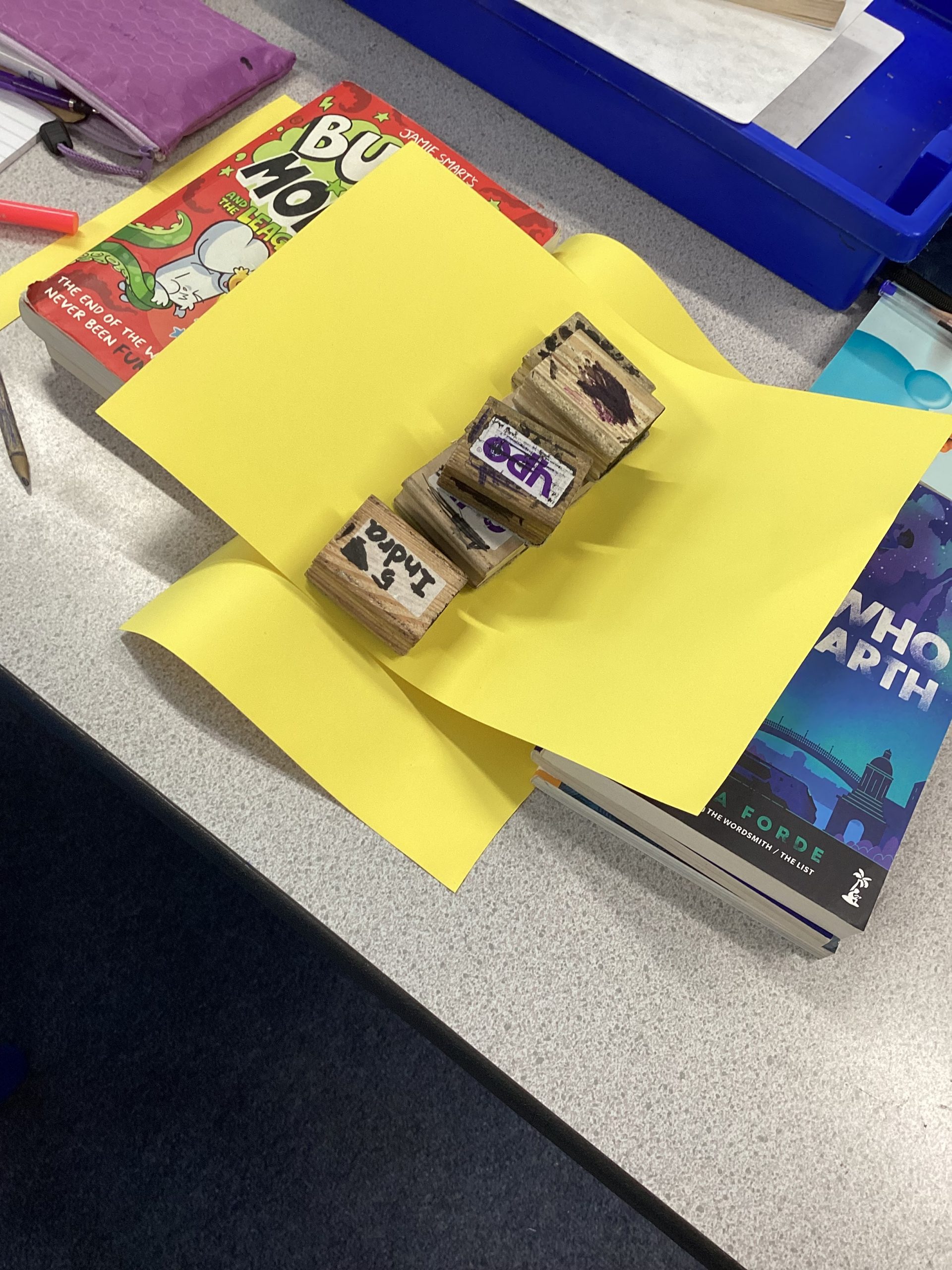
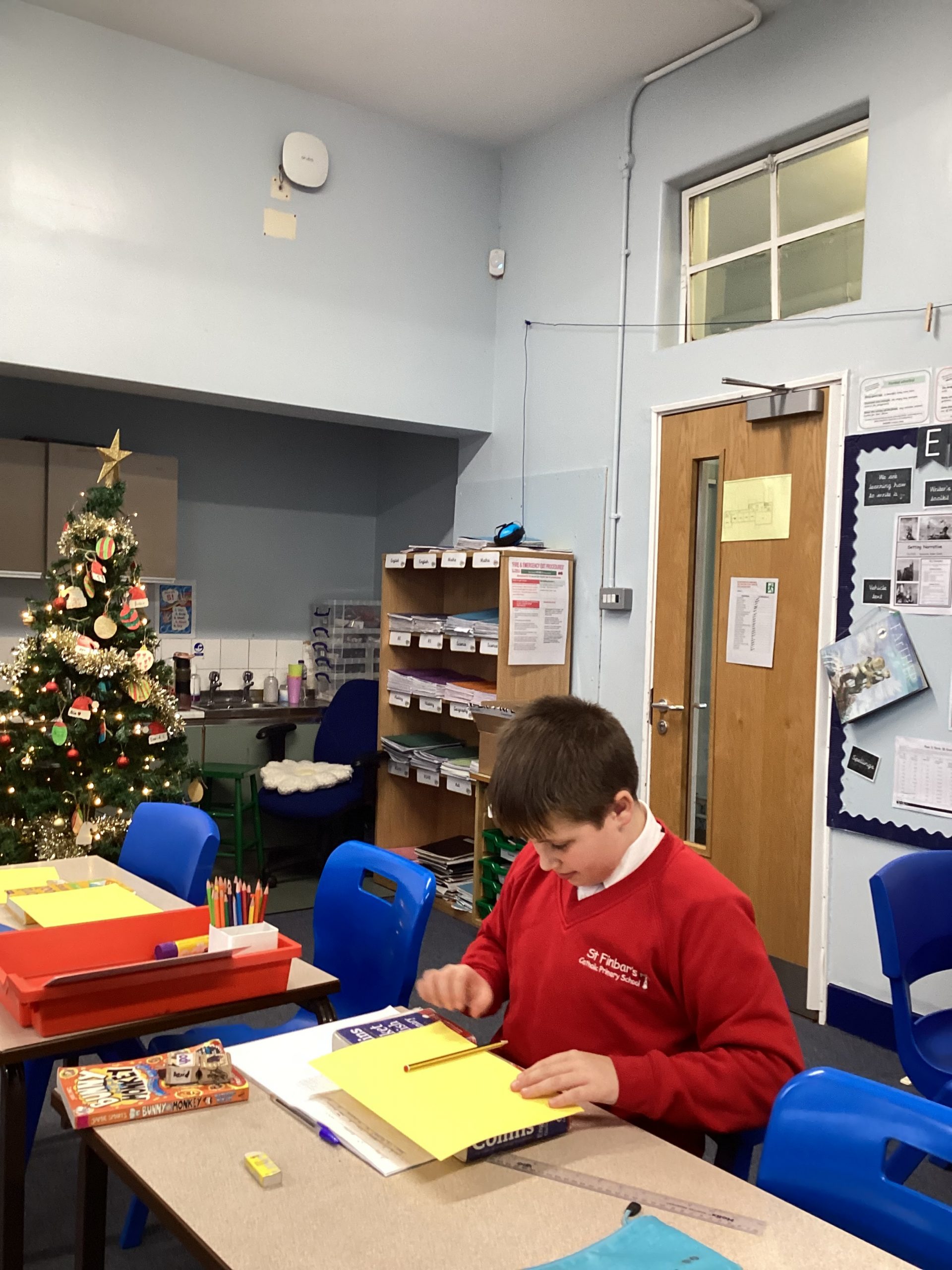
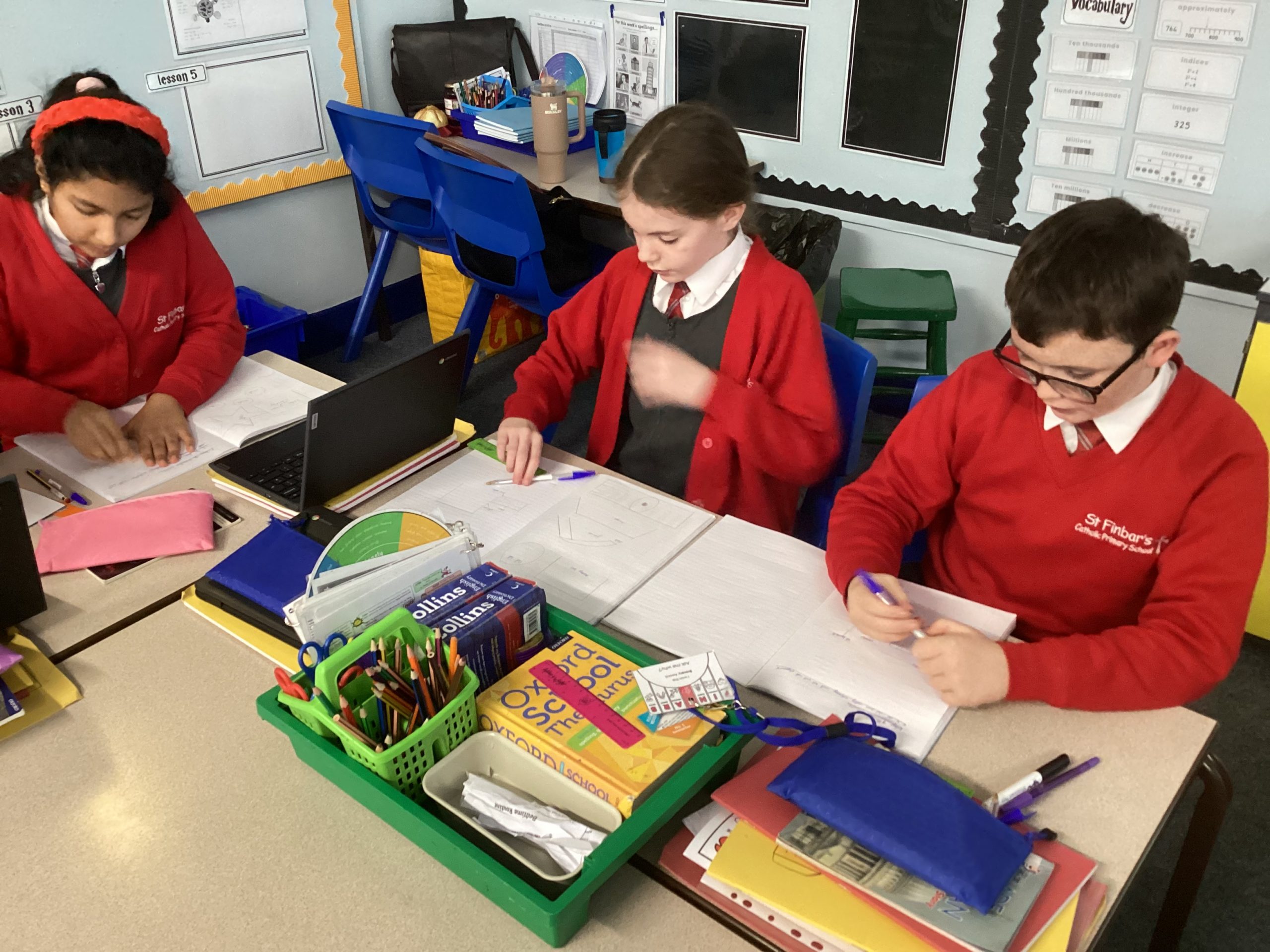
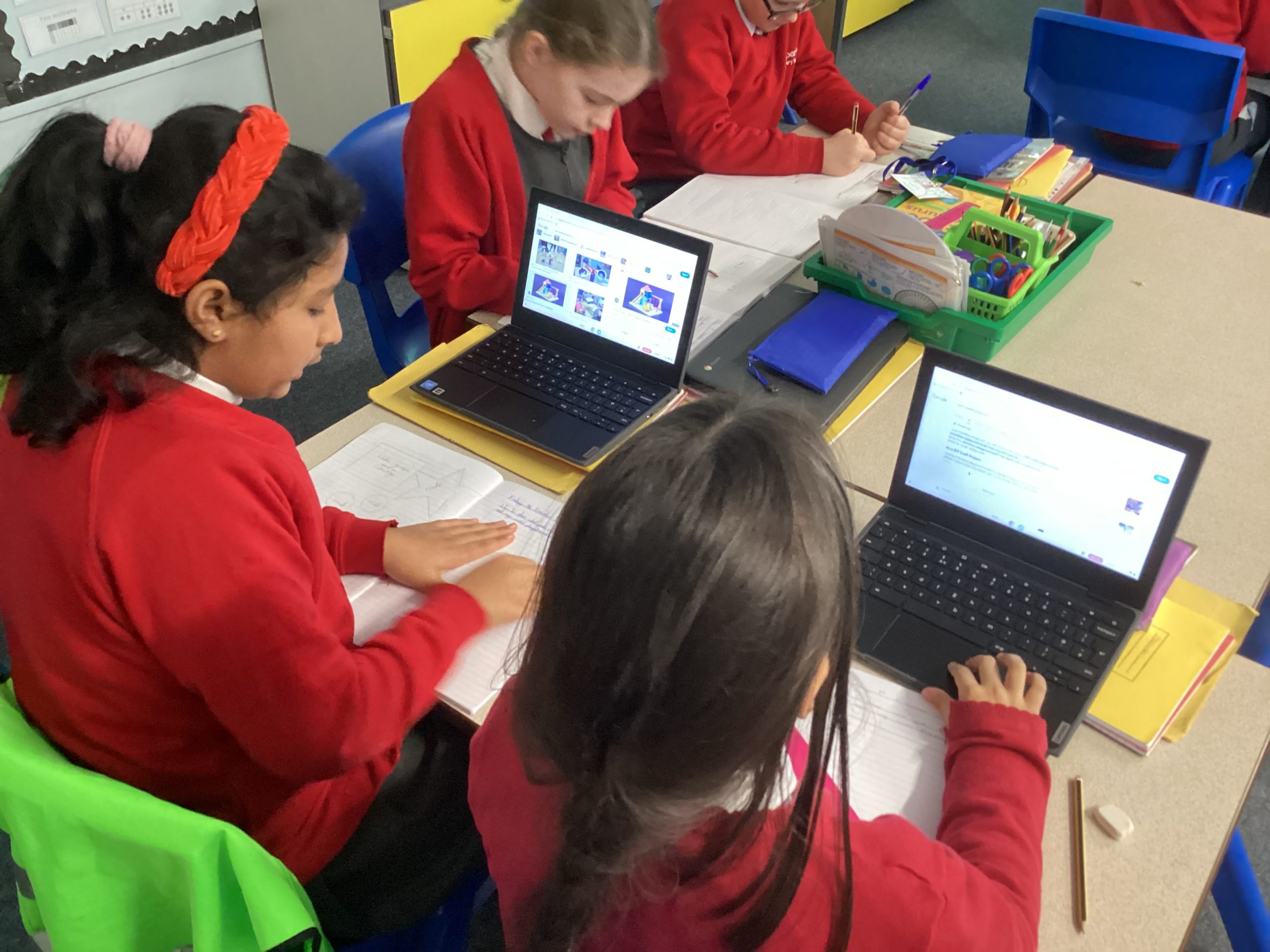
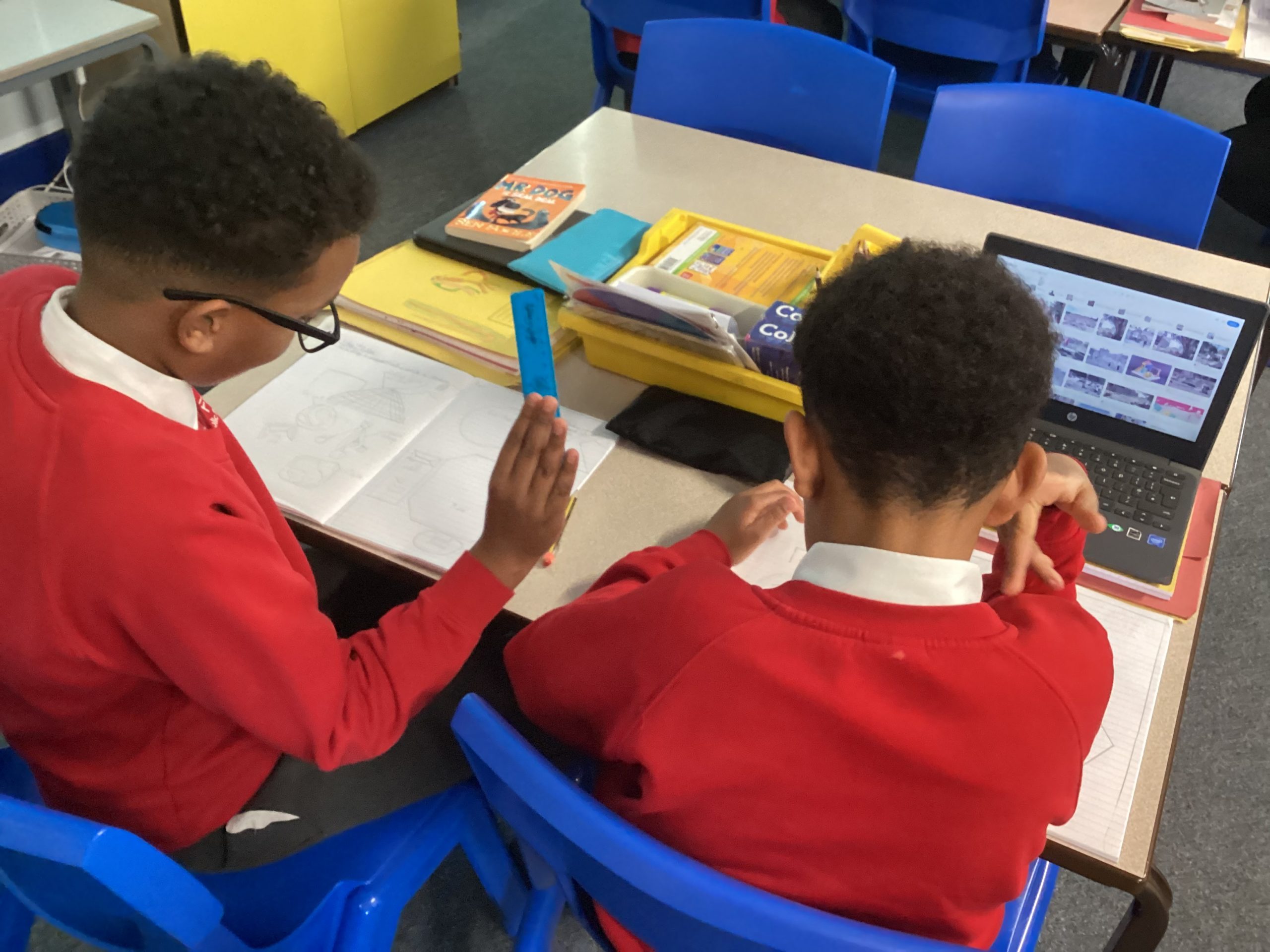
Year 6 have been taking inspiration from local playgrounds and some designs online when designing their own playground. We plan to make a 3D structure of a playground. We need something to swing on, something to hide in and something to climb on.
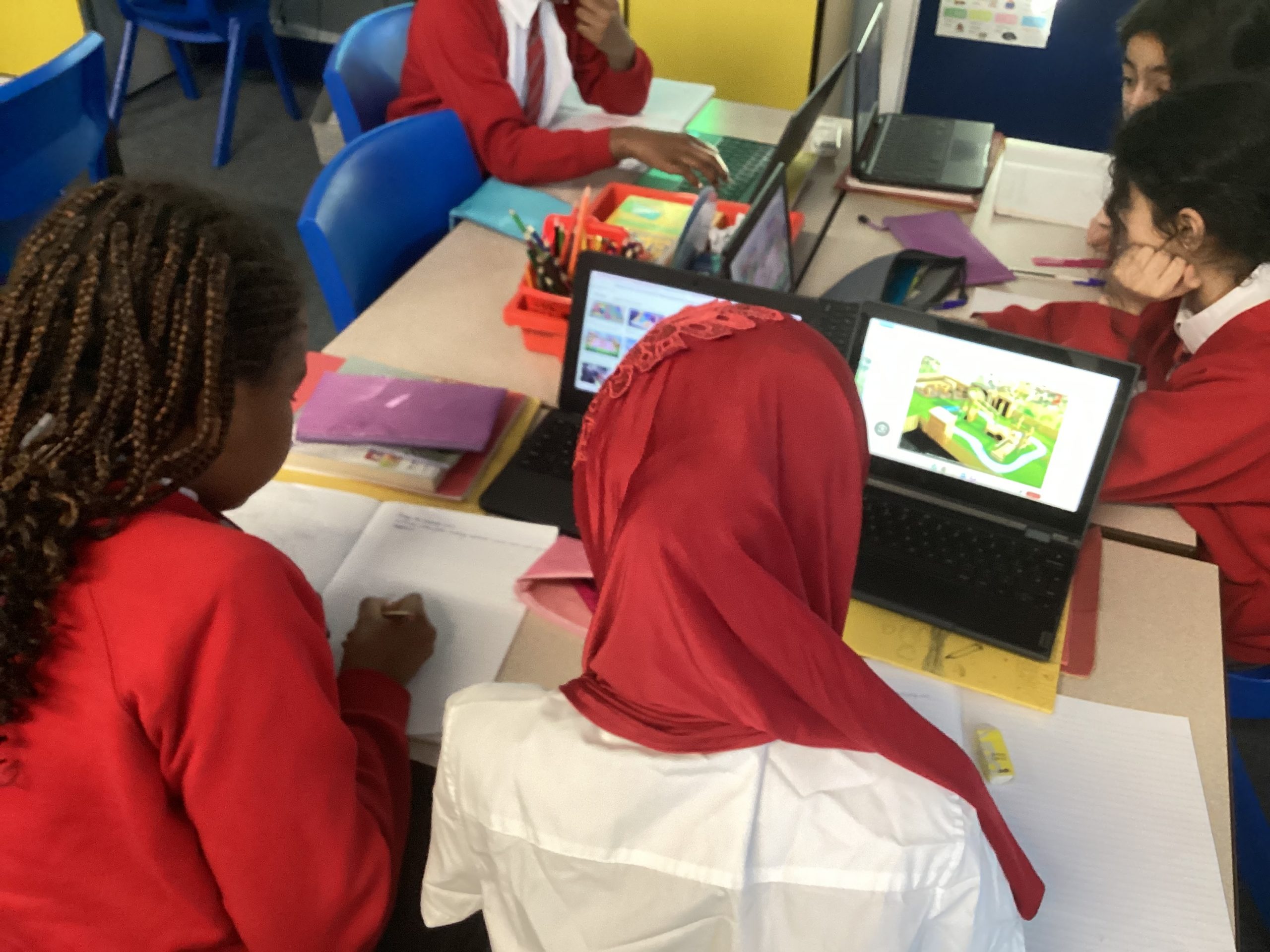
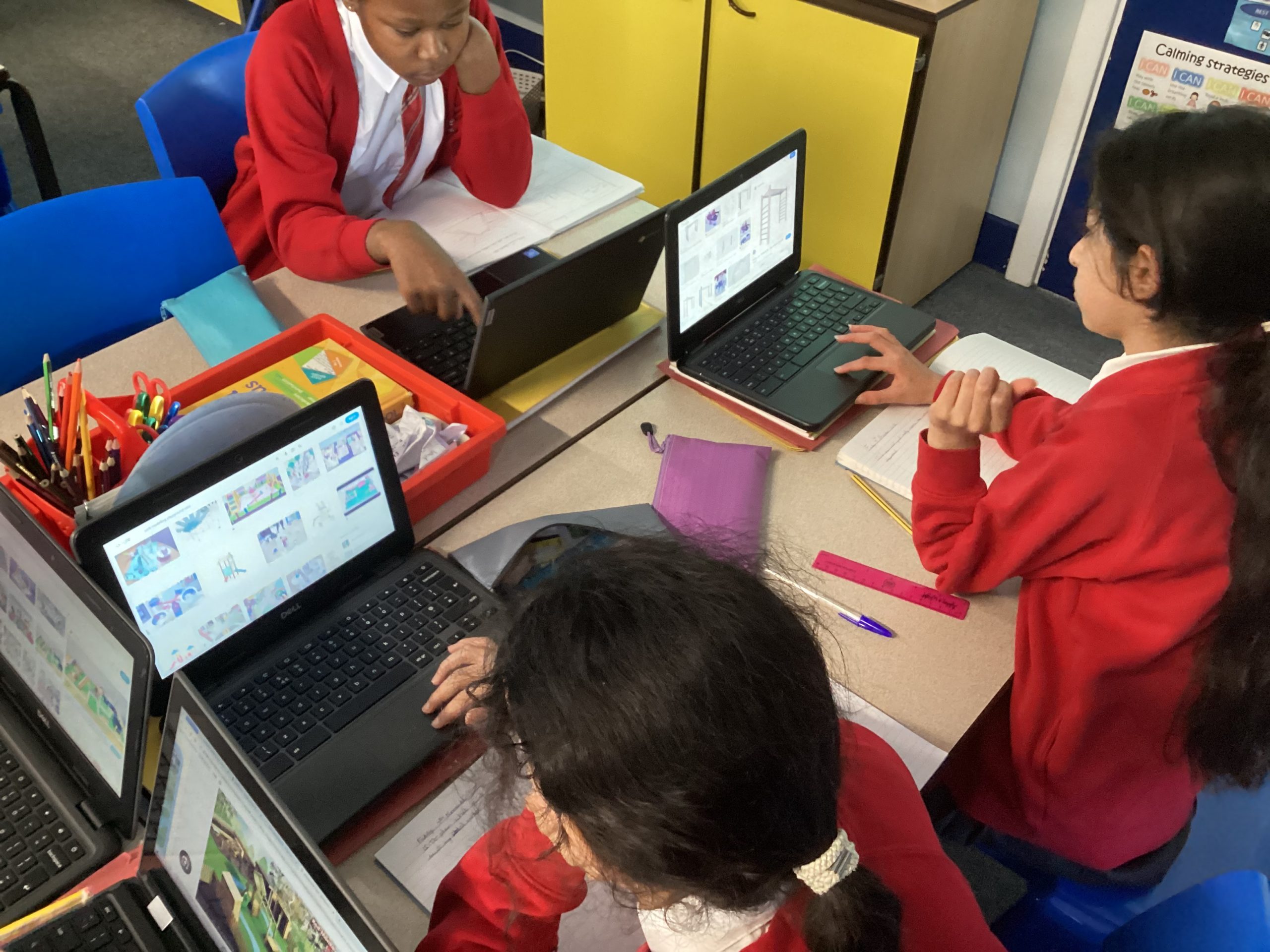
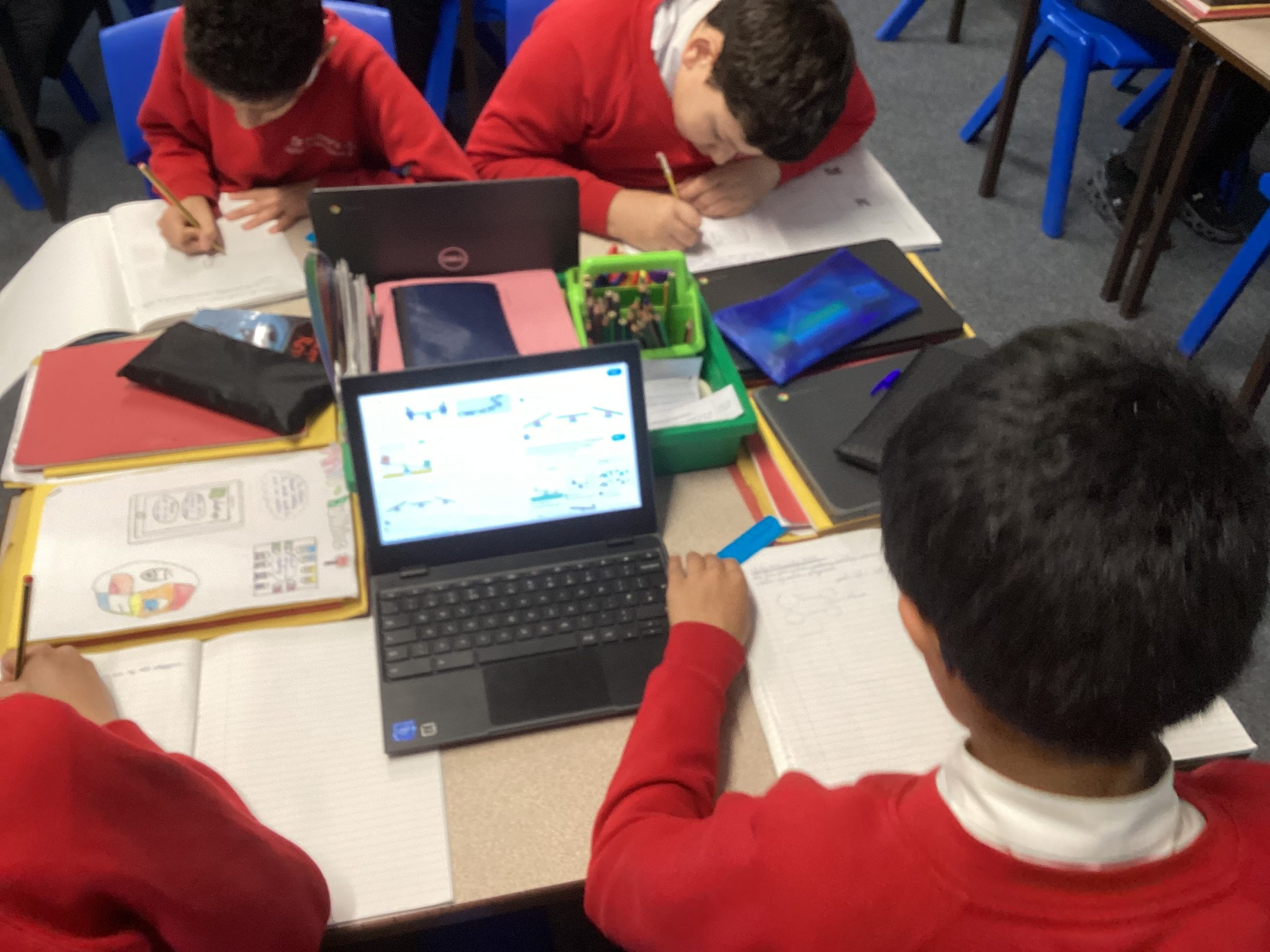
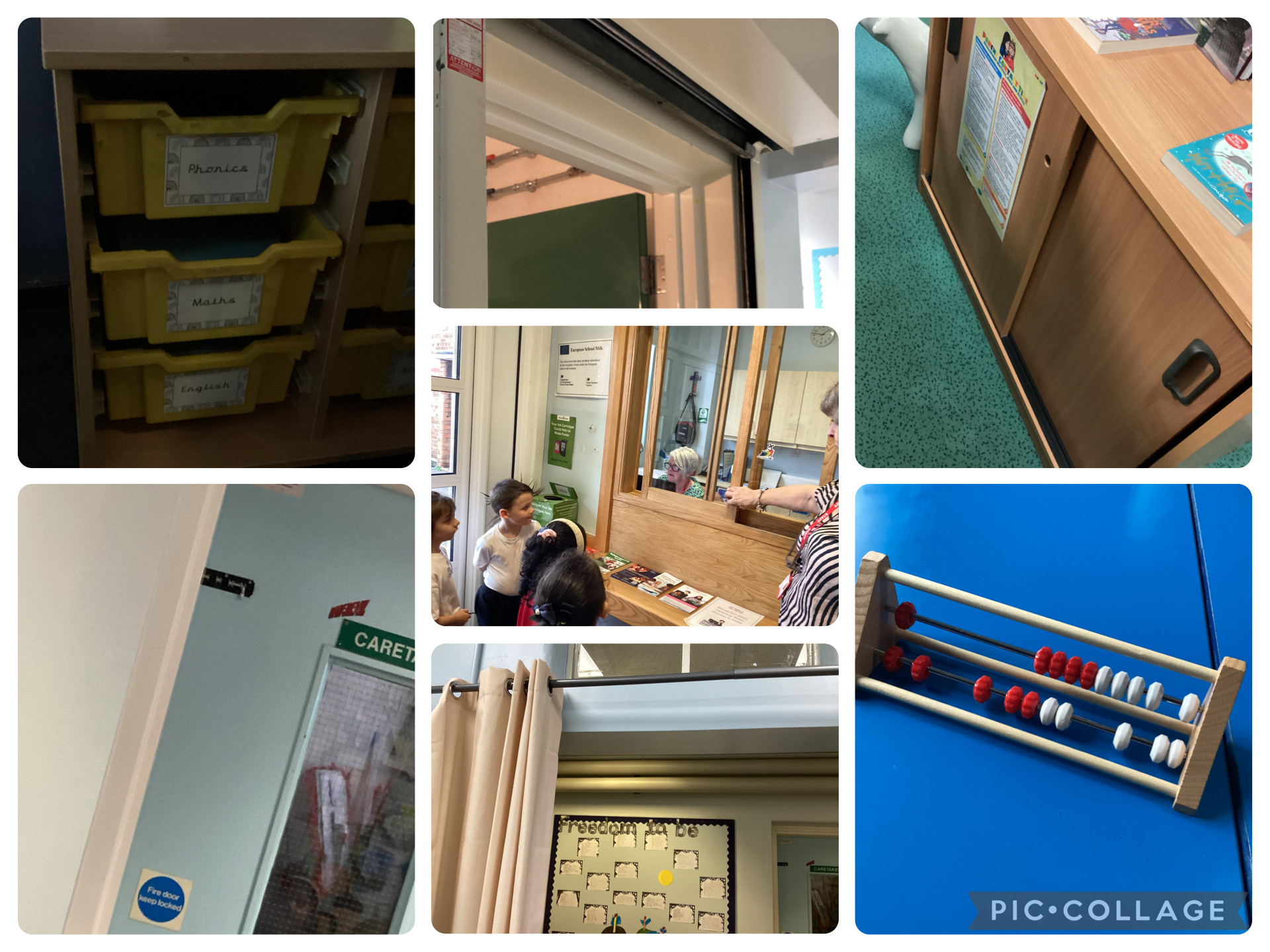
We have begun our DT unit be discussing what we know about different mechanisms and how they move. We have practised using specific vocabulary such as – slider, lever, turn, twist, forwards backwards and left and right. We then went on a mechanism hunt around our school to find sliders. Look at our picture to see what we found.