23.09.26 – Maths – Comparing numbers
23-09-2026
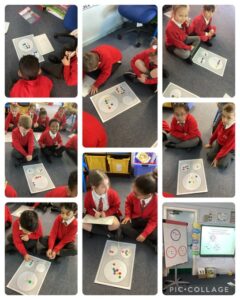
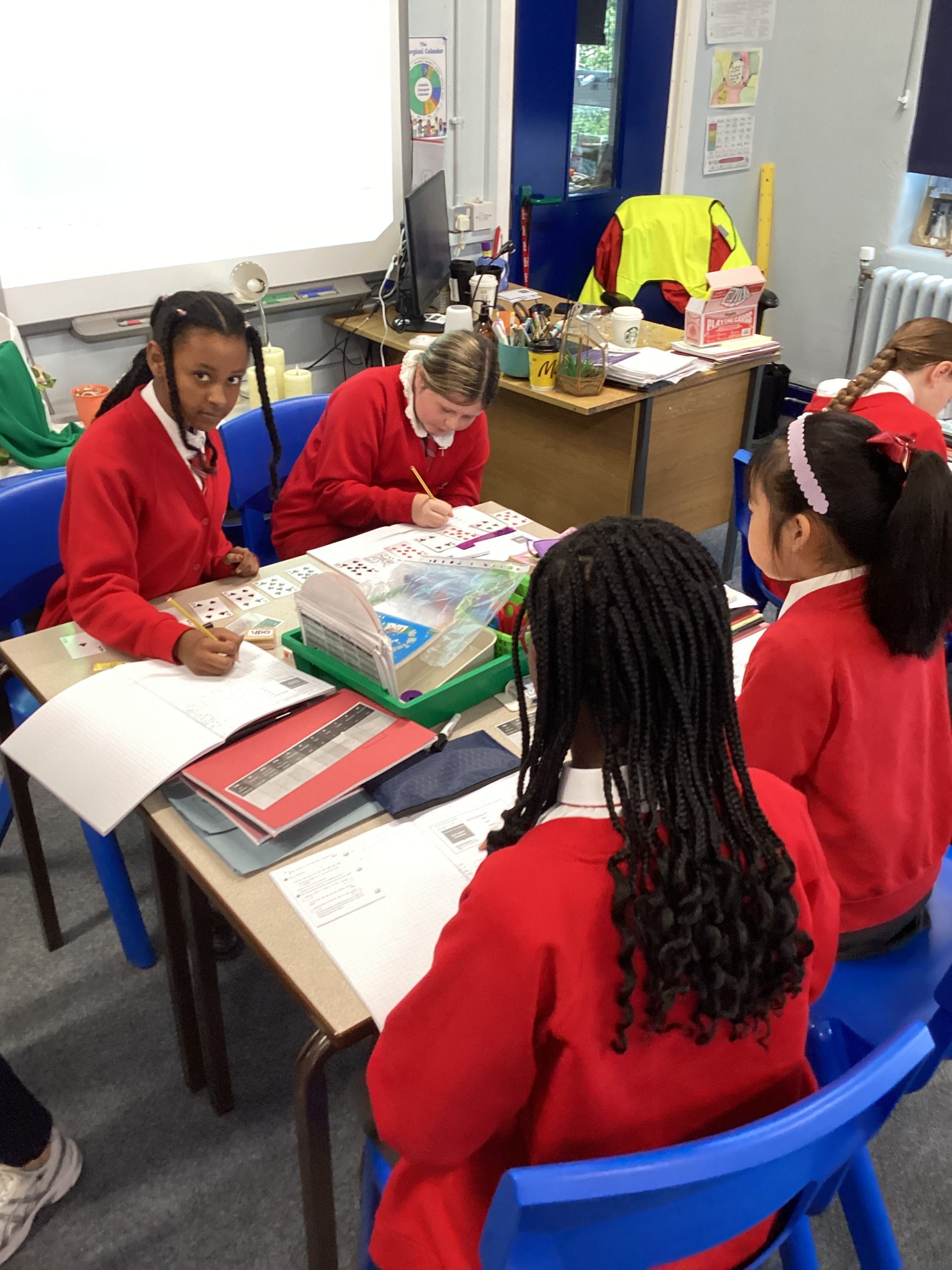
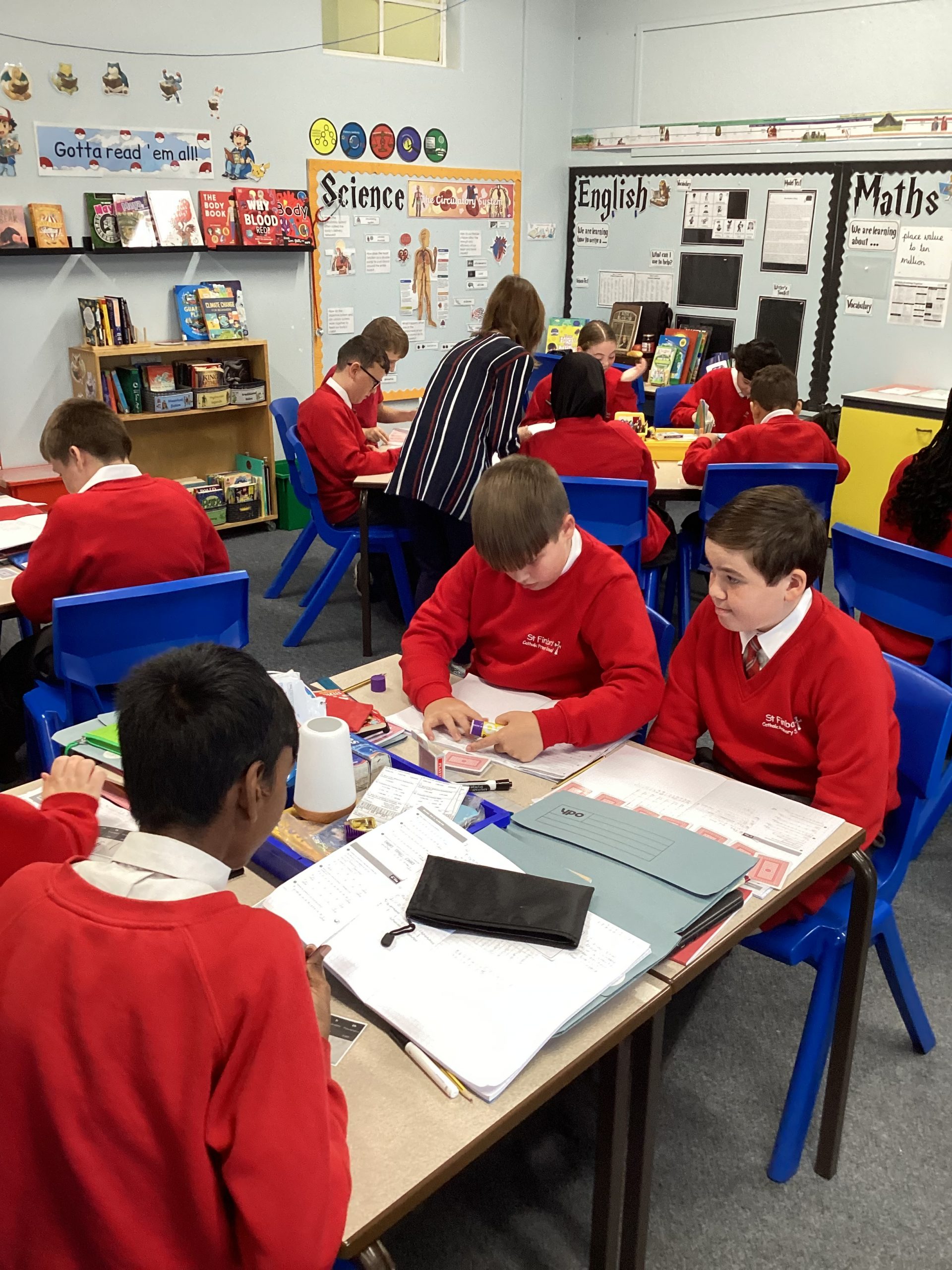
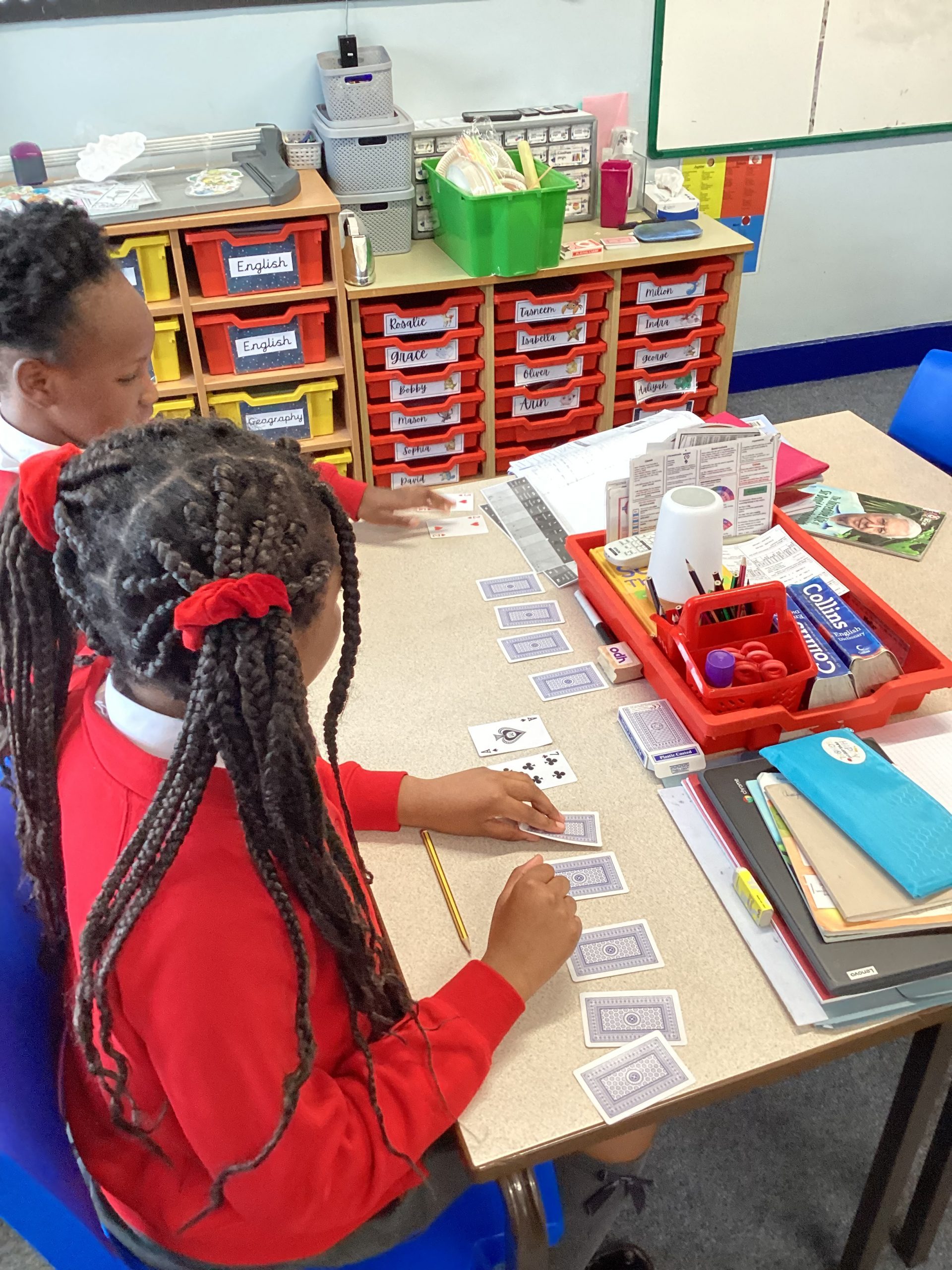
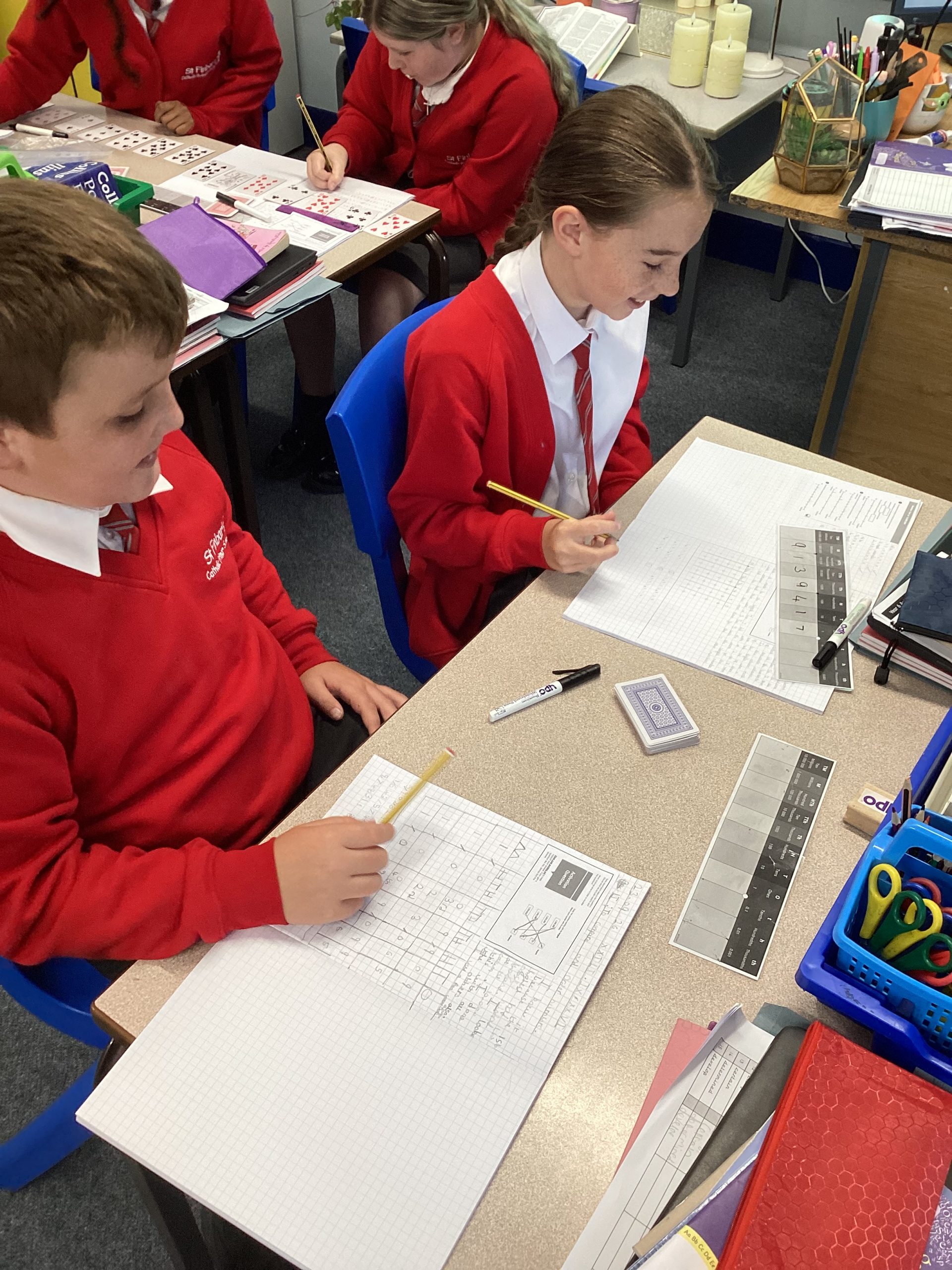
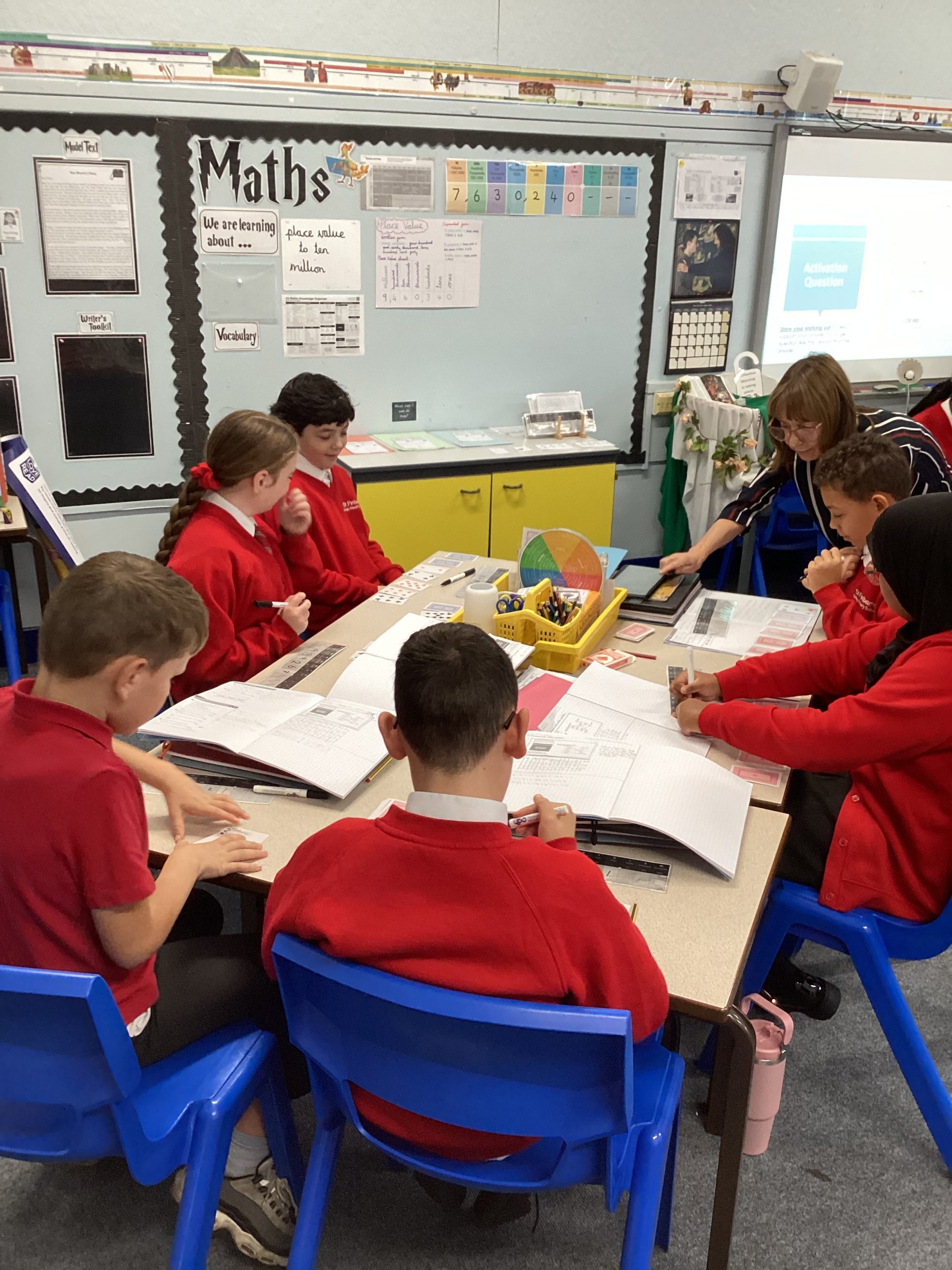
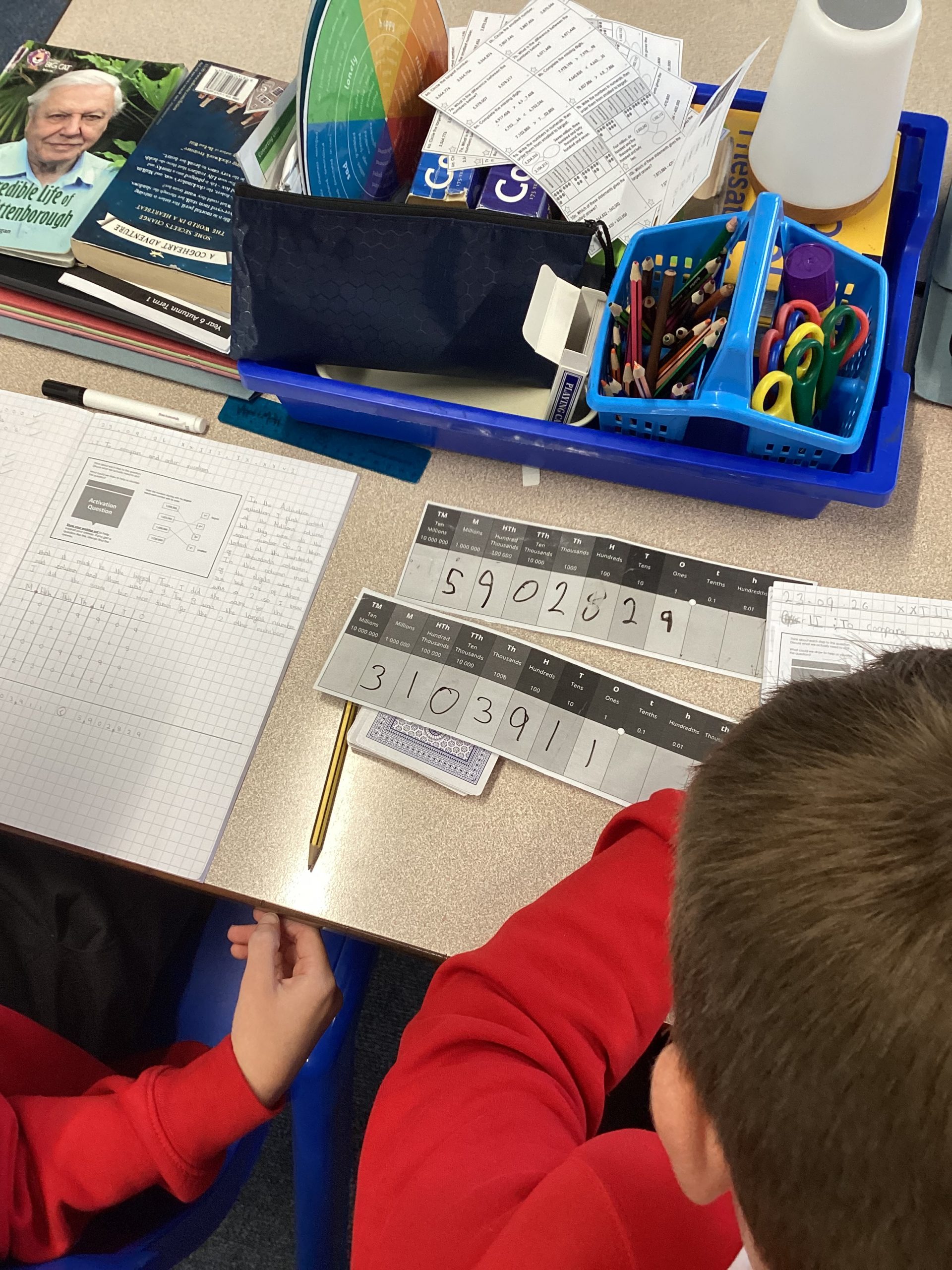
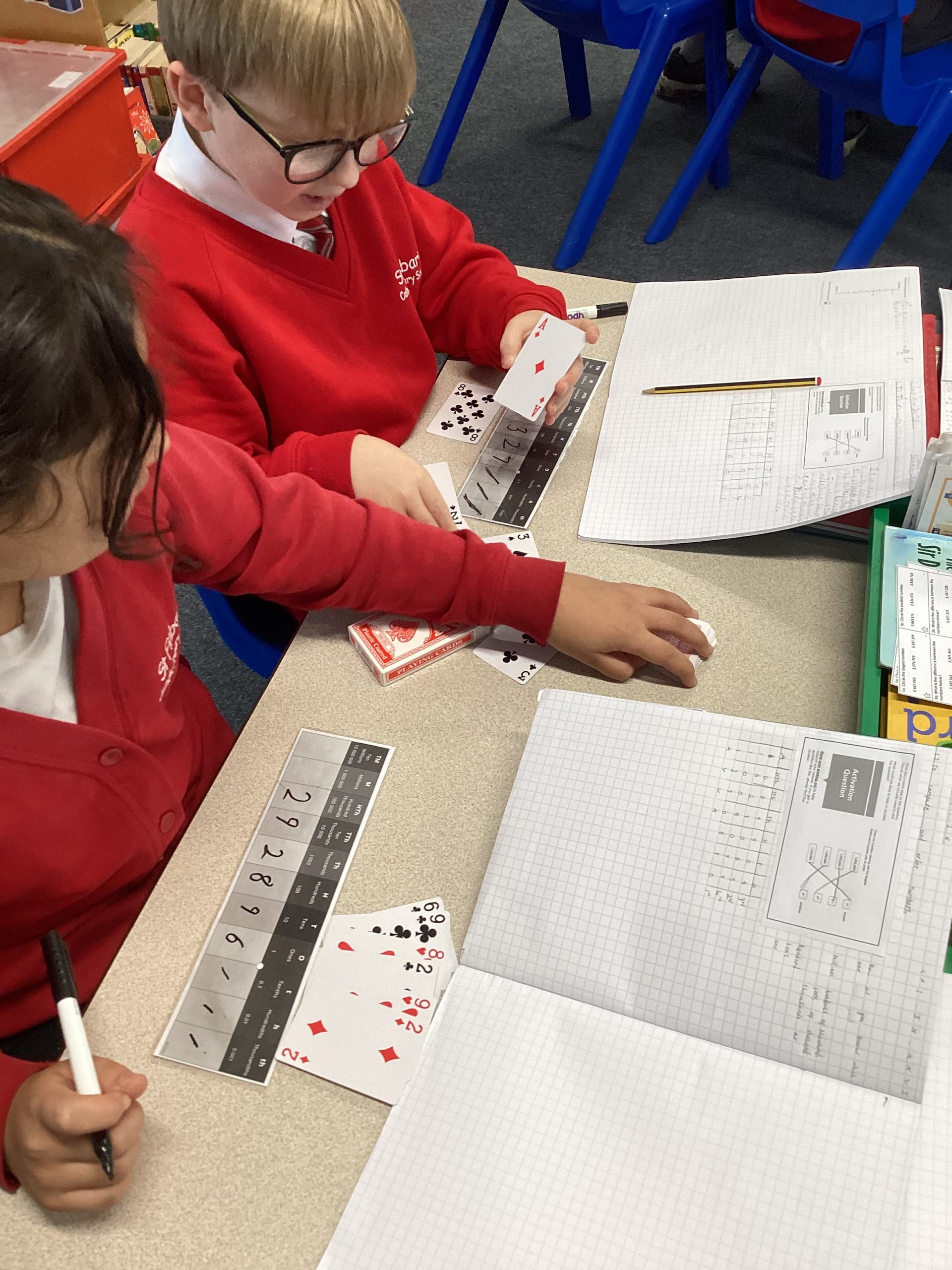
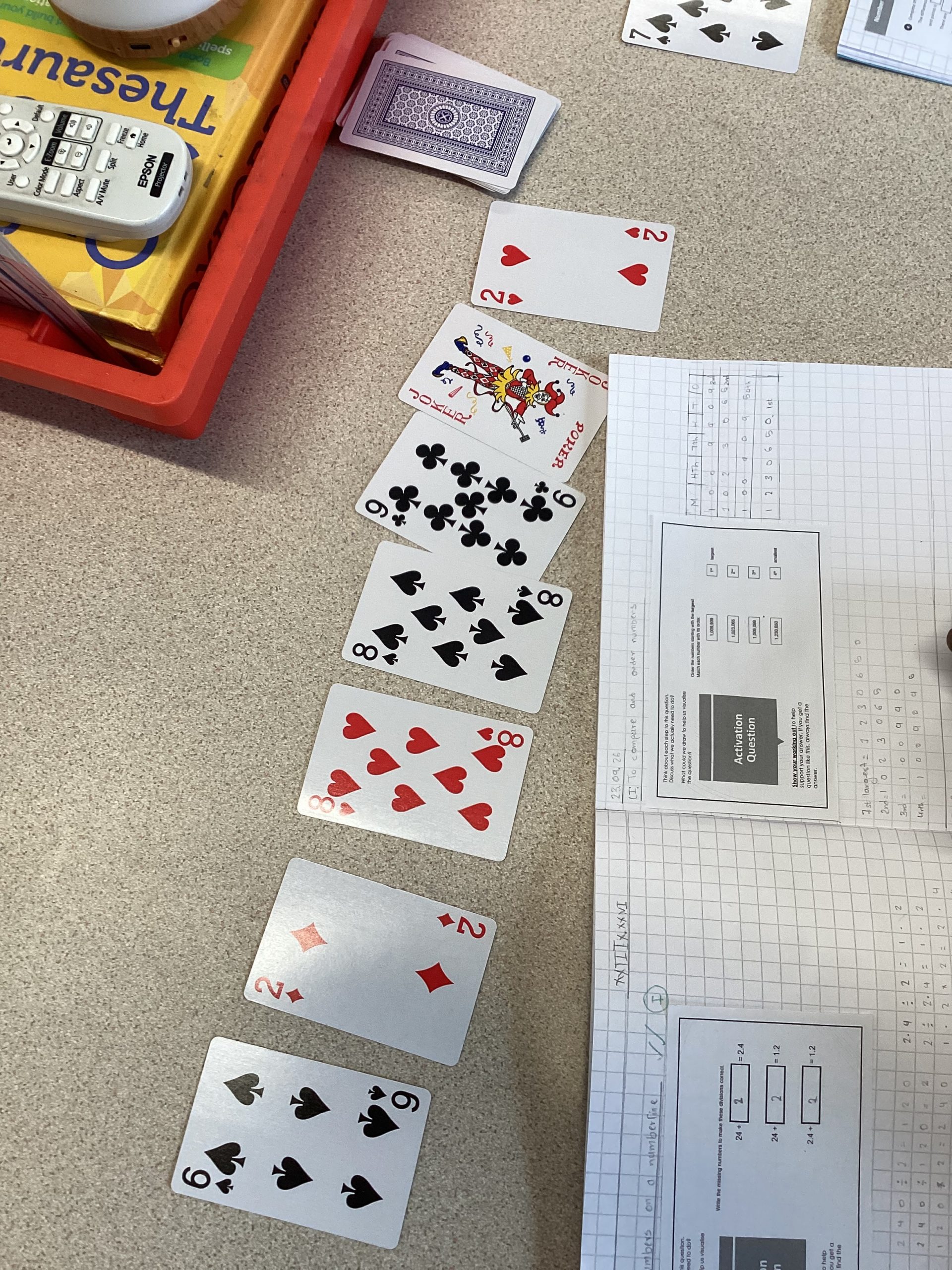
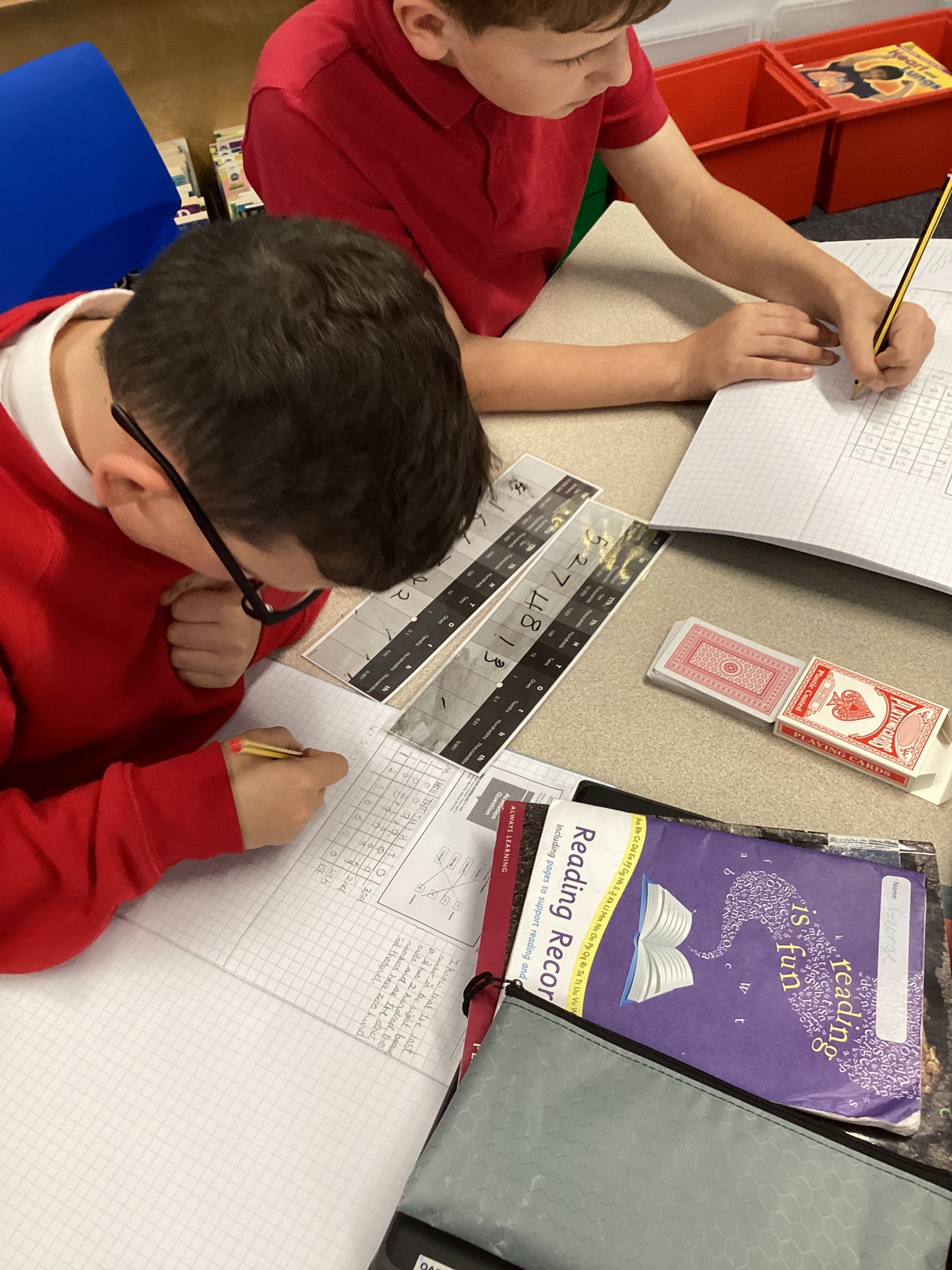
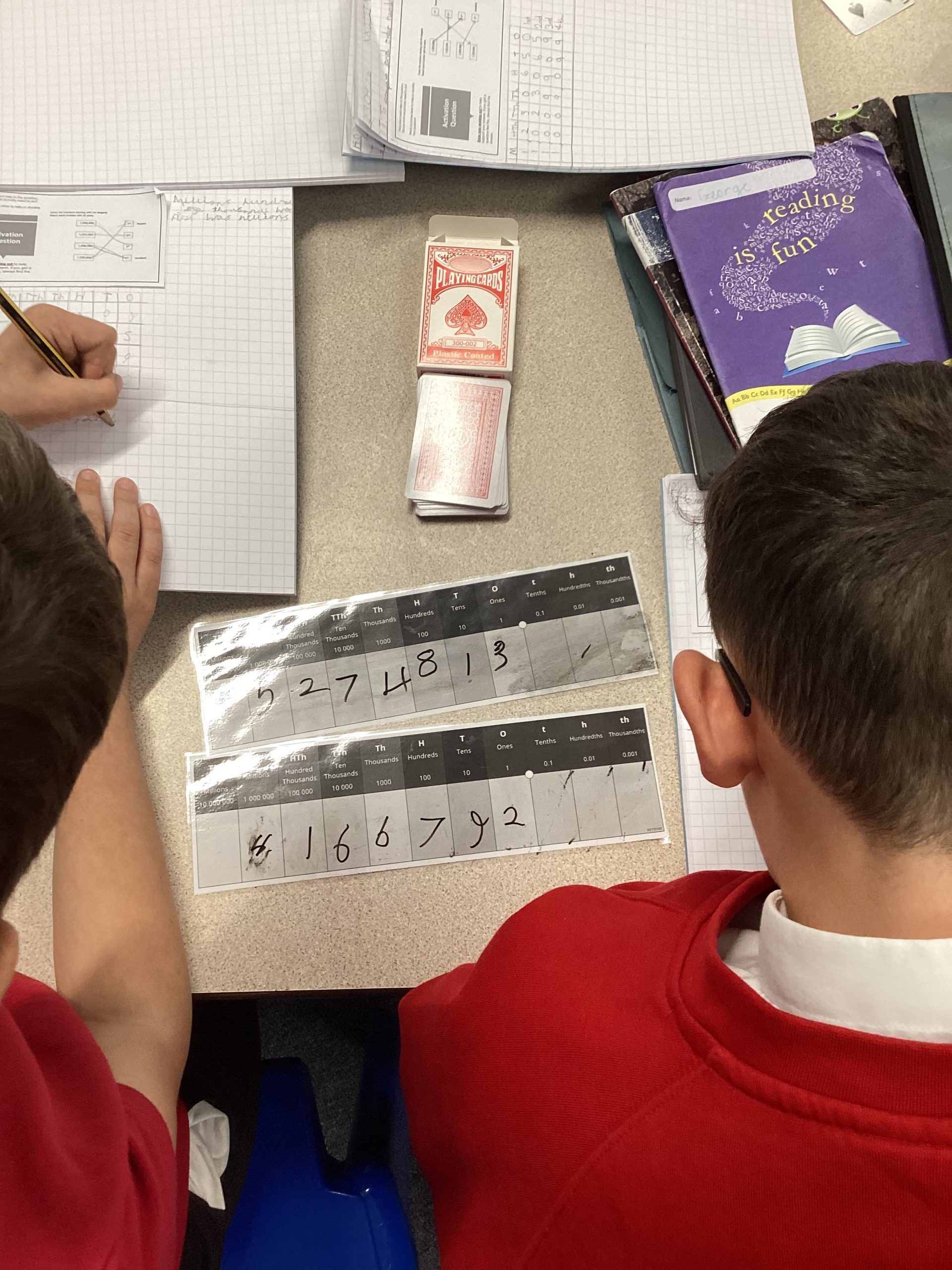
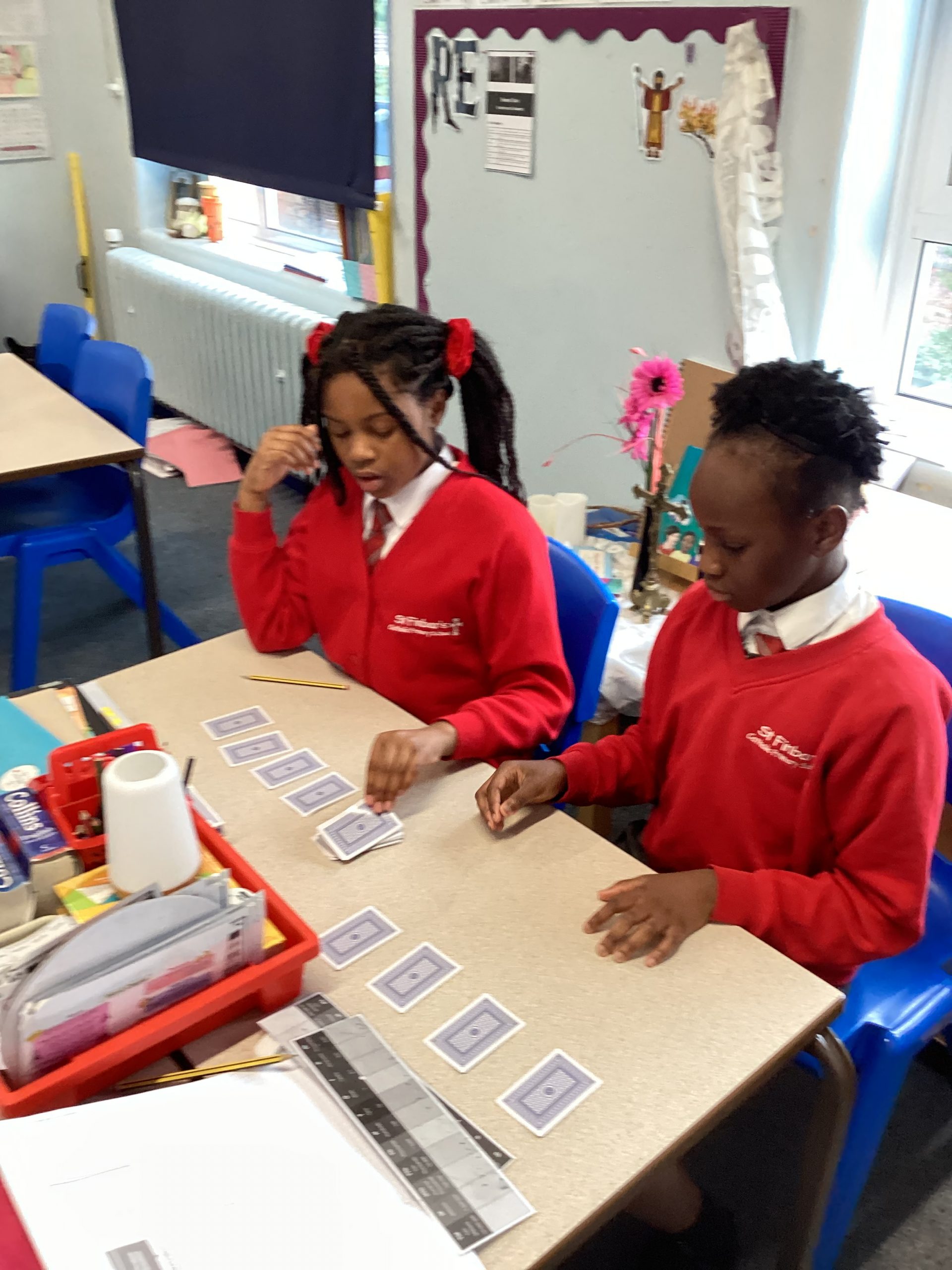
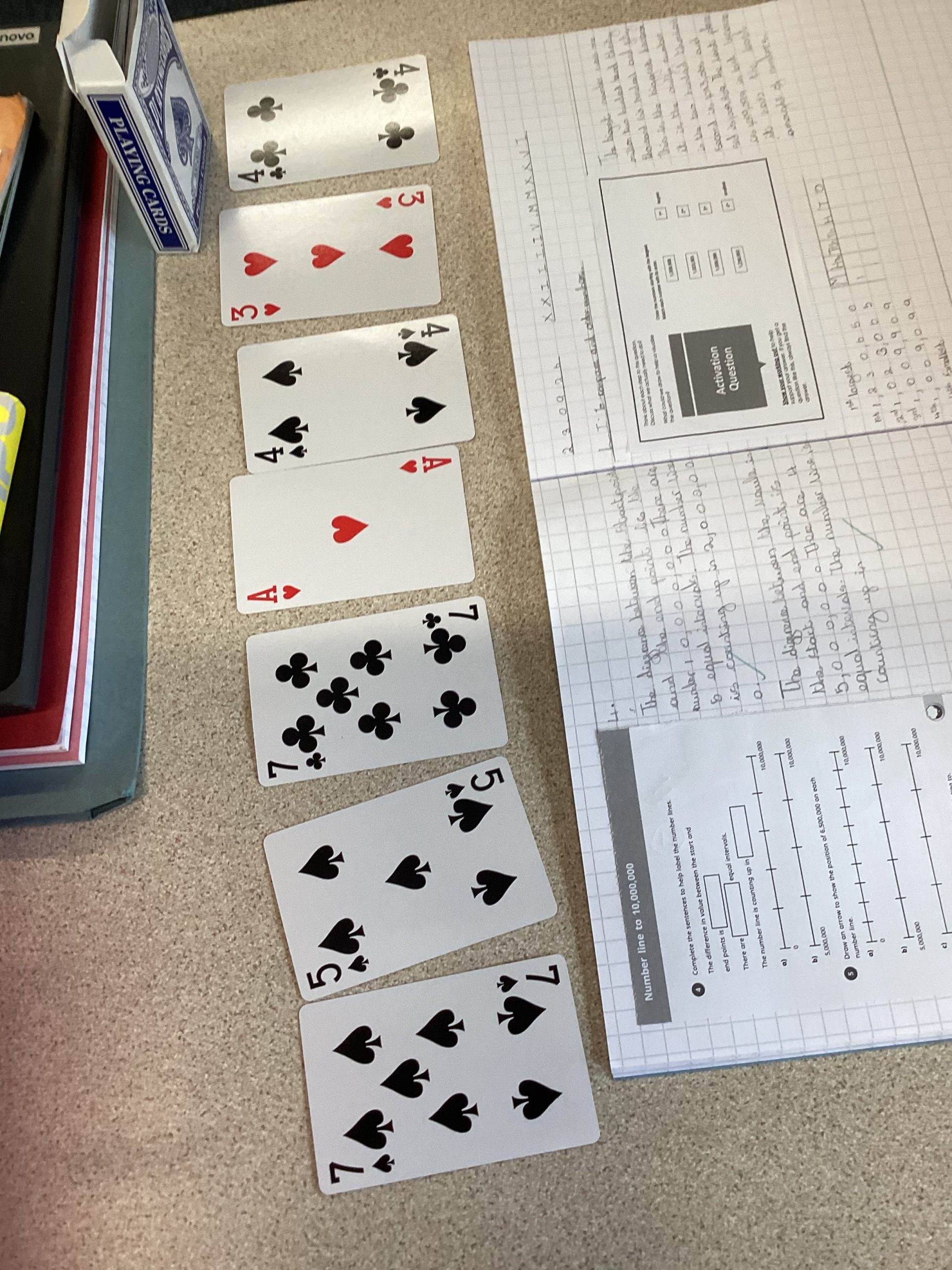
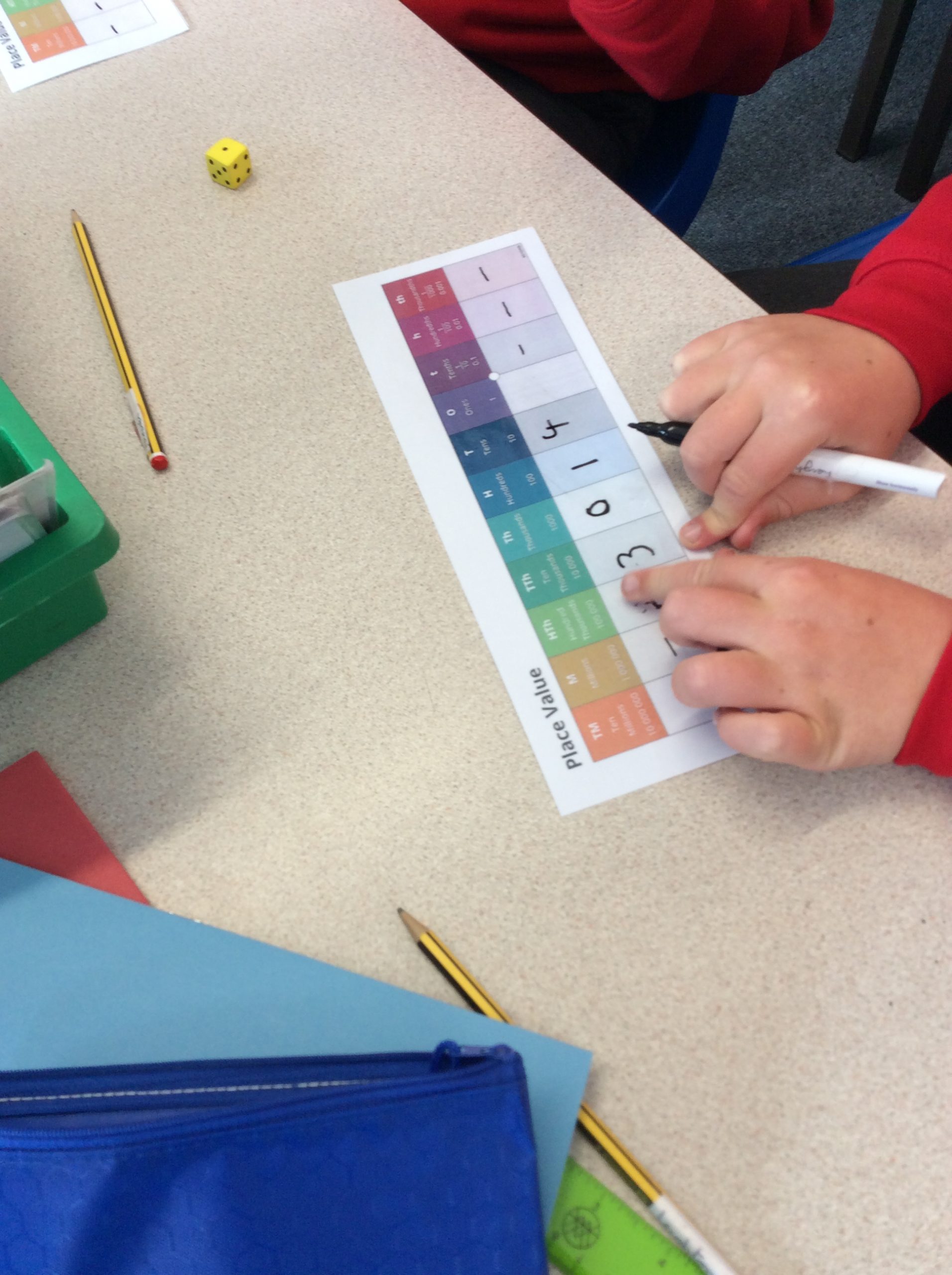
During our maths lesson, we have been consolidating our place value knowledge up to 10 million. Today, we played a game of higher or lower using playing cards and the more or less than signs.
Mathematics is essential to everyday life, critical to science, technology and engineering, and necessary for financial literacy and most forms of employment. At our school, we follow the White Rose Maths scheme, which provides a carefully sequenced curriculum that helps children build a deep, secure and adaptable understanding of mathematics.
The National Curriculum for Mathematics states that a high-quality mathematics education should provide children with a foundation for understanding the world, the ability to reason mathematically, and an appreciation of the power and beauty of mathematics. Through White Rose, children develop fluency, reasoning and problem-solving skills step by step, with plenty of opportunities to revisit and strengthen prior learning.
Our mathematics curriculum, delivered through White Rose Maths, aims to ensure that all children:
There are lots of ways to help your child practise maths at home beyond helping with homework. Here are some suggestions:
There are also games available on the web – we subscribe to Times Table Rockstar’s (for more information see your child’s class teacher).
External Link: https://ttrockstars.com/
External Link: https://numbots.com/
External Link: https://nrich.maths.org/primary
External Link: https://nrich.maths.org/primary
External Link: https://www.bbc.co.uk/teach/skillswise/maths/zfdymfr
External Link: https://www.bbc.co.uk/bitesize/subjects/z826n39
External Link: https://www.bbc.co.uk/bitesize/subjects/zjxhfg8

During our maths lesson, we have been consolidating our place value knowledge up to 10 million. Today, we played a game of higher or lower using playing cards and the more or less than signs.
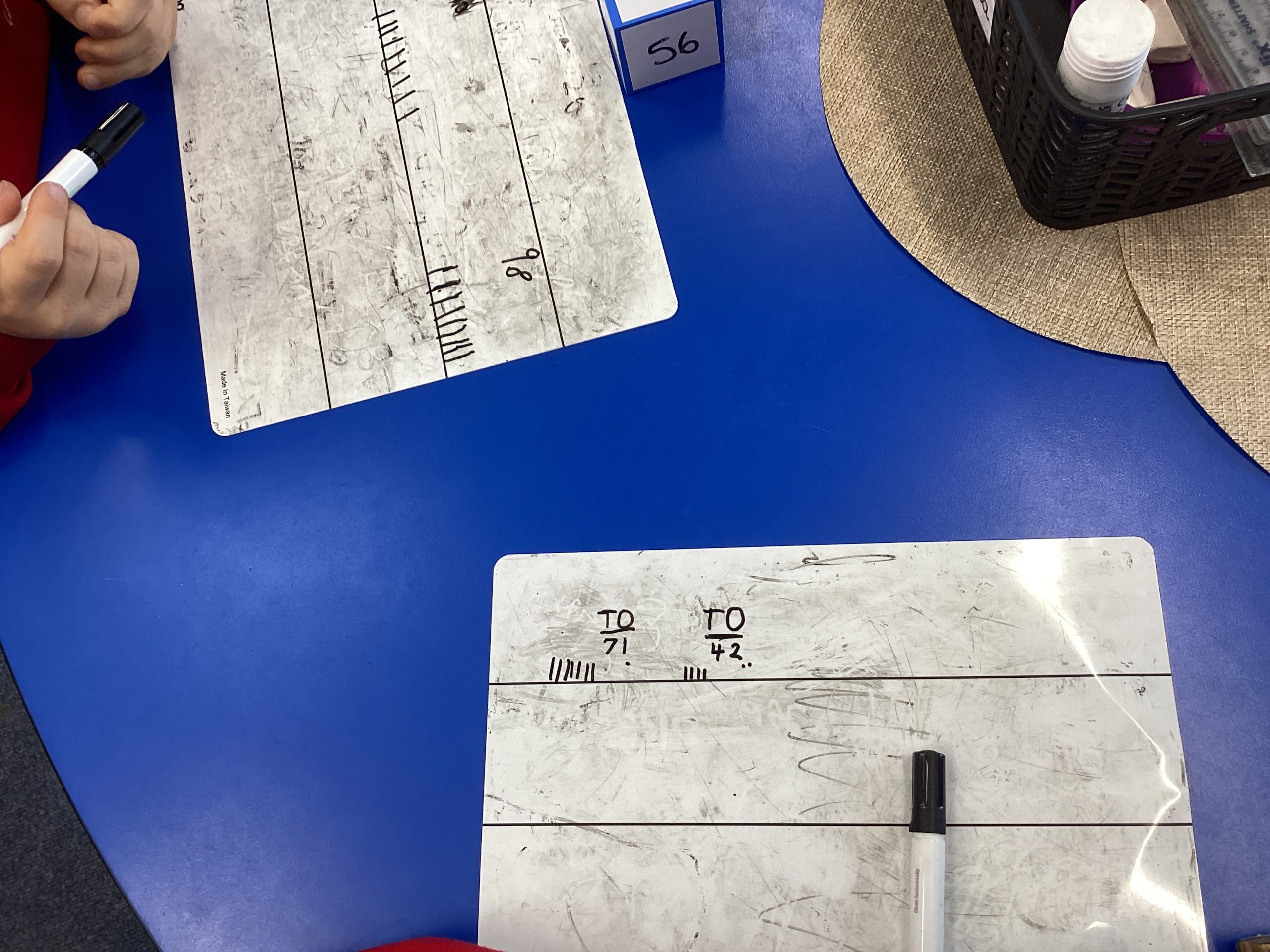
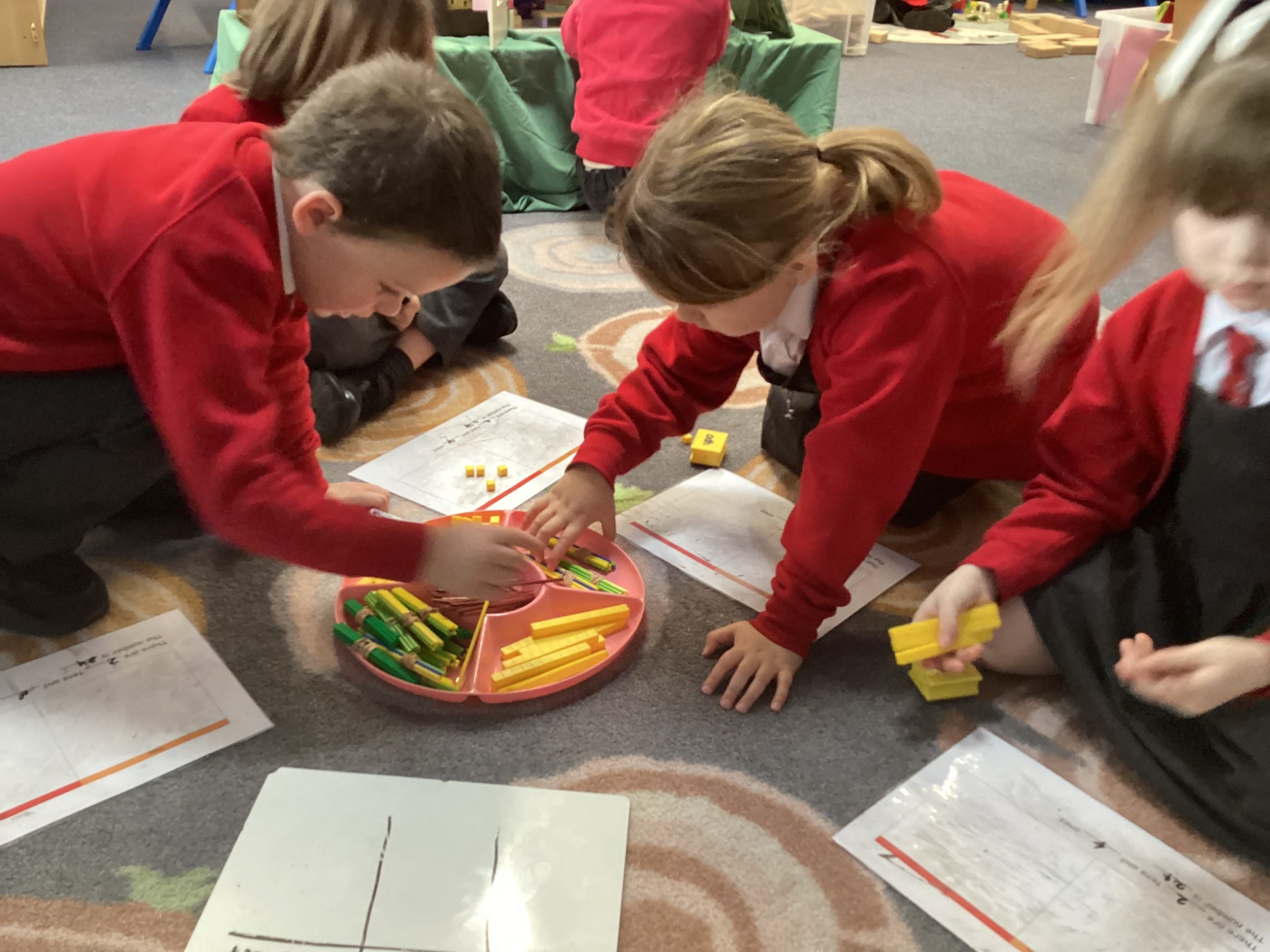
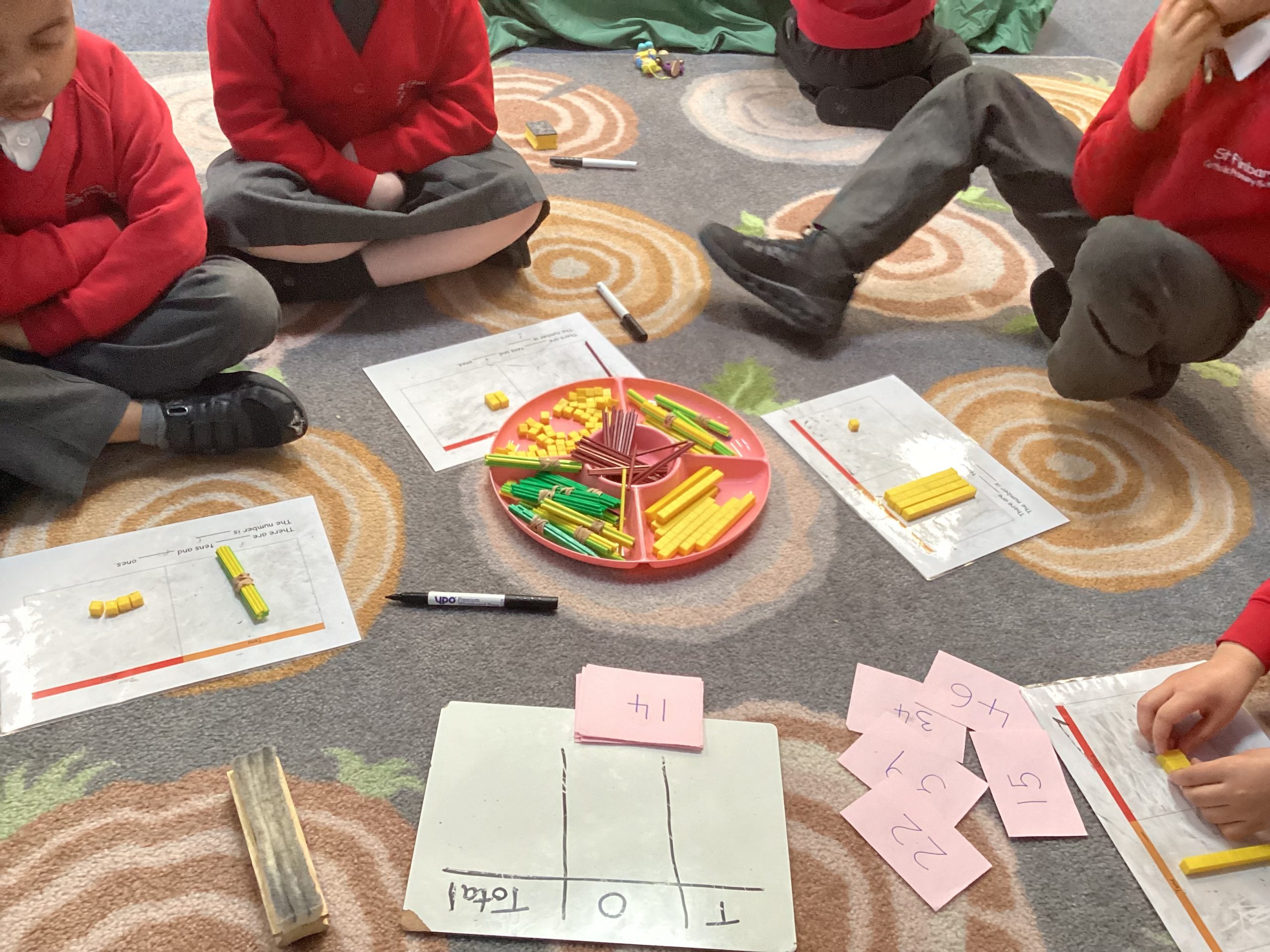
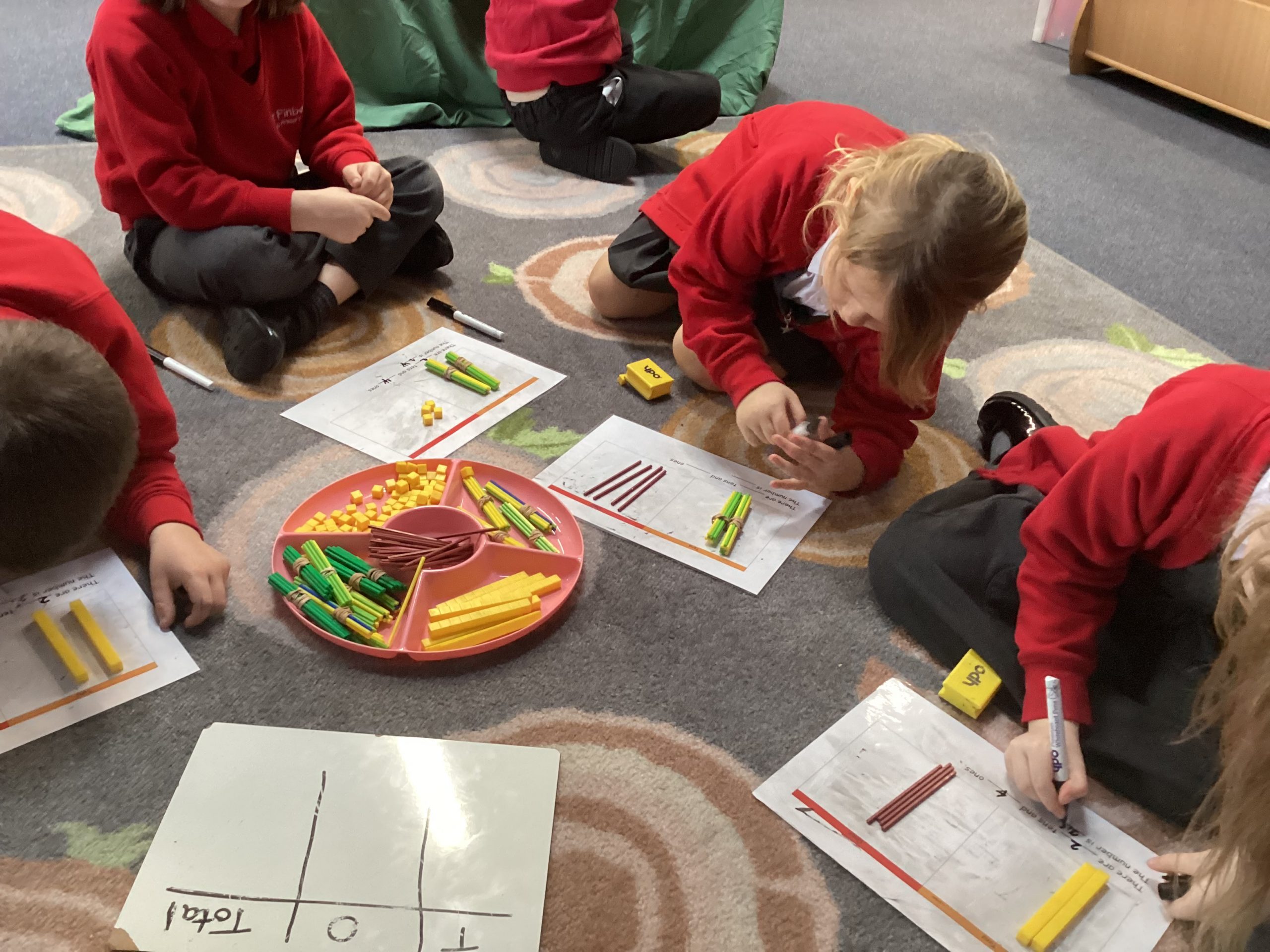
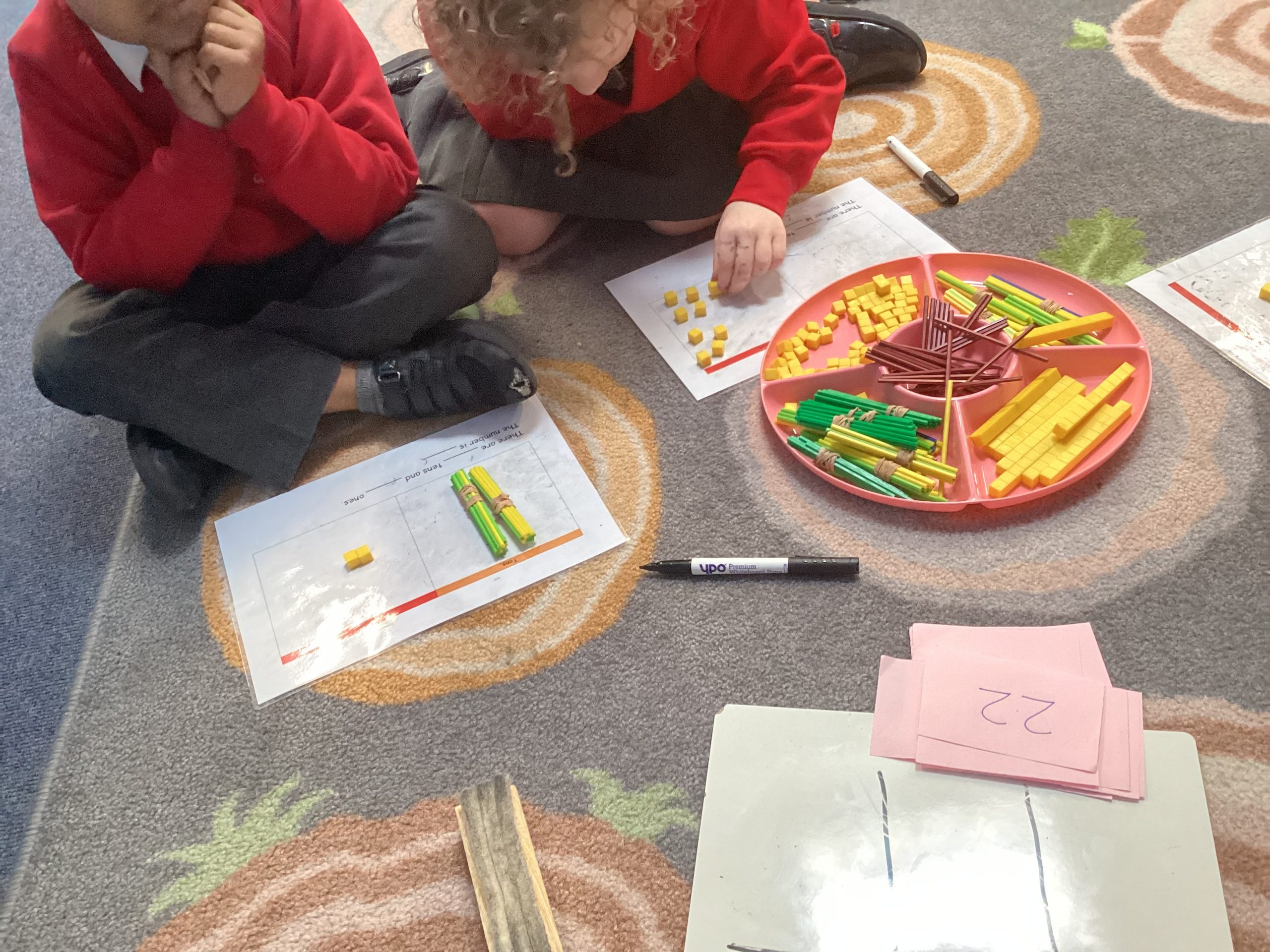
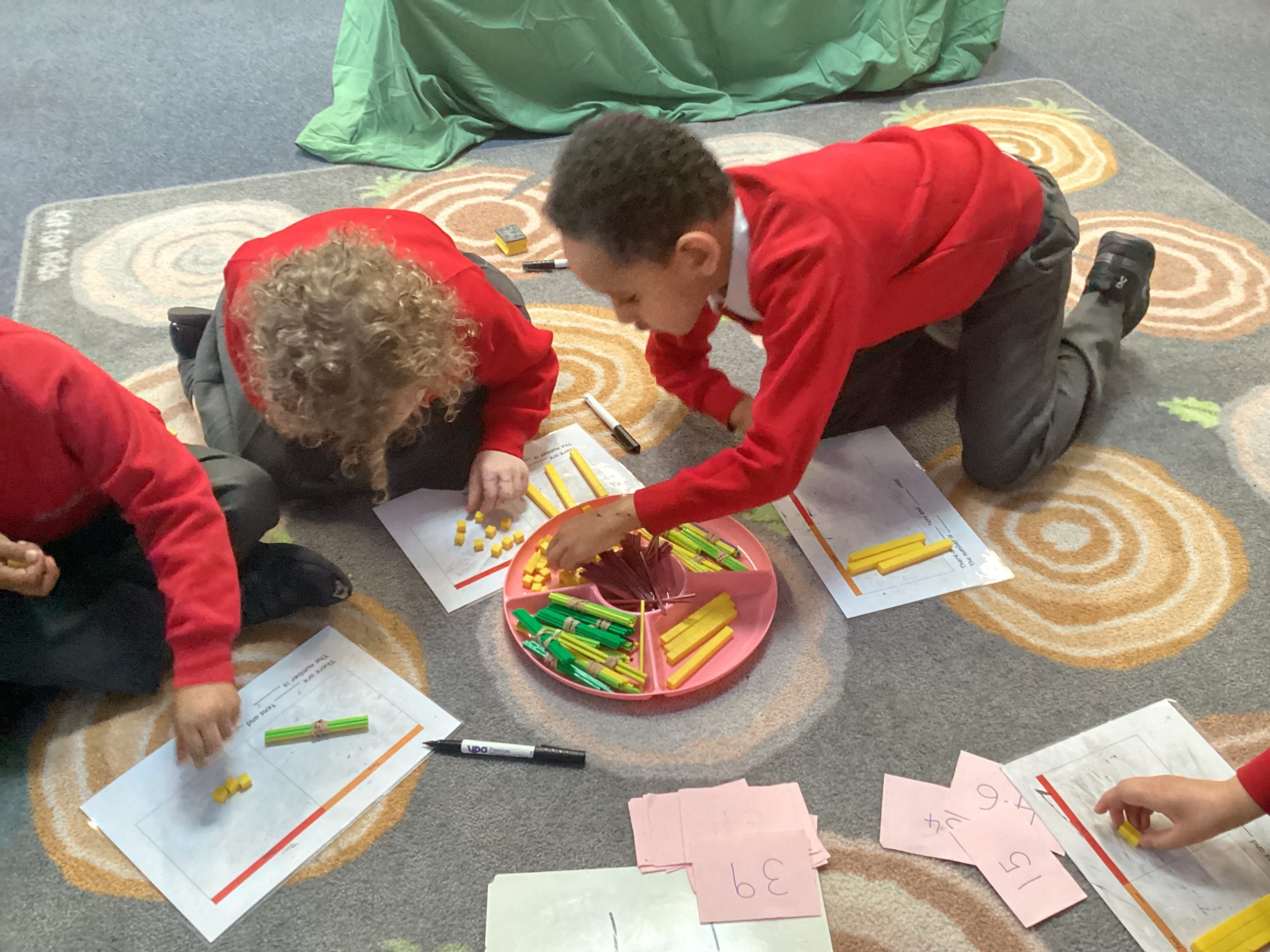
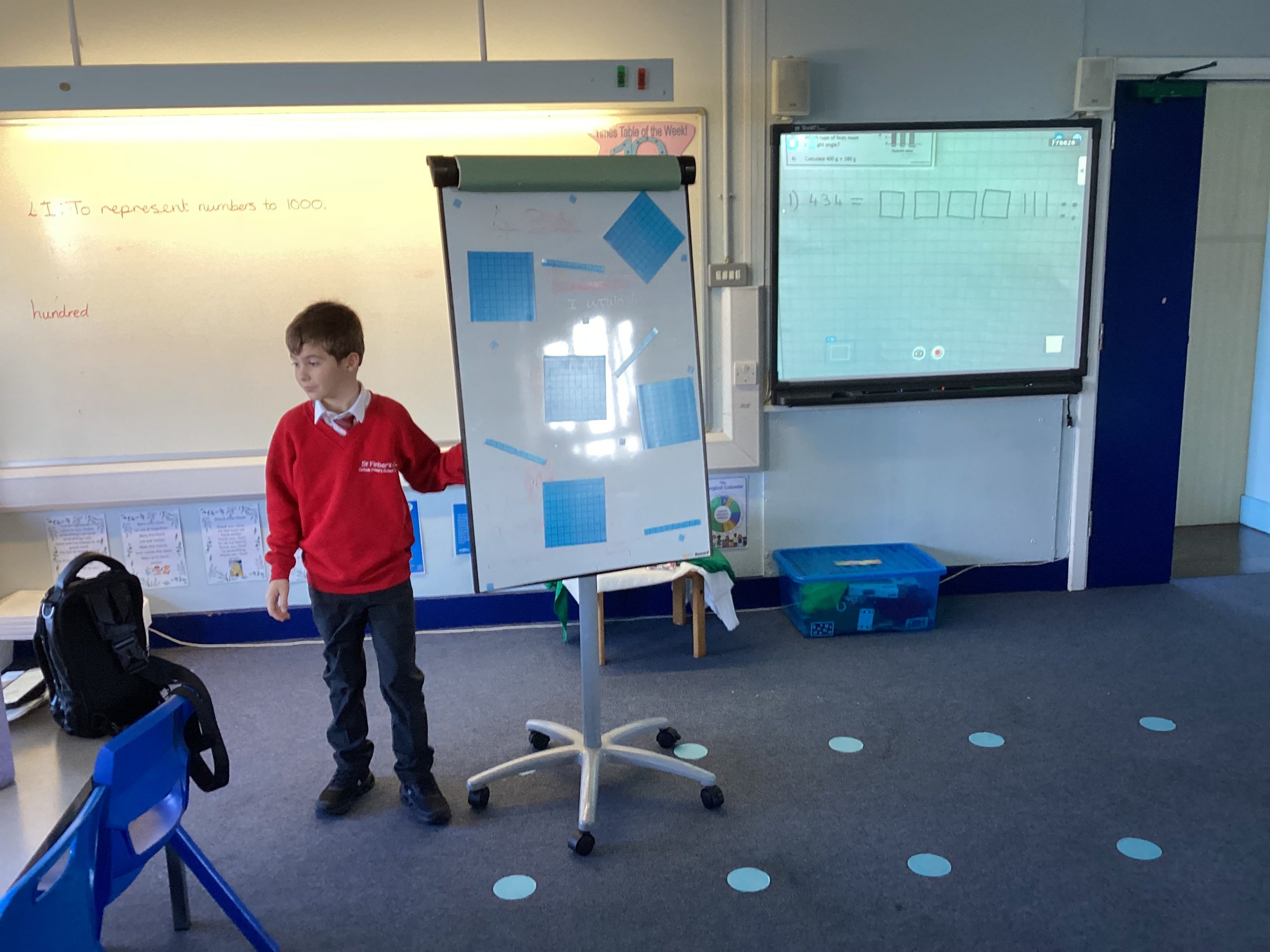
Today, we made tens and ones using base tens. We then tried to represent the numbers by drawing diagrams. We even challenged our friends with Guess the Number game.
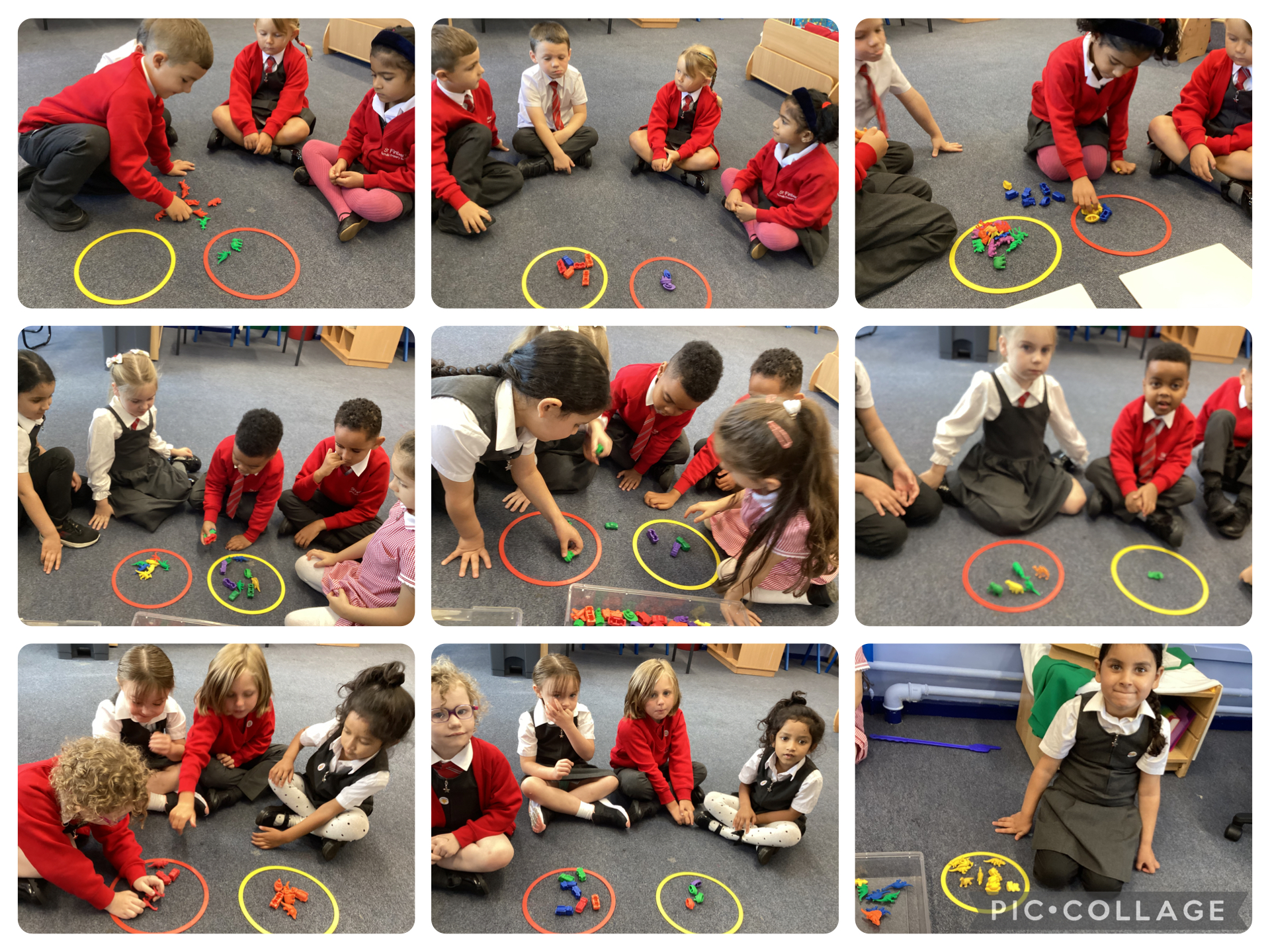
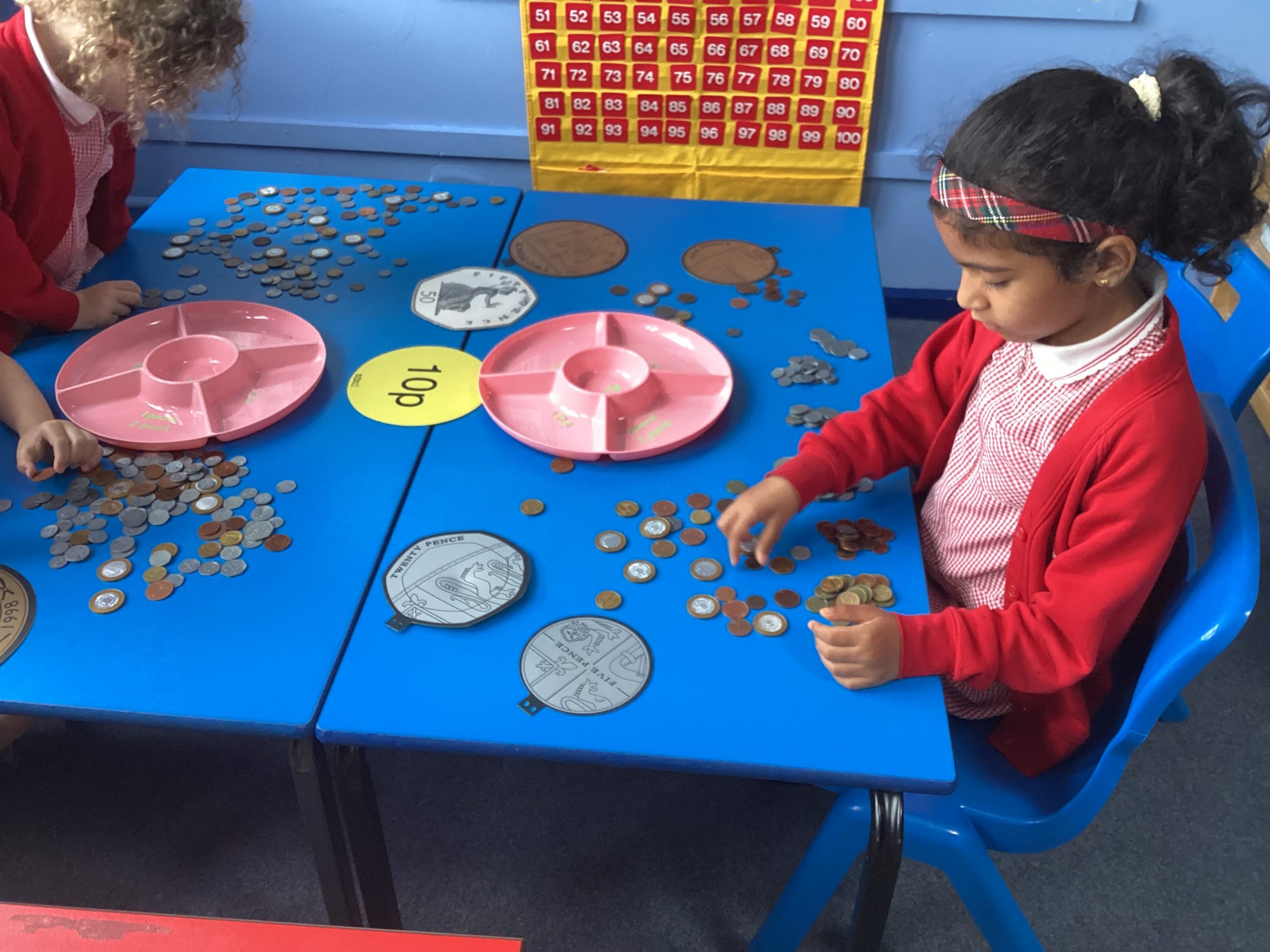
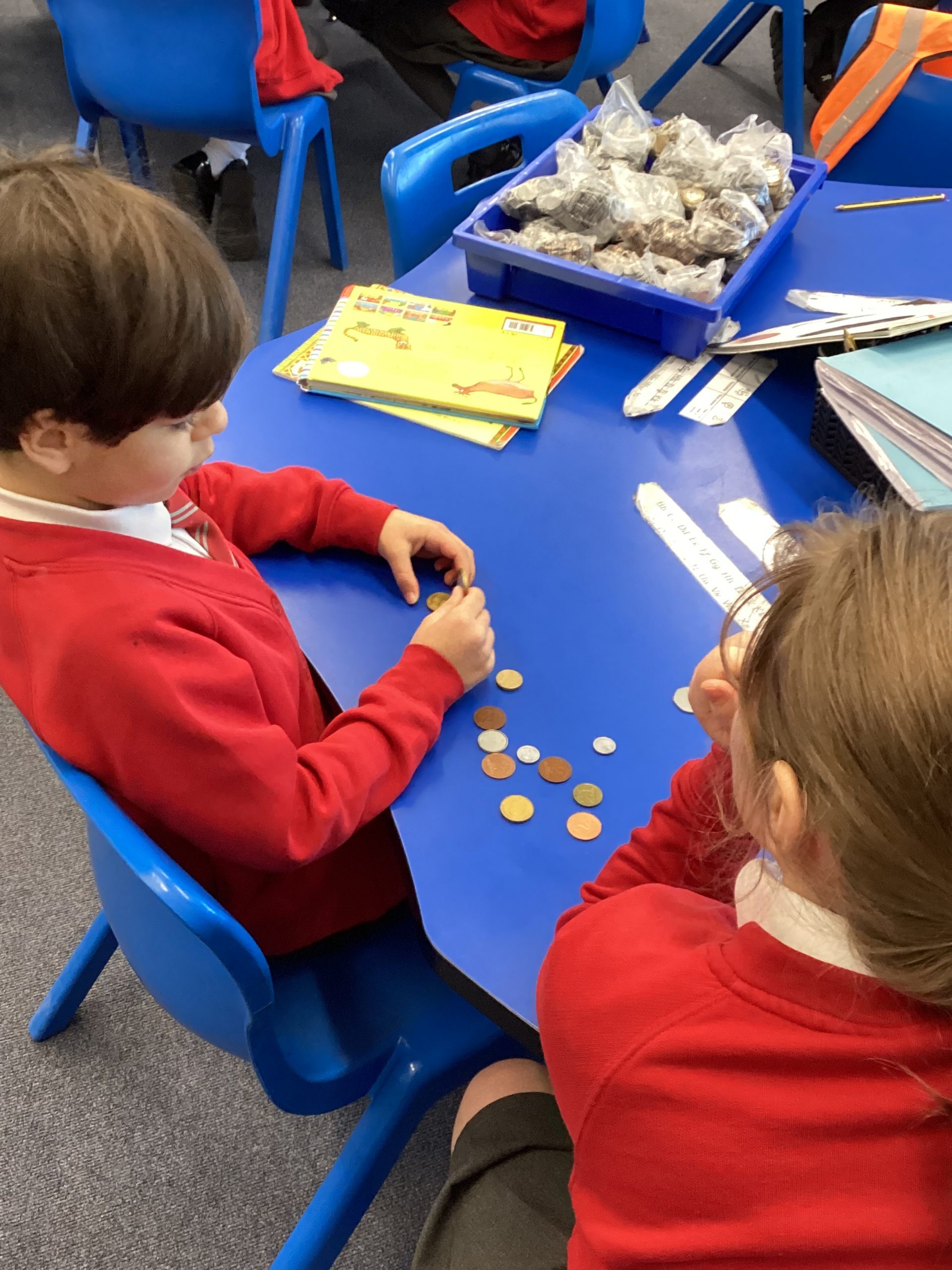
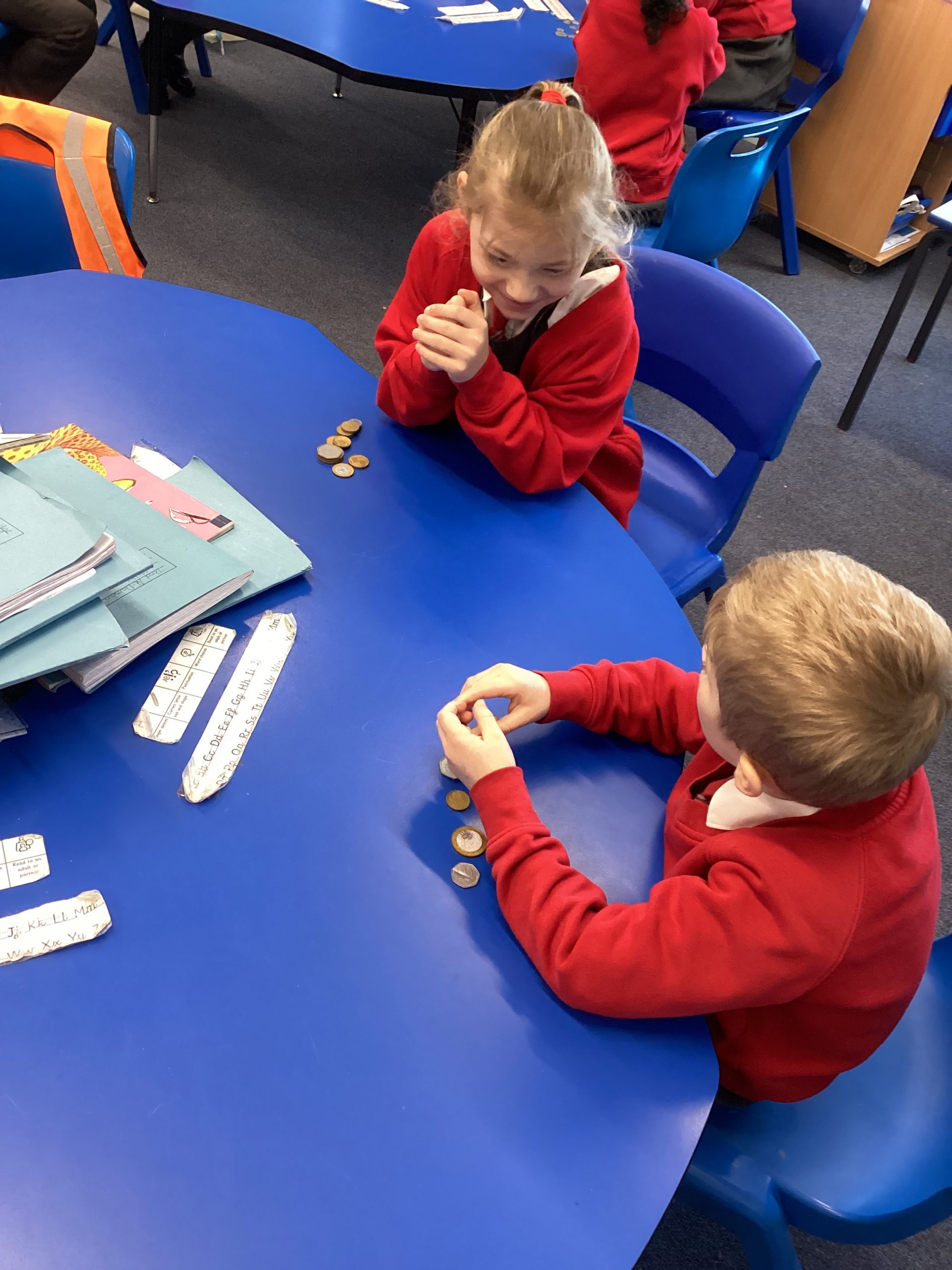
We have really enjoyed learning about money this week and have spent time recognising and sorting all the different coins.
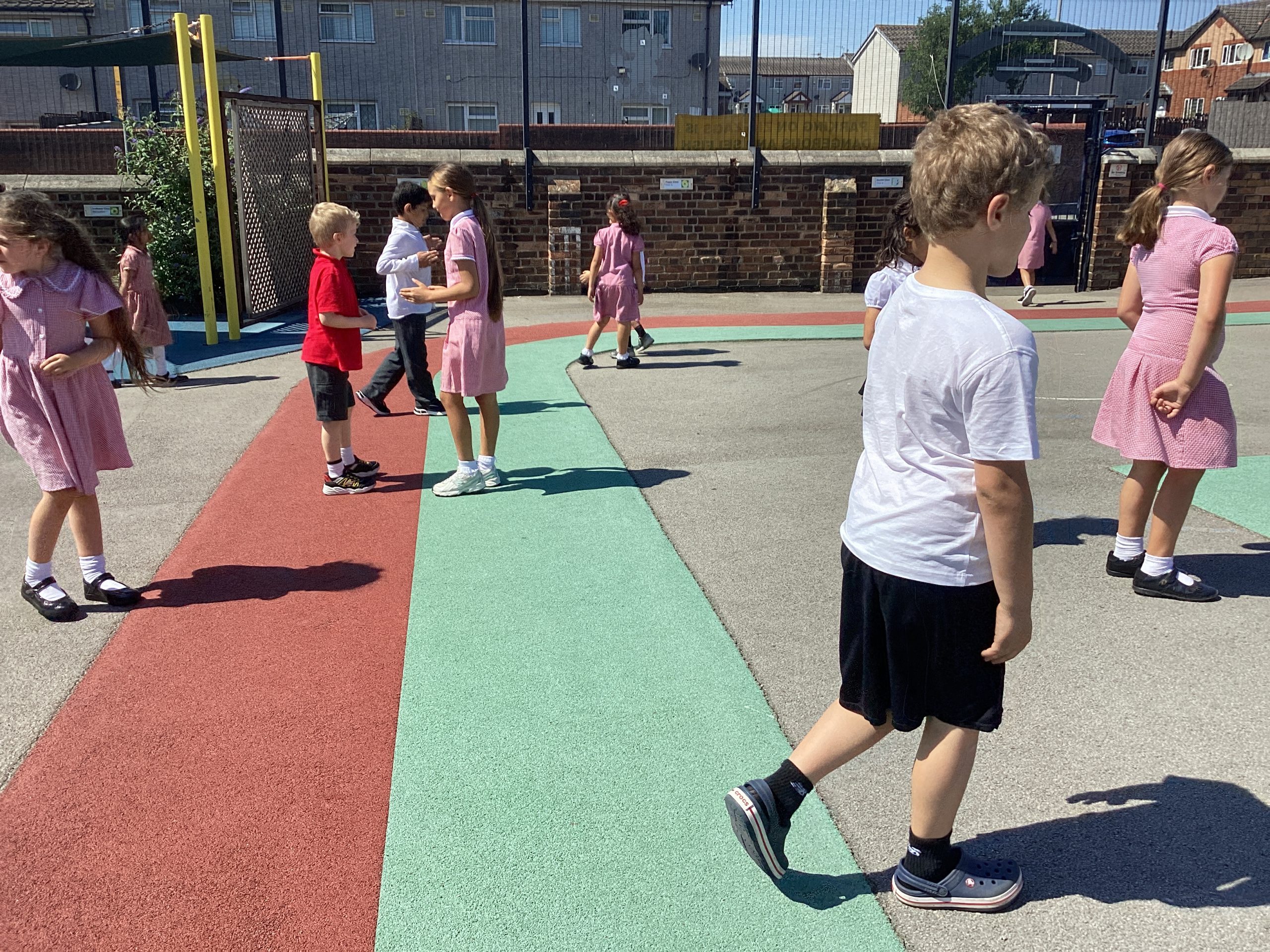
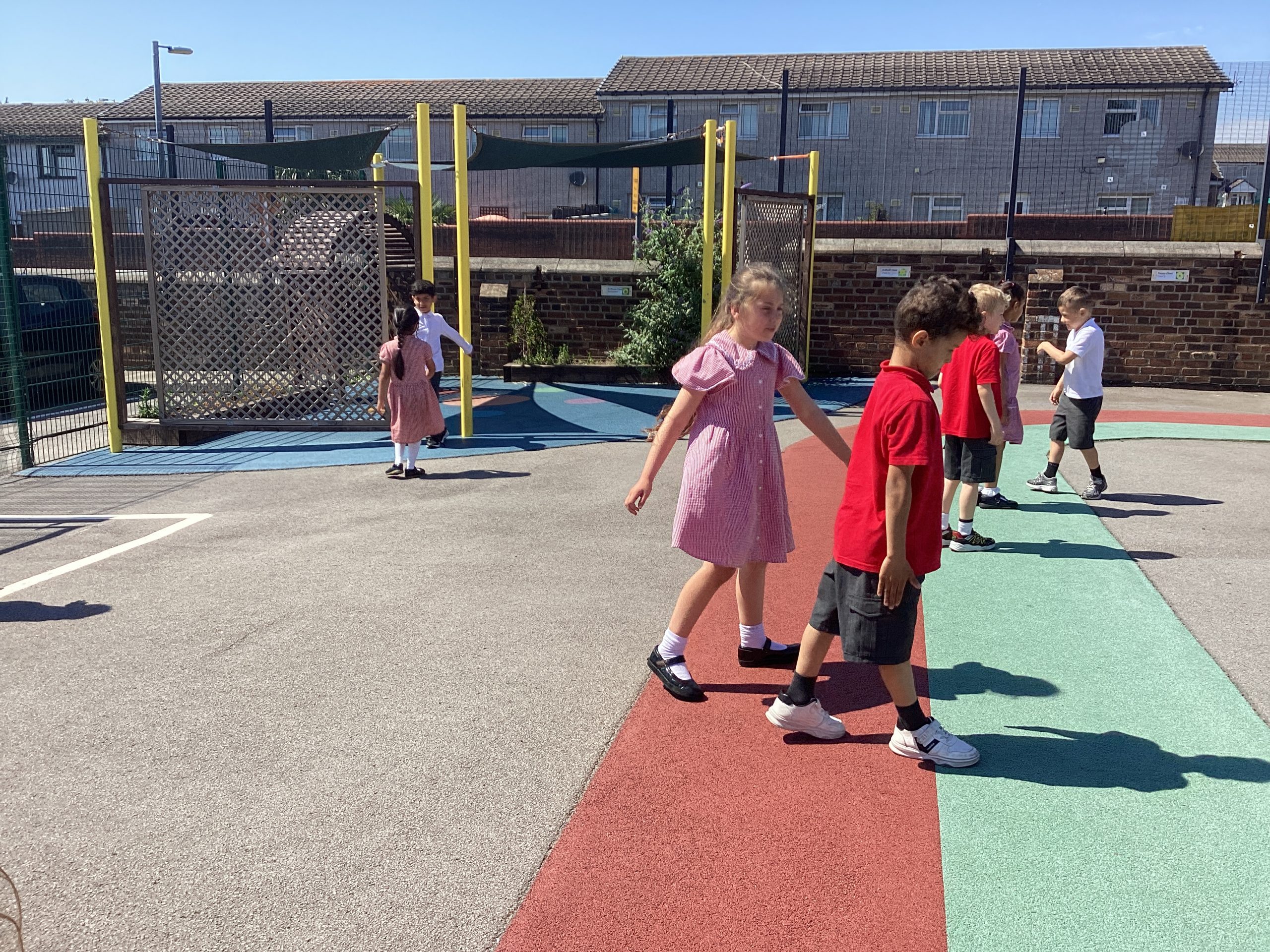
Today, children in year 2 had to pretend to be a robot and another person had to give it instructions. They had to use forwards, backwards, left and right instructions. We had great fun outside.
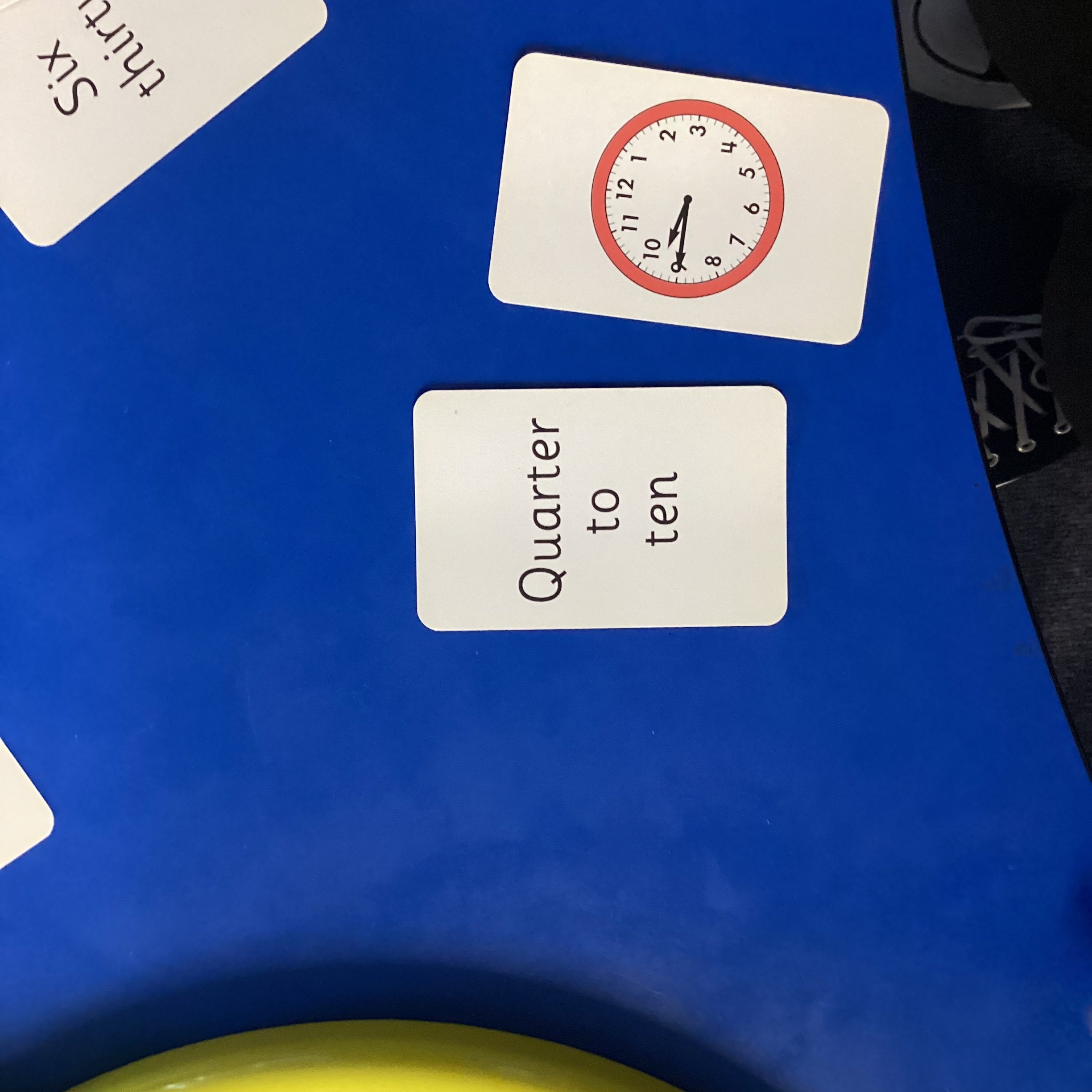
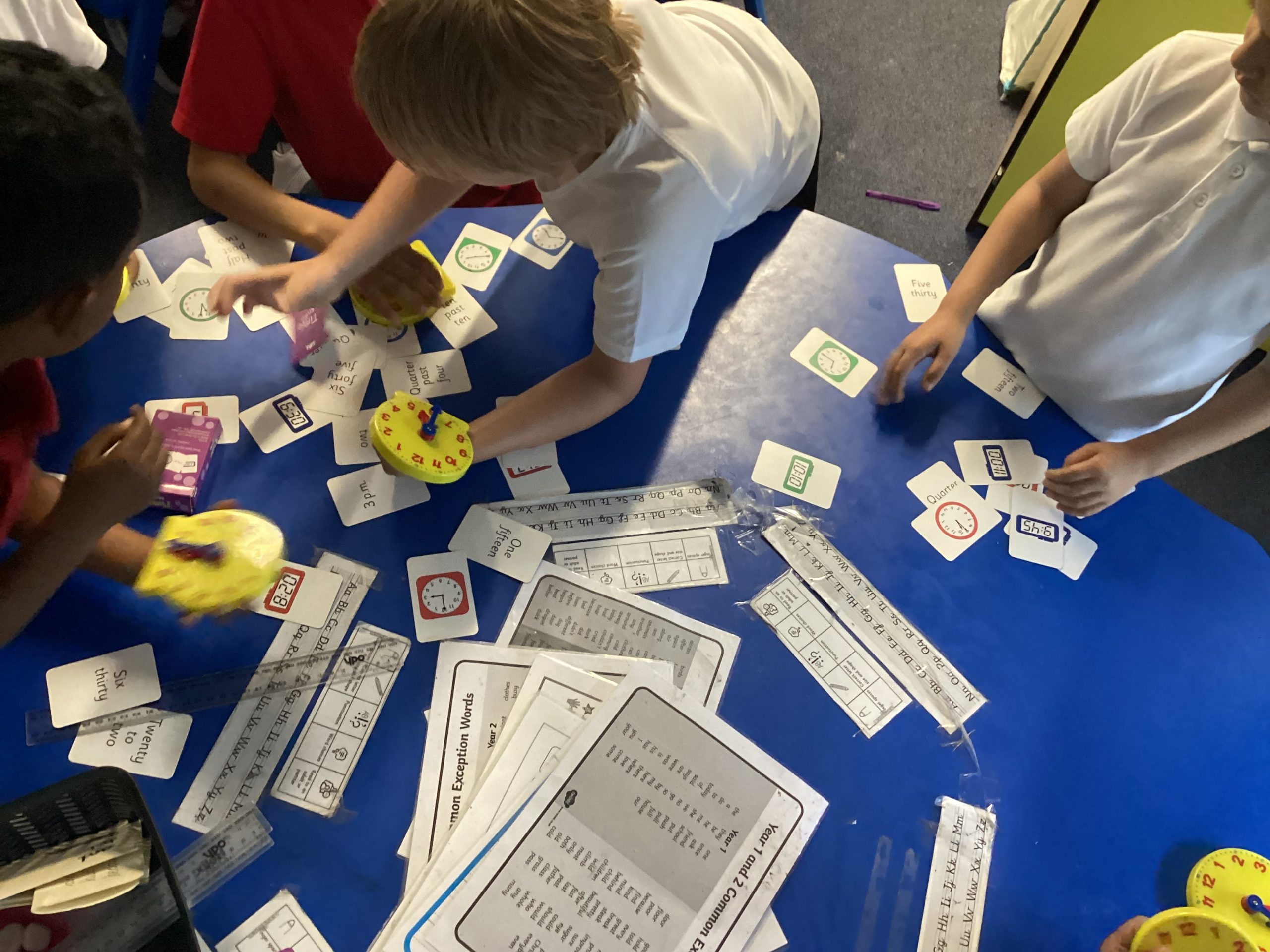
Today, Year 2 had some fun with time. We worked with partners to solve games and we revised over all of our time knowledge.
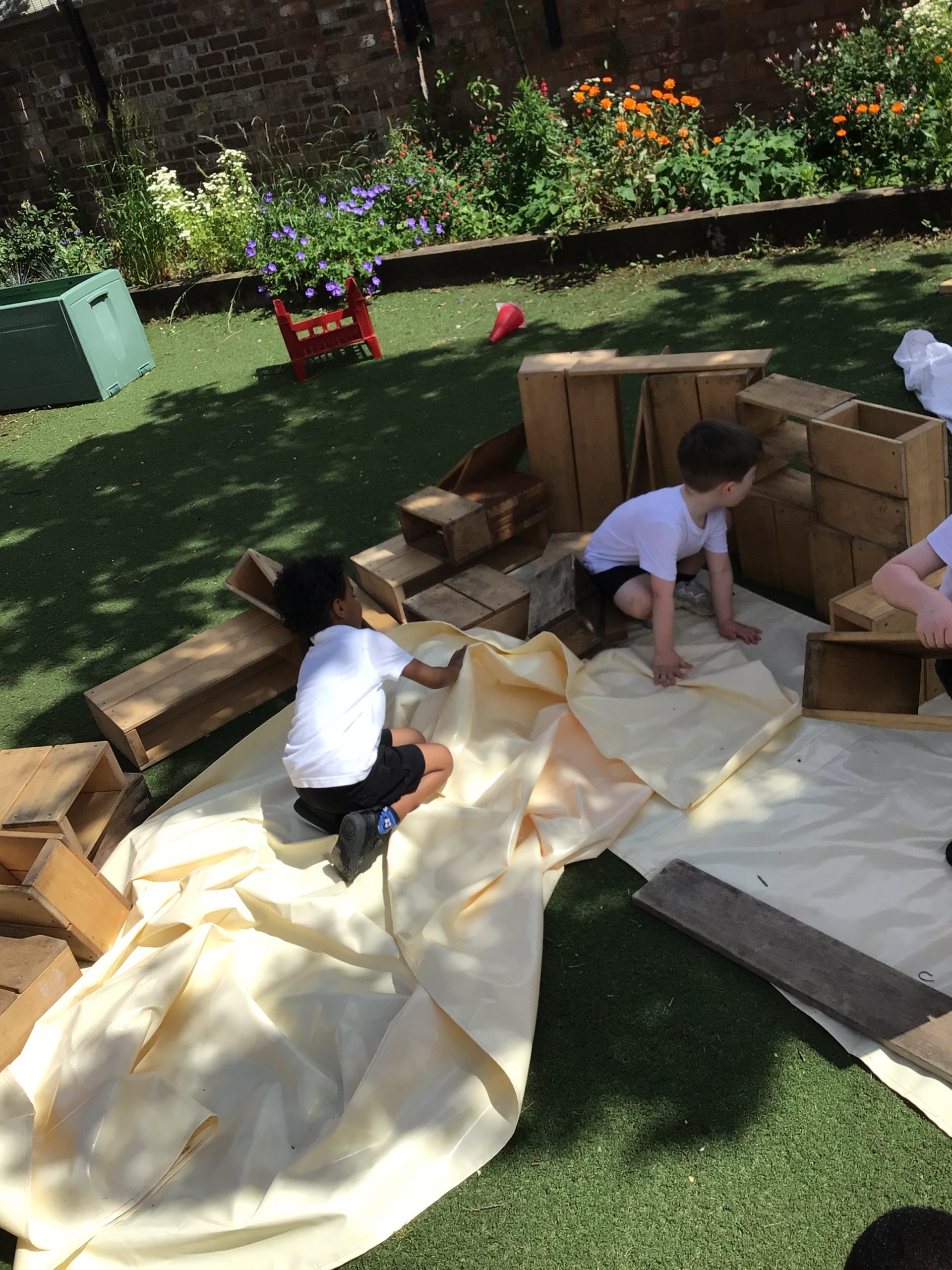
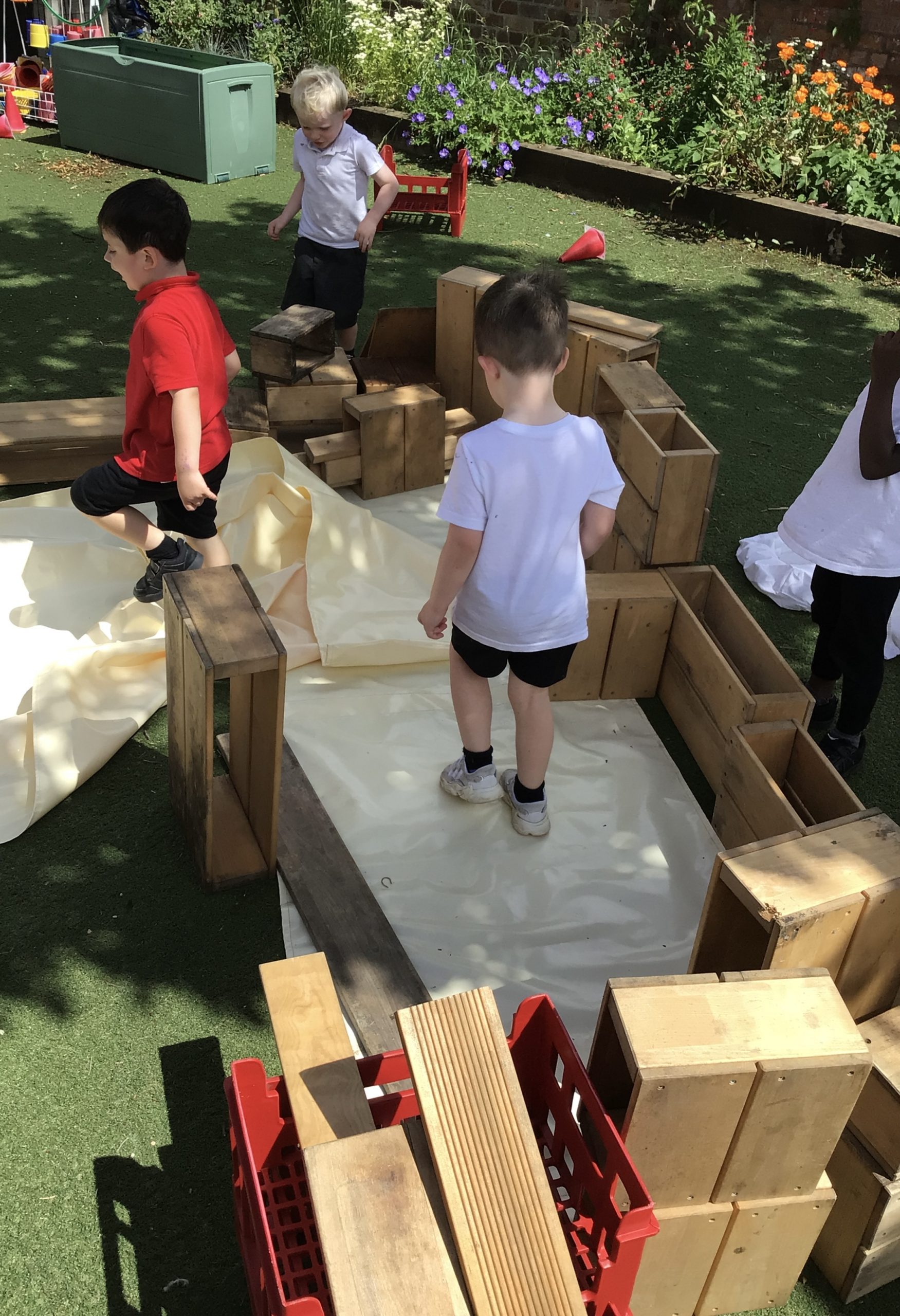
Our little learners have been working collaboratively together to create outdoor dens using blocks and tarps! The children have showed great determination and teamwork!⛺️
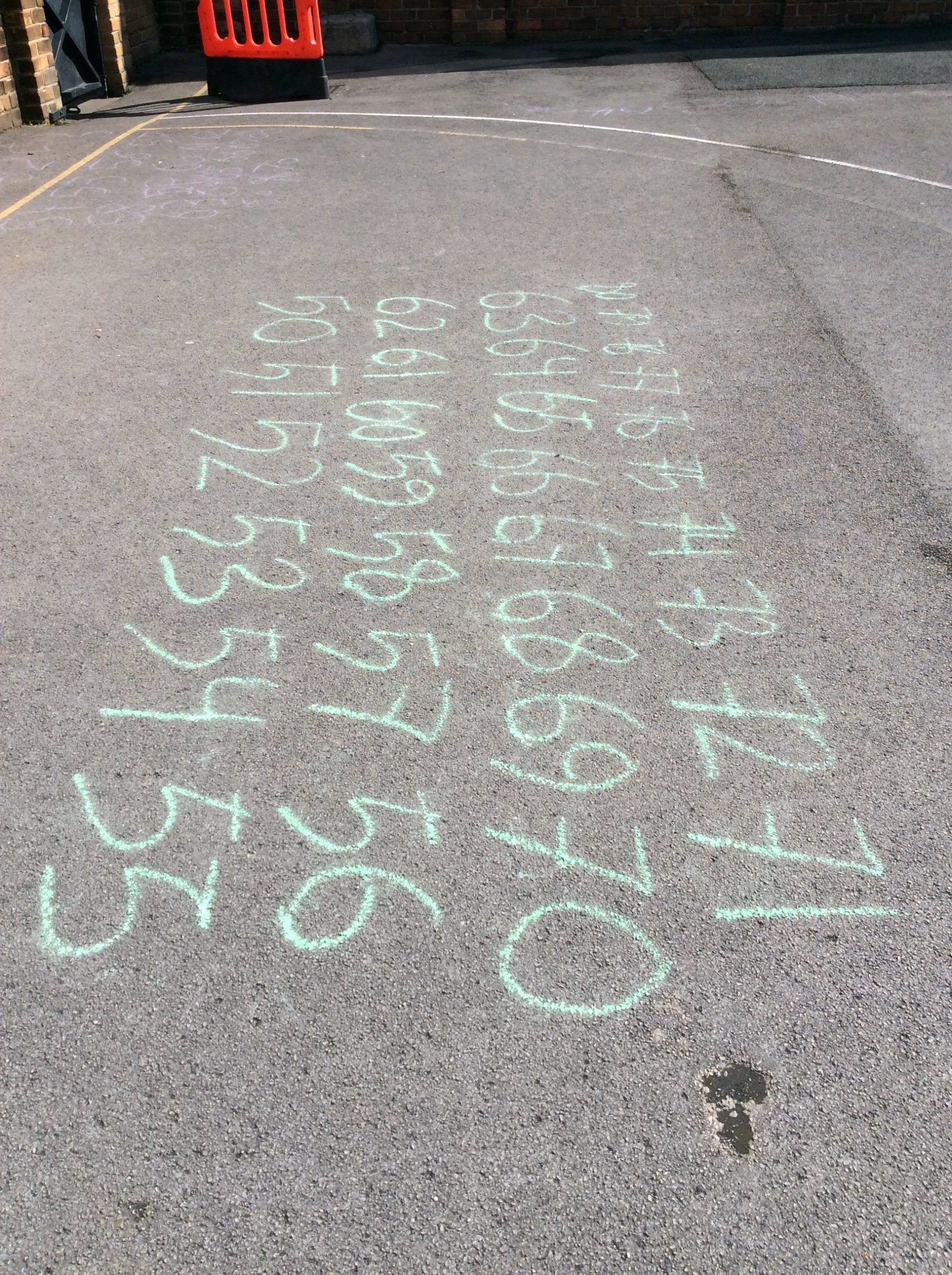
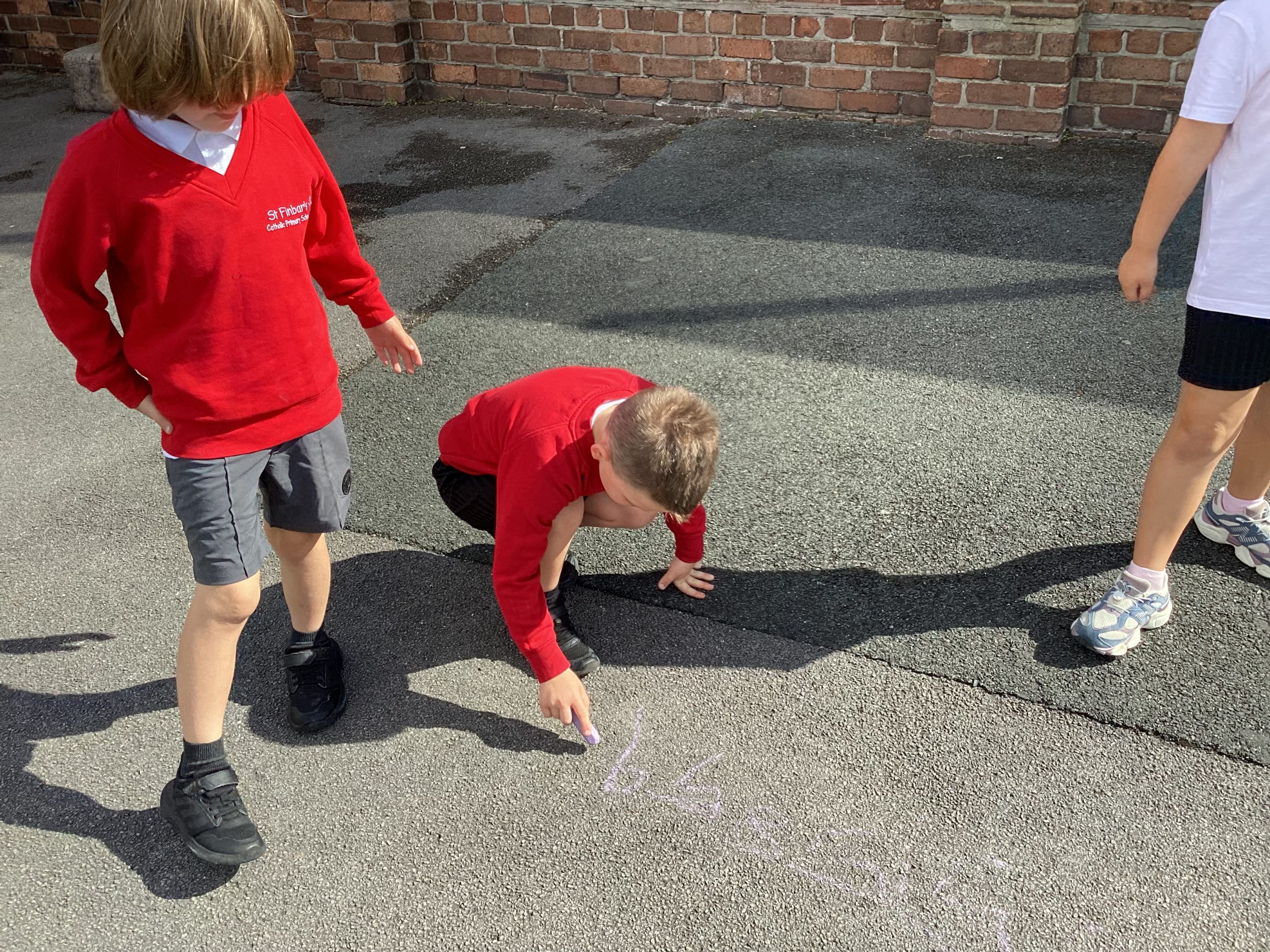
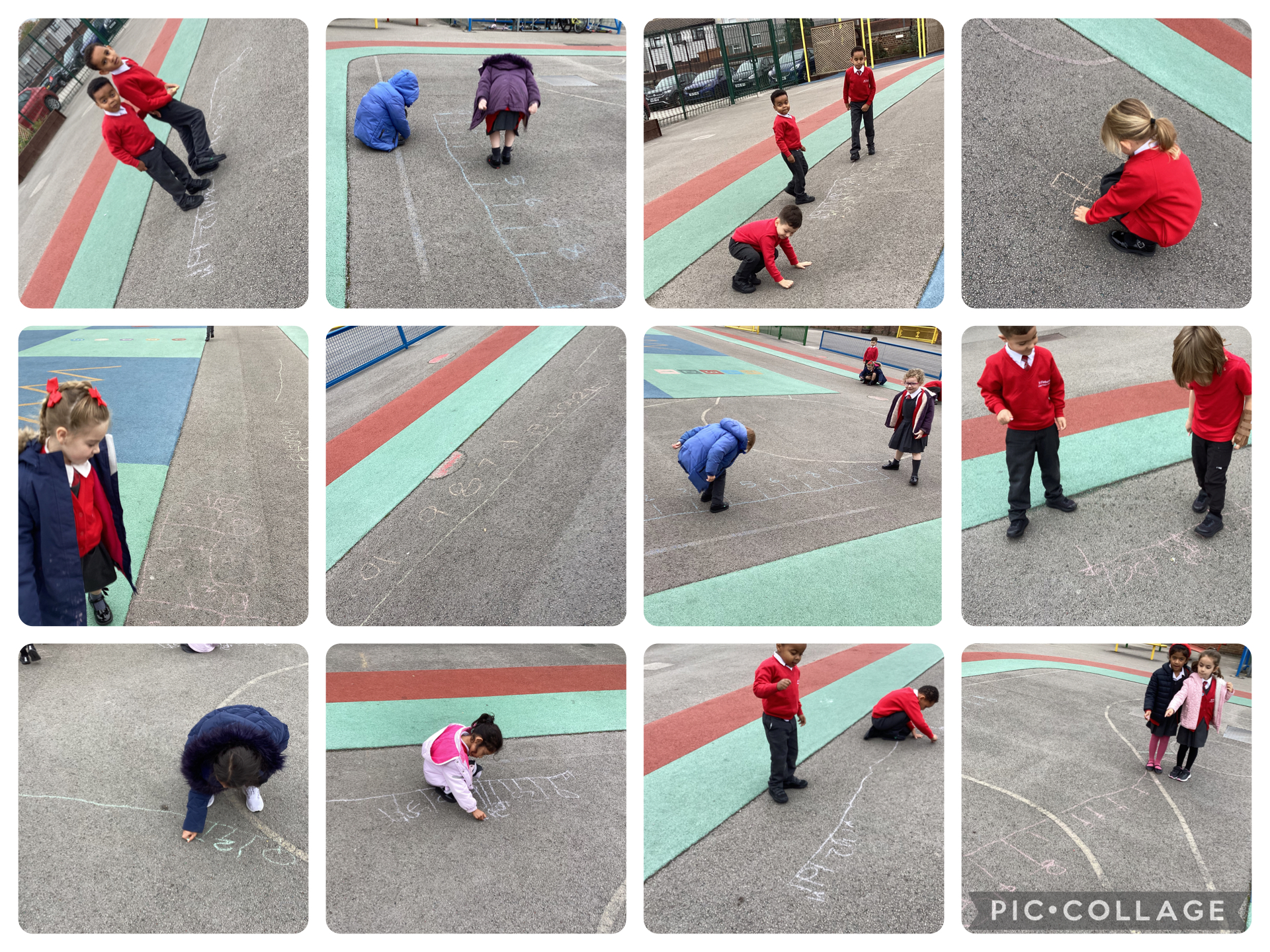
Today Daffodil class were introduce to numbers between 50 and 100. It was a practical lesson, where the children went outside to write their number lines with chalk. Great maths talk was used! Miss Moreno is very happy and proud of the Daffodils, well done!
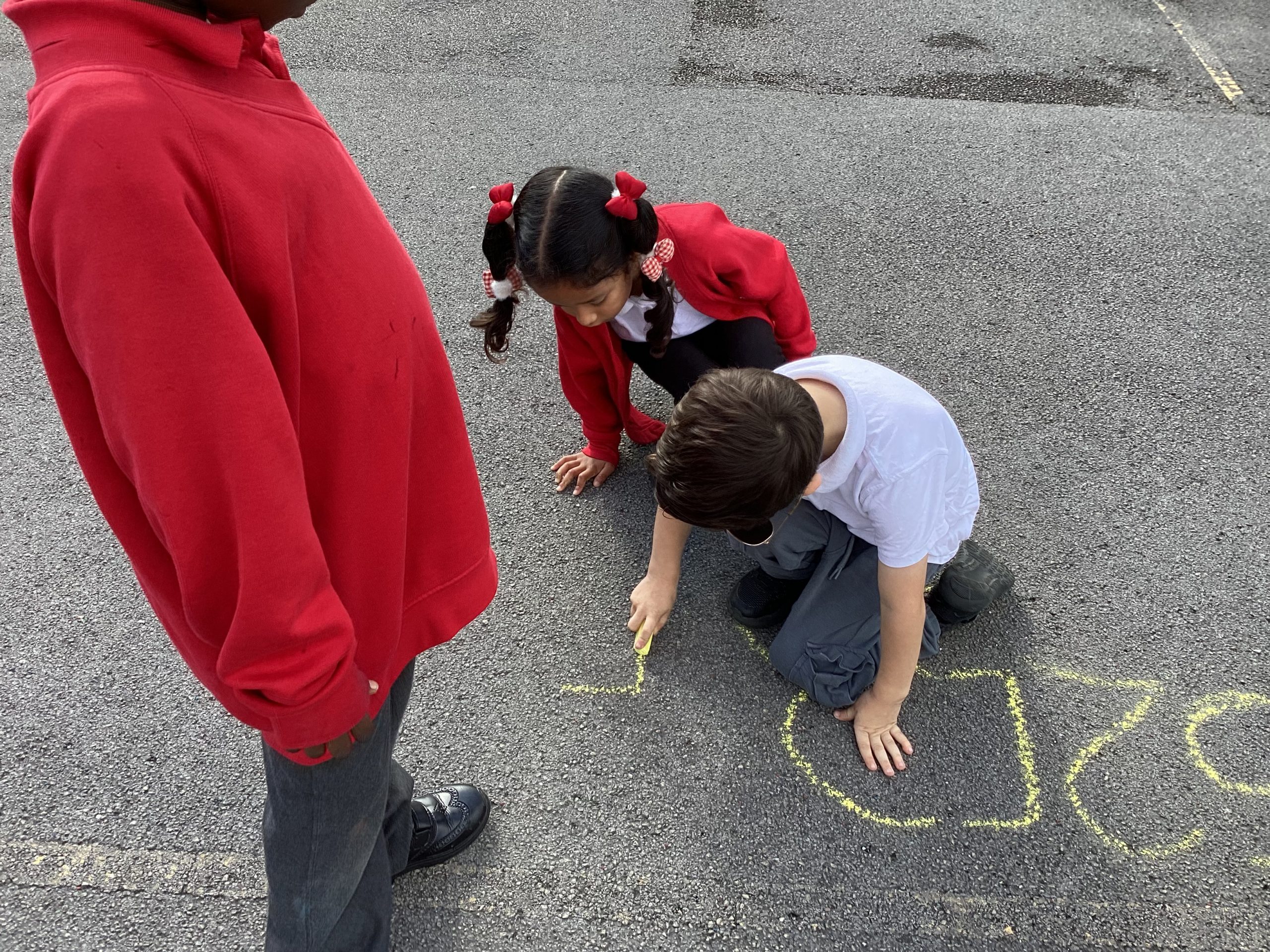
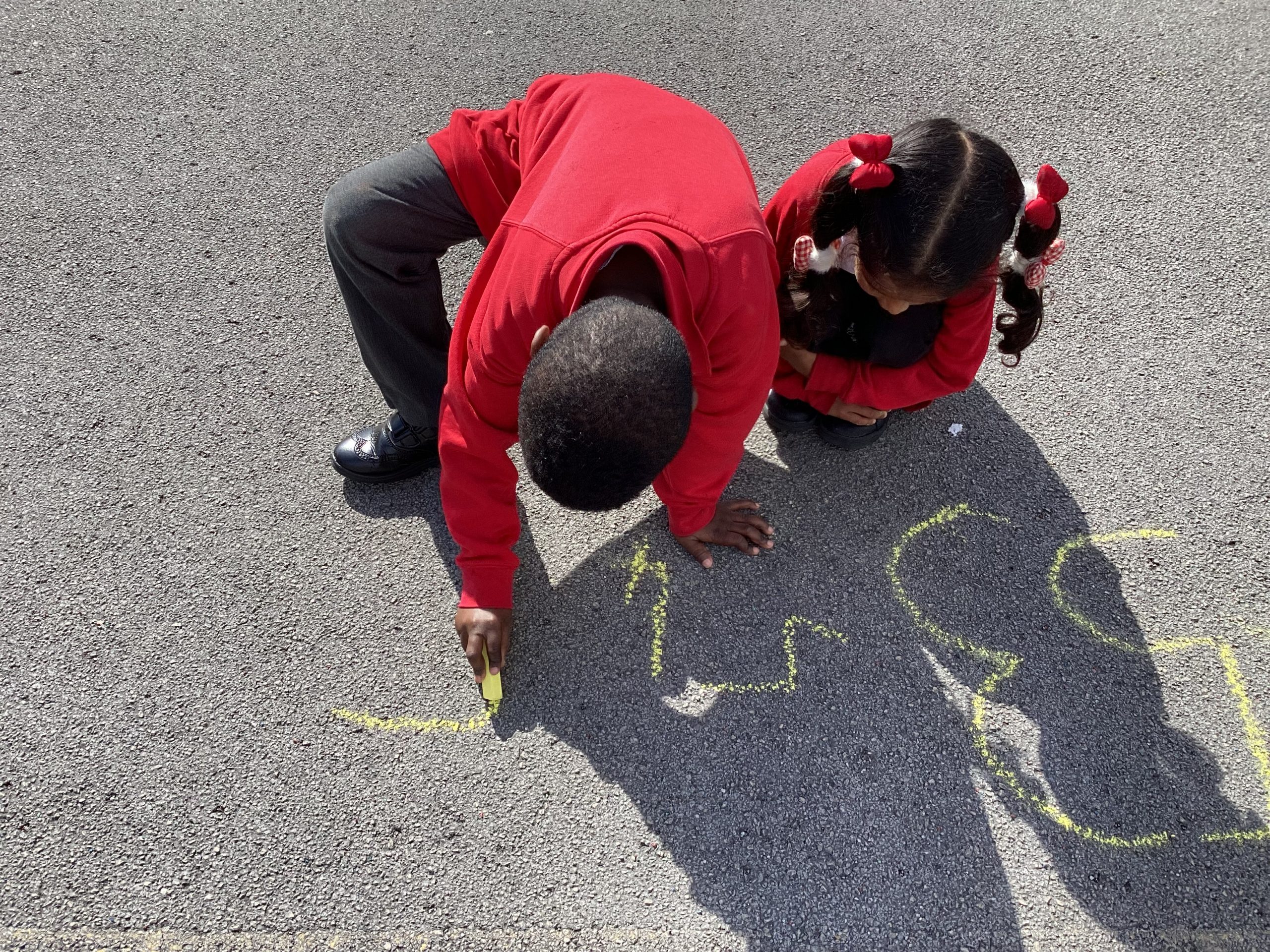
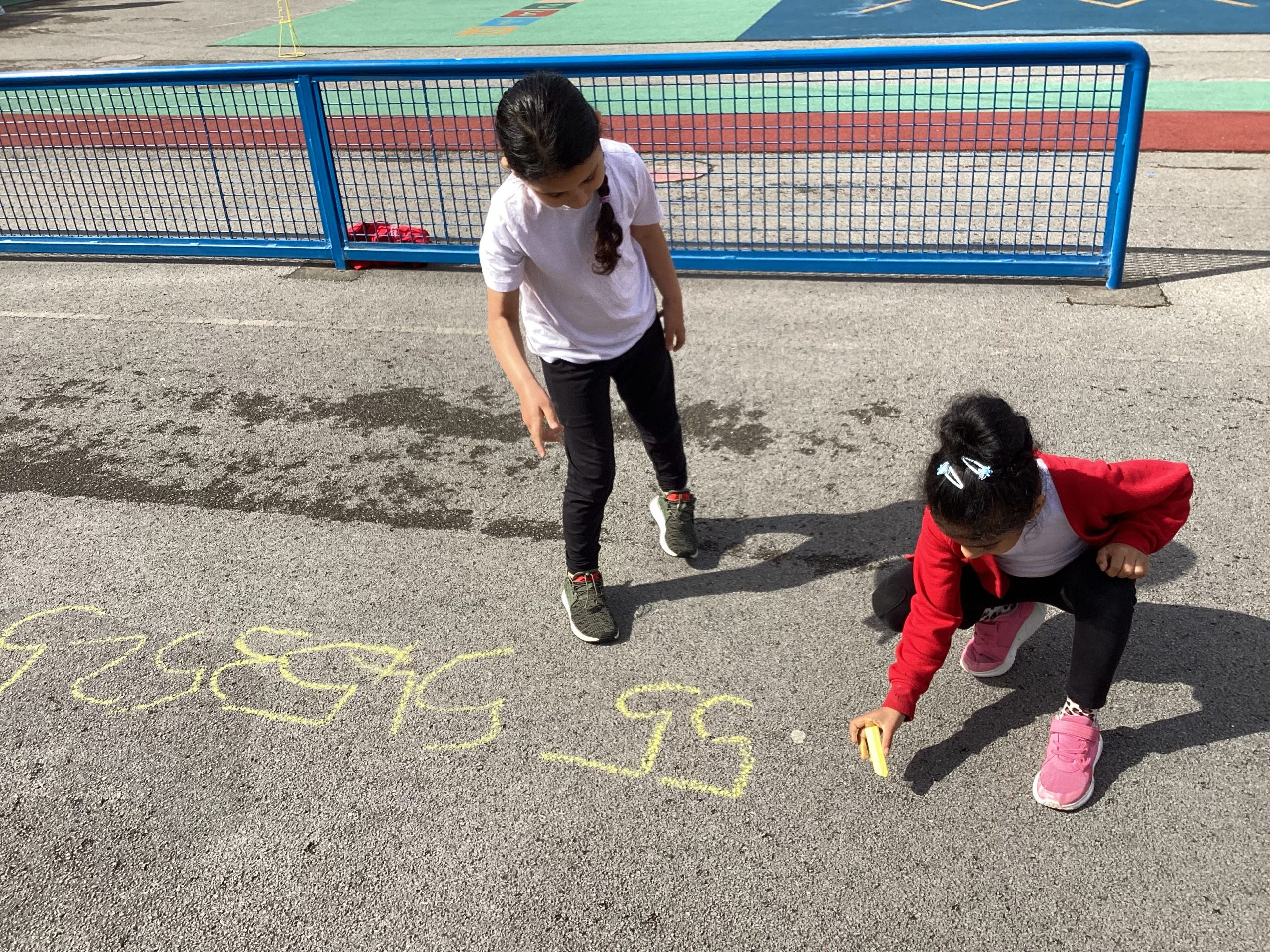
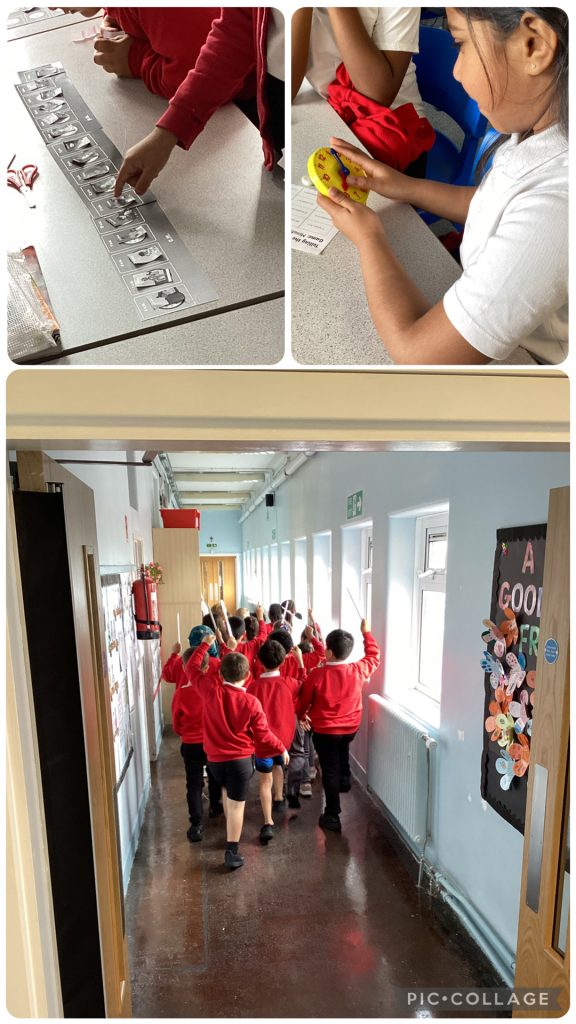
Today was No Pen Day, with a focus on developing oracy skills and deepening understanding through discussion, collaboration and practical activities. The children continued exploring our topic of time, learning about a.m. and p.m.and how we use them in everyday life. We also began our exciting new history topic on Alexander the Great, where the children worked together to create their own phalanxes, helping them understand the strategies used by his army. In Computing, the children completed their rainforest voice-over projects, confidently recording and editing narration to accompany their work. It was fantastic to see such enthusiastic participation, teamwork and thoughtful communication throughout the day.
73
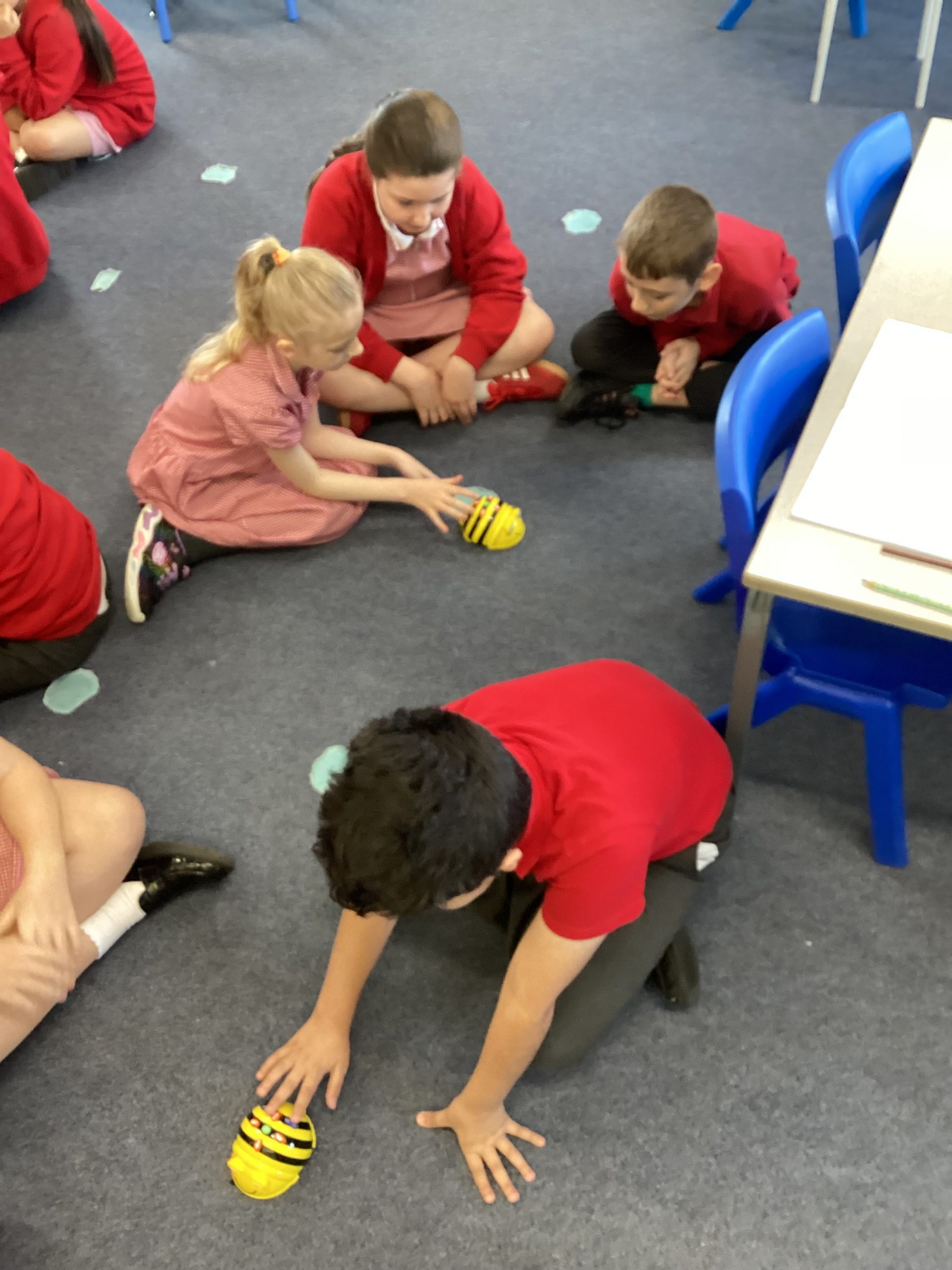
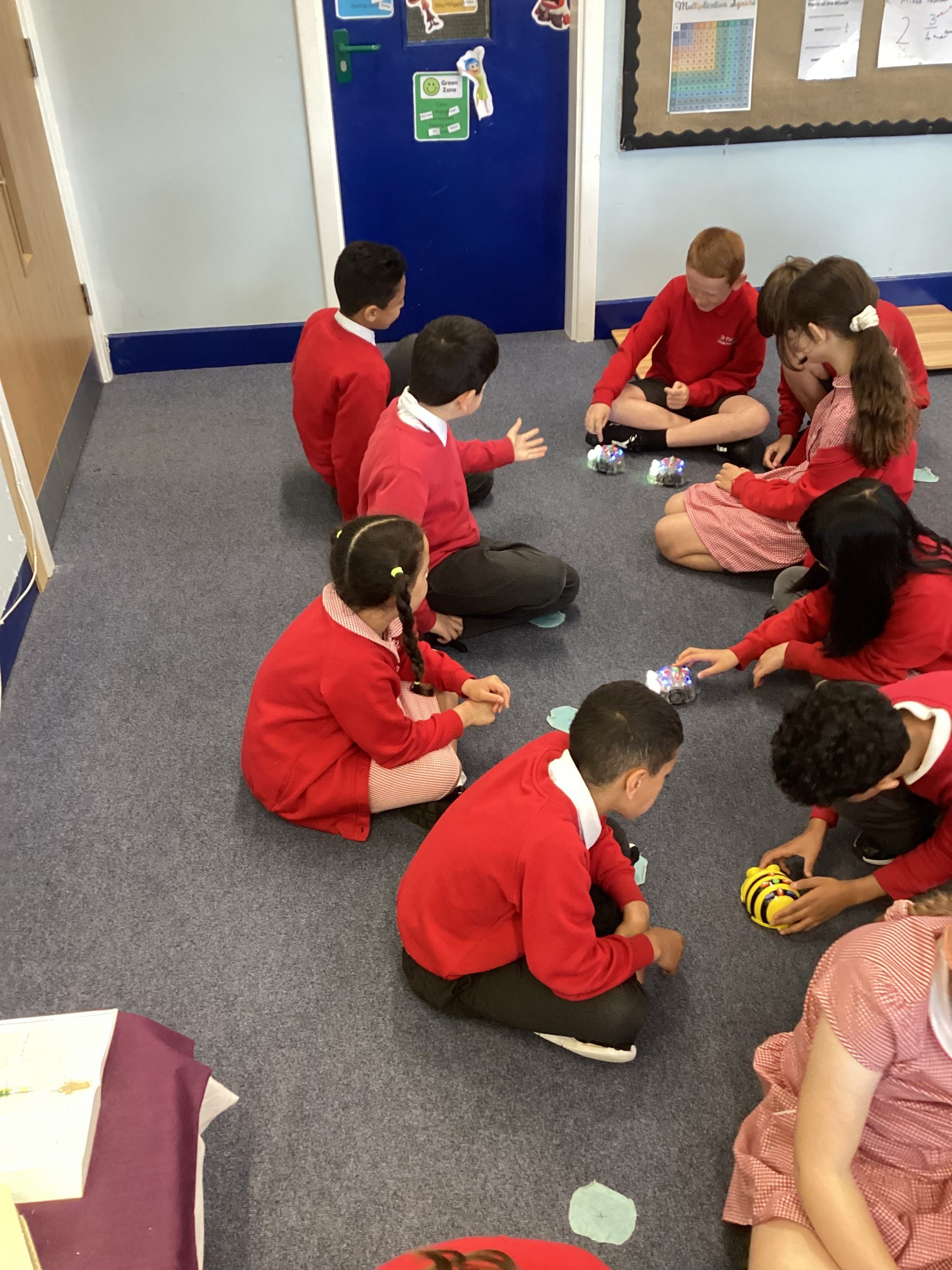
During our lesson today we began our shapes topic and we used the bee bots. While using them we were practising using the language of quarter turn, half turn and three quarter turn. This was a fun way to link our computing skills with maths!
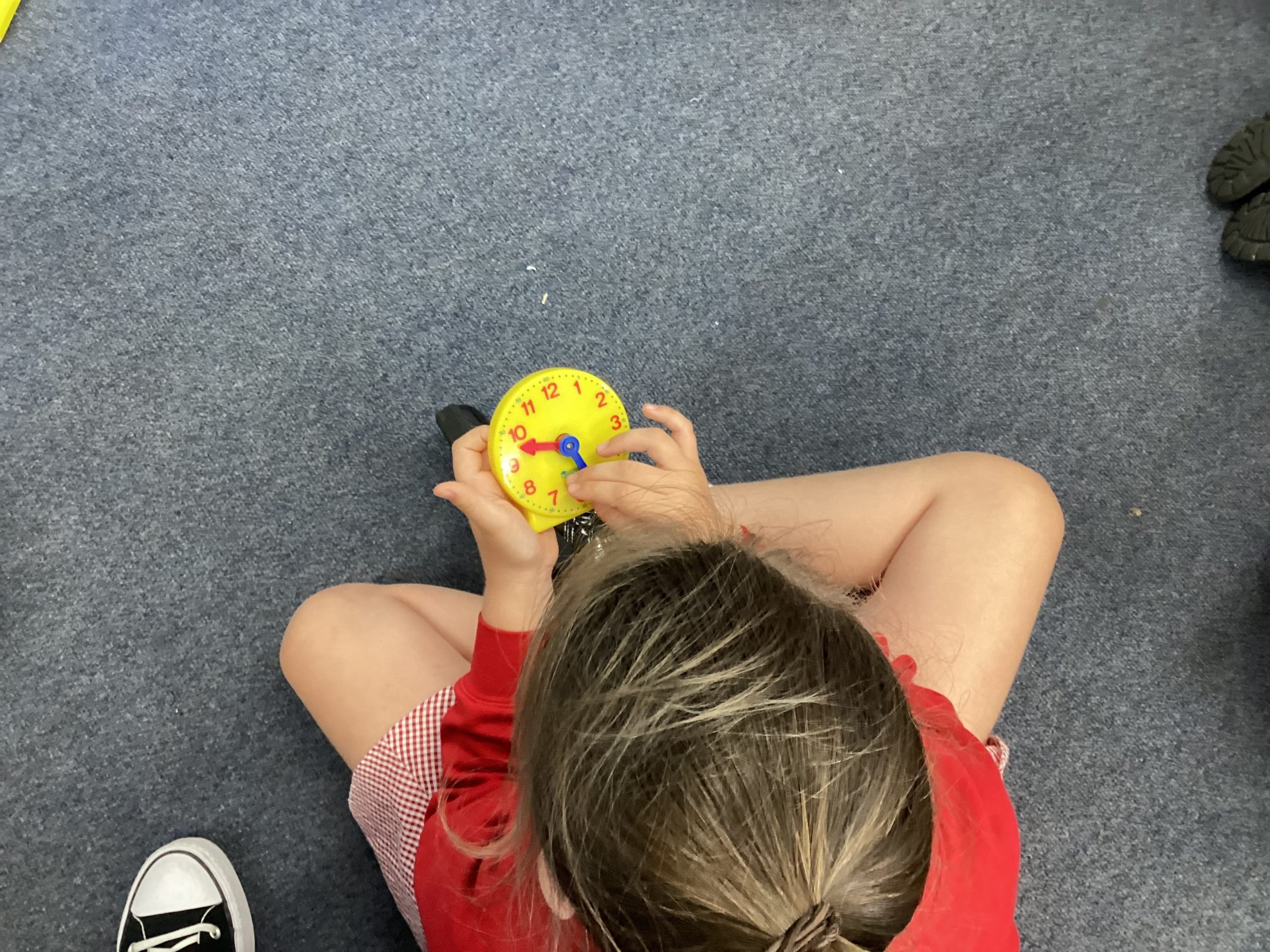
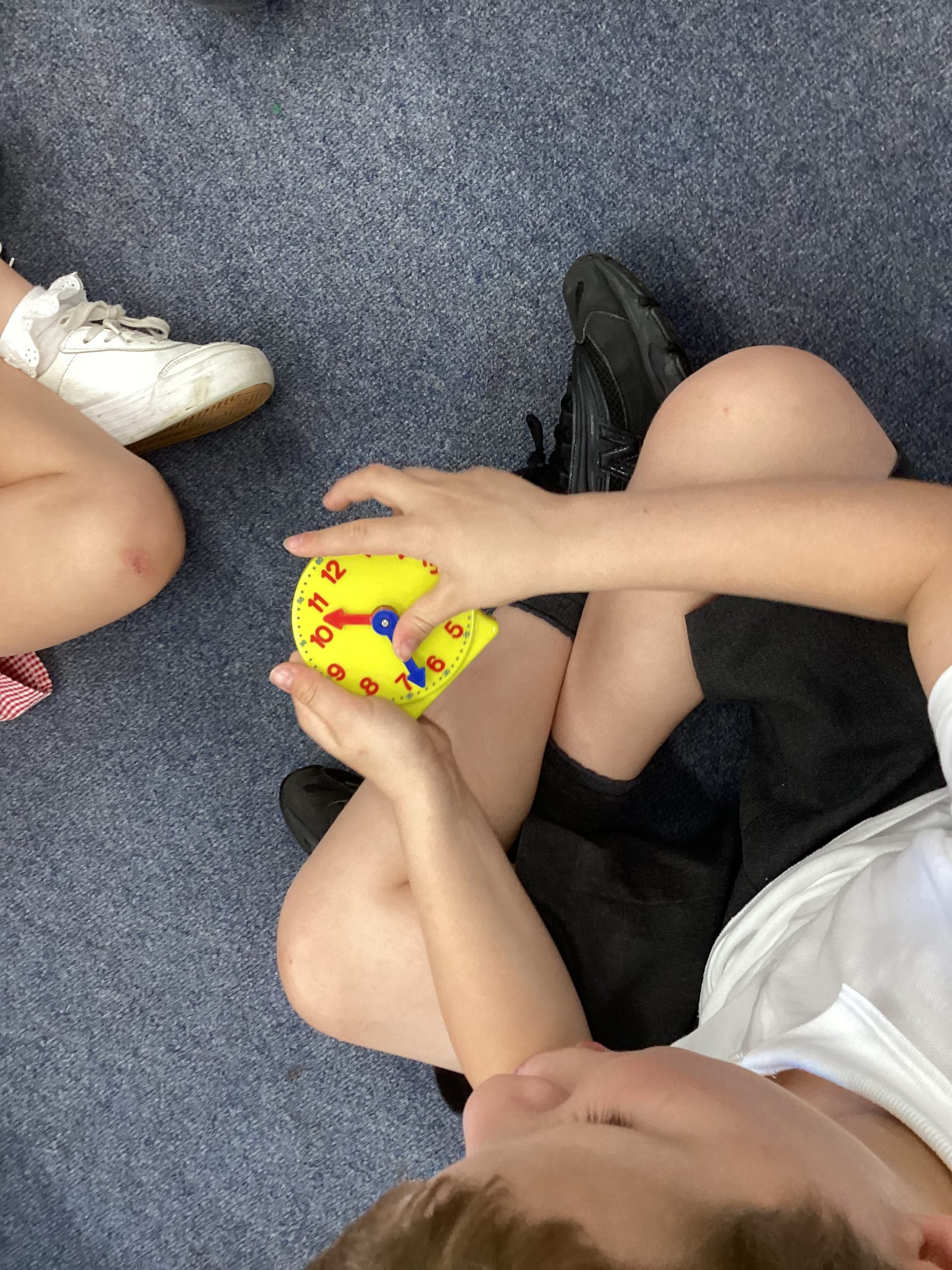
Today, we did a little bit of revision of Year 1 lessons and we made o’clock and half past on the little classroom clocks. Half past was a little tricky but at the end of the lesson we were able to recognise where the hour hand should be.
Today, year 2 were practically trying to find 3/4 of an amount. They used a part-whole model to find the correct amount and we enjoyed working with our partners.
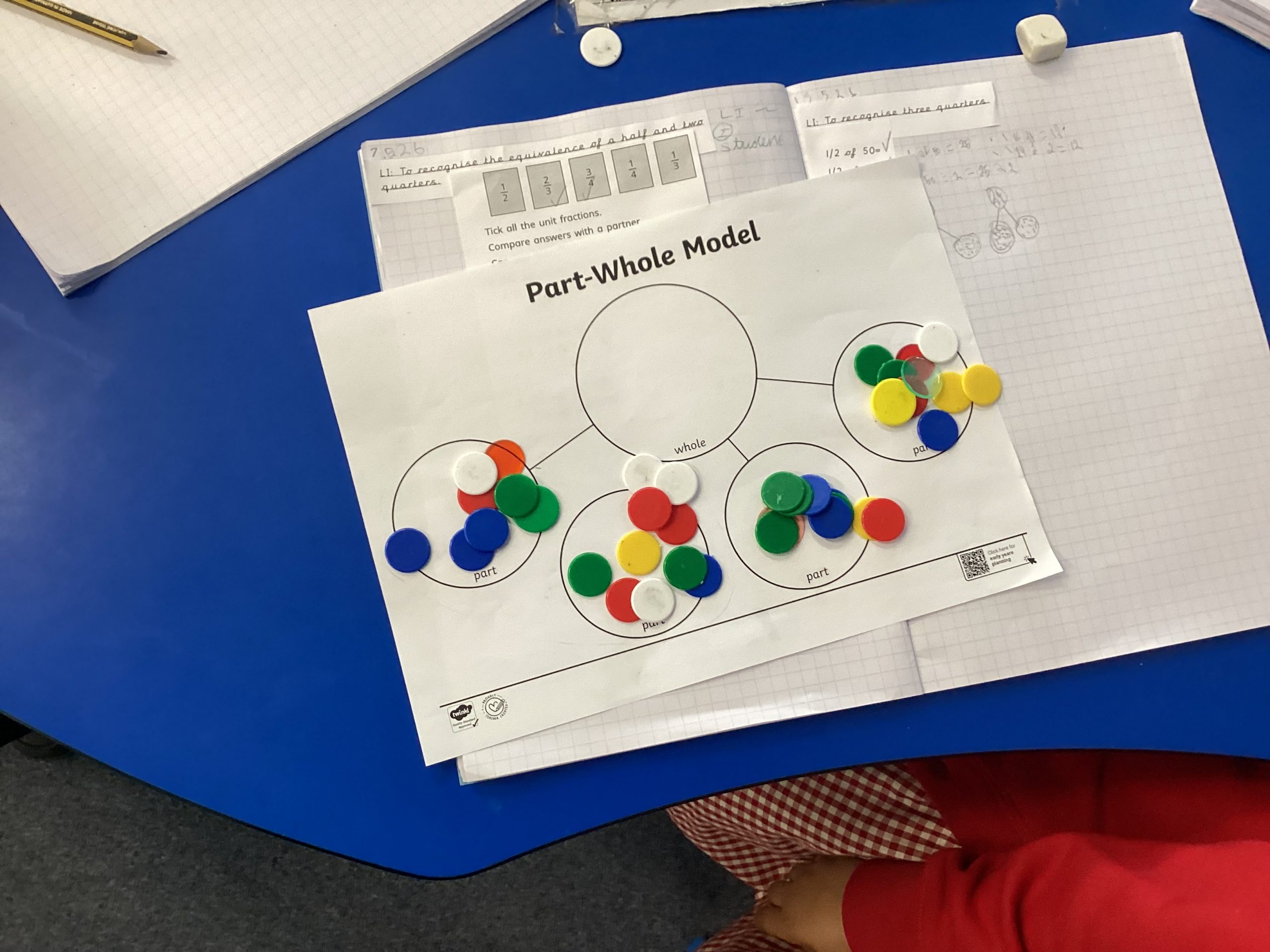
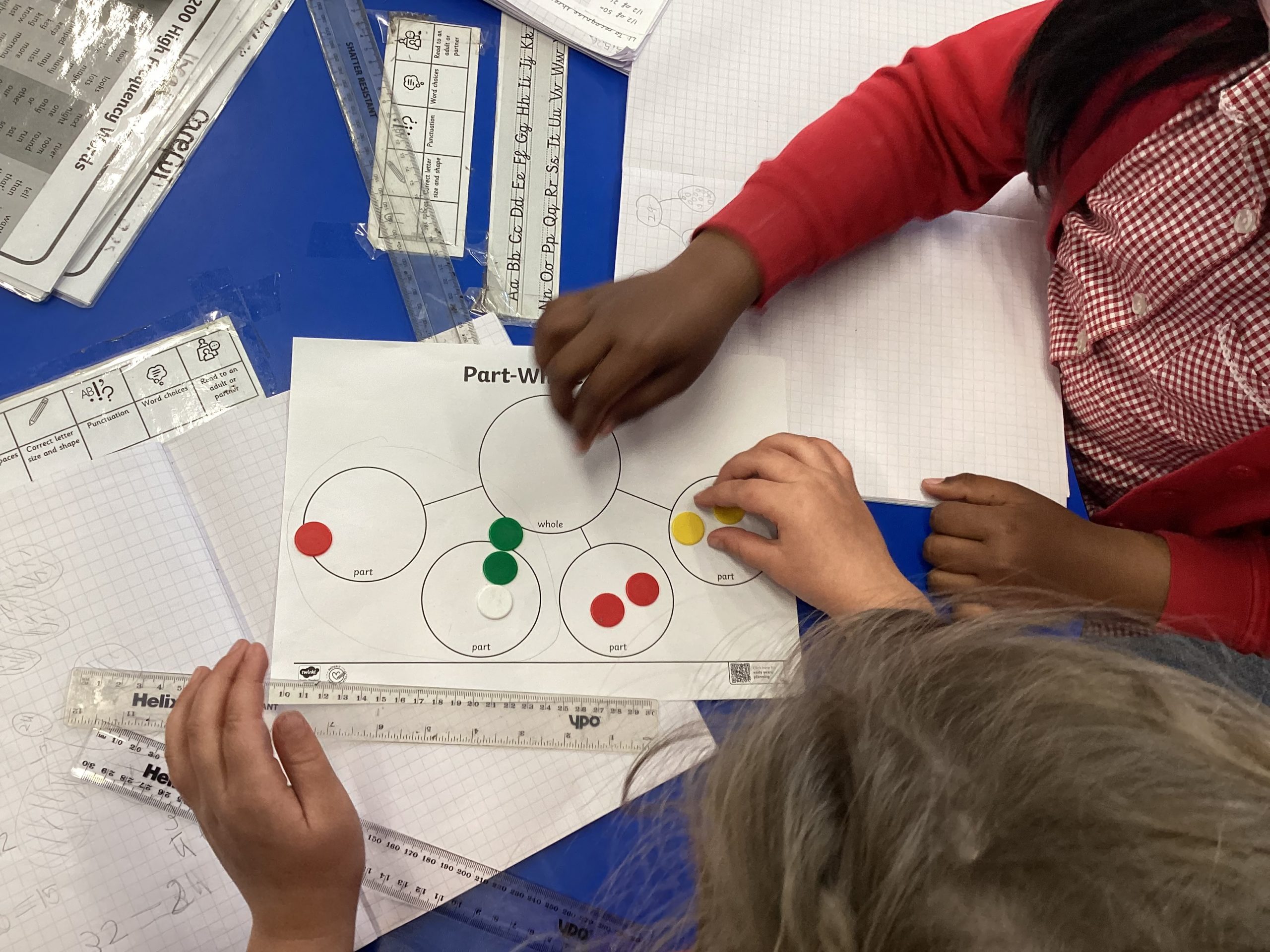
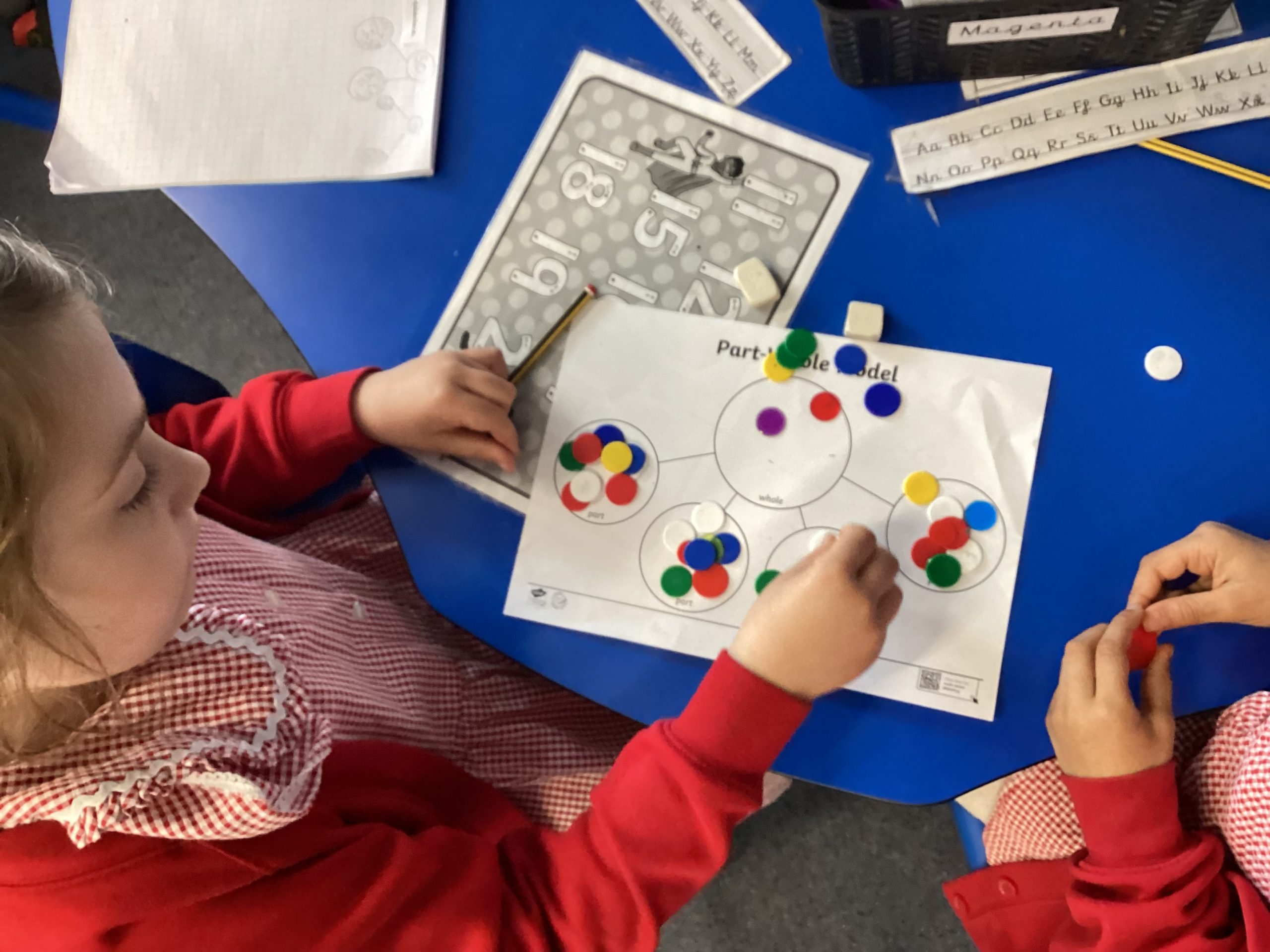
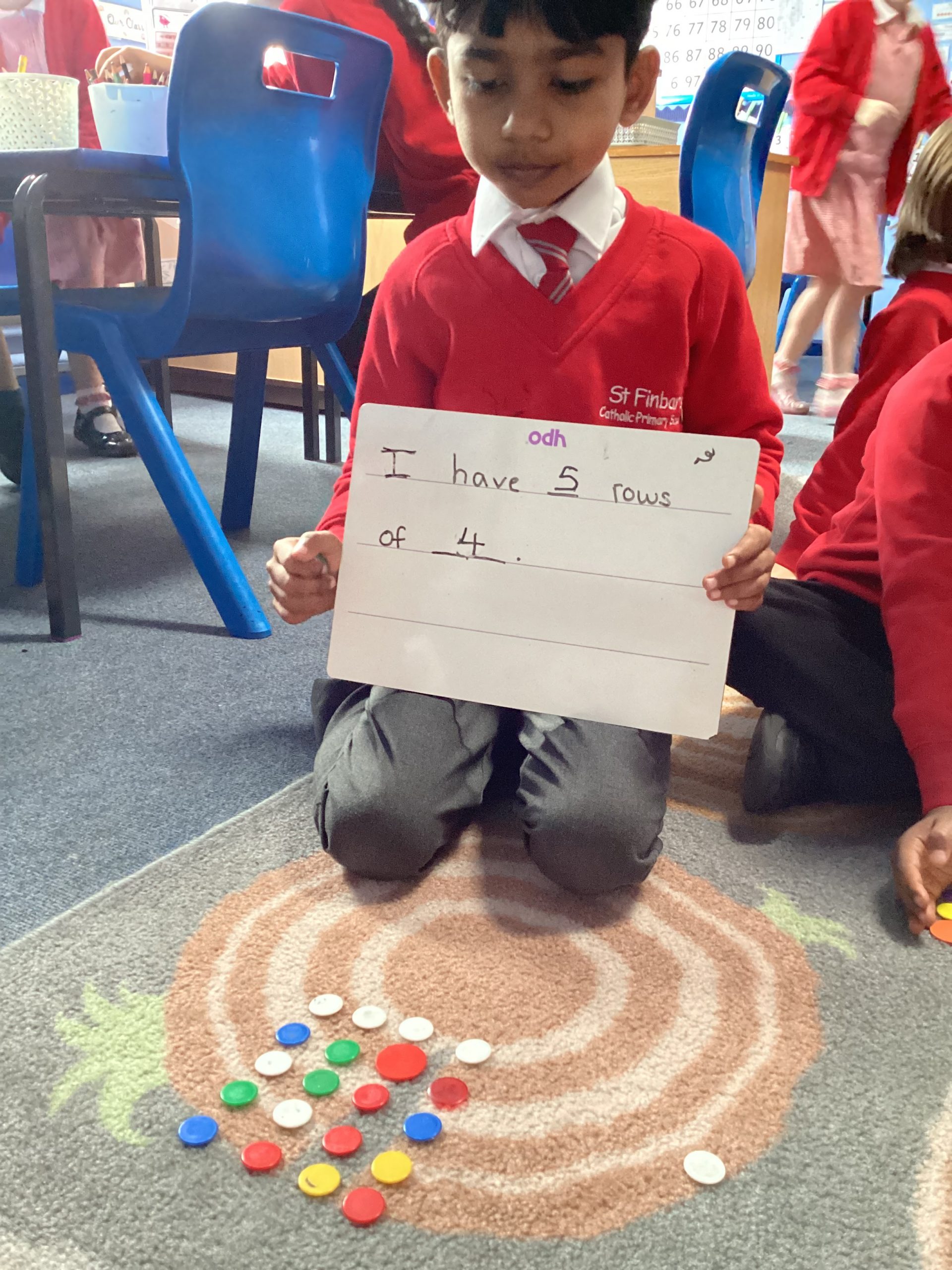
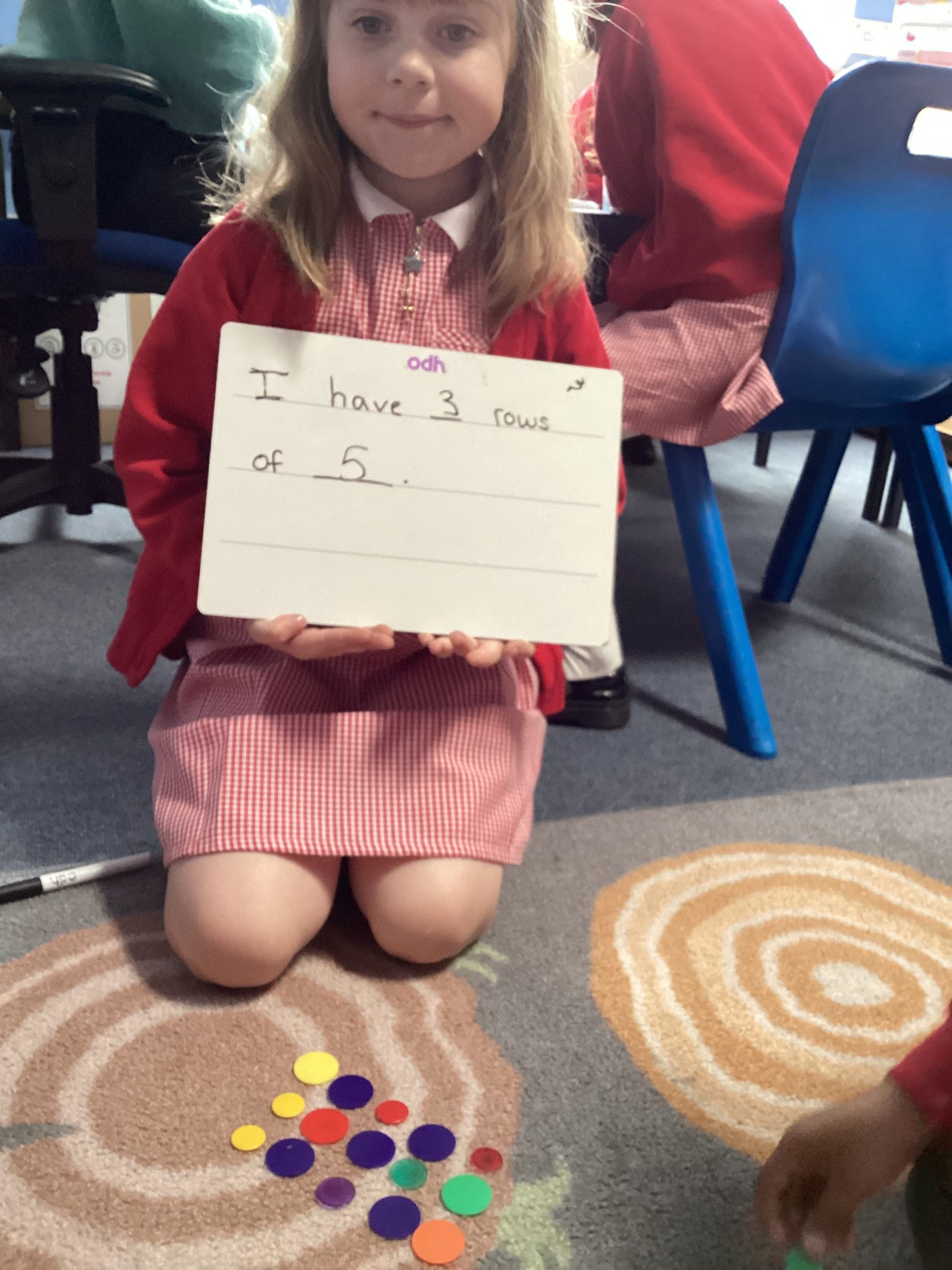
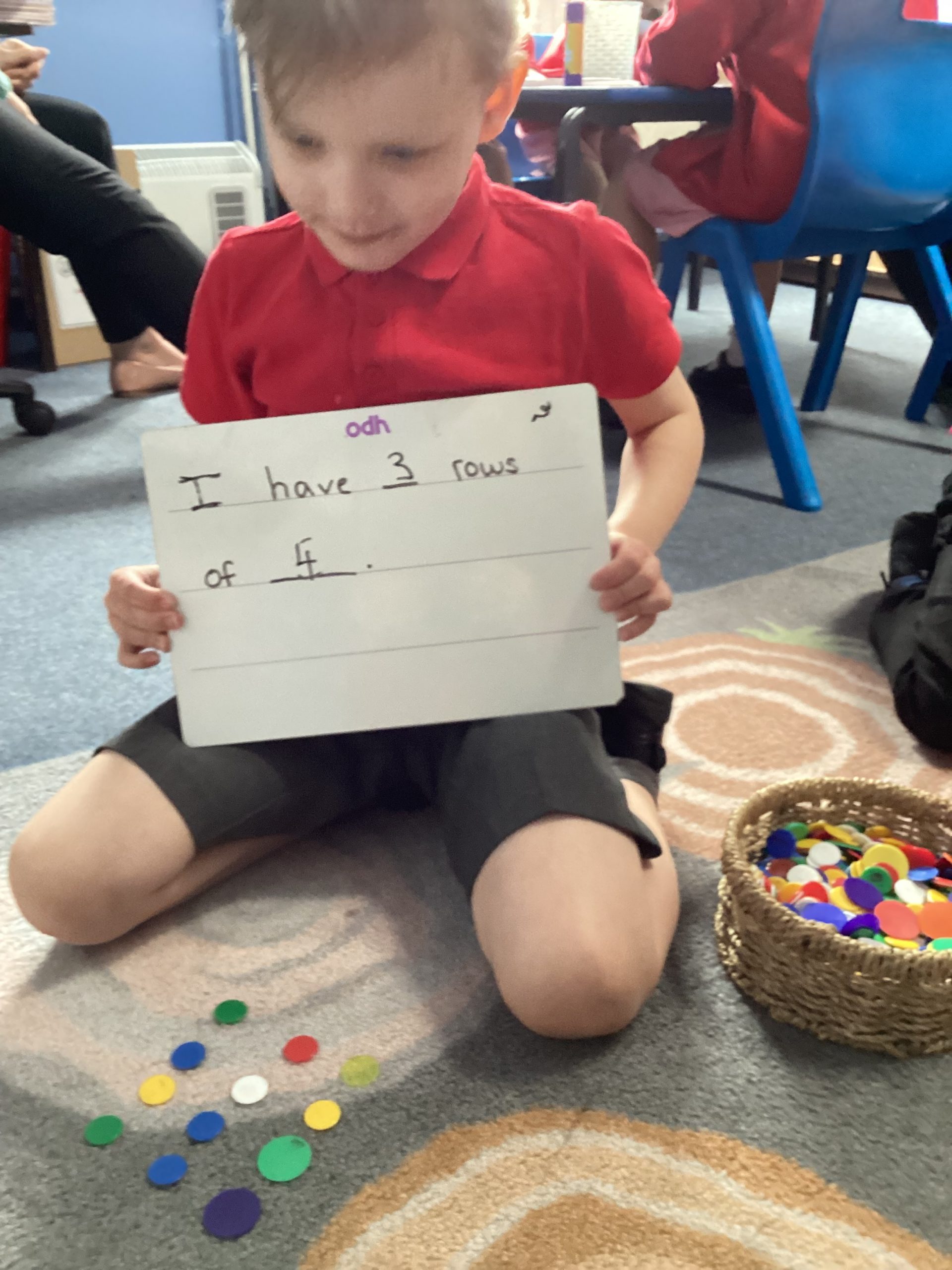
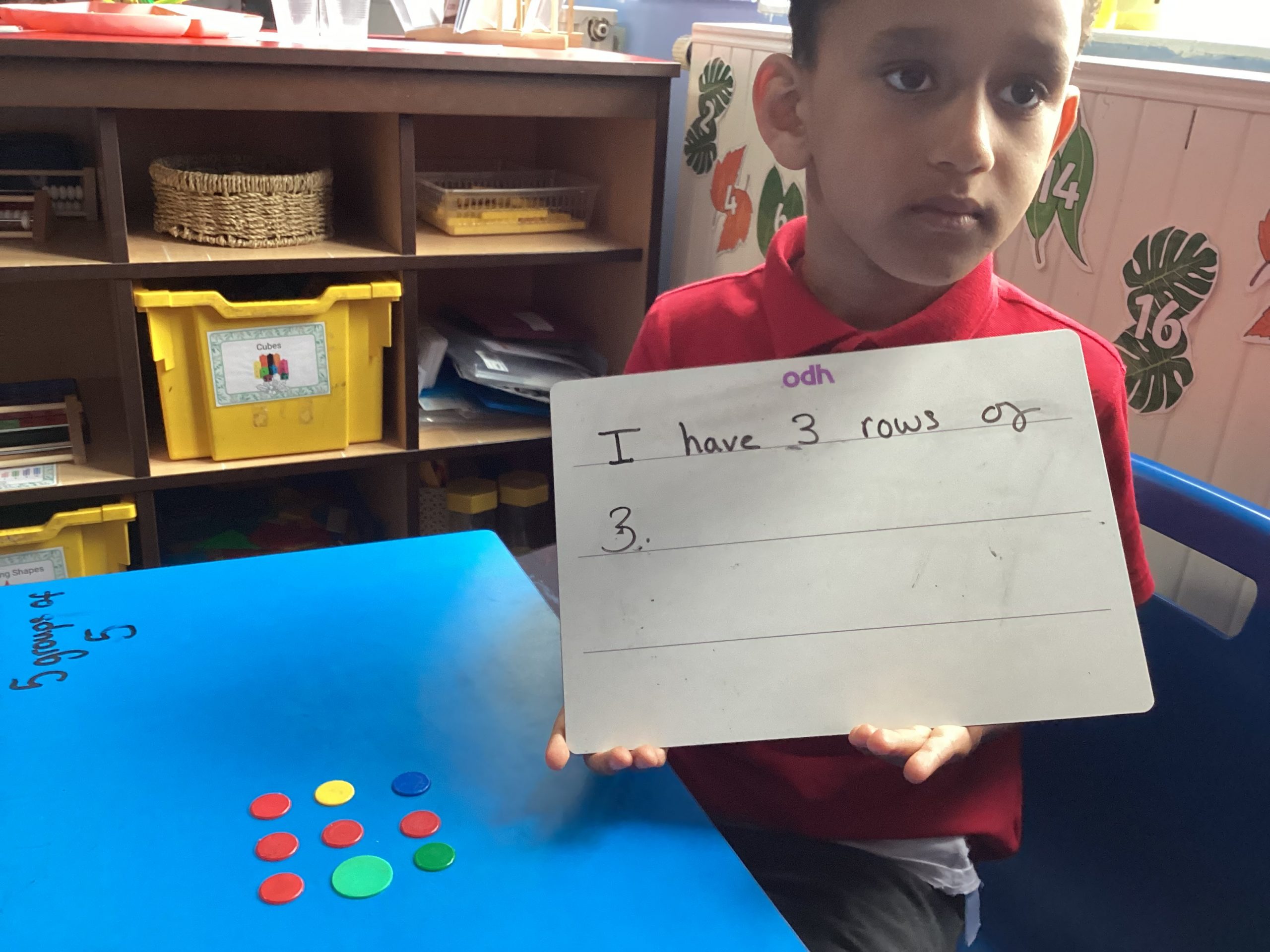
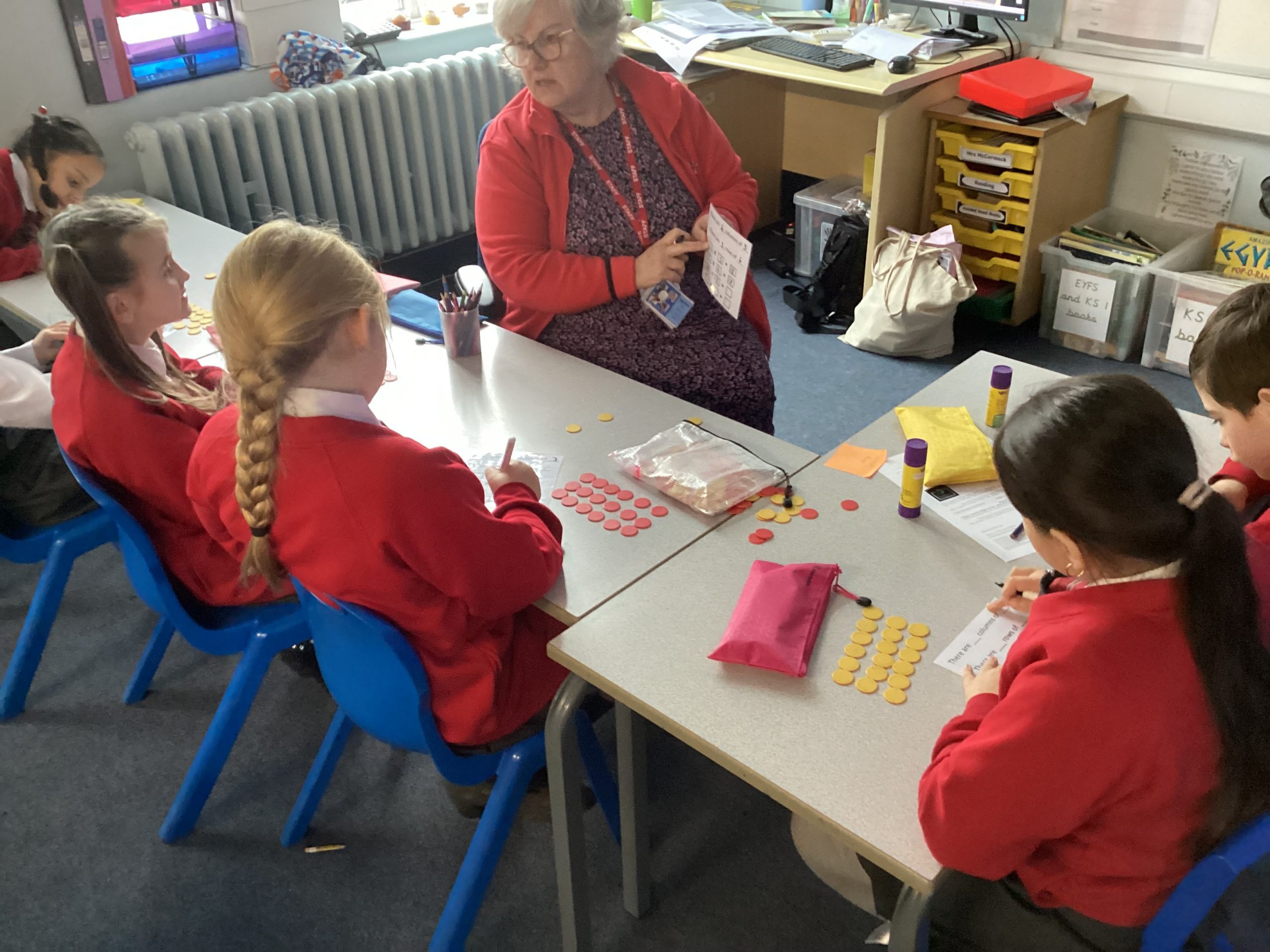
Today we began looking at arrays, we used counters to make different amounts of rows and columns.
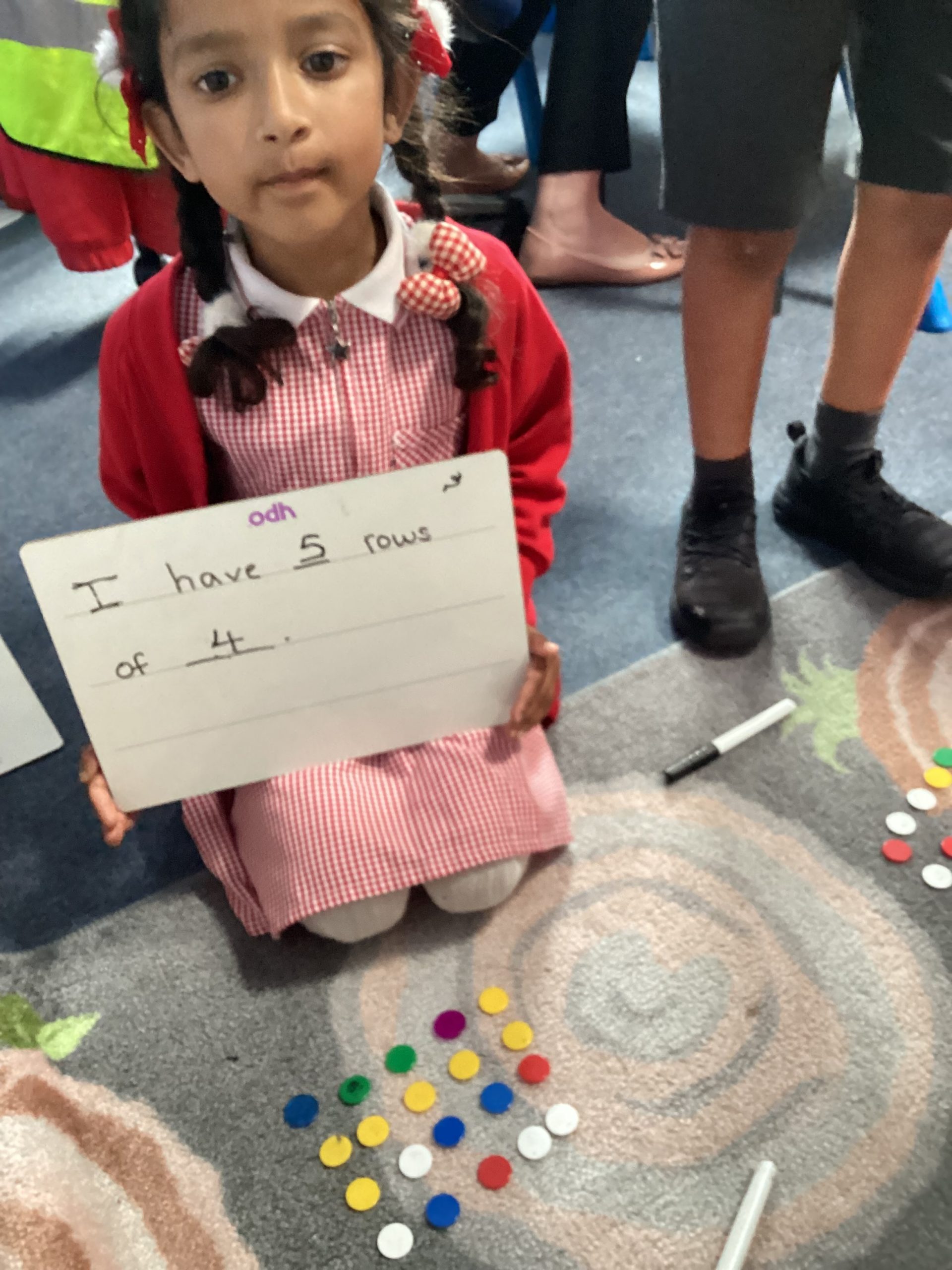
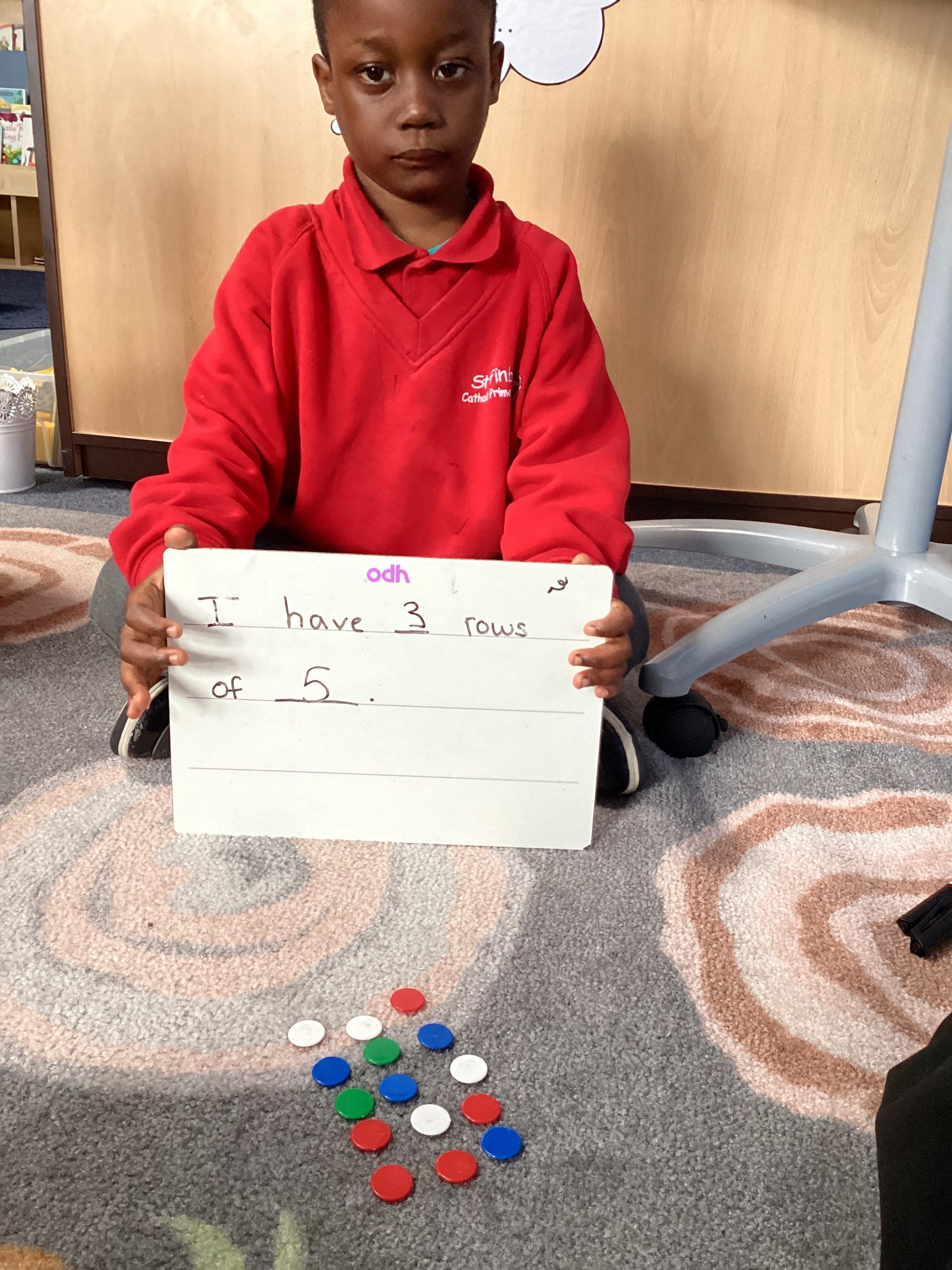
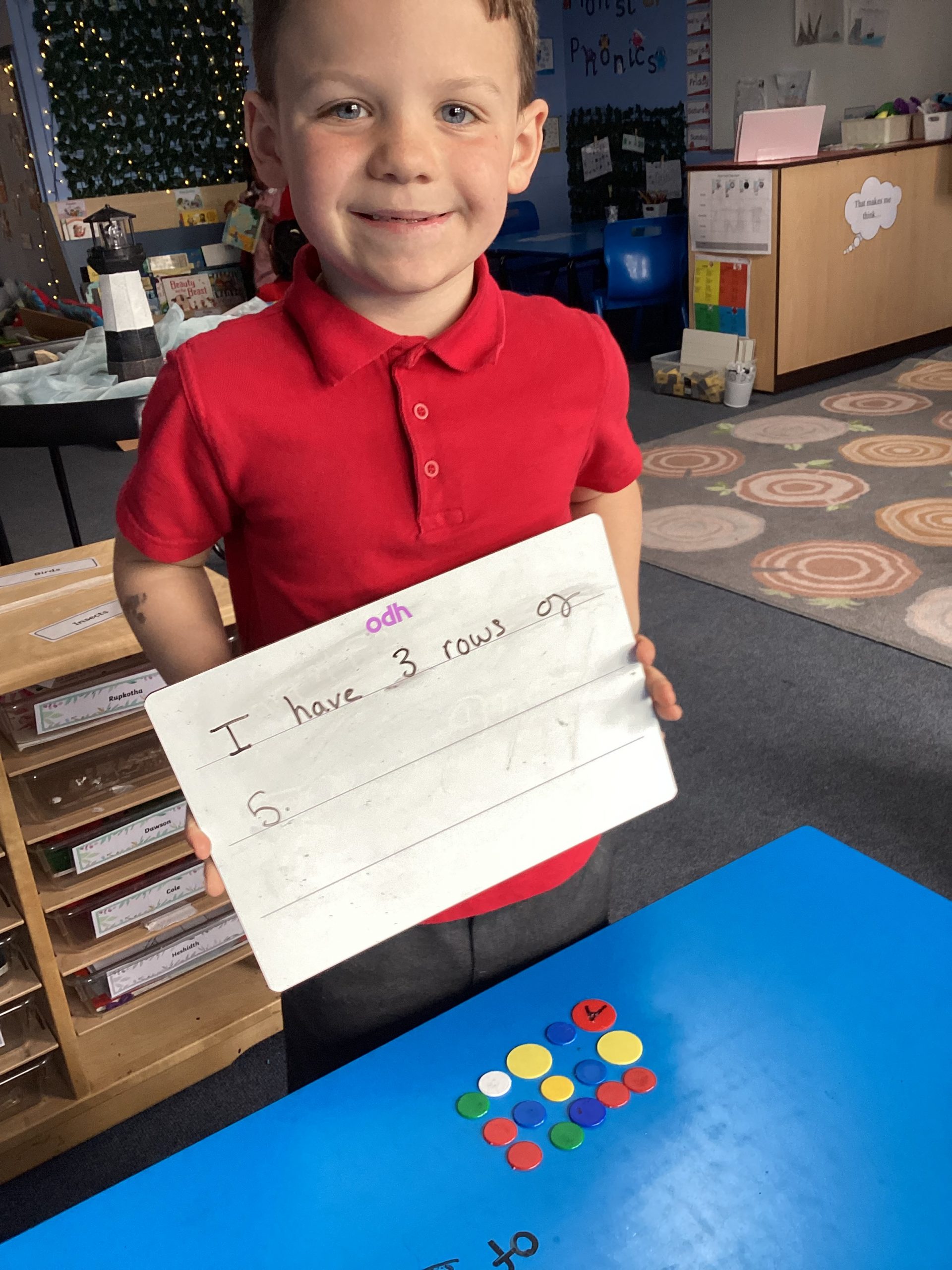
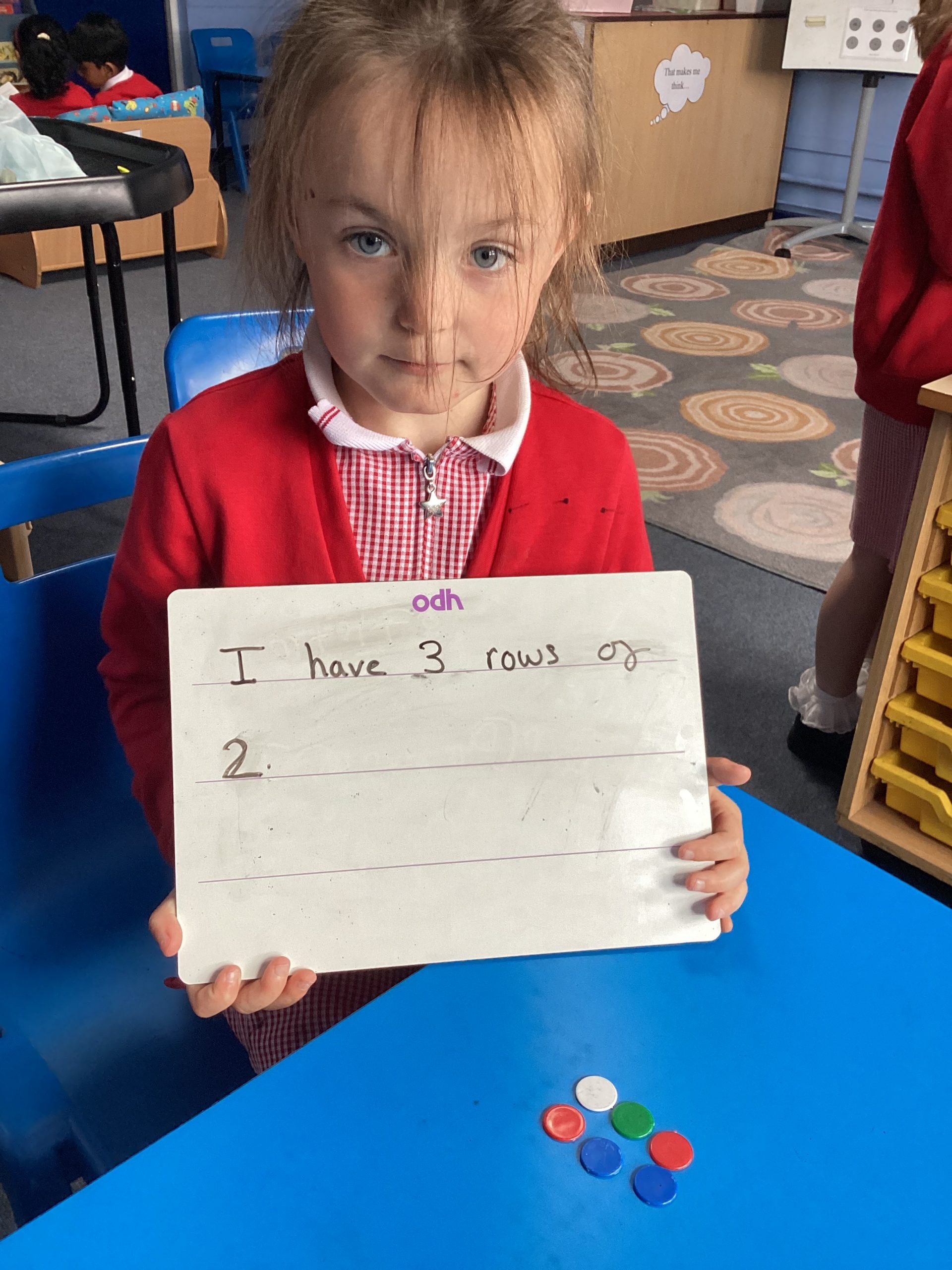
Today, Daffodil class were challenged to complete a missing box number hunt around Phase 2. The children thoroughly enjoyed the challenge and independently completed the calculations.
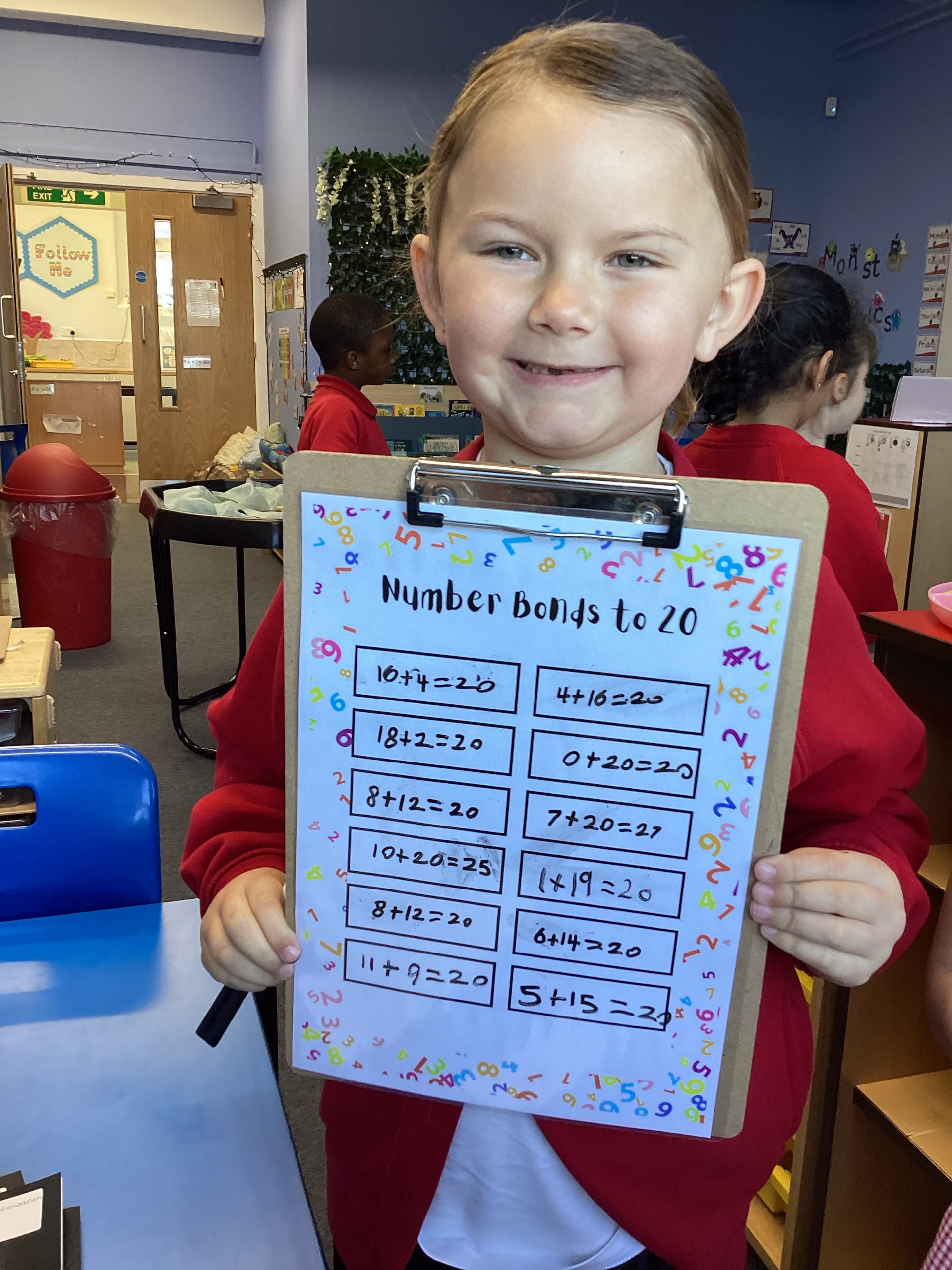
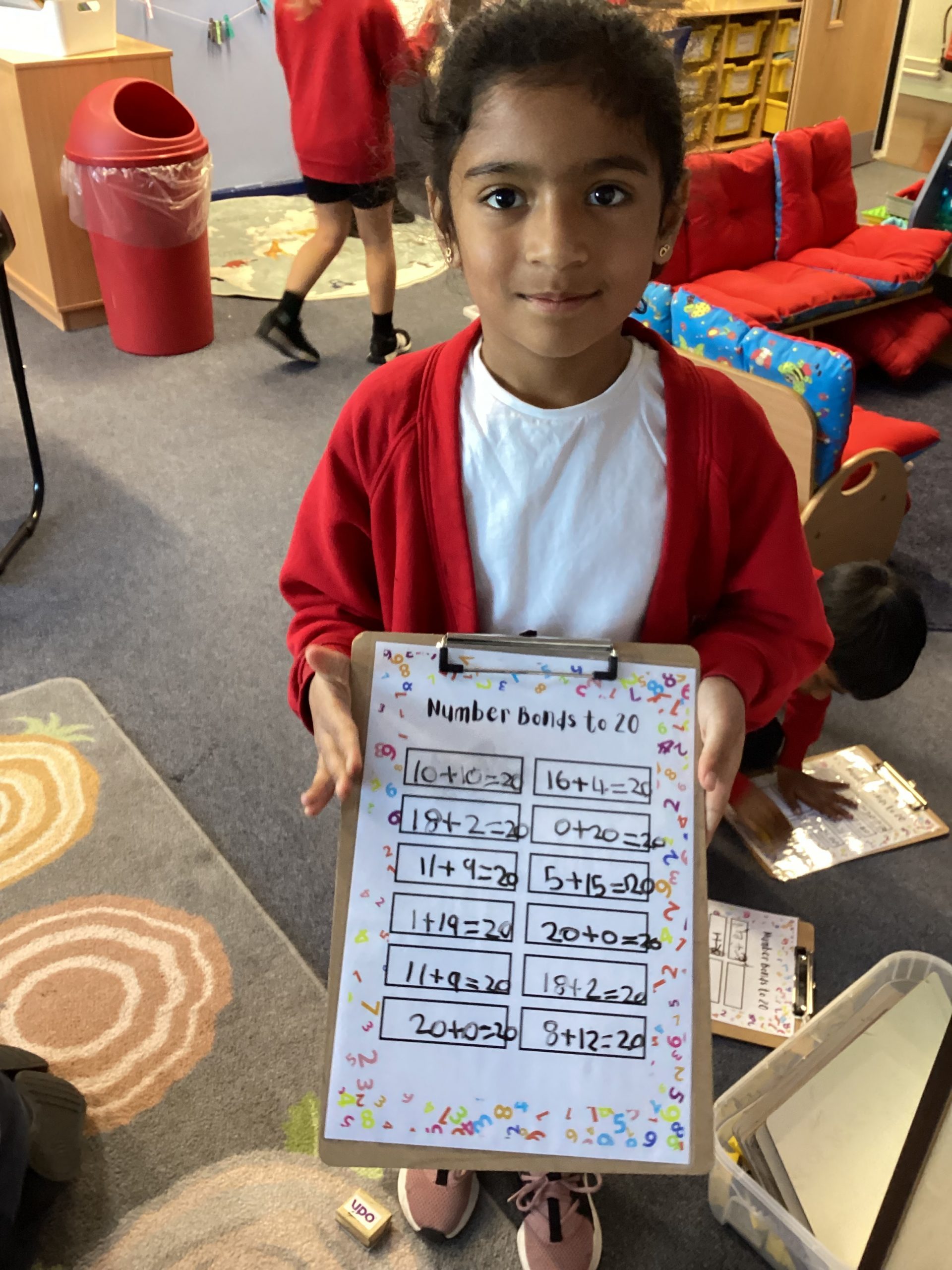
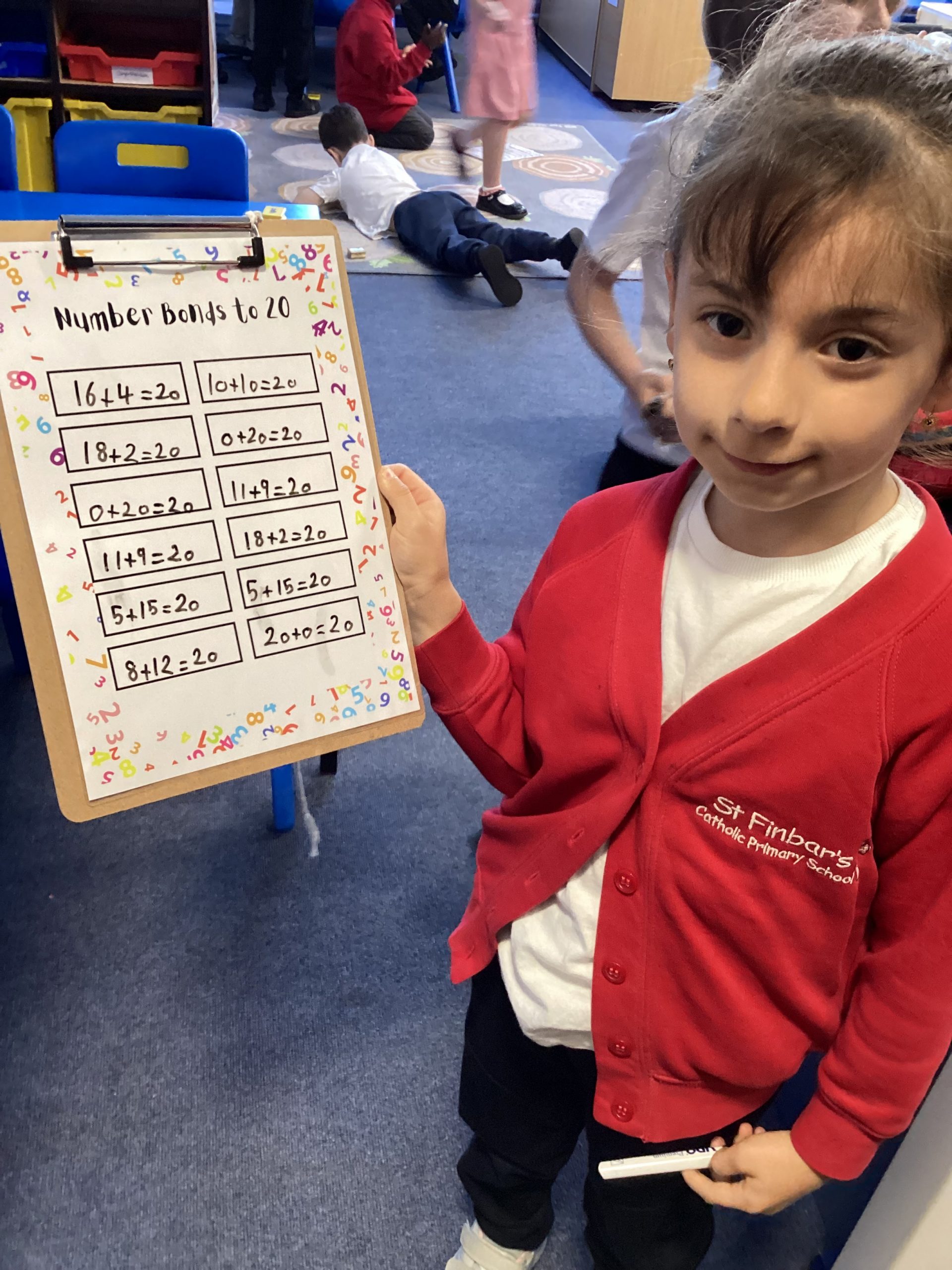
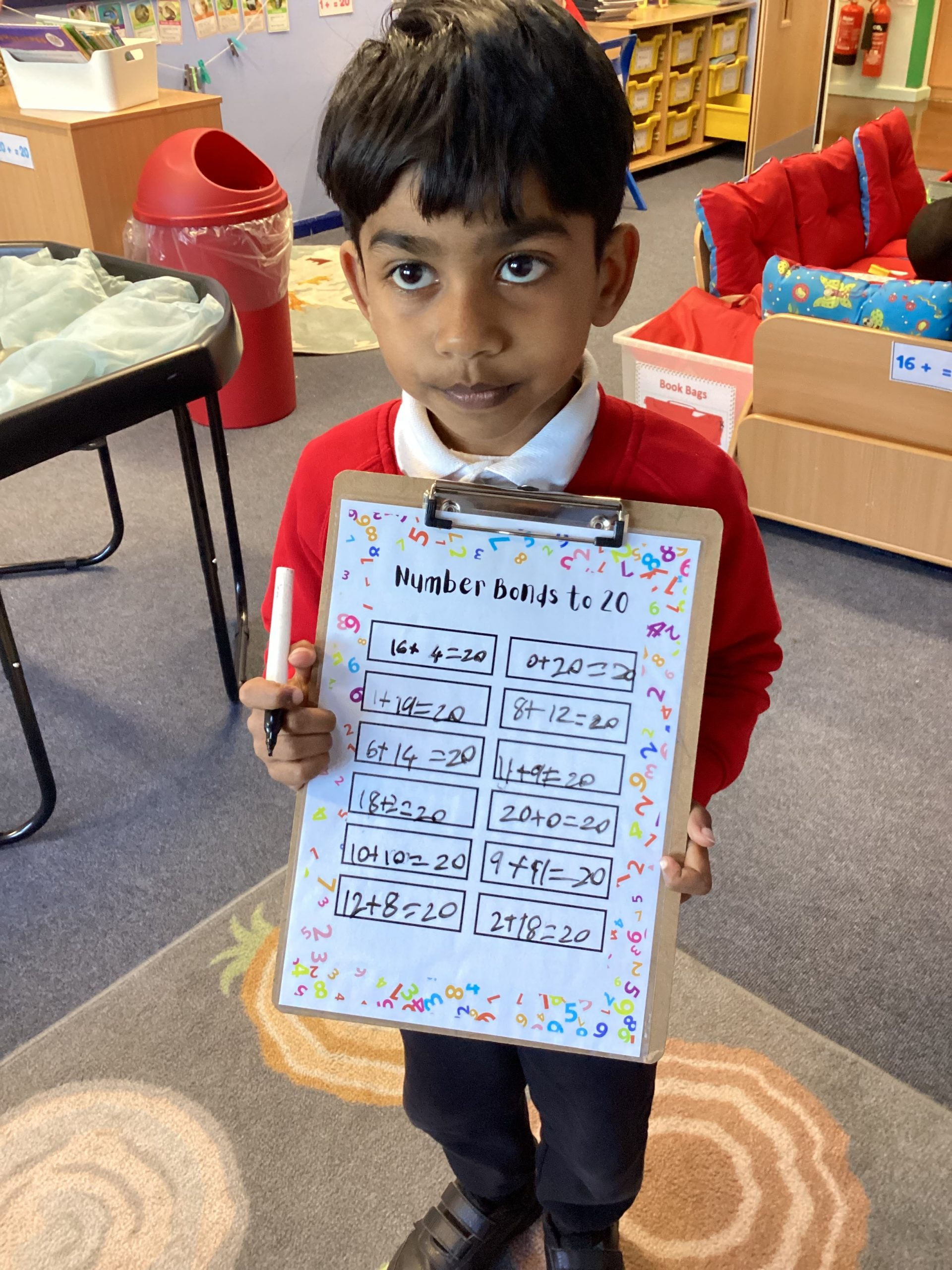
Sunflower Class have been counting on from a given number, using different strategies and strengthening our understanding of number bonds to 10.
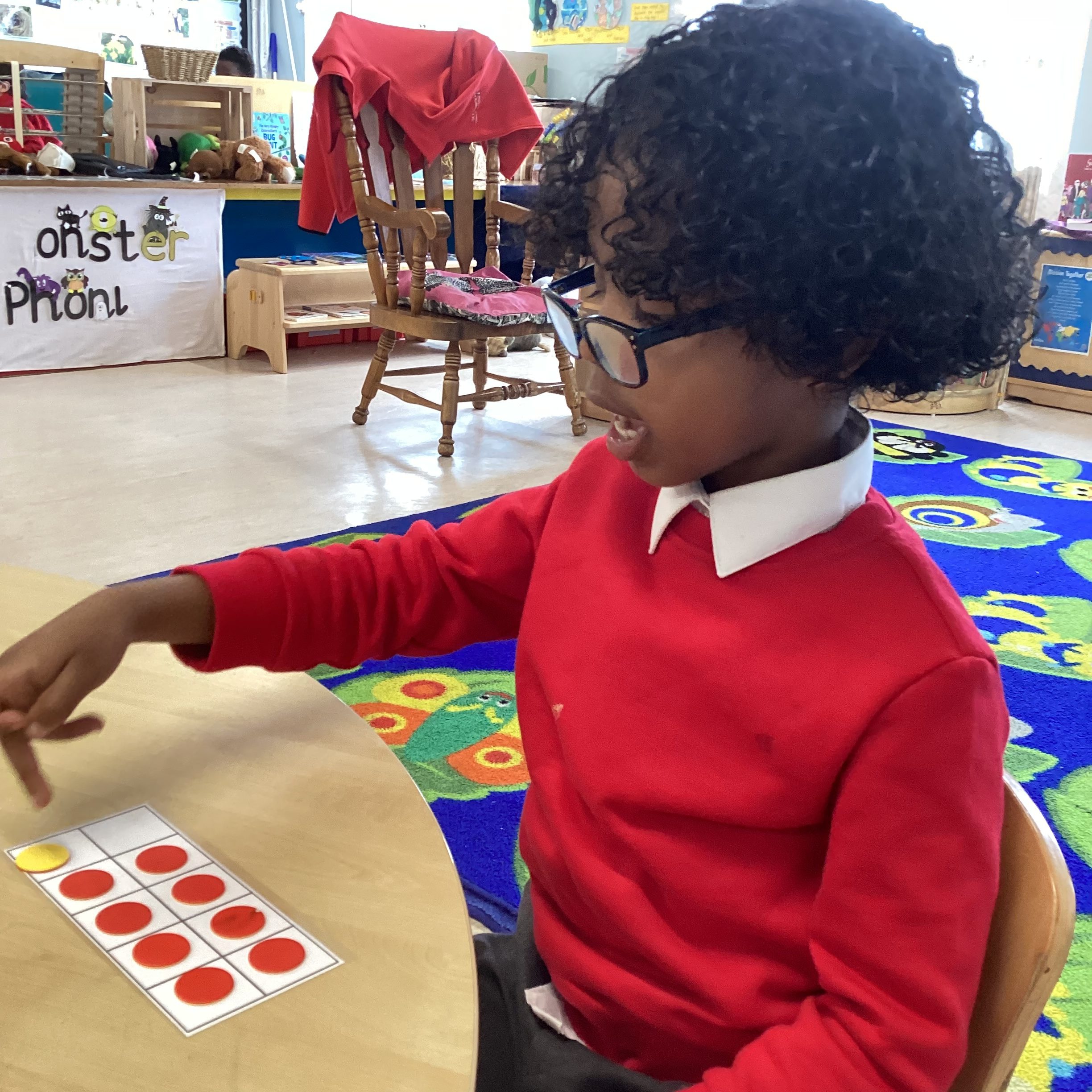
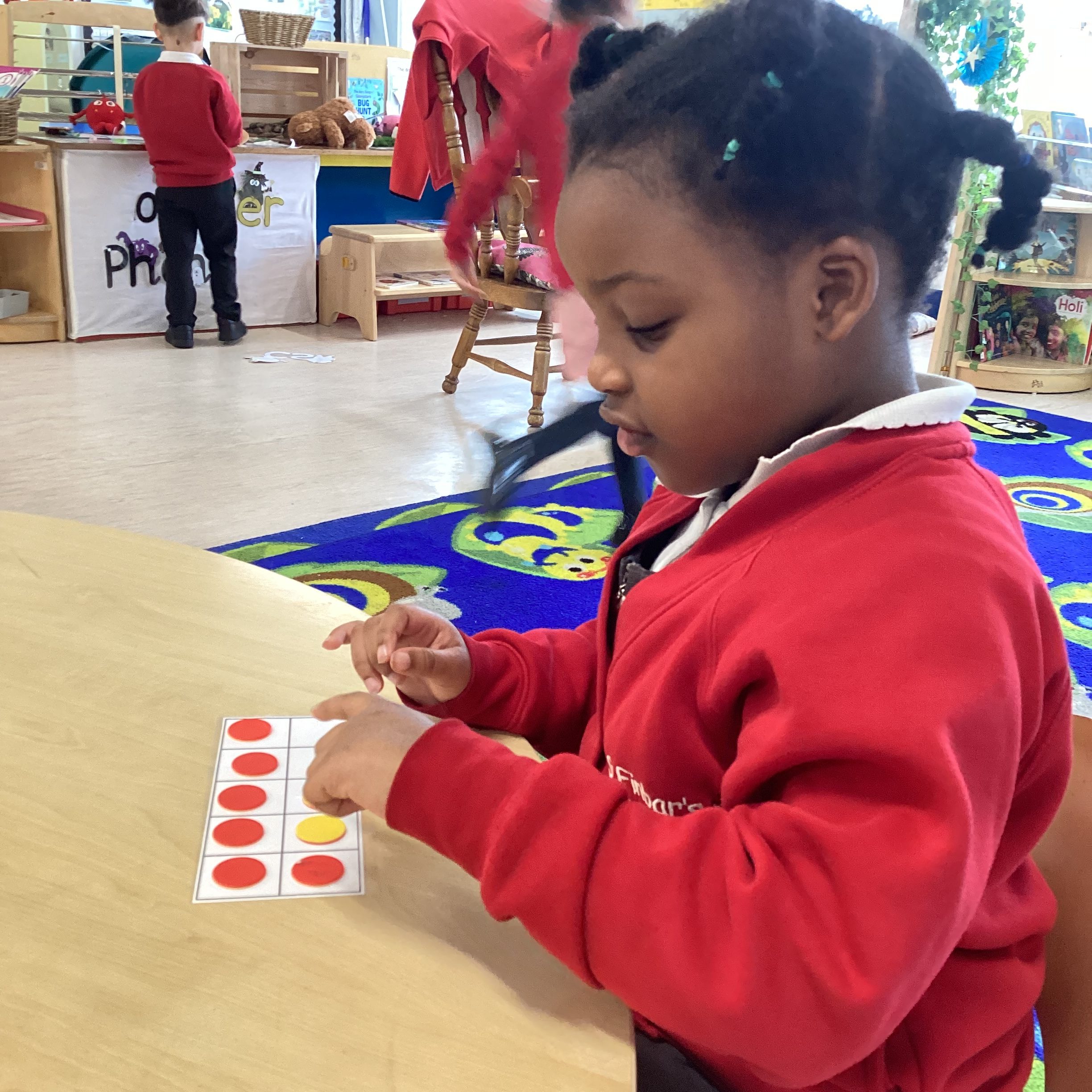
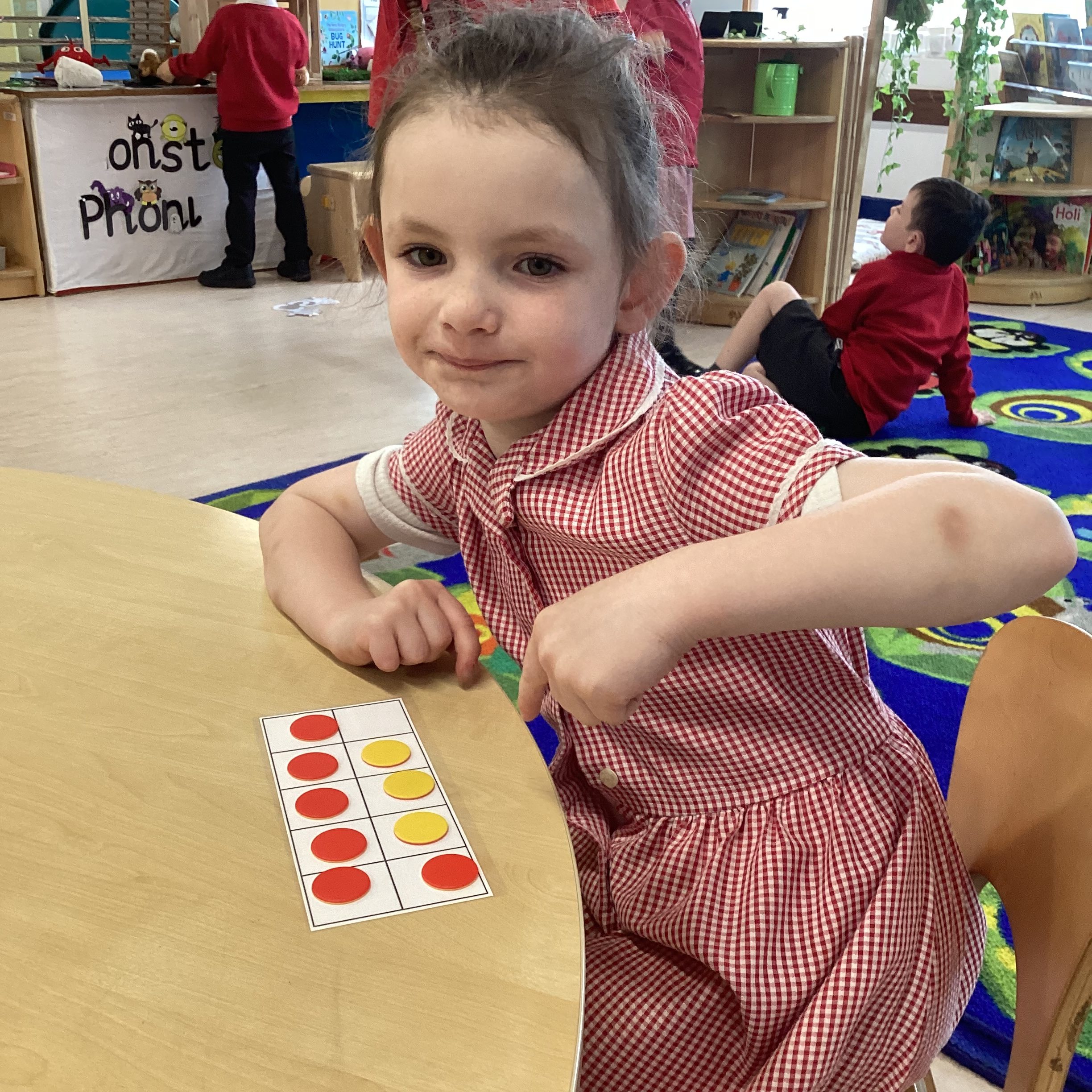
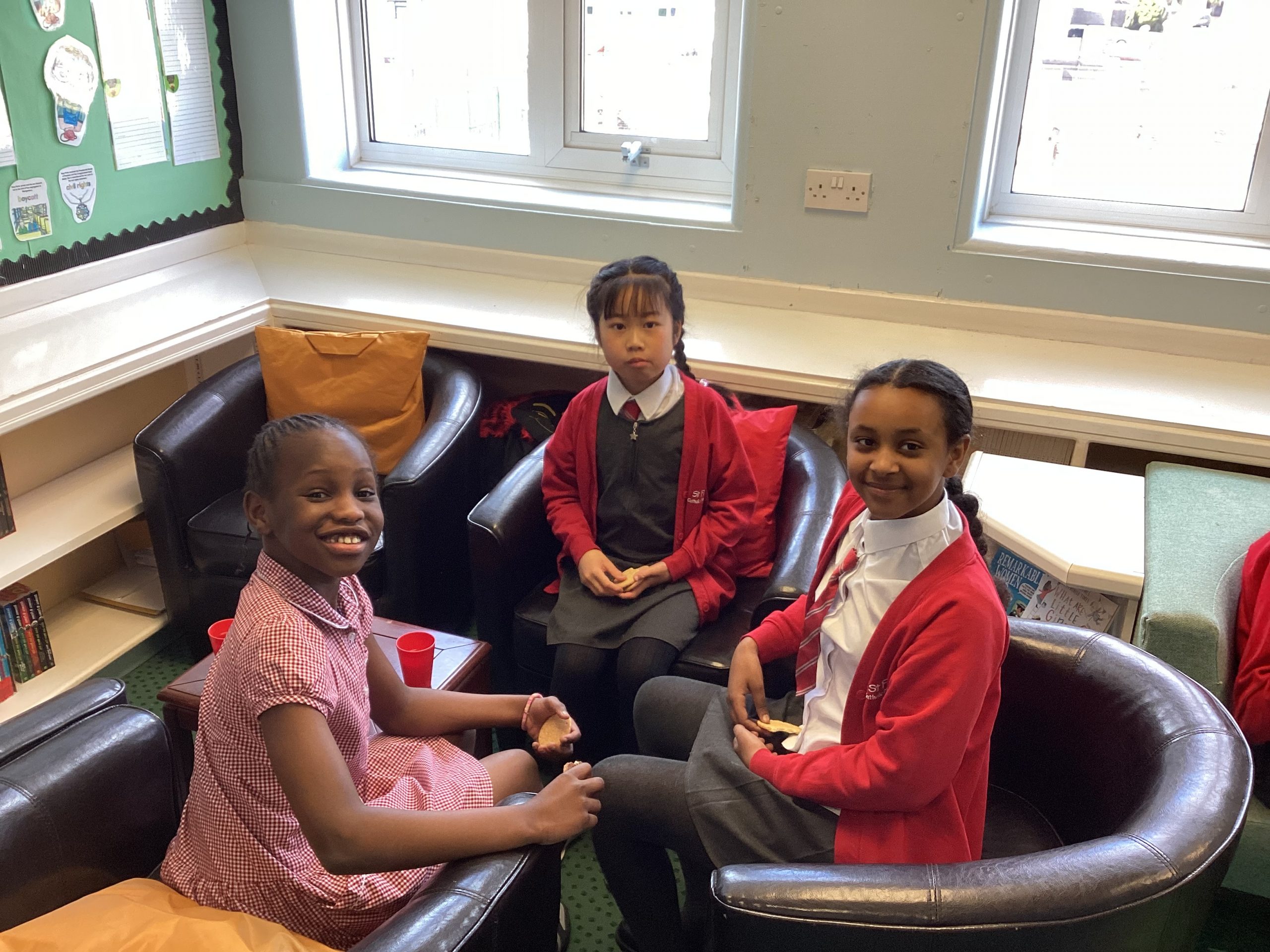
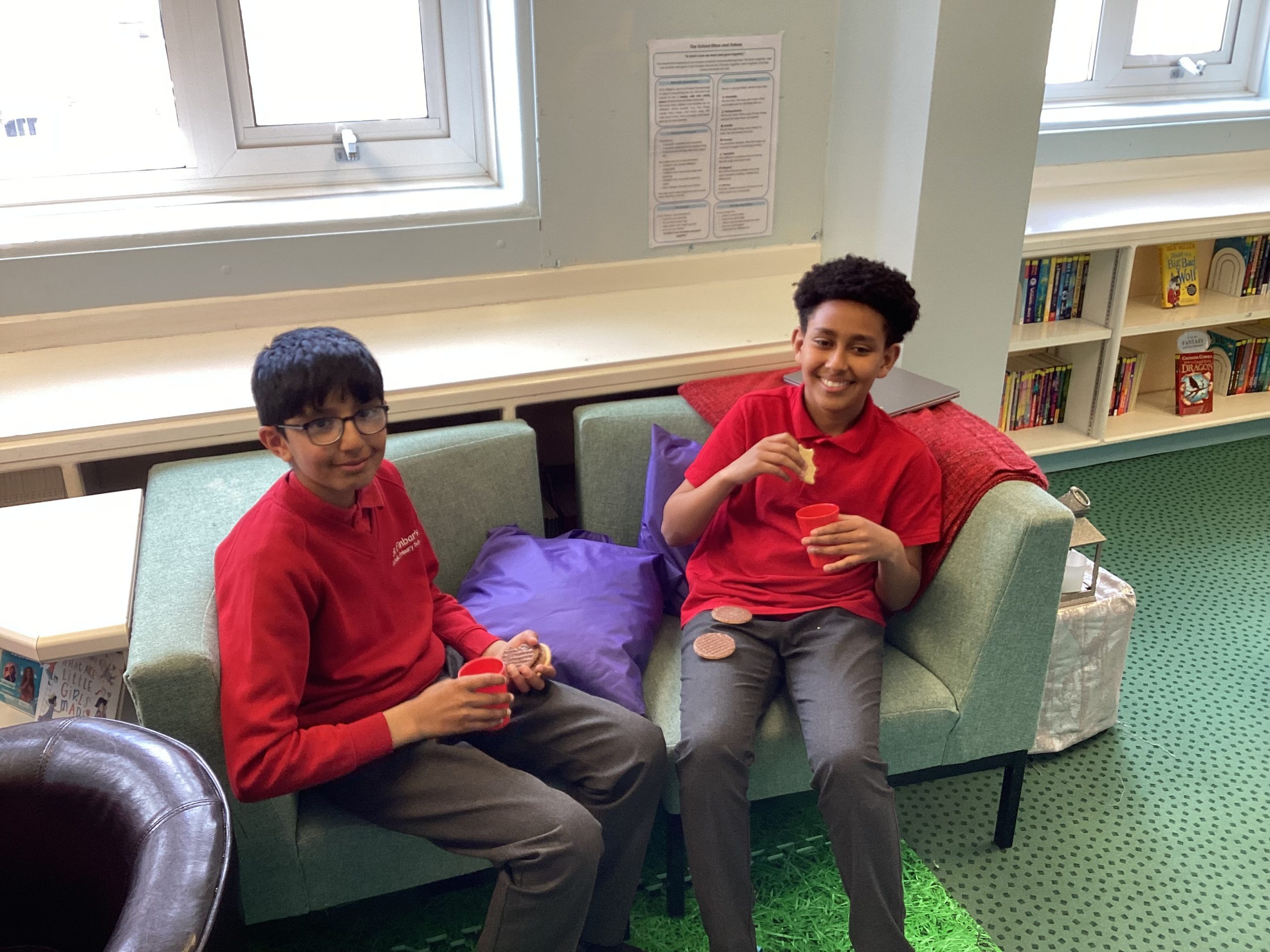
Today the top three winners in each class from year 3 to year 6 had their prize. These children were the ones who scored the most points at home when practising their times tables. They had juice and biscuits in the library and the out to have an extra break time with equipment.
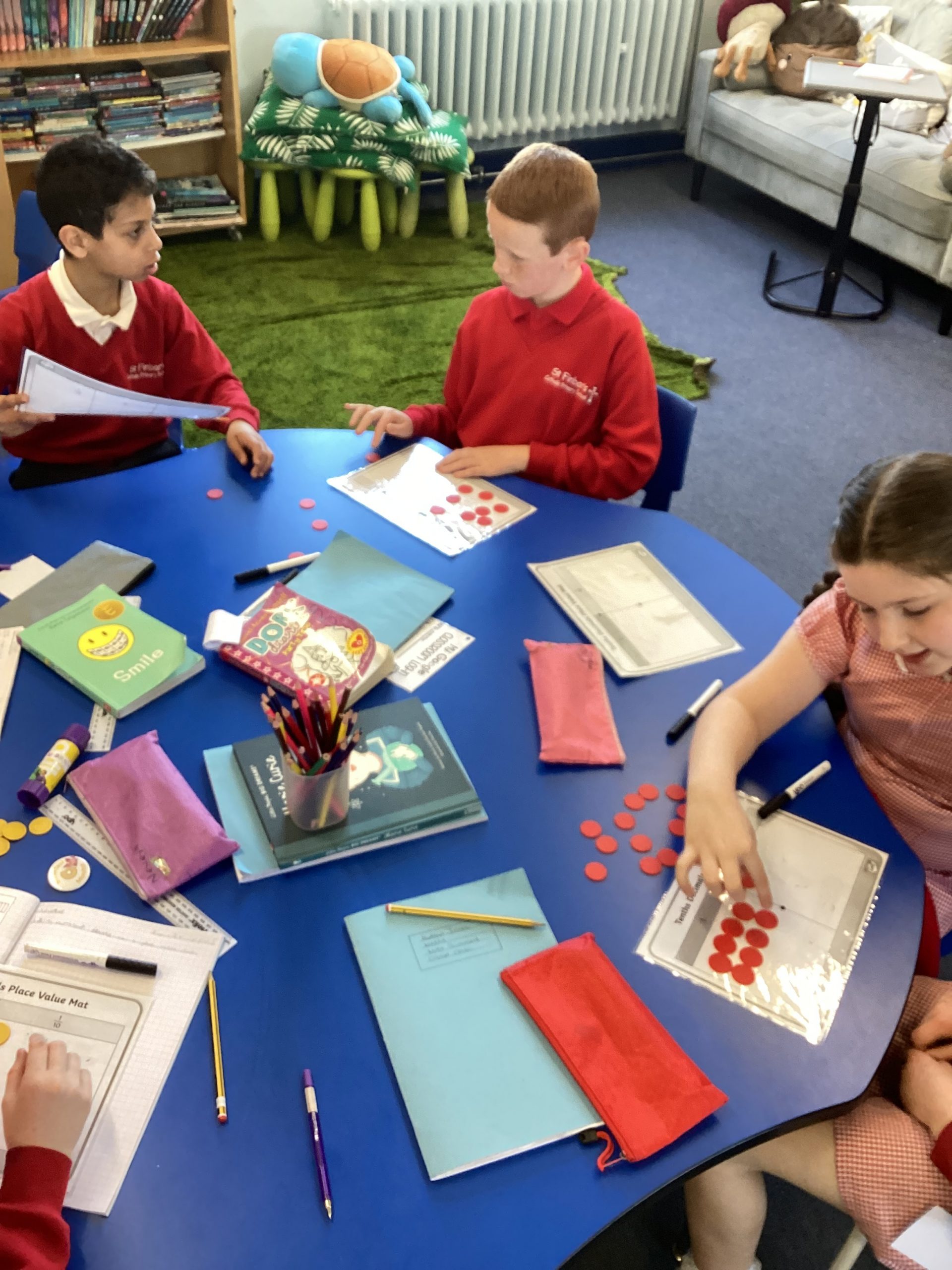
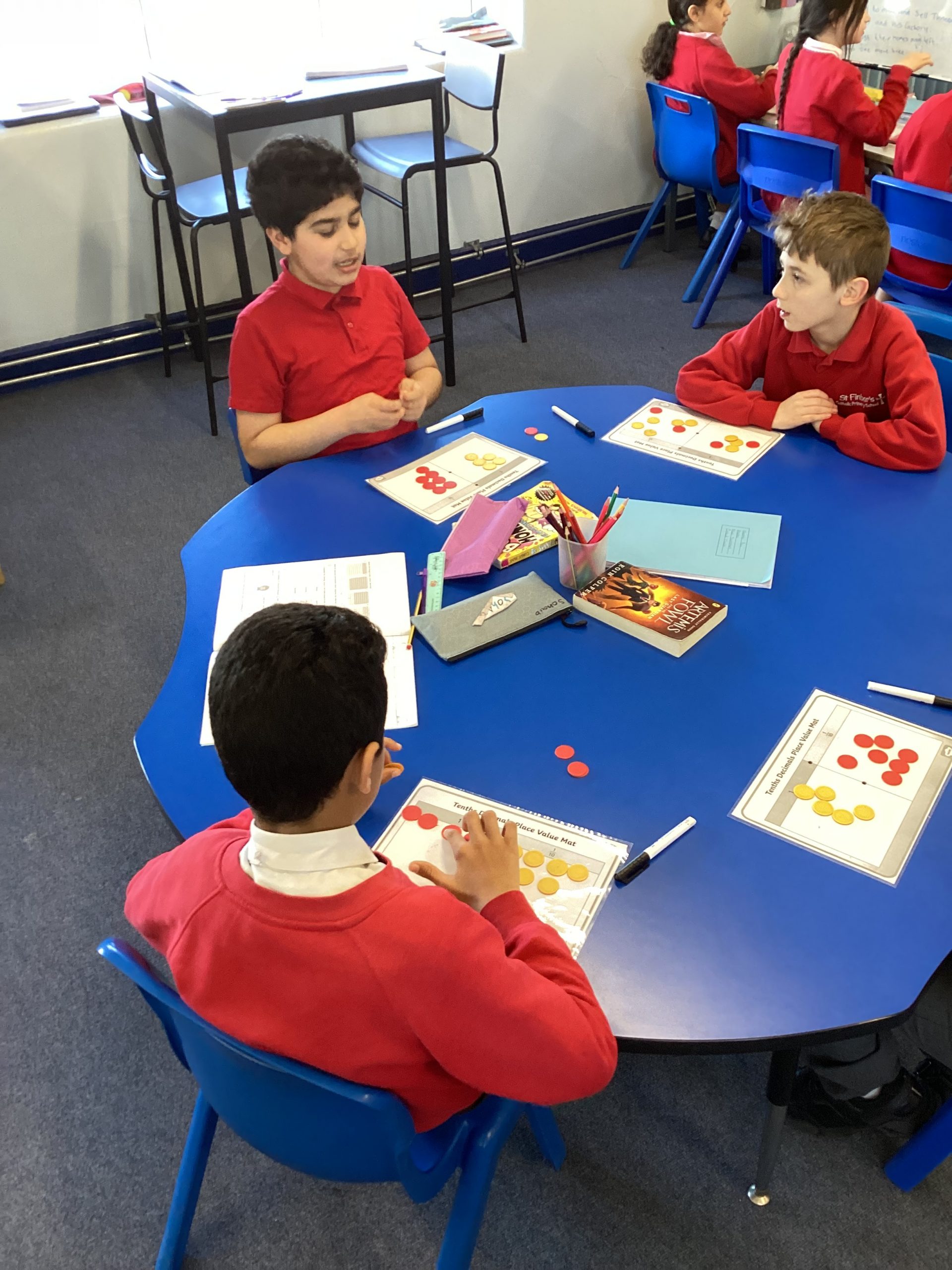
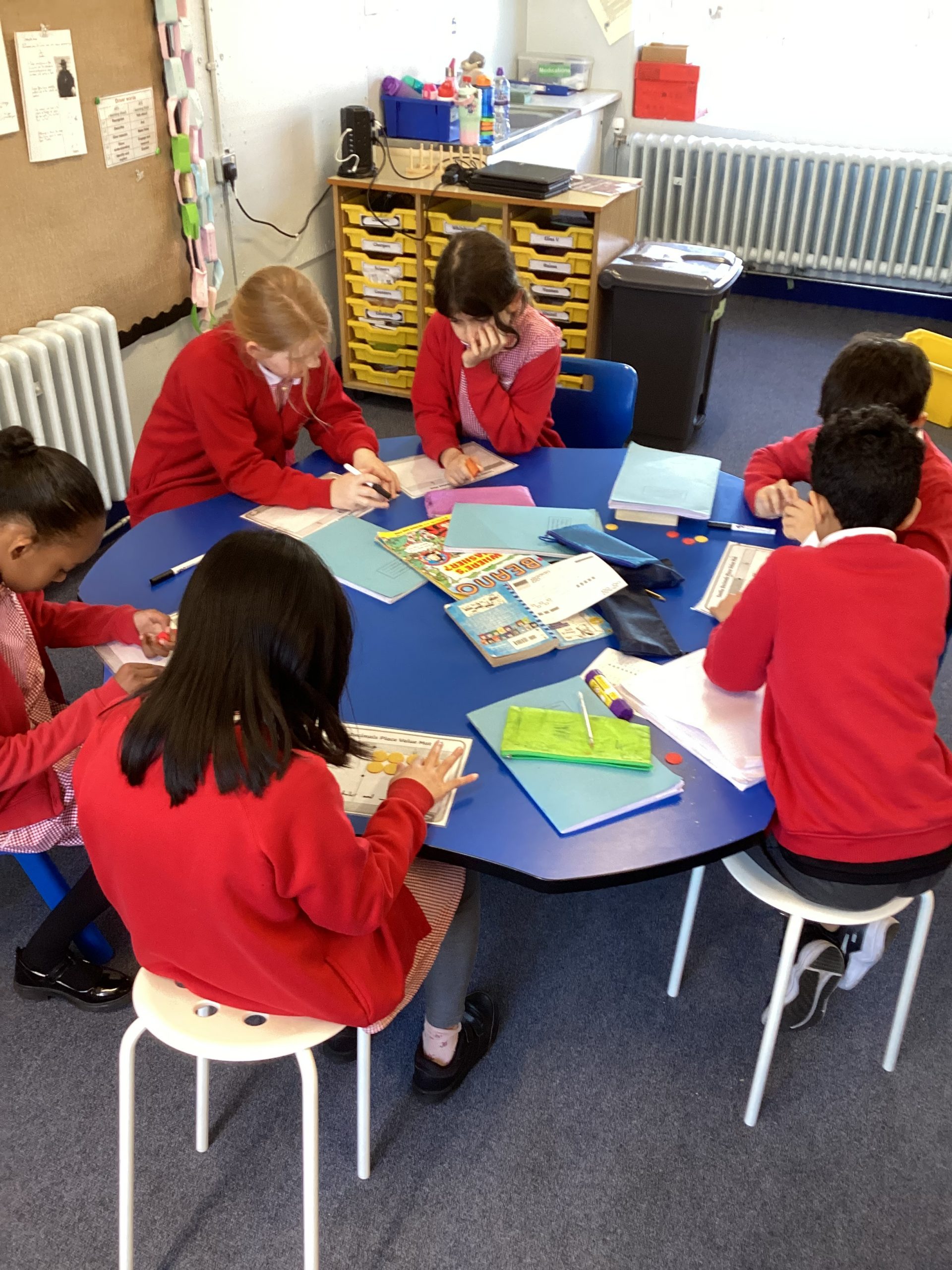
Today we have learnt how fractions can be written as decimal number by adding the tenth column to the place value chart. We have also discussed why there is a decimal point. This is because it shows the wholes are on the left and the fraction is on the right.
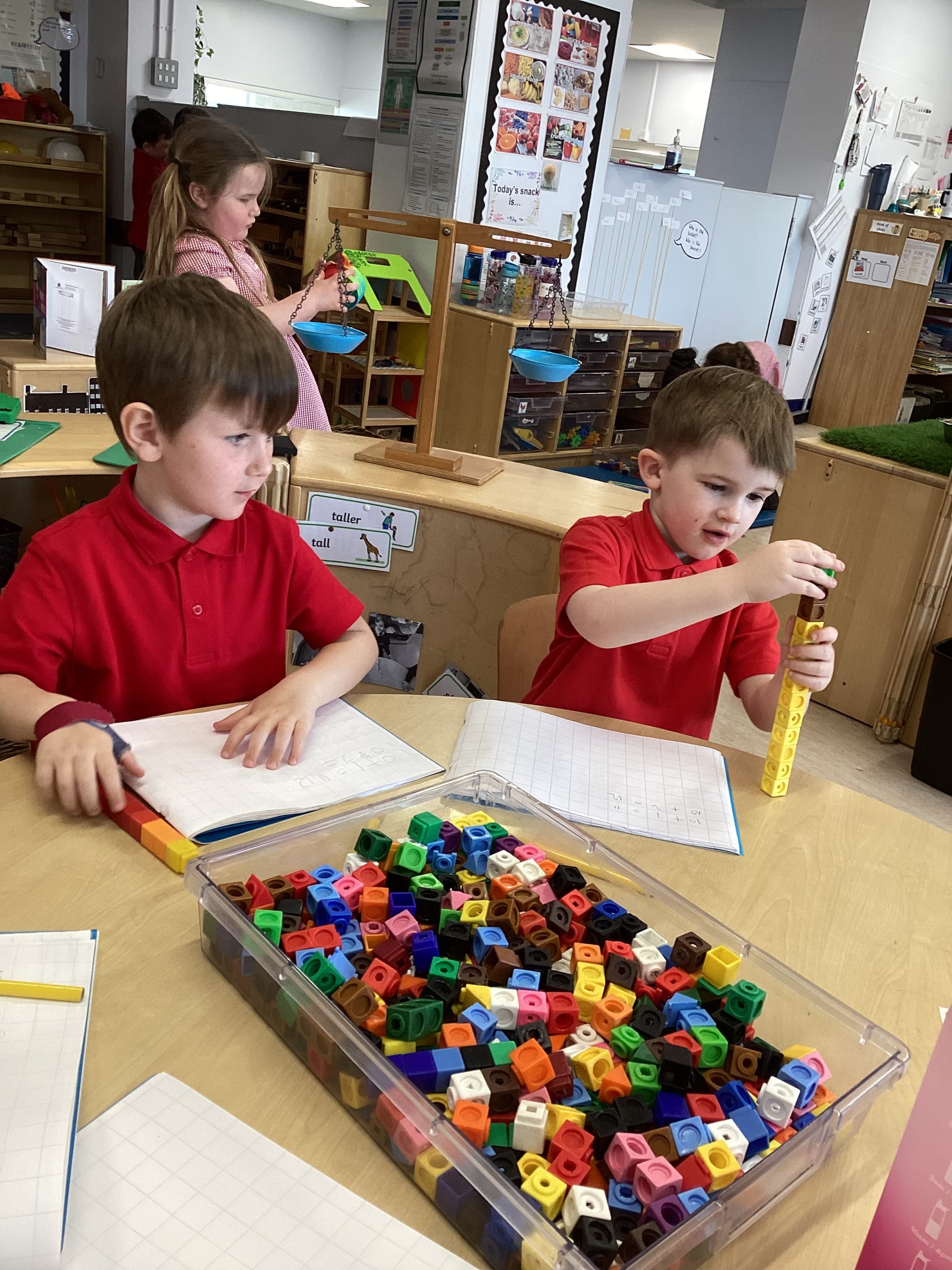
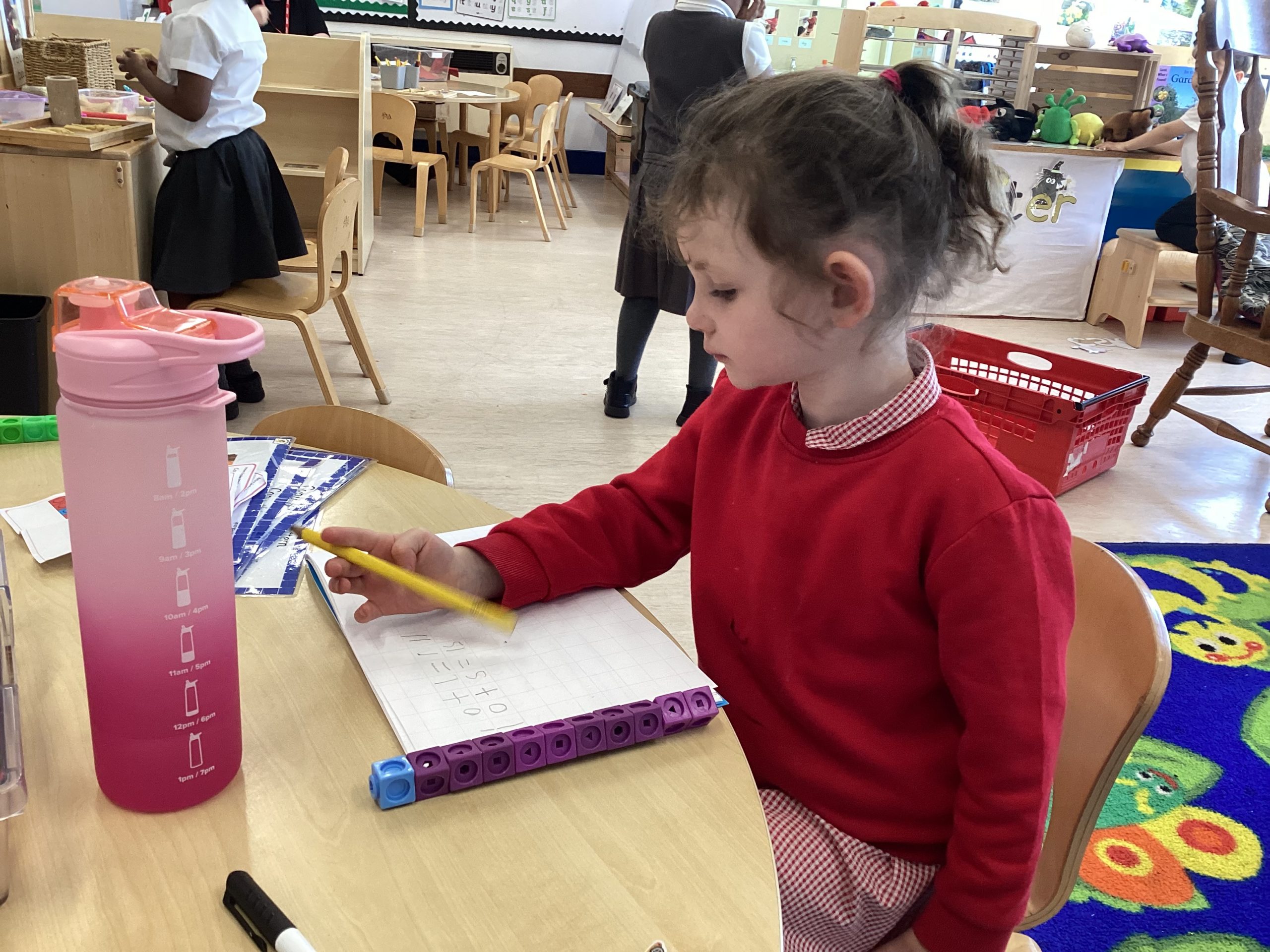
The children have been counting on from 10 in maths. We used cubes to do our working out, adding 1,2,3 and 4 to 10. We then wrote out number sentences to represent our work.
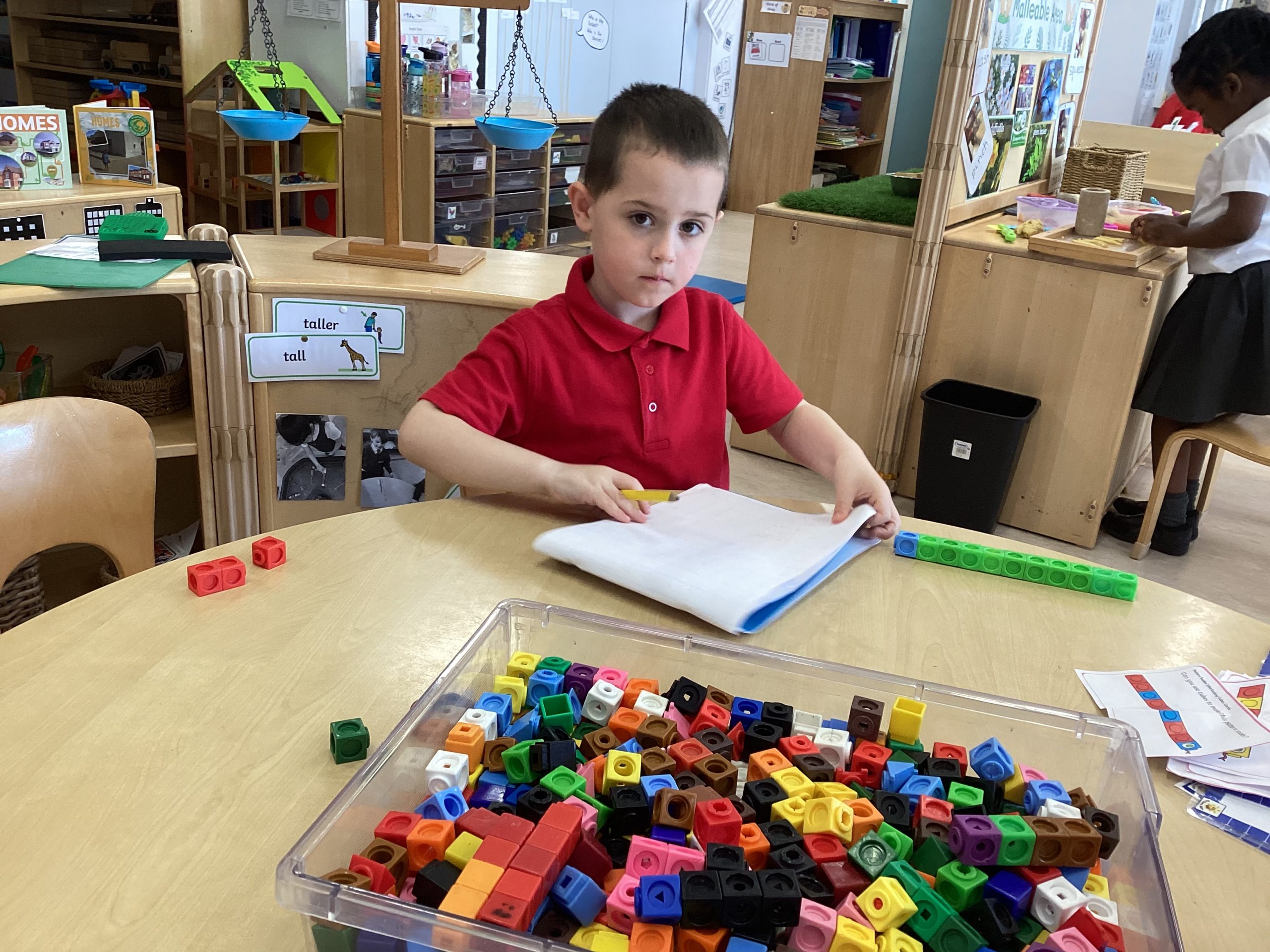
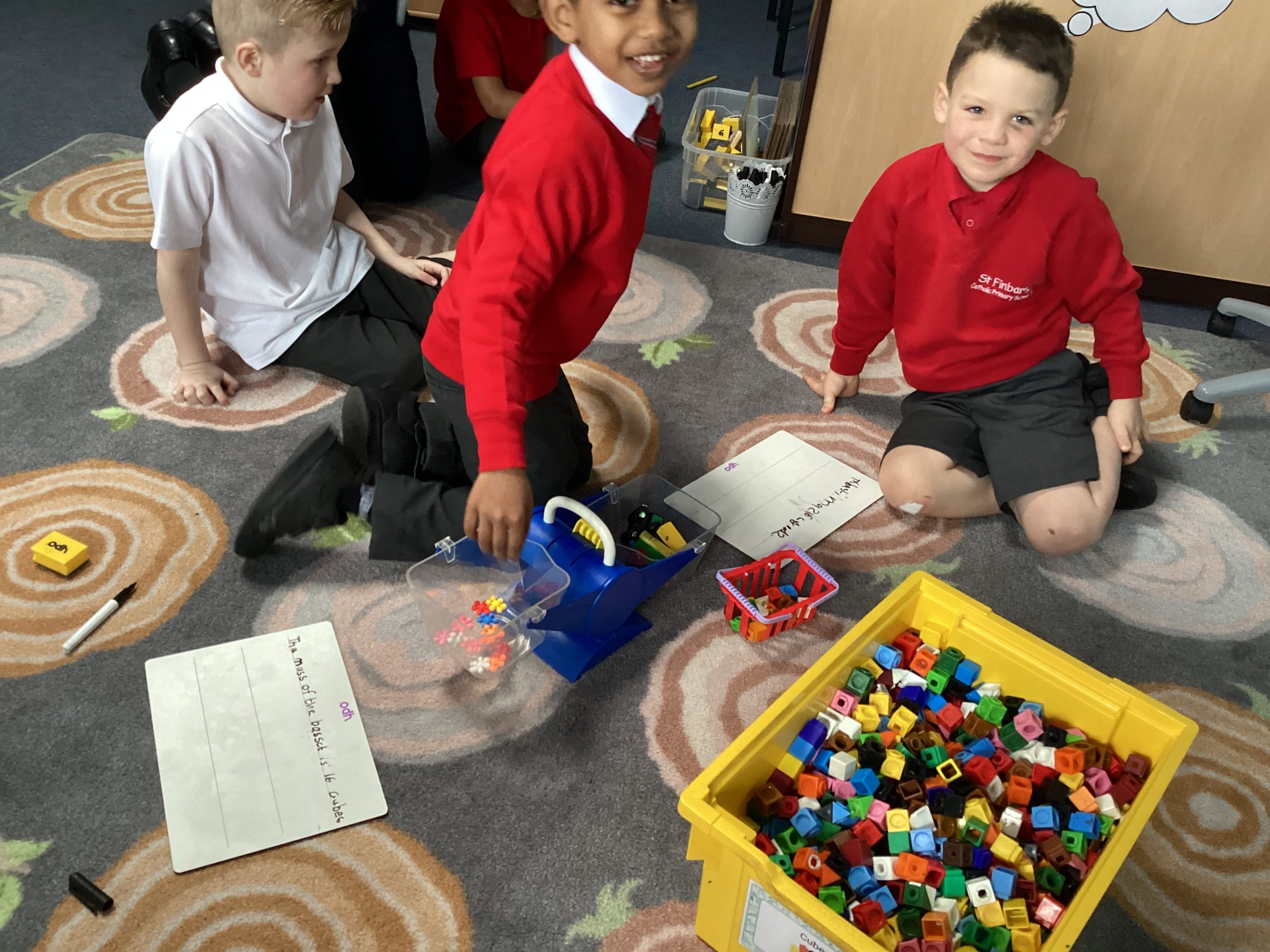
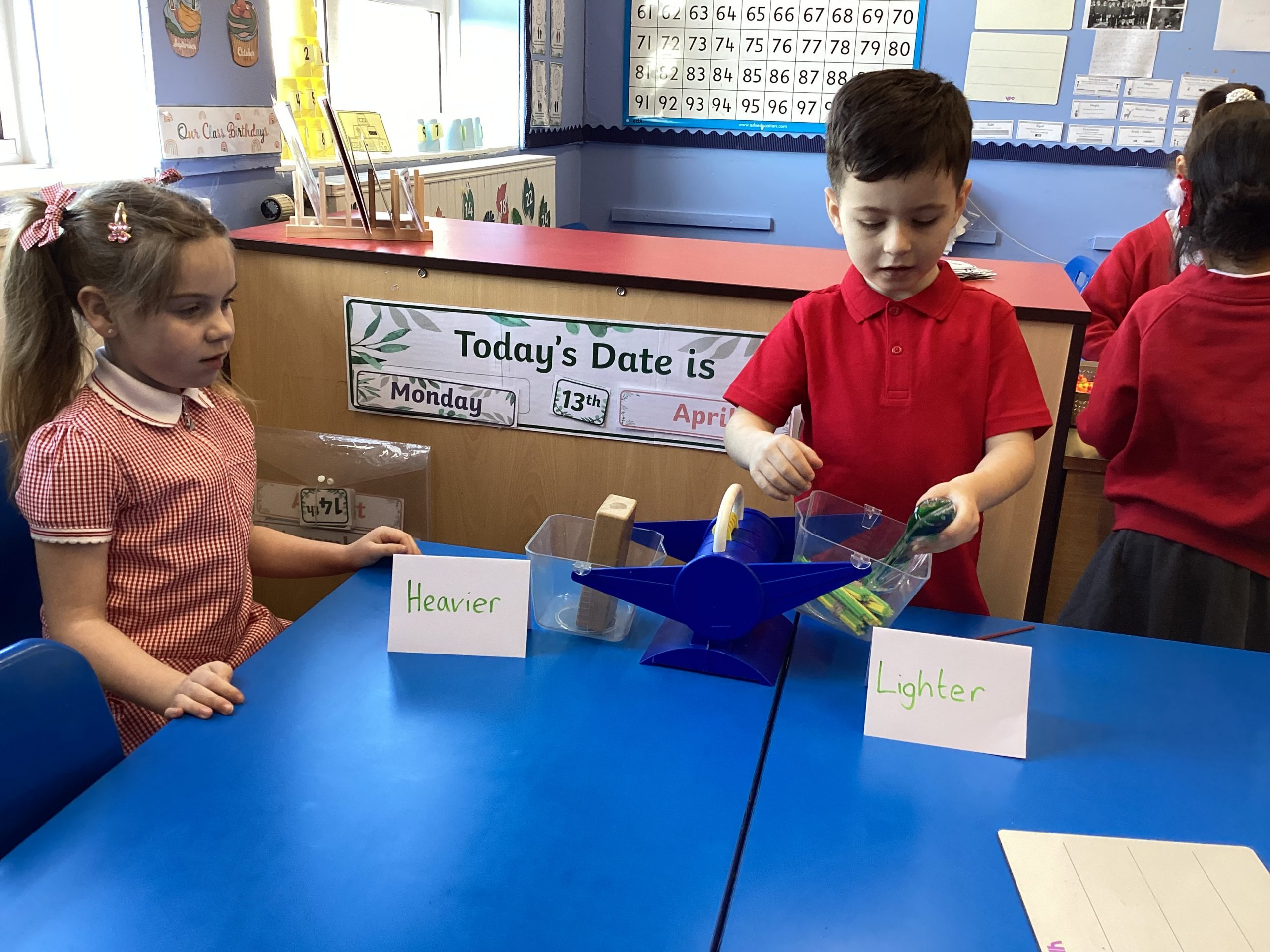
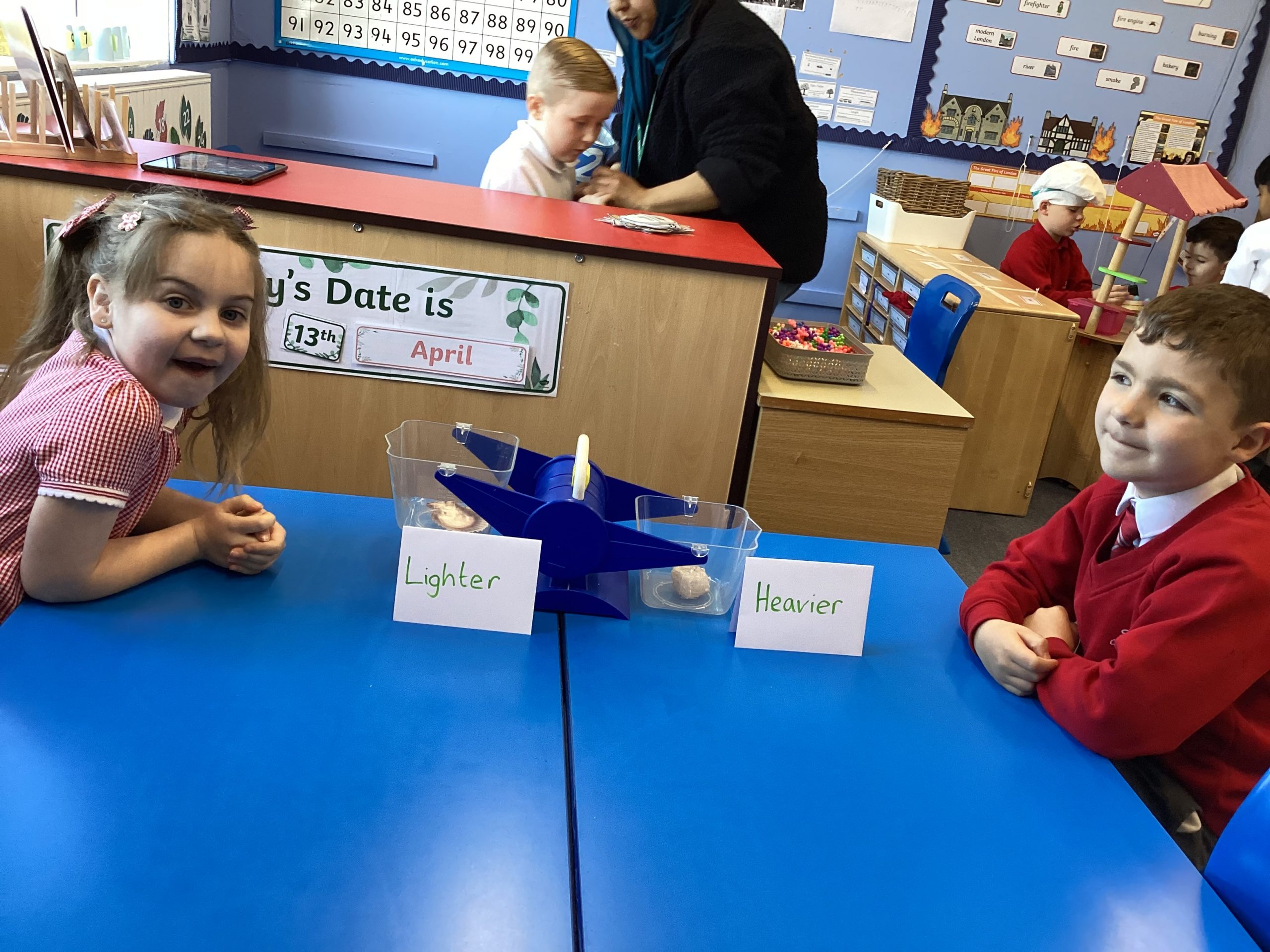
Daffodil class have really enjoyed investigating which items are heavier or lighter and then we calculated the mass of different objects.
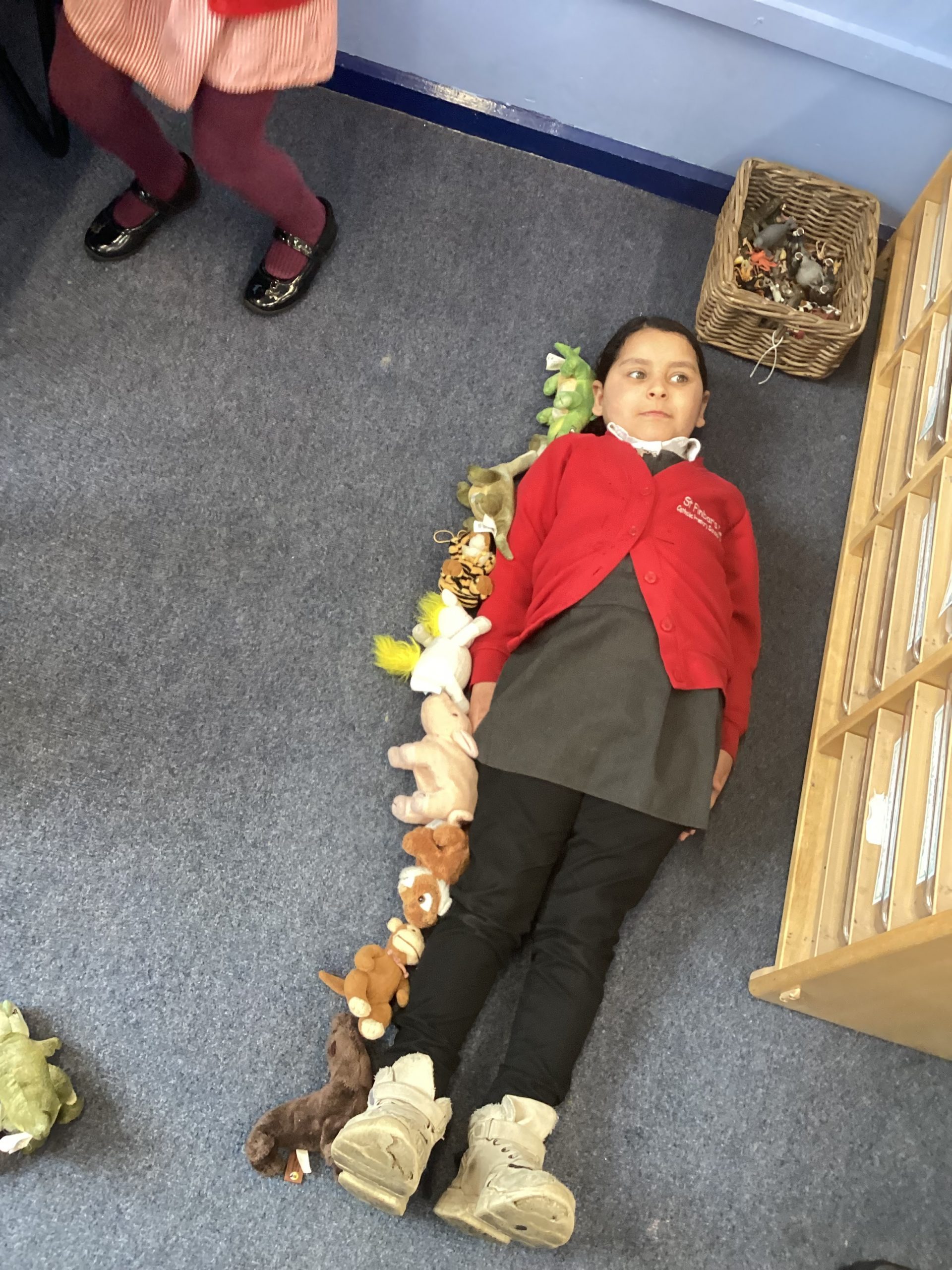
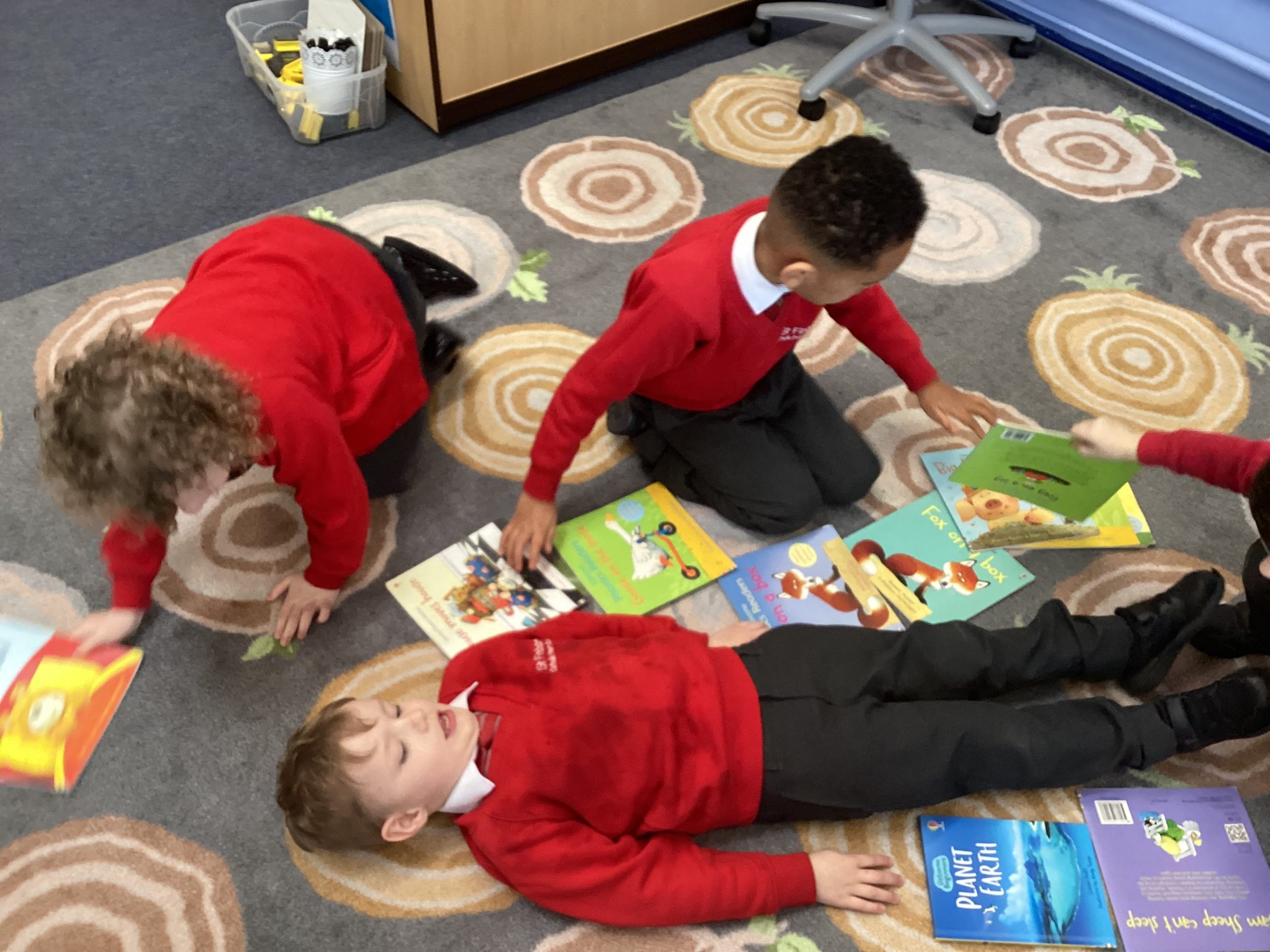
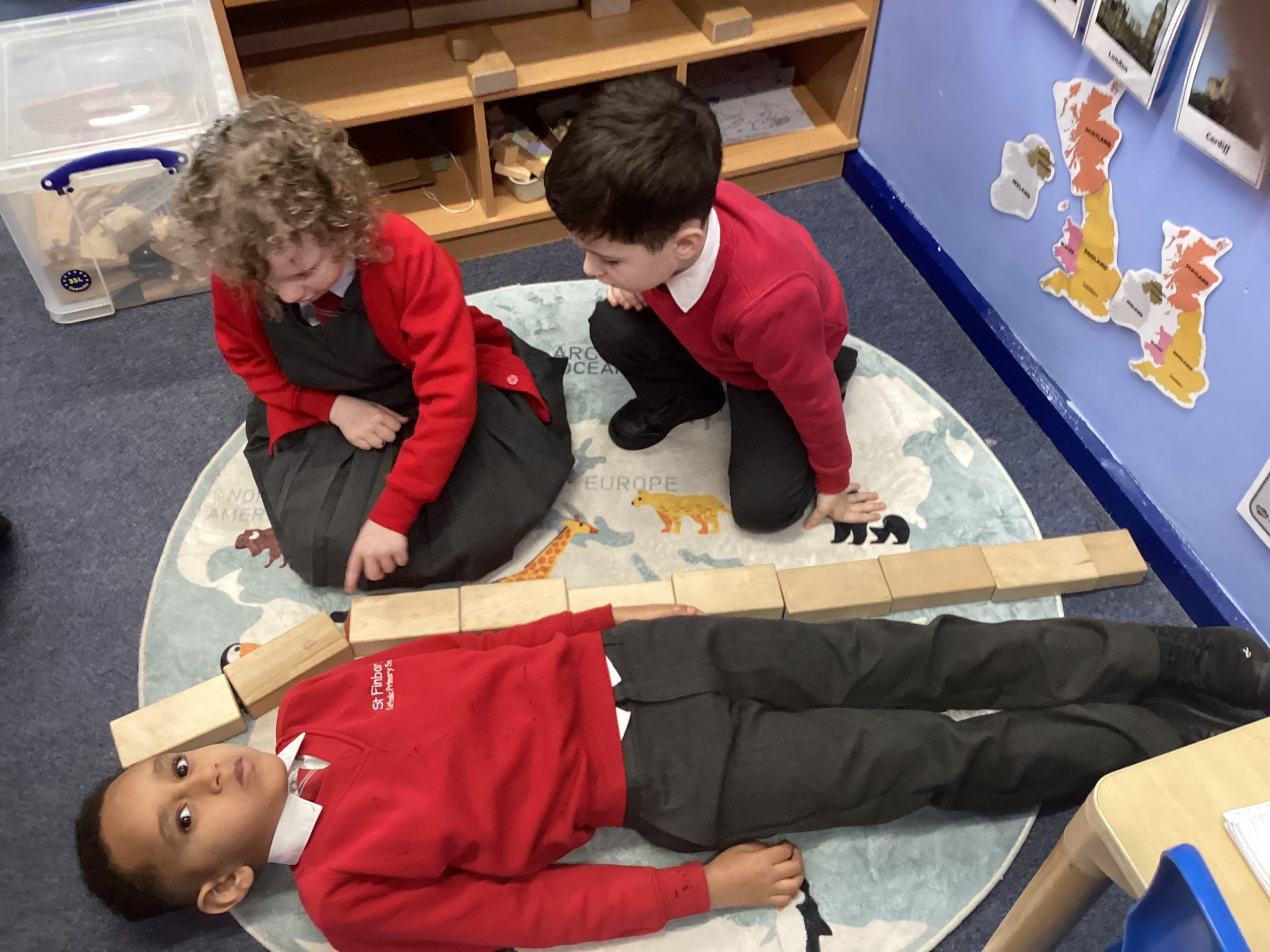
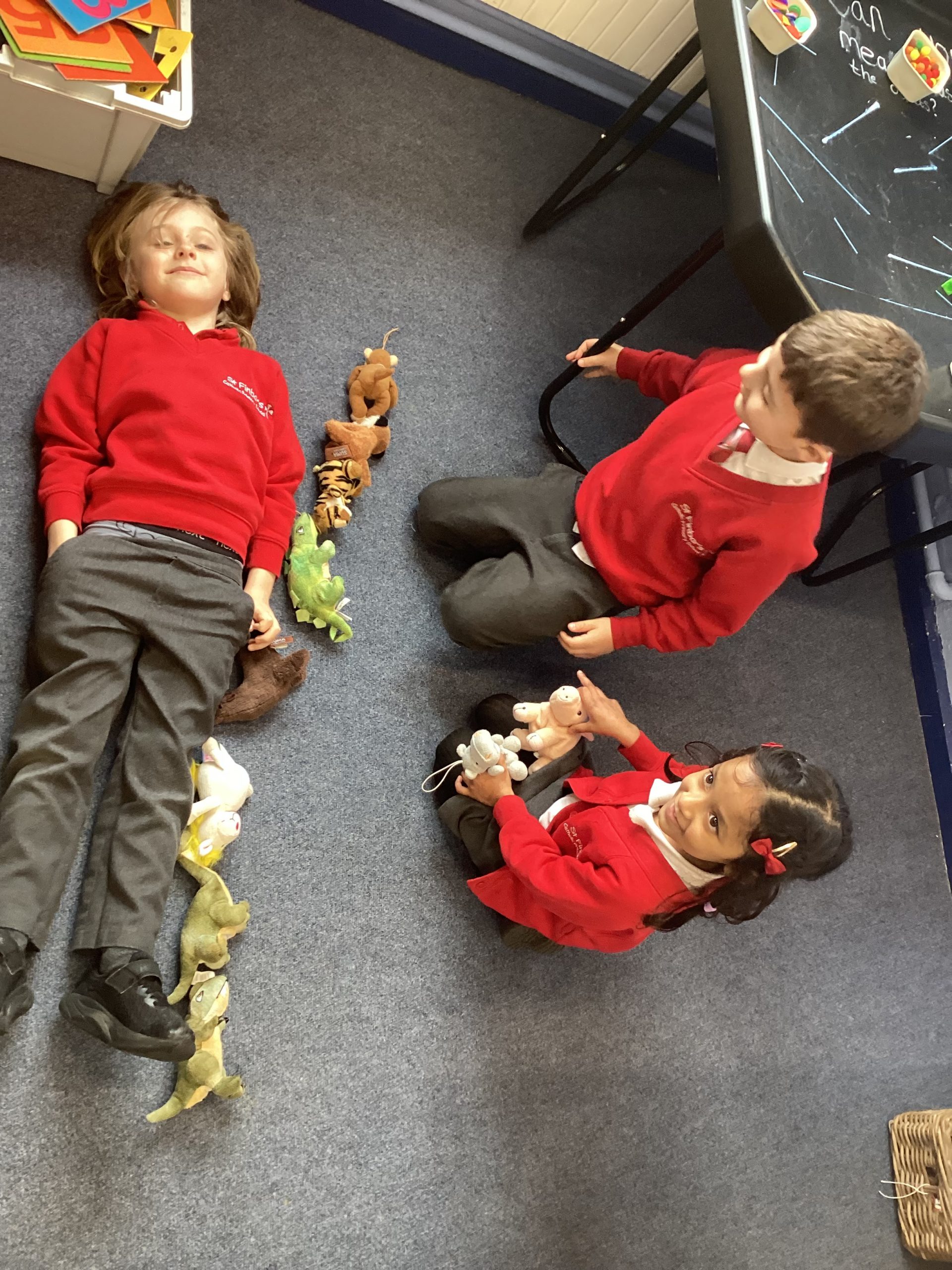
Daffodil class have been comparing lengths and began investigating their length my using objects to measure them.
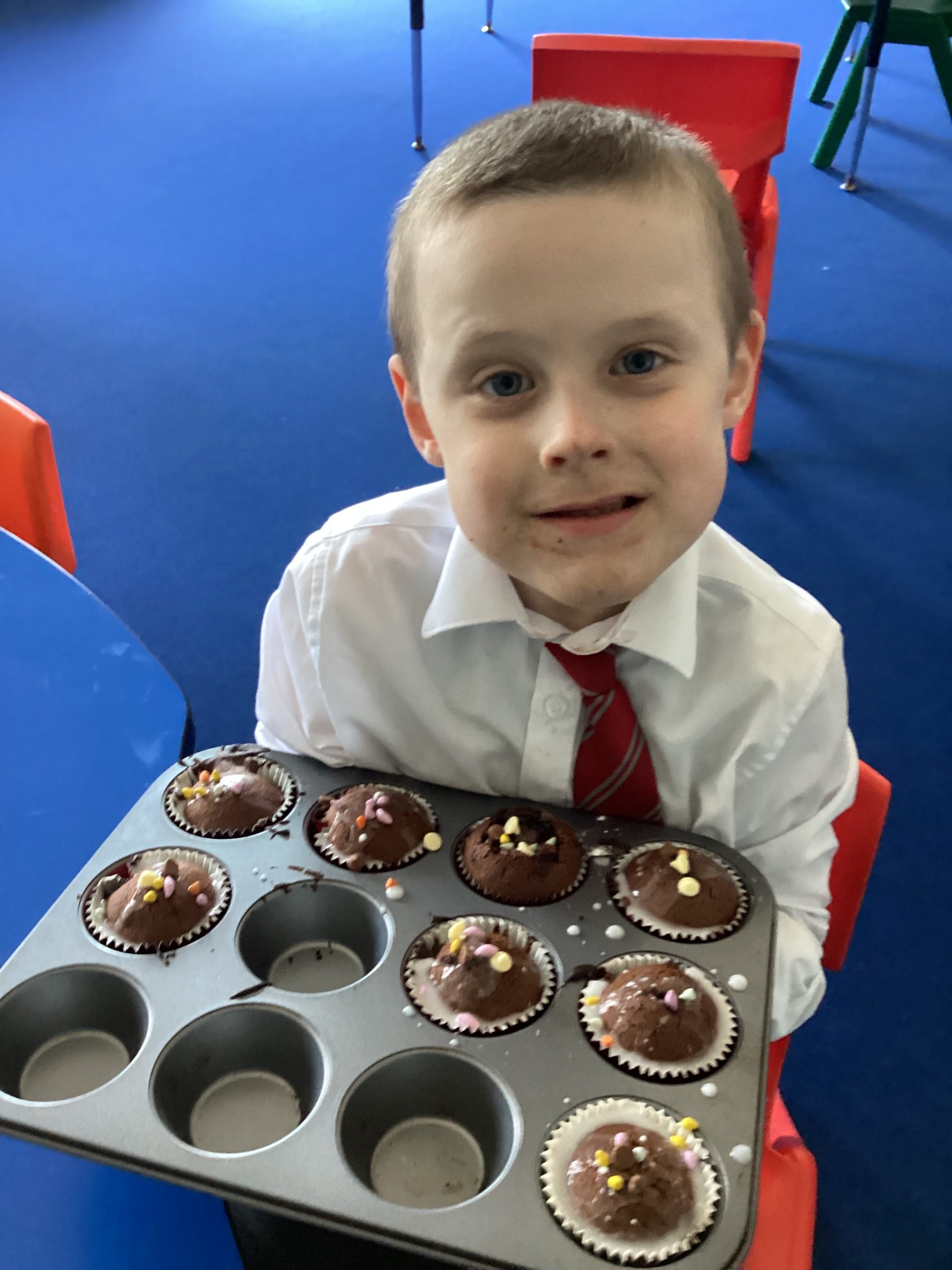
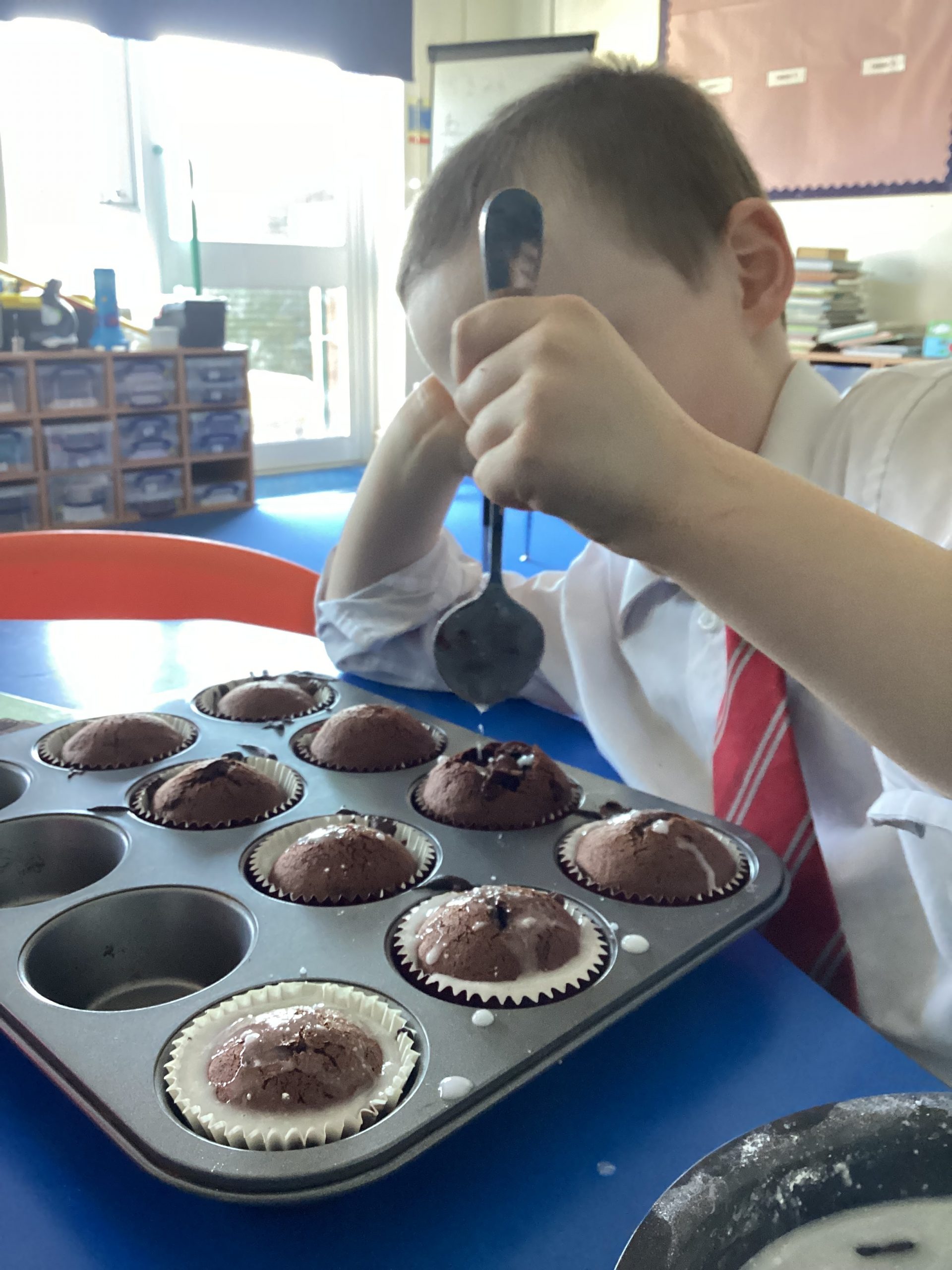
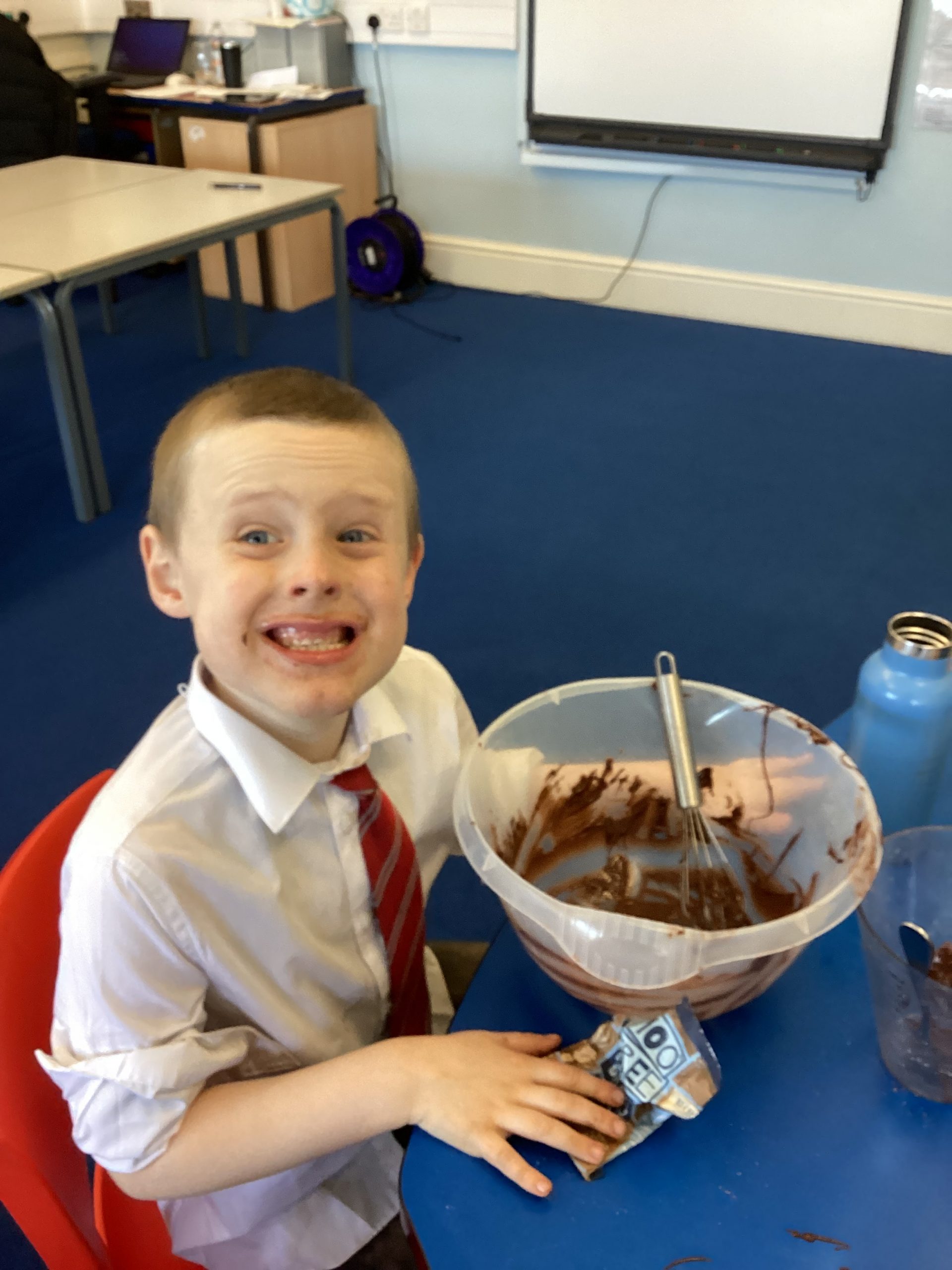
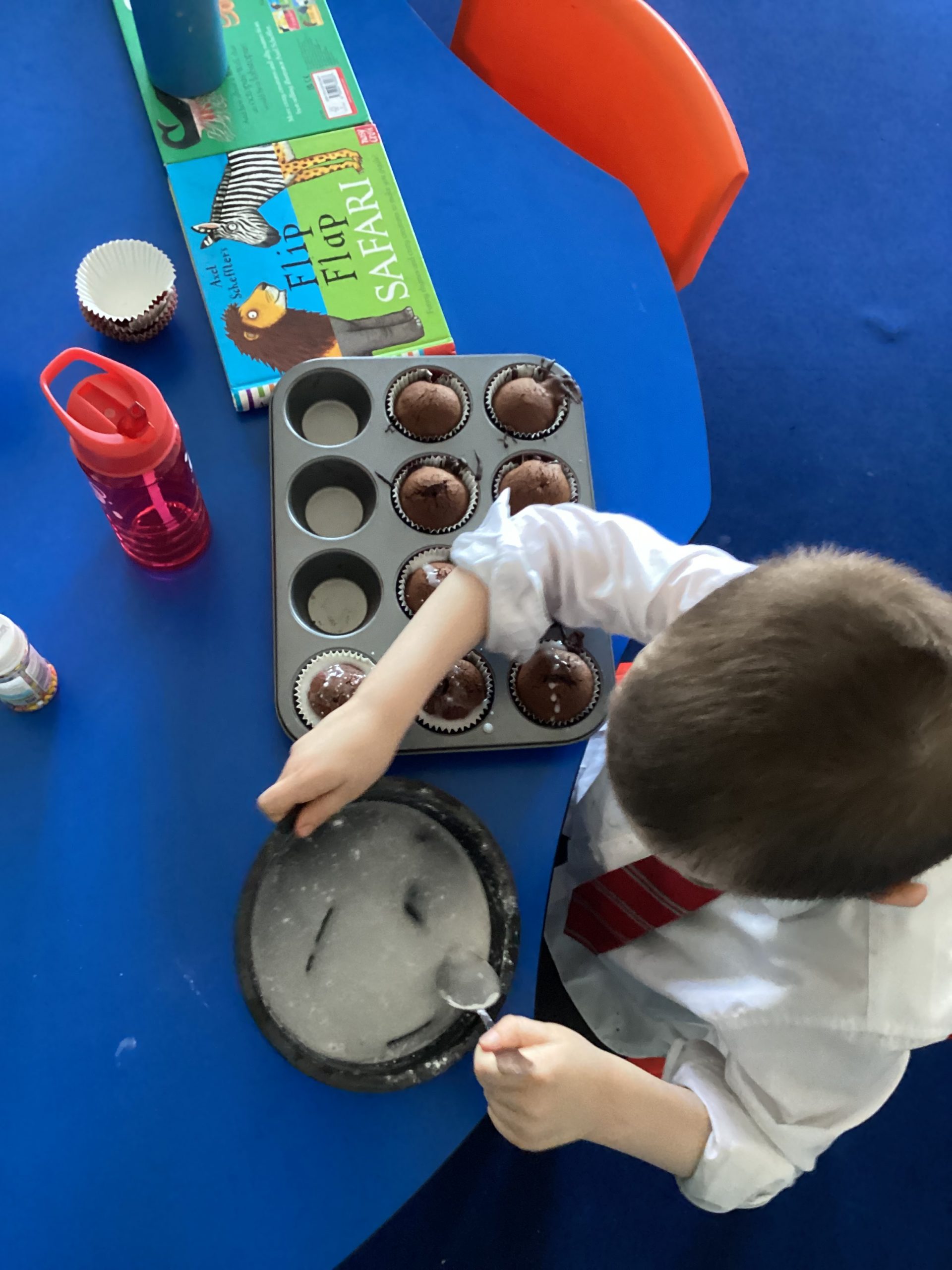
One little learner had so much fun making some chocolate cakes today. He added the ingredients, stirred it all, decorated them and sampled a few too! Well done, they smelled amazing!
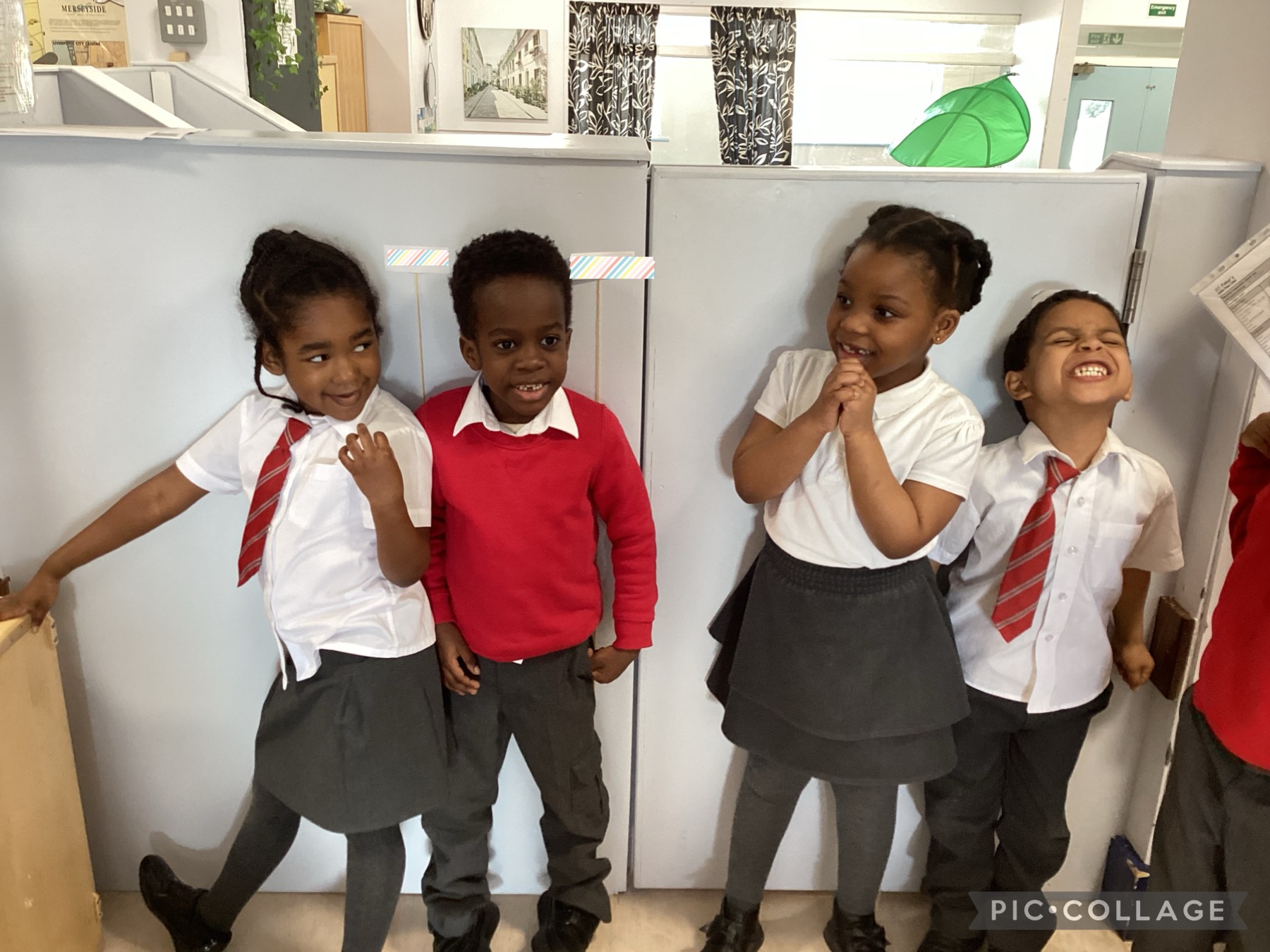
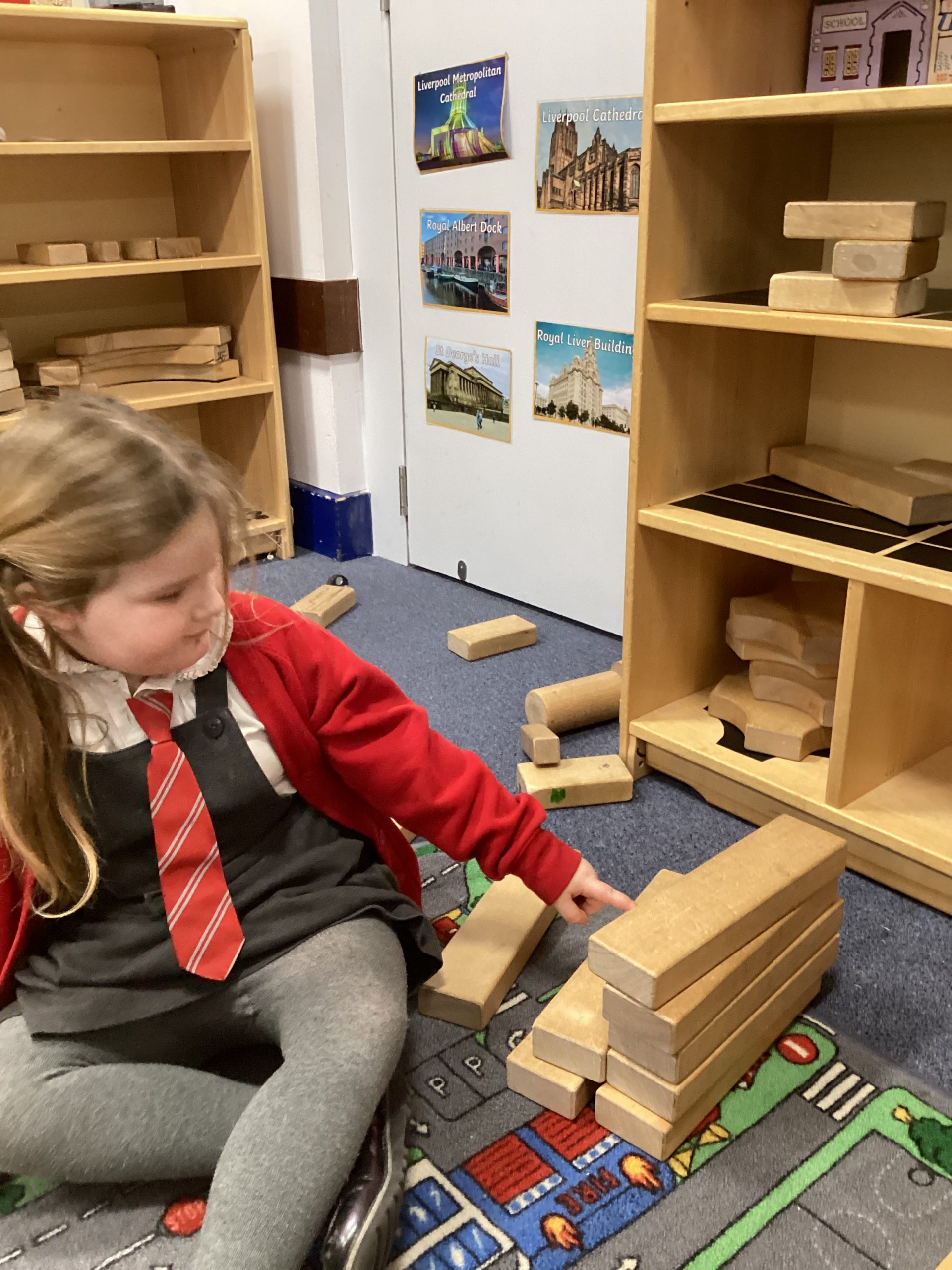
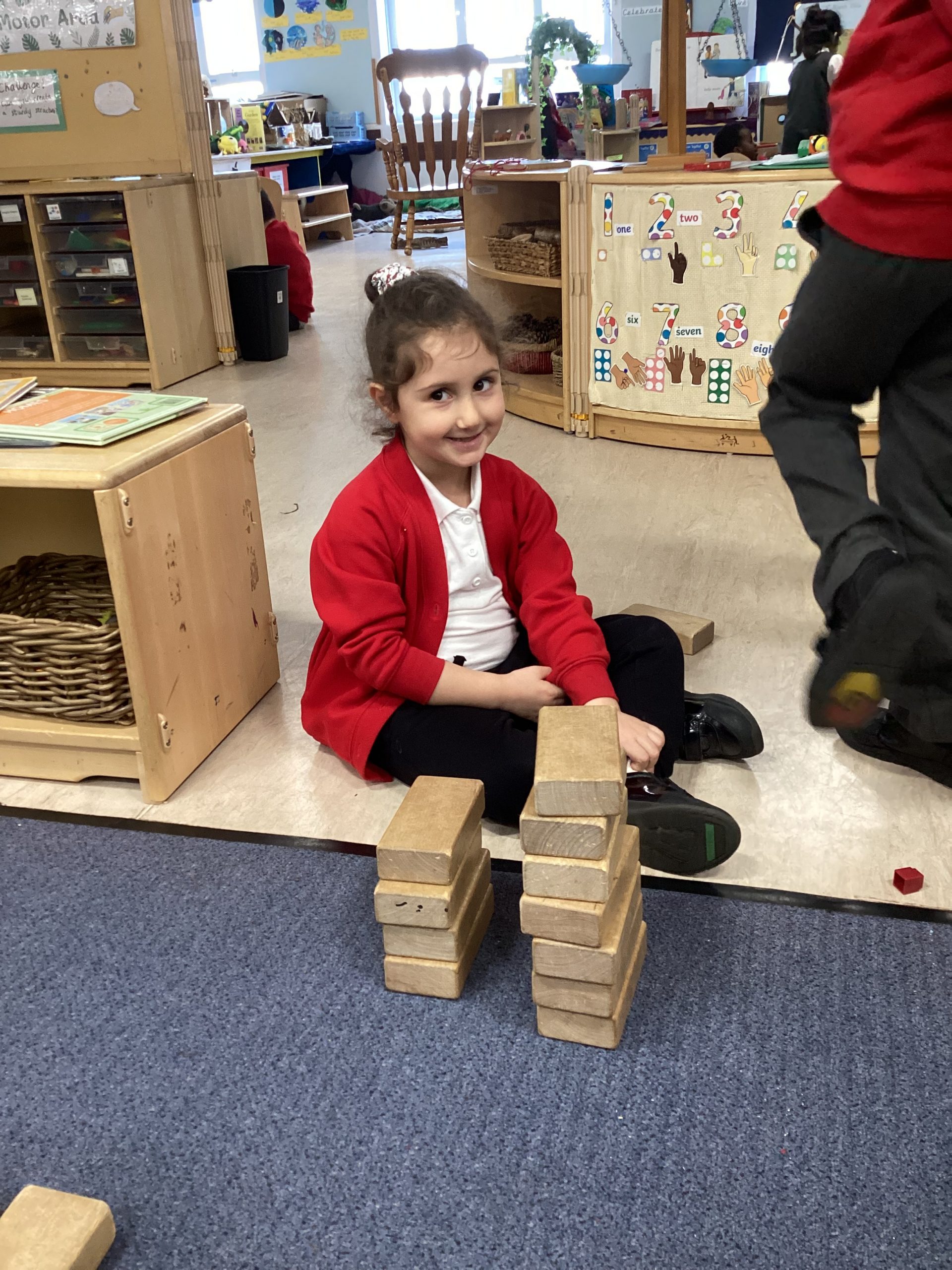
We have been comparing height this week. The children have measured themselves to compare and order by their height, using words shorter and taller. We then went into play and made different height towers and compared what was the tallest.
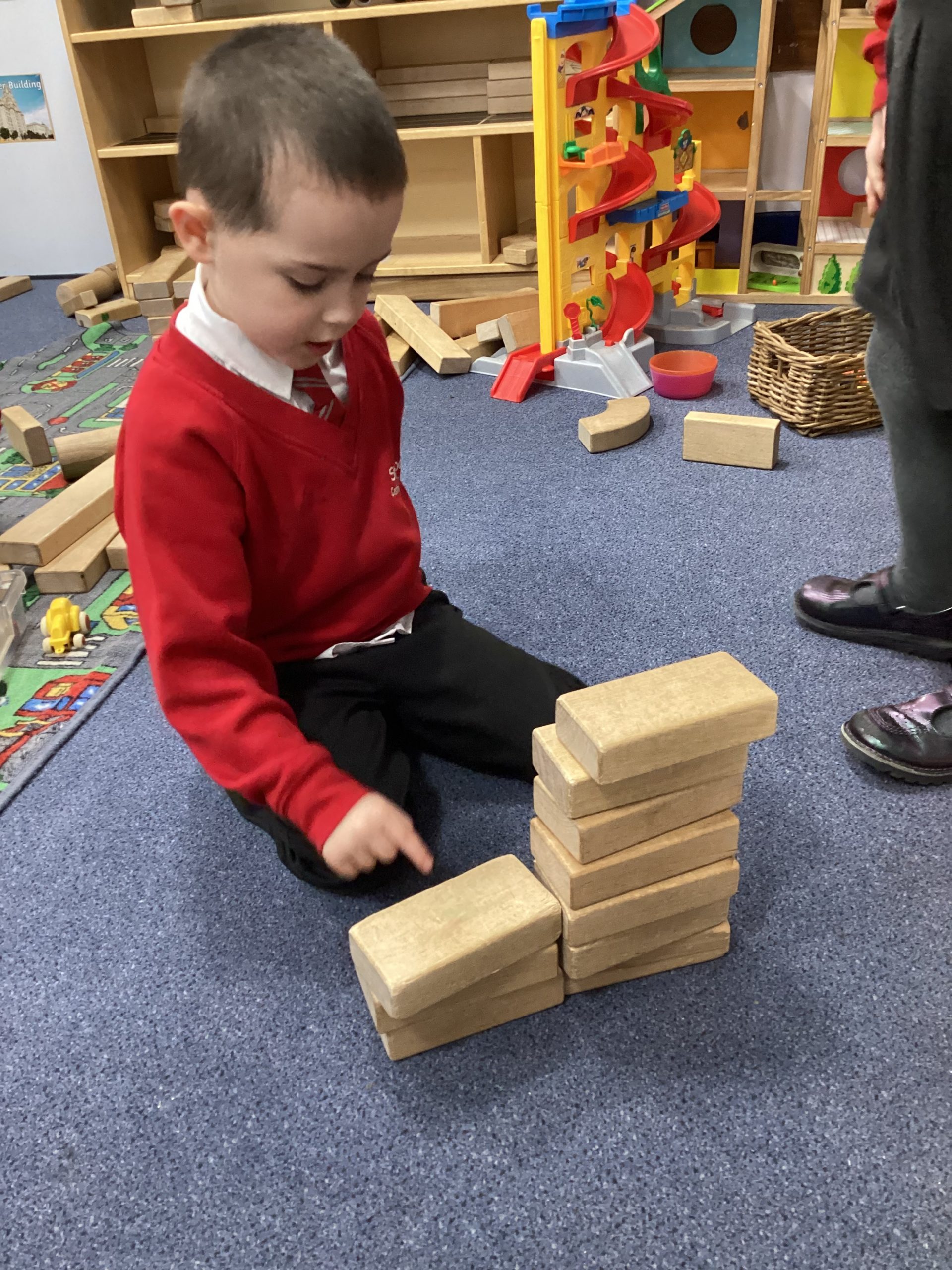
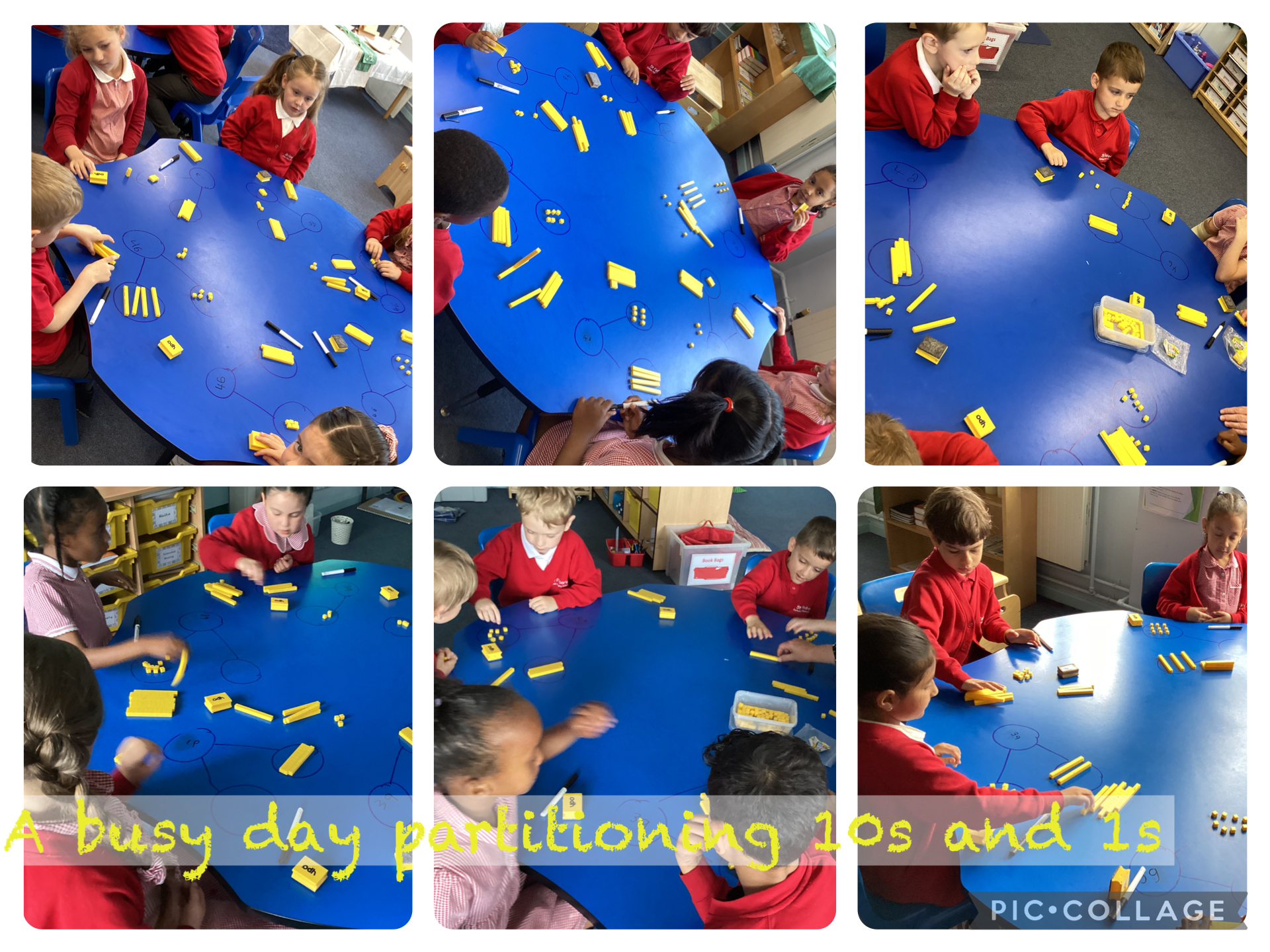
Daffodil class have been working extremely hard at partitioning a two digit number into tens and ones. We have investigated how each number could be represented using different manipulatives and used misconceptions to help us learn.
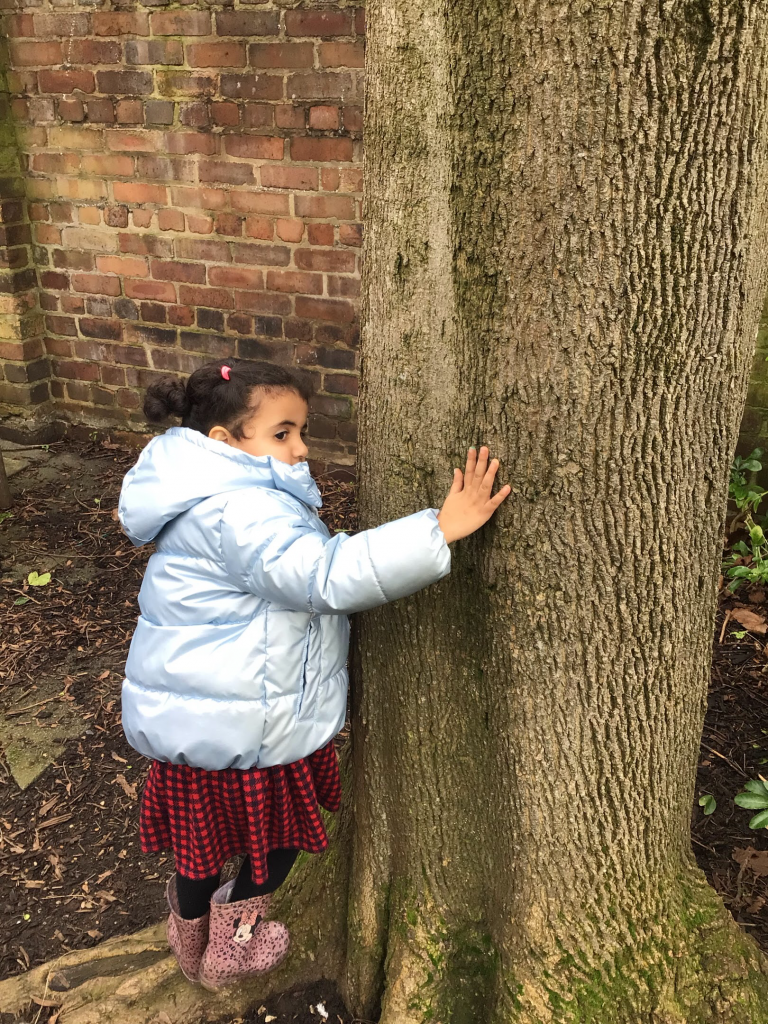
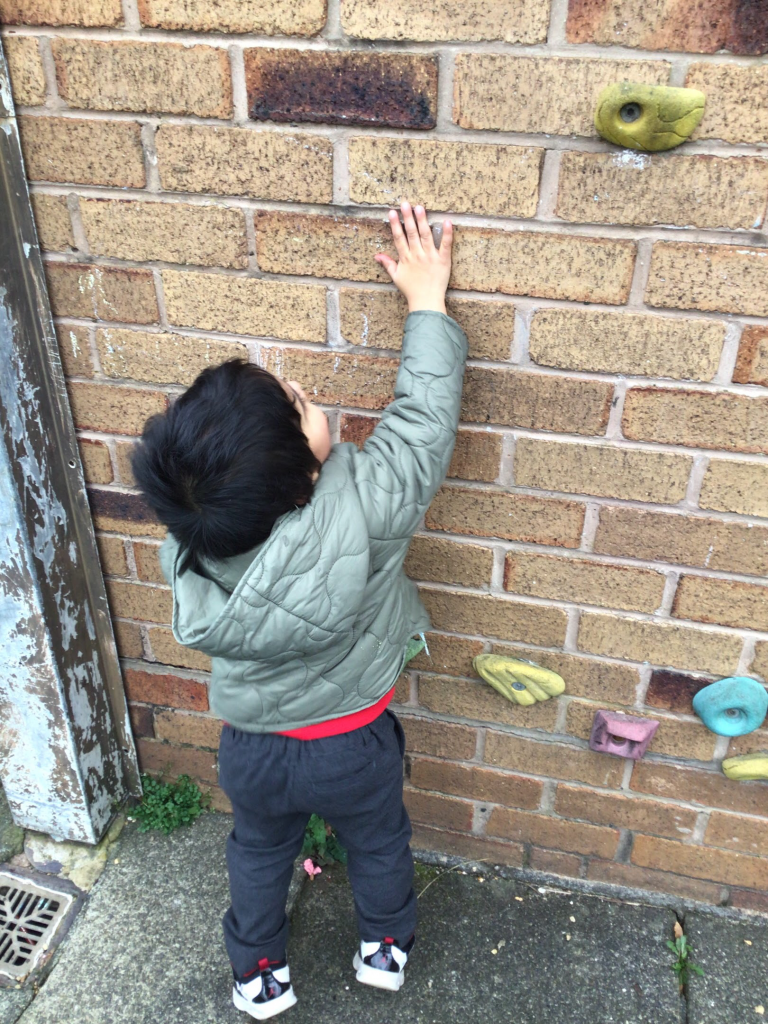
Our Nursery children enjoyed an exciting ‘pattern hunt’ as part of their early maths learning. Venturing into our outdoor environment, the children explored the natural world to spot repeating patterns in leaves, flowers, tree bark, fencing and brickwork.
Learning outdoors brings maths to life, helping children to see that patterns are all around us. It was wonderful to see their curiosity, teamwork and enthusiasm as they discovered that maths can be found everywhere in nature. 🌿✨
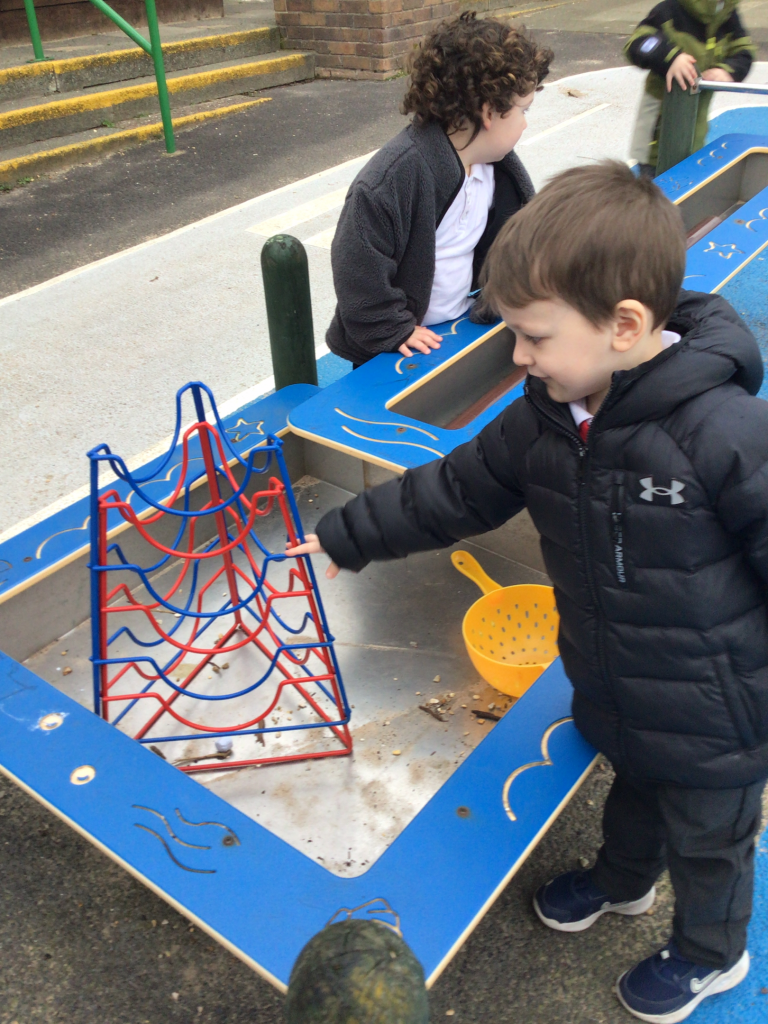
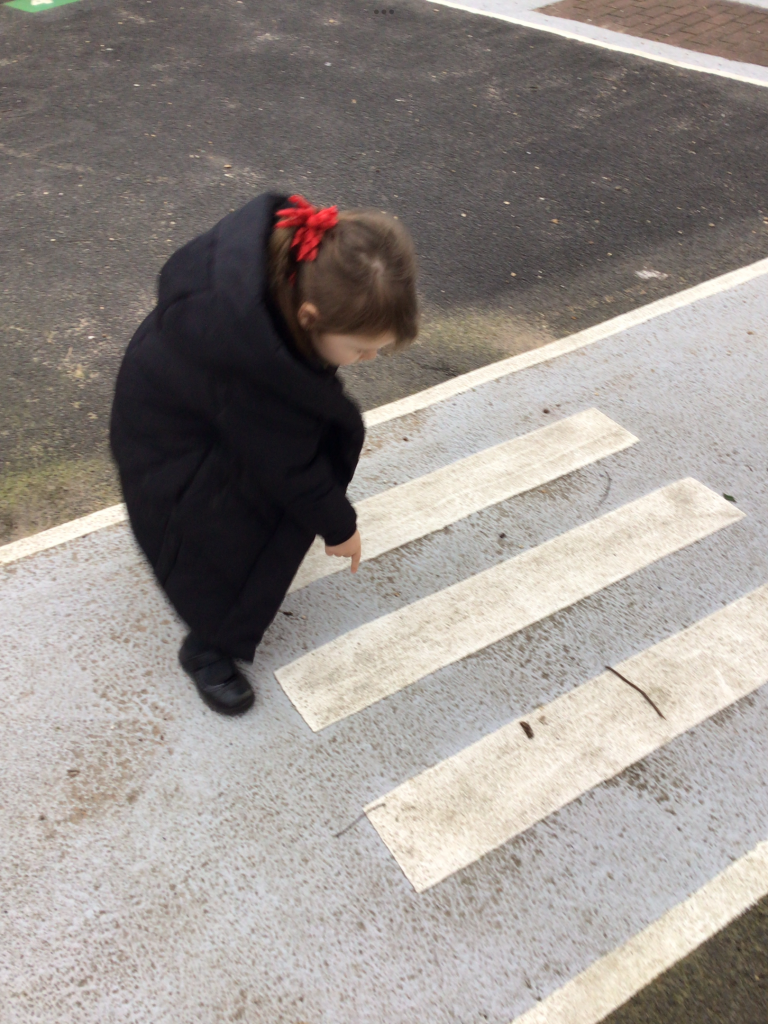
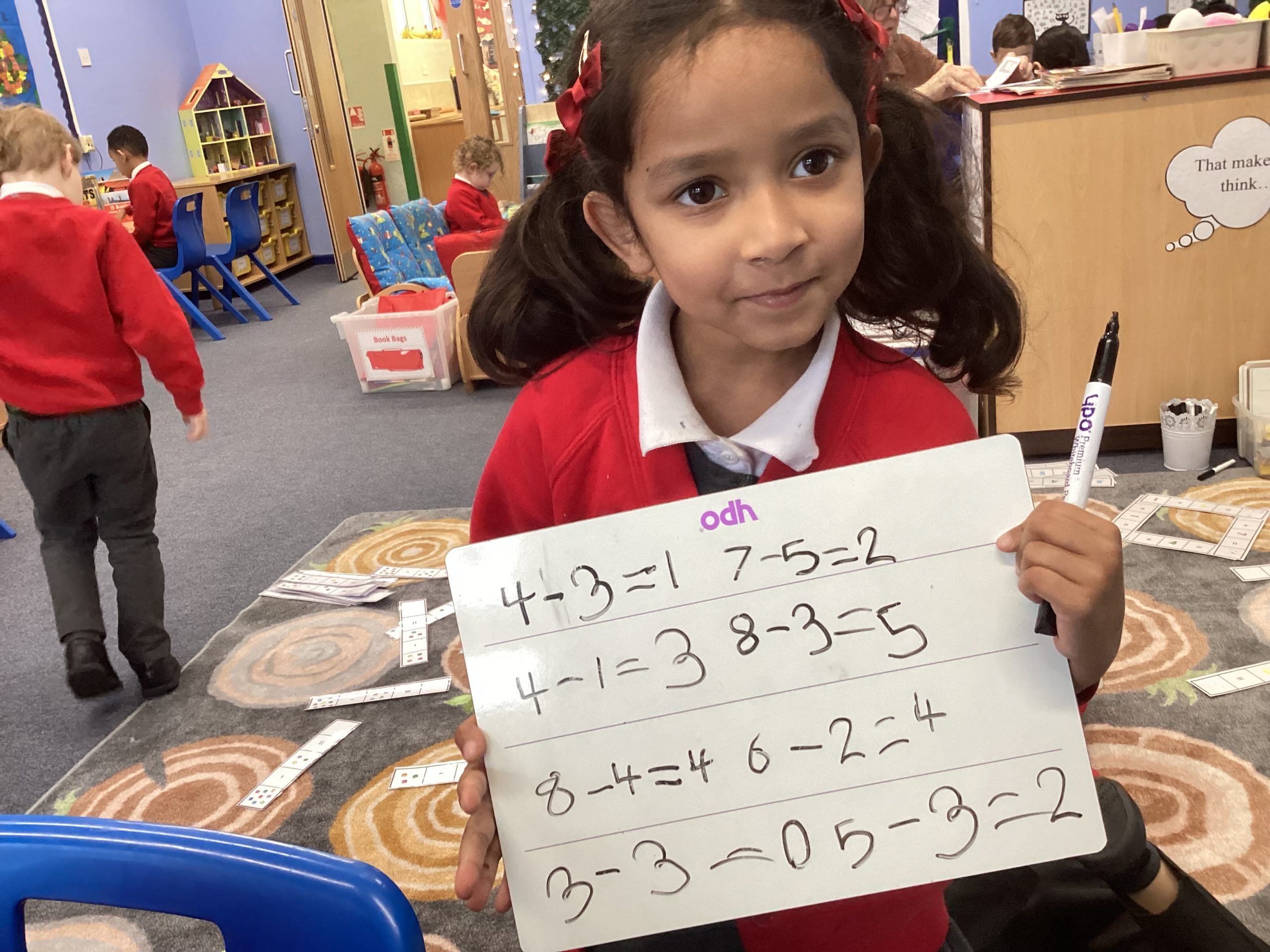
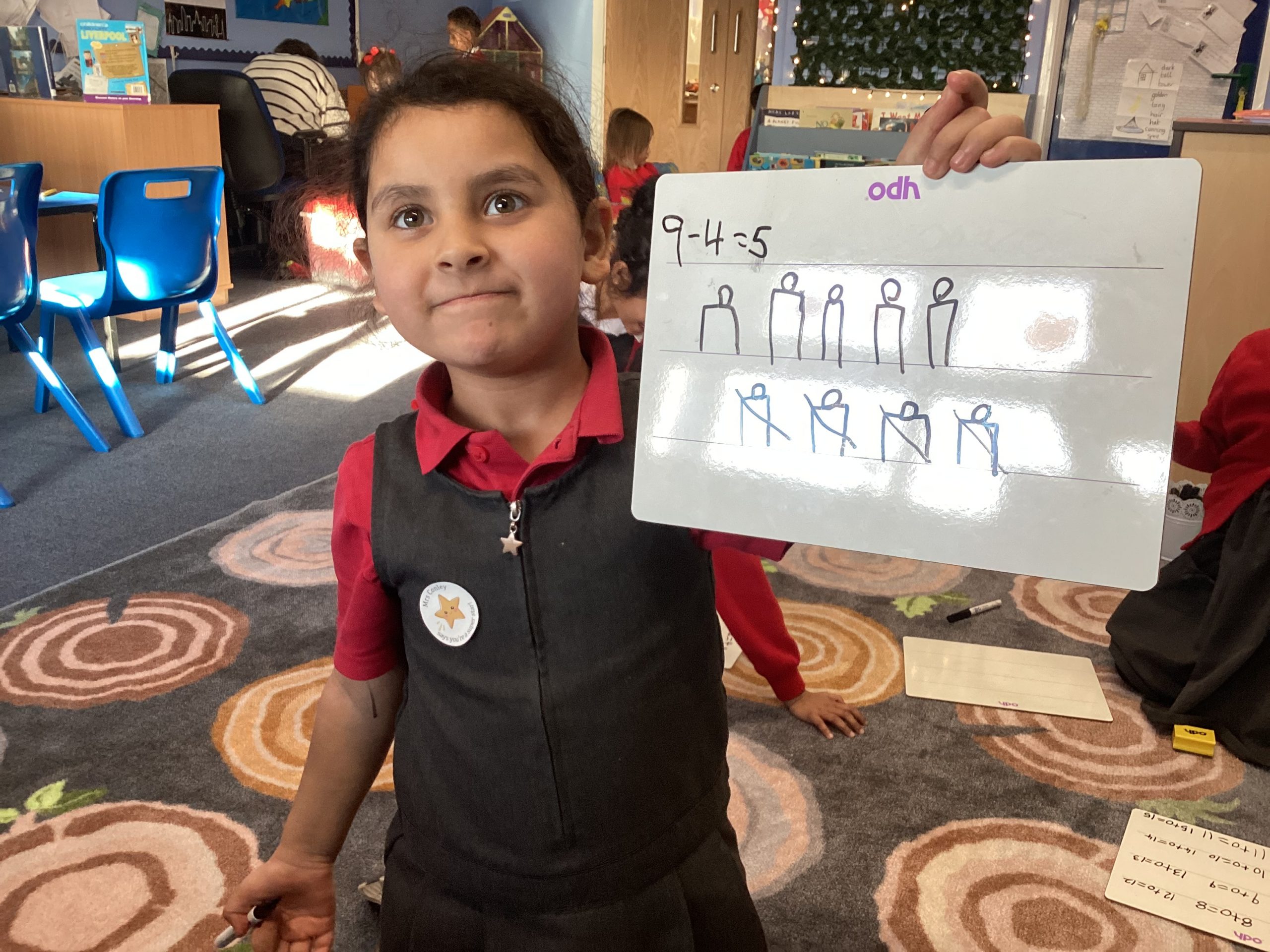
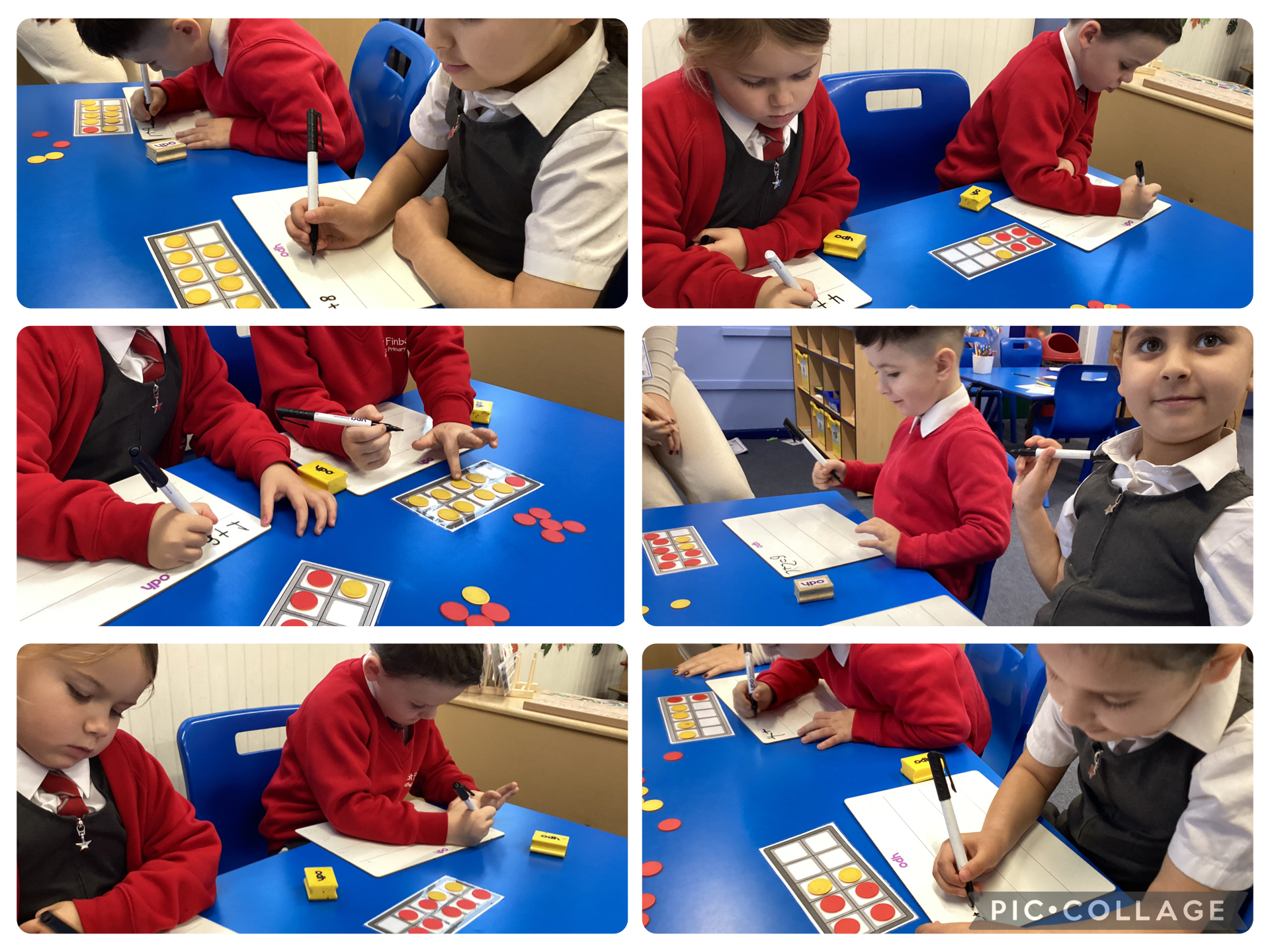
Today we have practised our subtraction skills, we used counters and our number bonds to help us.
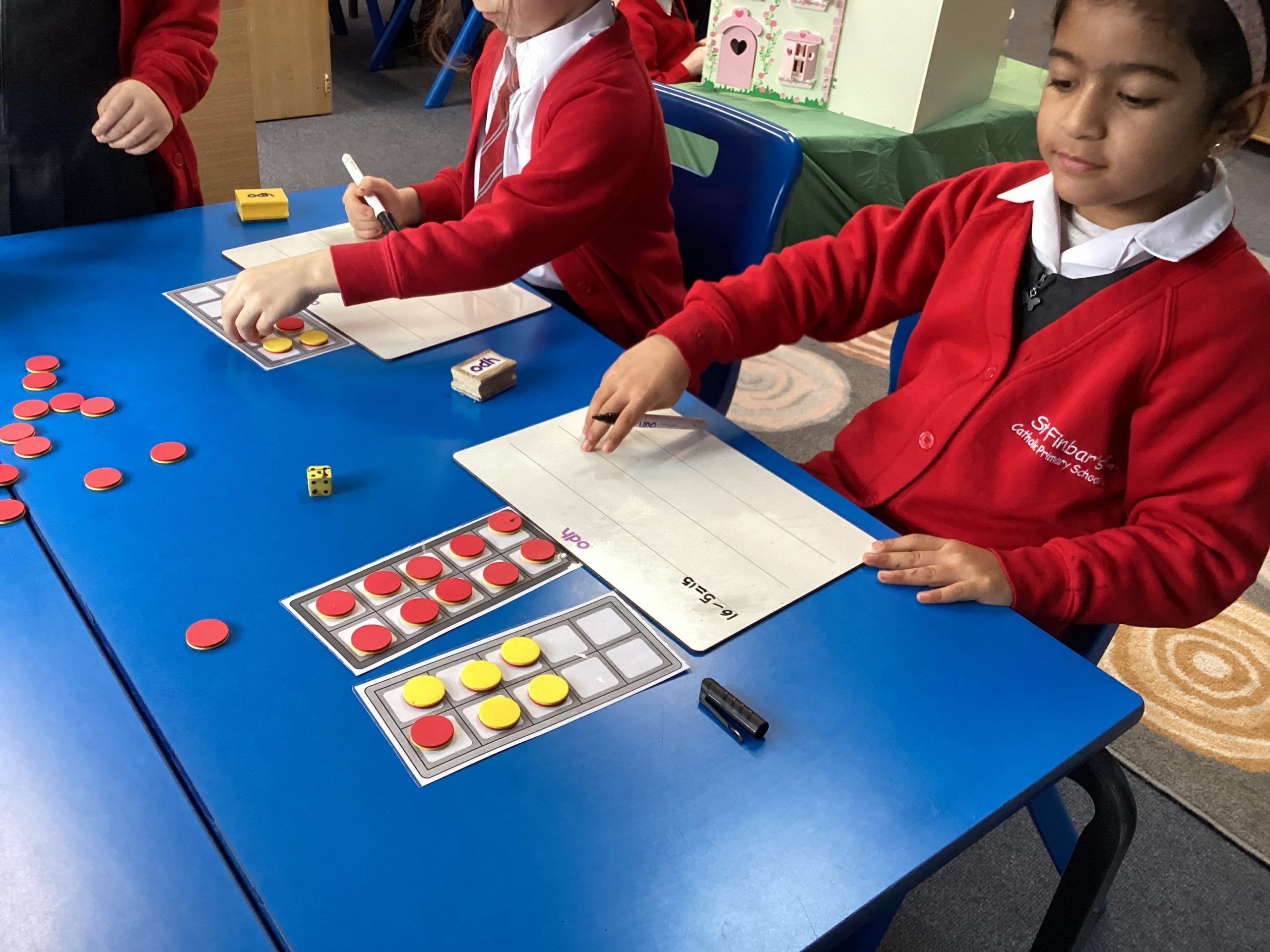
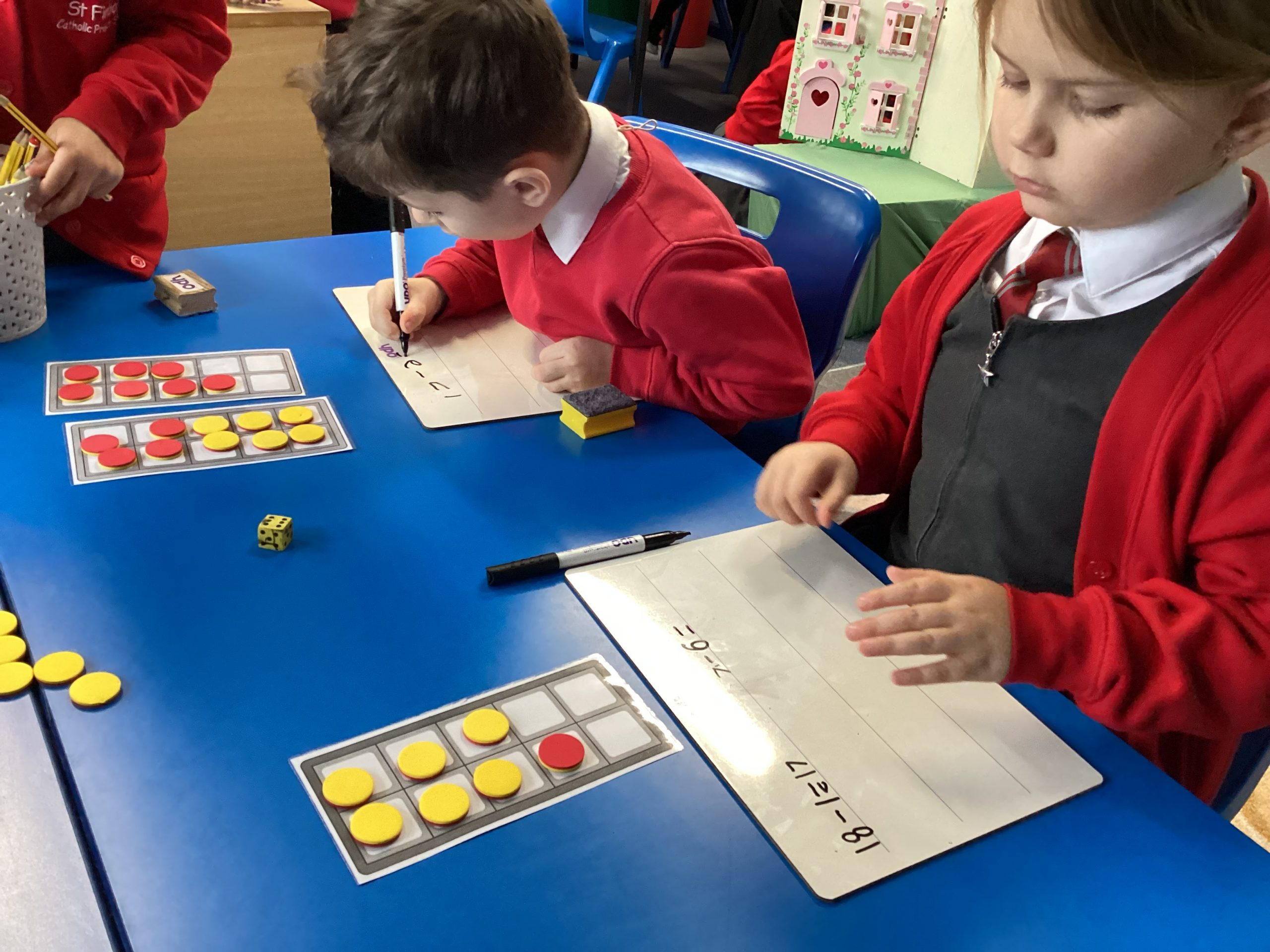
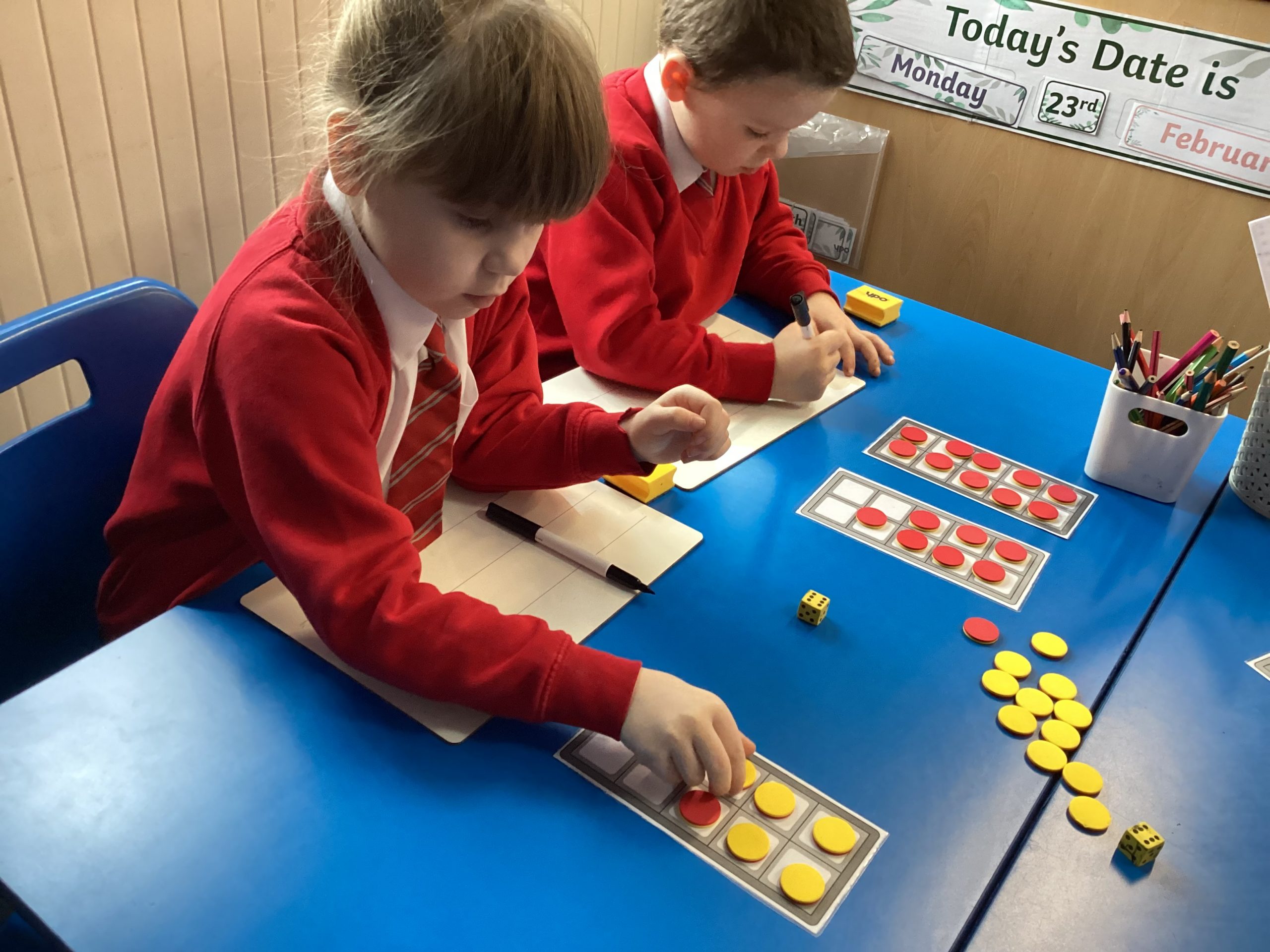
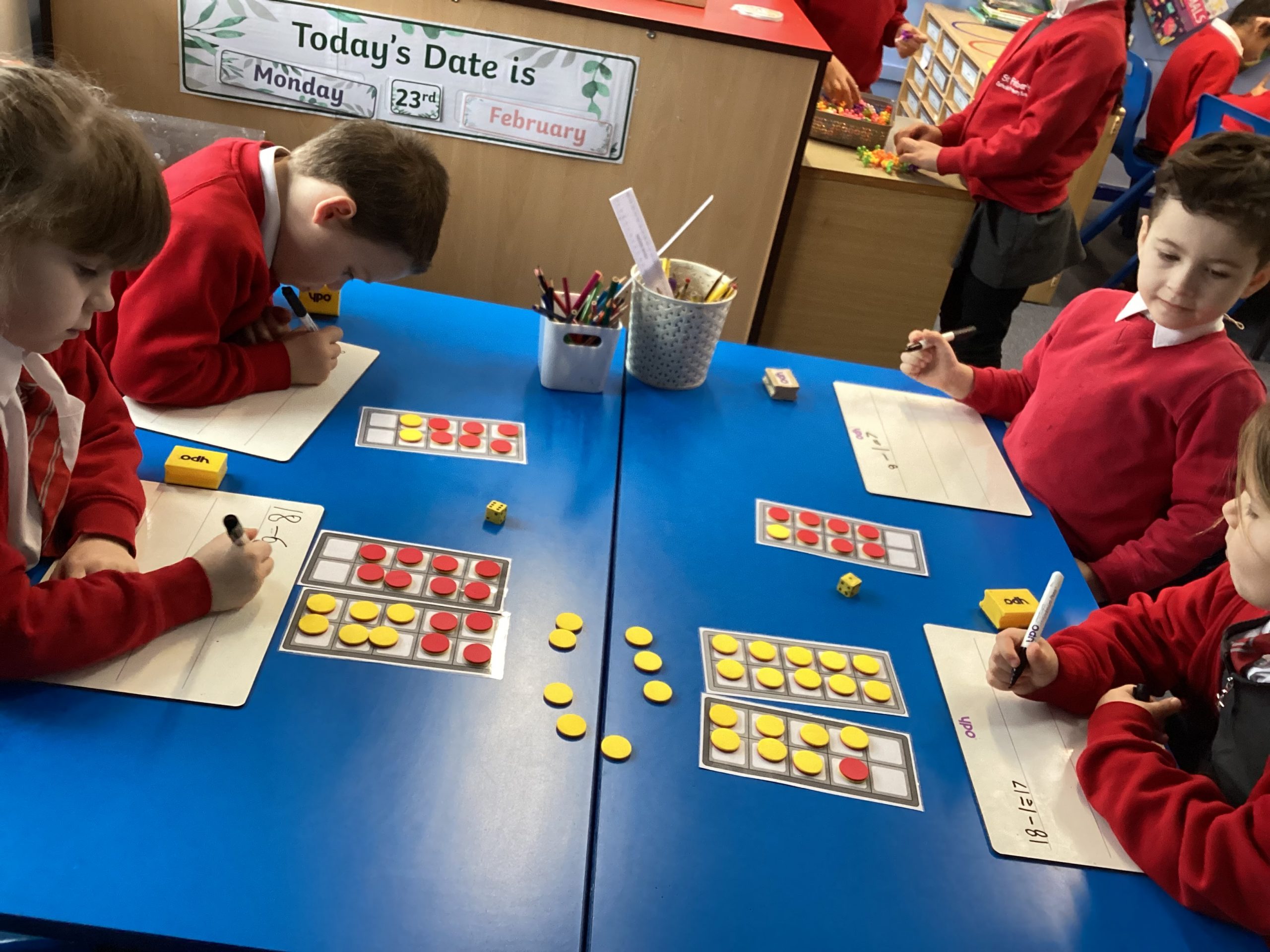
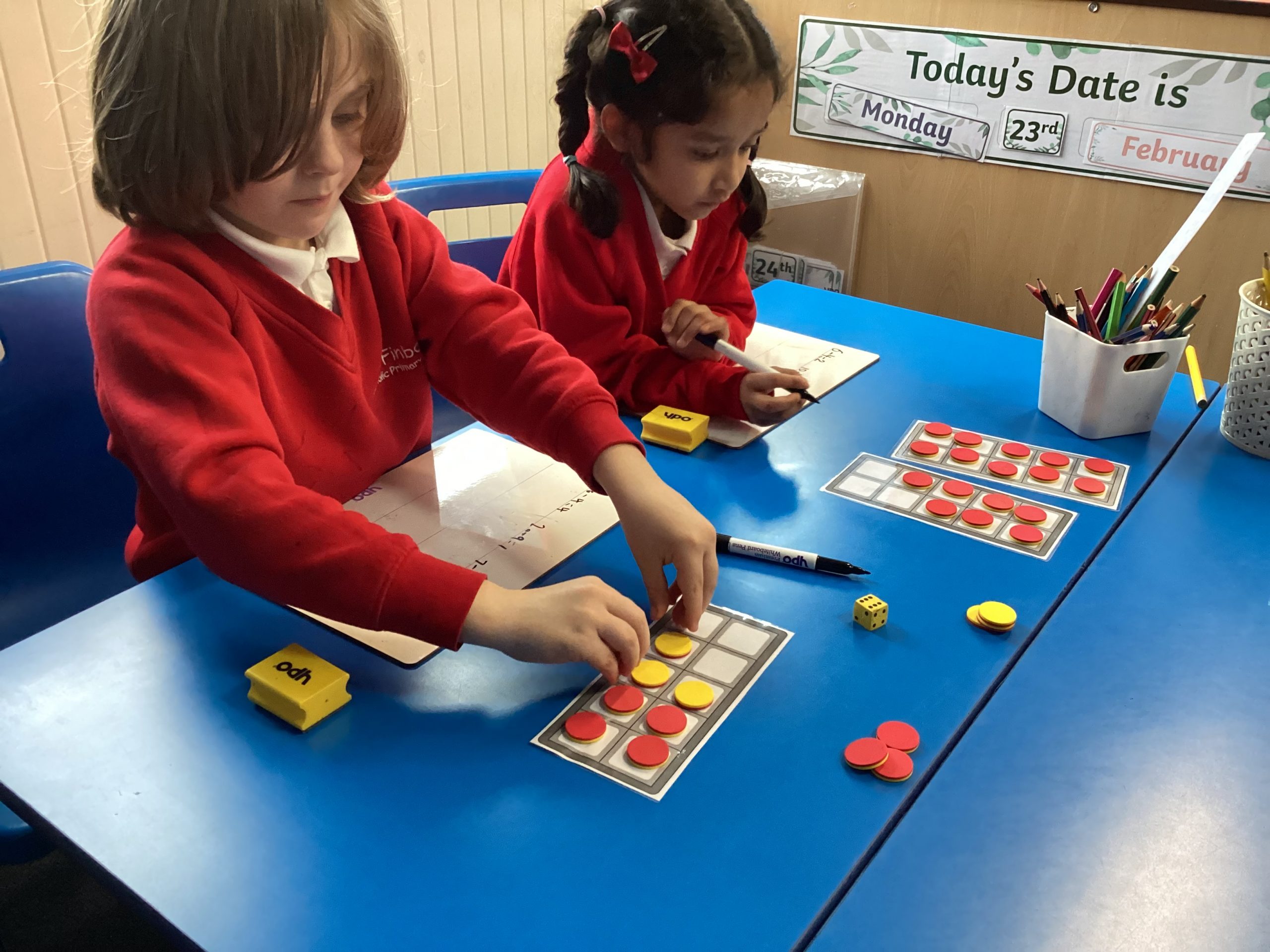
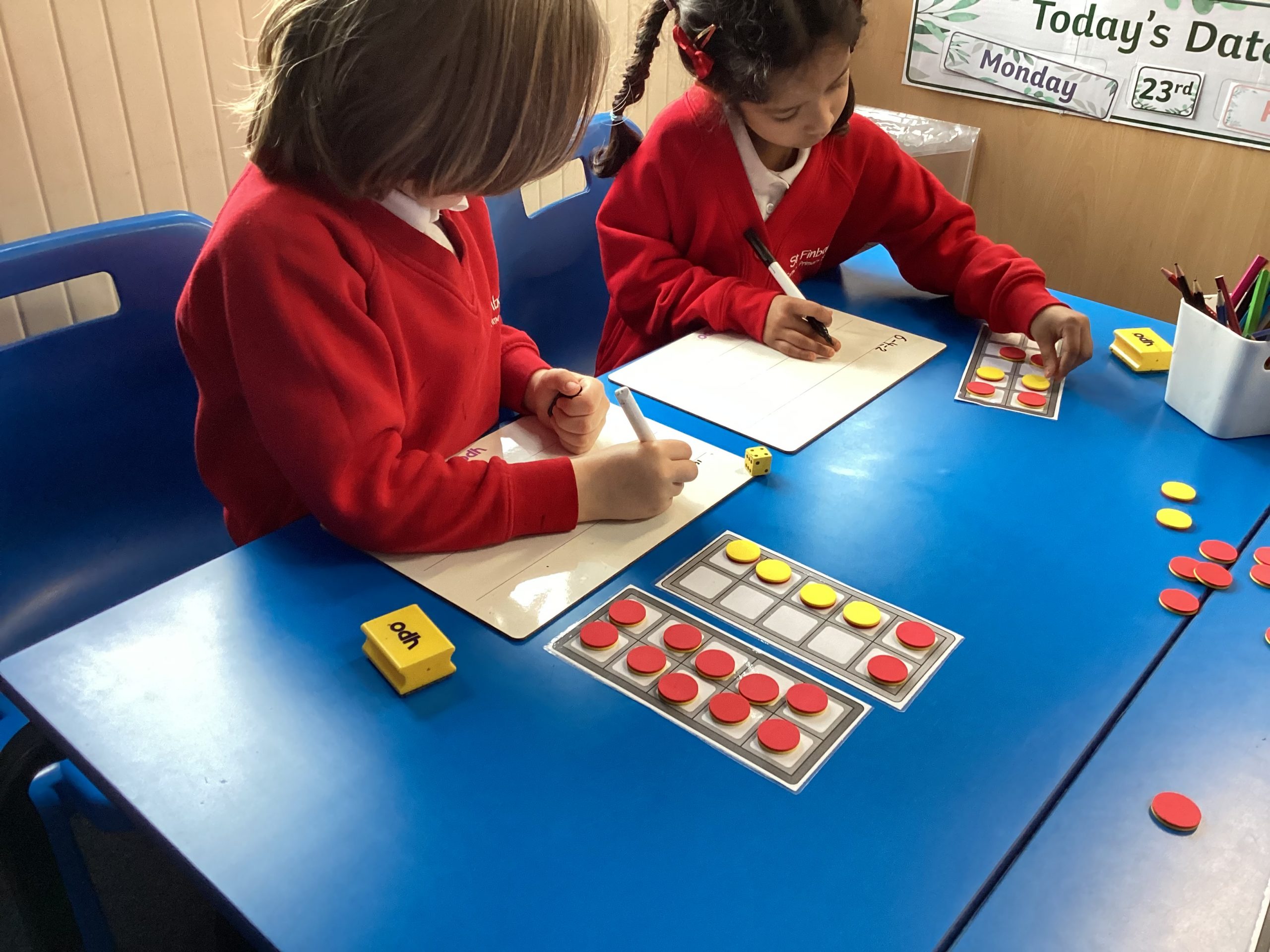
We have begun our work on division this week. We started by using the counters and part whole models to show division in action.
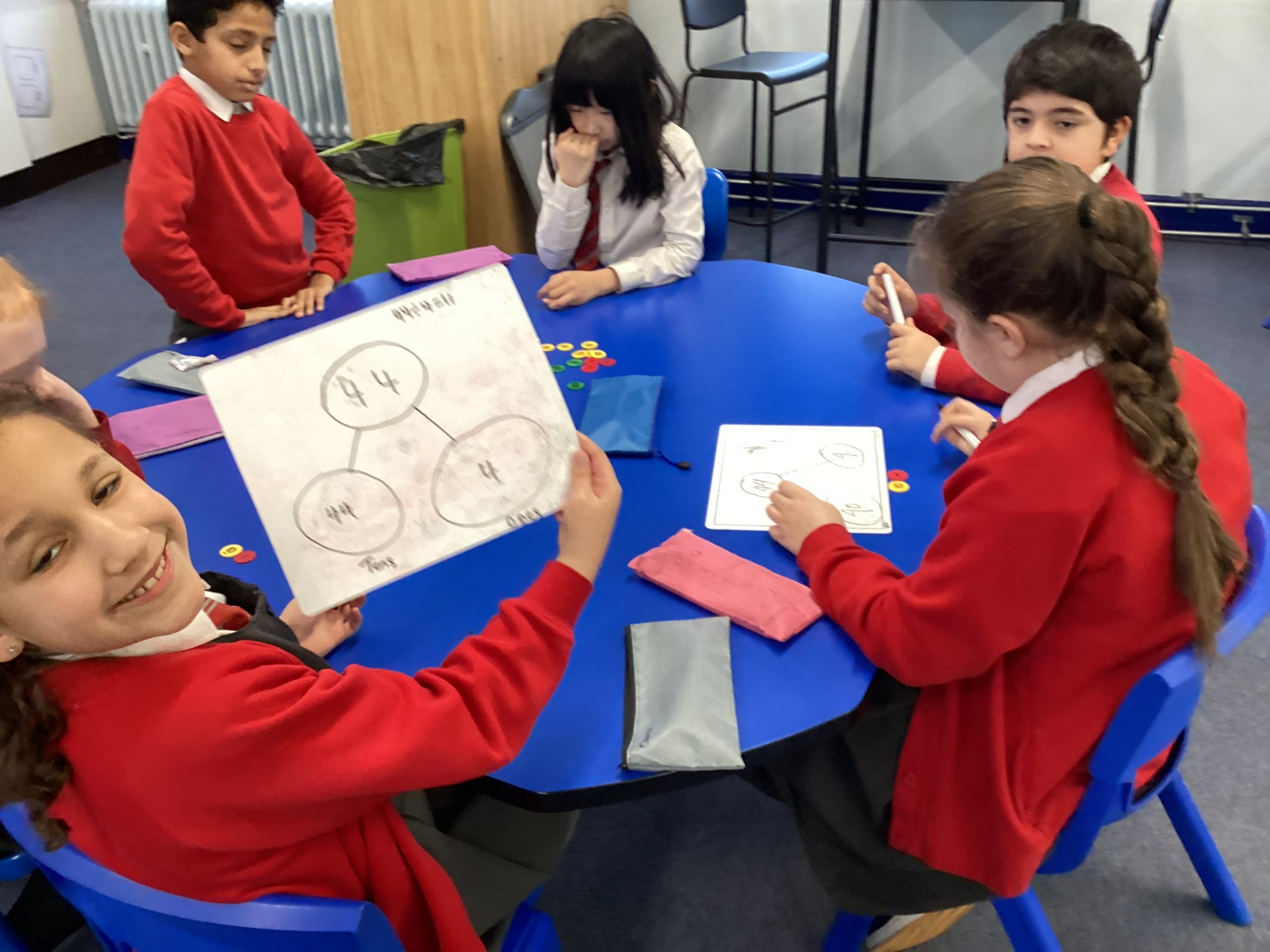
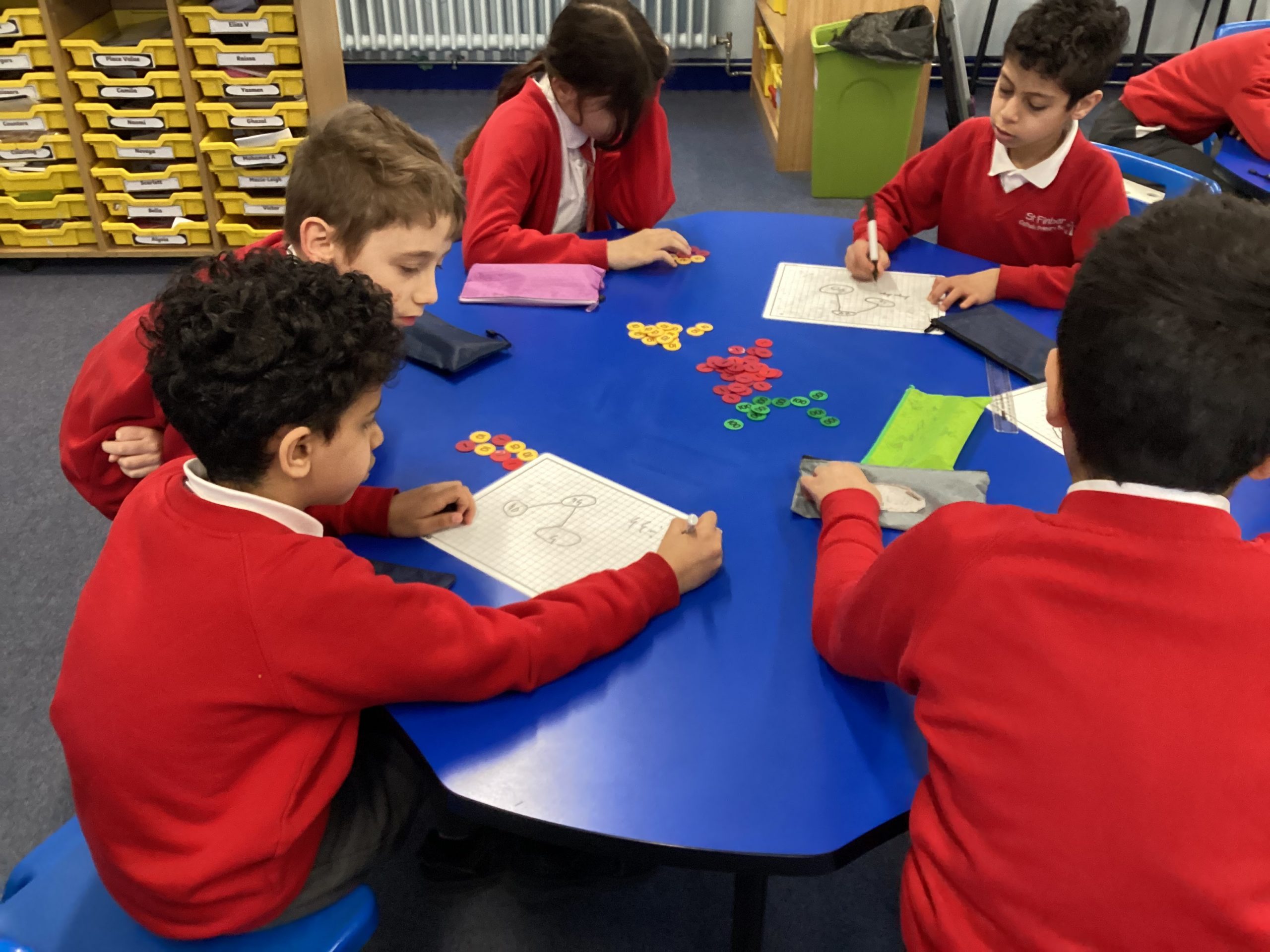
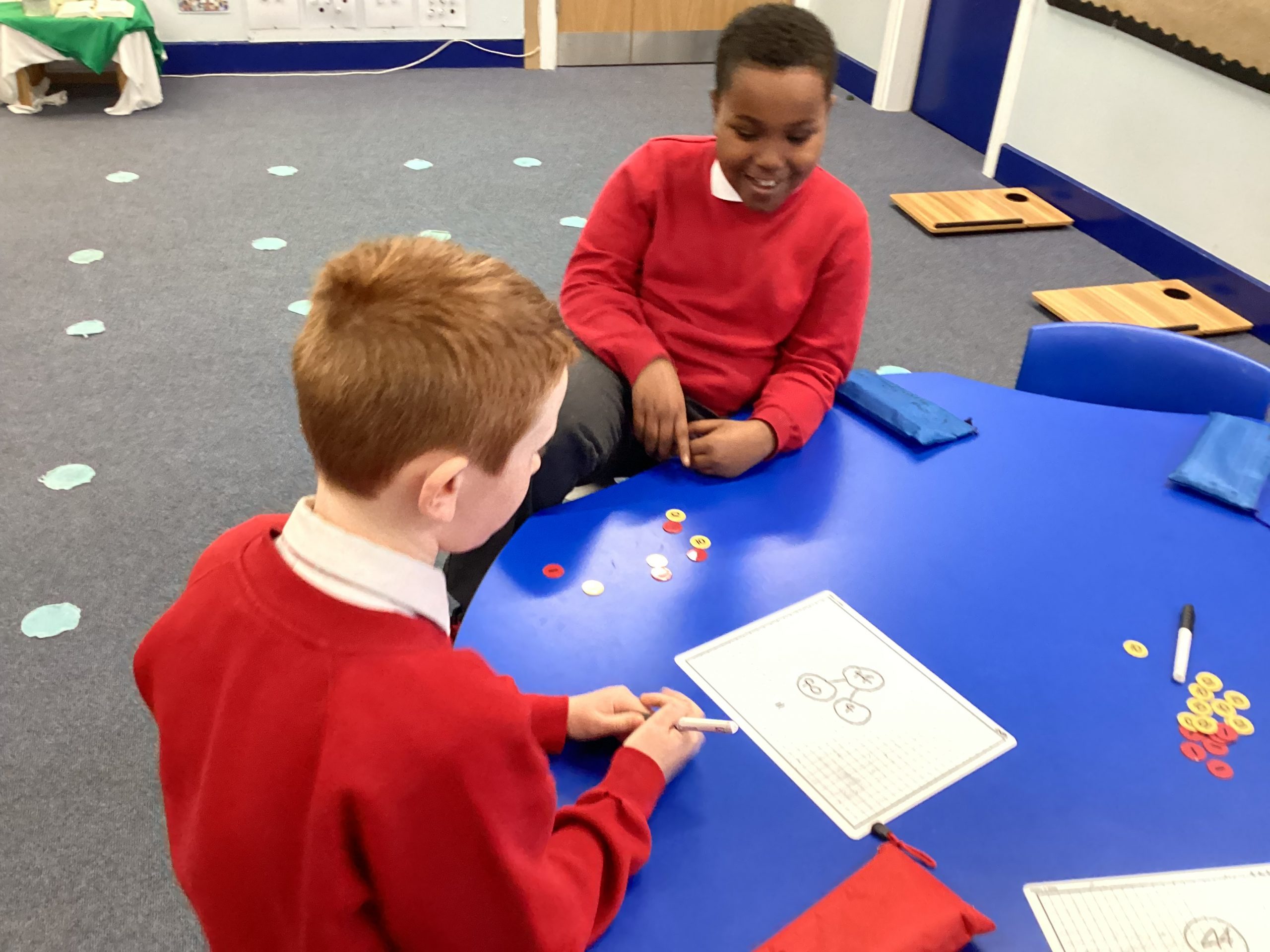
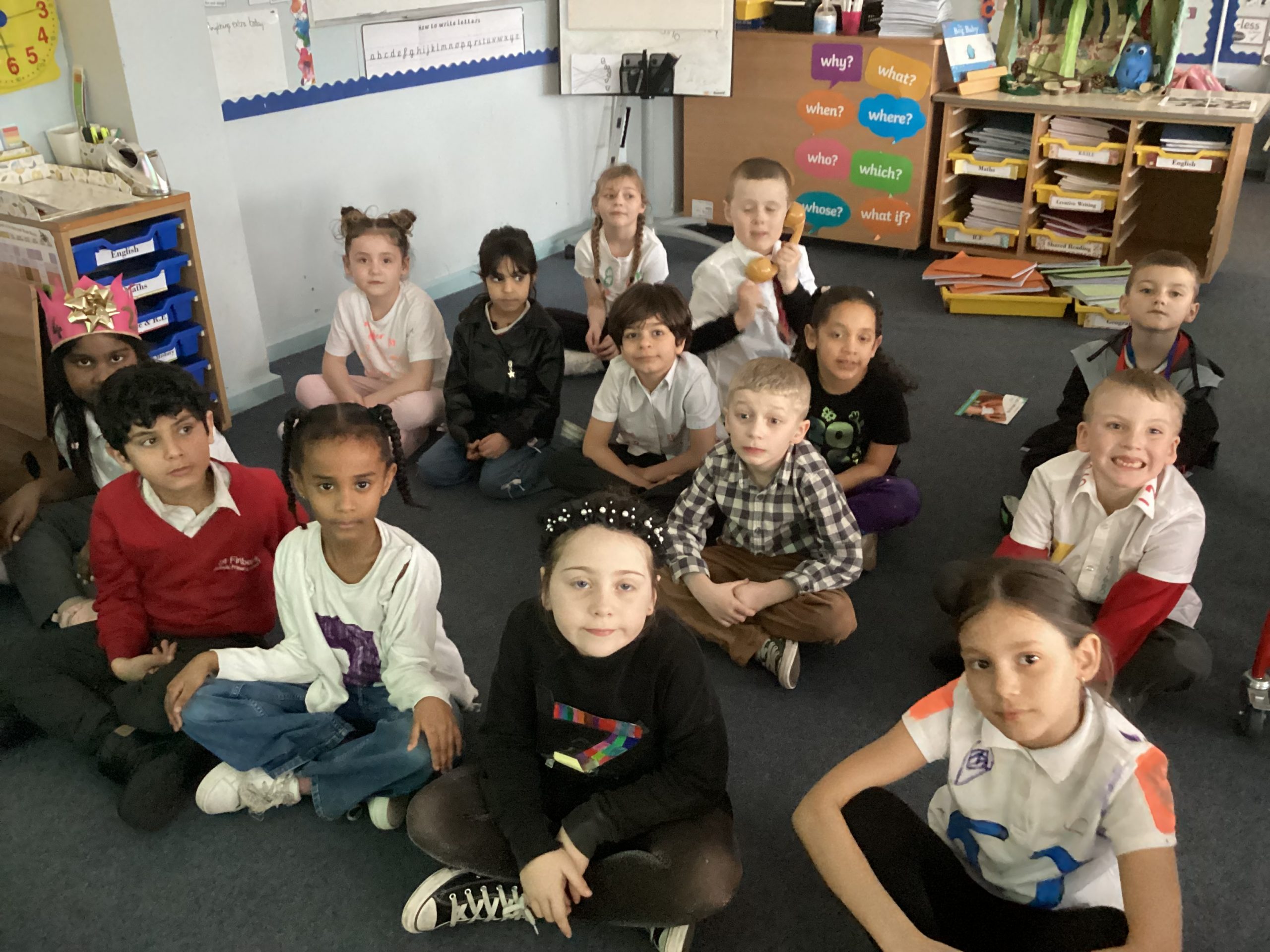
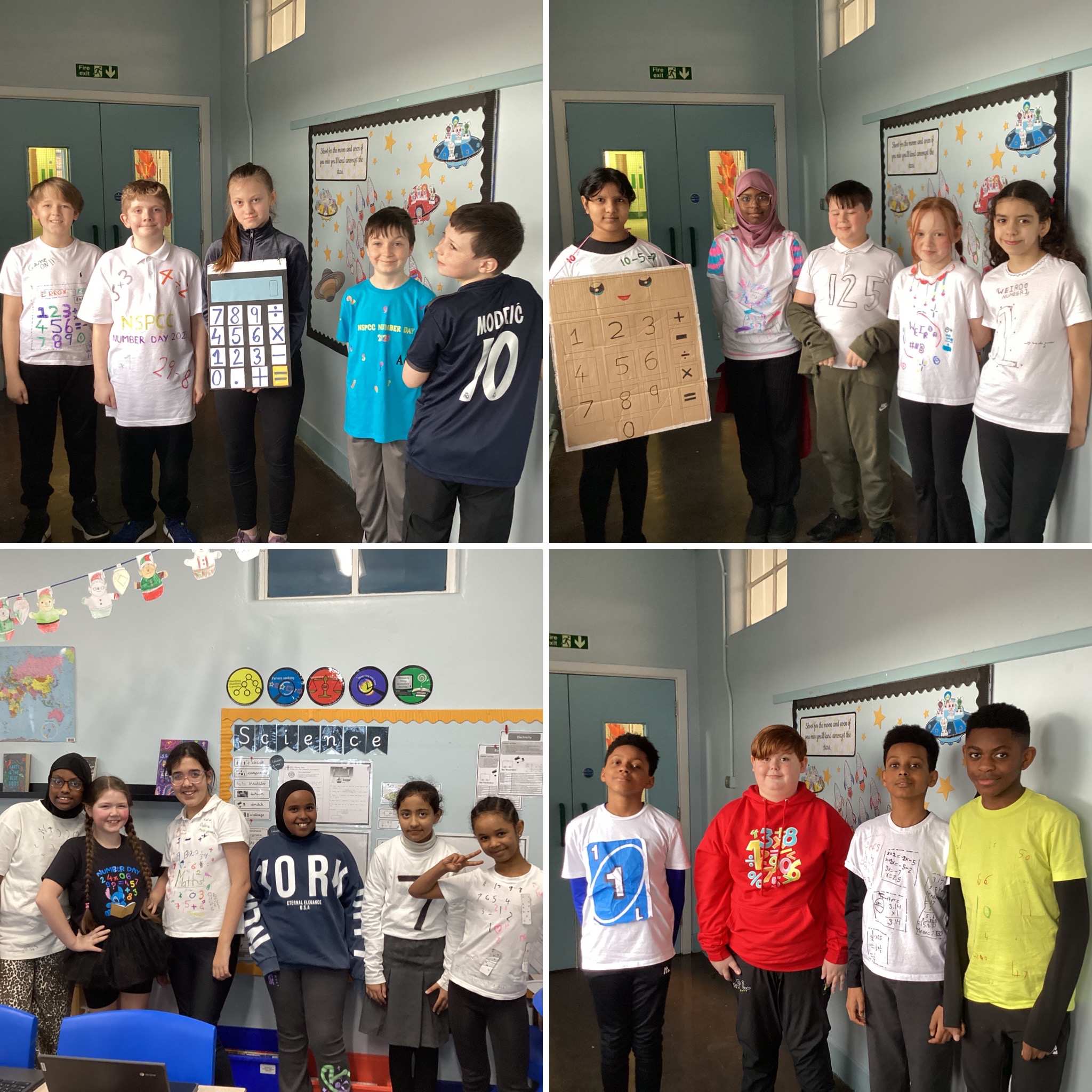
Today we celebrated NSPCC Number Day to raise funds for the NSPCC charity. We have completed a variety of maths digit activities, discussed the importance of the PANTS rule and thought about who our safe and trusted adults are.
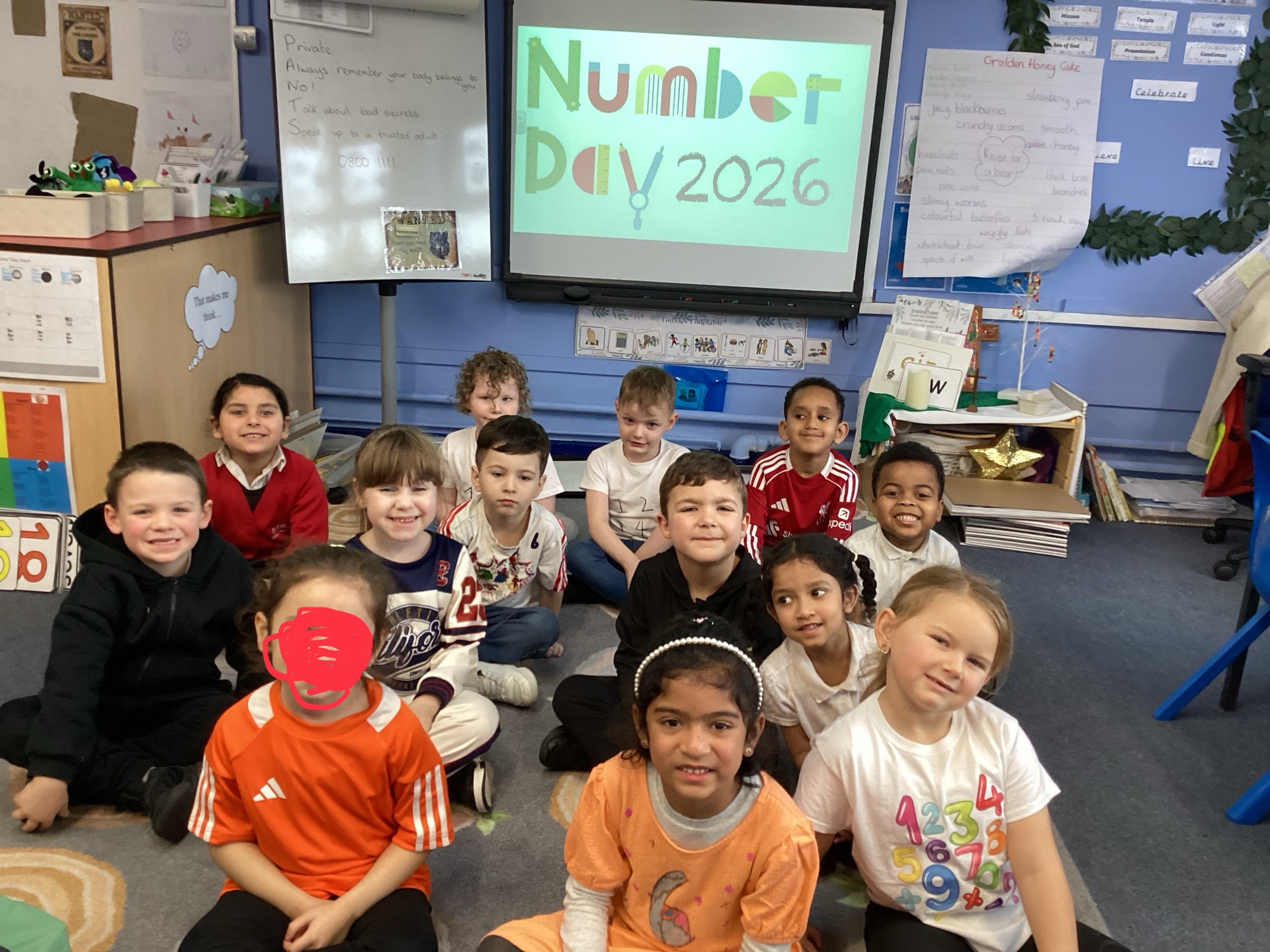
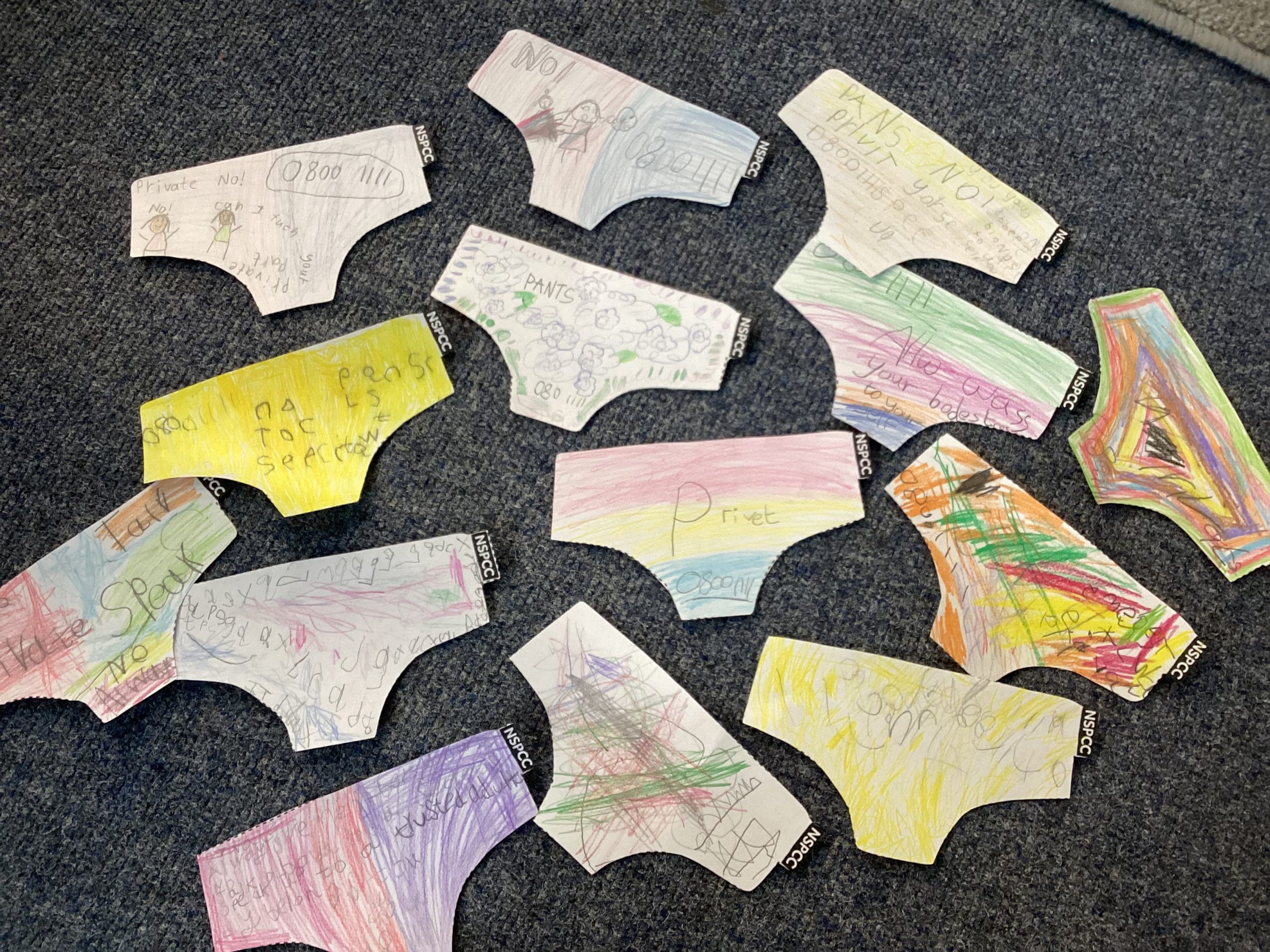
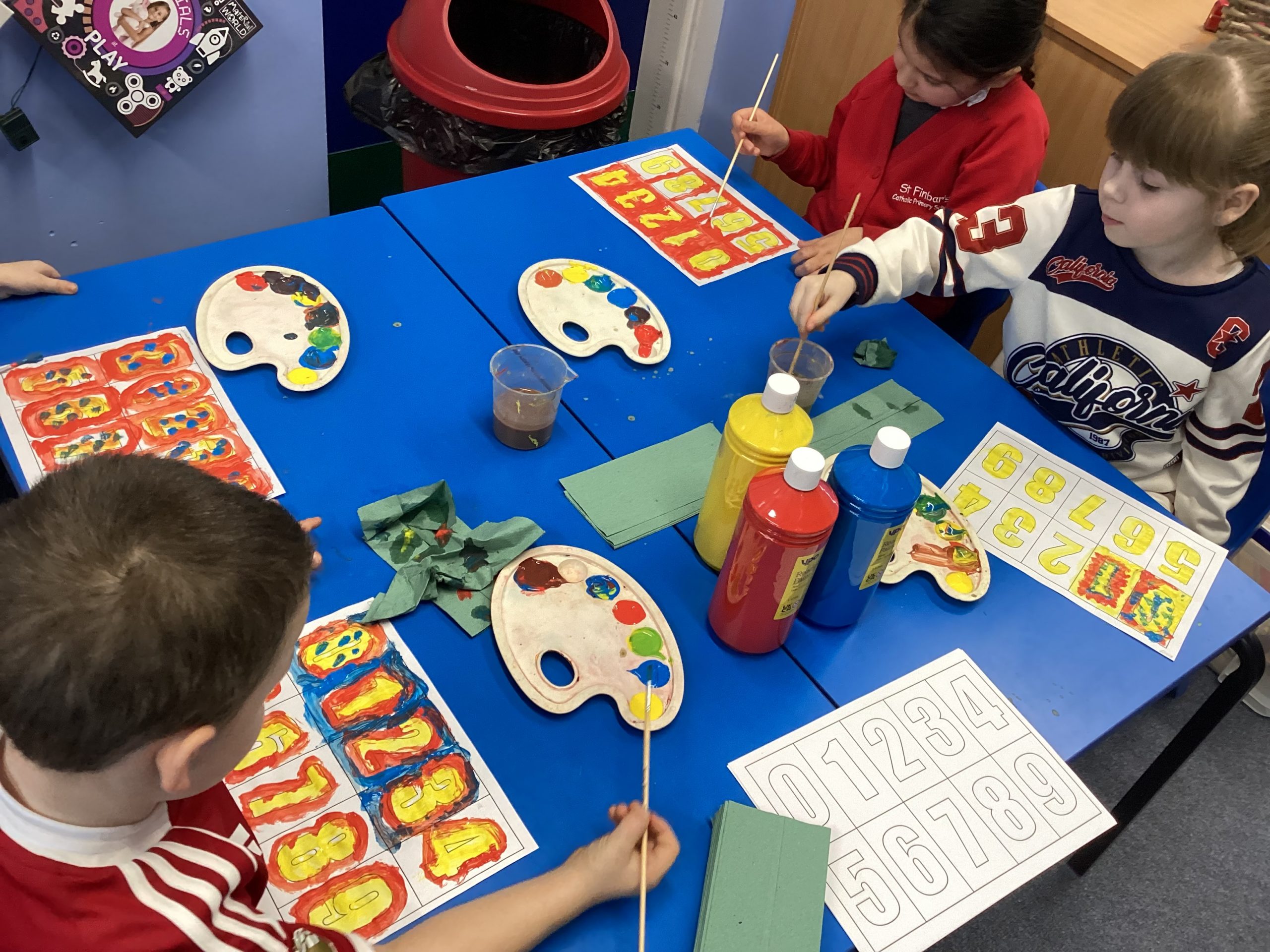
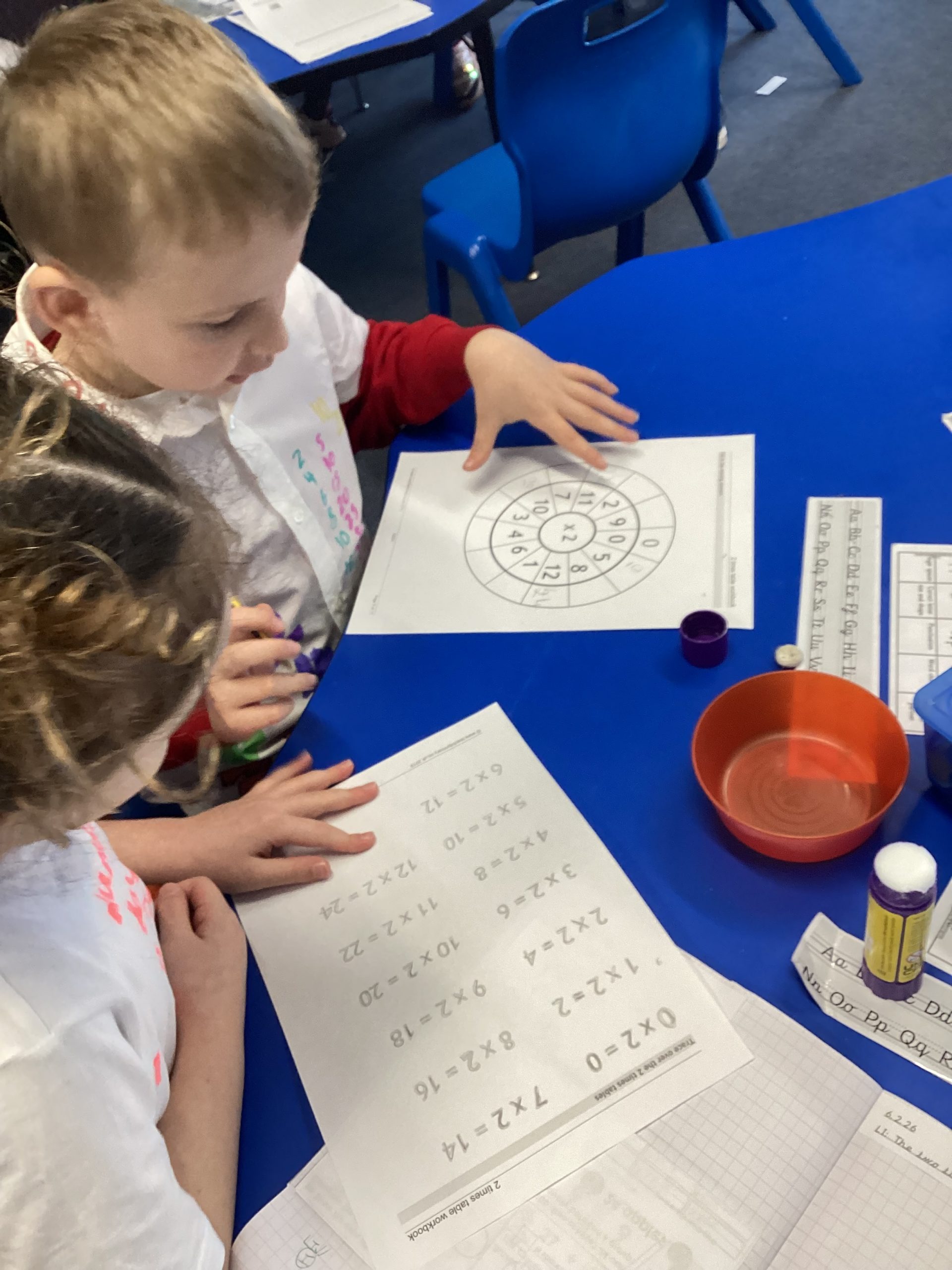
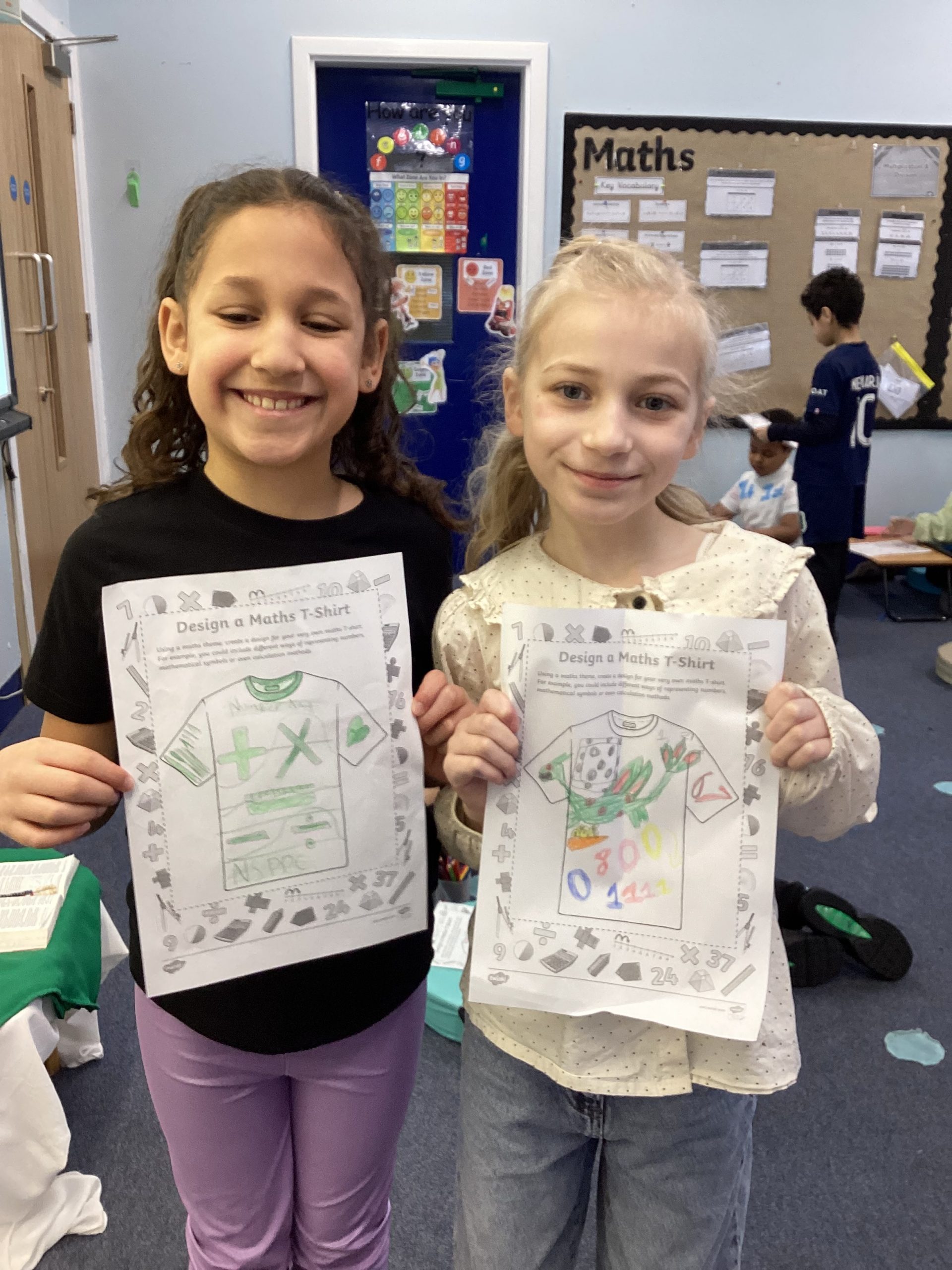
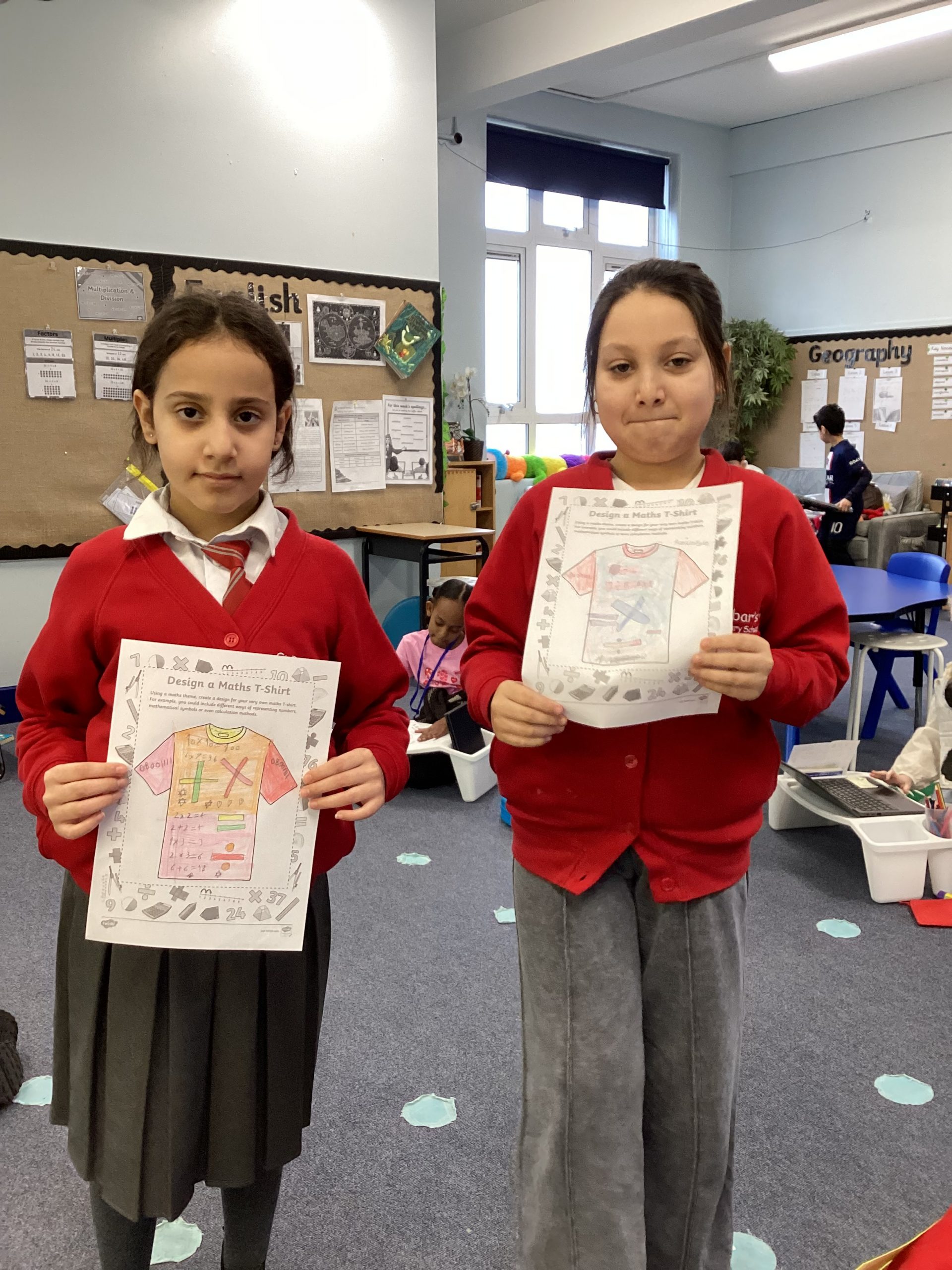
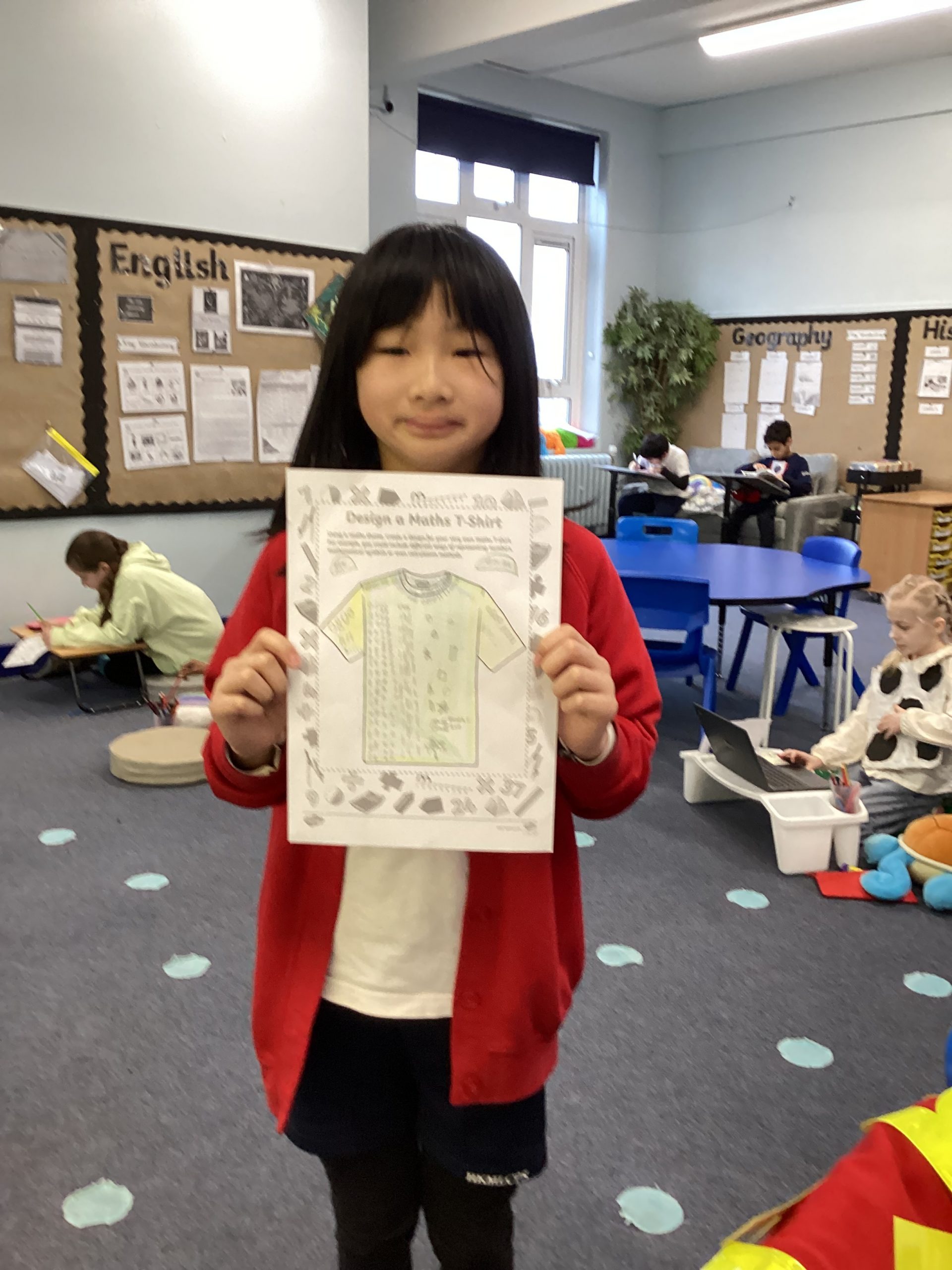
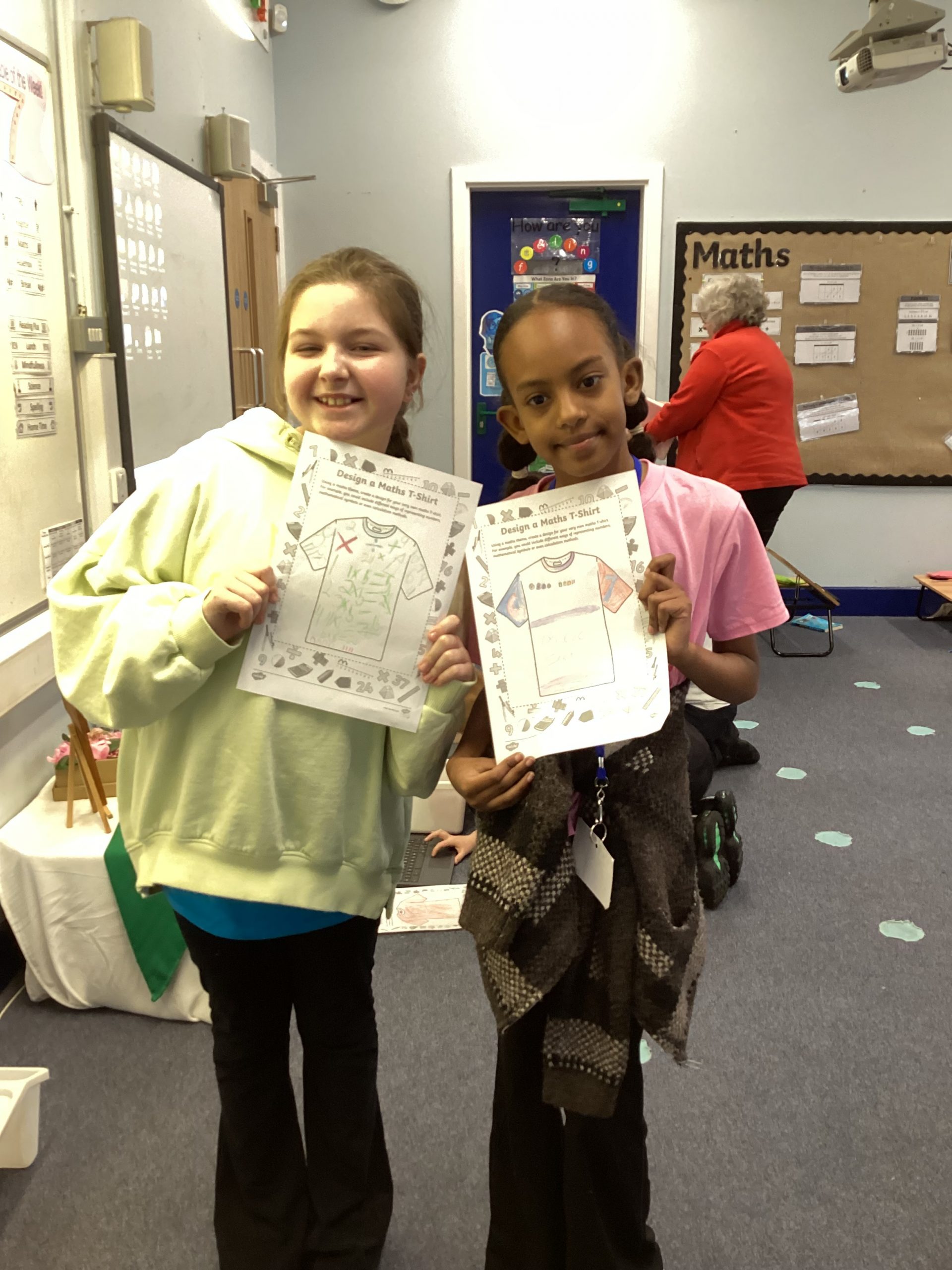
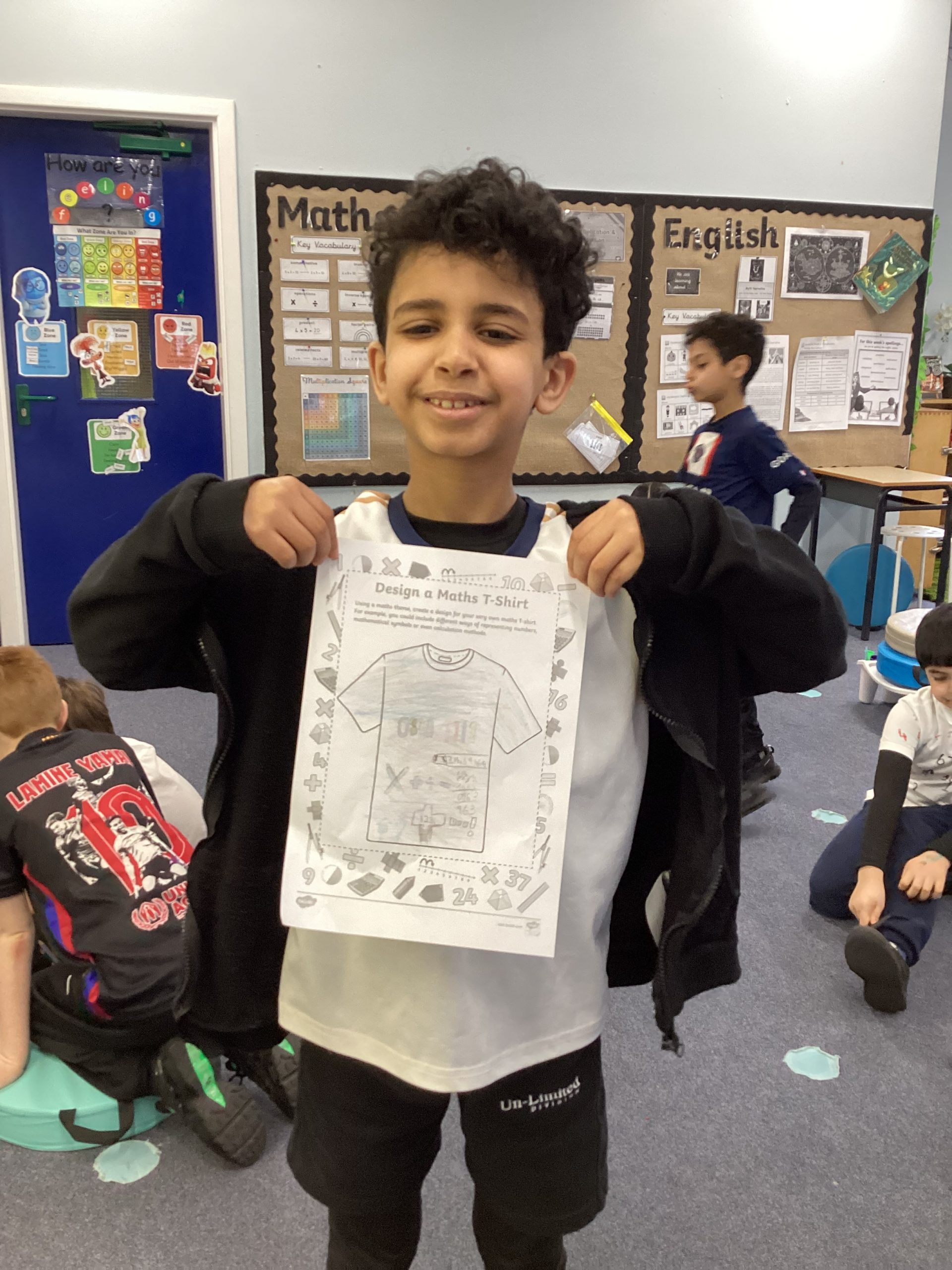
Year 2 had a lovely Number Day. We did some 2 times tables activities and we all dressed up in numbers to raise money for NSPCC. We then designed a Maths T Shirt.
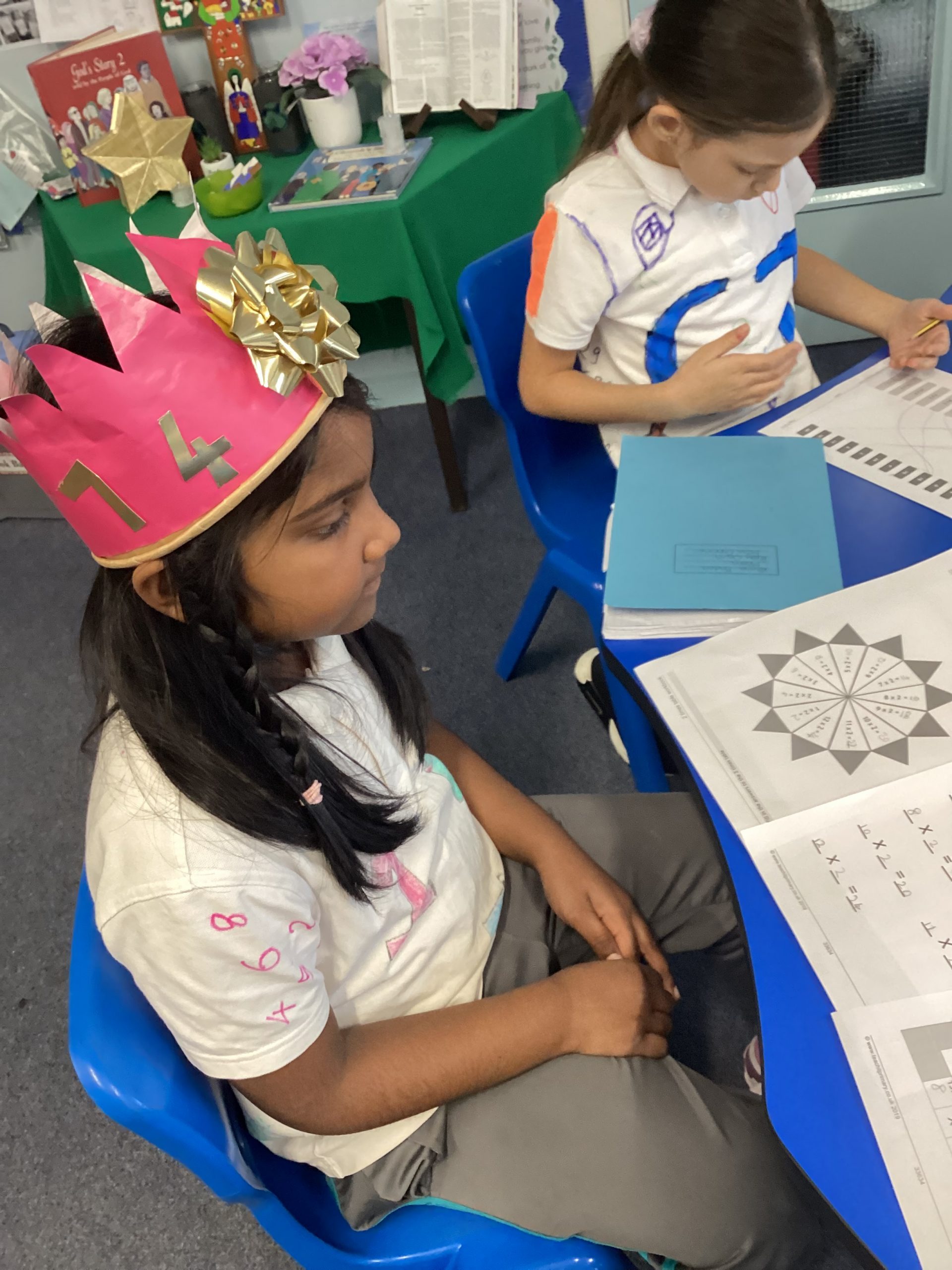
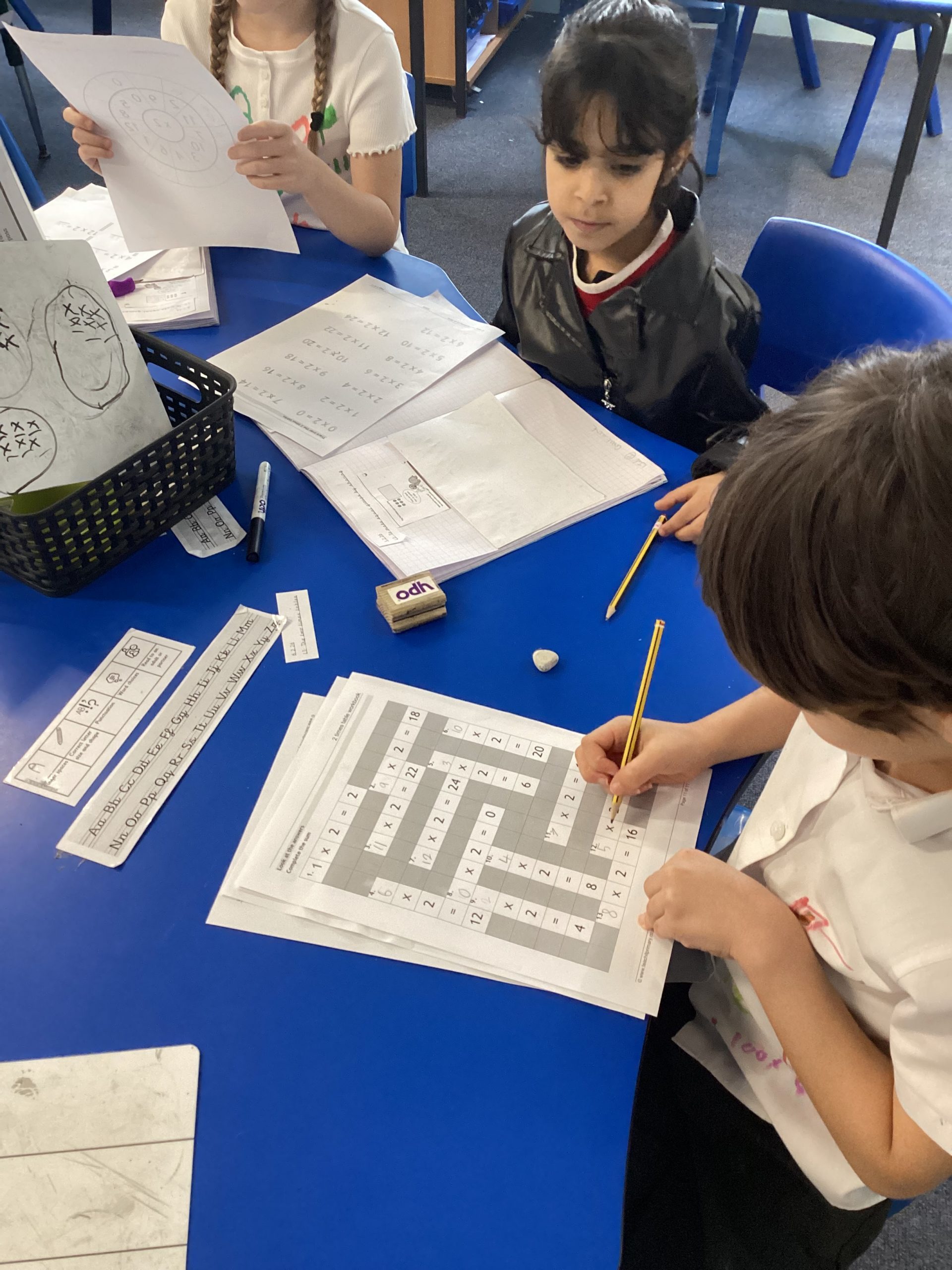
For Number Day, Year 3 took part in a range of fun and engaging maths activities. Linking our main activity to current learning, the children explored perimeter by designing their very own dream houses!
We also learned about the important work of the NSPCC and how it helps to keep children safe. It was a fantastic day filled with learning, creativity and meaningful discussions!
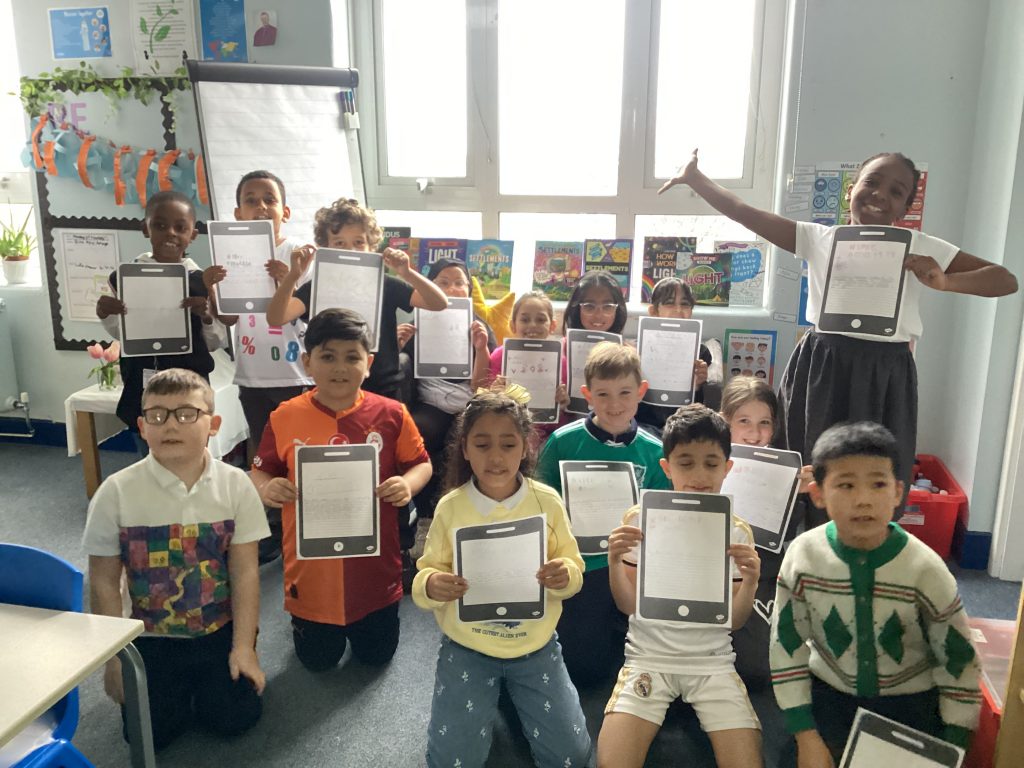
For number day today we completed multiple different activities. We began the day by learning the Childline number. Then we designed our own number day T-shirts and carried out real life problems. We enjoyed solving a quest to find the secret saying and solving the problem about how many legs in the field!
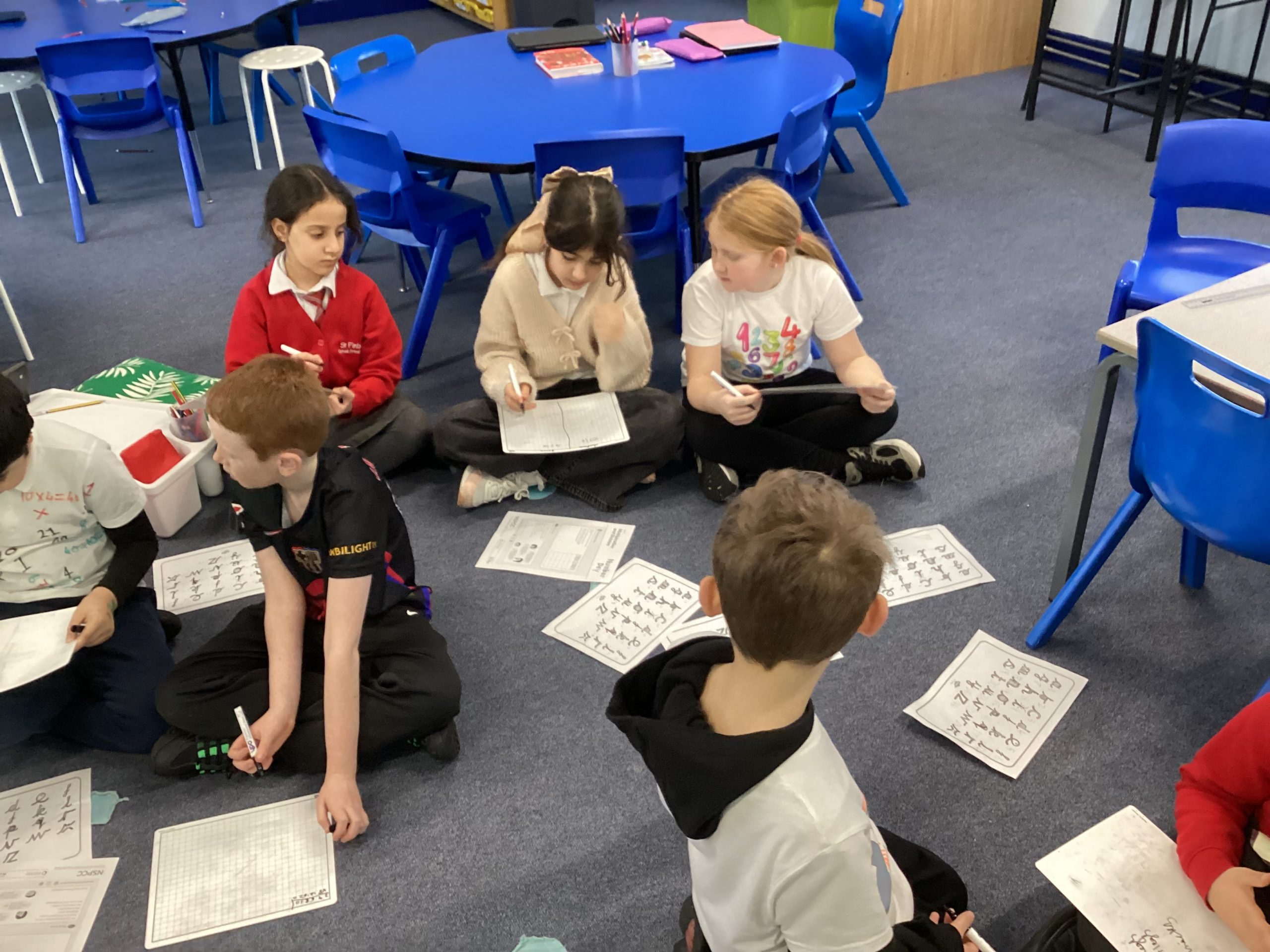
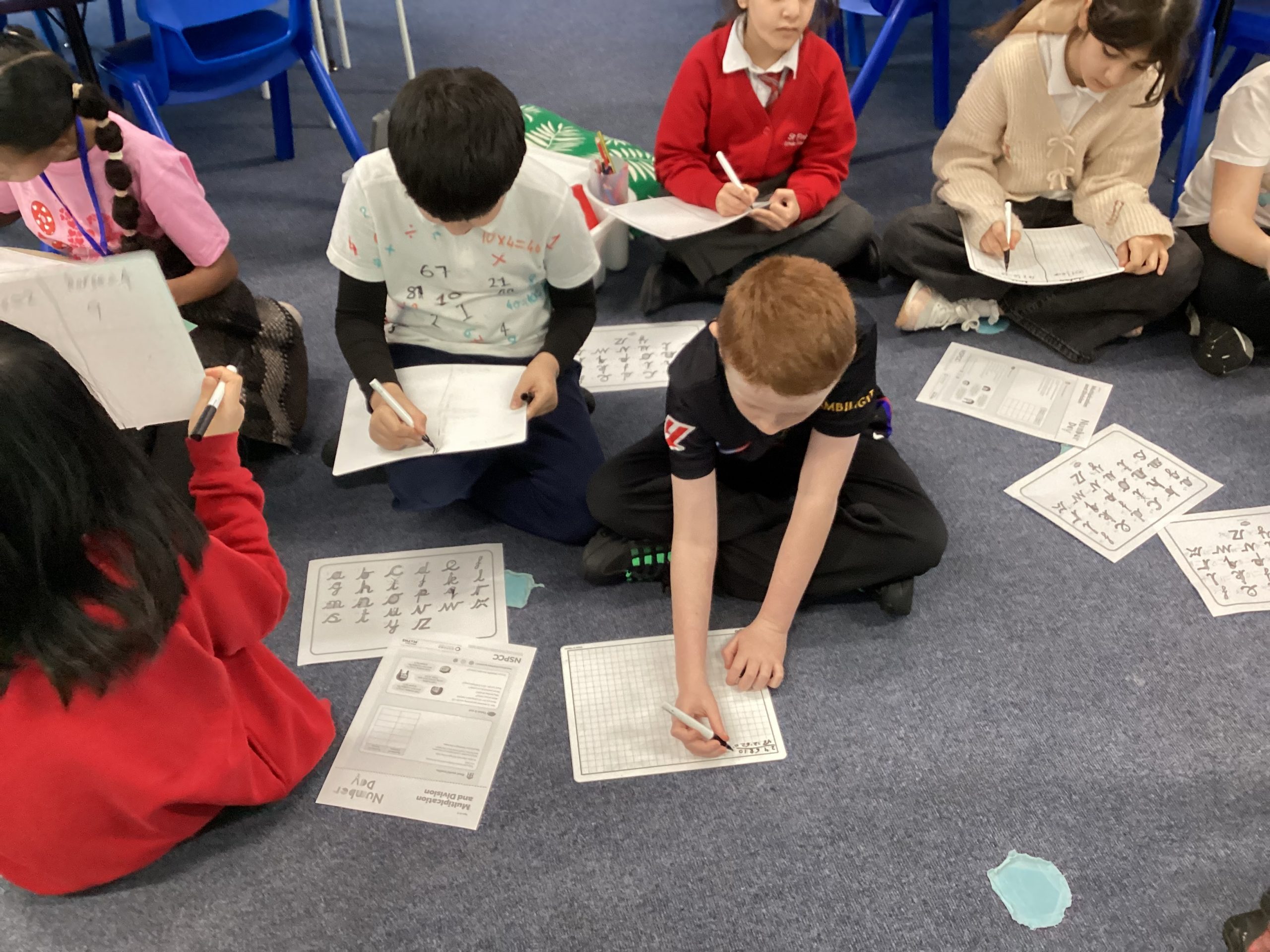
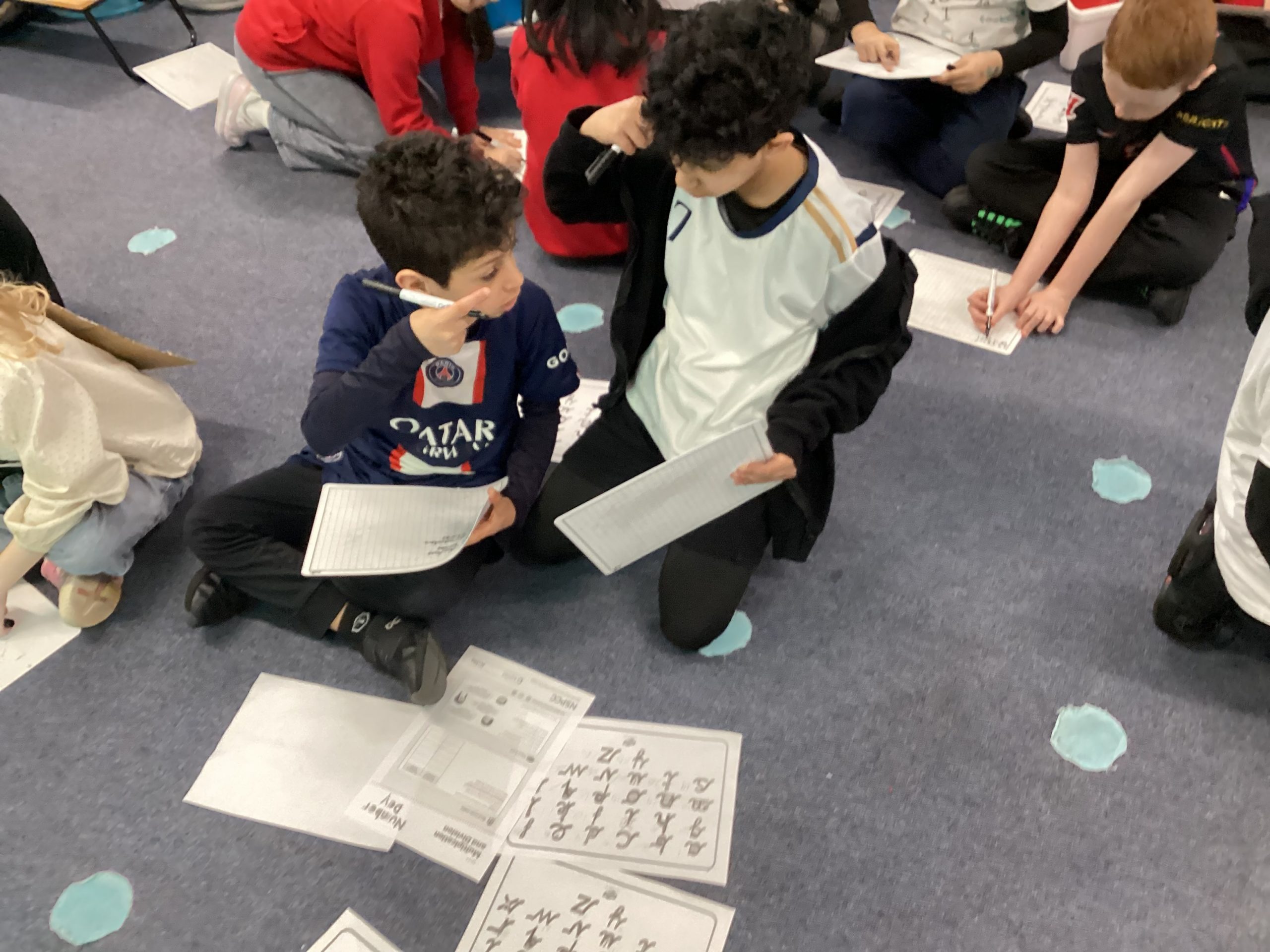
EYFS had fun on number day, taking part in number activities and wearing numbers to school. We spoke about who keeps us safe and shared the NSPCC help number.
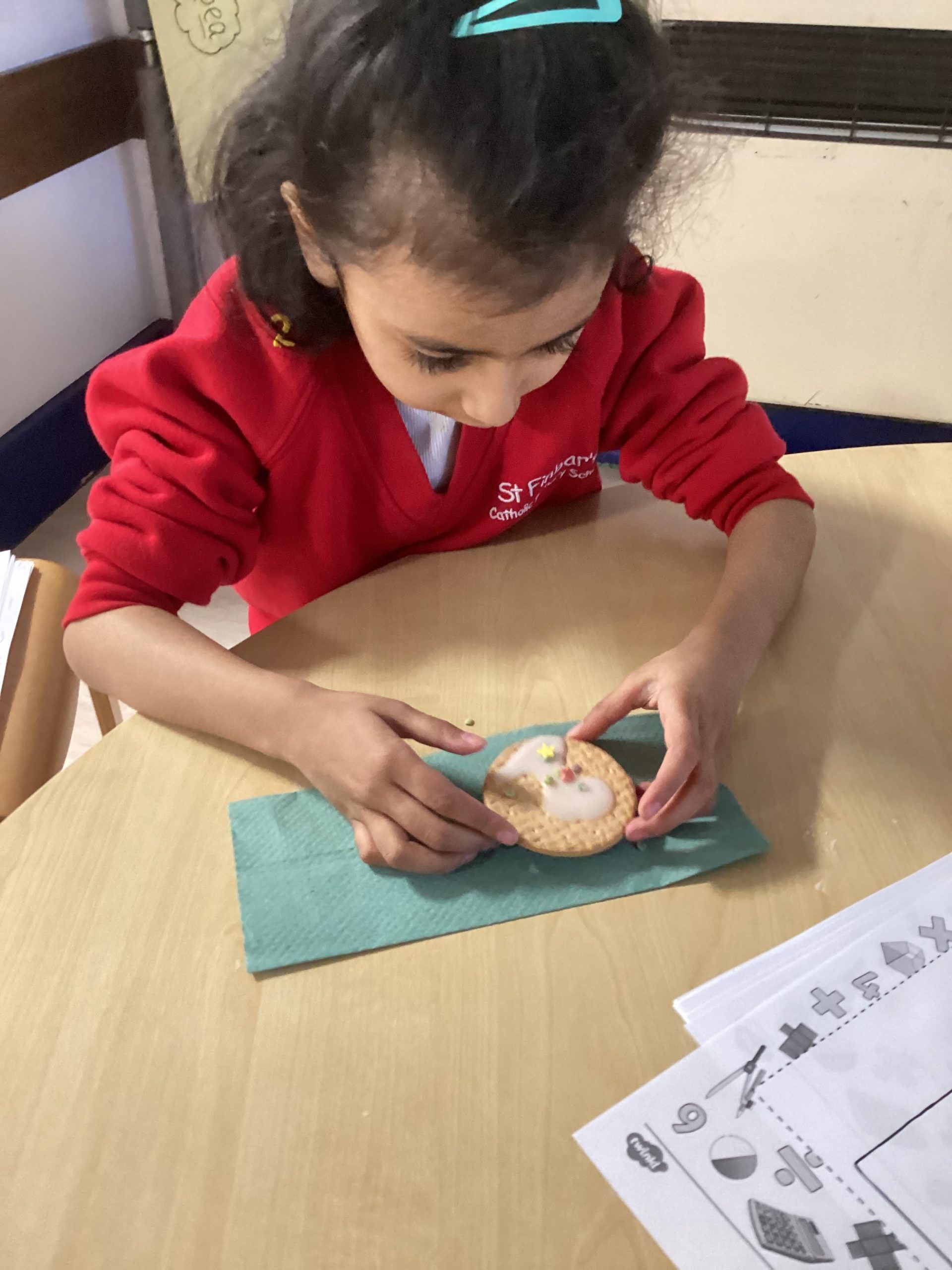
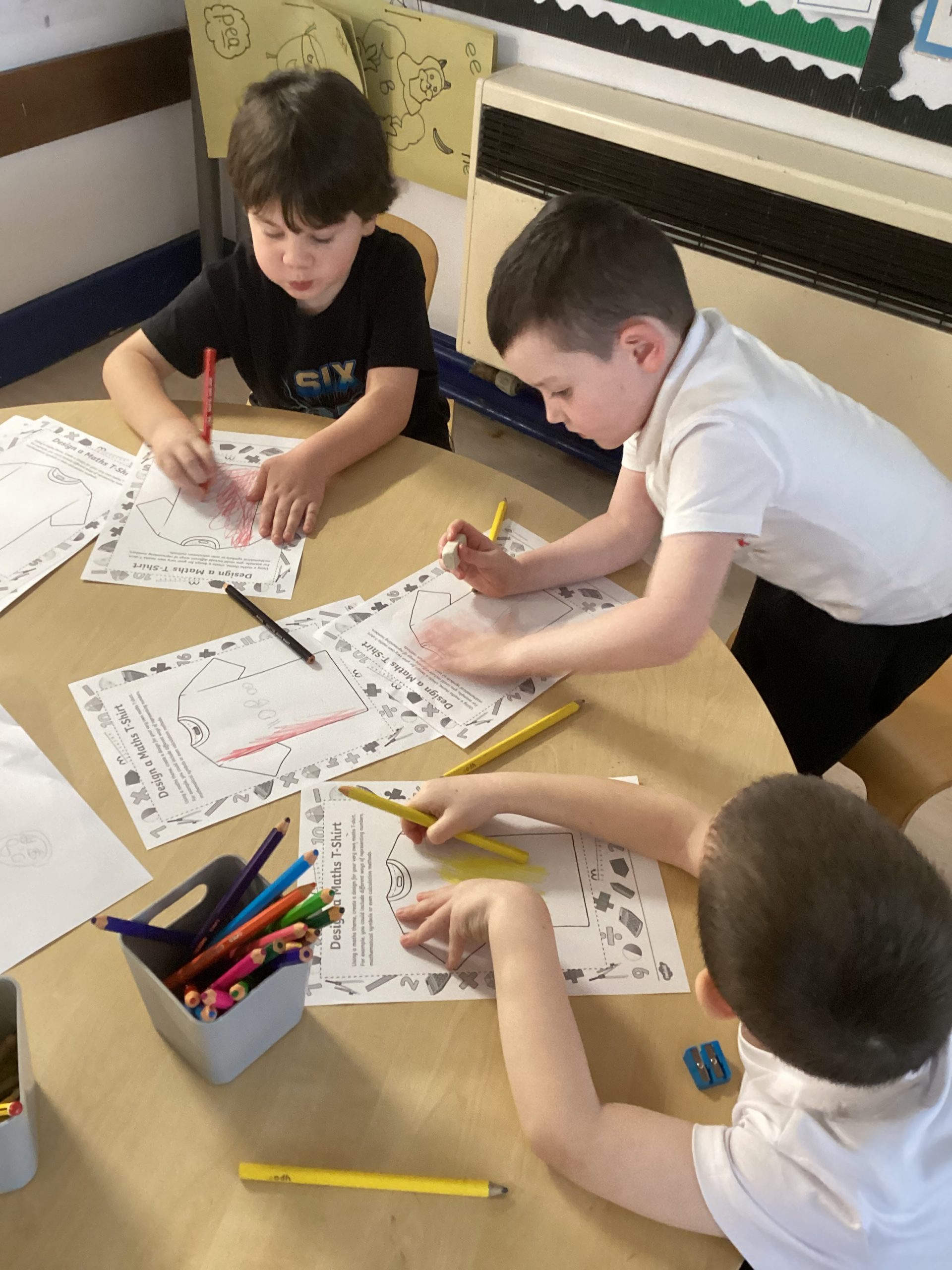
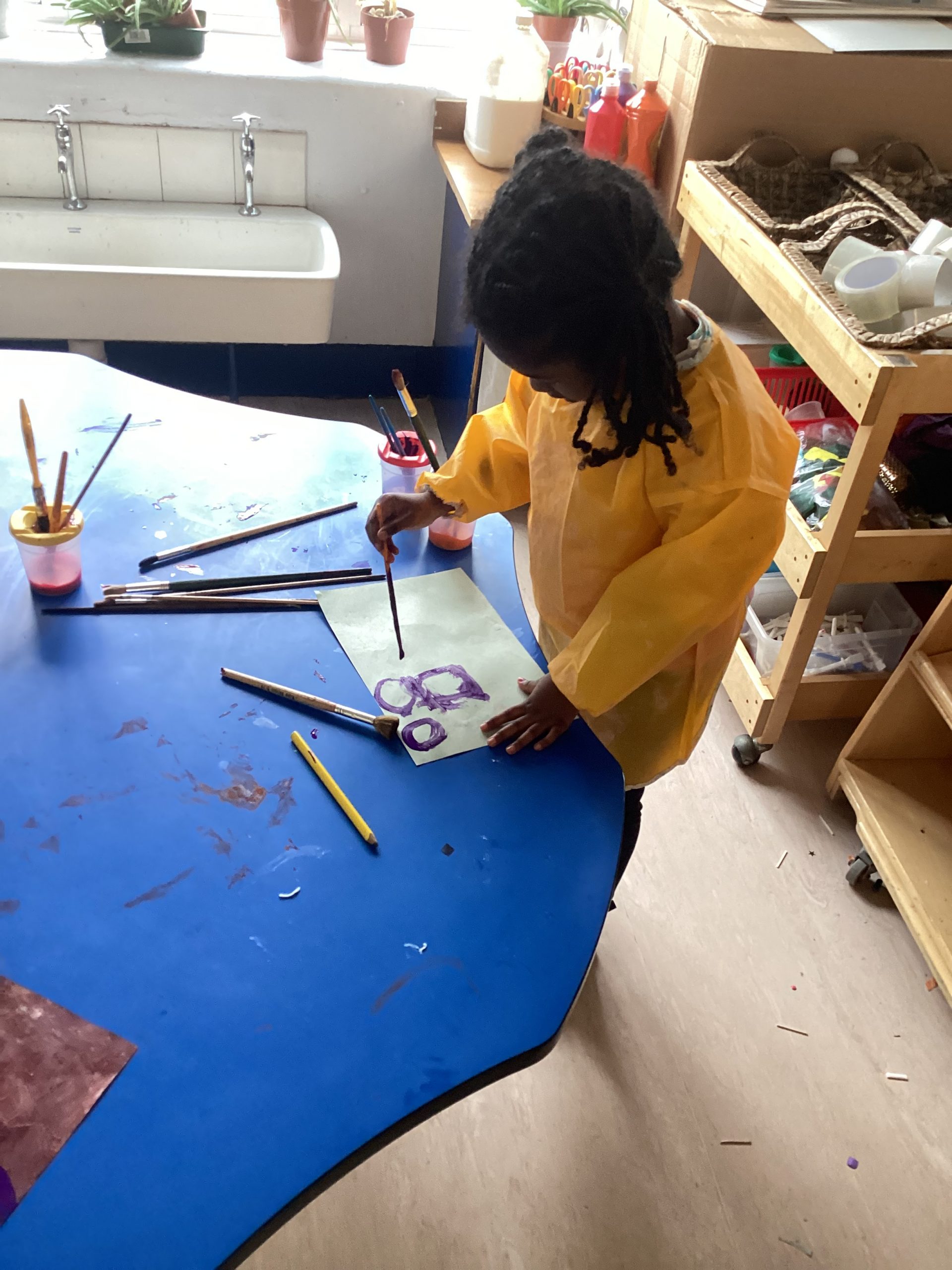
NSPCC day is an opportunity to look at the wonderful work that childline do with our donation. Today, we discussed when we might seek the support of childline. We completed some PSHEE tasks to help us think about who is there to support us. We also looked at a budgeting task to help us understand the expense of planning a post SATs treat.
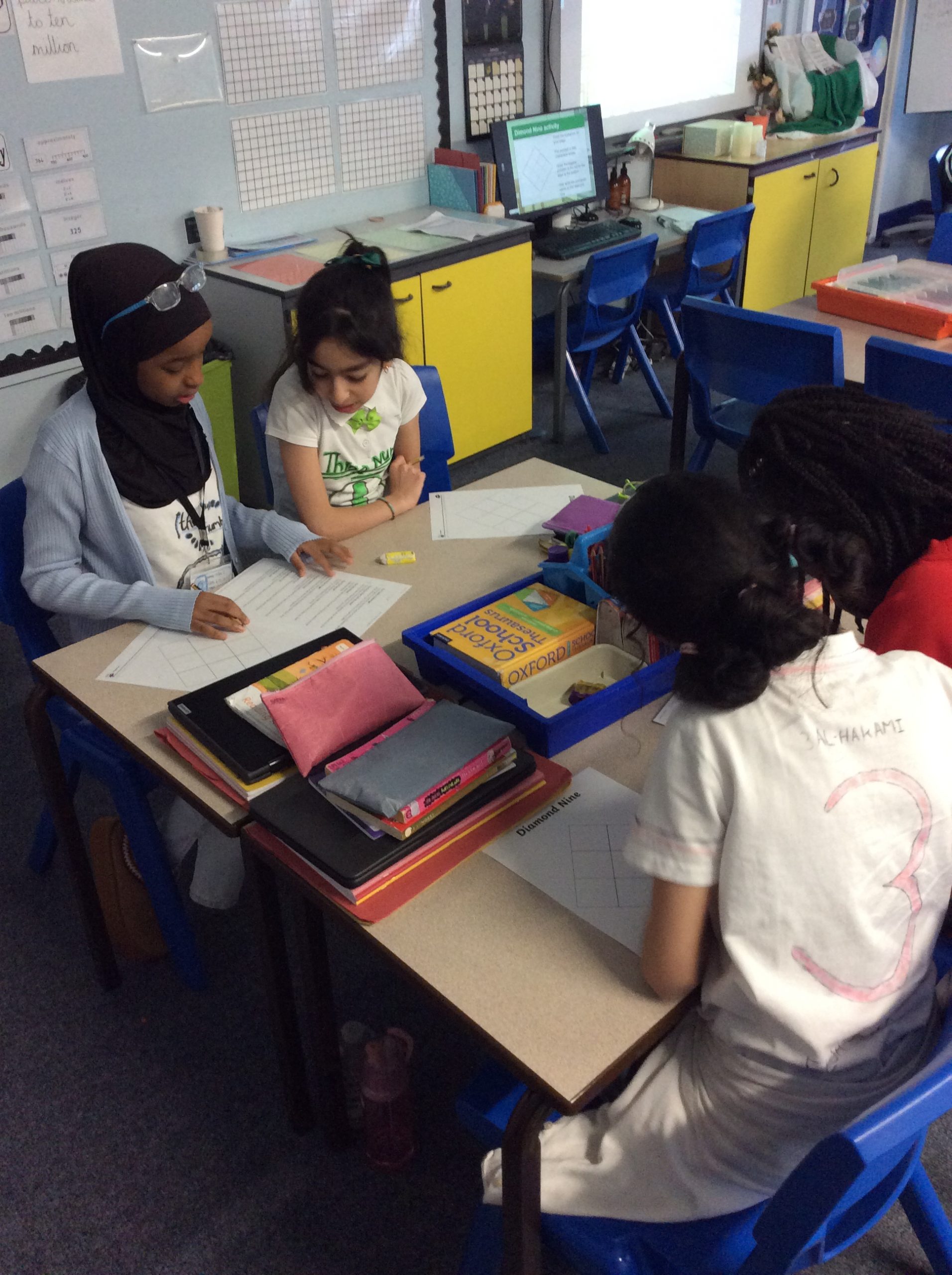
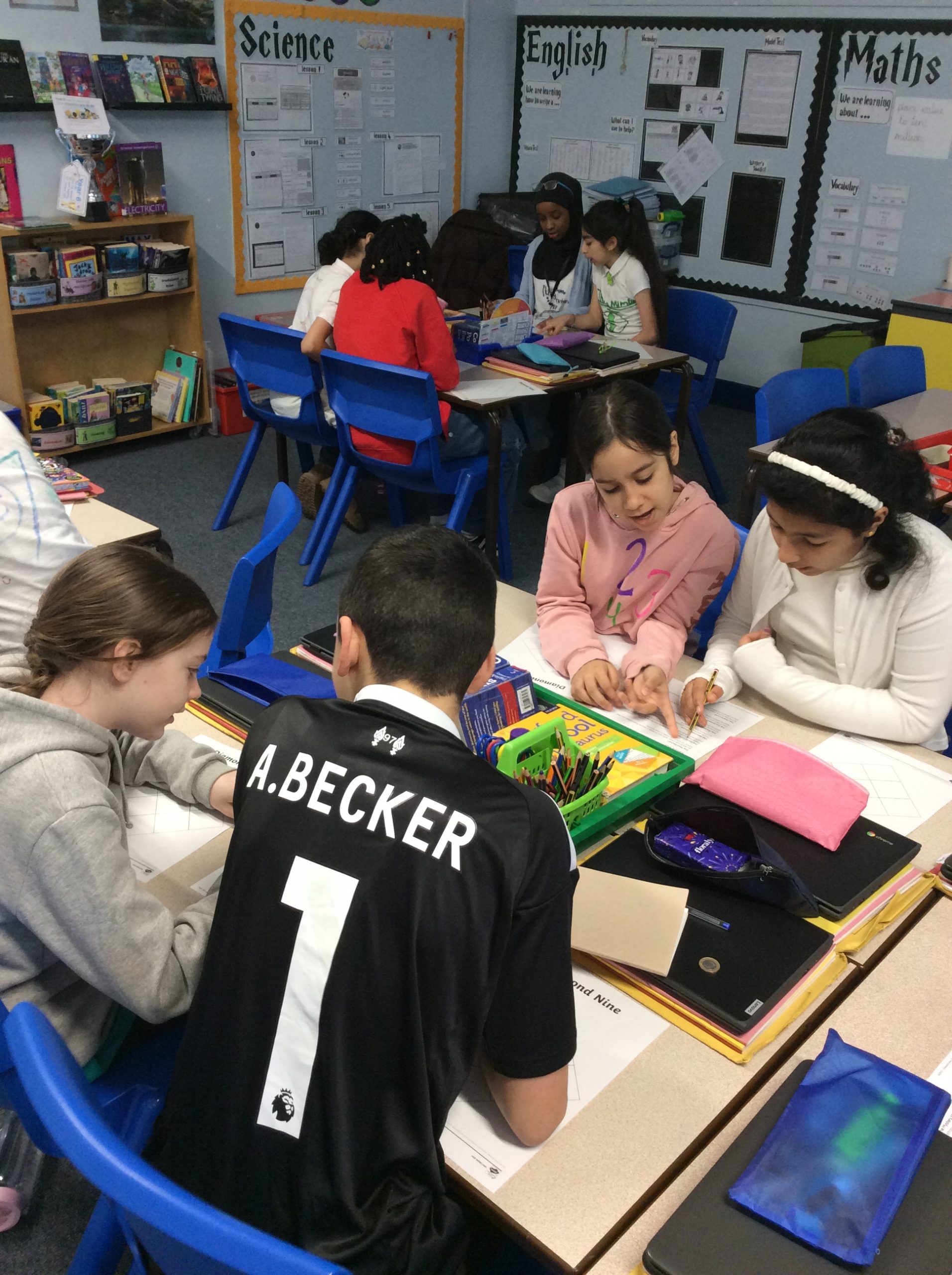
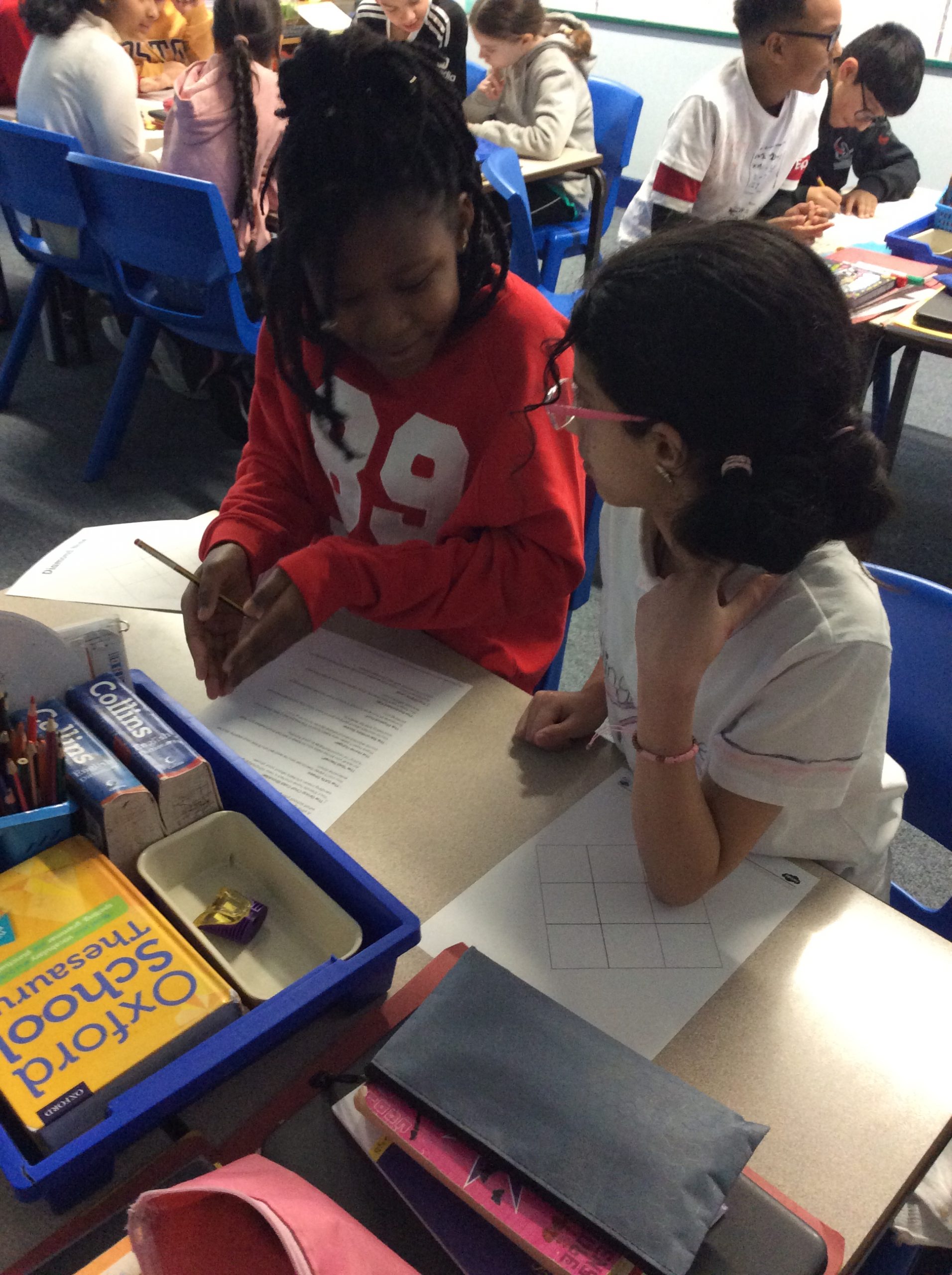
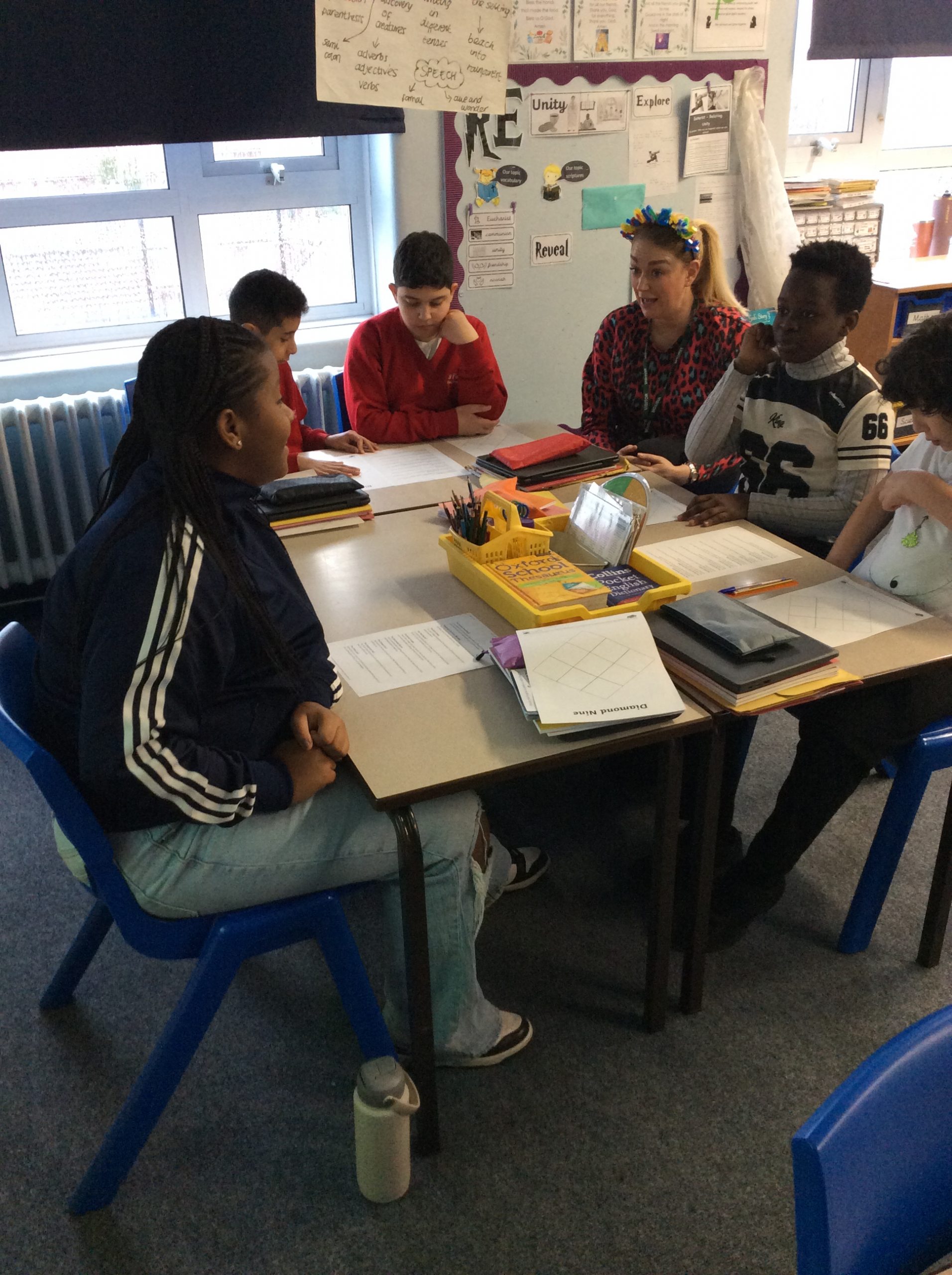
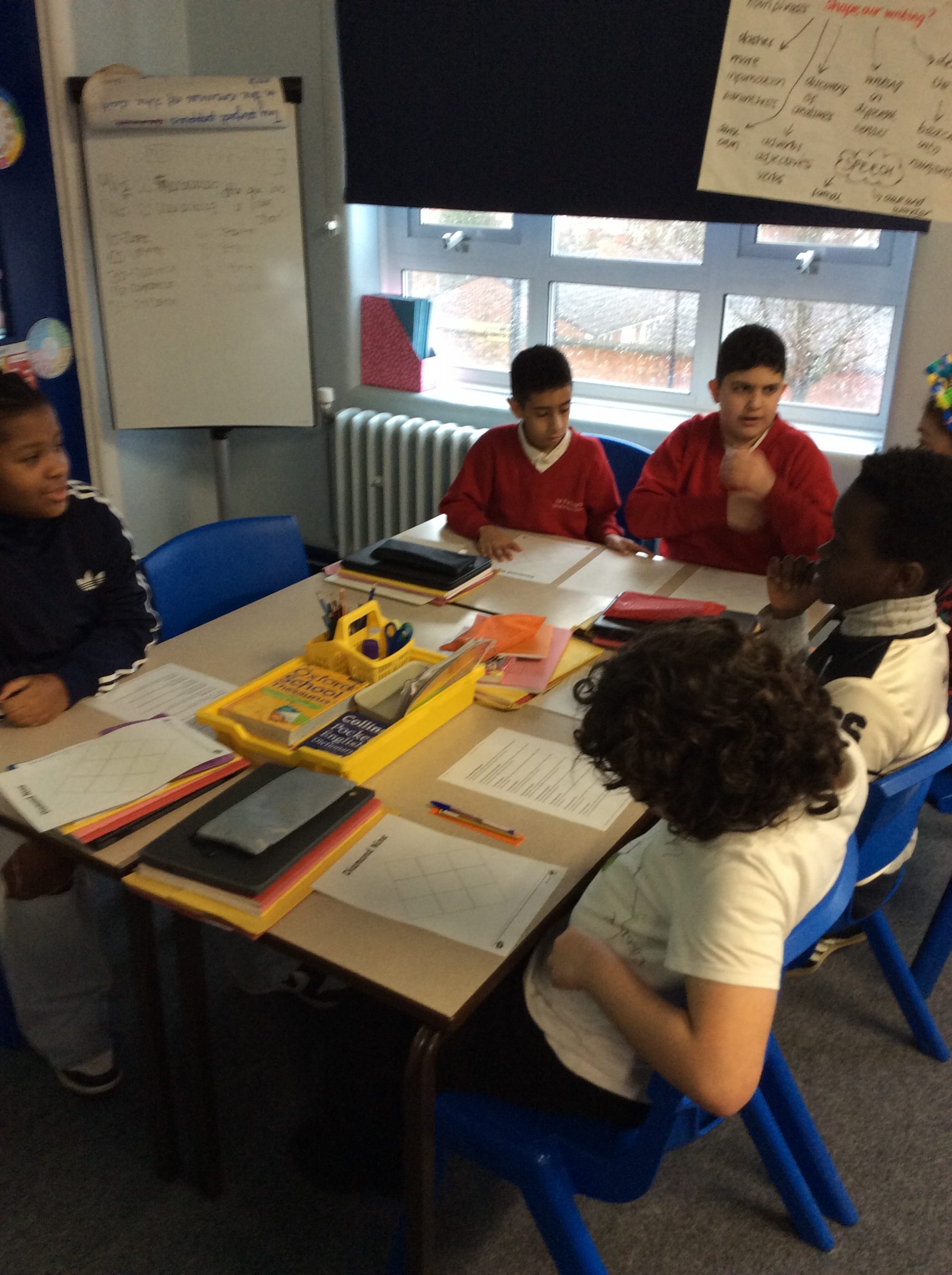
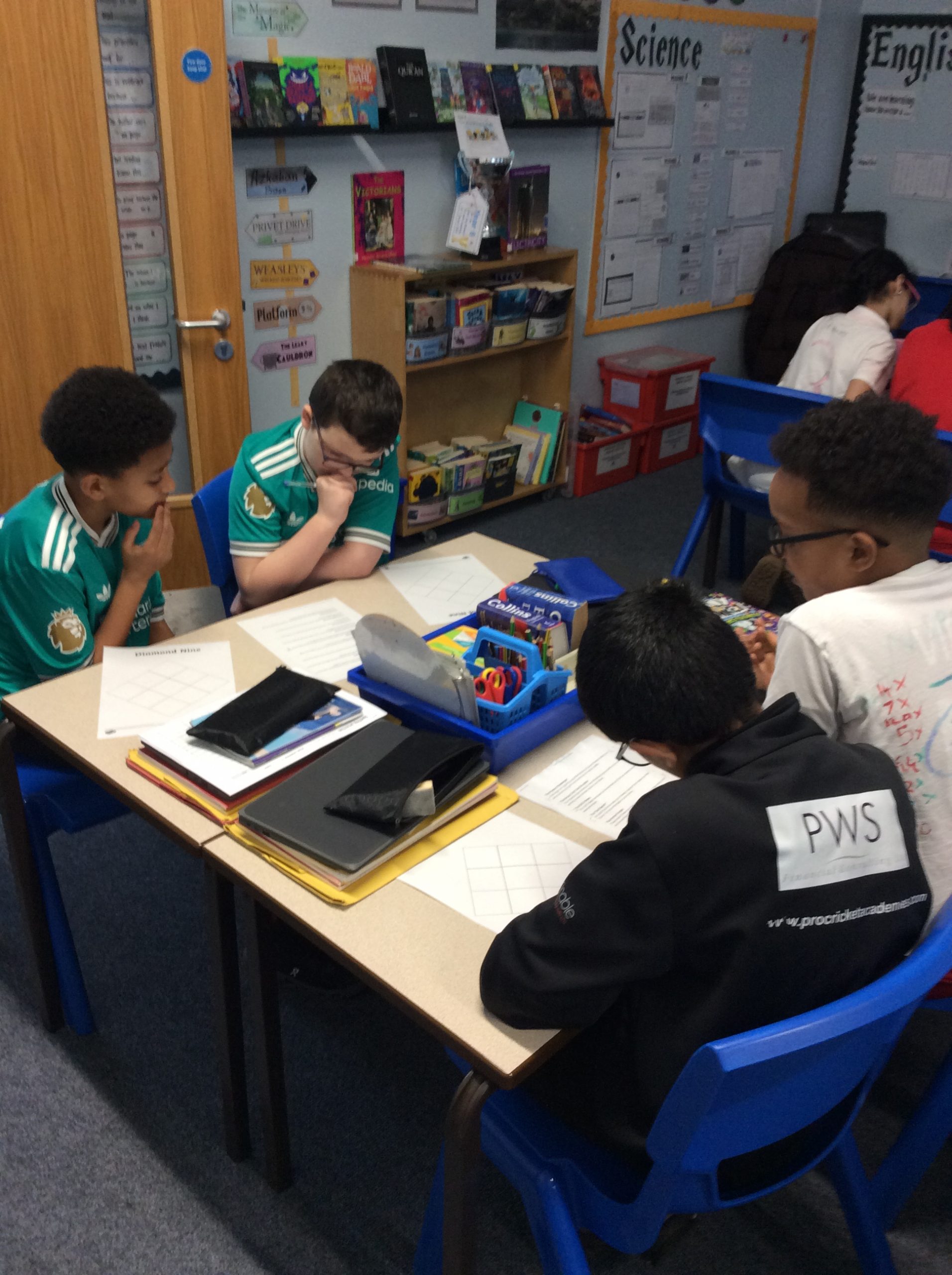
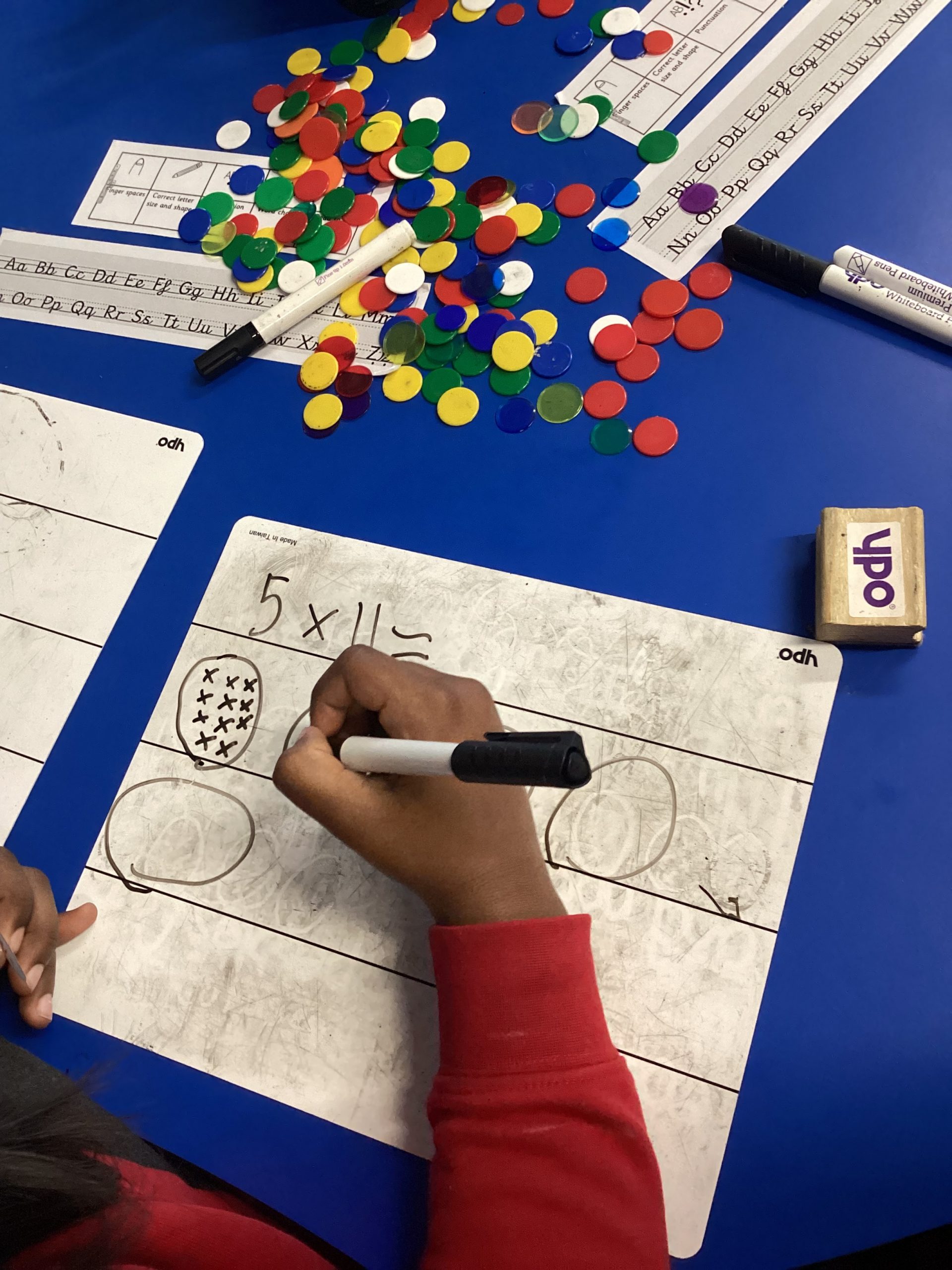
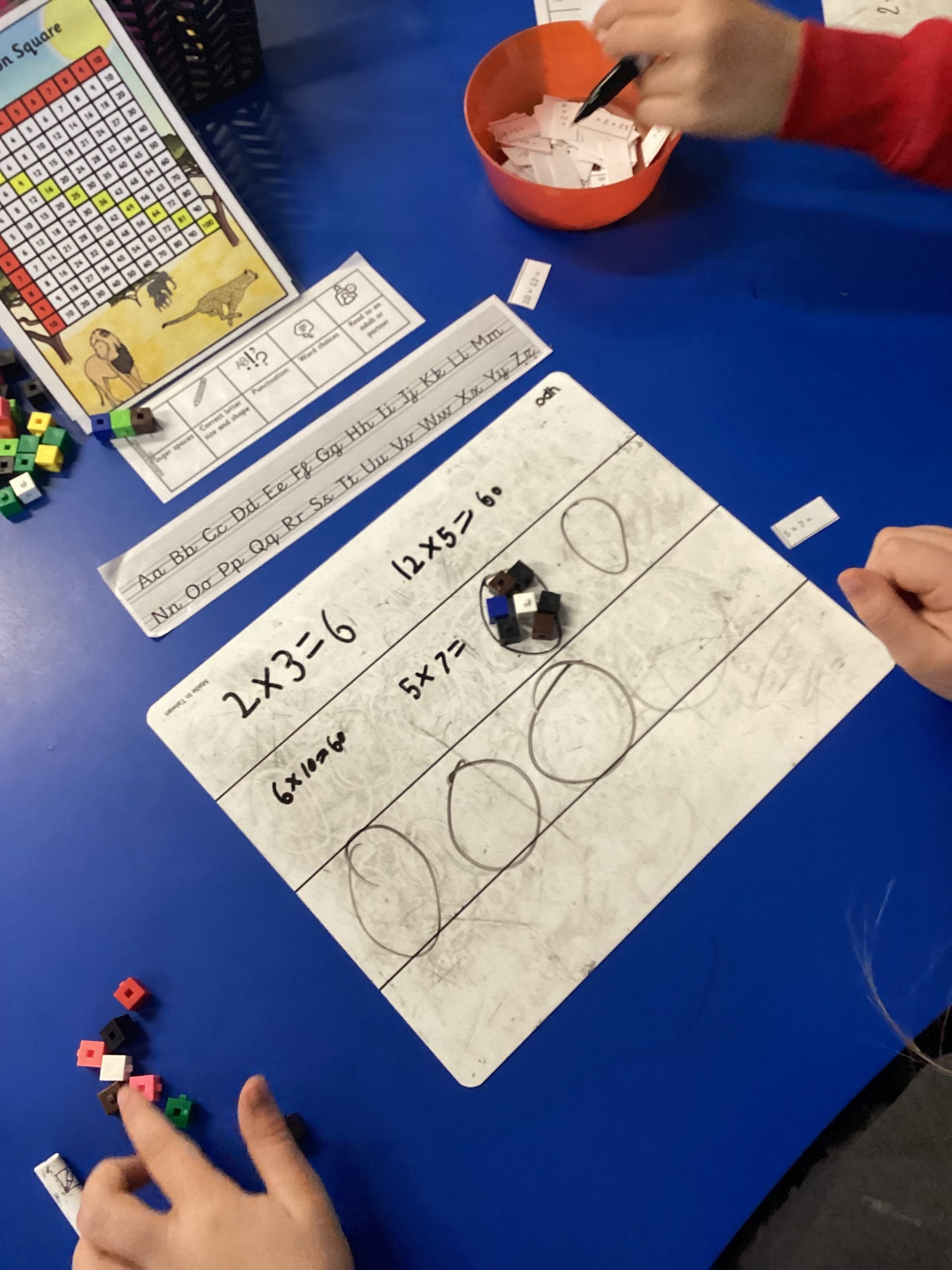
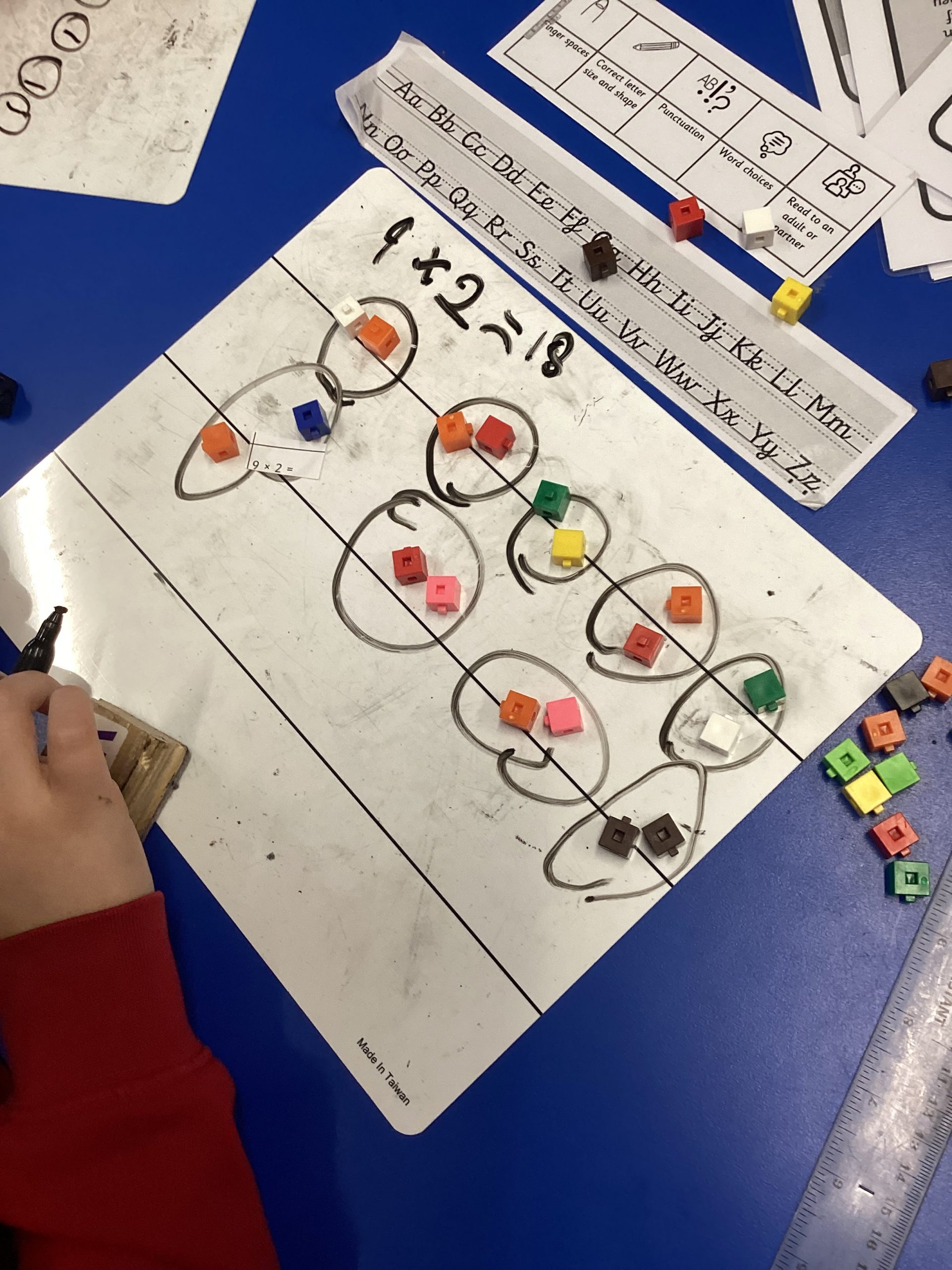
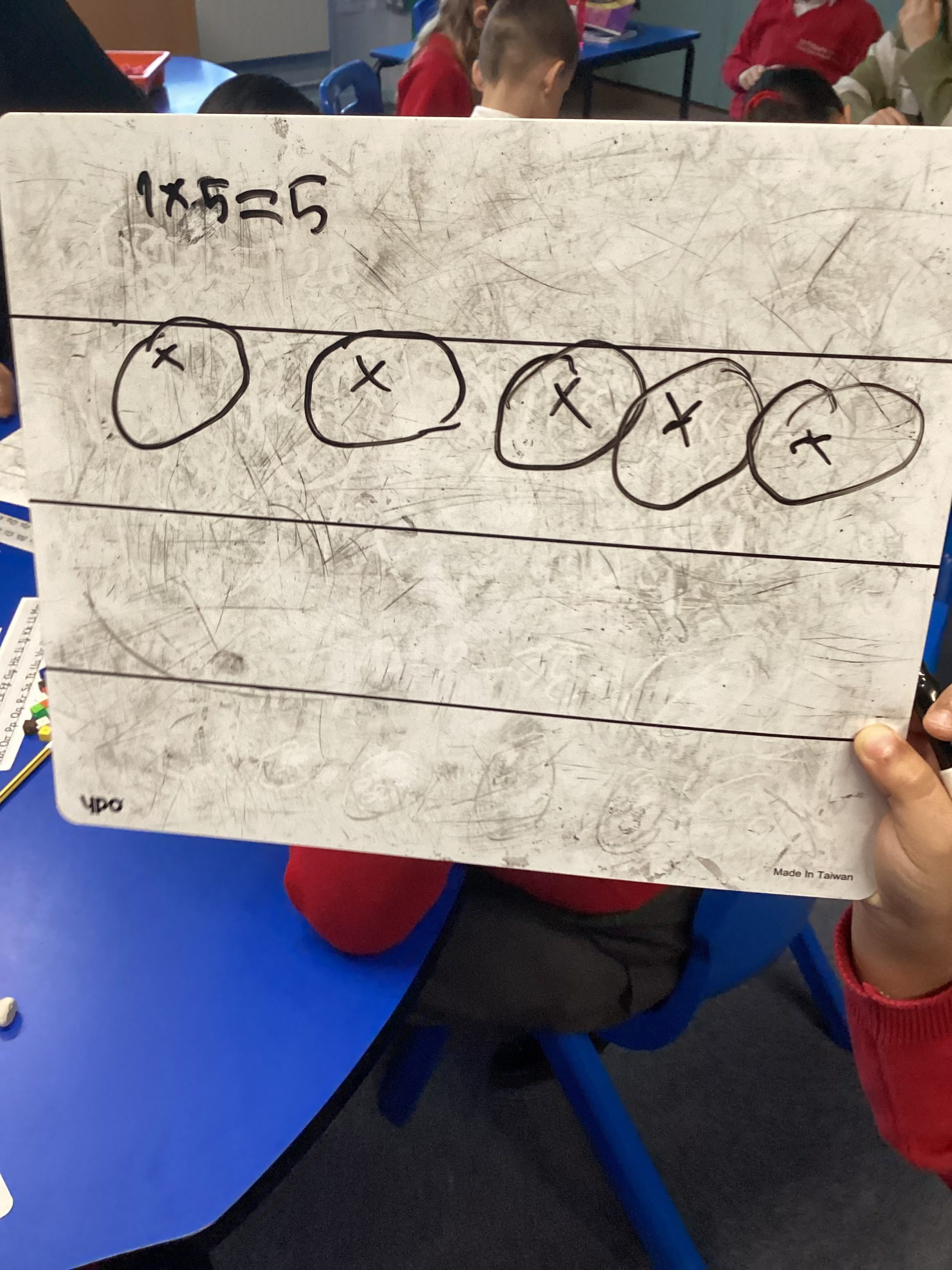
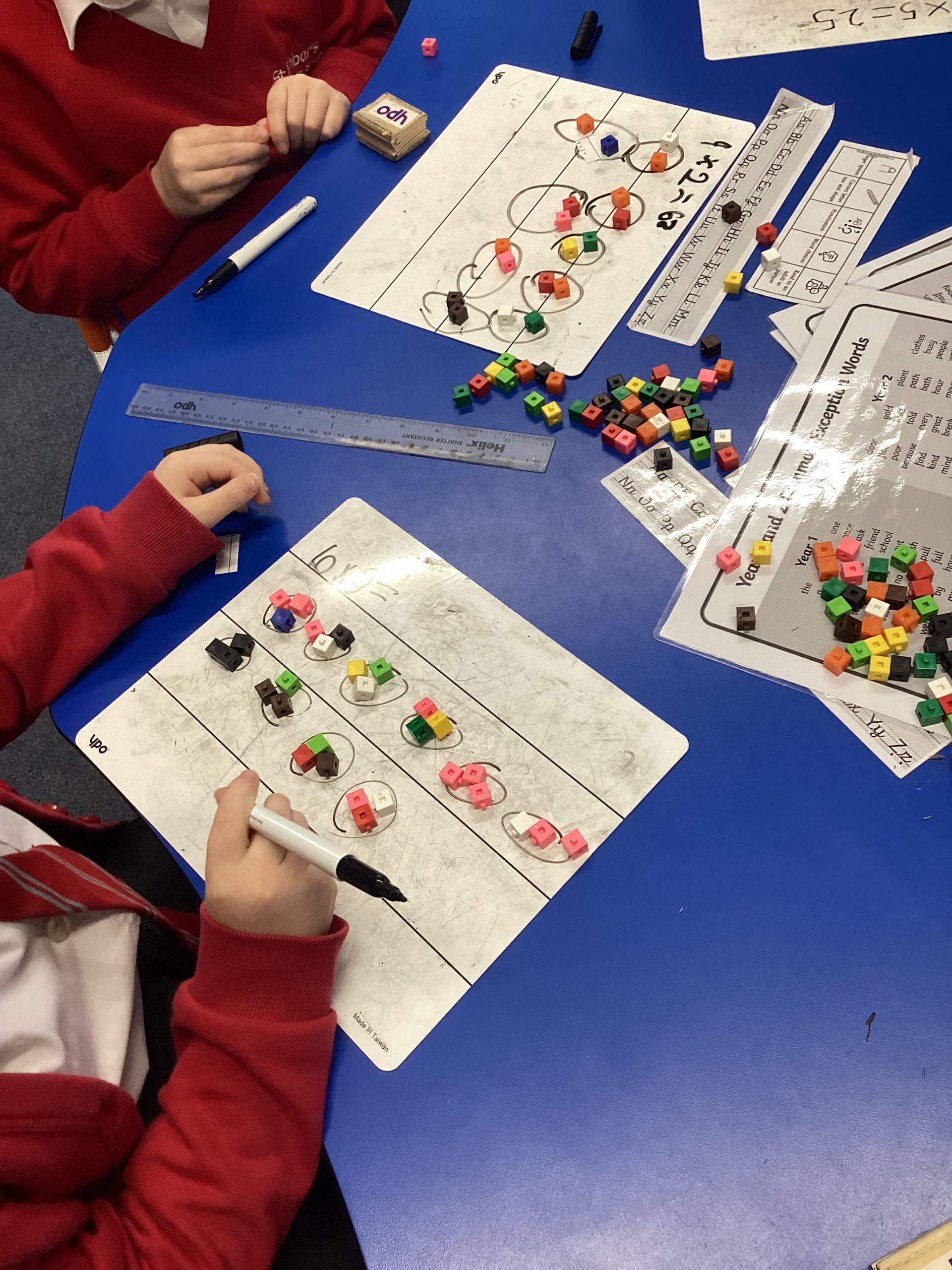
Year 2 today were making groups using counters. They are getting ready to multiply and divide. They absolutely smashed it today! Well done Year 2.
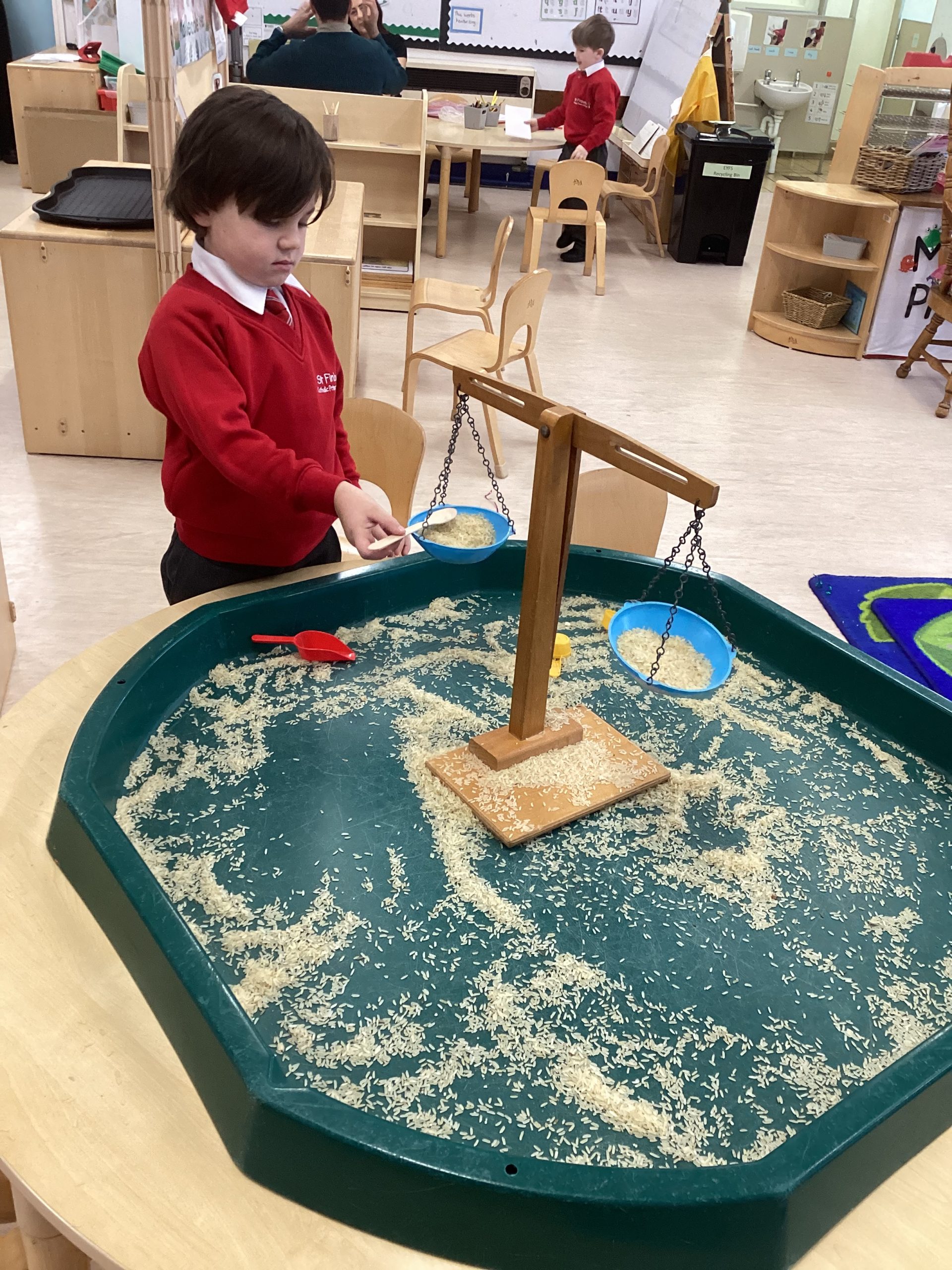
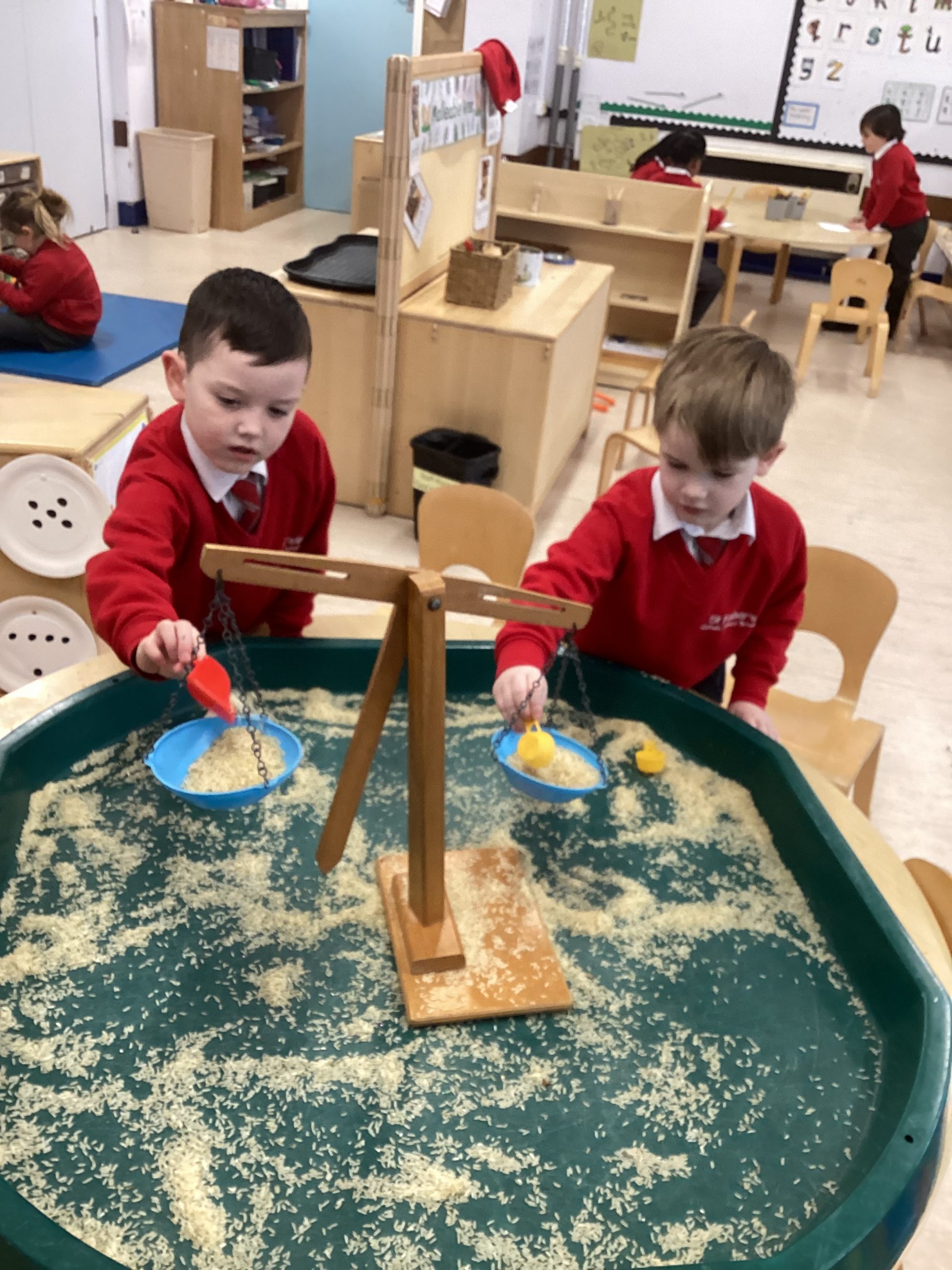
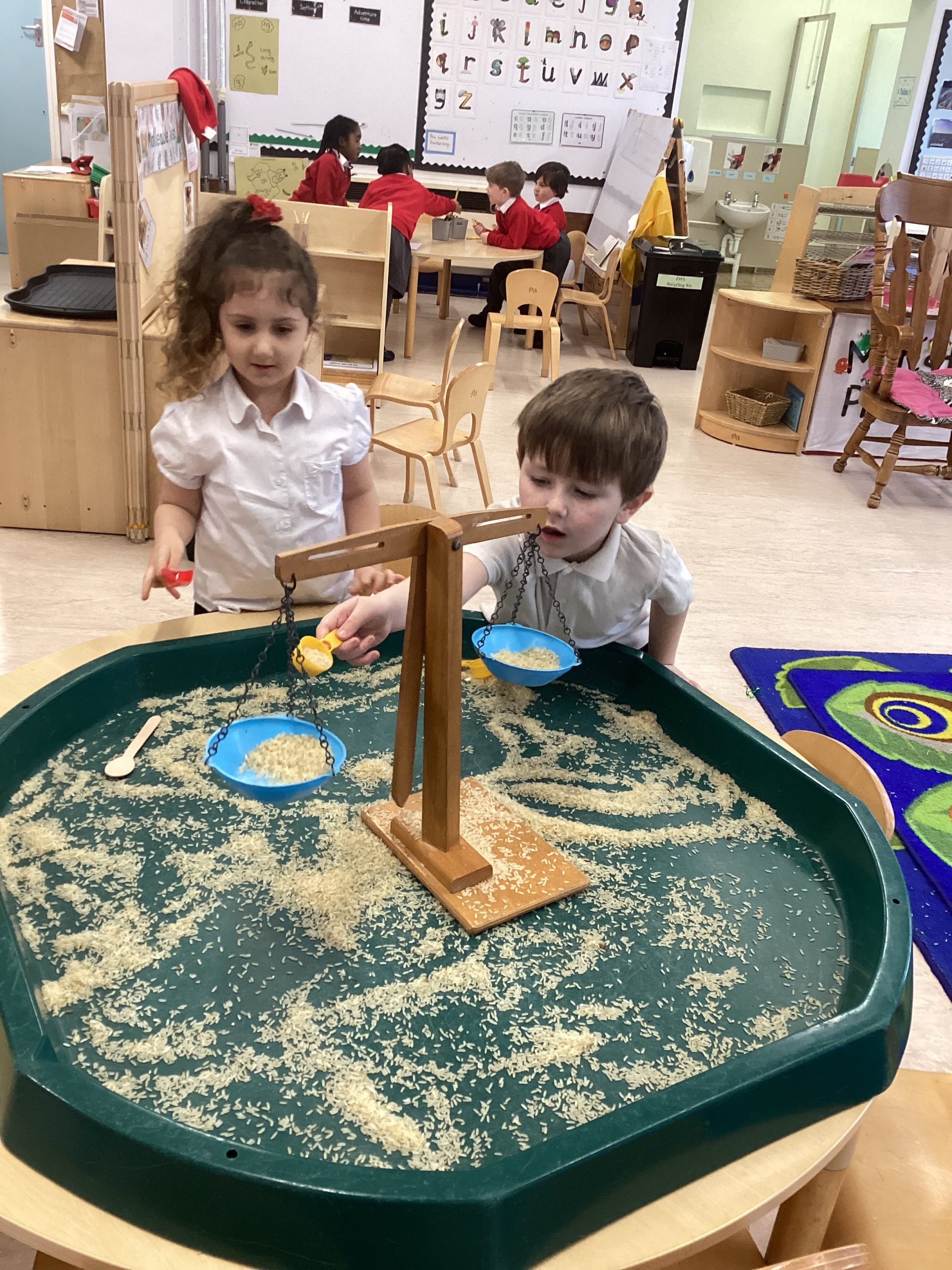
This week, Sunflower class have been exploring heavy and light and learning about how to balance a scale through explorative play.
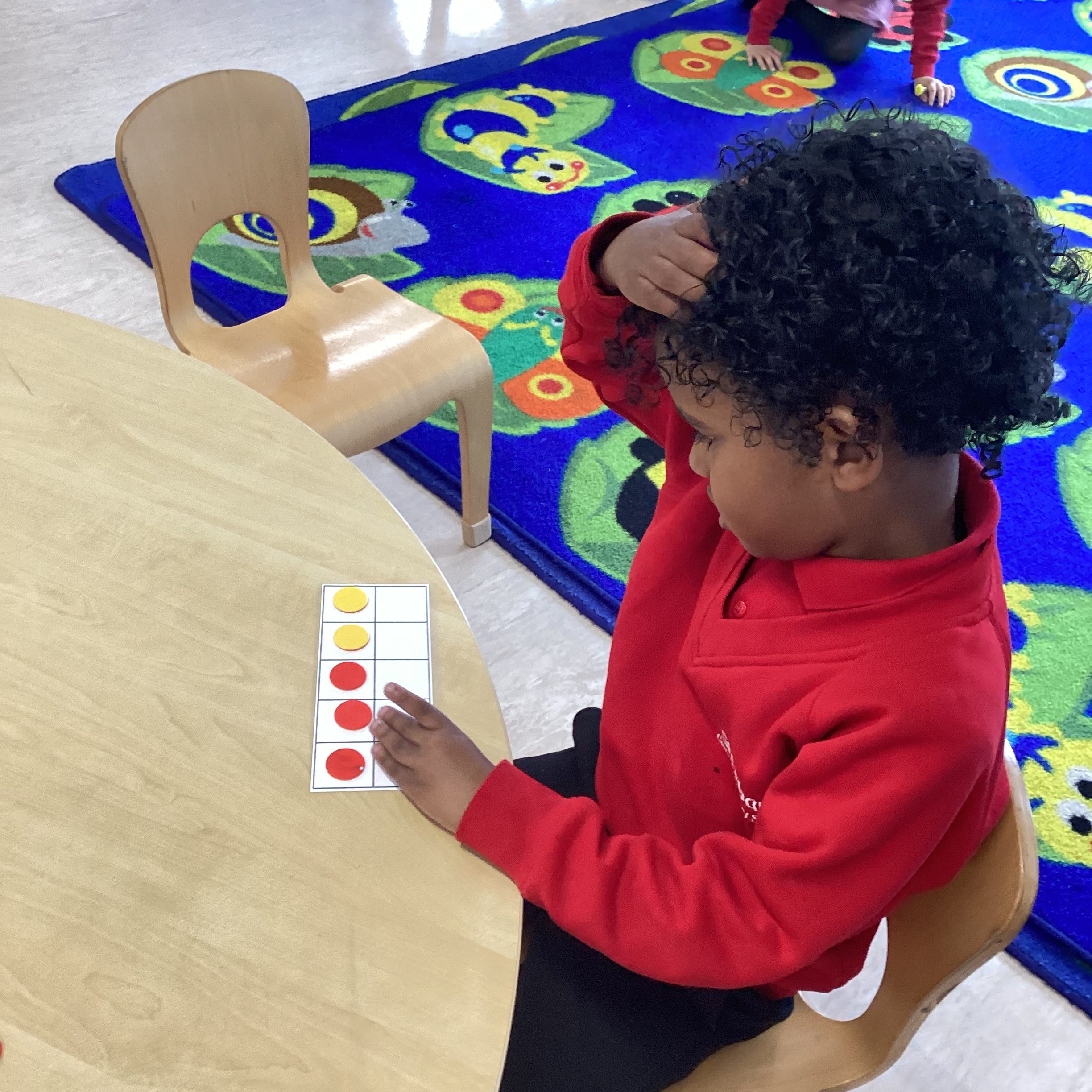
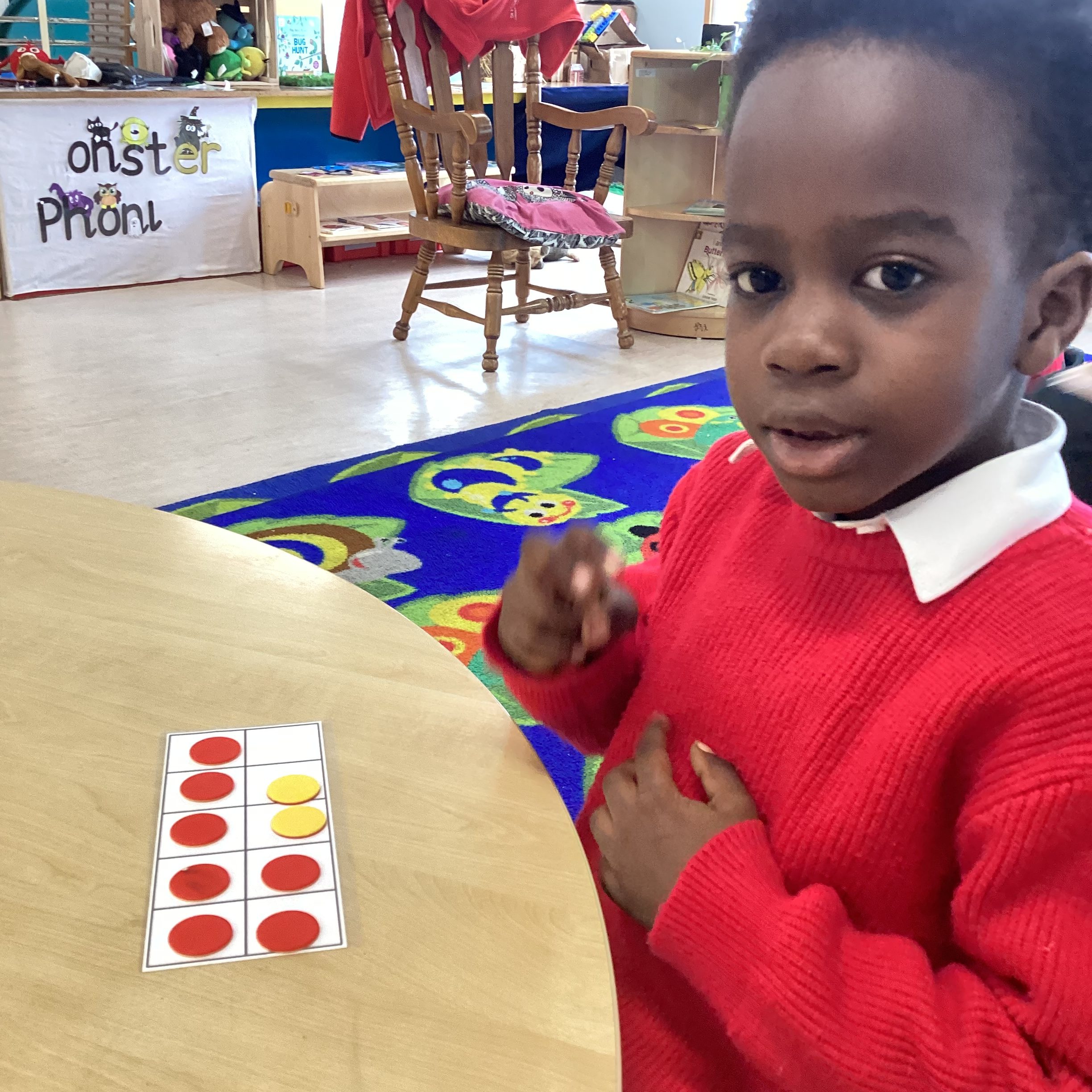
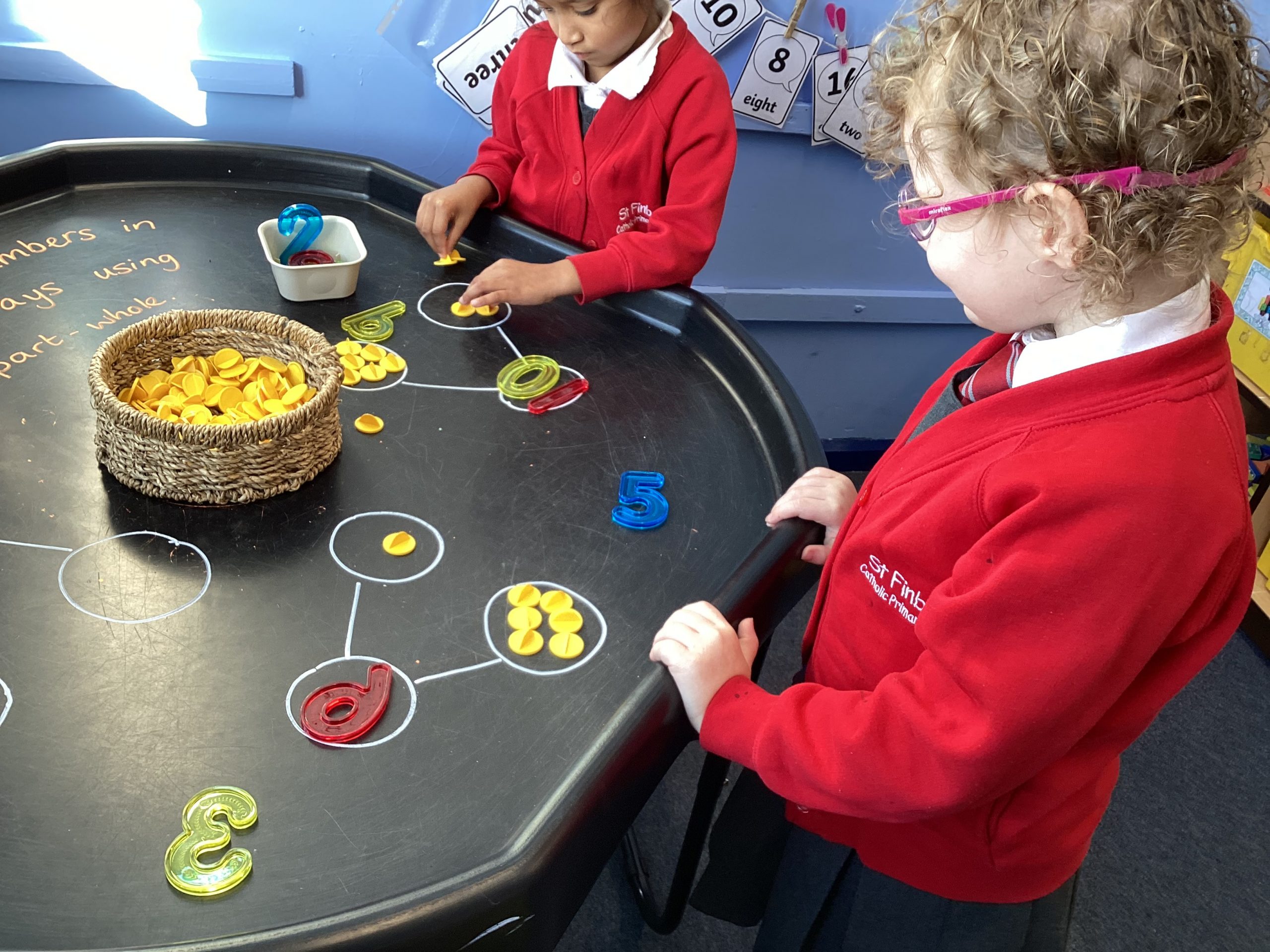
Sunflower class are looking at composition if numbers. This week we began to use our tens frames to explore the composition of six.
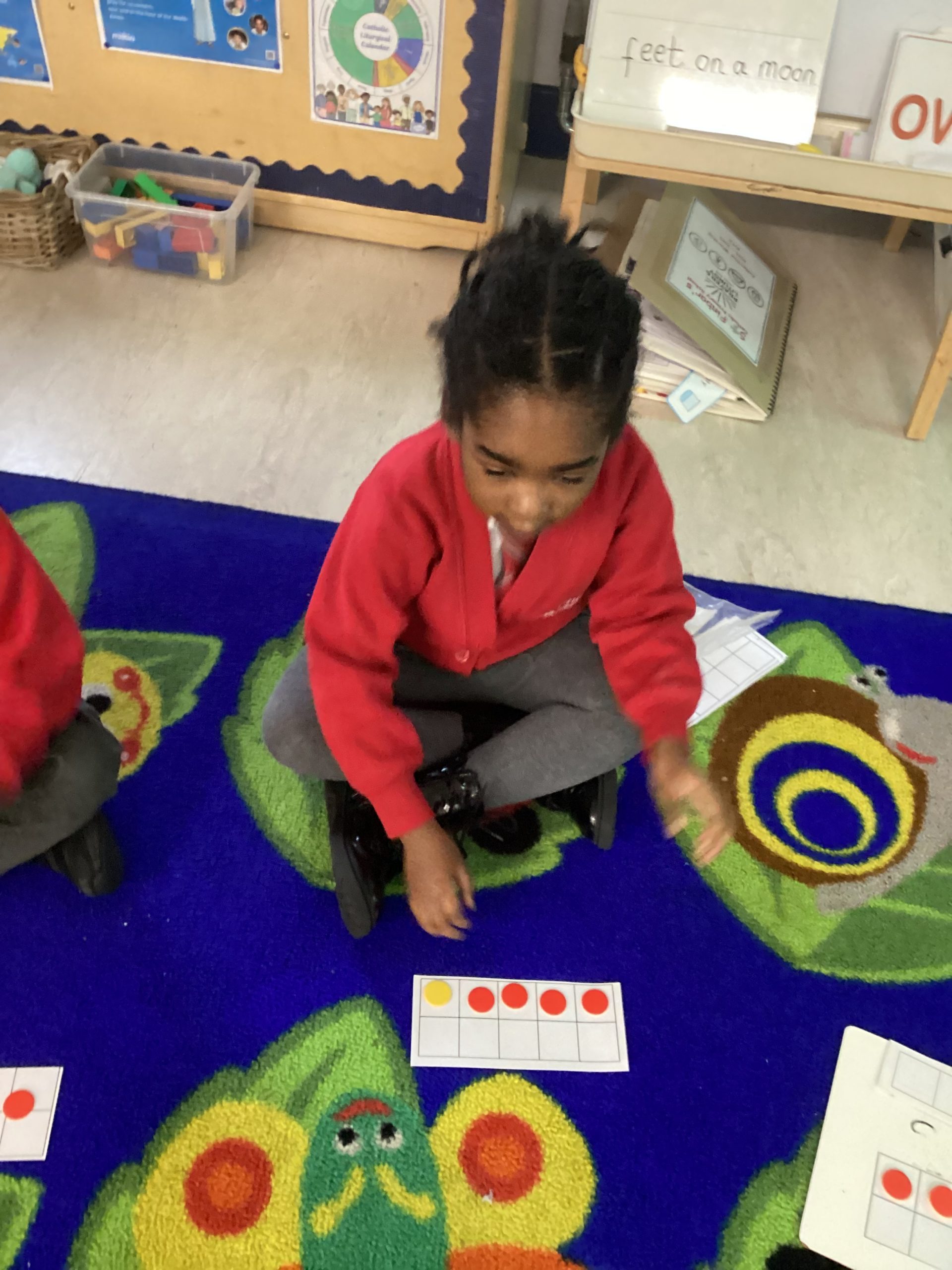
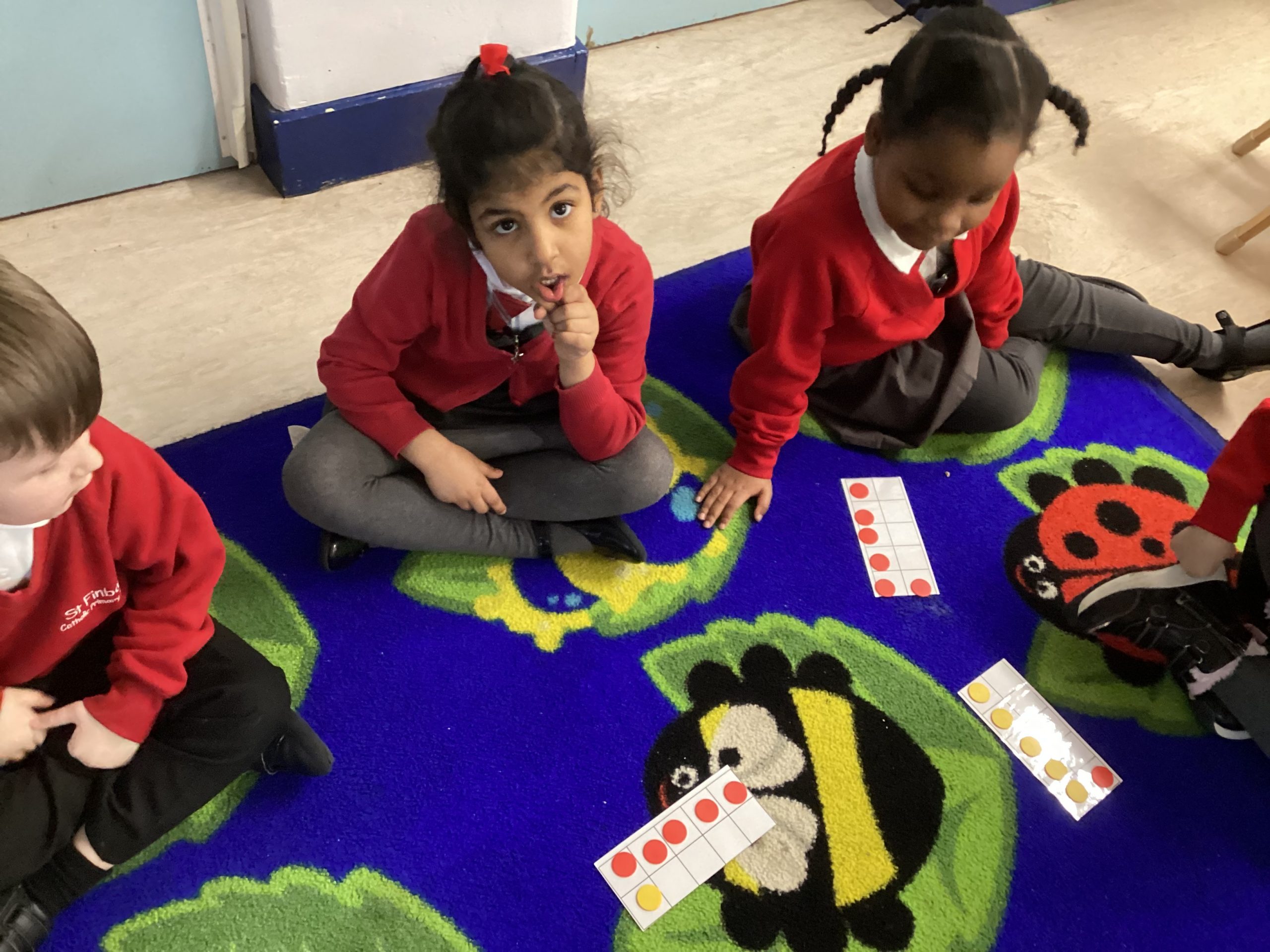
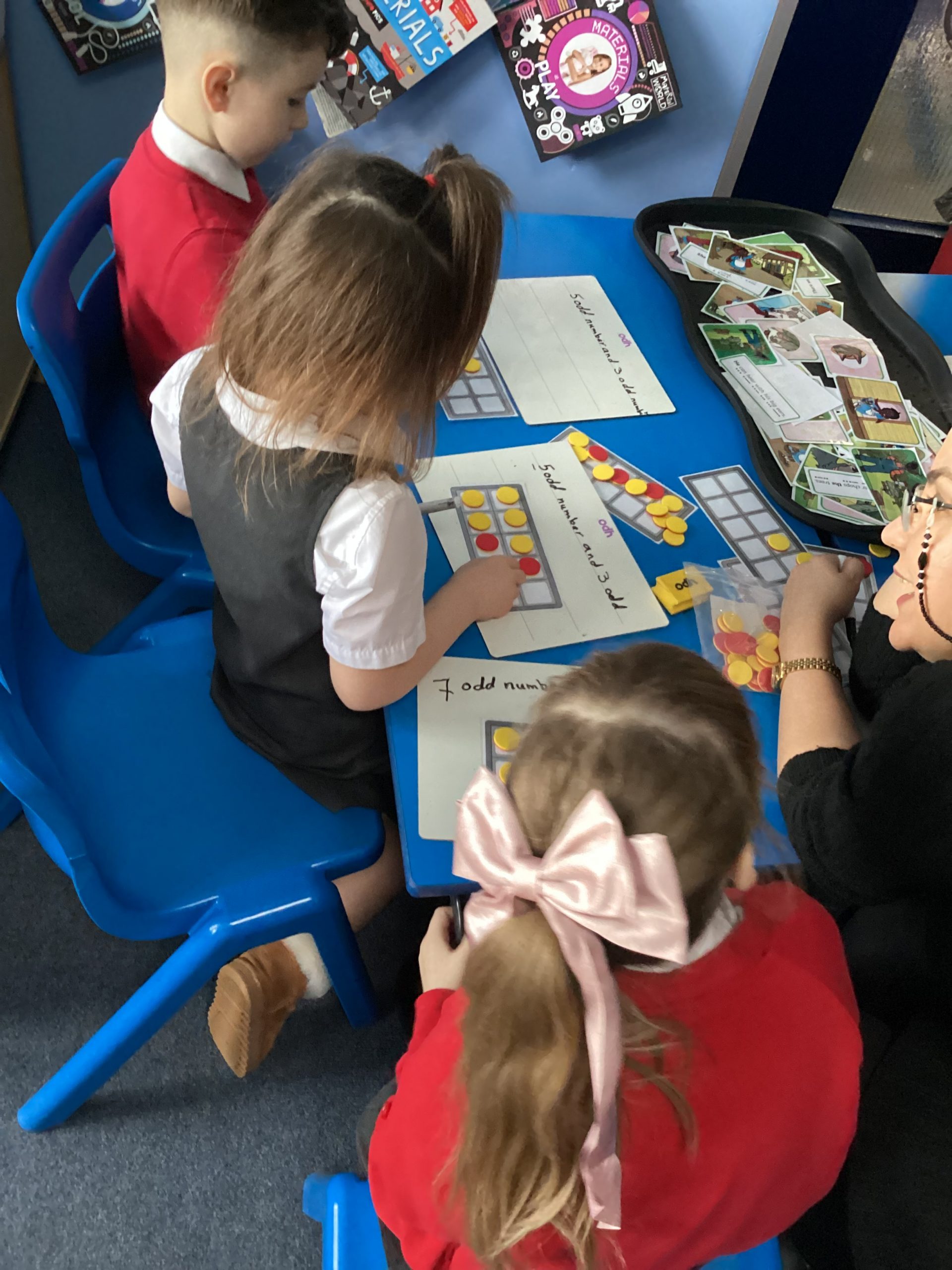
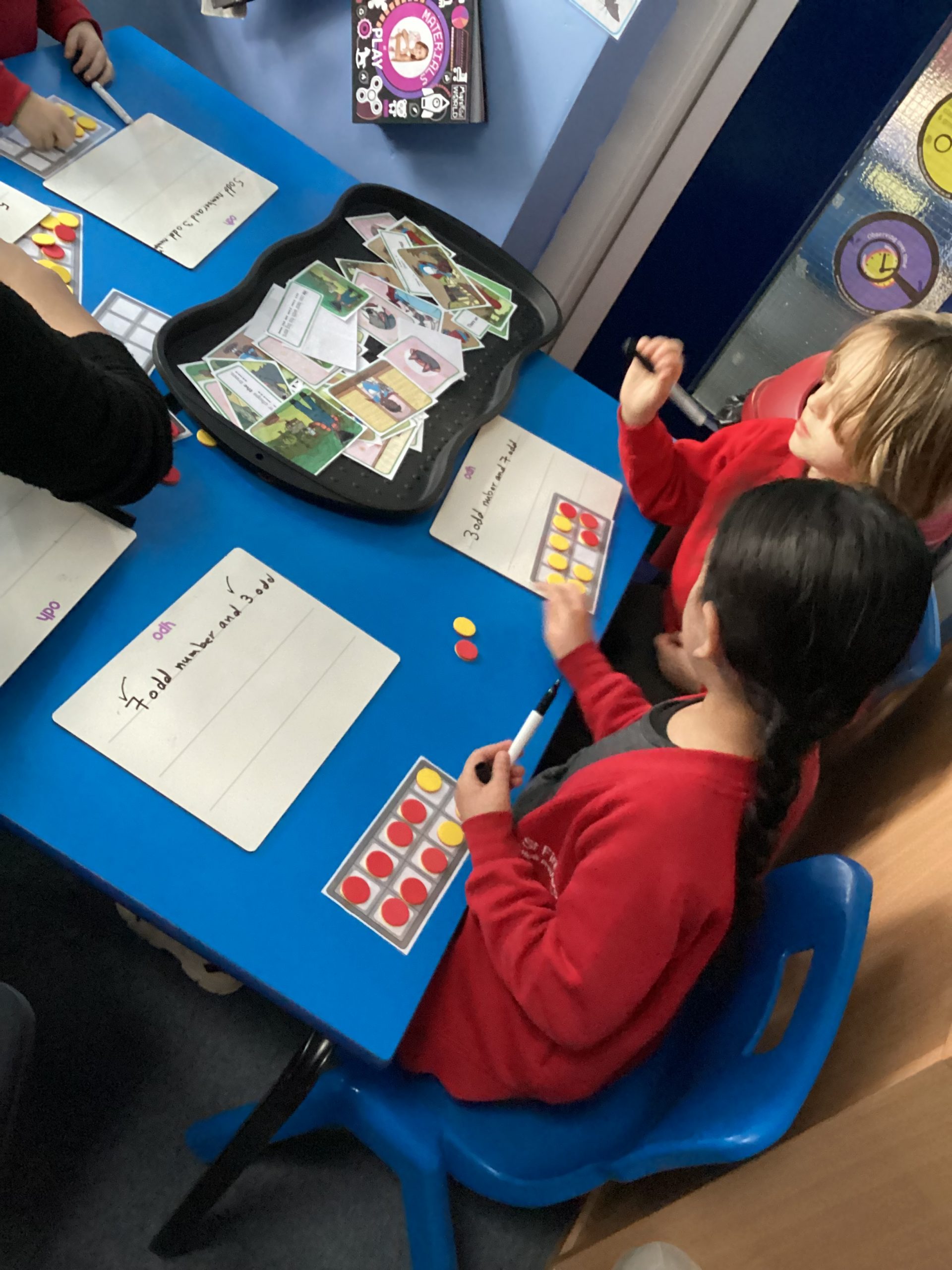
Today in Mastering Number, we practised finding odd numbers within an even number. We used the coloured counters to find lots of different odd numbers.
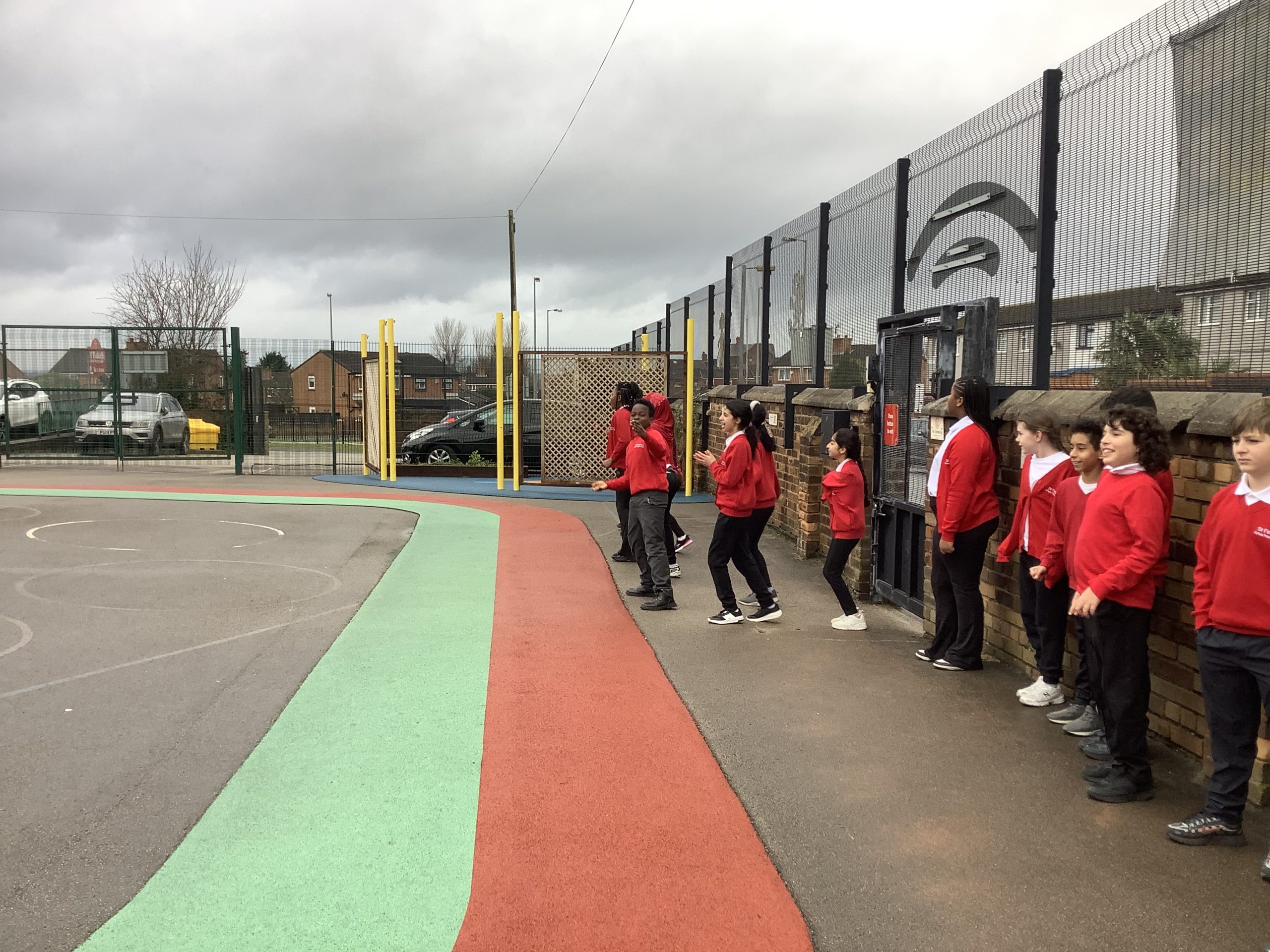
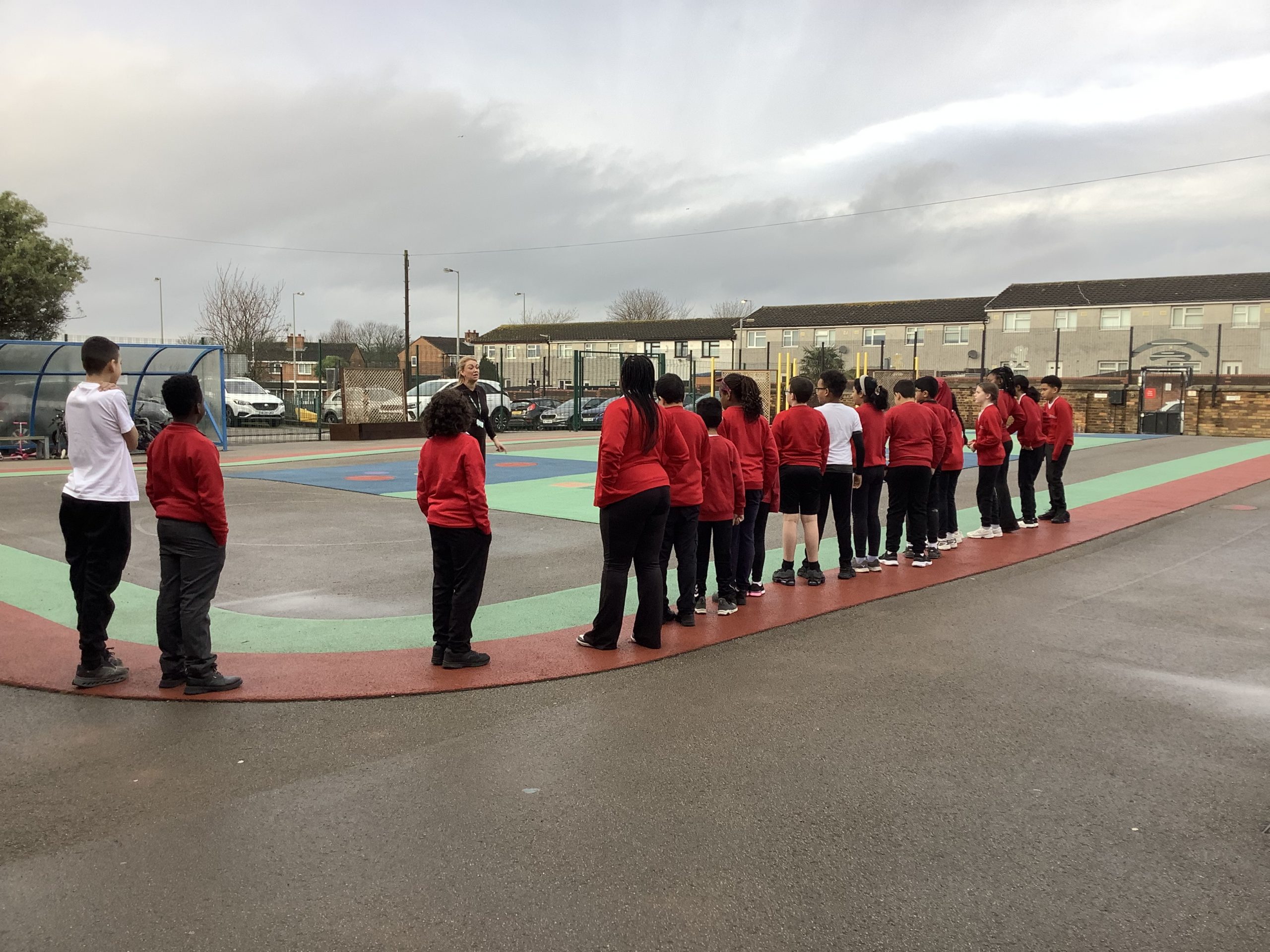
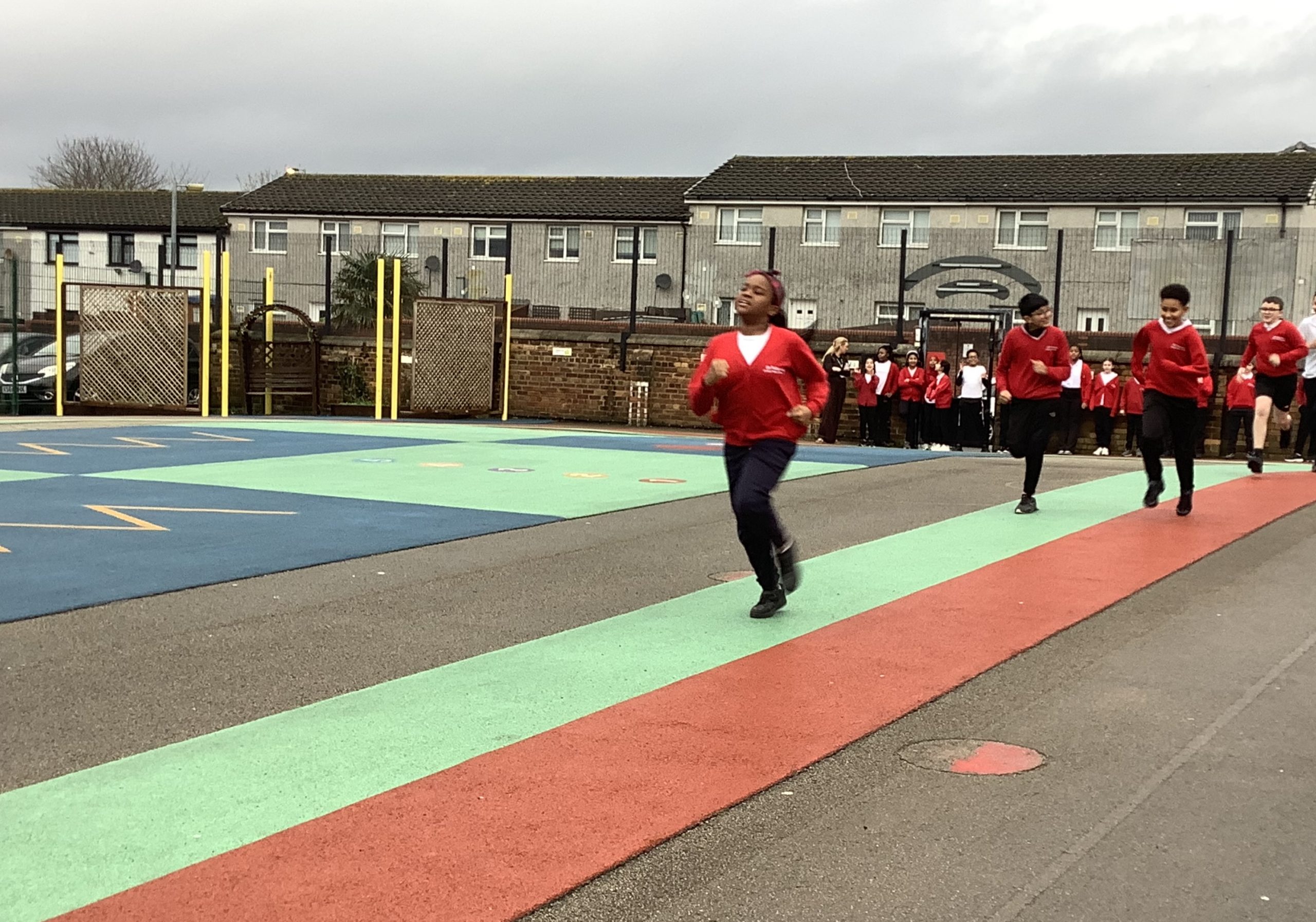
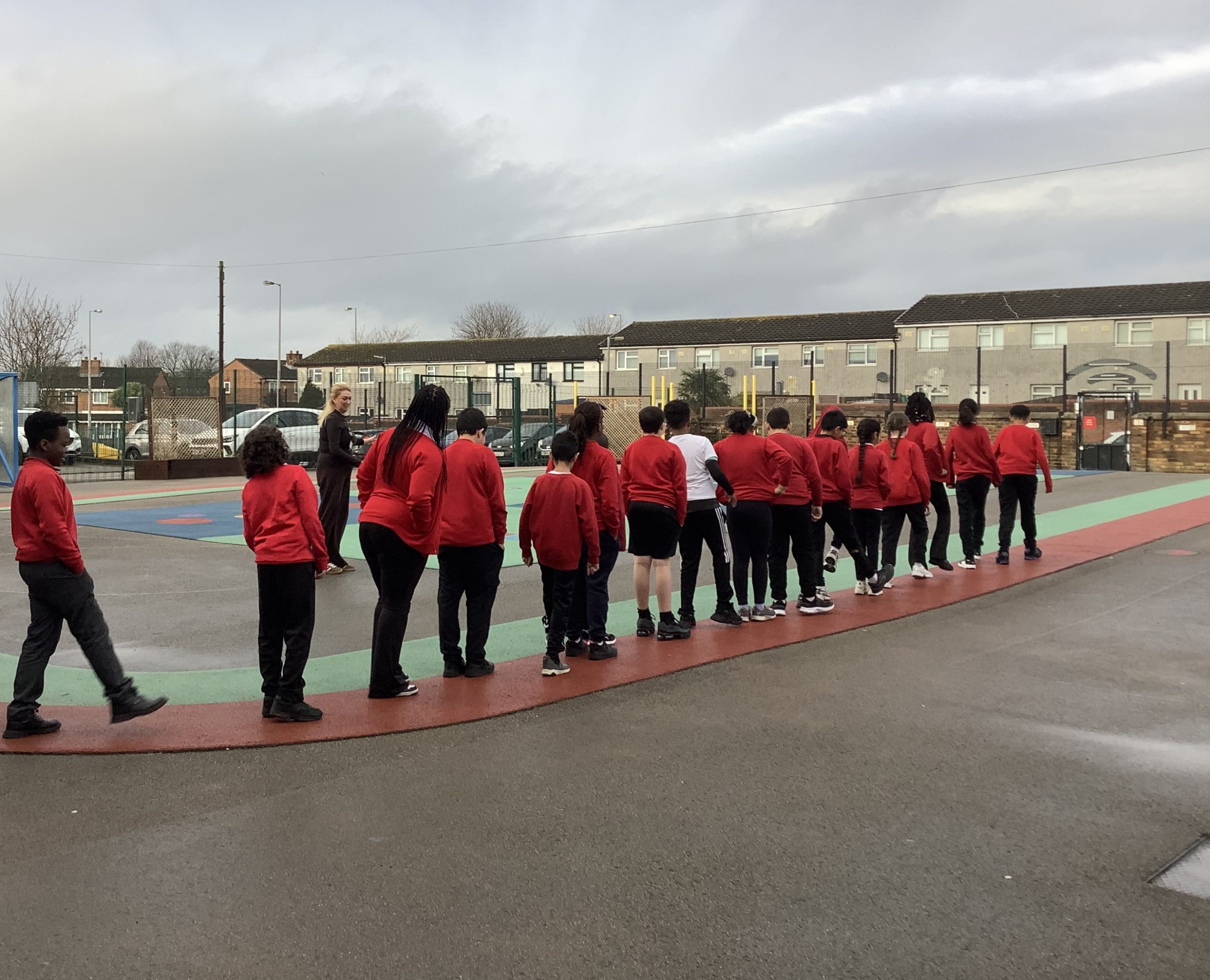
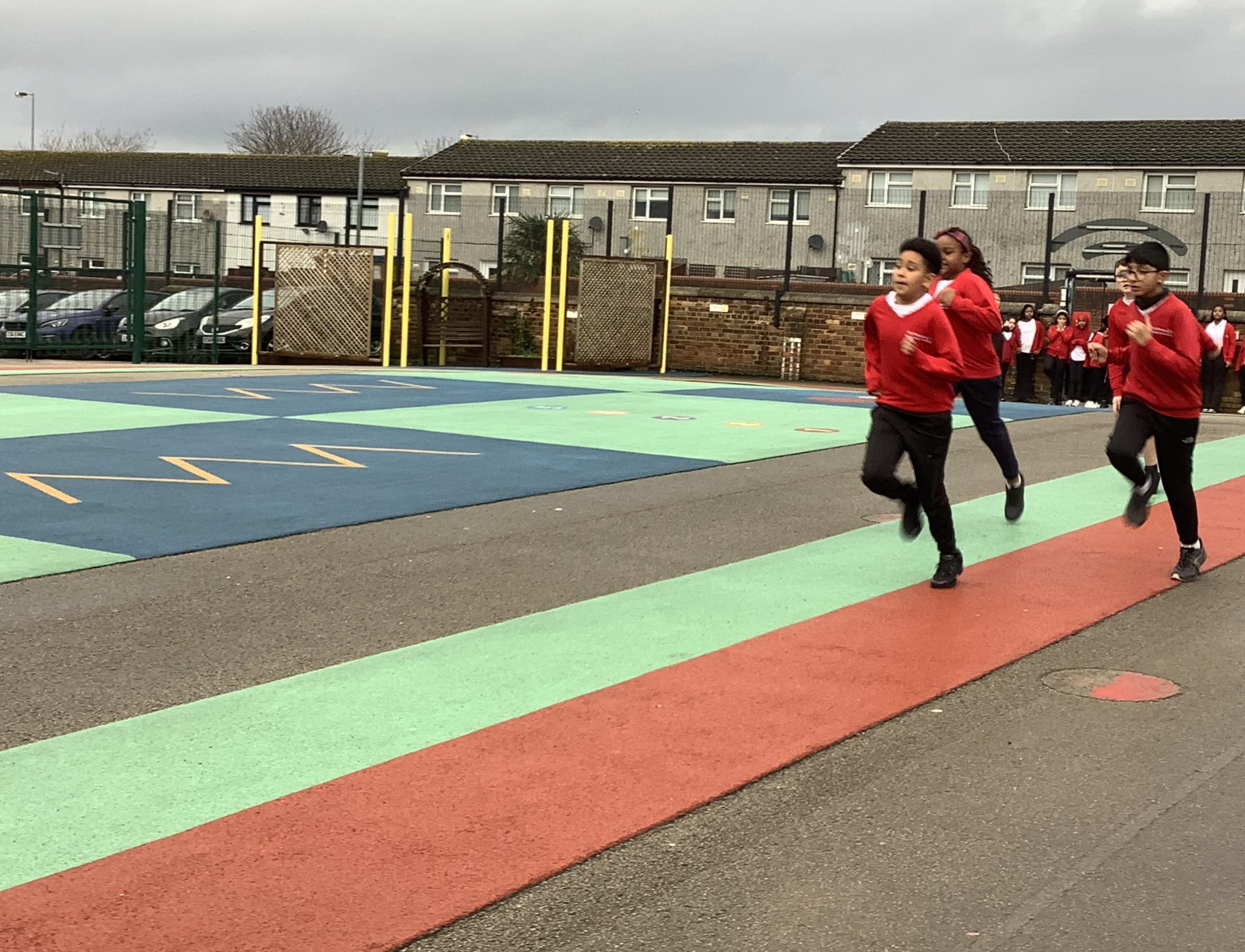
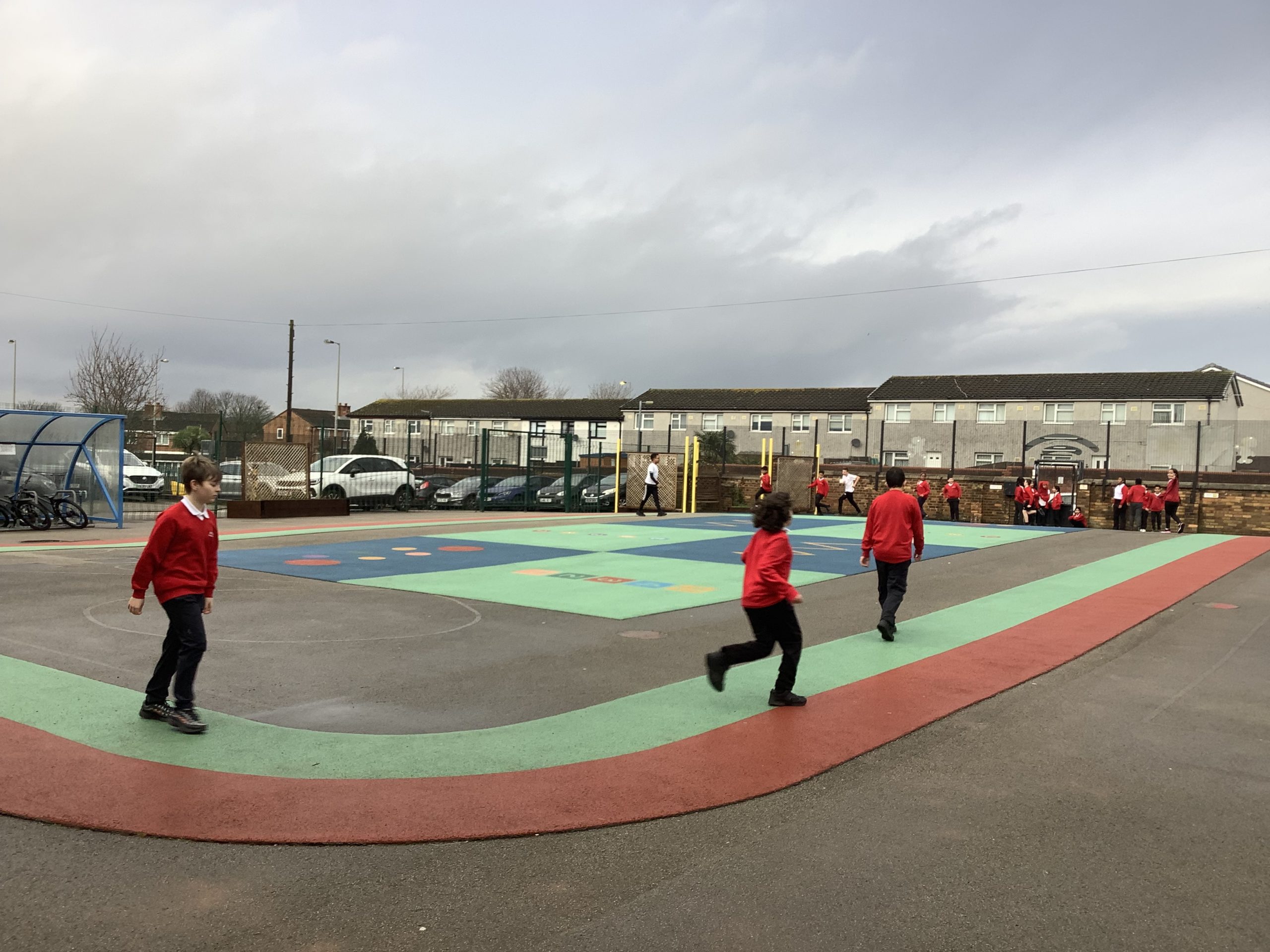
In maths this week, we have been converting measurements. To help us imagine it, we ran one metre, 10 metres, 100 metres and 1 km. Those children who felt up to it then ran one mile. Everyone else cheered them on as it was only 6.5 times around the track.
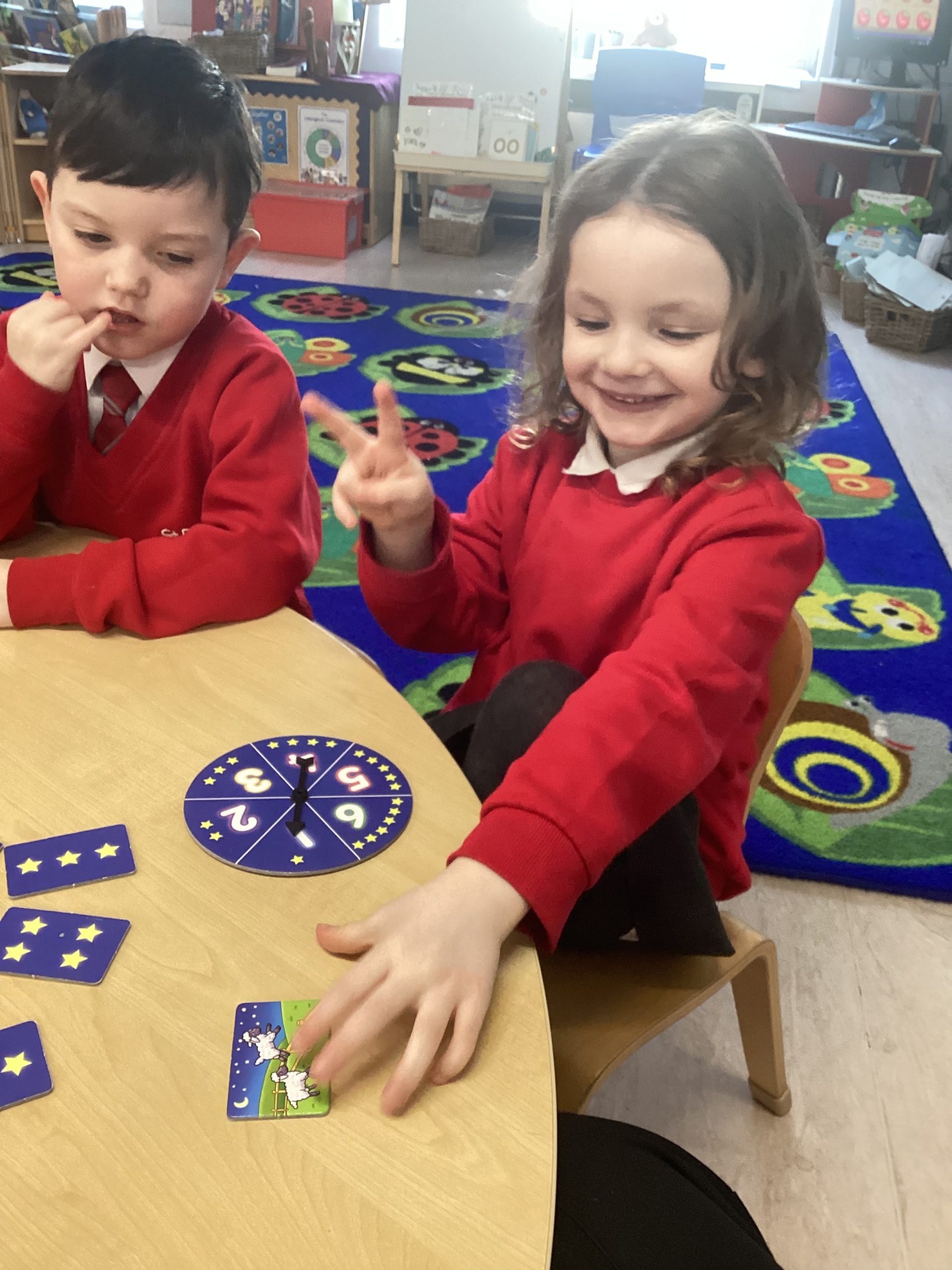
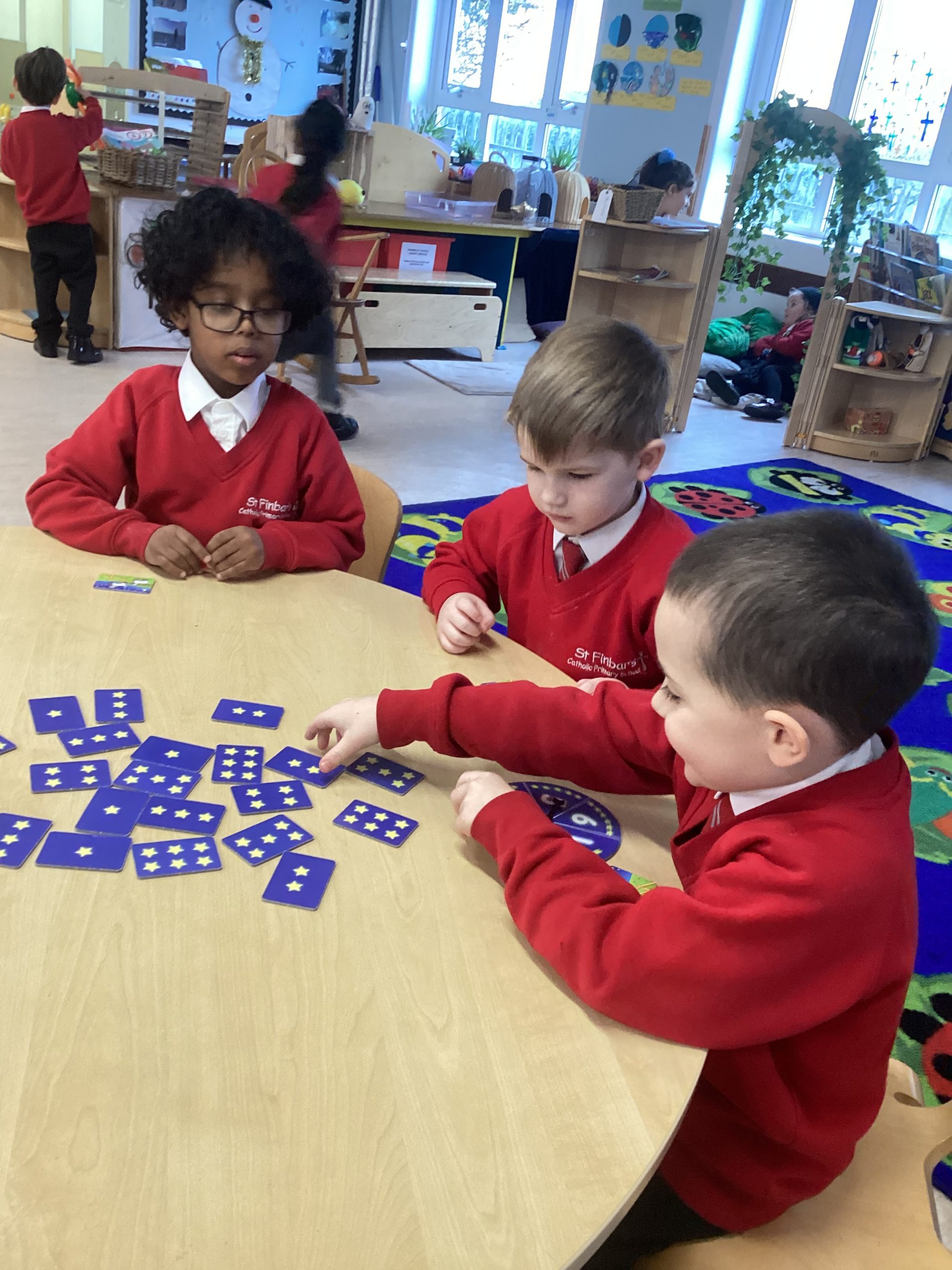
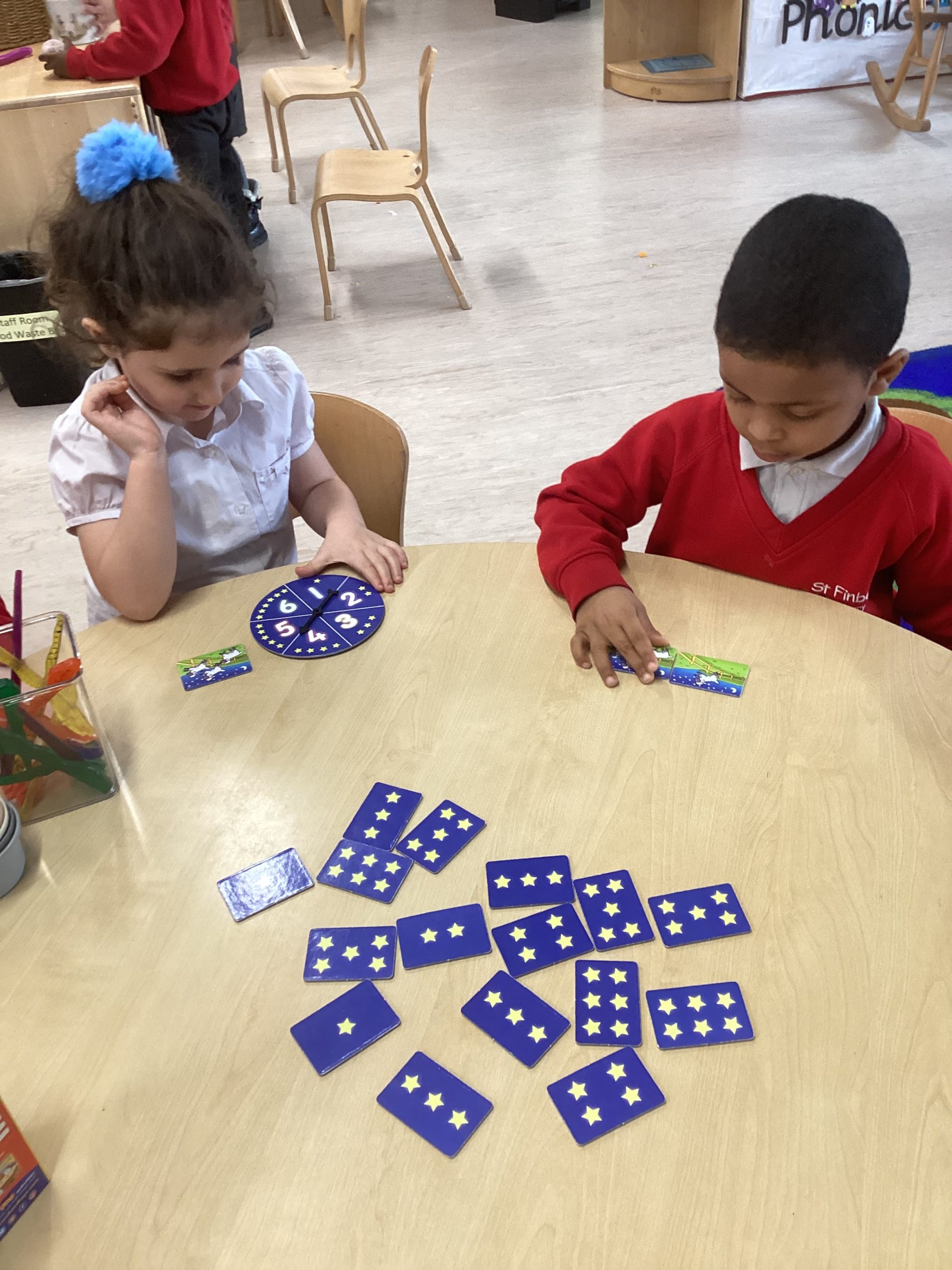
The children like to explore their maths in different ways, we played a game to match number and quantity.
Today in Year 2, we played a game using coins with a partner. One partner had to tell the other what the value of the coin was and how they could make this value using other coins, for example, 10p could be made using 5 2pences.
Isn’t it lovely to see our little learners independently applying their learning. This week we have begun to look at 2D and 3D shapes. We can recognise and name the shapes and have now began to sort them. Can you see how the children have independently sorted the shapes?
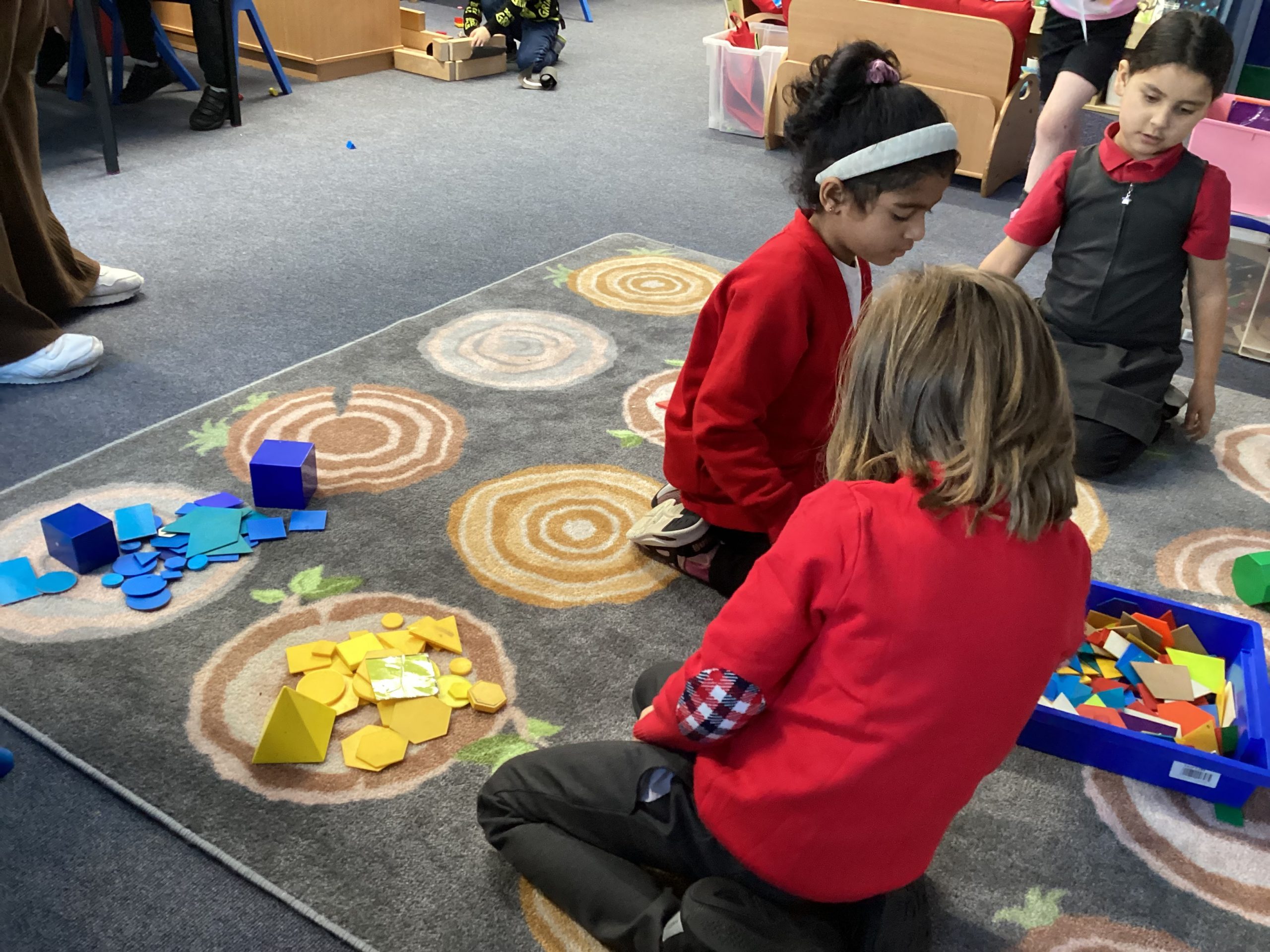
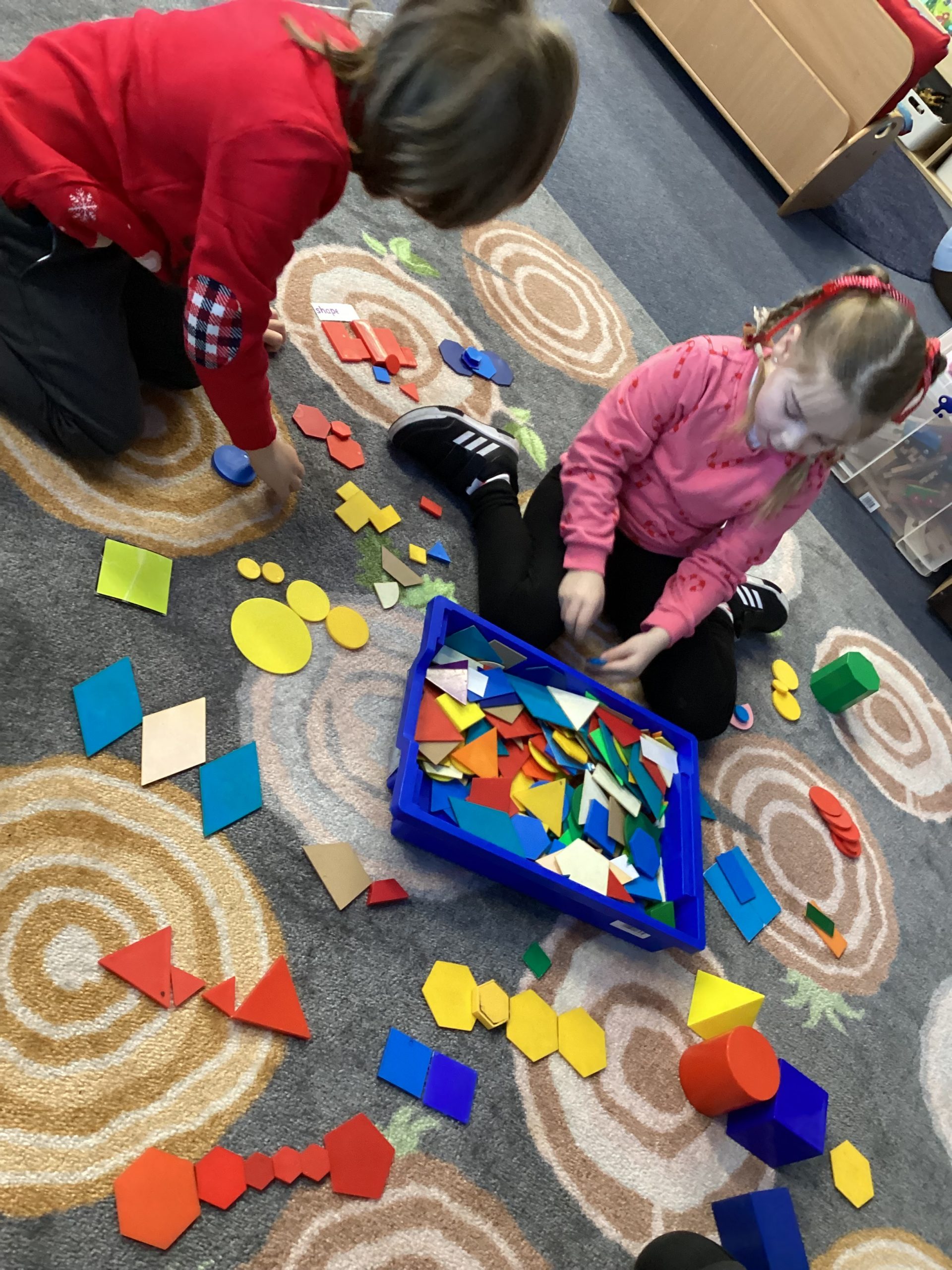
Today we begun to investigate 3D shapes, we went on a shape hunt around our school and found lots of cuboids and cylinders but only a few spheres and cubes. We decided that a Christmas tree was very similar to a cone.
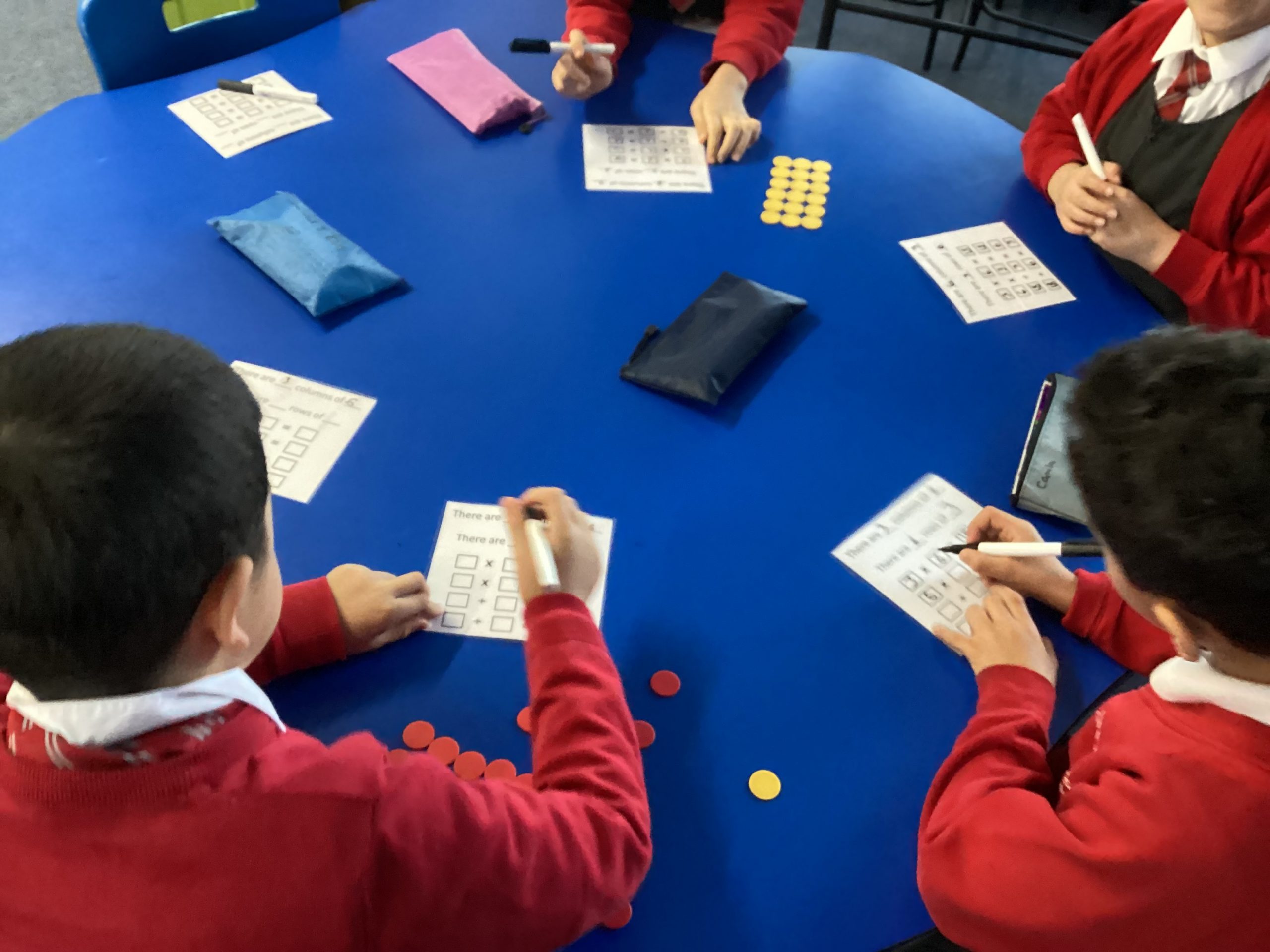
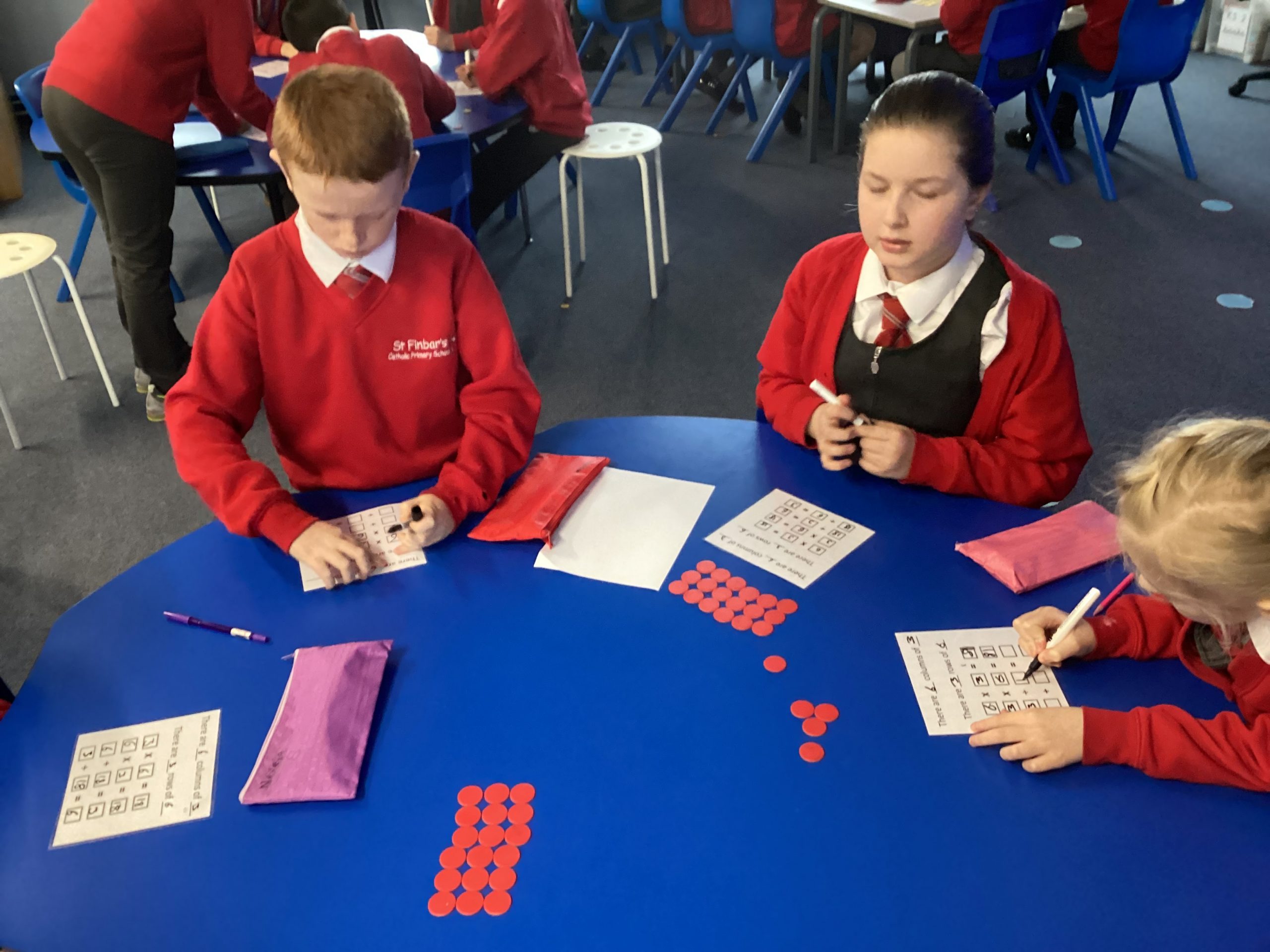
Today we have been practising our 6 times tables while learning an out making arrays. When we were confident with the arrays we linked this to how we can use it to find the fact family. This meant we could find two multiplication and two division facts that linked together.
We have been working so hard to understand subtraction by crossing out. We have also focused on writing our calculation sentences. Look at our amazing independent work.
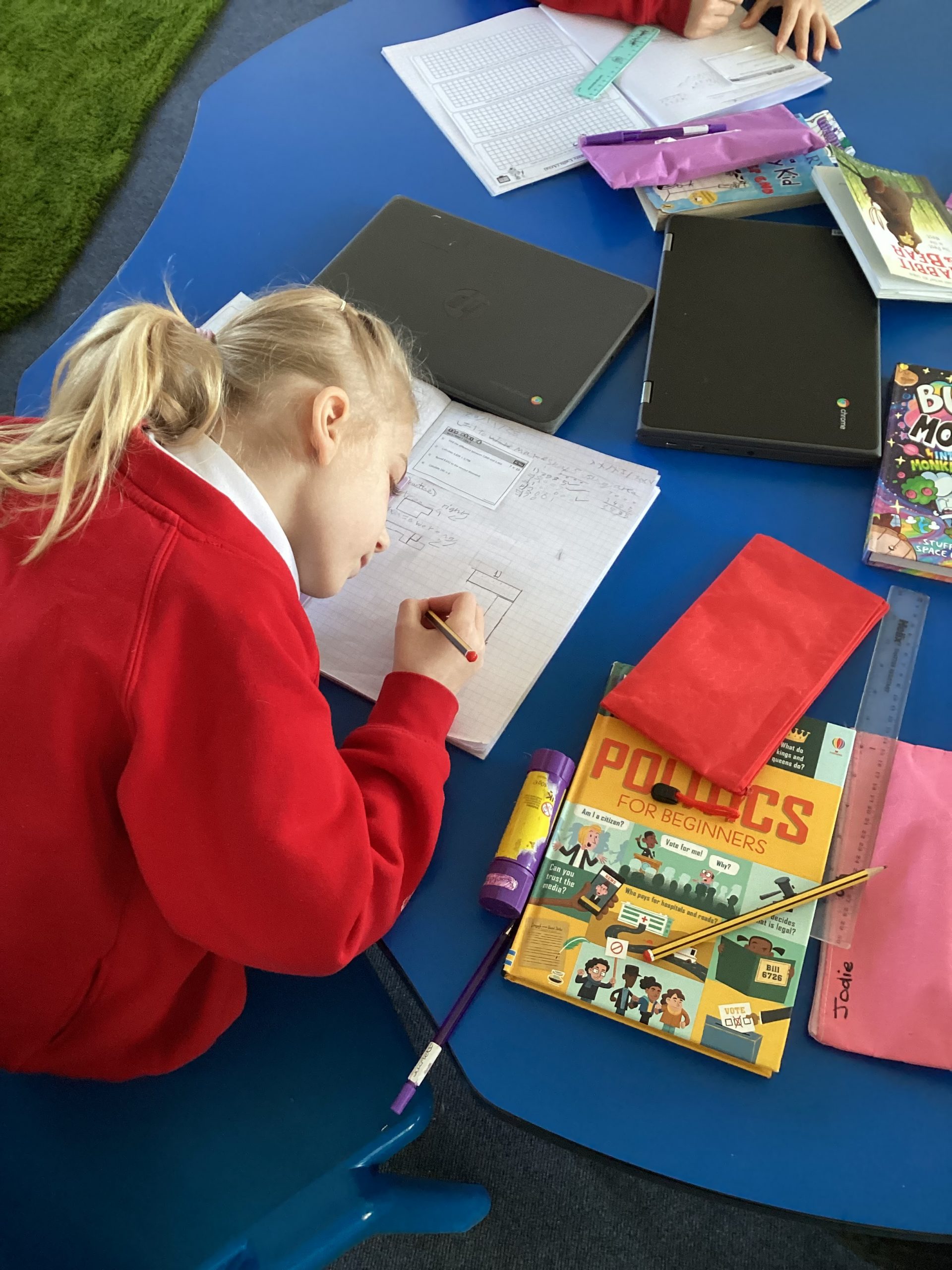
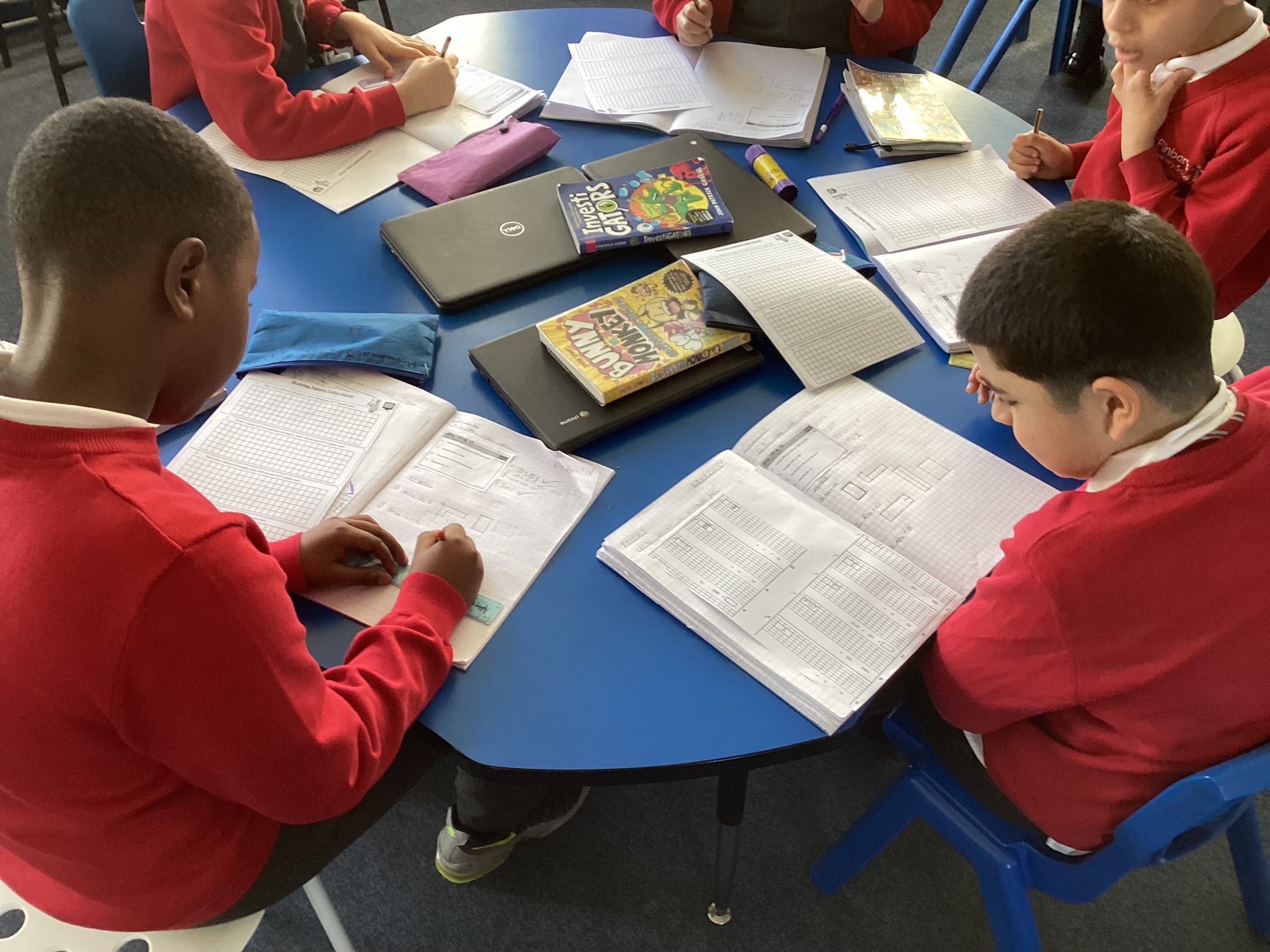
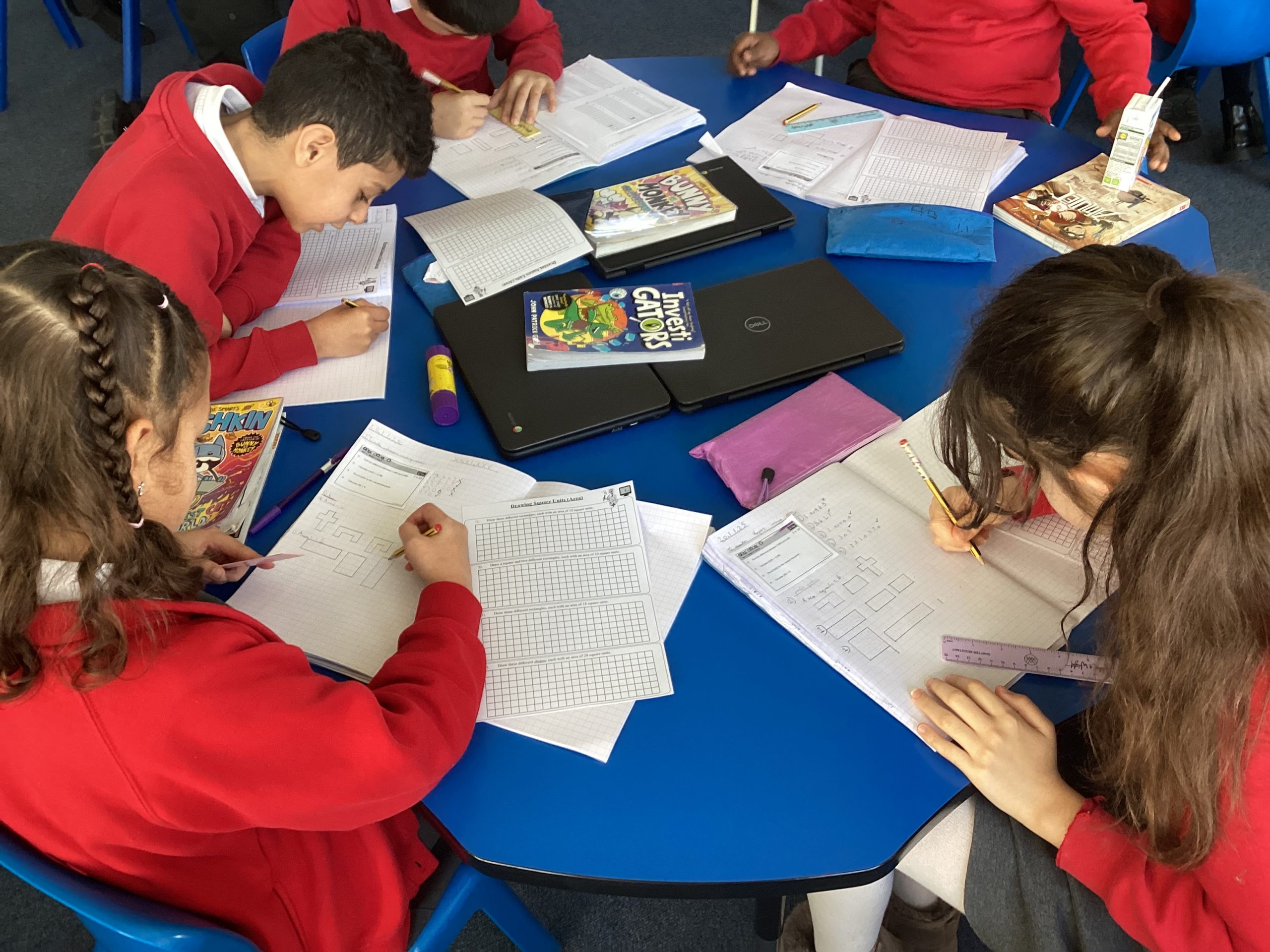
Today we have been using given areas to create rectangles, squares and rectilinear shapes. We have drawn them and fond different shapes with the same area.
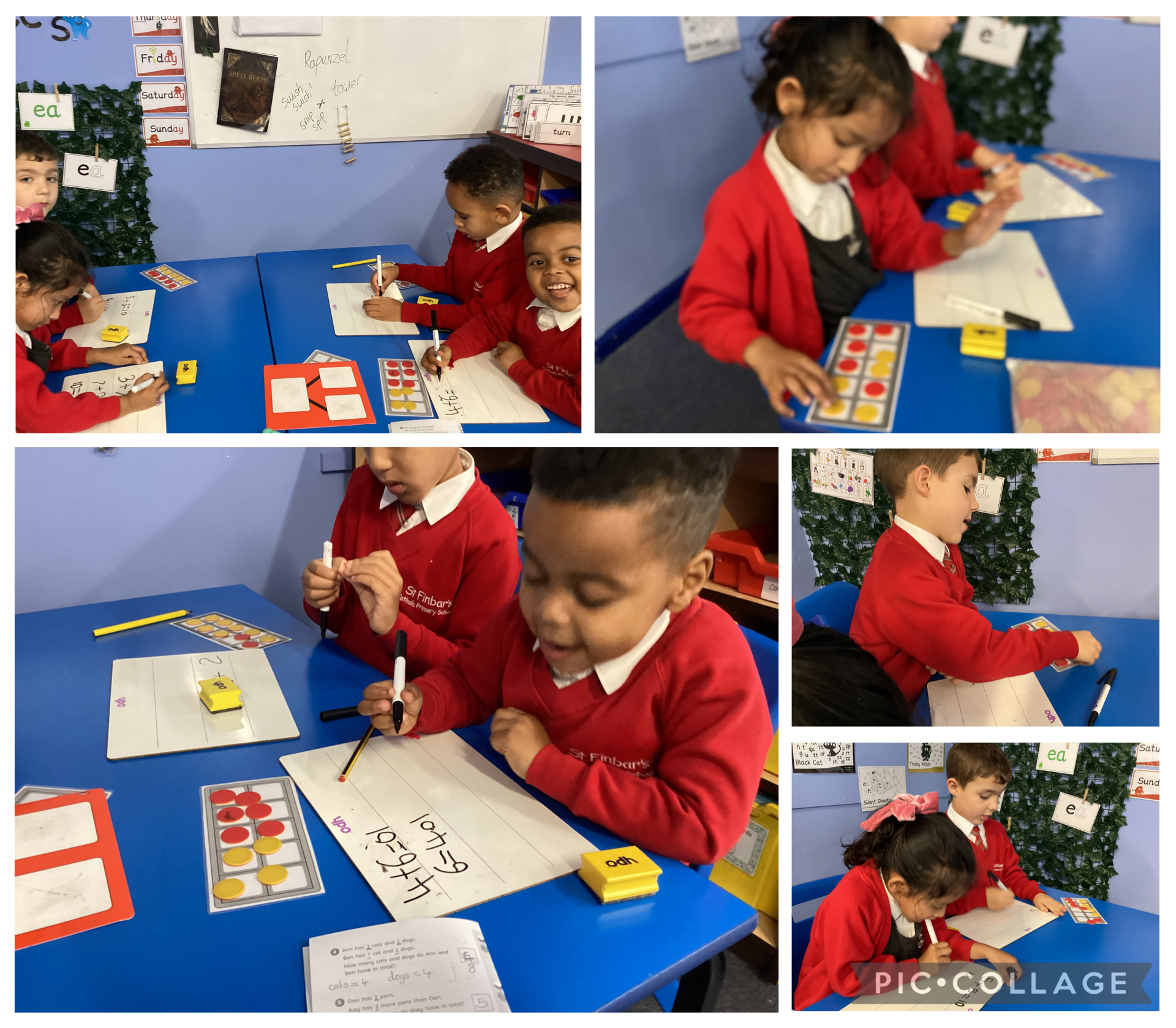
Look at our amazing maths learning. We have been practising adding numbers within 10.
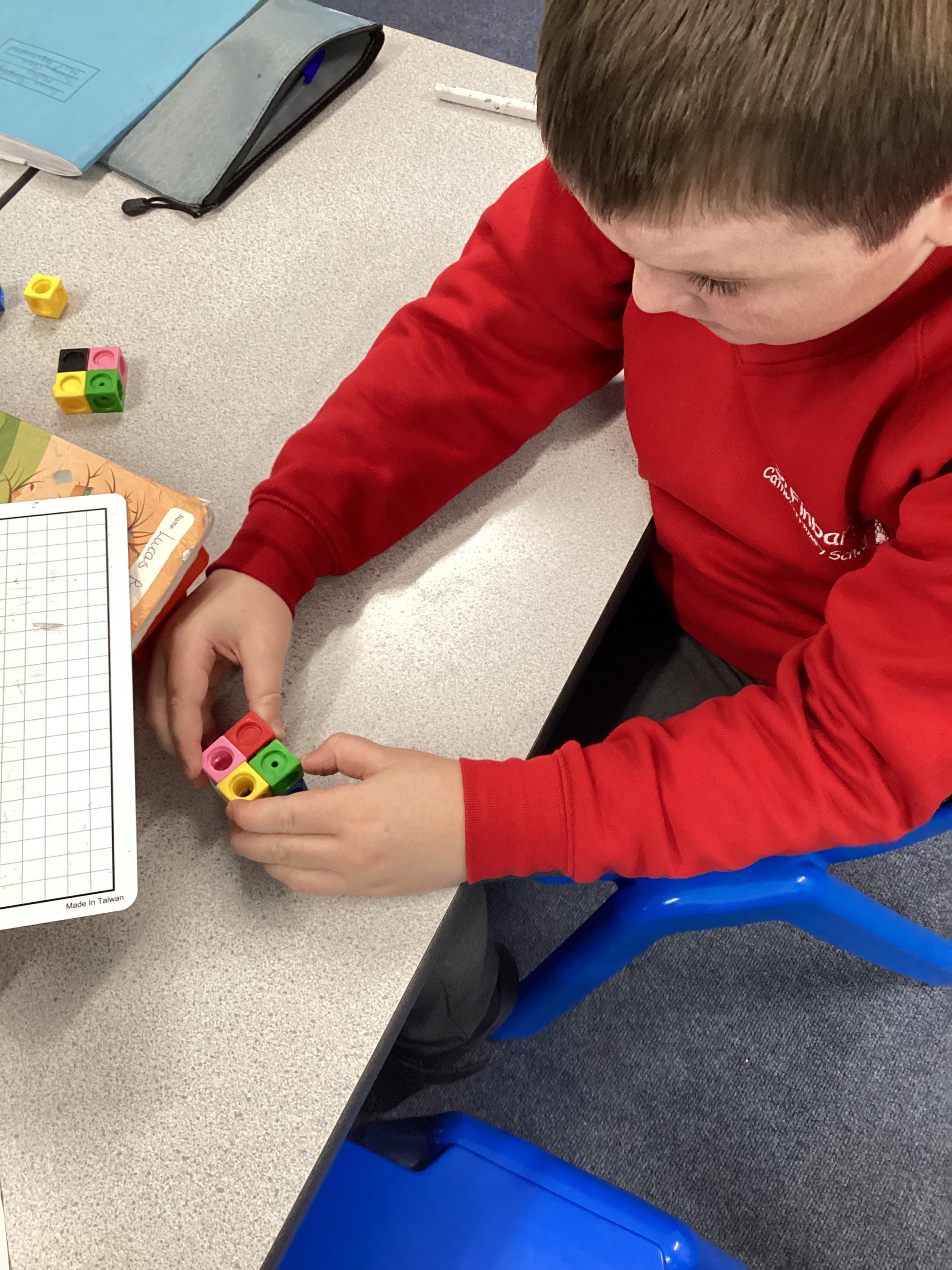
In Maths today, Year 5 explored cubed numbers in a really hands-on way. We used equipment to build actual cubes, which helped us see how a number multiplies by itself three times. The children were very engaged and worked brilliantly together to spot patterns and make connections. It was a fun, practical lesson that supported their understanding and there were lots of proud moments!
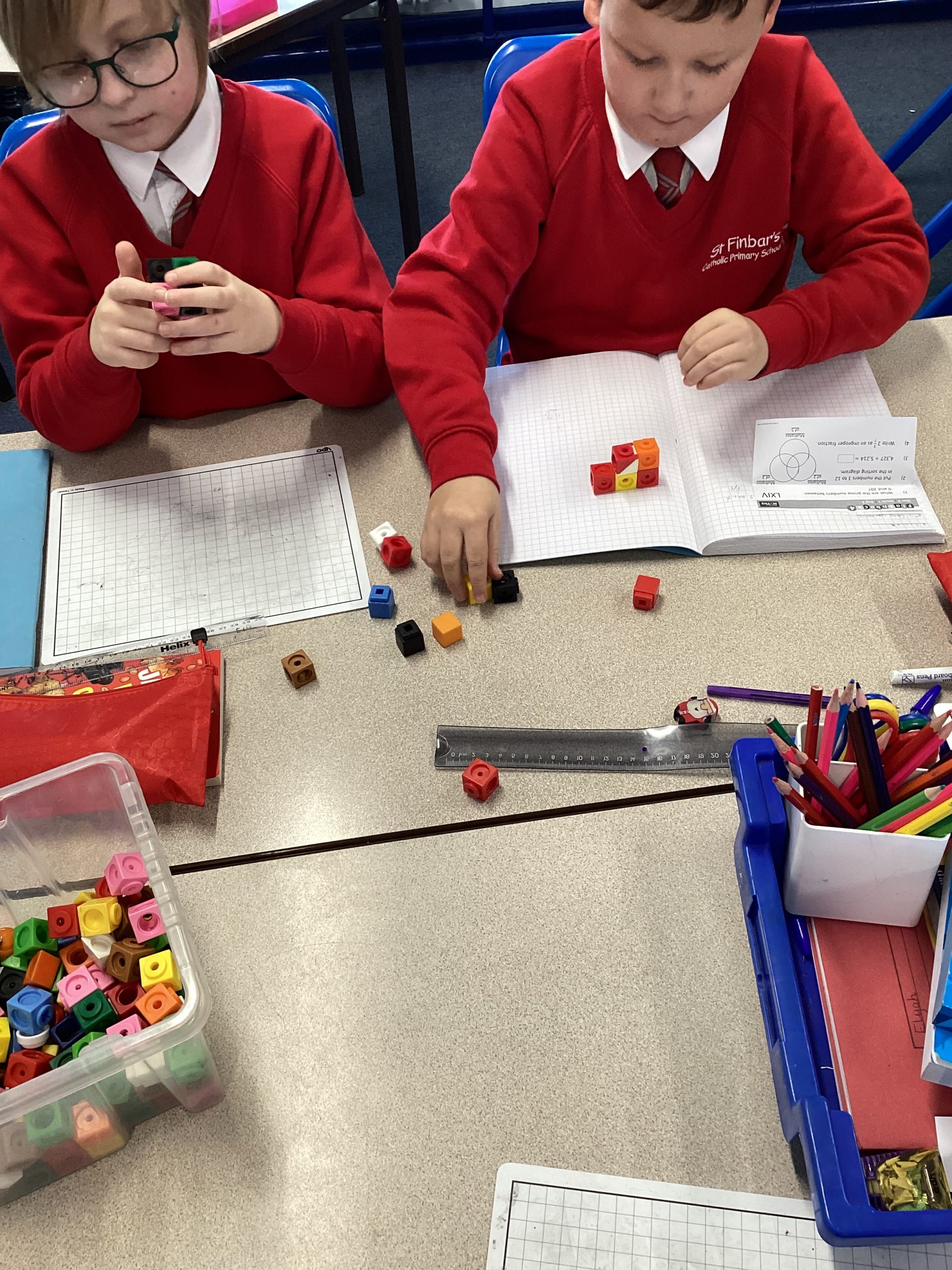
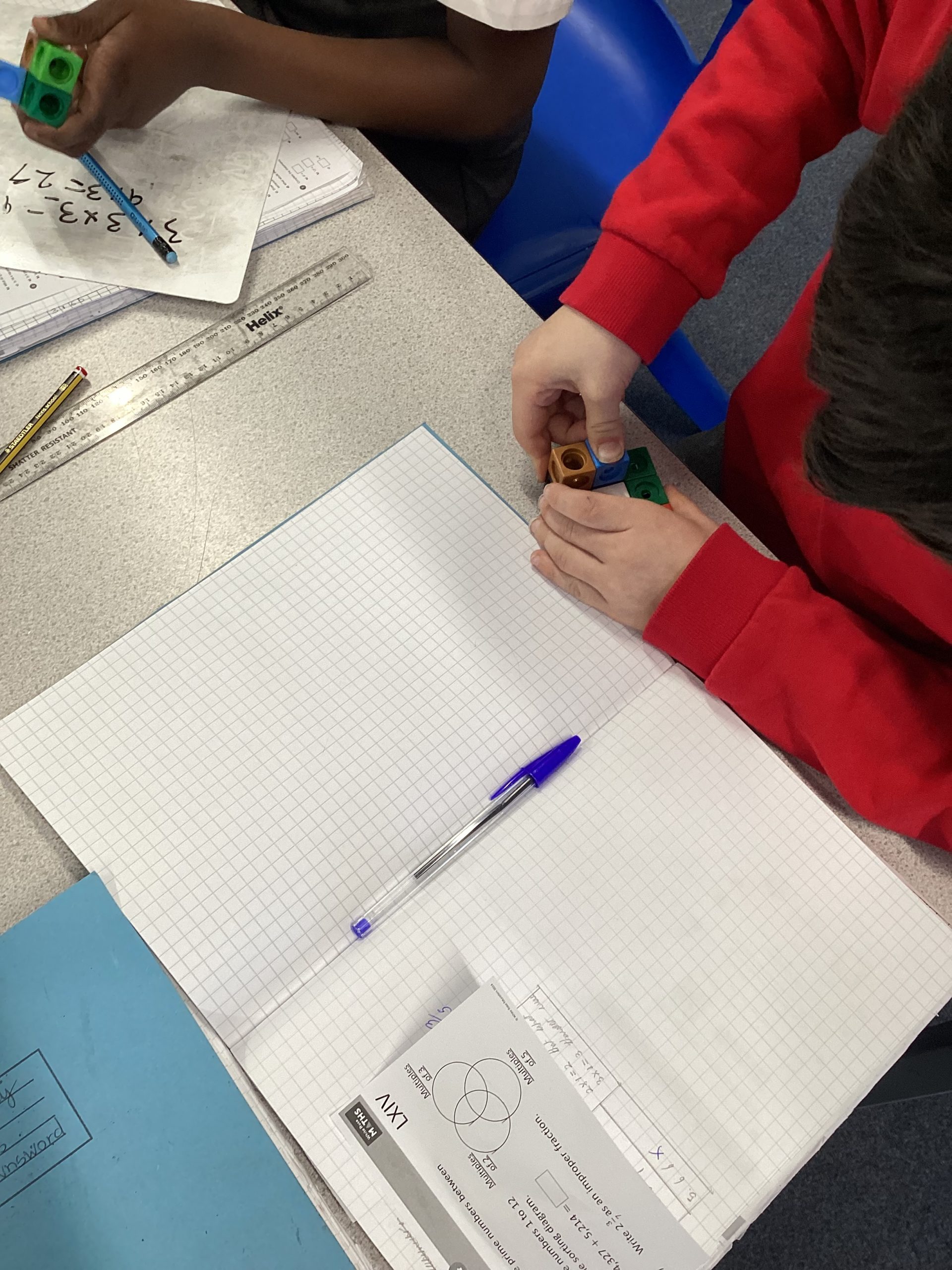
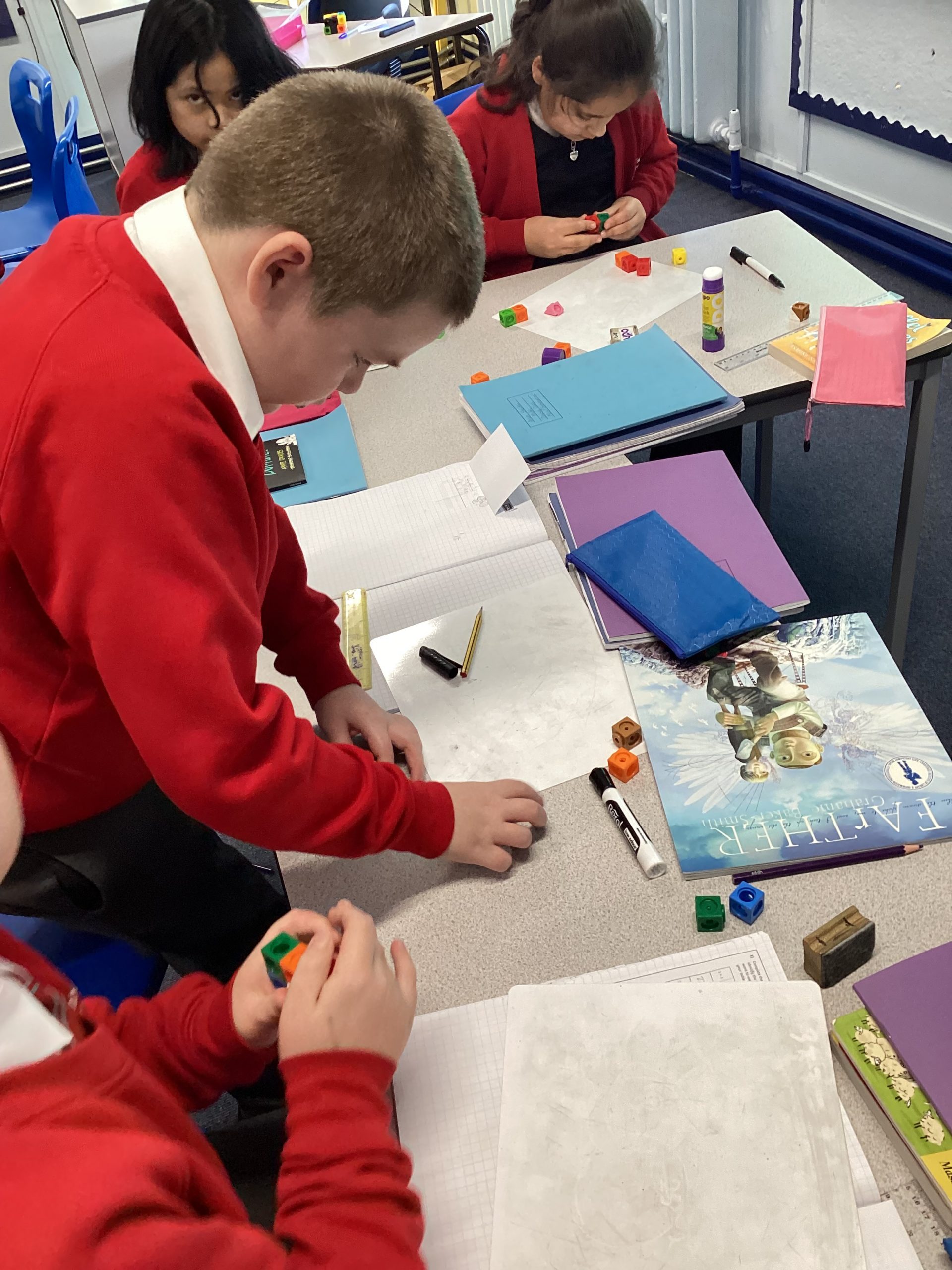
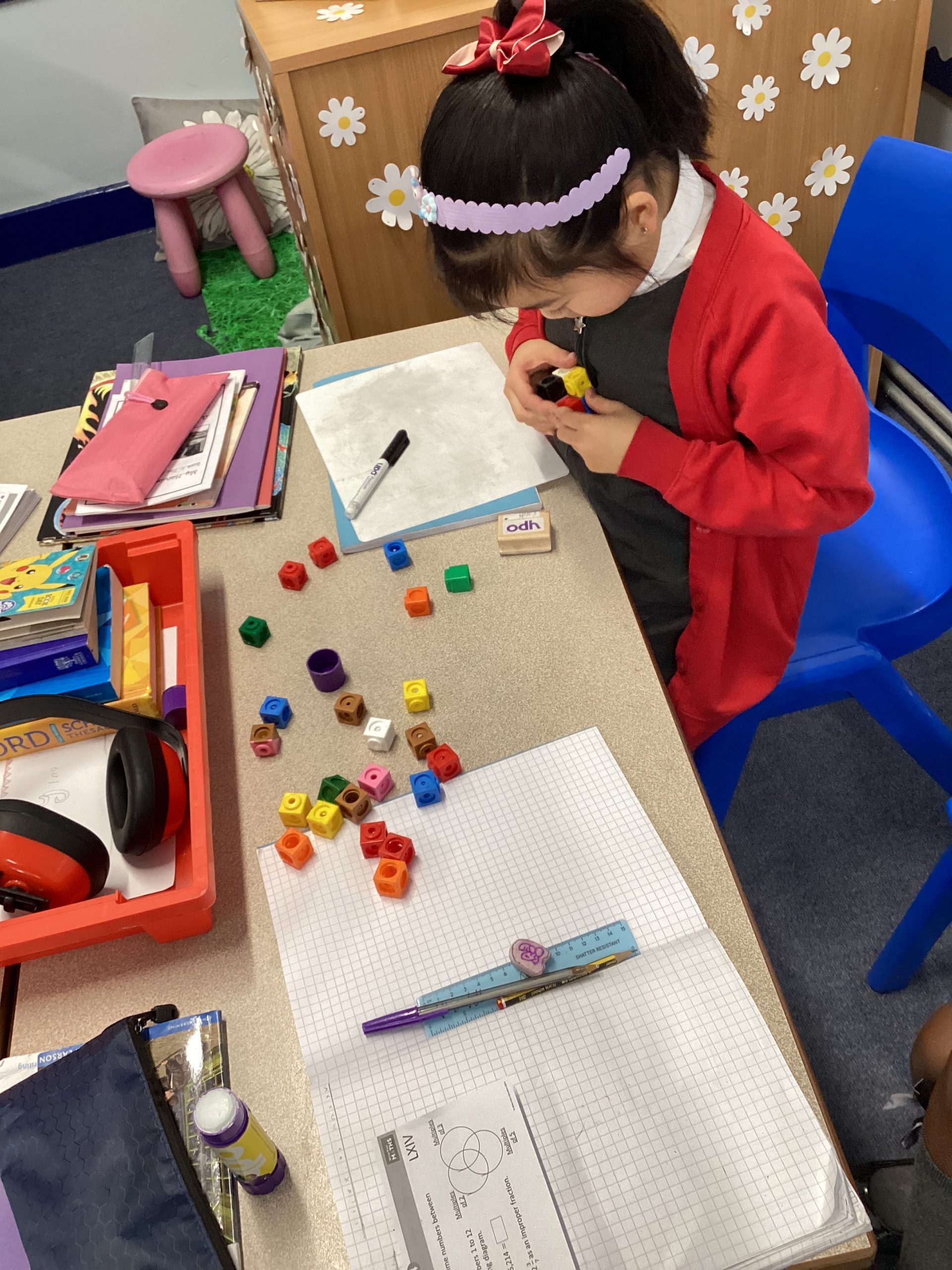
During this lesson we were learning about thousands. Once we were confident with where thousands belong in a number we moved onto building given numbers with the base 10 equipment. After building the number we then practised recognising the value within each column.
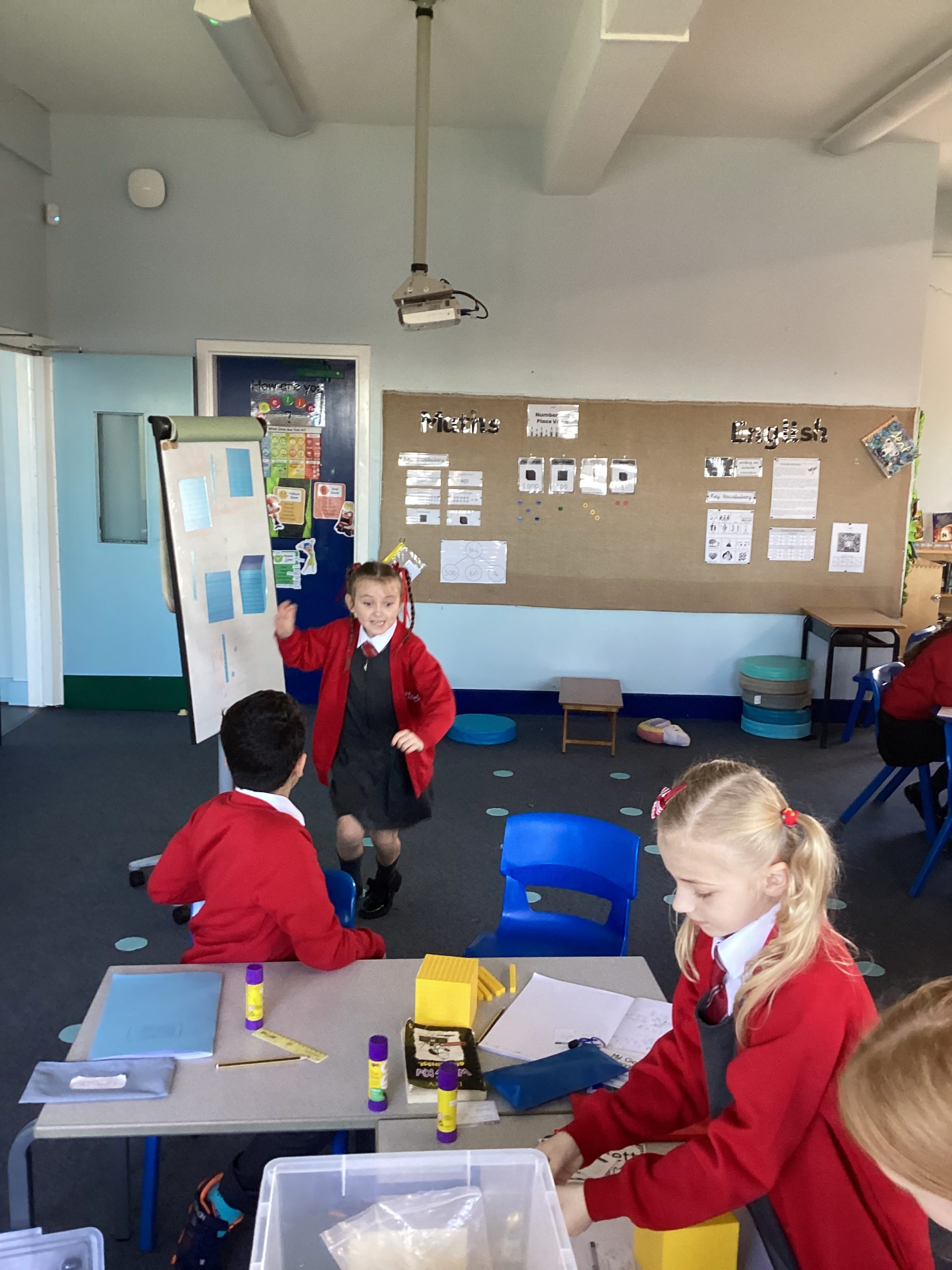
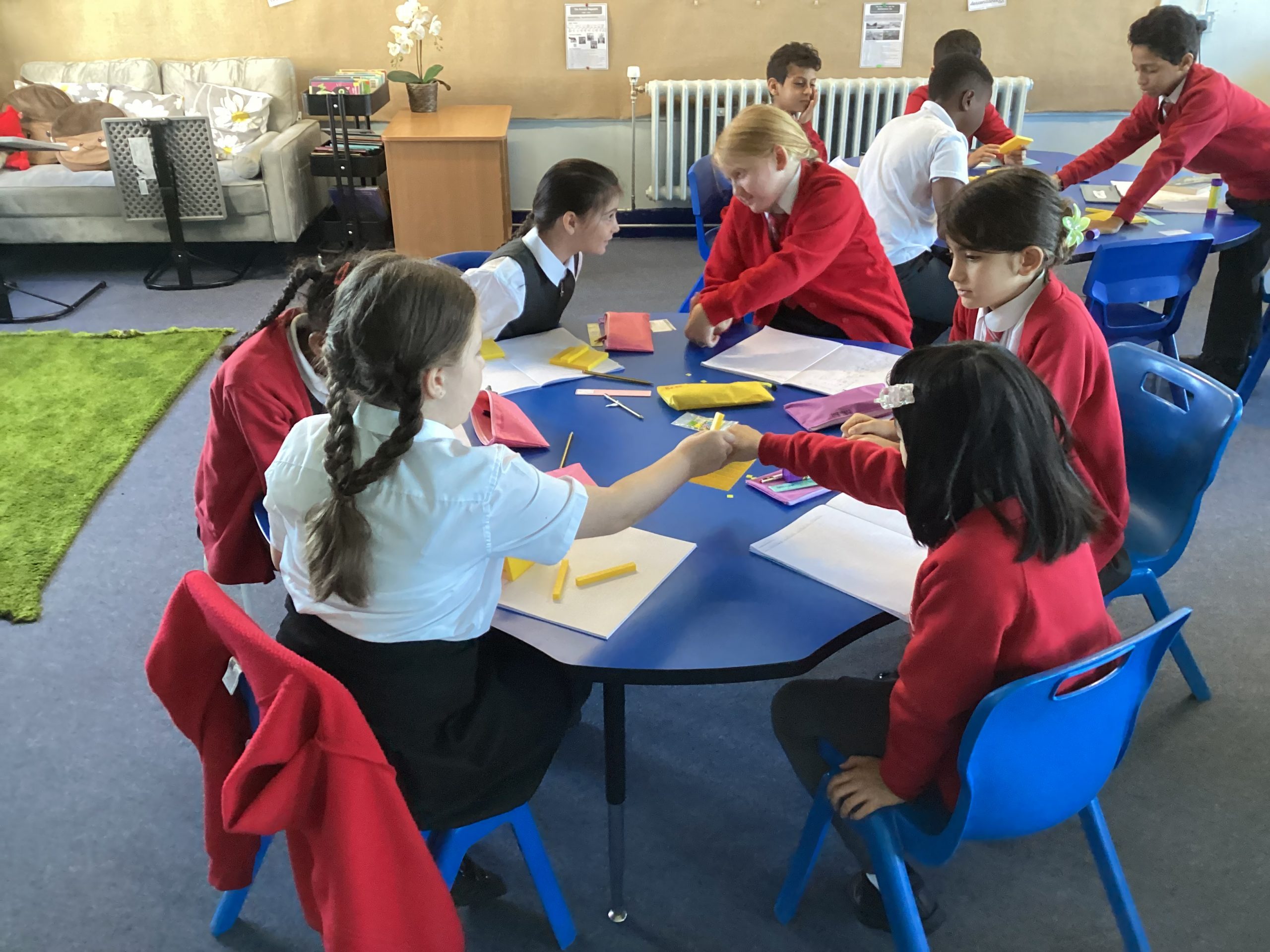

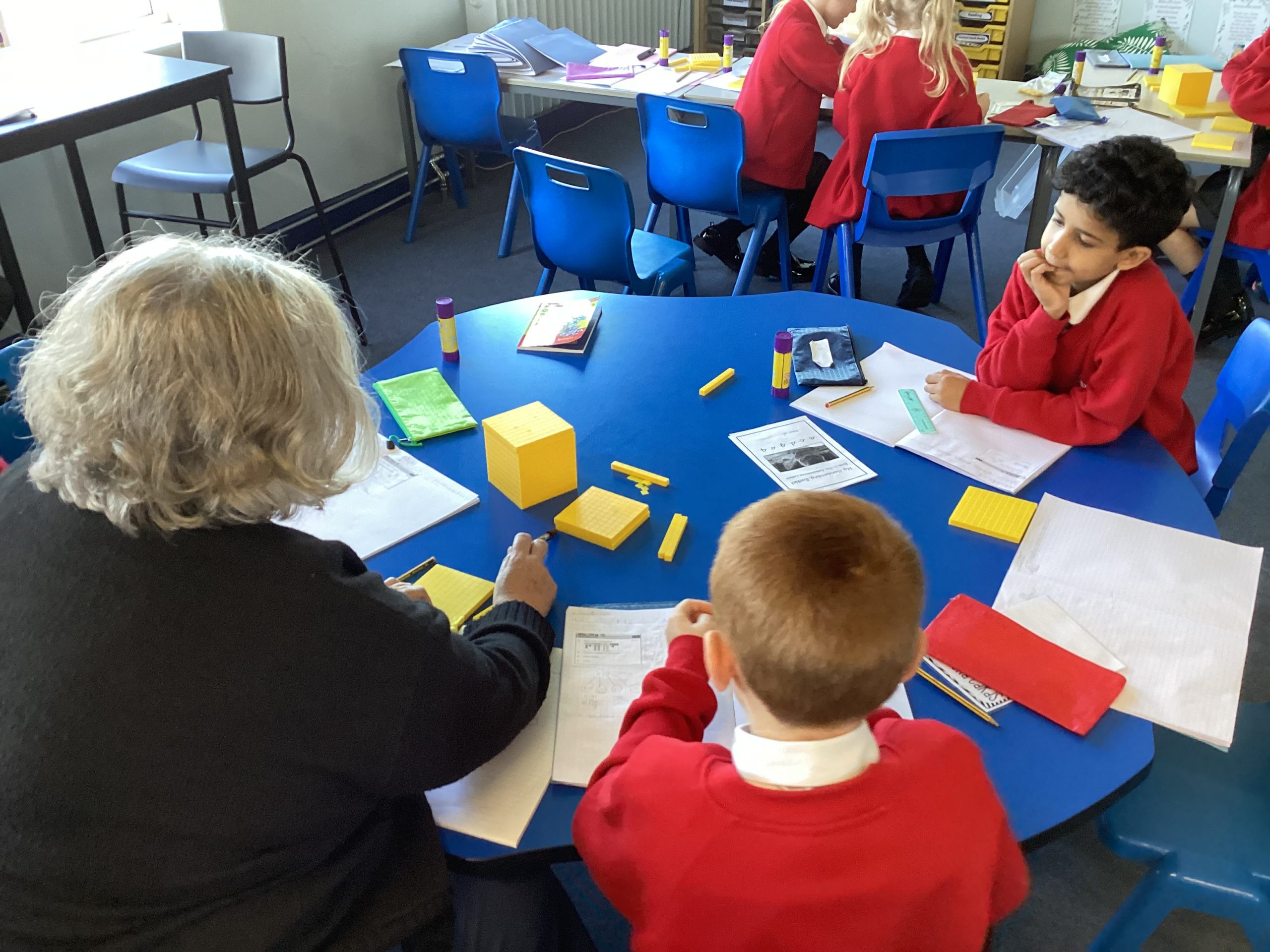
In maths we focused on learning about the thousands column and the value of it. We then practised creating a number we were given and reading the number aloud. We felt really confident and were able to build a number when Miss Summers said the values in a random order. This showed how well we were understanding the values and which order they belong in to create the correct number. To end the lesson some of use became the teacher and created a number for others to build!
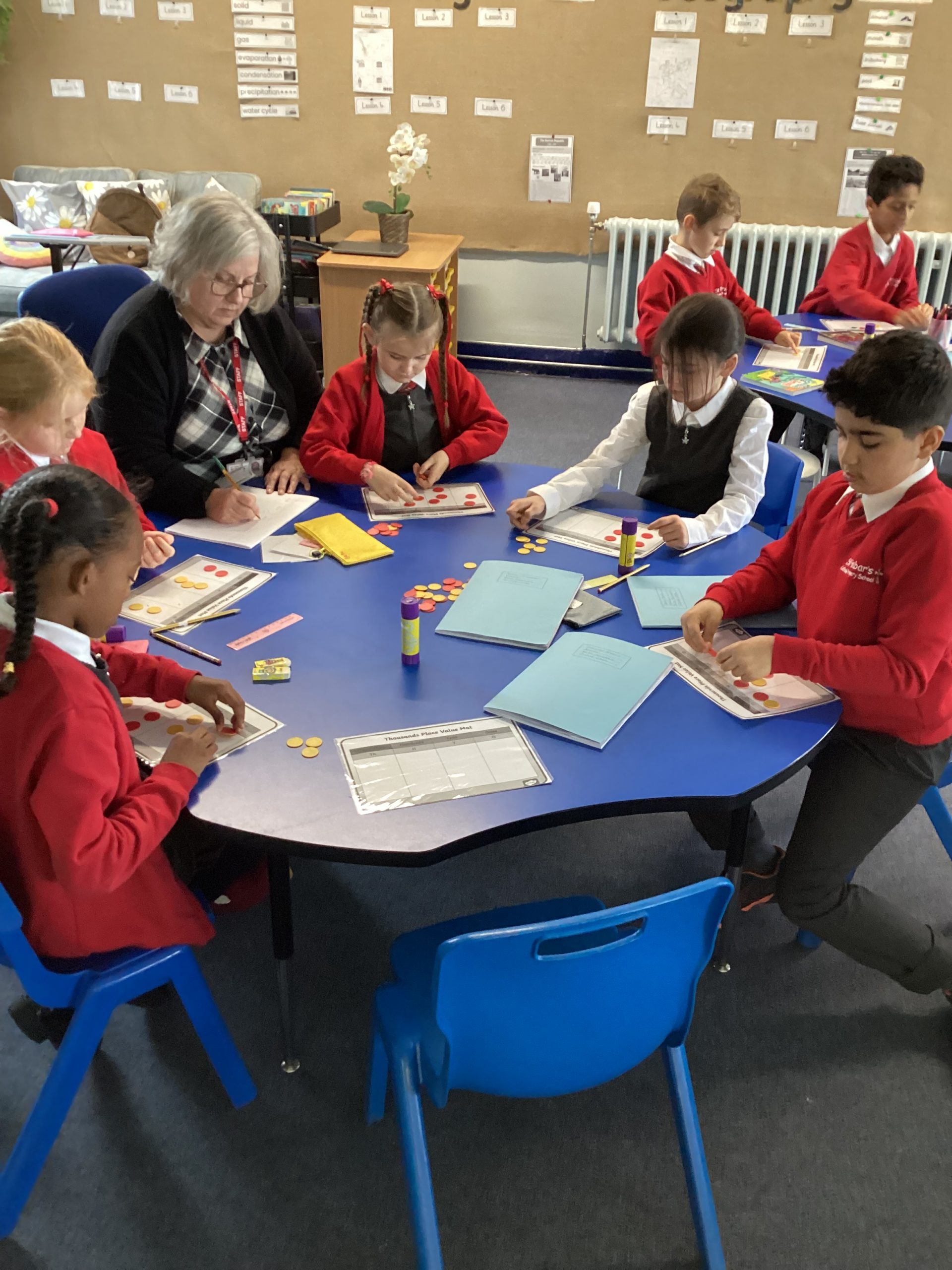
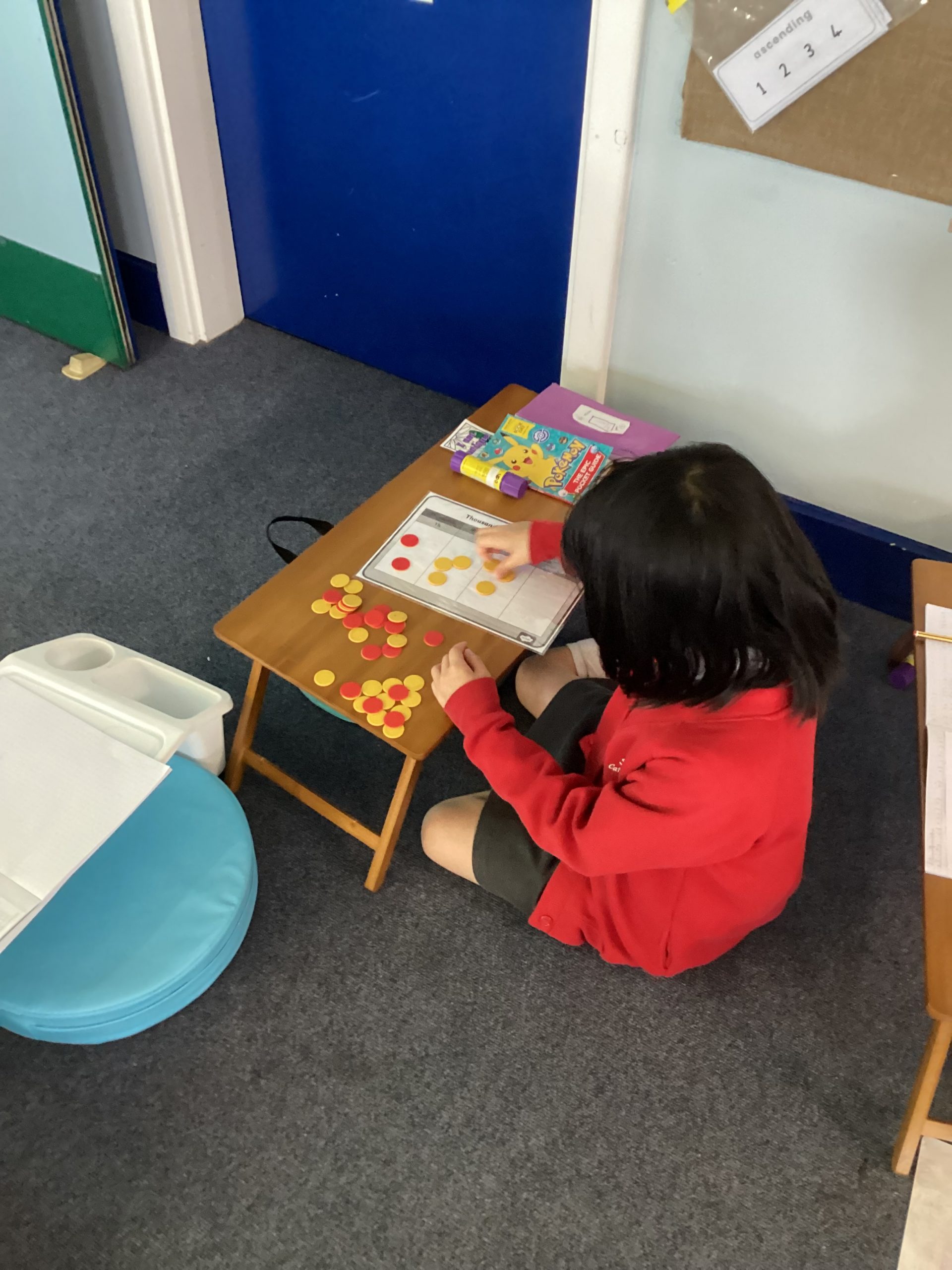
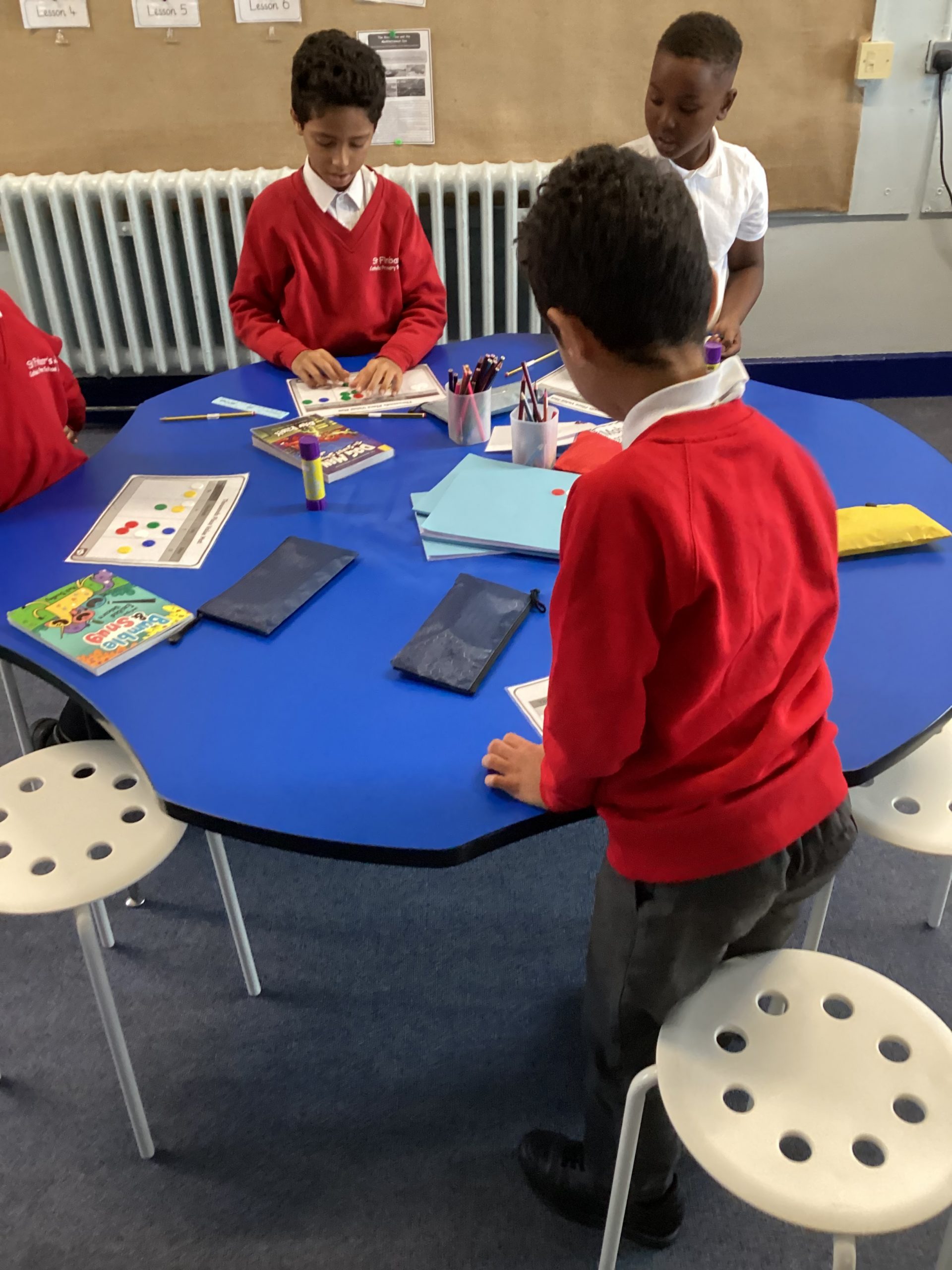
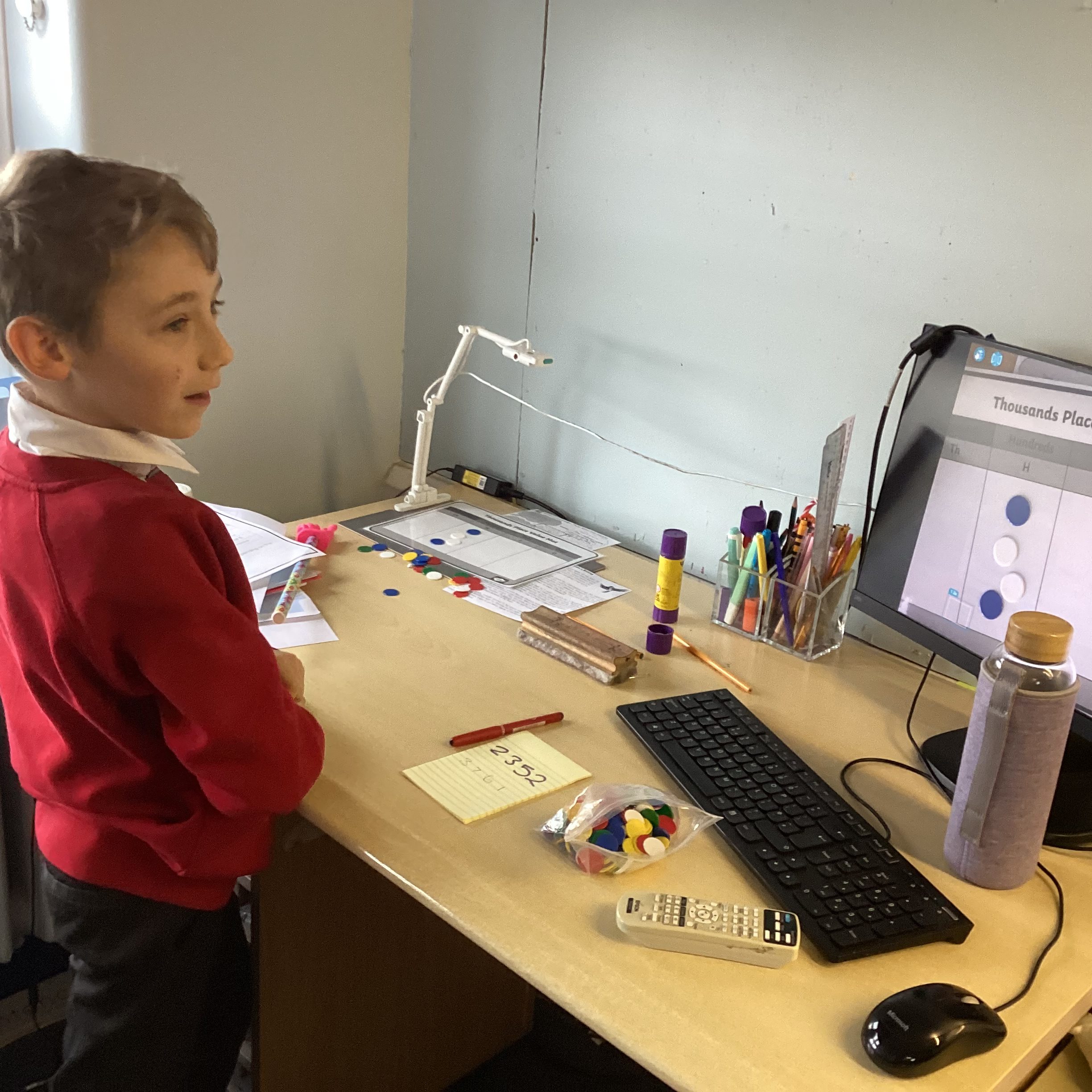
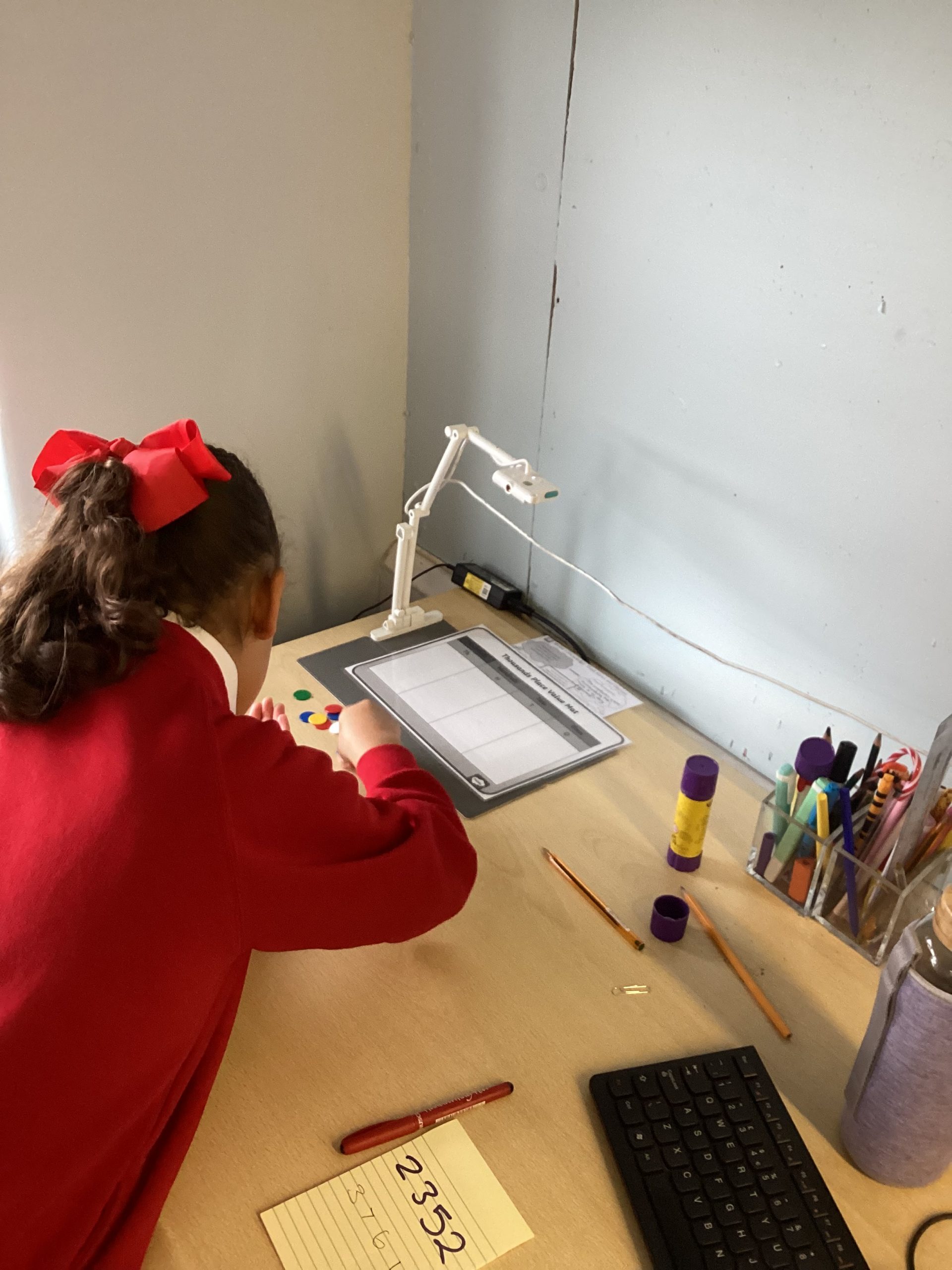
During this maths lesson we looked at recapping our place value learning from year 3. We discussed ones, tens and hundreds before using the base 10 to build and say a number. We were even able to build and say a number after being given the numbers as base 10 all jumbled up.
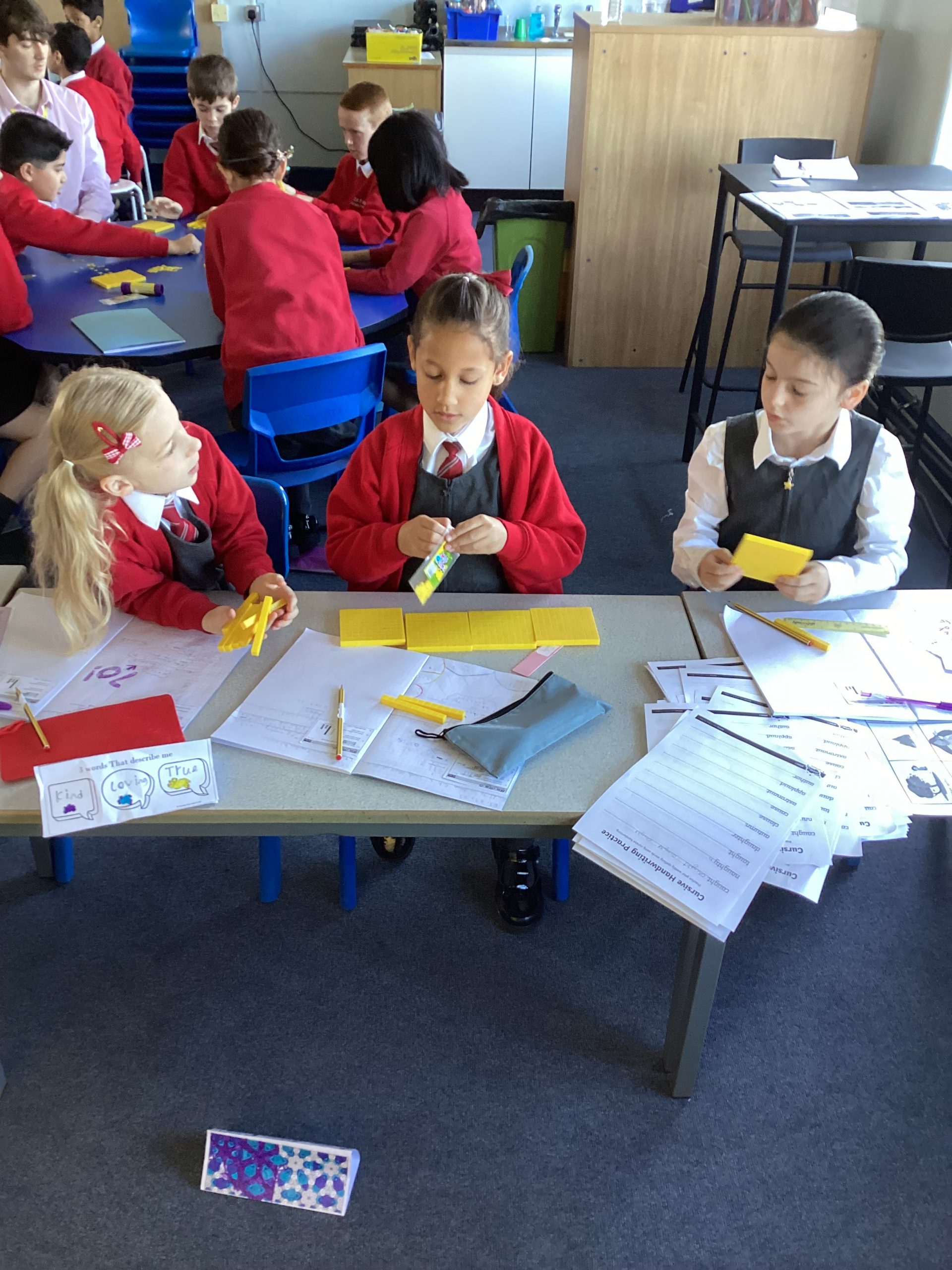
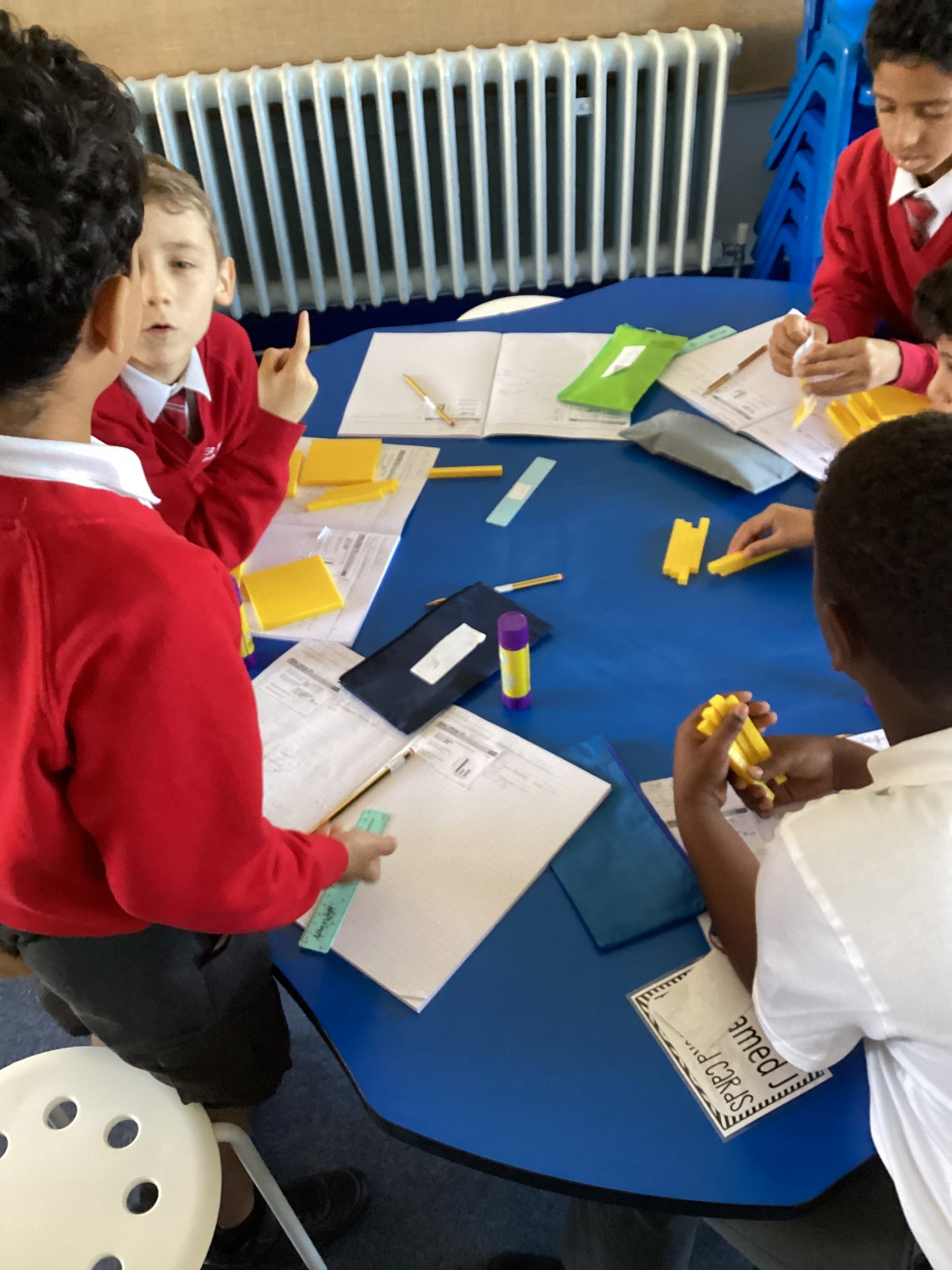
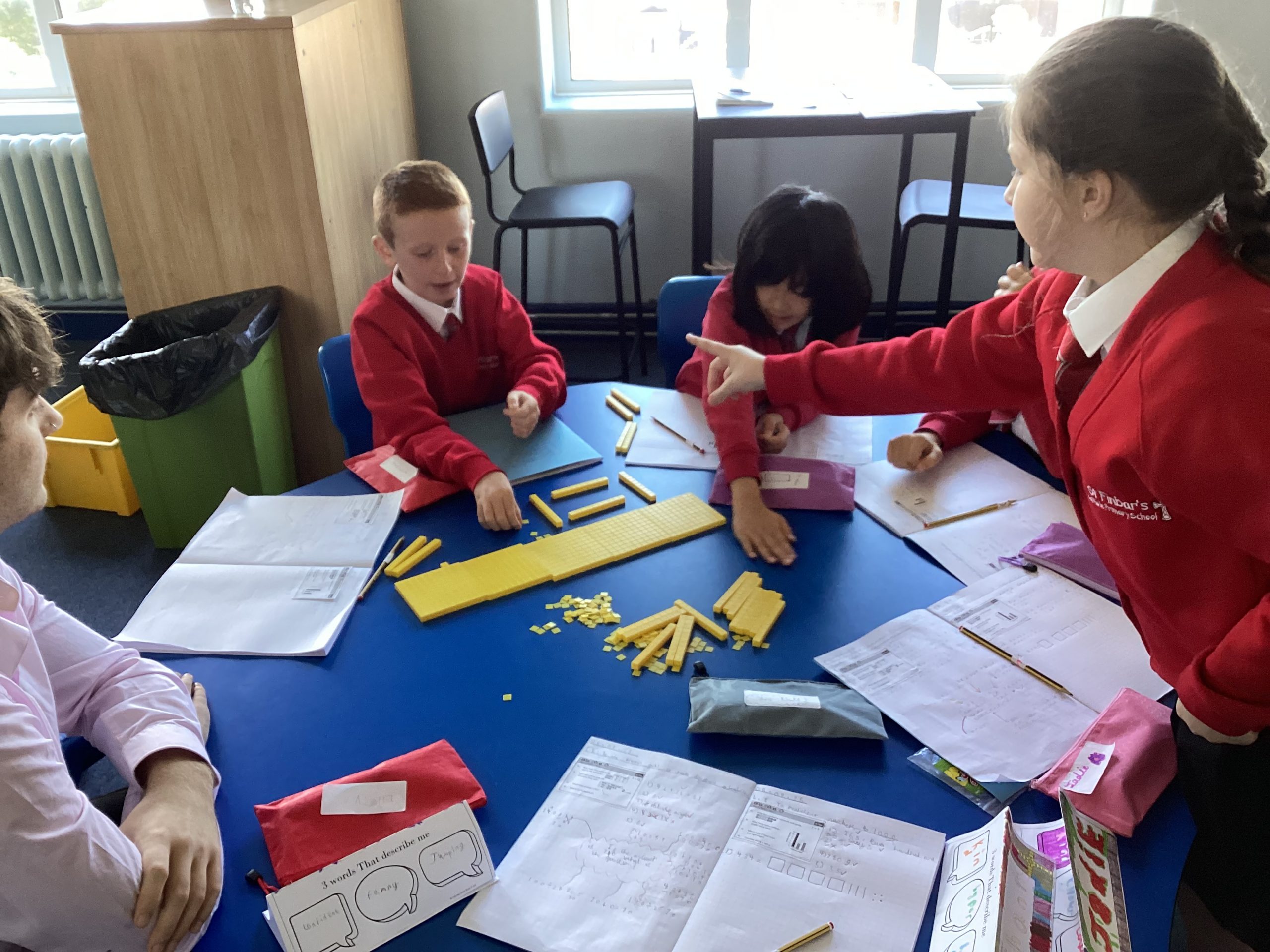
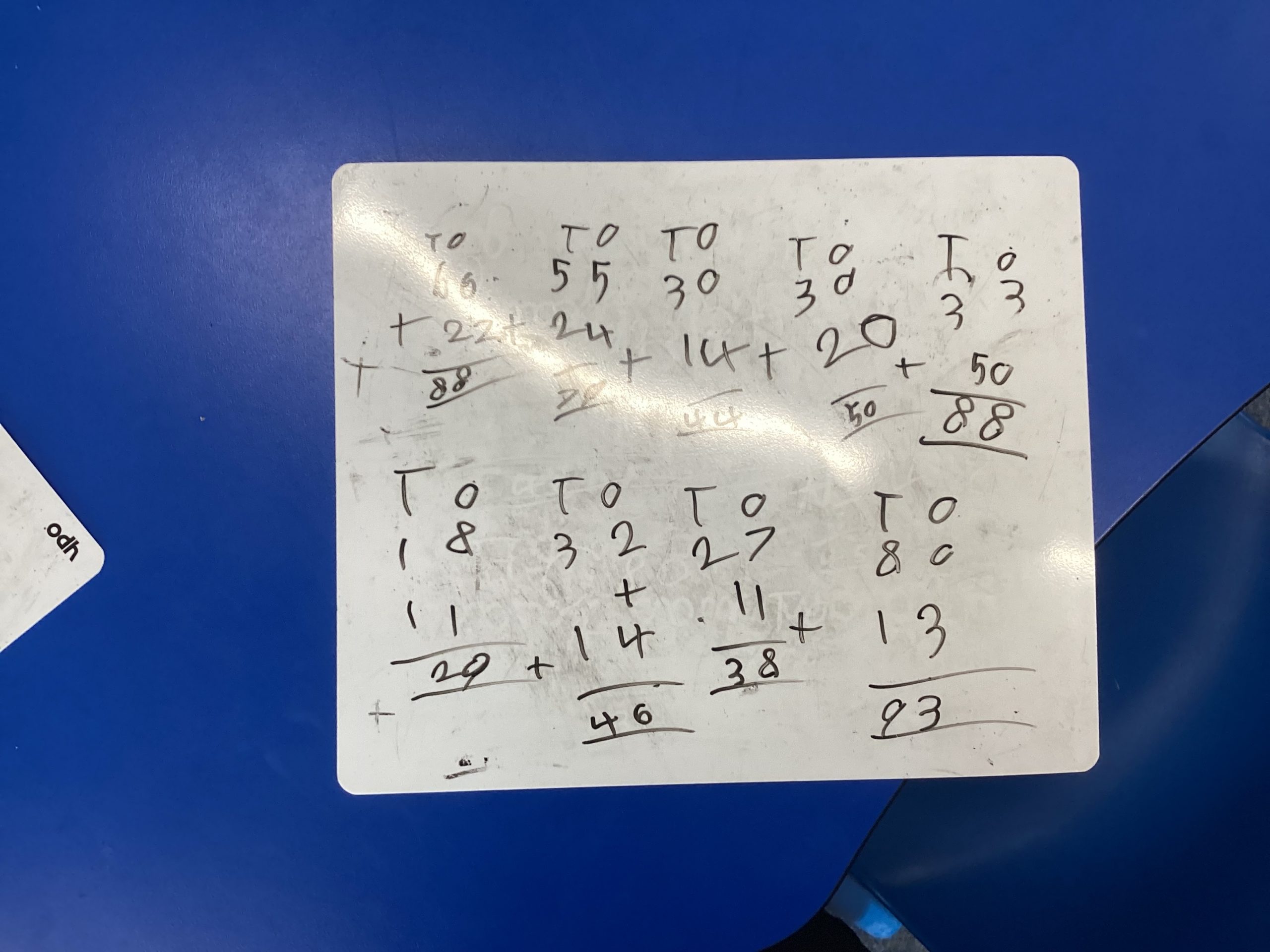
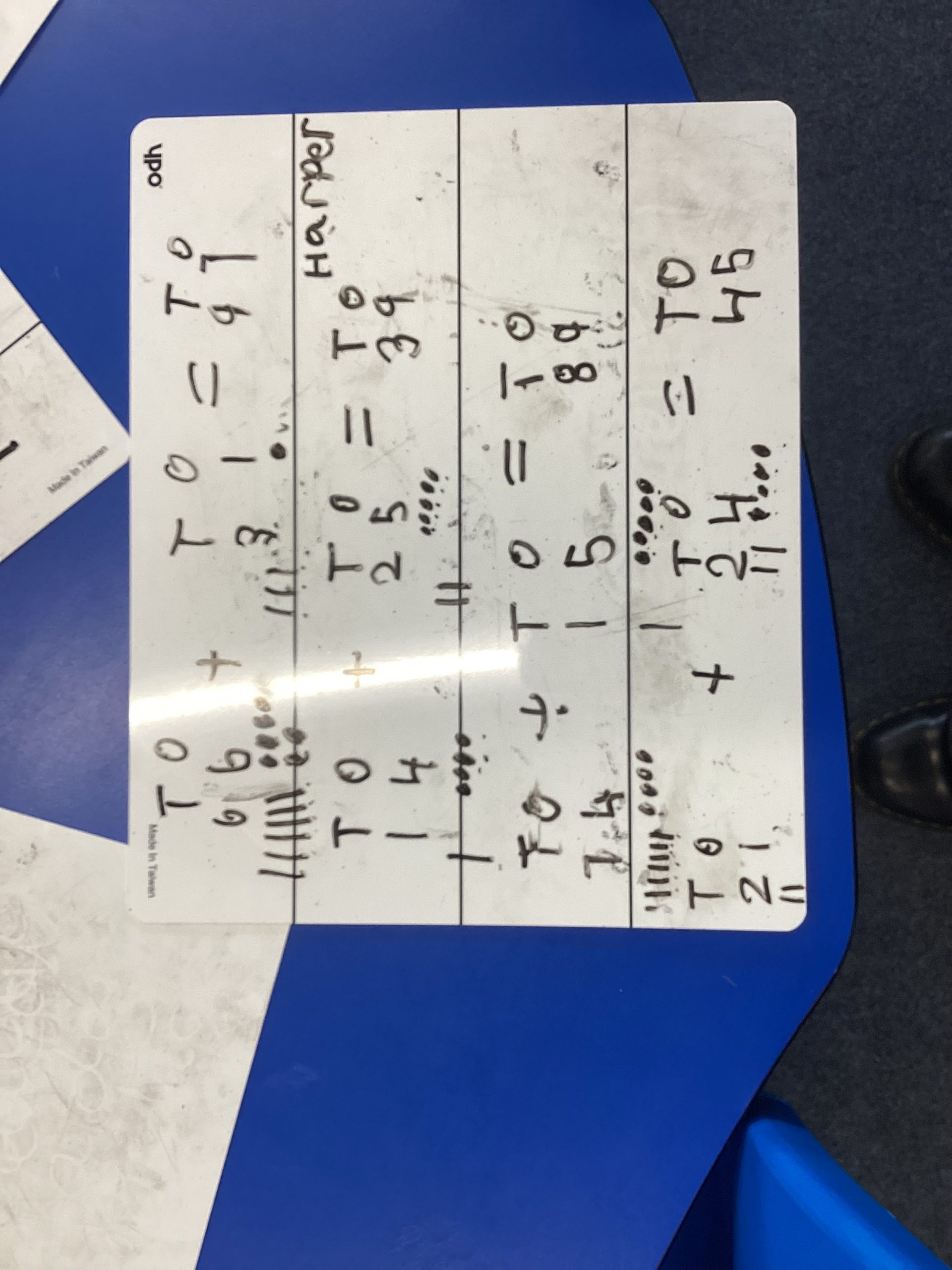
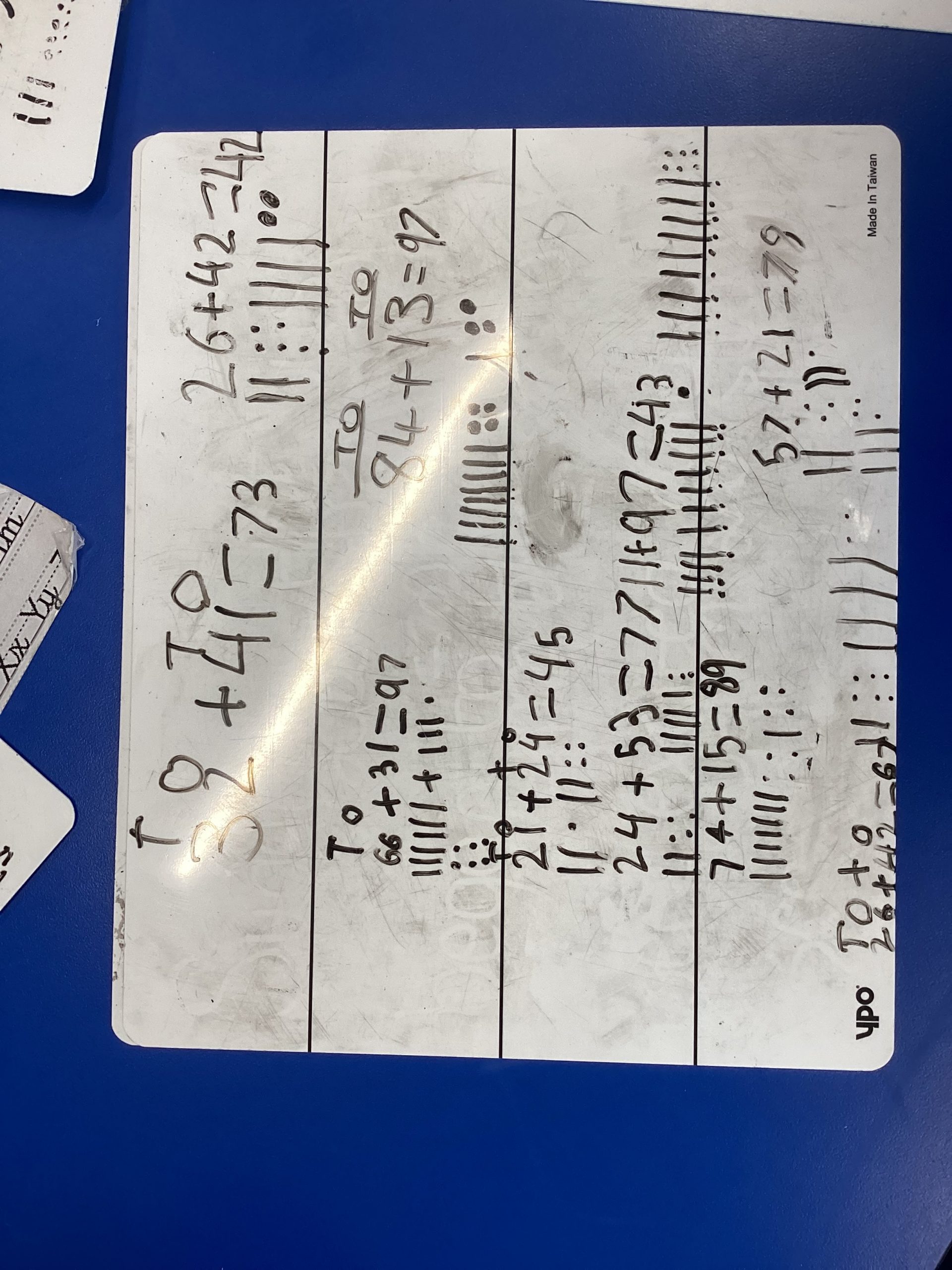
Today, we were demonstrating how we can add 2 two digit numbers using various methods, like column and using pictorial representation. Everyone really enjoyed doing this today and absolutely smashed it!
We’ve had so much fun learning about number lines. We counted forwards and backwards and then found one more and one less.
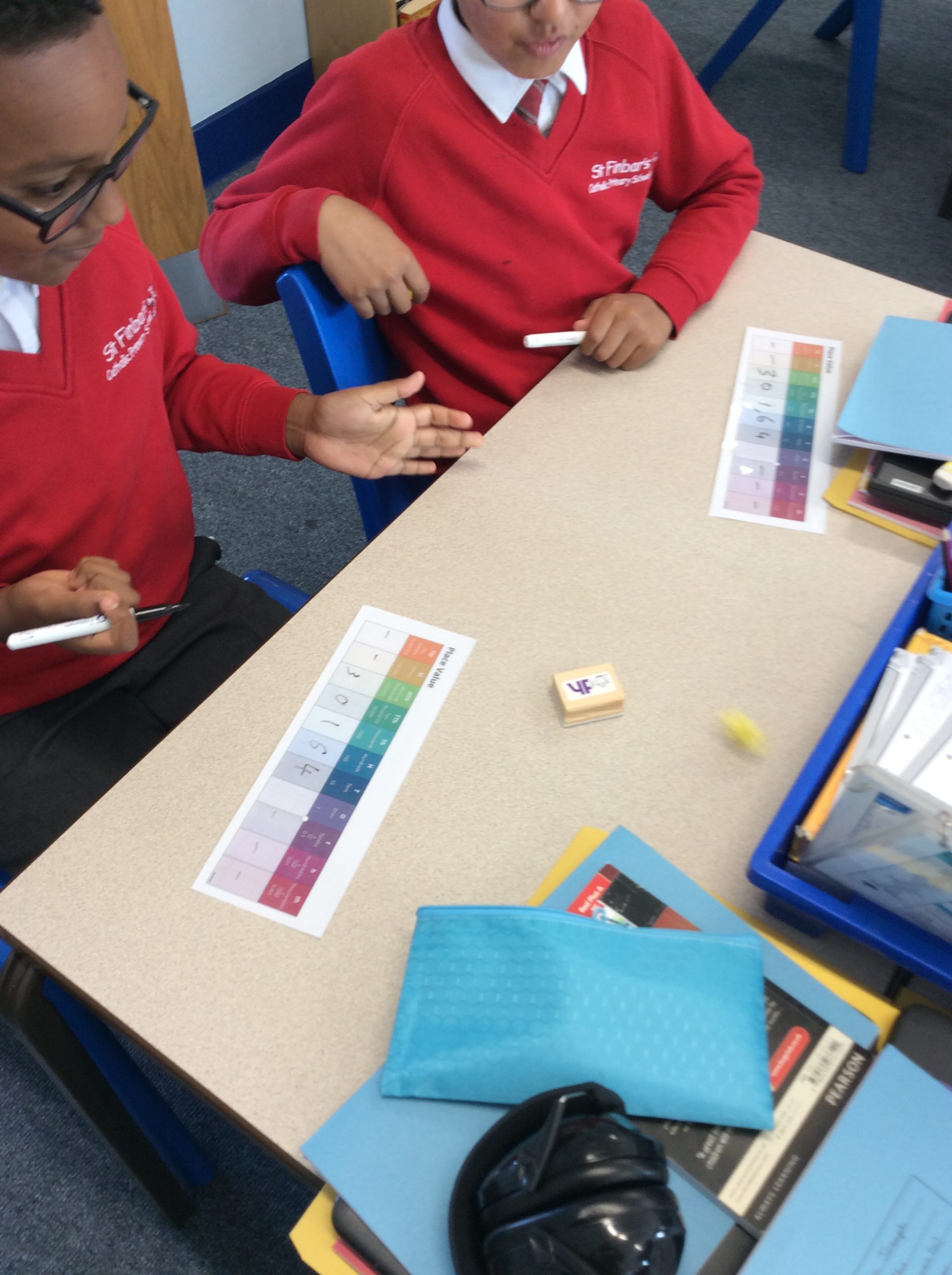
Smashing place value in year six. Consolidating our learning using resources. Playing games has helped us learn. This game was to make a number closest to the target number.
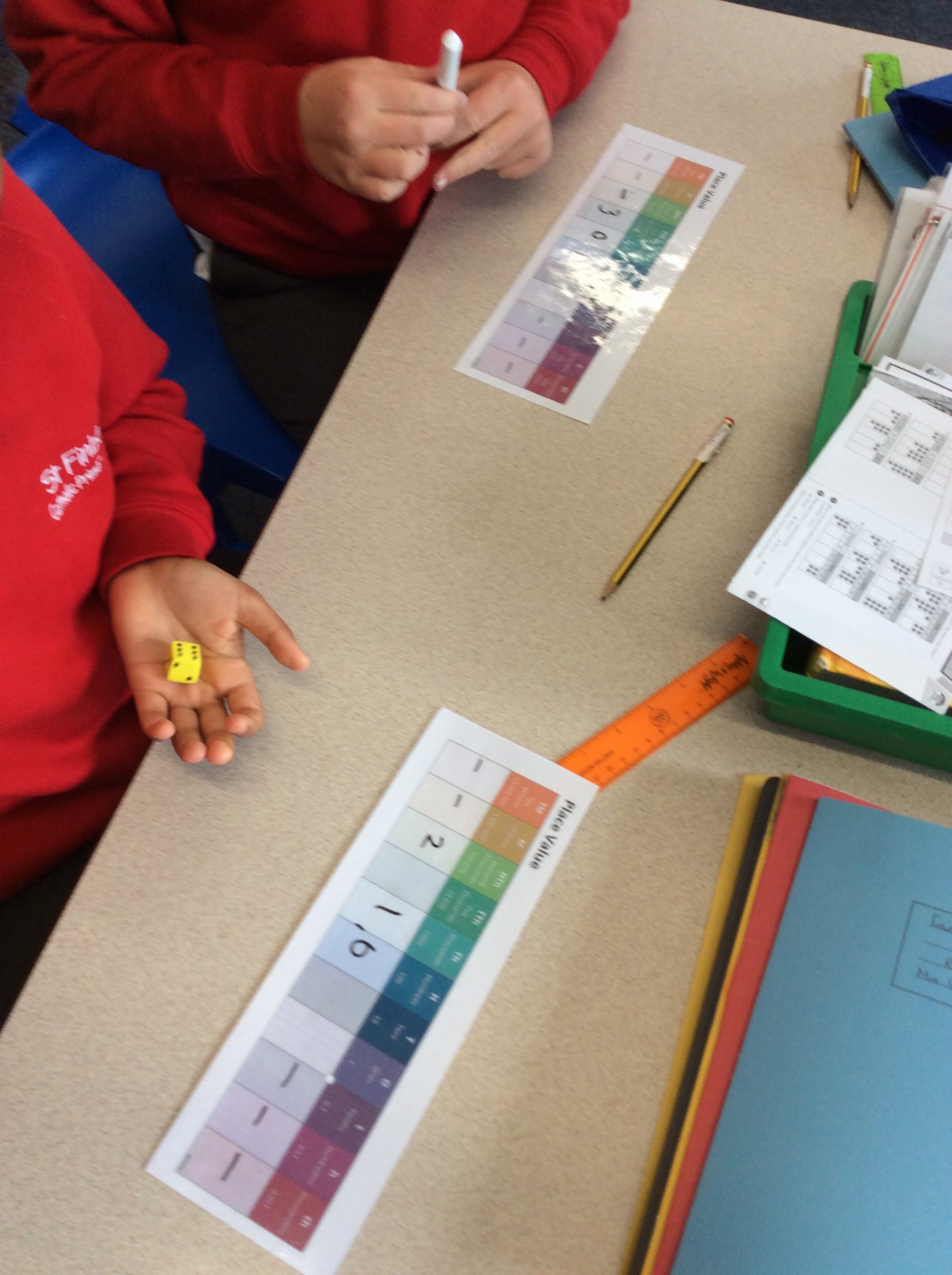
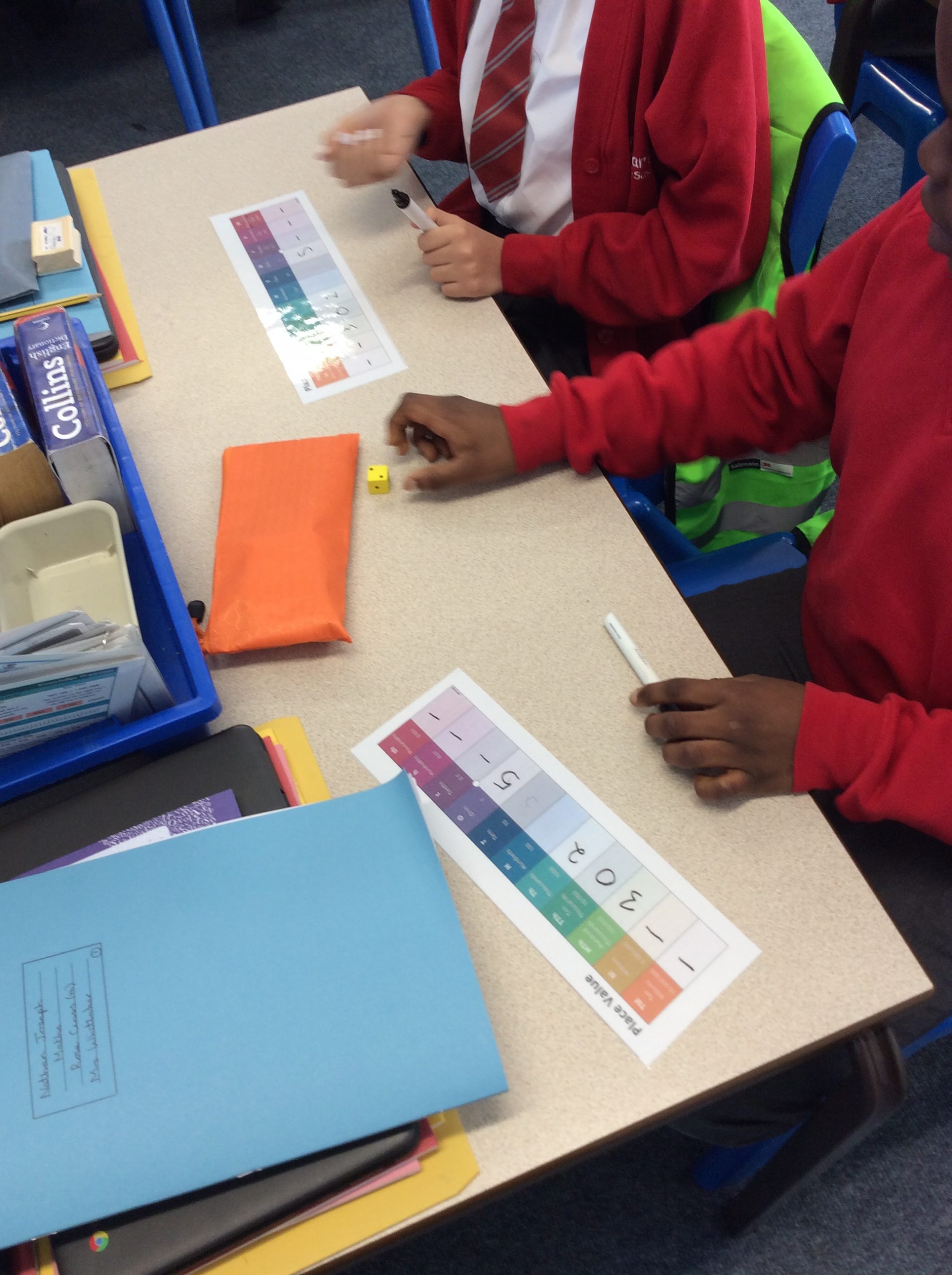
Today, we were making two digit numbers and discovering how many tens and how many ones were in each number. We were able to make these using base ten.
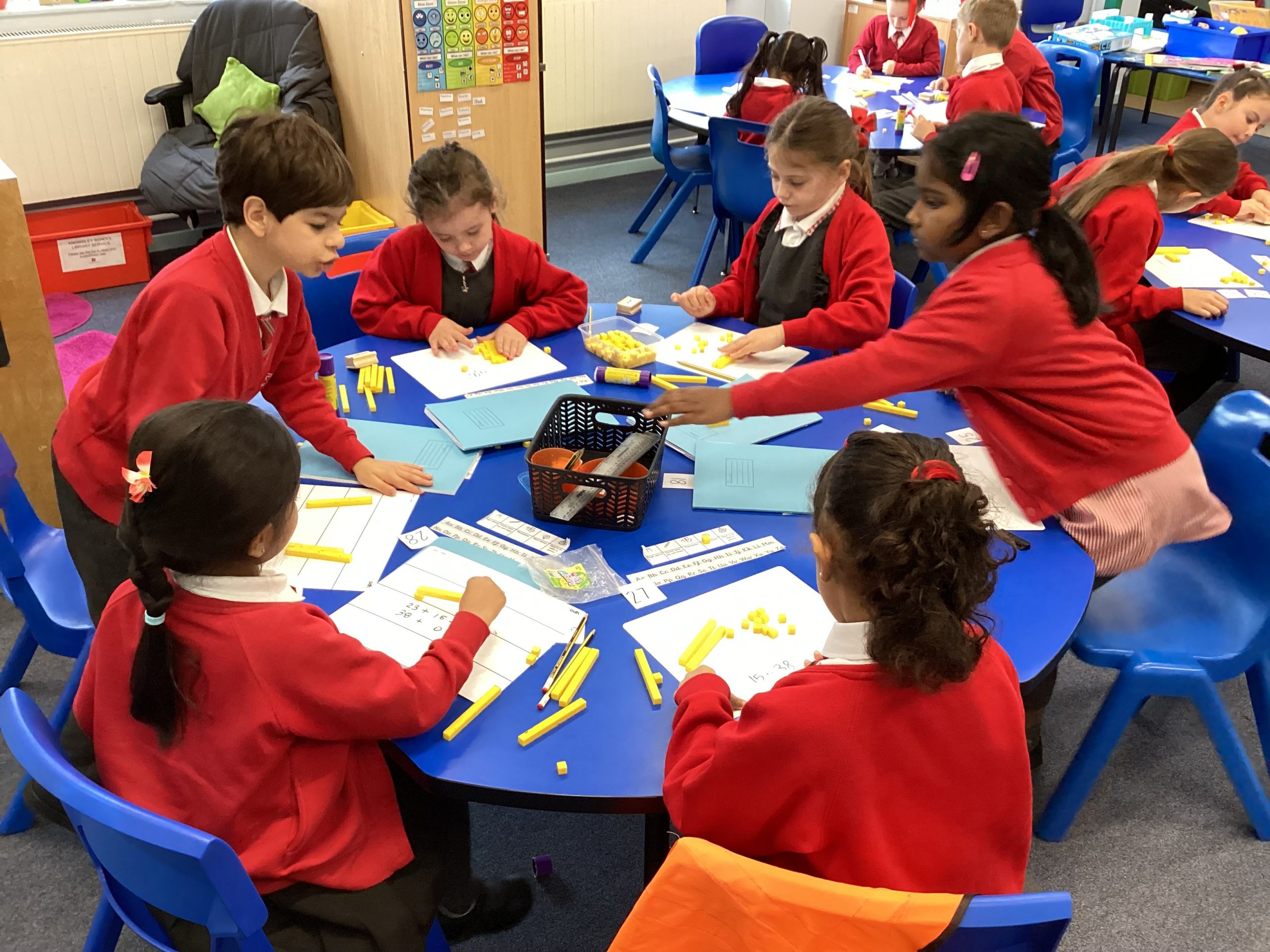
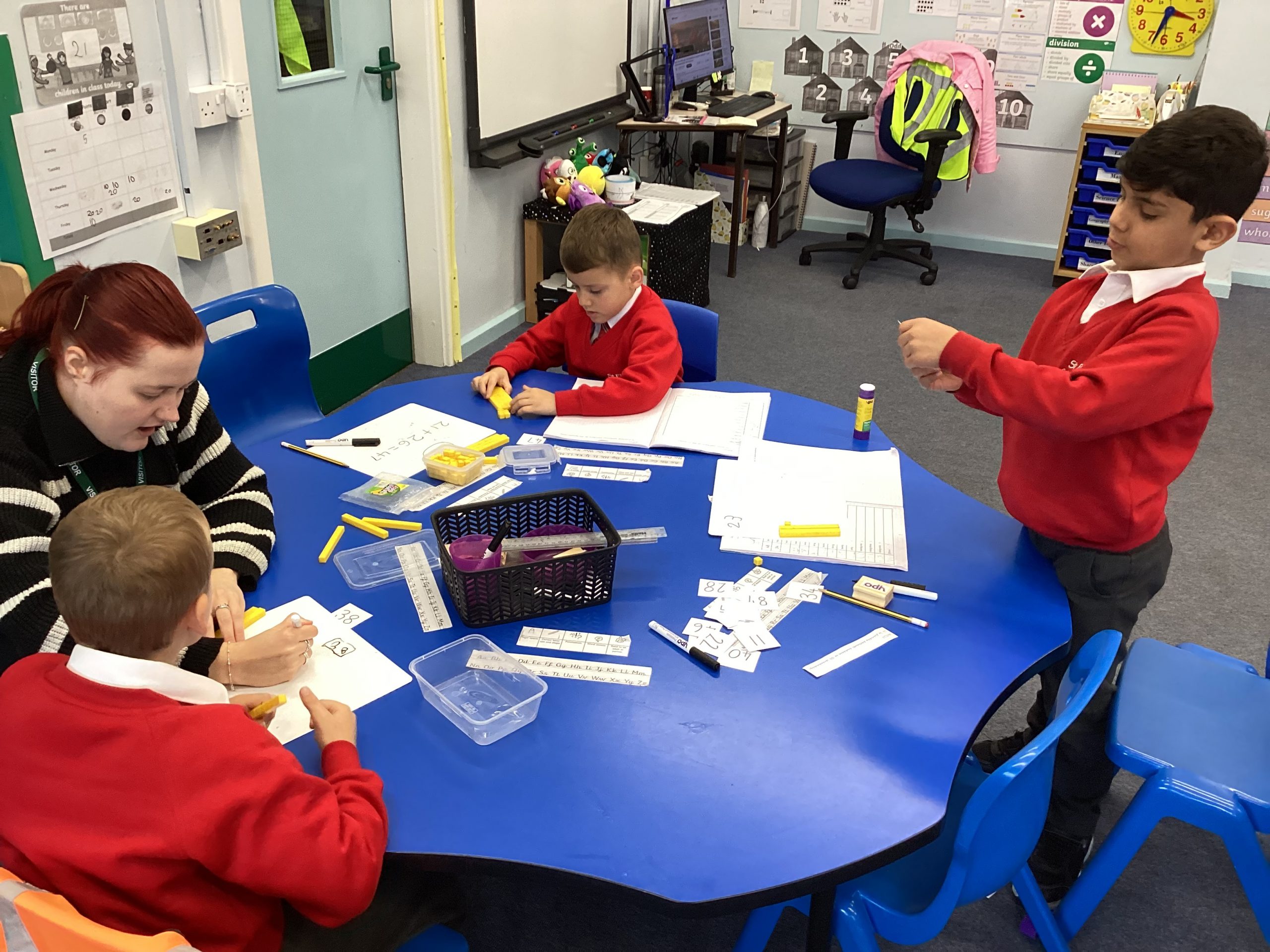
Daffodil class have worked really hard exploring how we can partition a two-digit number using base ten to support us.
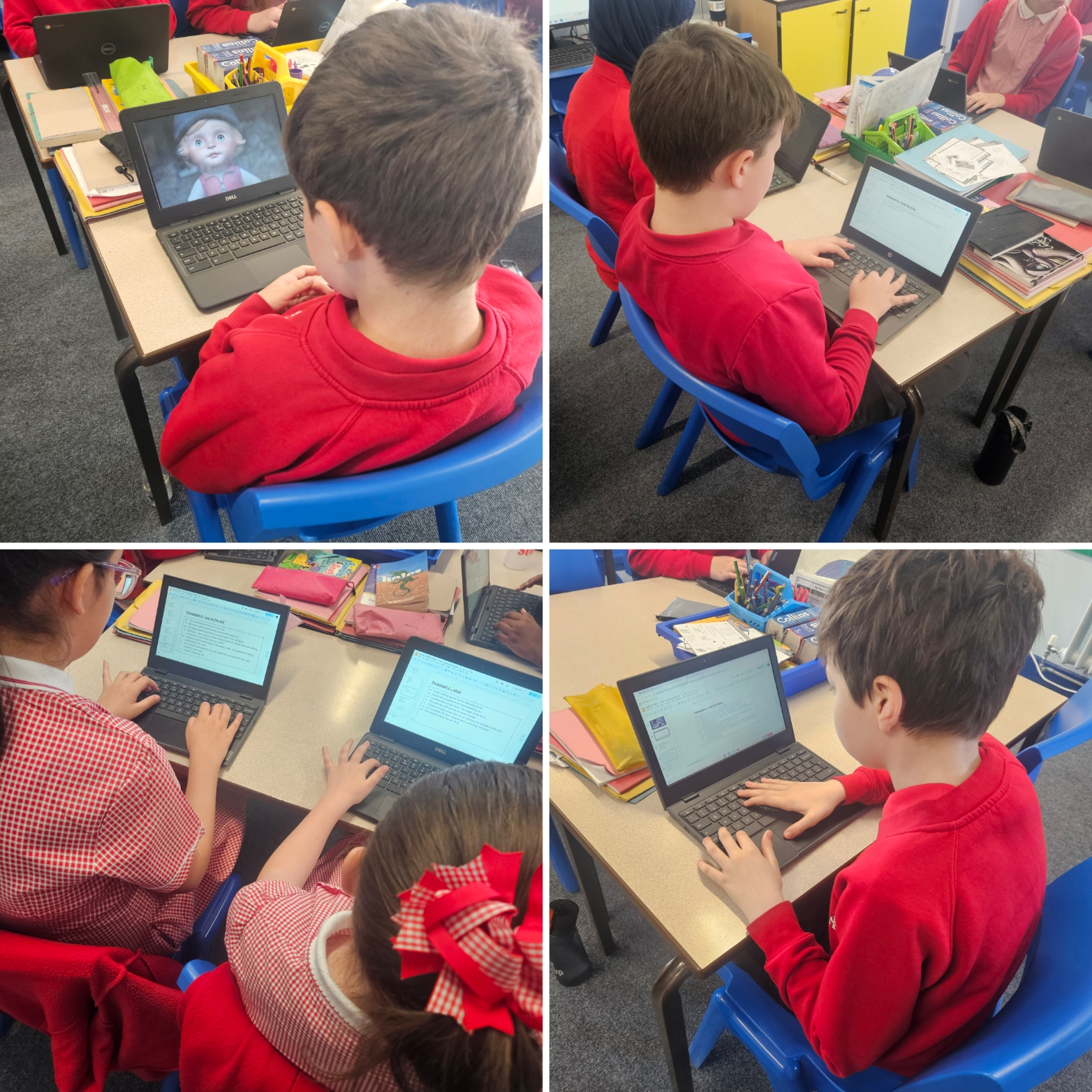
Year 6 loved their No pen day experience, with lots of practical and computer based activities. From creating our plans for English on our chrome books to using multi-link cubes in maths to explore volume. It is to be continued after SATs.
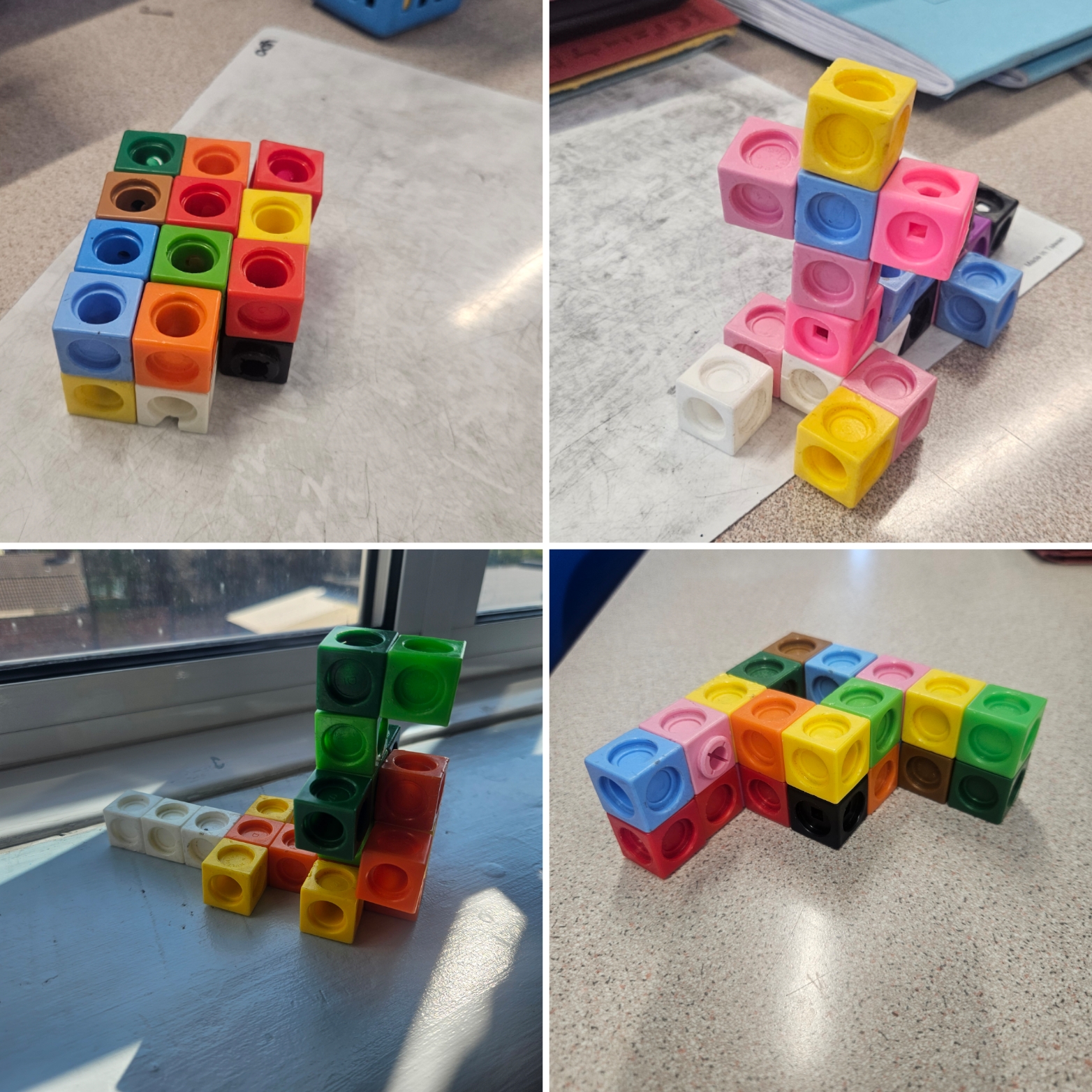
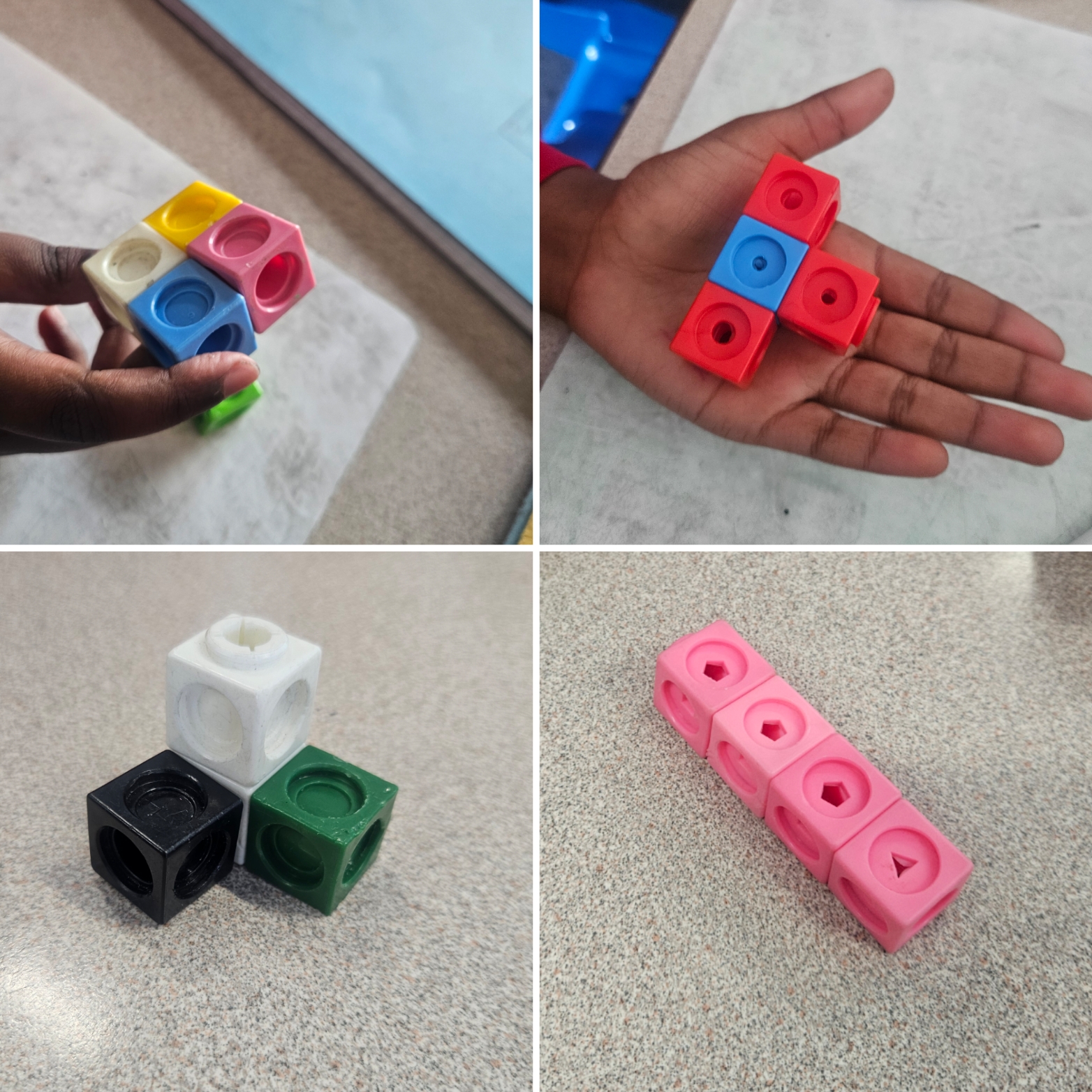
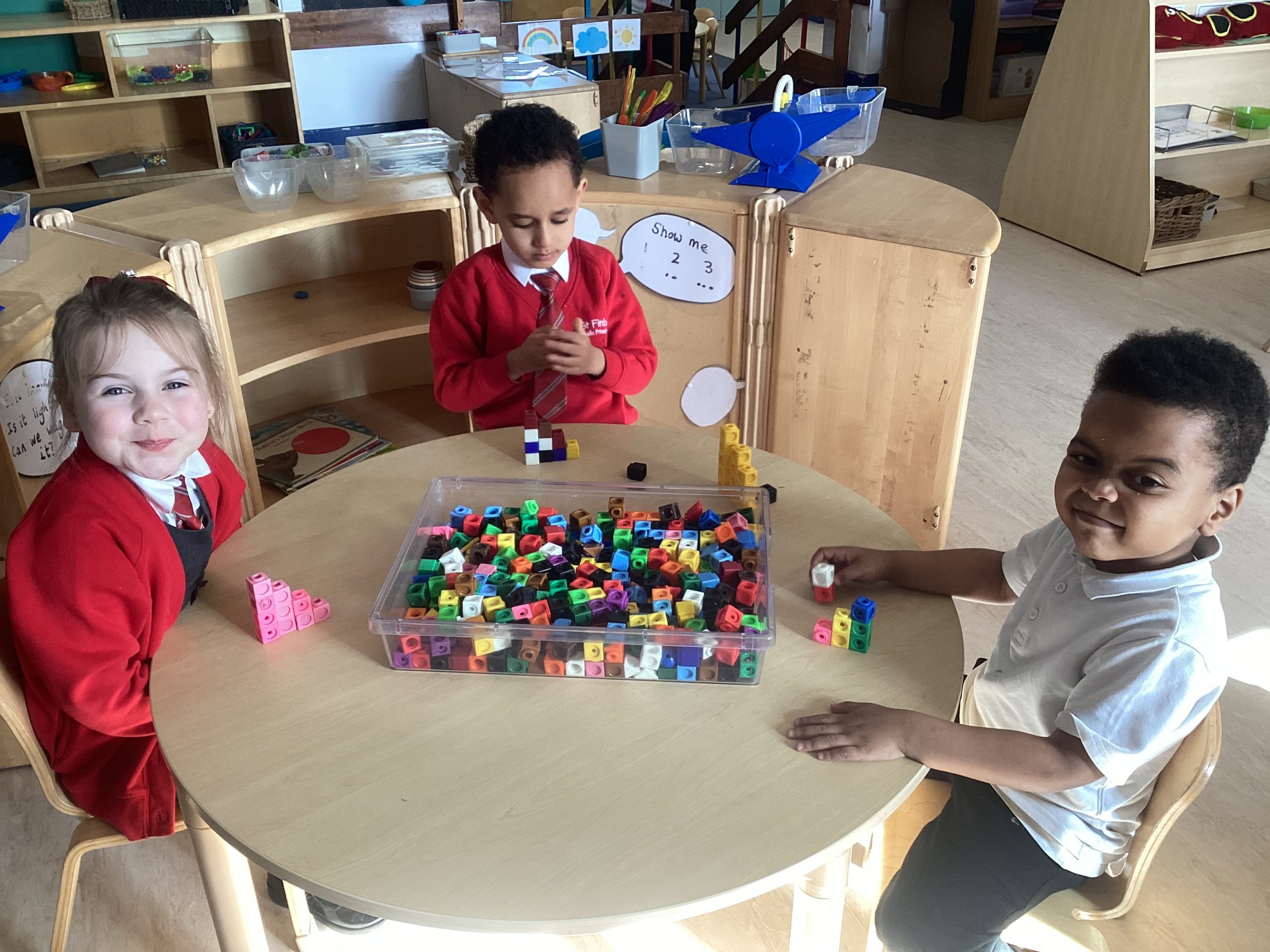
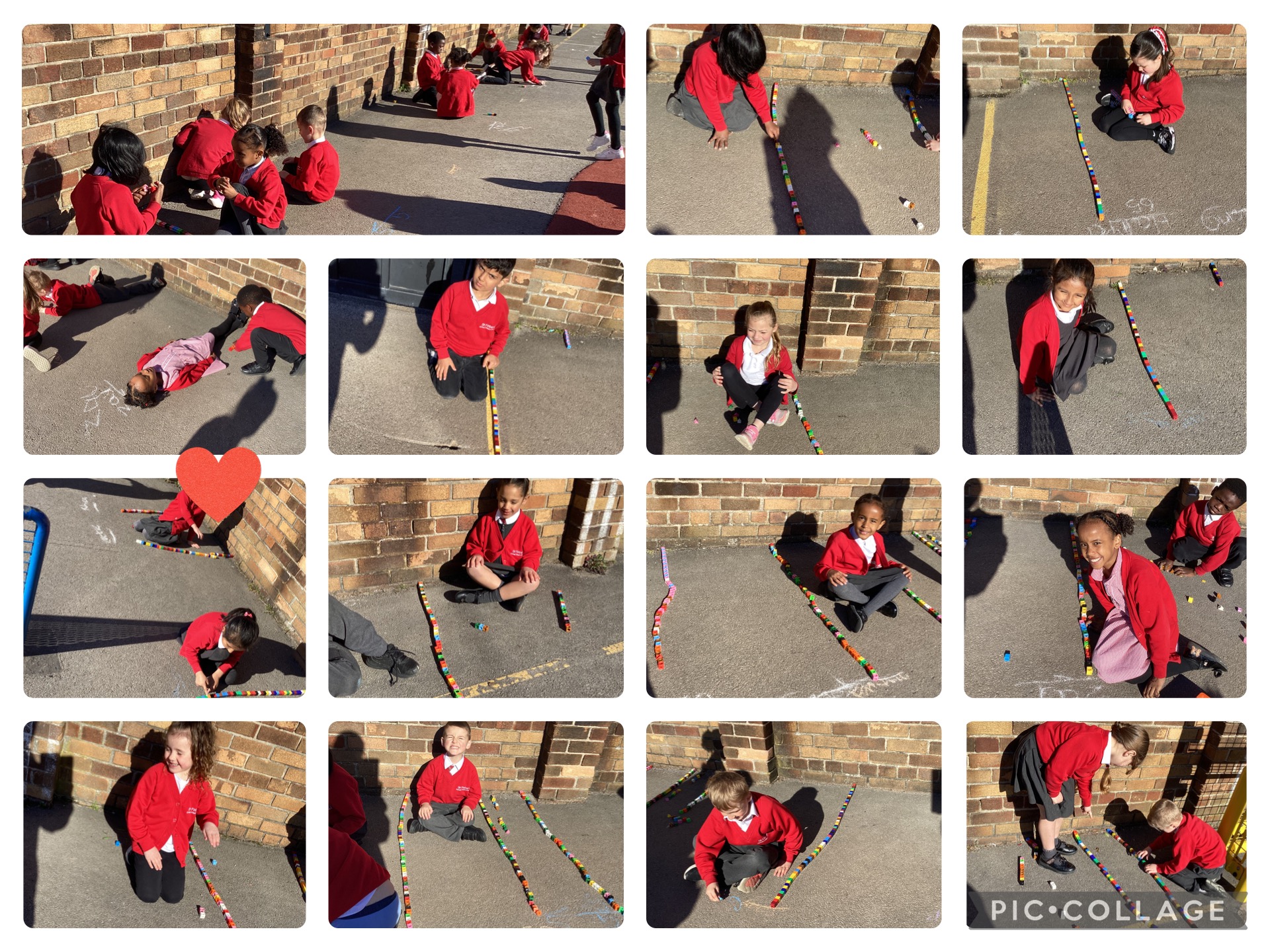
Daffodil class have really enjoyed measuring their classmates, we have used cubes to compare each other’s length. How many cubes long do you think you are?
Learning about the NSPCC and using Real life maths.
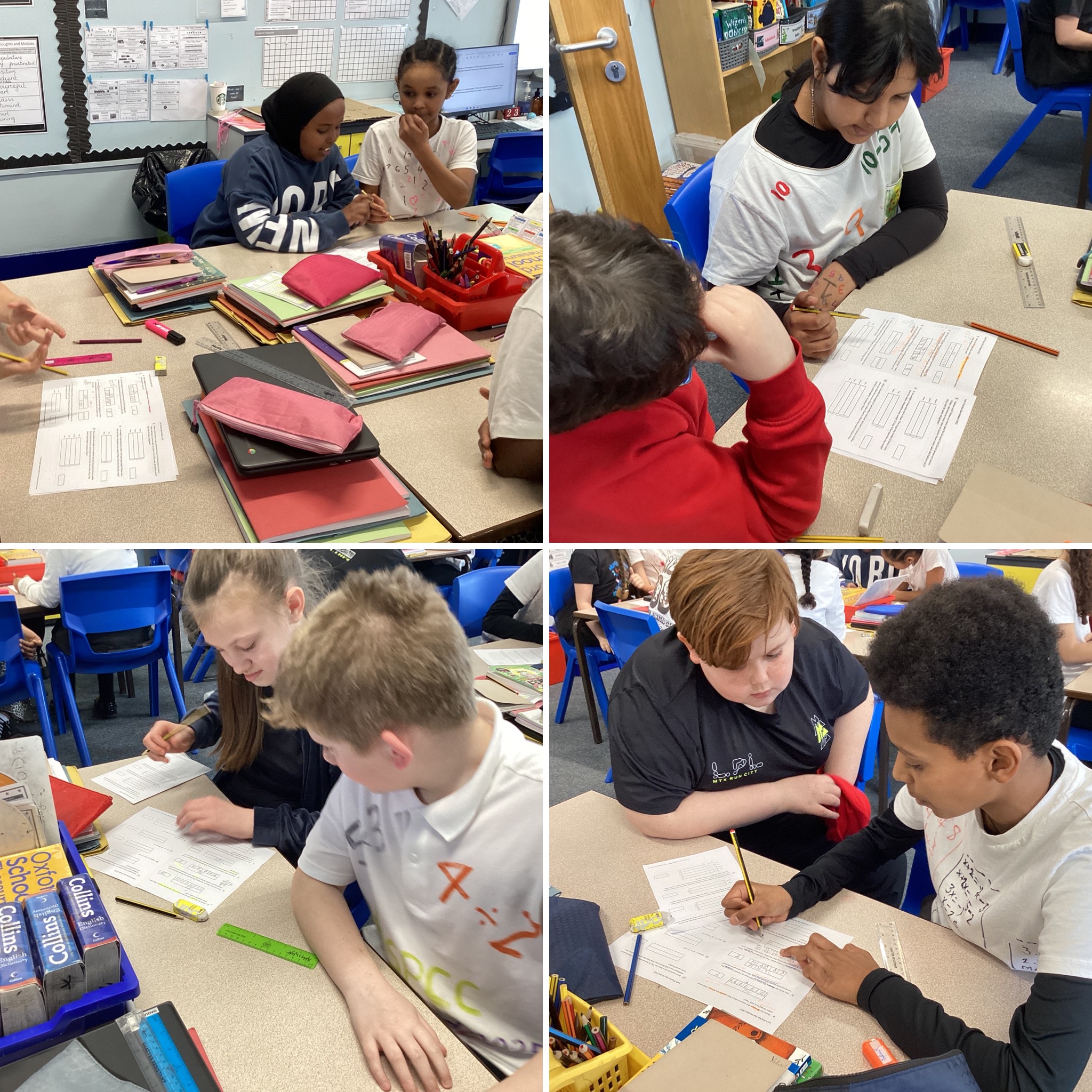
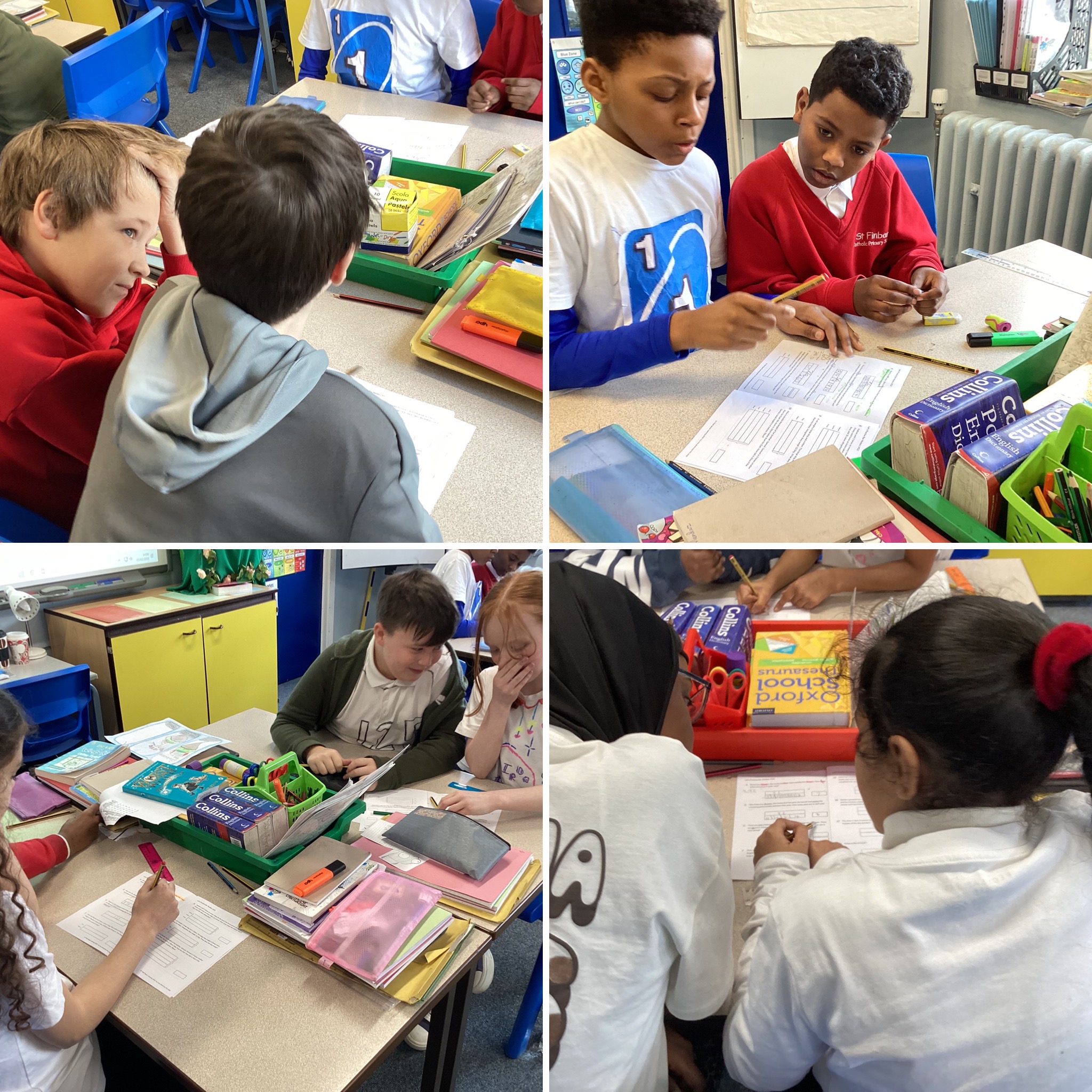
We used our math’s skills to research the best value for in school and out of school treats for after SATs. We discussed the price of a coach, taking public transport or the possibility of being able to walk.
We now understand how expensive it actually is for 30 children to go out for the day.
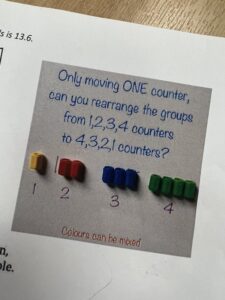
We love a maths challenge, I wonder if anyone will be able to solve this ?
Look at our amazing partitioning ? #StFinbarsMaths
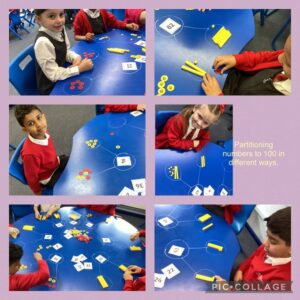
My little learners have been working so hard to partition numbers to 100 ? #StFinbarsMaths #mathsisfun
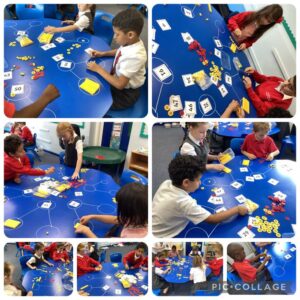
Year 1 have been learning about number fact families. We have used lots of different ways to help us understand quantity and number bonds, working together as a class. #stfinbarsmaths
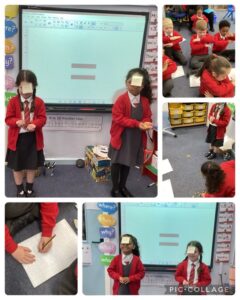
Year 1 have been introduced to the part – whole model today. We have had fun exploring and partitioning numbers #stfinbarsmaths