06.05.26 – English – Phonics
07-05-2026
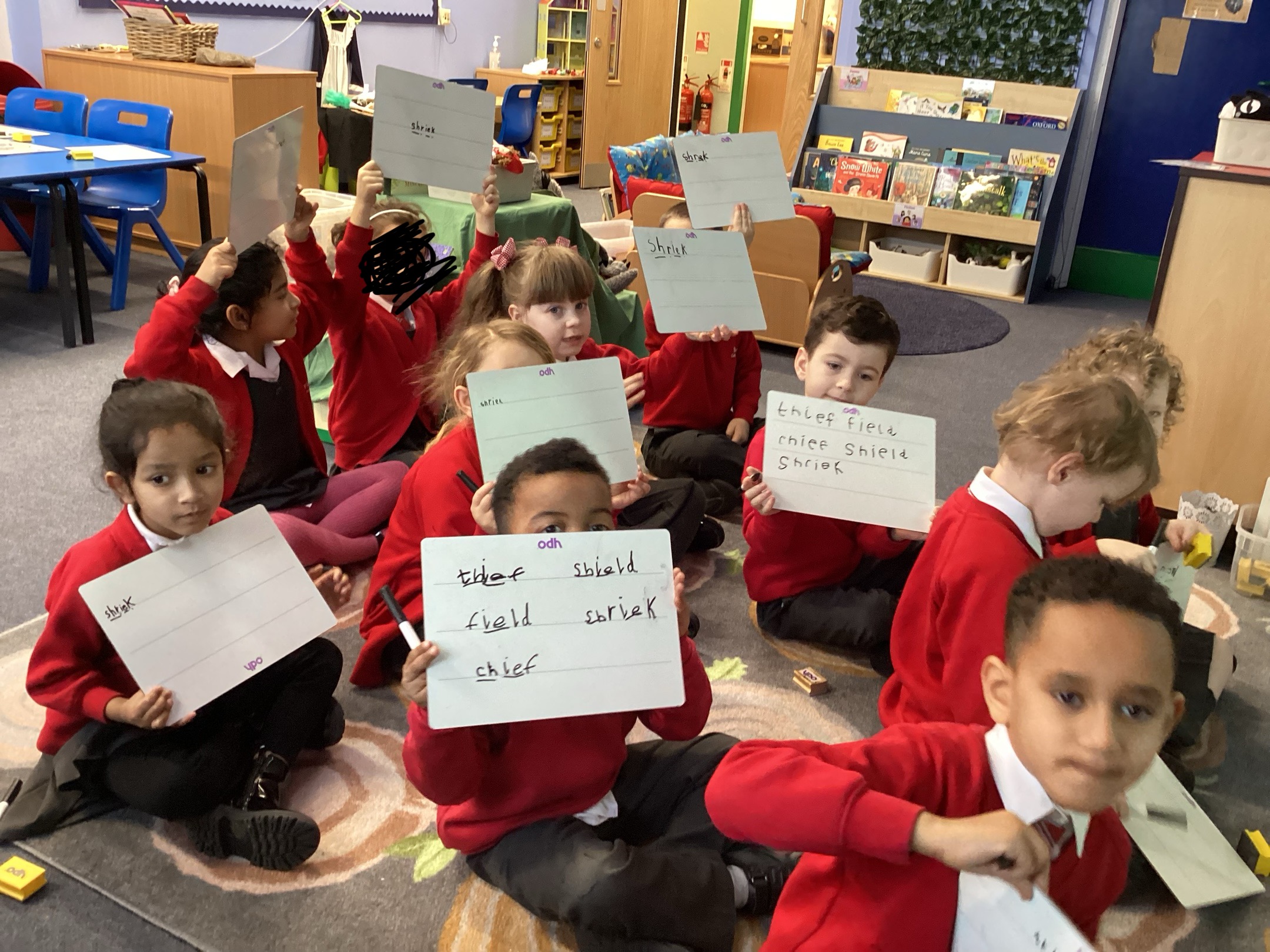
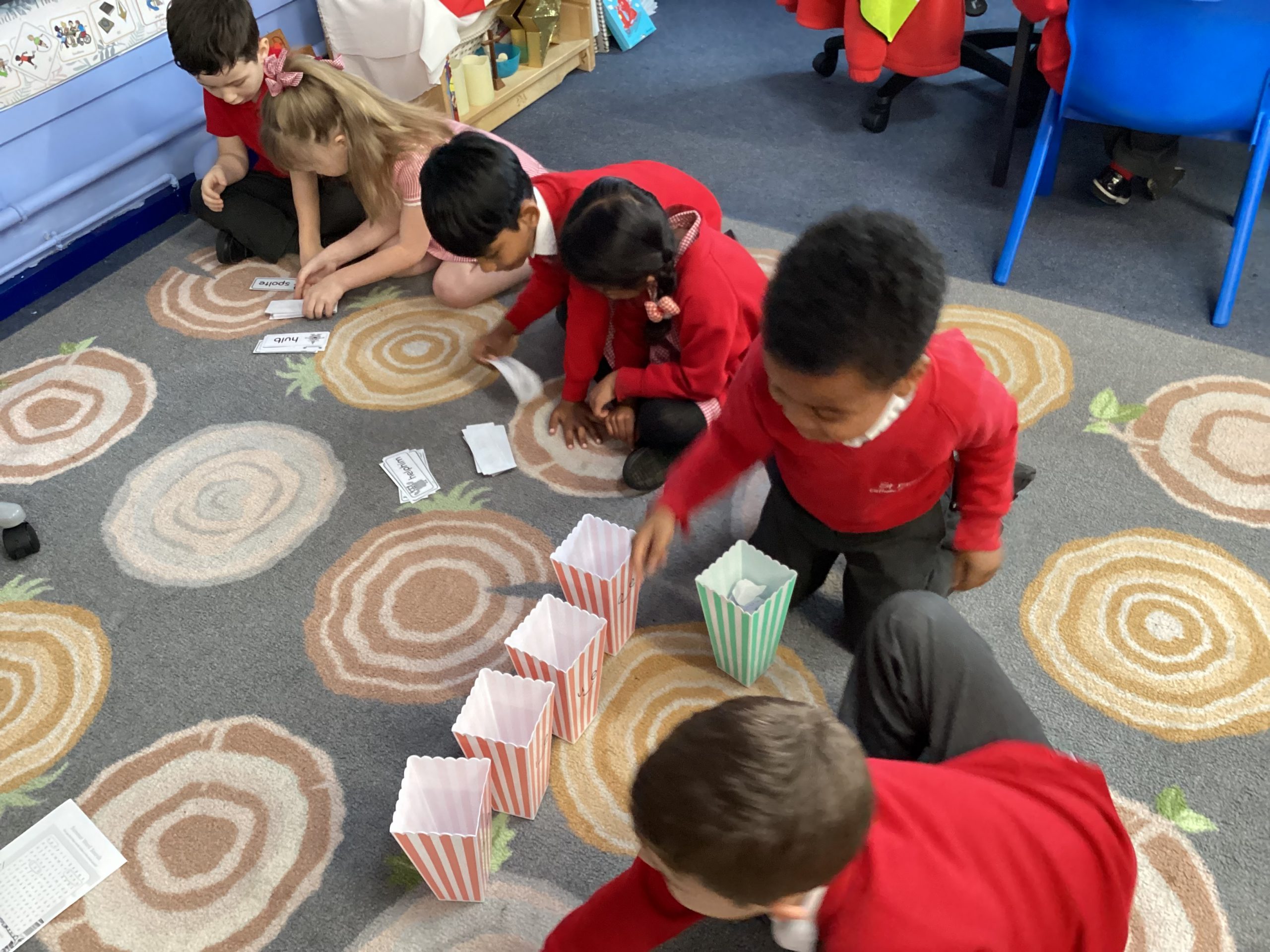
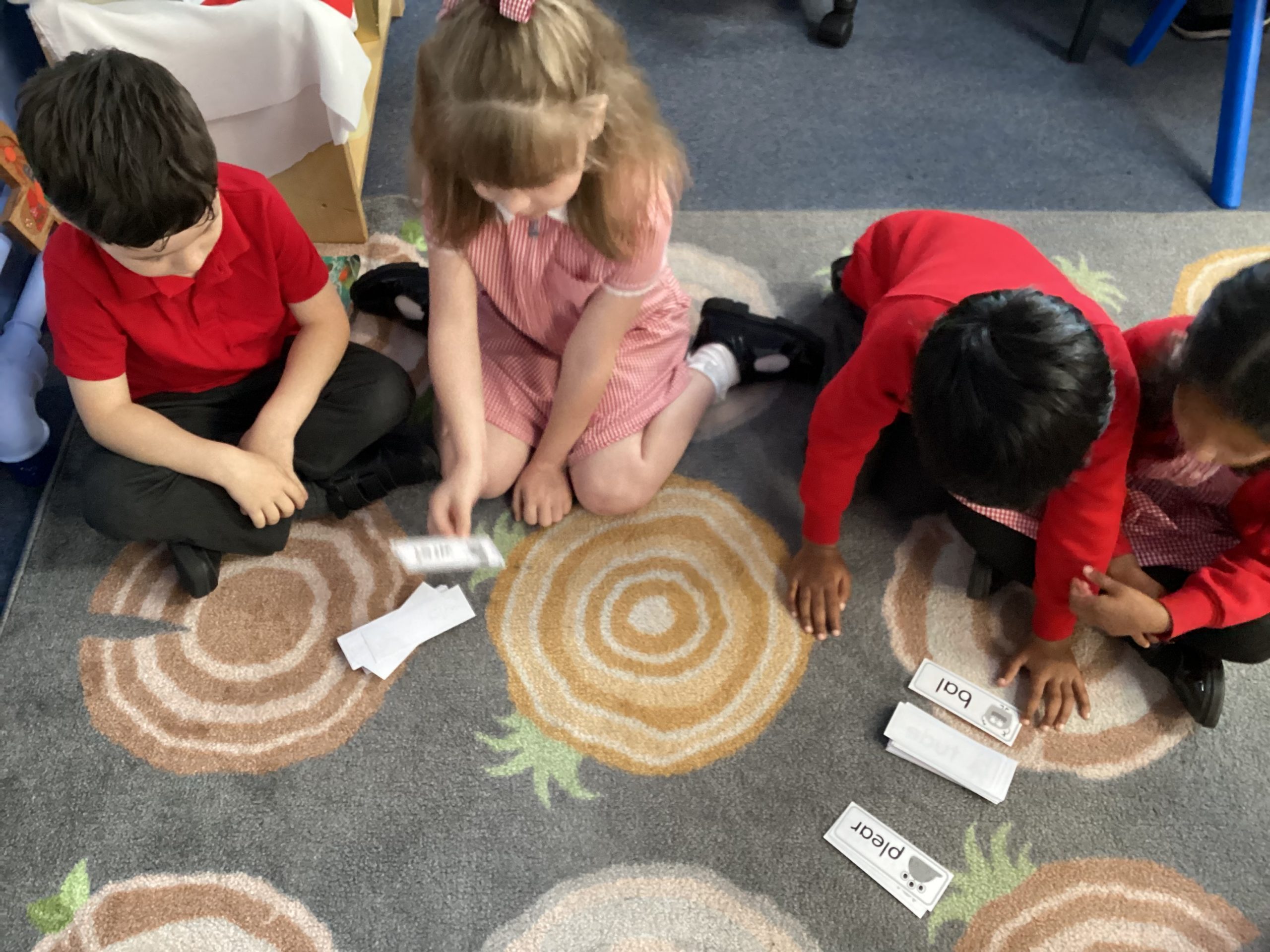
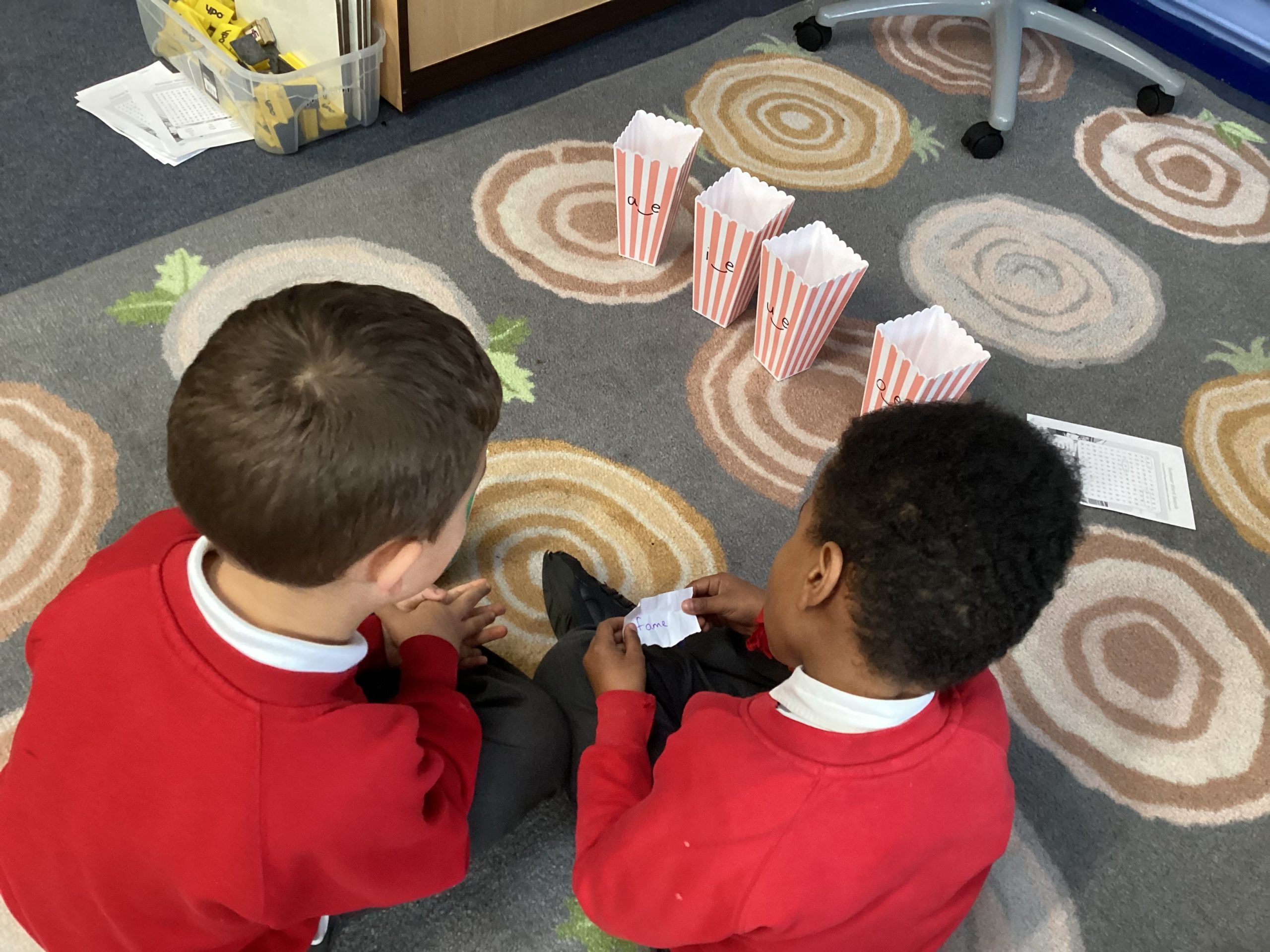
What a fantastic morning we have had practising segmenting and blending some monster words and practising reading our split diagraphs.
In order to ensure coverage of the statutory requirements for the National Curriculum, our school follows Monster Phonics in Early Years and KS1. This is then continued in KS2 with a progressive spelling curriculum that covers all National Curriculum requirements.
Phonics and spelling lessons are delivered with the approach revisit – teach – apply – review. There are weekly spellings to assess the progress that children are making towards taught spelling rules. We use a range of immersive strategies that vary dependant on age and stage, to help children learn these spellings. For further information and help on how to support your child please see the documents below.
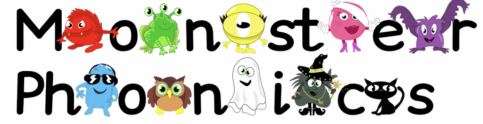
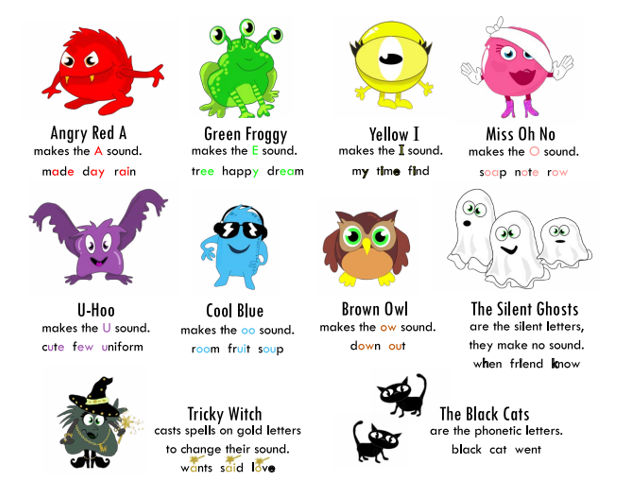
Monster Phonics is a highly engaging, structured, synthetic phonics programme. It facilitates learning by using monsters to group graphemes for recall and act as an easy and fun memory cue for children. It also uses colour-coding to highlight the grapheme when teaching a new grapheme.
Once taught and secure, the colour is removed. Monster Phonics matches the Reception EYFS framework and KS1 Spelling Curriculum. It progresses from simple to more complex phonic knowledge and skills, building on prior knowledge.
The main principles of systematic synthetic phonics teaching are followed, allowing children to become confident and successful readers, spellers and writers from a very early stage in their school life. Each monster has a backstory, and these are used in all areas of the phonics programme. Ten monsters and corresponding colours represent the areas of phonics that present the biggest obstacles to learning.
Our main aims at St Finbar’s are to enable children to:
Phonics & Spelling Curriculum Statement
Year 3 – 6 Curriculum Coverage
Phonics – Year 1 Common Exception Words Chart
Phonics – Year 2 Common Exception Words Chart
As children develop their skills, we want them to be able to apply their knowledge of sounds and decoding skills to read any unfamiliar word, whether it is real or nonsense. During lessons, children will have opportunities to practice their decoding skills by sounding out the letters in ‘Alien word’. This shows us that children are using their decoding skills and not relying on existing knowledge of real words. This is an important part of the Phonics Screening Check, which children complete in the Summer term of Year 1.
See the link below for Phonics Screening Check information:
https://www.gov.uk/government/publications/phonics-screening-check-2019-materials
Here are some websites that have some interactive games your child can play to practise their skills:
https://www.topmarks.co.uk/english-games/5-7-years/letters-and-sounds
https://www.bbc.co.uk/bitesize/topics/zyfkng8/articles/zt27y4j
https://www.phonicsplay.co.uk/resources/phase/2/picnic-on-pluto

What a fantastic morning we have had practising segmenting and blending some monster words and practising reading our split diagraphs.
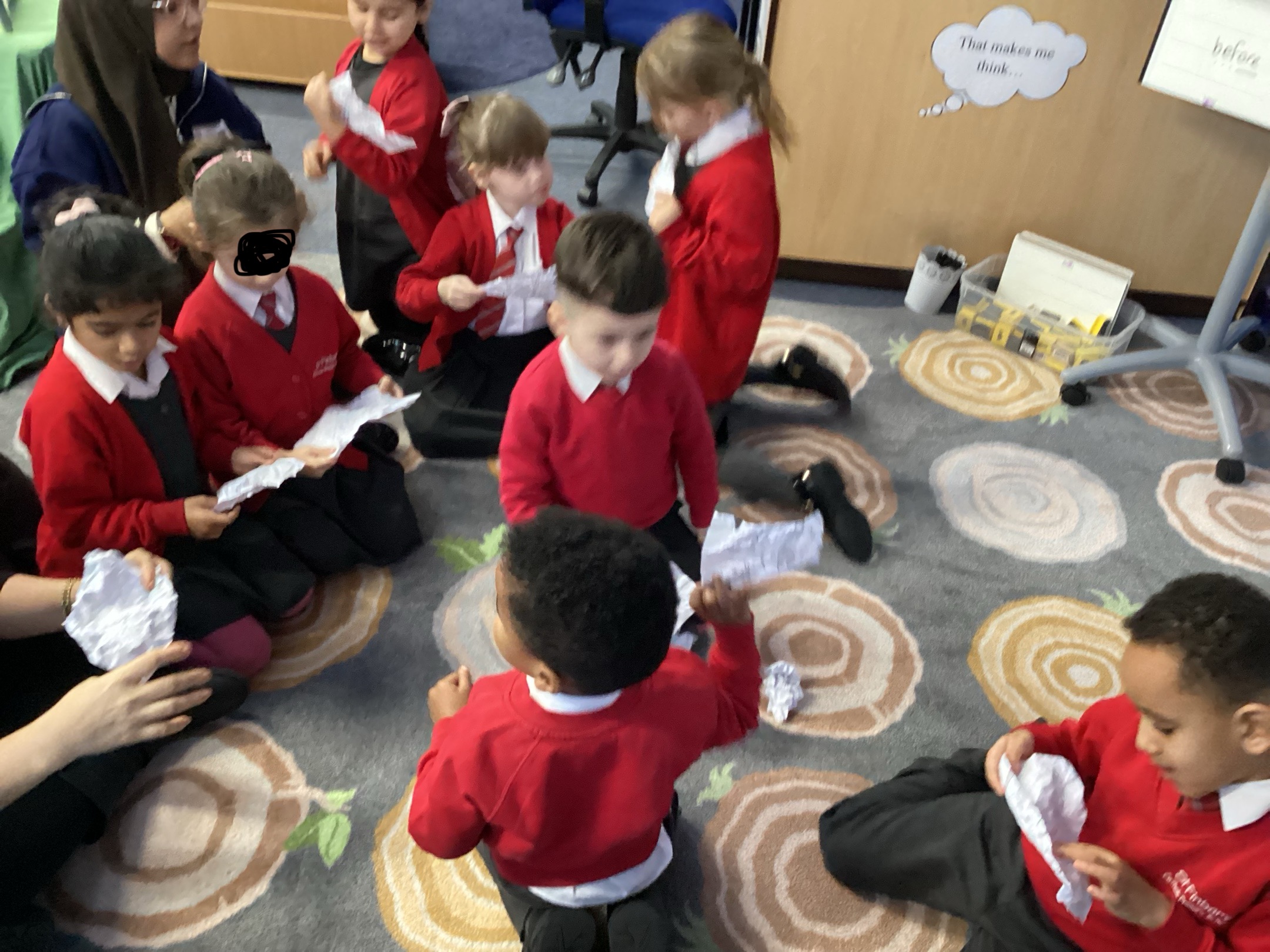
Daffodil class have really enjoyed this morning’s phonics activity. They have practised segmenting and blending lots of words and found a partner with the matching grapheme.
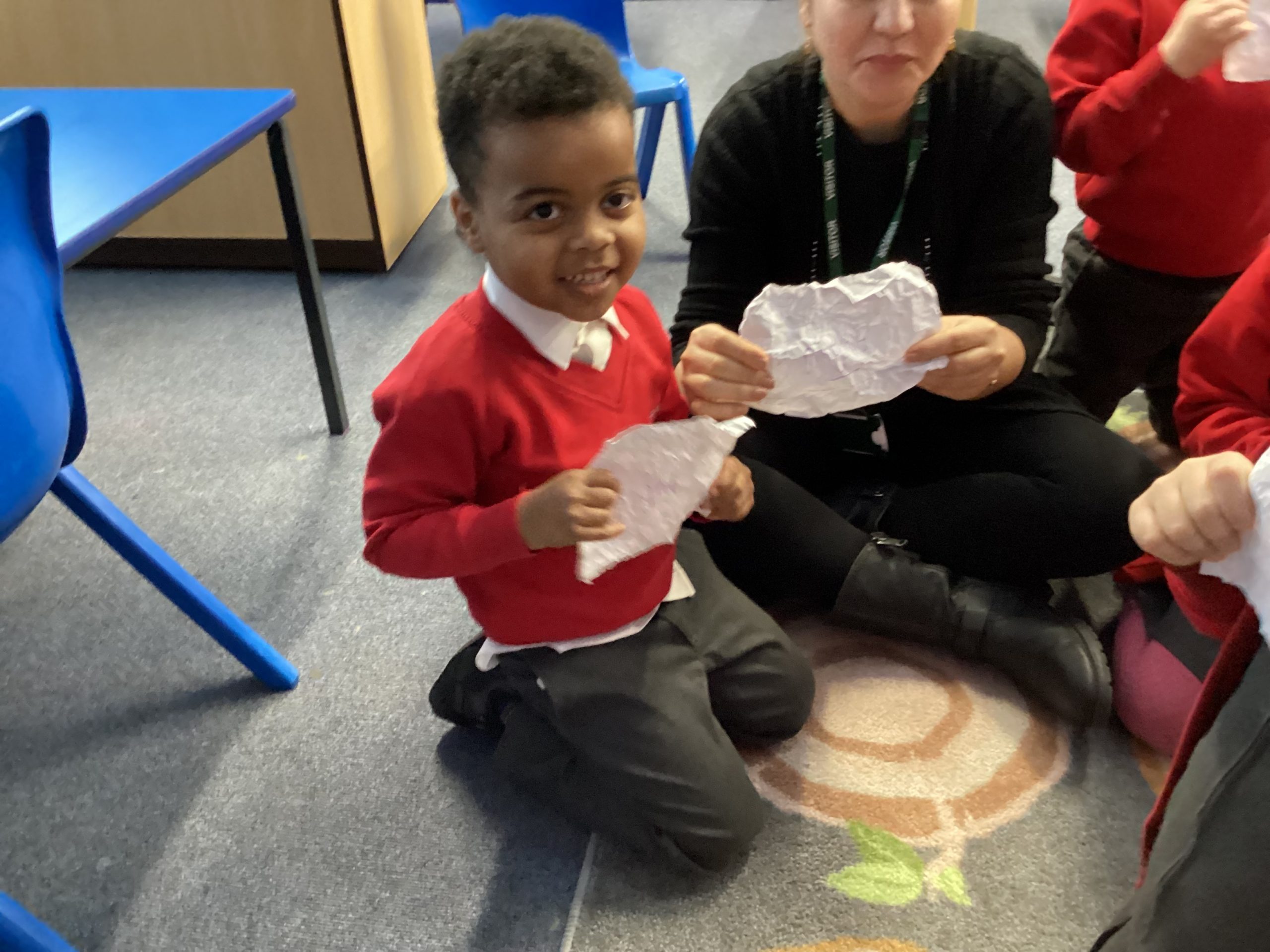
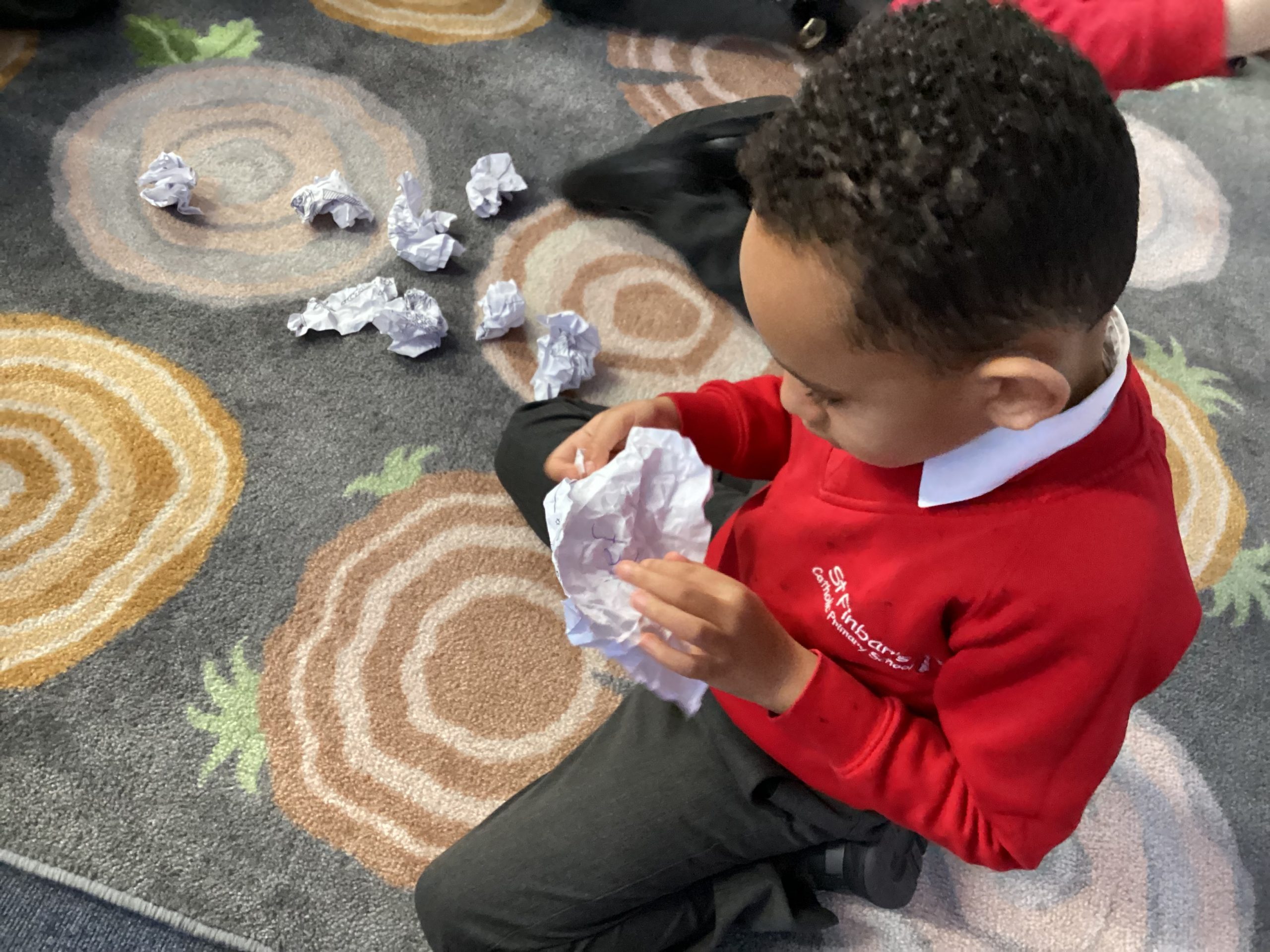
Daffodil class have been learning about words that contain the ‘ie’ grapheme, look at their fantastic writing.